Skip to content
maxnews
Rankings

Historical Movies And TV Shows That Make You Grateful For Air Conditioning

Historical films have long occupied a central place in Hollywood. Very often, they are used to showcase various new movie-making technologies and, more often than not, they also focus on heroes of one sort or another. These are the individuals who often reshape the course of history by their actions, many of which often involve feats of strength. Since most of these films take place in an era before air conditioning, these male heroes are often drenched in sweat as they engage in their various actions. Sweat, then, is not just a signifier of where things are often filmed - such as the desert - but also an external indication of the work involved in being a hero.

Entries
18
Votes
643
Updated
yesterday

Tap upor downto vote. Your vote is added to Ranker's counts.

Voting identifies your browser with an anonymous fingerprint, stored only as a salted hash, to count one per visitor. Privacy

Source: Ranker, ranked by its voters.

  1. 1

    The Good, the Bad and the Ugly
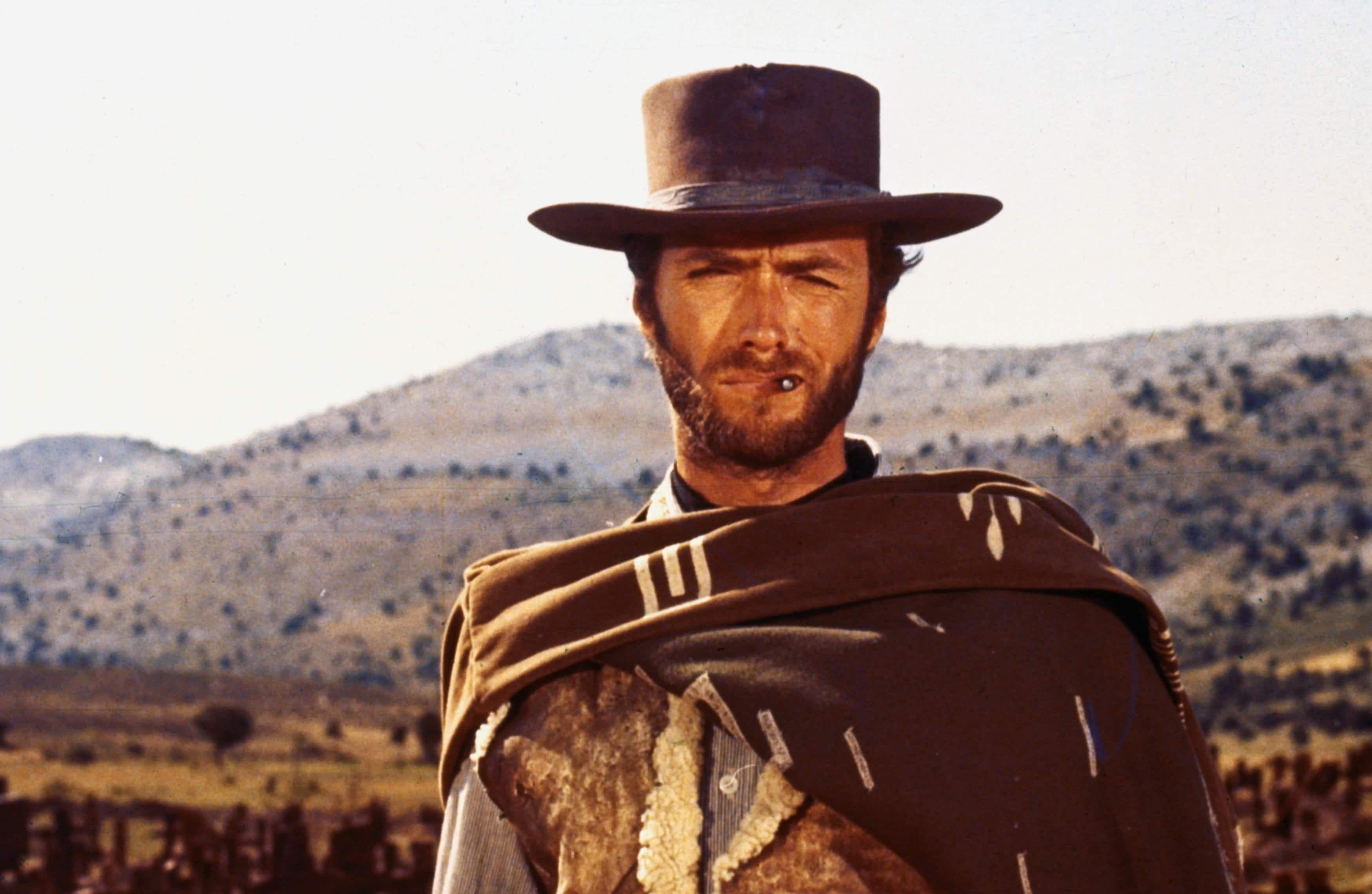
    The collaboration between director Sergio Leone and Clint Eastwood was one of the most productive in either’s career, as it led to several successful spaghetti westerns. The Good, the Bad, and the Ugly is exemplary in this regard, as it stars Eastwood as “Blondie,” one of a trio of gunslingers who join forces (for a while) in order to find Confederate gold. The American West as portrayed in this film is brutal and disturbing and violent, and Leone’s stylized cinematography is regarded as one of its most enduring legacies. As a director, Leone often had a keen understanding for what would engender a physical response in the viewer, and he makes this clear in films like this one. Most notably, he often features close-ups of sweaty eyes, where the person in question is always looking for a threat. The sweat, then, comes to be a part of the slowly mounting tension. The viewer, along with the characters, feels everything building up to a spectacular, and often very violent, climax.
    92% upvoted
  2. 2

    Gladiator

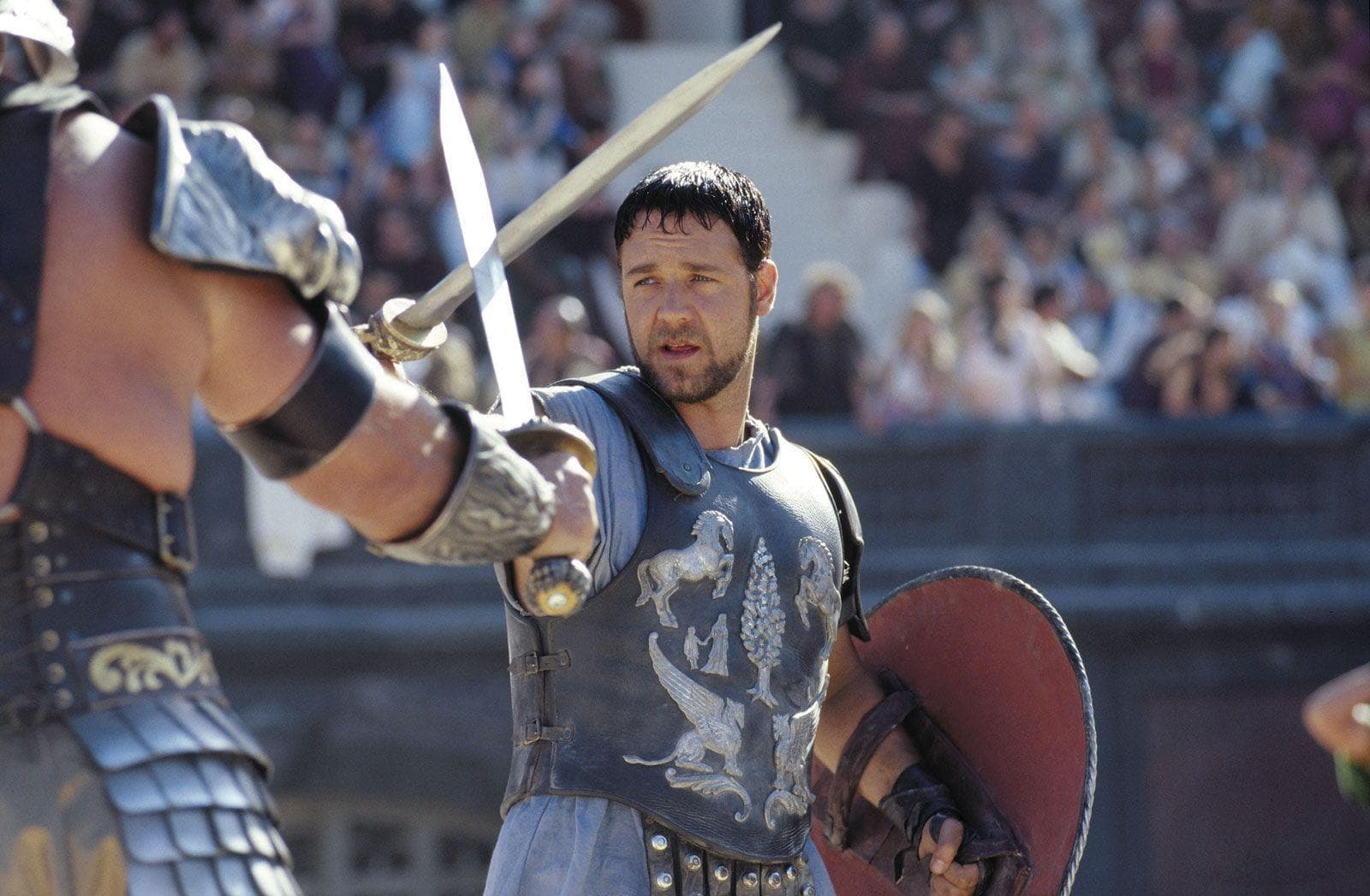
    Ridley Scott’s Gladiator is a remarkable film for a number of reasons, not least of which is its influence on Hollywood. In its aftermath, the ancient world once again returned to the big screen. With its story about a Roman general named Maximus who is condemned to become a gladiator only to rise up and kill the corrupt Emperor Commodus, it is both inspiring and remarkably moving. As its title suggests, it focuses a great deal on the main character’s training in the arena, where he hones his skills as a fighter. Poor Maximus spends a great deal of the film sweating, first on the front lines of battle in Germany, then in the burning sands of Africa and, finally, in the Colosseum itself. Along with those others who are condemned to fight on the sands of the arena, Maximus has to endure the sun blazing down on him. At the same time, his sweating is an external sign of his epic heroism, as his body becomes the means by which he will bring about a purification of the Roman Empire.

    82% upvoted
  3. 3

    Lawrence of Arabia

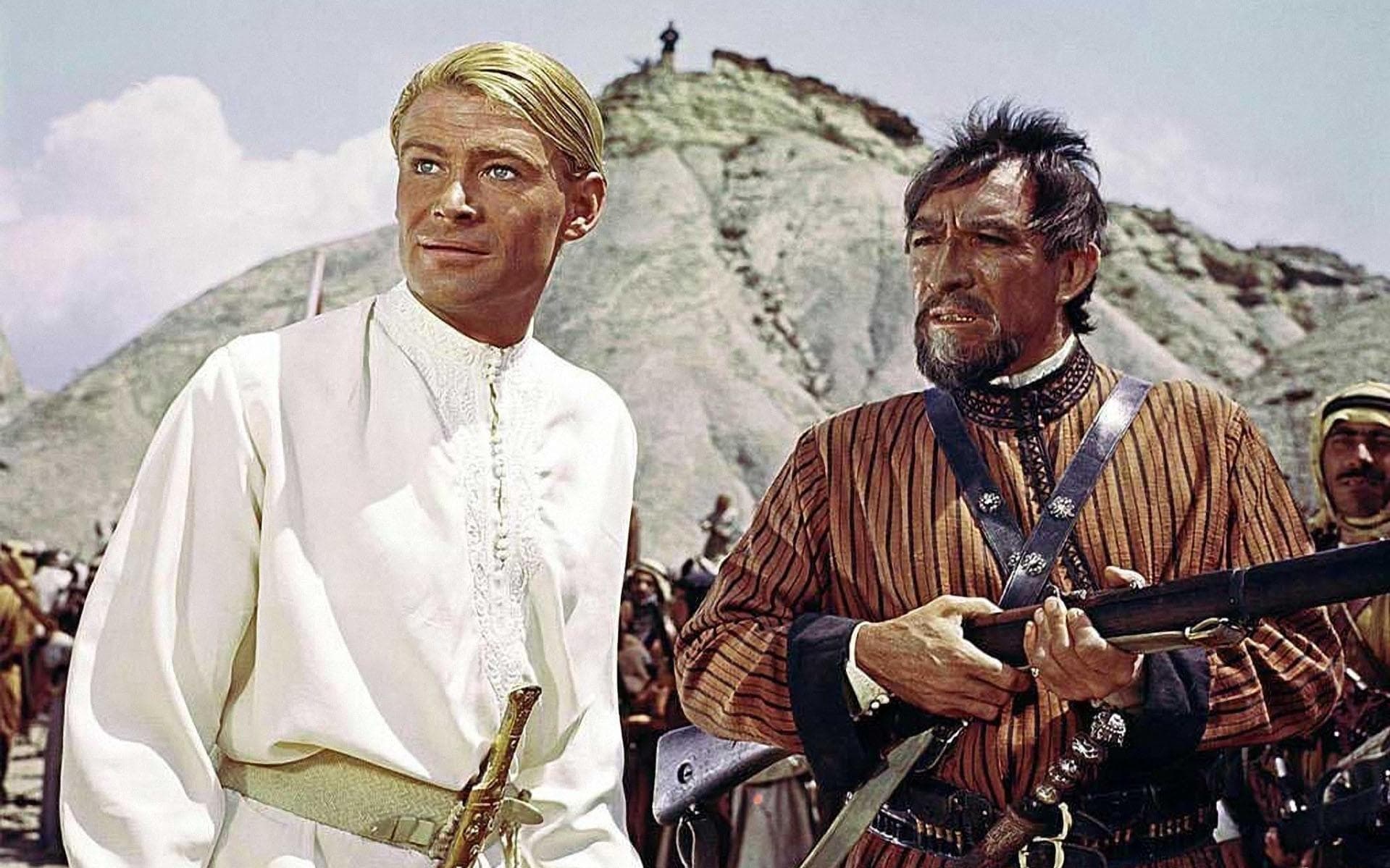
    Lawrence of Arabia was a giant in his own time, and he was made even more so by David Lean’s film immortalizing his life. Sprawling and beautiful and epic in all senses of the word, Lawrence of Arabia is a testament to the power of film to capture the grandeur and sweep of history and one man’s influence on it. Though it is very much about Lawrence’s own struggles with his identity and with the brutal and ugly nature of war, it is also about World War I more generally. Peter O’Toole’s Lawrence is a man burning with his own inner intensity, and he endures a great deal of physical strain as he carves his own destiny. And, since the story is set in the blazing deserts of the Middle East, both Lawrence and his fellow warriors are often seen with a sheen of perspiration on their faces. They are all being forged in the cauldron of political and physical conflict. Furthermore, the members of the cast also endured quite a lot of sweating during filming, adding a further layer of verisimilitude.

    82% upvoted
  4. 4

    Apocalypse Now

    Heart of Darkness, the disturbing novel by Joseph Conrad, serves as the inspiration for Apocalypse Now. The film follows Captain Benjamin L. Willard (Martin Sheen), who sets out to assassinate a rogue soldier, Colonel Kurtz (Marlon Brando), who has gone into the Vietnamese jungle, where he has committed various crimes. The film faced a number of production challenges, which stemmed from Brando’s lack of preparation, Sheen suffering a heart attack, and numerous other production delays. Given its location in the jungles of Vietnam, there is an incredible amount of sweating going on in this film. This is particularly true of both Willard and Kurtz. In Willard’s case, his sweating seems to signify his growing loss of control as he journeys further into the heart of darkness which is the film’s central theme. Brando’s Kurtz, however, is in some ways sweat incarnate, which suggests his lack of bodily control, his abandonment to his own worst impulses as he has slowly given up more and more of what renders him human.

    79% upvoted
  5. 5

    Rome

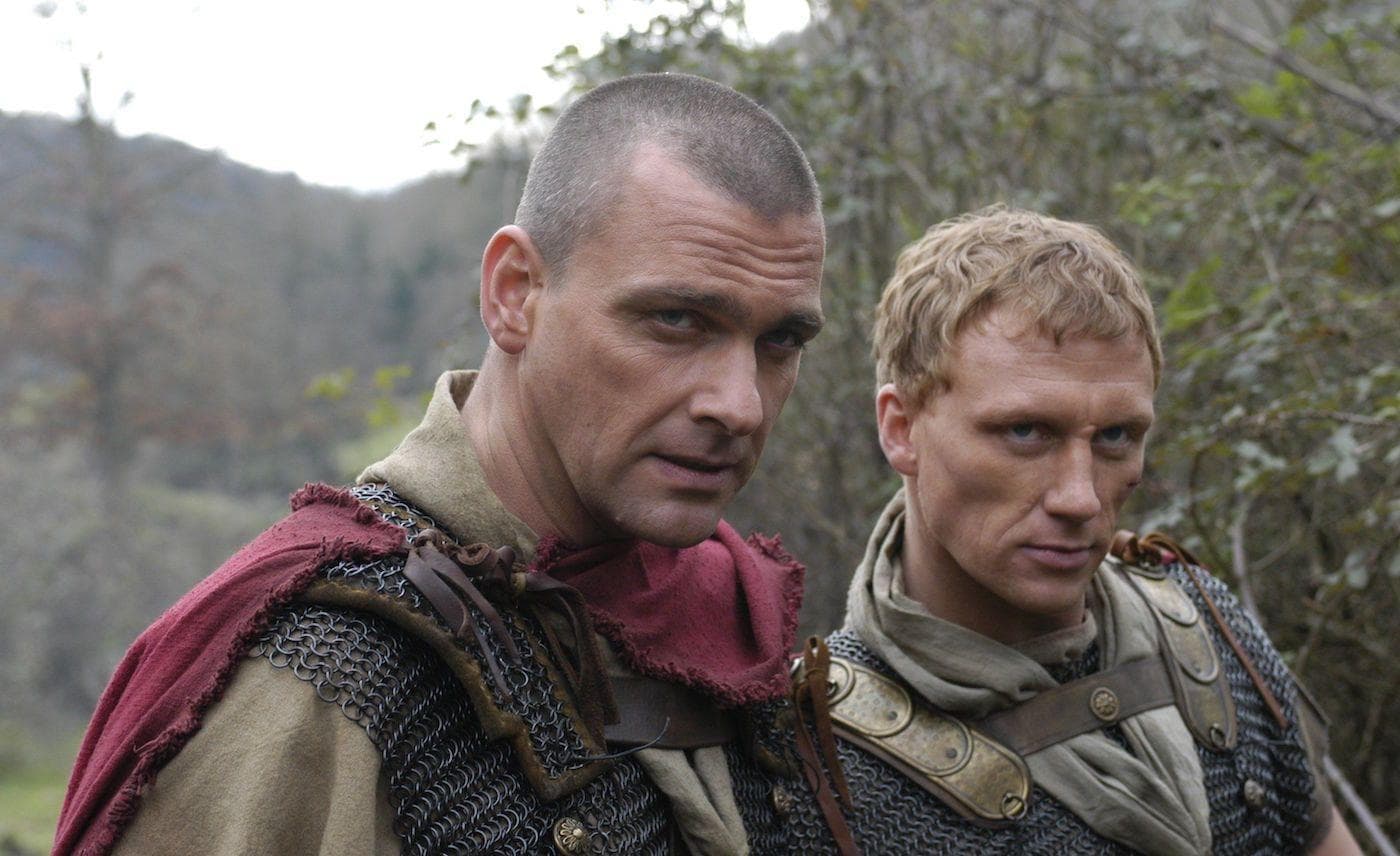
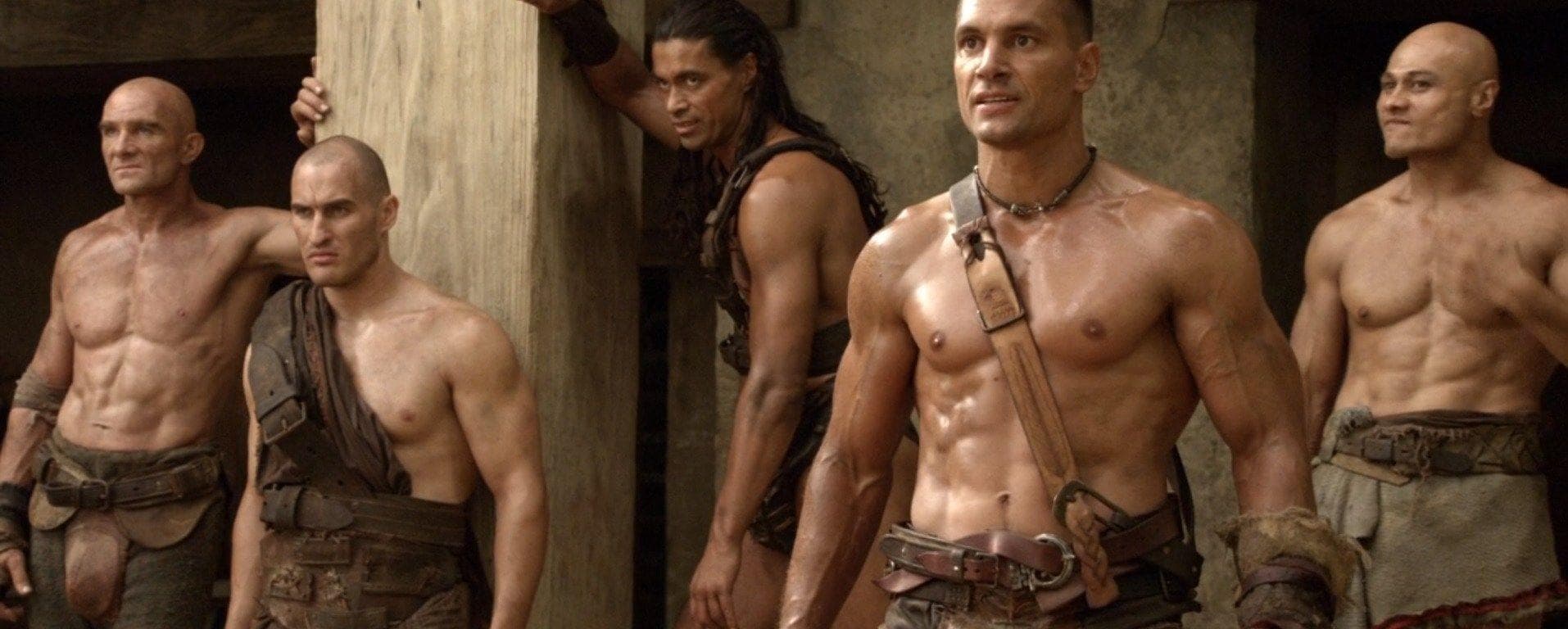
    For several decades now, HBO has excelled at creating compelling shows which manage to subvert the expectations and conventions of various genres. With Rome, for example, the network tore away the patina of respectability of the traditional Roman toga film to reveal the seediness beneath. The series chronicles the decline of the Roman Republic, focusing not just on the actions of the great and powerful - such as Caesar and Marc Antony - but also common soldiers such as Titus Pullo and Lucius Vorenus. Given its emphasis on some of the lower orders of society, it makes sense there would be quite a lot of sweating in Rome. This is, after all, an age before air conditioning, and even the wealthy had to contend with the unpleasantness of the summer heat in Rome. Furthermore, the series also shows the brutality and often deeply uncomfortable nature of warfare in the ancient world, and its soldier characters (even the great Caesar himself) are shown having to brave the elements. In this world, everyone’s body is as subject to the vicissitudes of nature as everyone else’s.

    74% upvoted
  6. 6

    Dog Day Afternoon

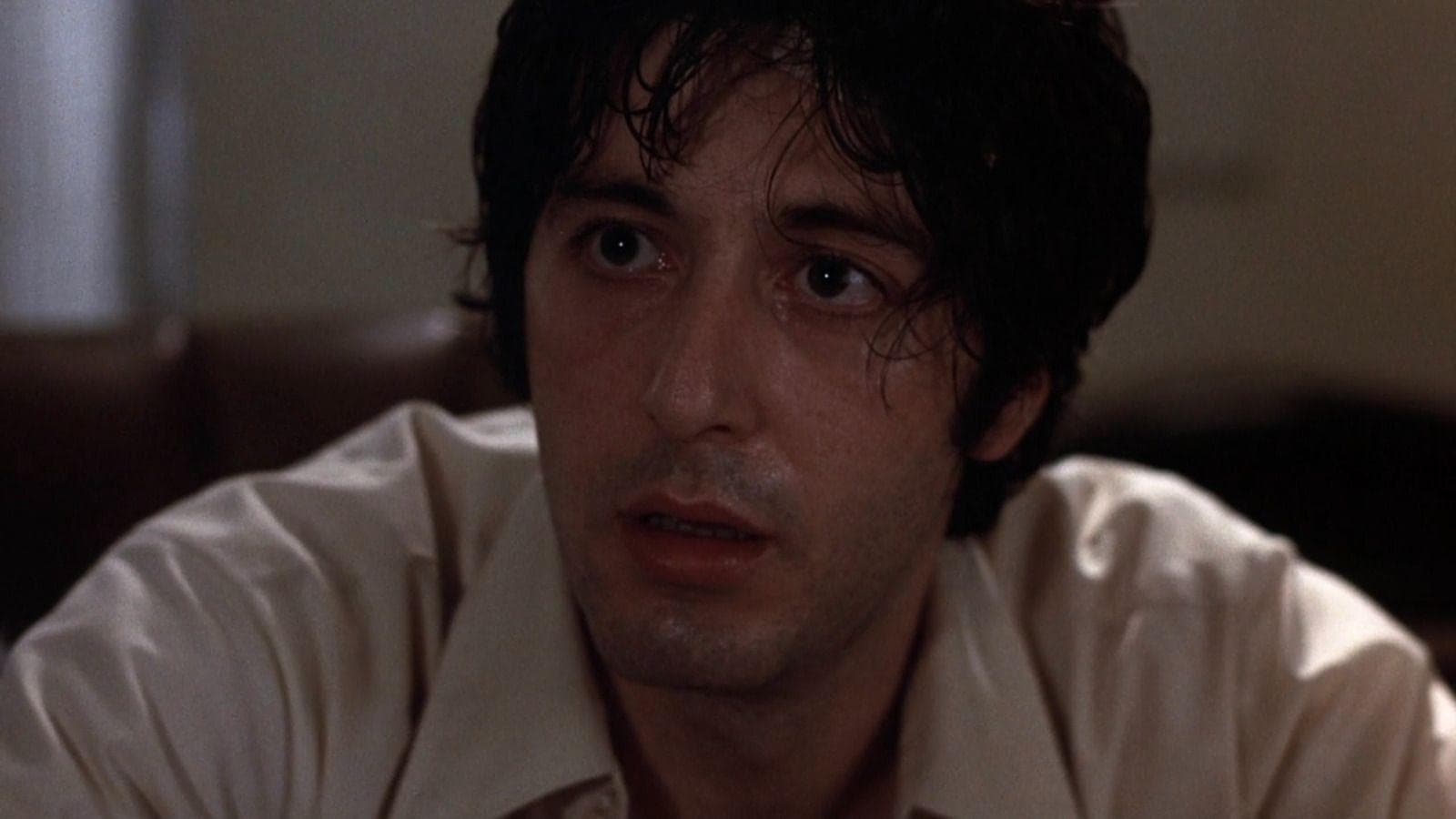
    During his lifetime, Sidney Lumet was one of the most respected directors of Hollywood. He had a particular knack for drawing out nuanced and sophisticated performances from the actors with whom he worked, including Al Pacino, who is the star of Dog Day Afternoon. In the film, he stars as a man who tries to rob a bank in order to get the money for his significant other to have gender confirmation surgery. Things go quickly awry, however, leading to a tense standoff with police. While the hostage situation is taking place, Pacino’s character, ​​Sonny Wortzik, begins to feel the mounting pressure of what he has set out to do. This, combined with the sweltering summer heat of the title, begins to take its physical toll, not just on Sonny but also on all of those who are held hostage. As was the case with Lumet’s other great masterpiece, 12 Angry Men, Lumet has a knack for showing how a confined physical space can slowly lead to a person’s mental and physical self-destruction.

    71% upvoted
  7. 7

    300

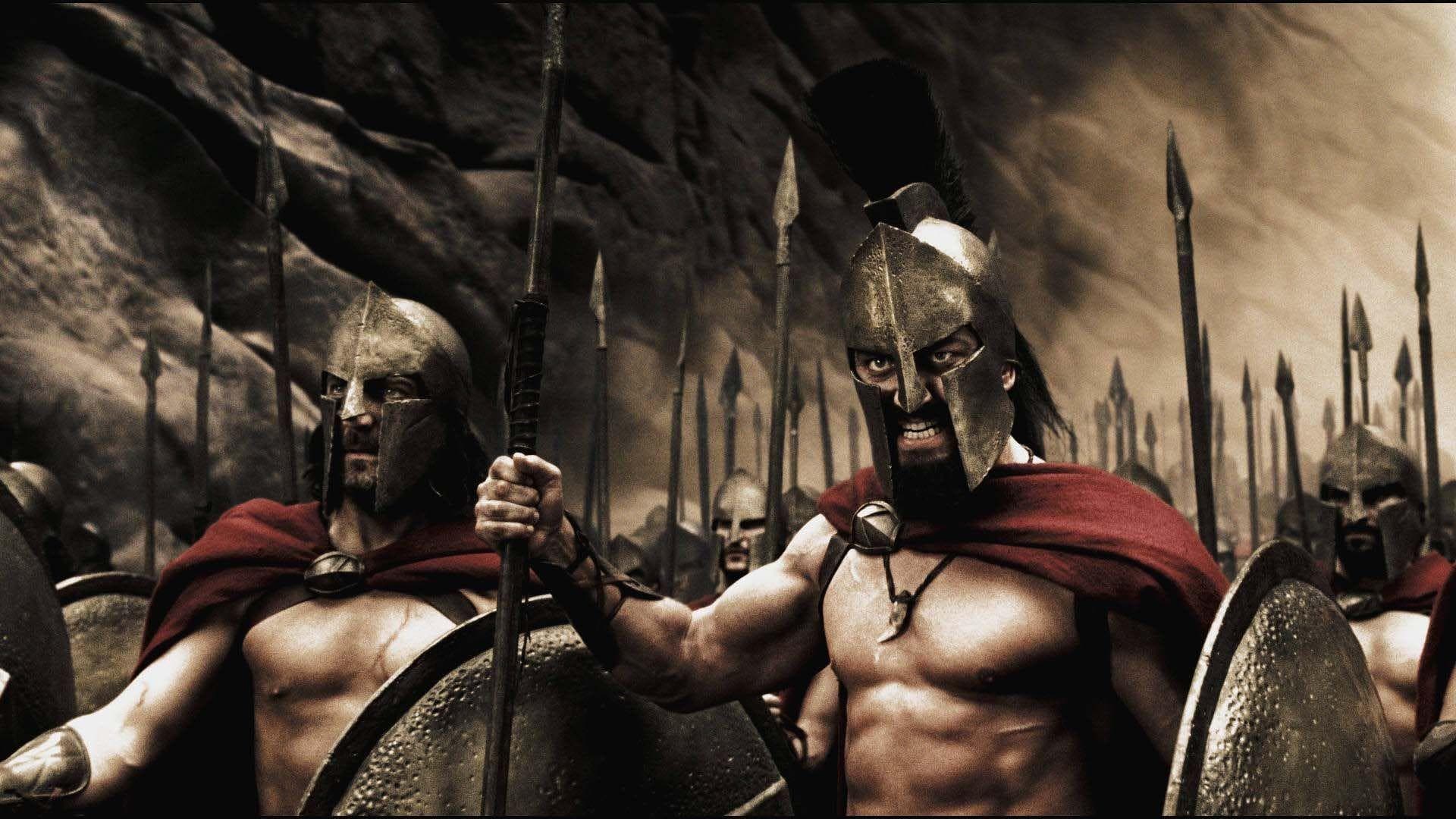
    As one might guess from the title, the film 300 focuses on the efforts of three hundred Spartan warriors to hold the pass of Thermopylae against the invading Persian forces. Filled with sculpted male figures, towering and malevolent god-kings, and hyper-stylized violence, it is not necessarily history as such, but it nevertheless uses the past to express ideas about the present. It is deeply, and at times disturbingly, visceral in its approach to the representation of history. Indeed, many of the most notable scenes in the film showcase the male body engaged in acts of killing. The various members of the cast went through a remarkable regimen of bodybuilding and working out in order to make sure they were able to fully capture the idealized Greek male body. The sweat involved in such a regimen also made its way into the film itself, which features many scenes of men dripping sweat as they charge into battle against the invaders. In addition to showing just how much effort was involved in creating such bodies, the sweat is also effective at highlighting their sculpted musculature.

    69% upvoted
  8. 8

    Deadwood

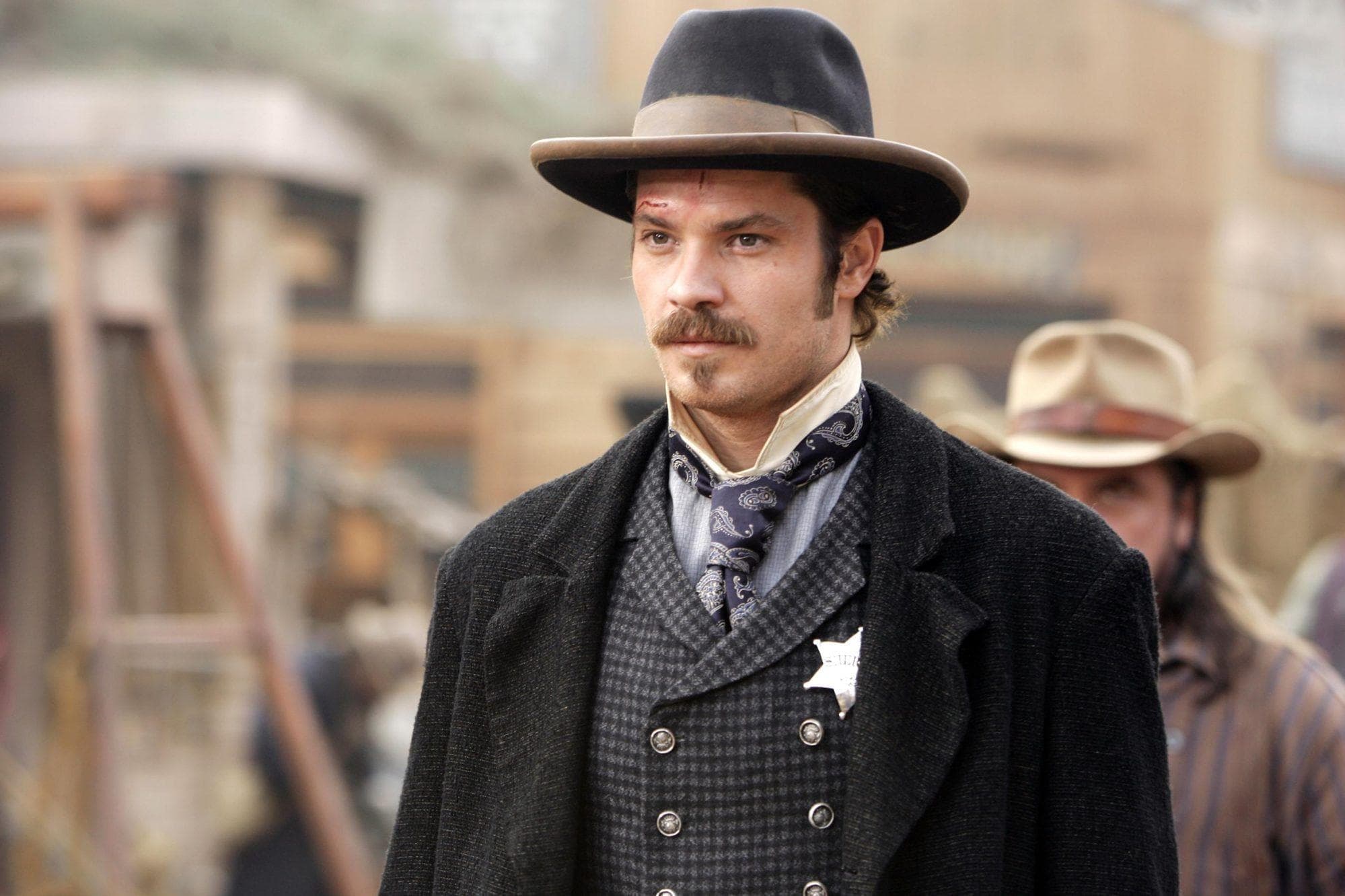
    Throughout the early part of the 2000s, HBO was the home for a number of notable and highly-regarded period dramas. Of these, Deadwood was particularly well-loved, as it took the conventions of the American Western and gave them an additional layer of grime and grit and rich authenticity. Focusing on the town of Deadwood, it follows a variety of characters - many of them based on true figures - as they work to bring order out of the chaos which characterized life during the late 19th-century American West. Many aspects of the series work to immerse the viewer in this rough-and-tumble, often very dangerous world. Obviously, the profanity remains one of its most notable elements, but the characters are often seen sweating, sometimes in illness, sometimes as they go about their daily lives. Unlike some series, which try to sanitize the past, Deadwood instead seems to revel in the bodily presence of its characters, which no doubt explains why it remains so beloved among its fans.

    70% upvoted
  9. 9

    O Brother, Where Art Thou?

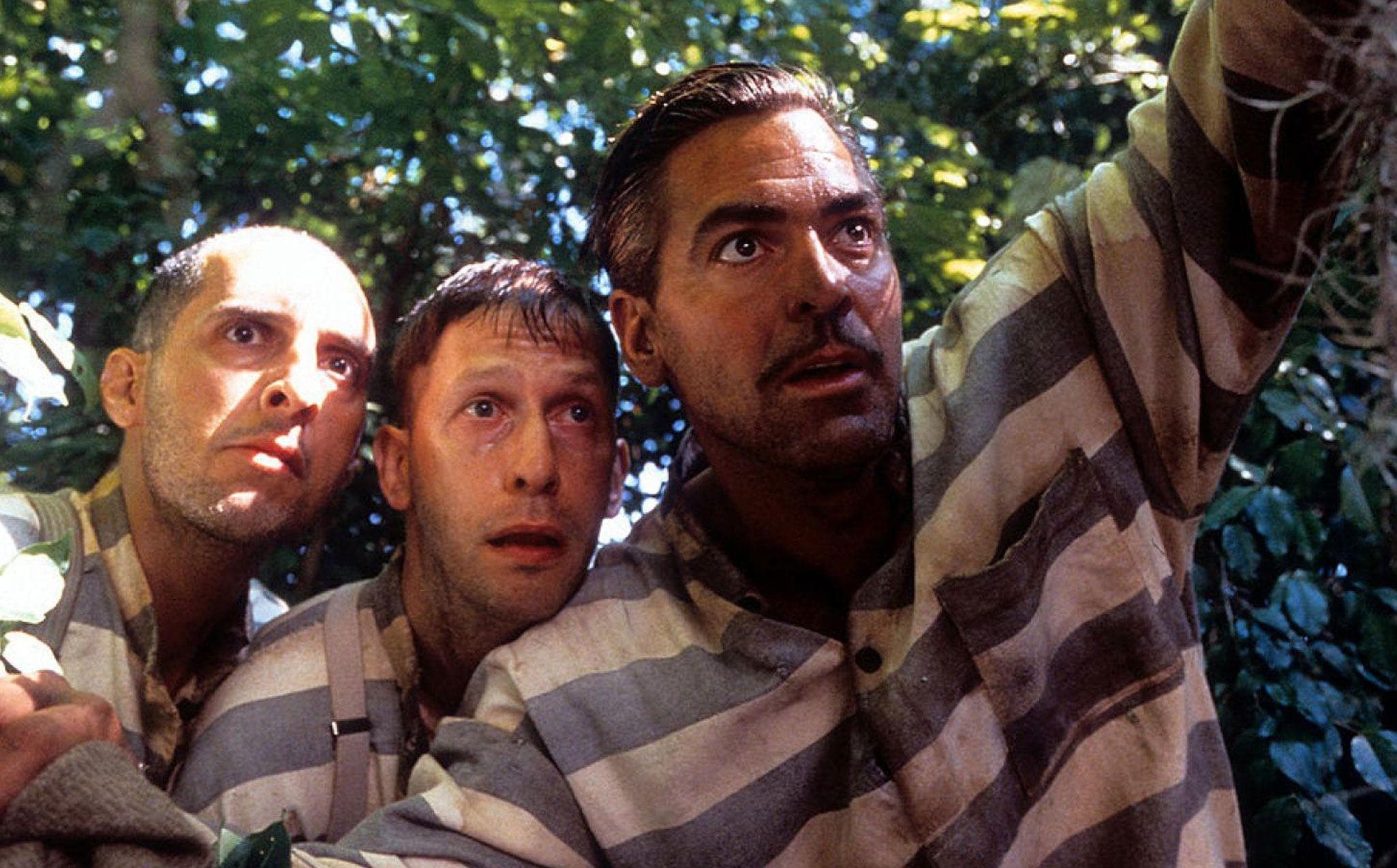
    The Coen Brothers have earned a reputation as some of the cleverest filmmakers working in Hollywood, and a film like O Brother, Where Art Thou? demonstrates why this reputation is well-deserved. A very witty and smartly written retelling of The Odyssey, it transports the action from Bronze Age Greece to the American South during the Depression, with George Clooney portraying Ulysses Everett McGill, a man who escapes from a chain gang with two companions. The three of them subsequently encounter many adventures which mirror those of their literary counterparts. This being the South, the characters obviously sweat quite a lot. There is, indeed, a very visceral quality to many of Ulysses’s scenes. Since he is so often just a few steps ahead of the law, his sweating is an outward sign of his lawlessness and of his physical efforts to stay ahead of agents of justice who so relentlessly pursue him. It also helps to evoke the pressures under which he labors as he, like Odysseus, tries to return home and restore his family to the unit it once possessed.

    62% upvoted
  10. 10

    John Adams

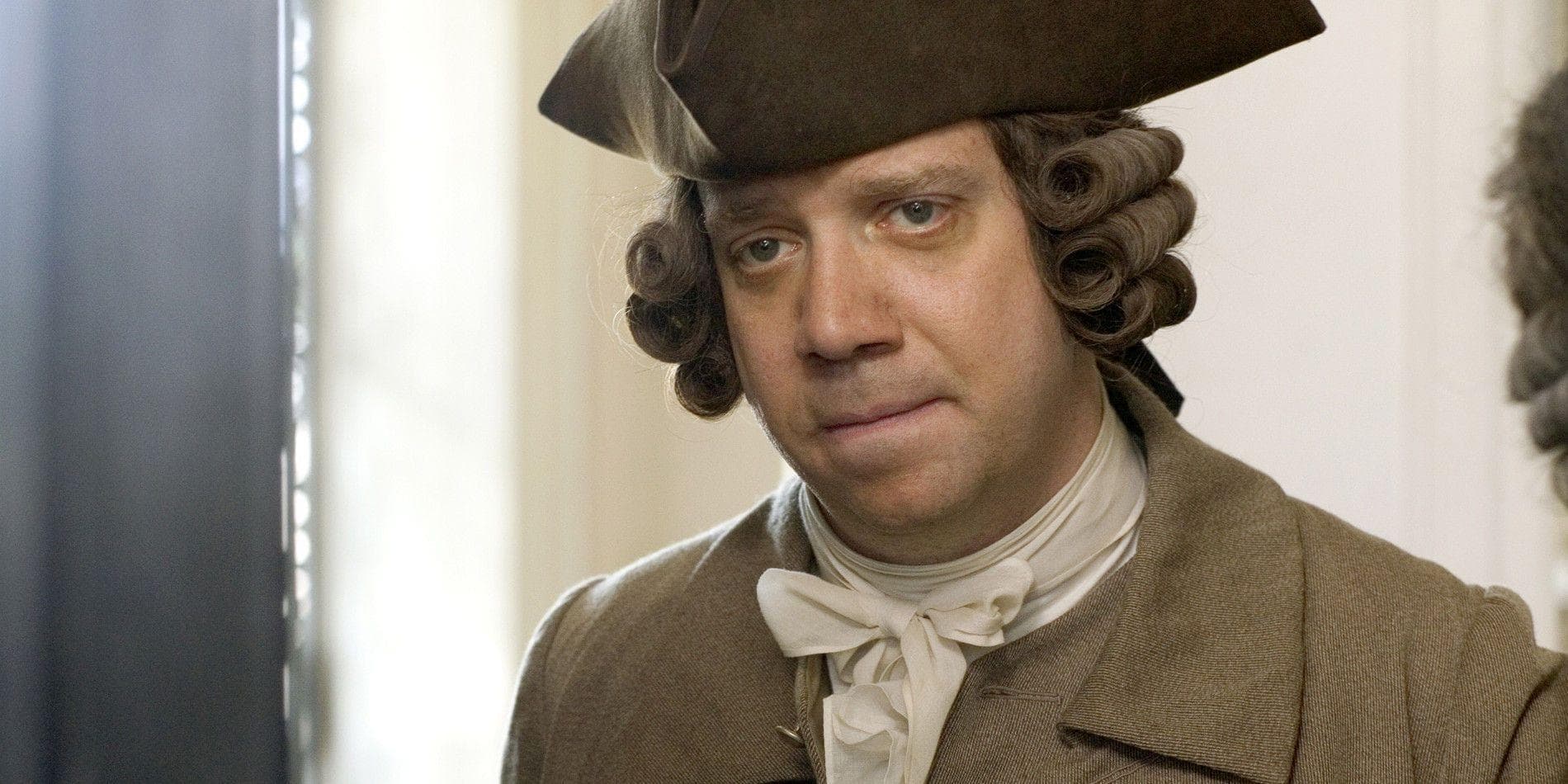
    Though he has long been overshadowed by the presidents who preceded and succeeded him, John Adams was a truly significant historical figure in his own right. After being given the biographical treatment in historian David McCullough’s magisterial account of his life, he also became the center of the HBO miniseries which bears his name. Paul Giamatti manages to bring out the many complexities of this contradictory American president. Like many of those produced by HBO during this period, the series strips away the glamor which so often surrounds the Founding Fathers. The scenes in which the various signers of the Declaration debate about just what it is they are doing is exemplary in this regard. They work to immerse the viewer into the same physical space and mindset of those who were most intimately involved with the founding of a new nation. The sense of claustrophobia is palpable, as is the experience of watching history unfold in real-time.

    71% upvoted