Skip to content
maxnews
People

Historical Figures Who Were Initially Called Crazy But Were Right All Along

Heretic, nonconformer, lunatic - these are just some of the names that scientists and open thinkers have been called throughout history. As a society, human beings have a hard time ushering in new discoveries, even when the science is plain to see. Novel and unknown things can be scary, so rather than accept these new truths, people shun those who discovered them. Medical marvels, facts about our universe, chemicals that are slowly killing us - they've all been ridiculed at the time, only to be appreciated years later. So, when scientists and doctors push through the criticism and sometimes even physical threats, it shows how much they believe in their work. And today, we can read their stories and appreciate what they sacrificed for the greater good.

Entries
12
Votes
2.6K
Updated
4 hours ago

Tap upor downto vote. Your vote is added to Ranker's counts.

Voting identifies your browser with an anonymous fingerprint, stored only as a salted hash, to count one per visitor. Privacy

Source: Ranker, ranked by its voters.

  1. 1

    John Snow Tried Warning Everyone That A Tainted Water Supply Was The Cause Of Cholera
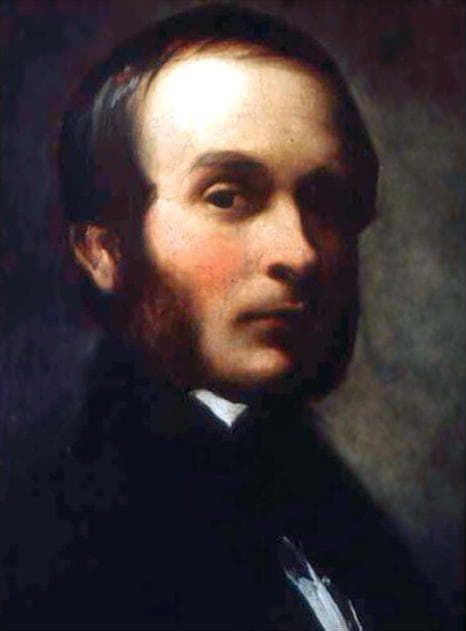
    Before John Snow was a fan-favorite Game of Thrones character, the name was known for the man who discovered how cholera was being spread in mid-1800s England. Snow long theorized the infectious disease was caused by contamination of water, but the accepted explanation at the time was that breathing bad vapors was the cause. (People seemed to think “bad air” was the cause of many things around this period.) His idea was dismissed, but Snow kept looking for evidence. When a cholera outbreak killed 500 people in his neighborhood, he started tracking the contamination radius and found indisputable evidence that every case originated from drinking water from a specific town pump. Even more telling was that the prison in the neighborhood - which had hundreds of inmates - didn't contract a single case of cholera. They were essentially breathing the same air as the infected people - but the prison had its own well. Despite this overwhelming evidence, officials still wouldn't recognize Snow's theory - that was, until an article appeared that showed a leaky cesspool just a few feet from the pump was likely responsible for the deadly outbreak.

    99% upvoted
  2. 2

    Joseph Lister Recommended That Surgical Instruments Be Sterilized Between Operations

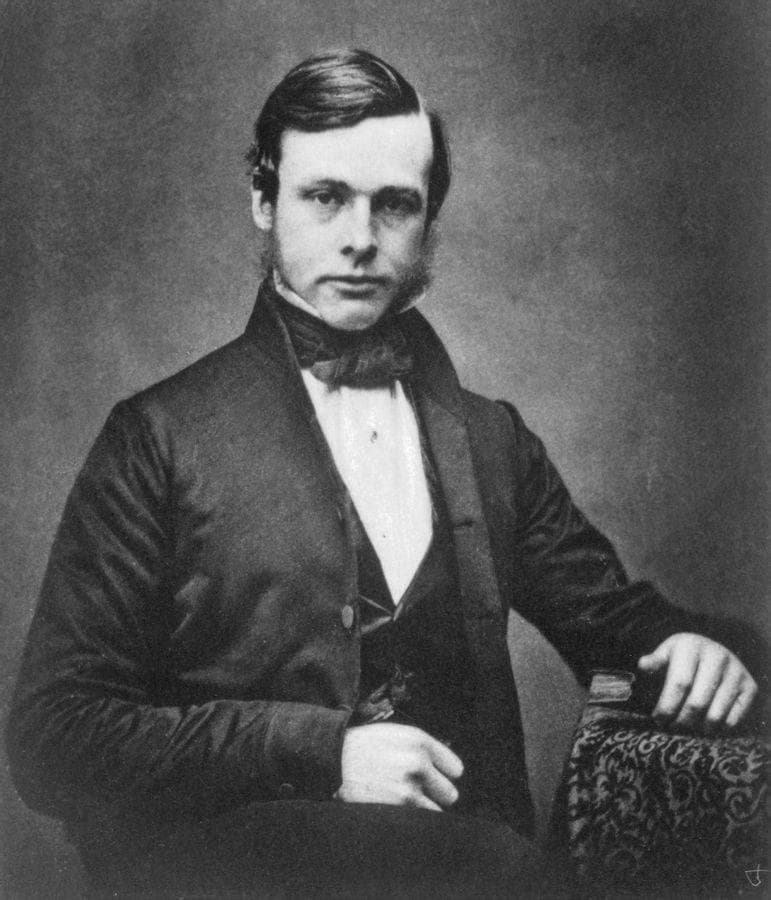
    In the early 1800s, surgery was just gaining steam as a way to save people's lives. And with the invention of anesthesia, surgeons were able to try more complicated procedures than ever before. However, those longer surgeries meant longer time in operating rooms - which was actually more dangerous. This is because medical professionals didn't know about germs. They thought the cause of infection was from “bad air" - also called the miasma theory - so they'd simply air out the operating room once a day to get all that dangerous air out. Enter British scientist and surgeon Dr. Joseph Lister (1827-1912). He didn't buy into the bad air idea; instead, he started doing at-home experiments on infected tissue. He realized that broken bones often healed up just fine, while compound fractures (where bone pierced through the skin) often developed infections. Lister's solution was to apply a chemical - which he called an antiseptic - to the environment prior to surgery. This would then prevent pathogens from entering the wound. For years, people ridiculed his theory. How could the doctors be responsible for these horrific infections? But eventually, the medical community couldn't argue with Lister's results, and his theory was accepted.

    99% upvoted
  3. 3

    Marcello Malpighi of Bologna Was Physically Assaulted - And His Home Was Burned - Due To His Views On Anatomic Pathology

    Sadly, when it comes to new ideas, sometimes opponents can turn to violence to make their point known. This was the case for Marcello Malpighi, who is today regarded as the father of microscopic anatomy. Malpighi lived in Italy during the 1600s, attending the University of Bologna. Although his birthplace is unknown, it's recorded that the university authorities didn't like him because he was non-Bolognese. (This will become an important, and tragic, sentiment throughout his life.) After completing his studies, Malpighi traveled to other parts of Italy where he researched the pulmonary and capillary network, for the first time connecting small arteries with small veins. He also identified taste buds for the first time, and made revolutionary observations about the brain, optic nerve, and red blood cells. Elsewhere in Italy, Malpighi's work was widely accepted. However, when he returned to Bologna (often due to poor health), he was ridiculed and ostracized. This behavior heightened to physical assault, and culminated in his house being ransacked. Vandals shattered his microscopes, destroyed his books and papers, and ultimately burned down his villa.

    98% upvoted
  4. 4

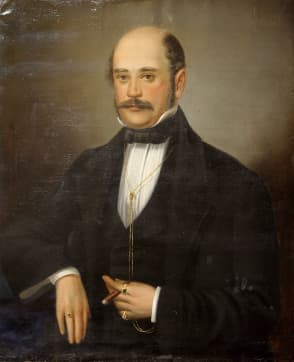
    Ignaz Semmelweis Was Thrown In An Insane Asylum After Years Of Professional Ridicule

    One fascinating aspect of the Hungarian physician Ignaz Semmelweis's life was his close proximity to Joseph Lister. The men's lives overlapped in Europe, and they independently were both researching the same thing: germs. Semmelweis's theory came from his experience as an obstetrician. In his hospital, he noticed how women in childbirth were dying at two times the rate in one wing over another wing. The deadlier hospital wing was full of medical students, while the other was run by midwives. He surmised the students were coming in from dissecting bodies, and they must be carrying something with them. So, he made them wash their hands in a chemical solution before delivering babies. After handwashing began, the maternal mortality rates dropped from 18% to 1.27%. Semmelweis moved to different hospitals, and when they implemented his handwashing technique, their mortality rates were roughly 10% lower than surrounding hospitals. While Hungary accepted this discovery, much of Europe didn't. They didn't understand, so they wouldn't entertain the idea that handwashing made a difference. The constant critiques weighed heavily on Semmelweis, and his mental health was severely affected. At the end of his life, his behavior became erratic (possibly due to dementia or syphilis), and he was admitted to an insane asylum. In a show of tragic irony, Semmelweis was beaten by the asylum guards, and in the beating, his hand was cut and became infected. He succumbed to the infection two weeks later.

    97% upvoted
  5. 5

    American Geochemist Clair Cameron Patterson Campaigned Against Lead Contamination

    Have you ever thought about why the gas at the pump is called “unleaded”? It's fairly simple to surmise - it doesn't contain lead. And we can thank Clair Cameron Patterson for this. Patterson was a young chemist from Iowa who, after working for the Manhattan Project in the 1940s, turned his sights on discovering how old the Earth was. His supervisor, Harrison Brown, tasked him with determining how much lead was in rocks; they would then use this data to define the Earth's age. However, Patterson's experiment took a left turn when he started finding lead in everything. In fact, he couldn't get a clean read because there was so much lead present in all the compounds around him. As Patterson recalled: I found out there was lead coming from here, there was lead coming from there; there was lead in everything that I was using. After further research, he discovered the lead concentration in the atmosphere was 1,000 times higher than it should be naturally. Additionally, lead levels in human bodies were 600 times higher than they should be. Yet, as Patterson shared this data - and argued for lead to be removed from gasoline - powerful execs at oil companies argued that lead was actually safe in fuel. It wasn't until the 1980s - nearly 30 years after Patterson started his research - that his work was finally accepted, and change officially took place, removing lead from vehicle fuel and many household items.

    97% upvoted
  6. 6

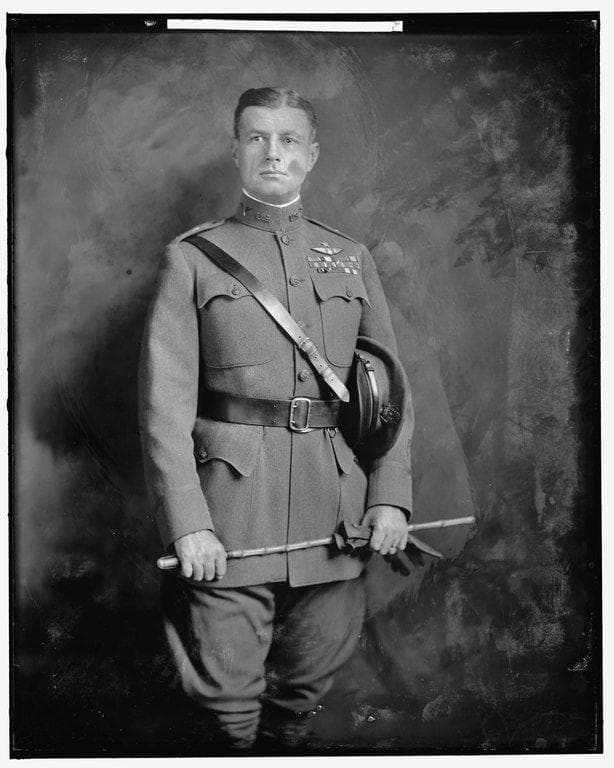
    Gen. William 'Billy' Mitchell Was Accused of Insubordination And Court-Martialed For His Advocacy Of Air Power

    No one can deny the power of aircrafts in the military. Today, small, unmanned drones can bring down entire buildings with explosives. Yet the importance of flying machines wasn't always recognized by military officials. After WWI, despite using planes to inflict major damage upon the Central Powers, the US didn't see a strong need for an aerial department. One general who strongly disagreed with this was William Mitchell. He had commanded aerial units in France during the war, and could see the potential they had in the future. Mitchell lobbied endlessly for expanded American air presence. He even was approved to give a demonstration of how planes could sink an “unsinkable” captured German battleship. When the simulation succeeded, officials accused him of cheating. Then, when one of the US's few, precious airships sank, Mitchell was livid. He even wrote to the press: Brave airmen are being sent to their deaths by armchair admirals who don't care about air safety. This public statement proved to be the end of Mitchell's military career, as he was court-martialed for discrediting the military.

    97% upvoted
  7. 7

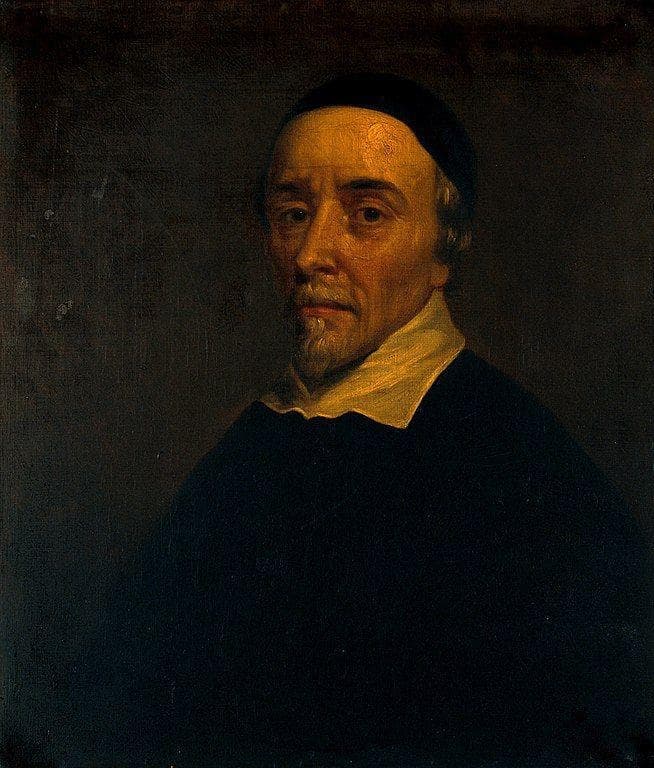
    The Mainstream Scientific Community Took Years To Accept The Findings Of William Harvey, The First Scientist To Accurately Describe Blood Circulation

    It seems the world is generally slow to accept medical marvels, no matter what point in history. This was the case for William Harvey, an English doctor who lived from the late 1500s through mid-1600s. In 1628, Harvey published his theory on how blood circulated, claiming it passed through the heart, not the liver, as was widely accepted at the time due to the writings of Galen, a second-century Greek philosopher and physician. People consciously chose to follow the teachings of a theory that was more than 1,500 years old, rather than entertain the idea of a possible new theory. Harvey was strongly criticized, to the point that he became a recluse. He's rumored to have said: Much better is it oftentimes to grow wise at home and in private than by publishing what you have amassed with infinite labor, to stir up tempests that may rob you of peace and quiet for the rest of your days.

    98% upvoted
  8. 8

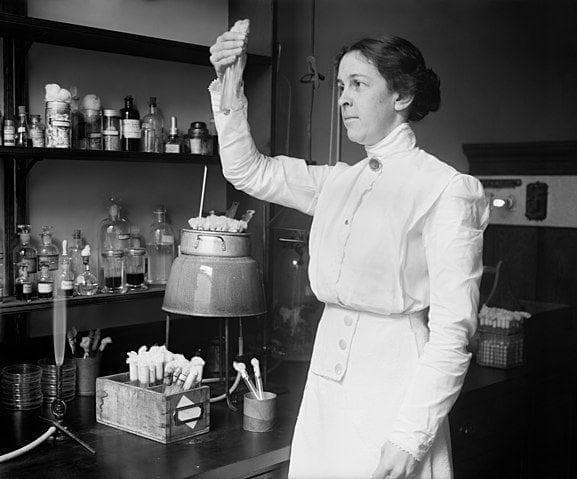
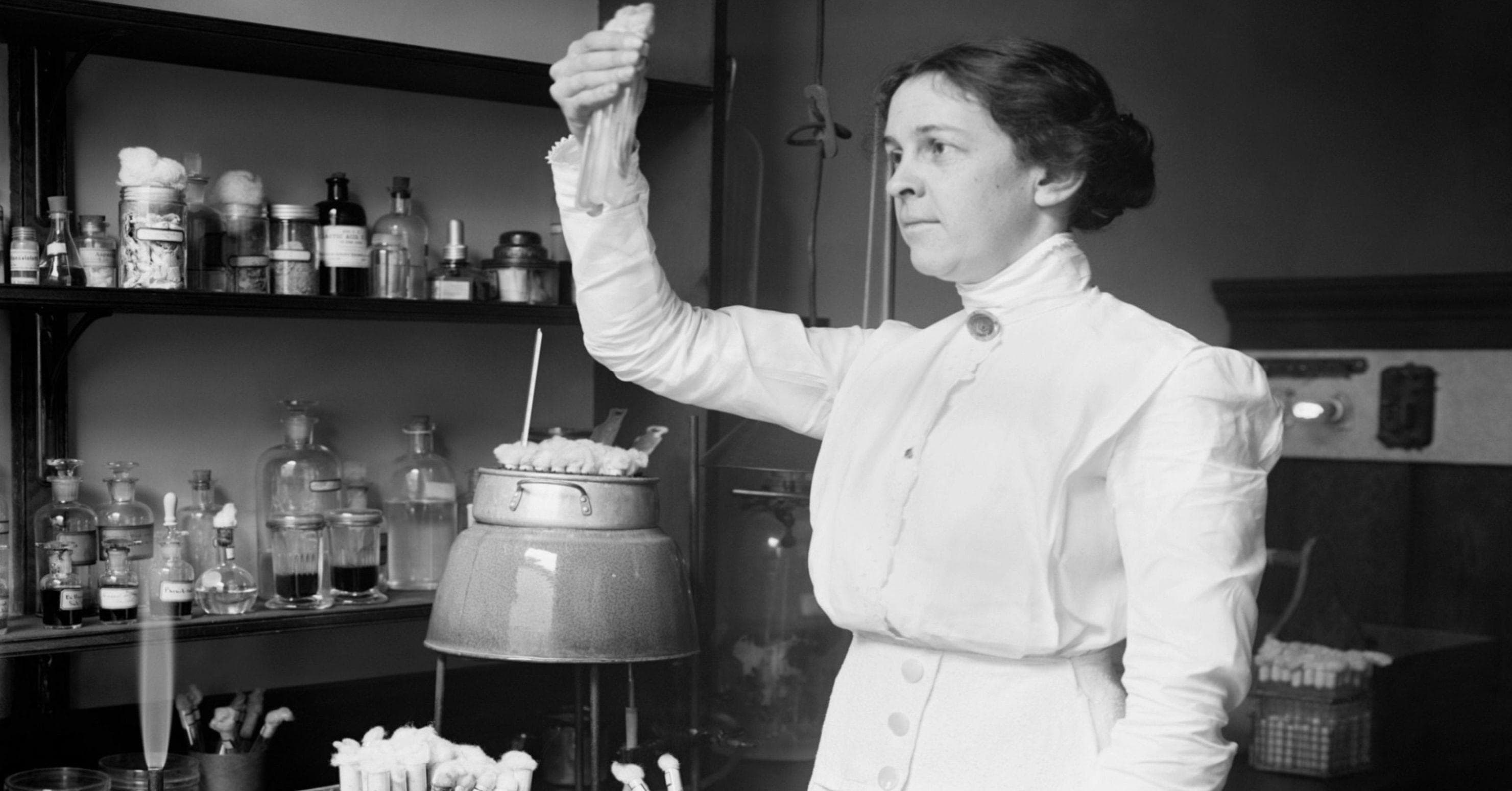
    Alice Evans's Research On Pasteurization Was Largely Ignored

    The late 1800s in the US was no easy time or place to be a woman - let alone a woman of science. This is what Alice Catherine Evans faced on her journey to getting a master's degree in bacteriology. But she pushed through and eventually started working for the US Department of Agriculture, studying the bacteria in milk and cheese. Evans discovered that the consumption of unpasteurized milk could cause brucellosis, a bacterial infection. She recommended that all milk become pasteurized to eliminate the risk. The dairy industry laughed at her claim and ignored her research. As Evans kept working to find further evidence, she actually became infected with brucellosis, and struggled with flare-ups of the disease for the rest of her life. Over the span of 10 years, the dairy officials finally heeded her claim, and changed their regulations to pasteurize all milk.

    97% upvoted
  9. 9

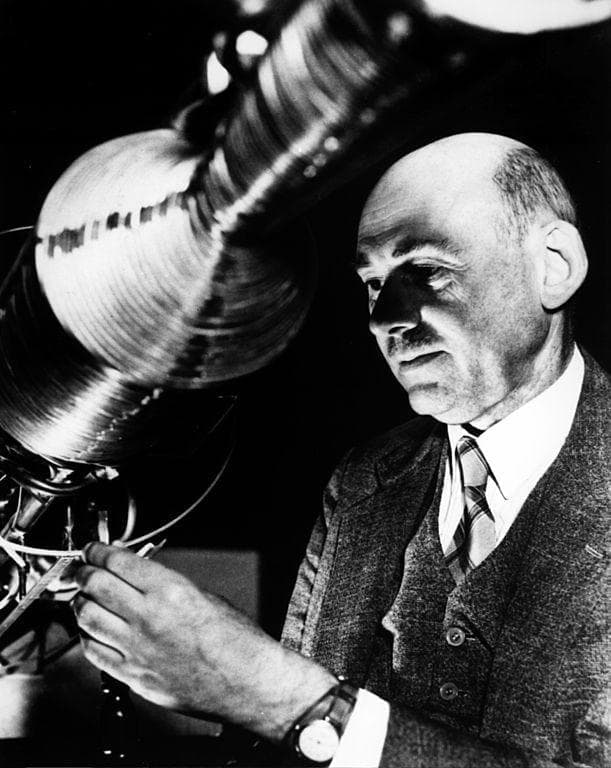
    Robert Goddard Made A Multistage Rocket And A Liquid-Fueled Rocket While The Press Derided Him For Envisioning Manned Space Travel

    Most of us think of the 1950s and ‘60s as the age of space travel. In 1957, the first rocket went into space with the Soviet Union's Sputnik satellite. Americans famously walked on the moon in 1969. Yet back in the 1920s, American physicist Robert Goddard was already speaking about the capabilities of rockets. He published an article in Popular Science in 1920, explaining how a rocket could be shot into space using Isaac Newton's Third Law of Motion. Unfortunately for Goddard, many people - even scientists - didn't fully understand what “every action produces an equal and opposite reaction” meant. They thought that because the rocket wouldn't have air to push against in space, it wouldn't be able to go anywhere. And so the ridicule began. The backlash was so strong, in fact, that The New York Times printed: [Goddard] does not know the relation of action to reaction, and of the need to have something better than a vacuum against which to react - to say that would be absurd. Of course he only seems to lack the knowledge ladled out daily in high schools. While Goddard tried to defend himself with his research, the critics wouldn't let up, ultimately leaving him to fall away from the spotlight. Despite the criticism, however, he was still able to file two patents for a liquid-fueled rocket and two- and three-stage rockets using solid fuel.

    96% upvoted
  10. 10

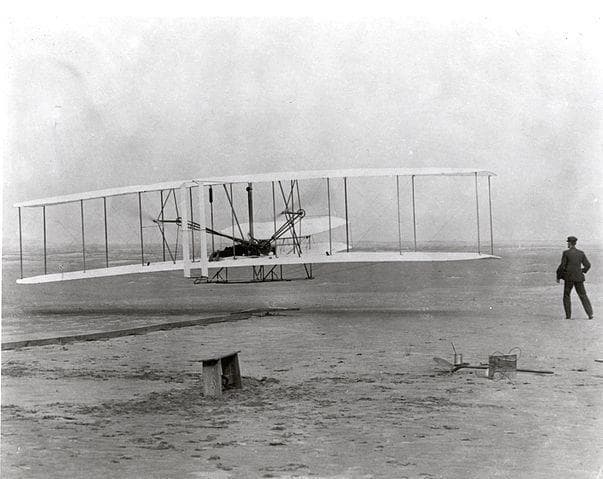
    The Wright Brothers Offered the US Government The Airplane First, But Were Turned Down Repeatedly

    Hearing “no” time and again has a different impact on different people. For some, it discourages them to the point of quitting. For others, it propels them. The Wright Brothers were part of the latter group. You might be surprised to learn that not everyone was jumping at Orville and Wilbur's invention of the flying machine. In fact - despite having photos of their successful flights - many people in the early 1900s just couldn't fathom the idea of human beings flying. When the brothers approached the US government with their invention, they got turned down repeatedly. They wanted to keep their invention reserved for their home country, but their government just wasn't cooperating. It wasn't until France started becoming keen on the invention that American officials finally showed interest in 1908 - more than five years after the Wrights' successful first flight.

    95% upvoted