A Fog Descended Upon Europe And The Mediterranean And Lasted For Months
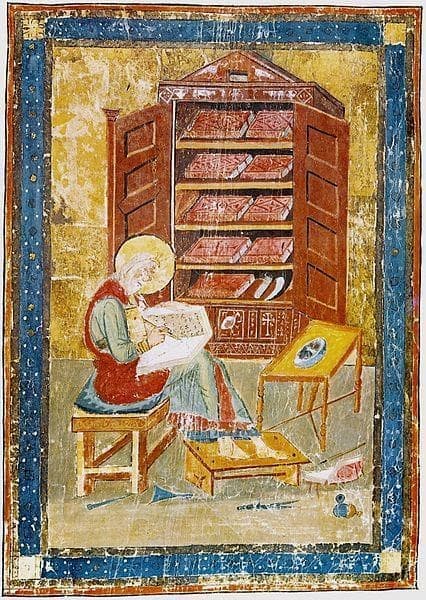
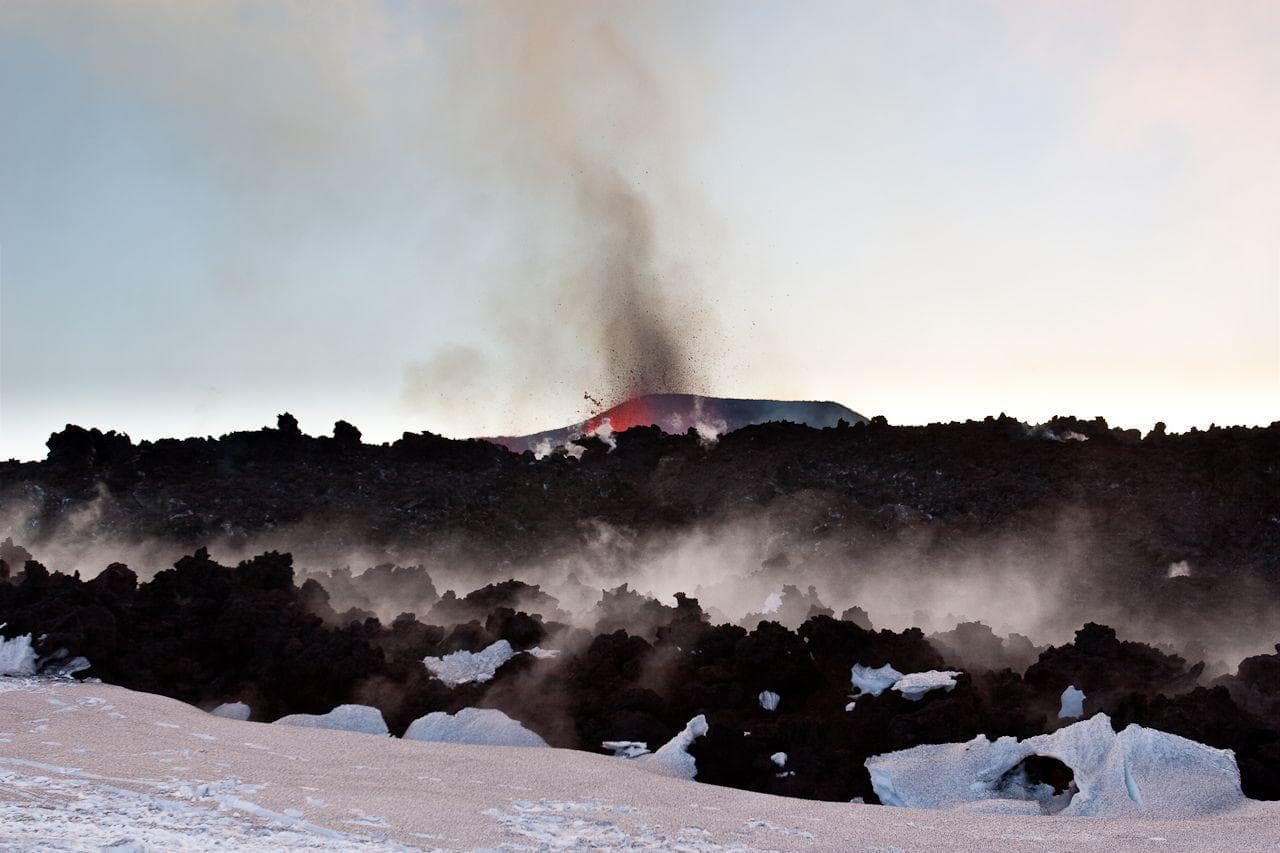
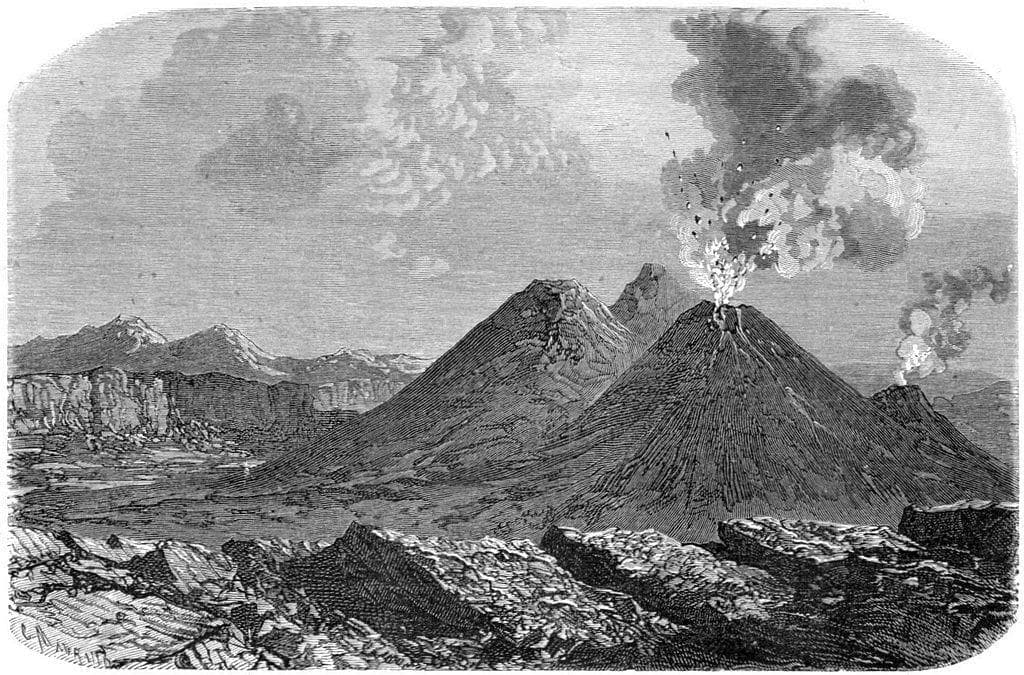
Byzantine historian Procopius served as a military advisor to Belisarius, one of the Byzantine Empire's most distinguished generals. Procopius accompanied Belisarius on his campaigns in Persia during the 520s and again in Sicily in 536. He wrote about a "portent" that took place that year: For the sun gave forth its light without brightness, like the moon, during this whole year, and it seemed exceedingly like the sun in eclipse, for the beams it shed were not clear nor such as it is accustomed to shed. And from the time when this thing happened men were free neither from war nor pestilence nor any other thing leading to death. Procopius wasn't the only source to mention the darkness of 536. Michael the Syrian, a Byzantine scribe, wrote about it as well: The sun was eclipsed for 18 months. For three hours in the morning, it would give light, but a light that resembled neither day nor night. Other sources from throughout the Mediterranean mention a cloud or dust veil that darkened the Earth for a year around 536. As experts looked back on the era, they discovered evidence of a massive volcanic eruption that possibly deposited ash across the globe. The fog proved disastrous for the people of Europe.