Skip to content
maxnews
Film

Heartbreaking Documentaries About Celebrities Lost Too Soon

There are many artists who were lost too soon. Their stories are devastating because audiences know their talent and how they made them feel. The thing is, those artists are also people and have their own internal troubles, ideas, and doubts. These documentaries are all made after the fact, showing why those artists were great in their field while, in most cases, shining some light on those darker parts of their psyche and the difficulties they were having, even if their death was an accident. It might be heartbreaking and a tragic viewing, but it allows audiences to see those actors and musicians as who they really were: three-dimensional people. Which one is the most heartbreaking documentary of them all?

Entries
12
Votes
47
Updated
yesterday

Tap upor downto vote. Your vote is added to Ranker's counts.

Voting identifies your browser with an anonymous fingerprint, stored only as a salted hash, to count one per visitor. Privacy

Source: Ranker, ranked by its voters.

  1. 1

    Robin's Wish

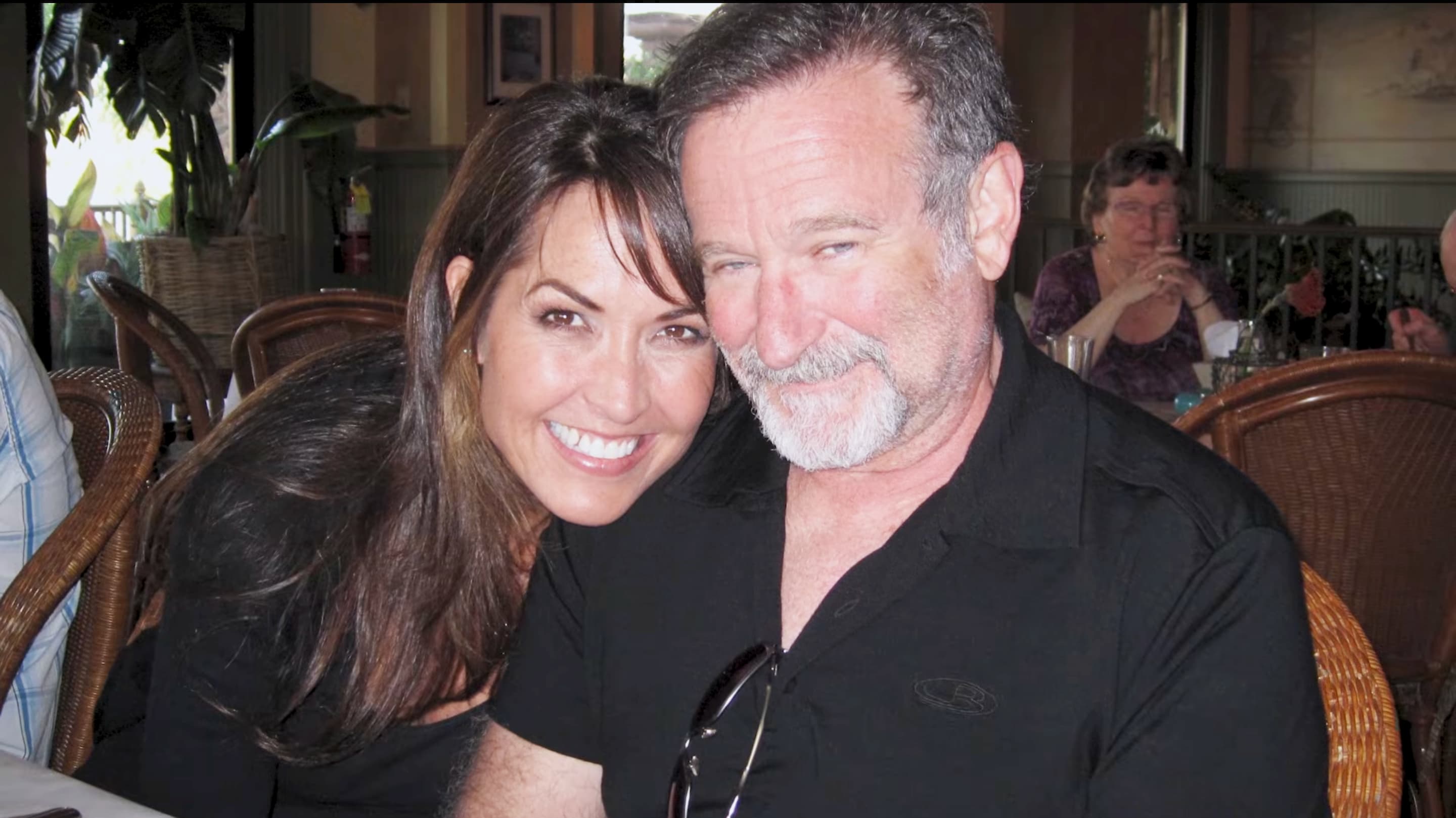
    When people think about Robin Williams, they think about the joke machine he was for most of his career. Although this documentary touches on those times, it centers much more on his final year, when he was sick and diagnosed with Parkinson's, which was later discovered to be Lewy body dementia. Williams died by suicide in 2014, and here you can see how much he was suffering with that disease: insomnia, paranoia, visual hallucinations. Her widow, Susan Schneider (a producer on the movie), explains what he was like in those last years, and director Shawn Levy, who directed him in his final movie, Night at the Museum, and David E. Kelley, who wrote and produced the actor's TV show The Crazy Ones, both reveal how Williams wasn’t himself on set, having trouble remembering his lines and looking much more lost and insecure than his usual self. Watching how someone who had been so alive and gave everyone so much joy felt in those final times is very sad and painful, making this documentary a tough one to sit through.
    94% upvoted
  2. 2

    John Candy: I Like Me

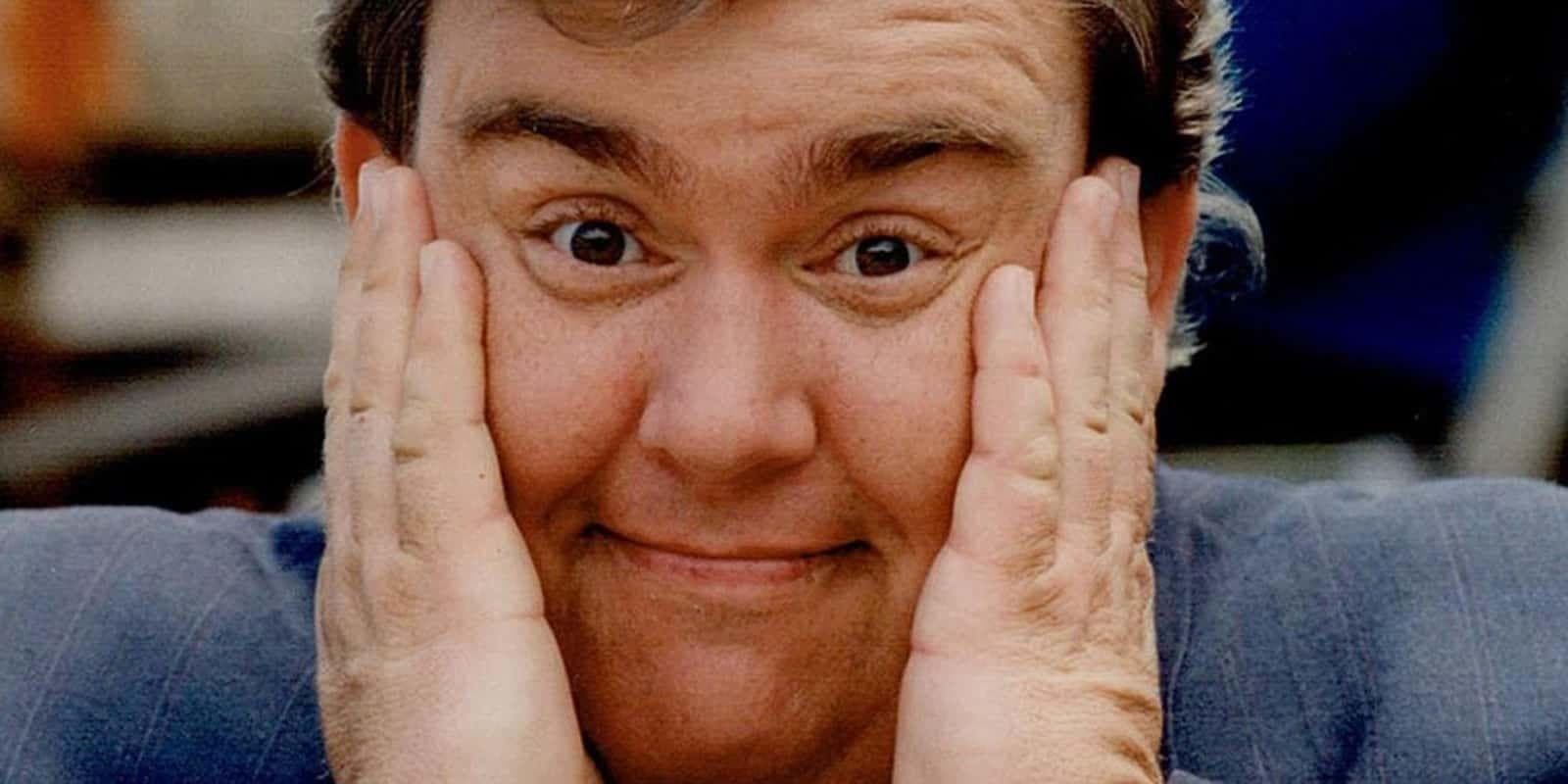
    John Candy was beloved by most, not only audiences but also every actor and crew member who worked with him. But it wasn’t all great. Candy’s dad died at 35 when the actor was five, and that marked him forever. His biggest fear was that he would follow those steps and also die young (which he did, at 43 from a heart attack). Candy was fun and loyal and a good friend, yet there was always that stress on him. As Tom Hanks says in John Candy: I Like Me,, Candy felt like: He is living on borrowed time, and he was gonna go away, just like his father did. It’s something that’s always there, but it wasn’t the only thing that Candy stressed about; he also was constantly made fun of for his weight, and it’s seen in interviews how uncomfortable he is when the subject is brought up. As he acknowledges matter-of-factly in one of those instances: People treat ya differently sometimes, and it hurts. This documentary doesn’t have any teeth, and it’s a celebration of its subject, yet you can still see how Candy was one of those people who was all jokes and giggles on the outside for others, yet there was a lot of grief and sadness on the inside, making his story much more bittersweet.

    84% upvoted
  3. 3

    My Mom, Jayne

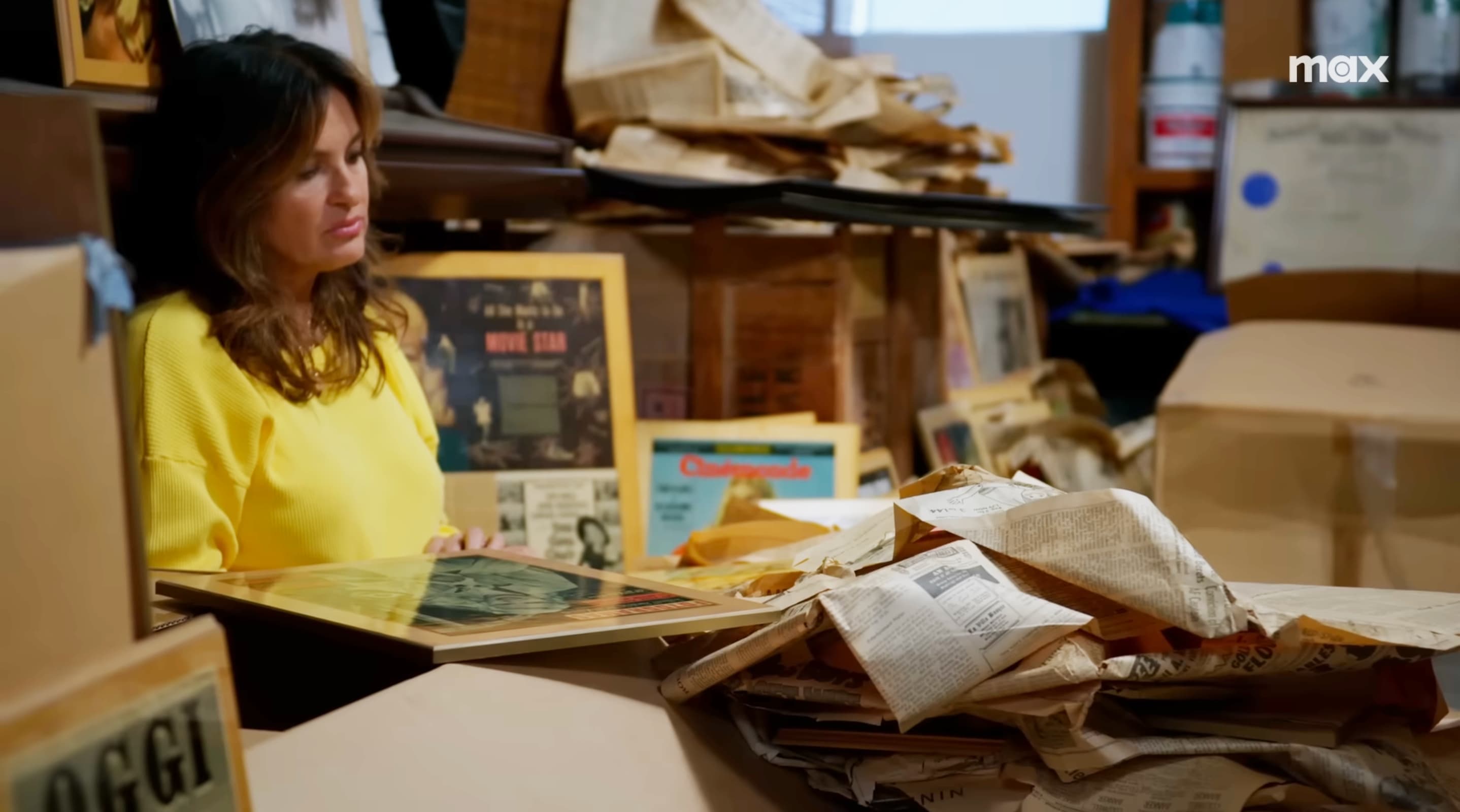
    Jayne Mansfield was a Hollywood bombshell from the 50s and 60s who followed Marilyn Monroe’s steps. She also spoke five languages, played piano and violin, and was a mother of five. One of those children was Mariska Hargitay (of Law & Order: SVU fame). When Mansfield died in a car crash at 34, Hargitay was three (she was also in the car, but survived the accident), so this documentary is a way for the TV actress to discover who her mother really was. As Hargitay herself told Deadline: I just longed and ached to know the real person and what made her tick and what made her afraid and what was her pain and her joy and all of that. The actress discovers a lot about her mom through interviews with collaborators and her older siblings (Jayne, Mickey, and Zoltan, who had memories of their mother), including how Mansfield tried to leave her bombshell image behind and do more serious parts, yet the industry wouldn’t allow her to do it. That's why the actress left Hollywood and started performing in nightclubs. It’s also a documentary that explores Hargitay’s life itself, as it’s revealed that the actress's biological father wasn’t Mickey Hargitay but Nelson Sardinelli. She then interviews her biological father and her half-sisters. All of it together creates a real image of Mansfield, a tragic one, that allows Hargitay to finally know and understand her mother, who died just when he was finally getting the life she always wanted, one where she wasn't just defined by her looks.

    71% upvoted
  4. 4

    Cobain: Montage of Heck

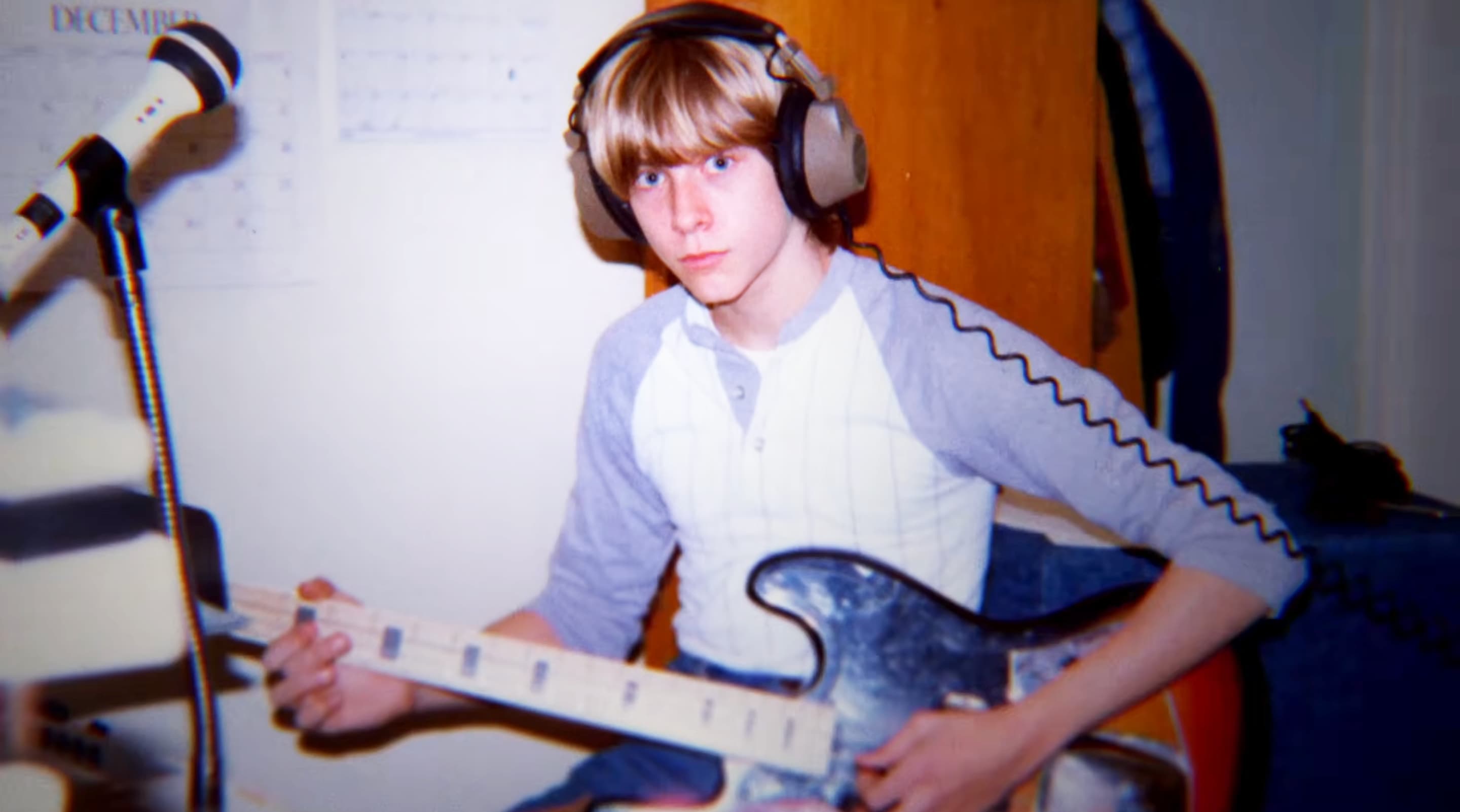
    For a moment in the nineties, Kurt Cobain and Nirvana might’ve been the most famous rock star and band in the world. Unfortunately, fame and drugs were too much for the musician, who died by suicide in 1994. Cobain: Montage of Heck is about the rock star, but is much more about Cobain the person, as there are a lot of home movies of him as a kid, and many drawings and art he did over the years. The film shows how a sensible kid who had a very complicated childhood with a lot of pain became a very sensible man who had a very complicated adulthood with a lot of pain, while also making more evident how one became the other. What made the film possible was the collaboration of Cobain’s daughter, Frances, who doesn’t remember her father. That became director Brett Morgen’s mission, and as he told Motion Pictures: I genuinely wanted to give her the experience of a couple of hours with her dad. And then upon seeing the final cut, we embraced, and she whispered, “Thank you for giving me two hours with my dad.” I doubt I’ll ever achieve anything as satisfying through my work as that. That’s an incredible feat for a documentary, one that this film accomplishes while showing how layered and complicated the real man, not the rock star, was.

    65% upvoted
  5. 5

    What Happened, Brittany Murphy?

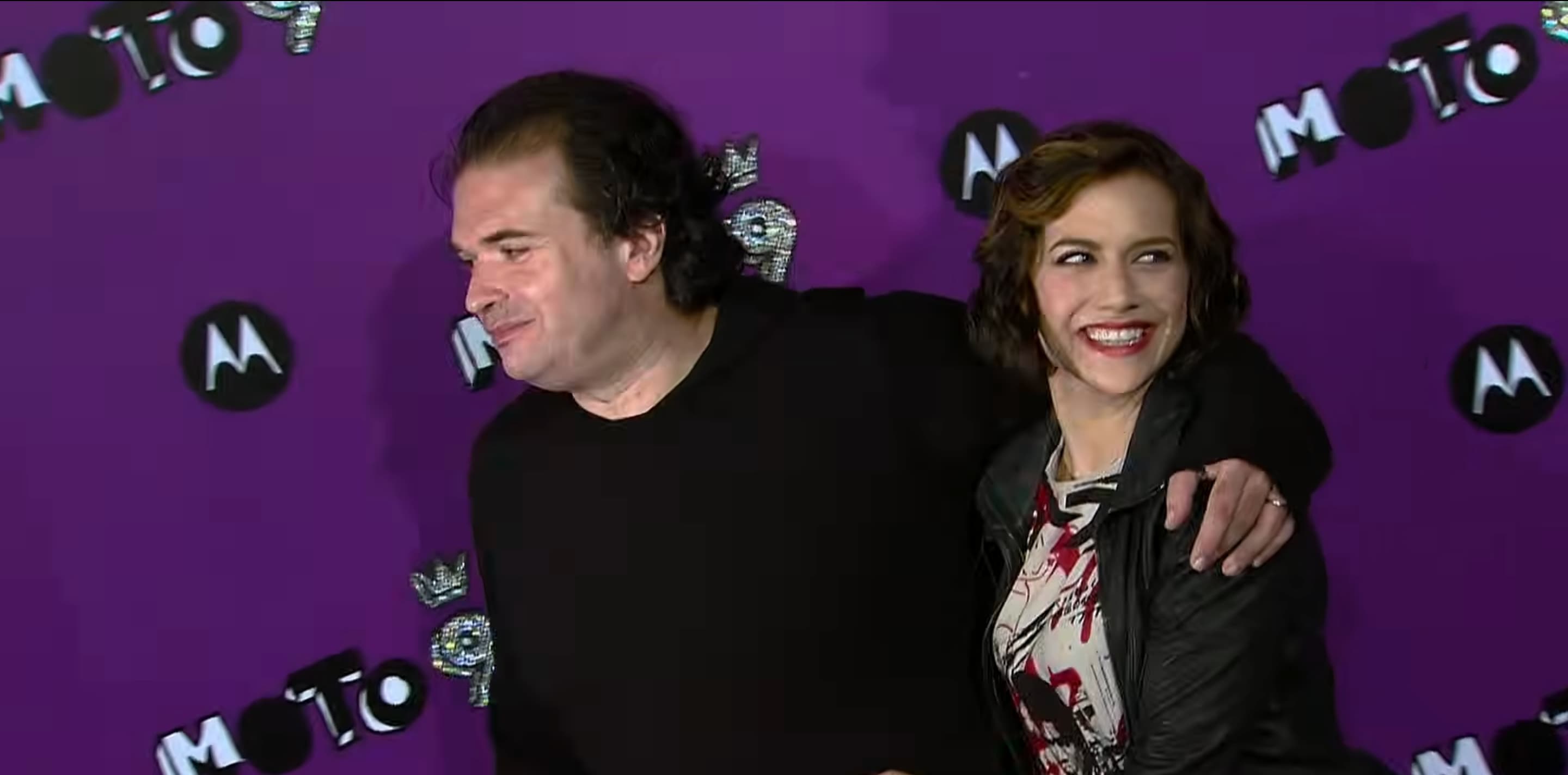
    WHat Happened, Brittany Murphy? os a bit superficial and never spends time explaining why Brittany Murphy, who died at 32 of pneumonia, was a unique star. She’s funny and dramatic when called upon in movies like Clueless and Girl, Interrupted, and every rom-com he starred in. Murphy's personal life wasn’t always great, as she was a child star who might've never learned to set boundaries. That's especially true when her husband, Simon Monjack, appeared in her life. Monjack was very controlling and alienated her from everyone around her (the documentary doesn't paint him in the best light). The actress’s sad story is shown in bits and pieces, including how badly the gossip websites treated her, and the way the L.A. coroner’s office talks about the case is kind of too much, but what’s for sure is that Murphy was a talented actress whose life ended too soon.

    61% upvoted
  6. 6

    Super/Man: The Christopher Reeve Story

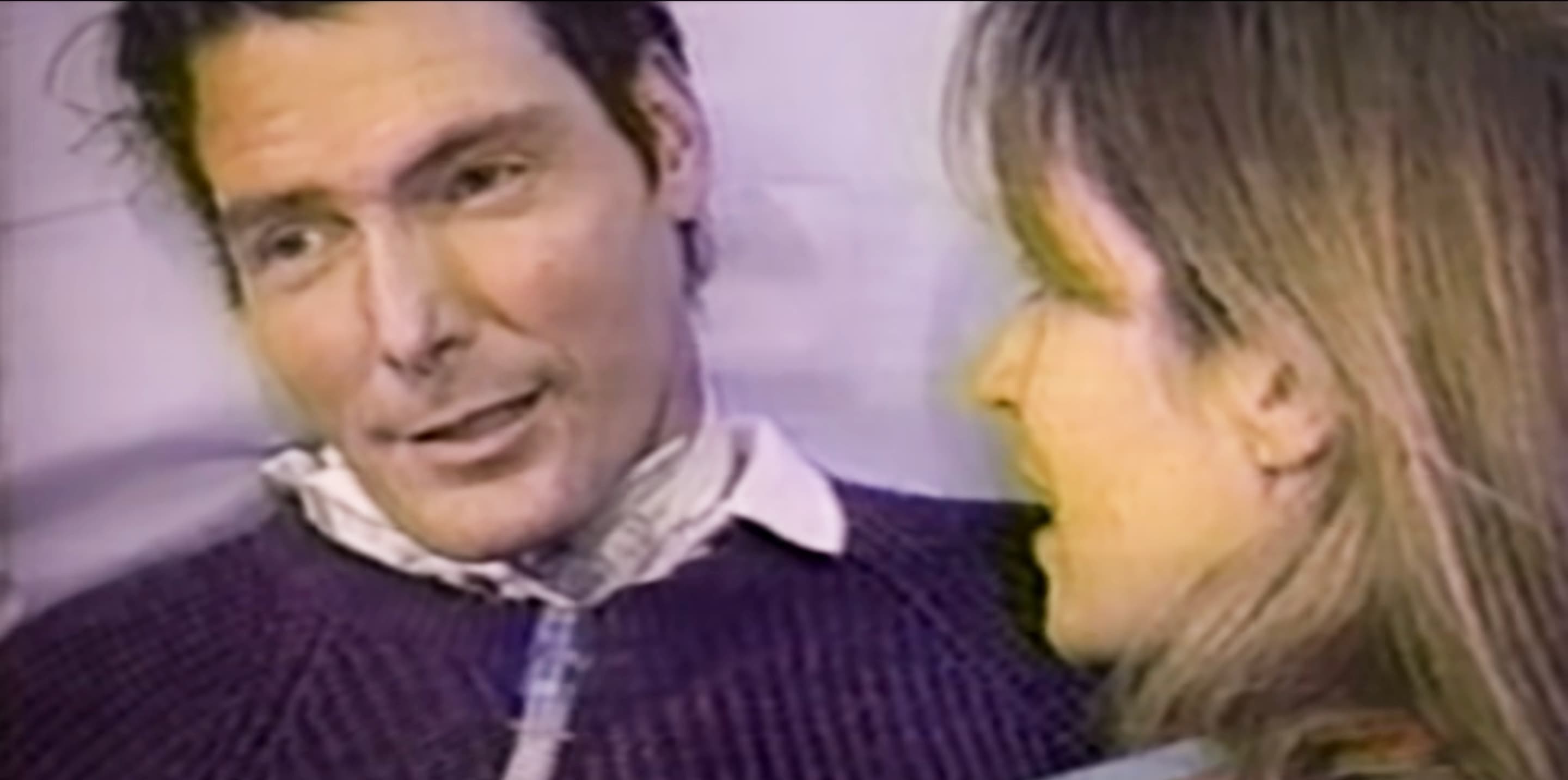
    Christopher Reeve was Superman, and also was an advocate for research into spinal injury and stem cells. This is the story of the actor both before and after the horse-riding injury that broke his top two vertebrae and left him quadriplegic. Reeve's story is tough, and the film shows the realities of everything that happened after the accident, and it doesn’t pull its punches. Reeve tried to reinvent himself as an actor and director, while advocating for people who also were suffering from spinal injuries, showing his spirit and toughness. The most devastating thing is the interviews with his kids, which show the pain they felt. The real hero of the movie might be his wife, Dana, who took care of him, and who Reeve explains in the film said something that saved him: And then she (Dana) said the words that saved my life: You’re still you, and I love you. Reeve died at 52 from a severe infection, after his body reacted badly to the drug he took to cure it.

    75% upvoted
  7. 7

    It's Never Over, Jeff Buckley

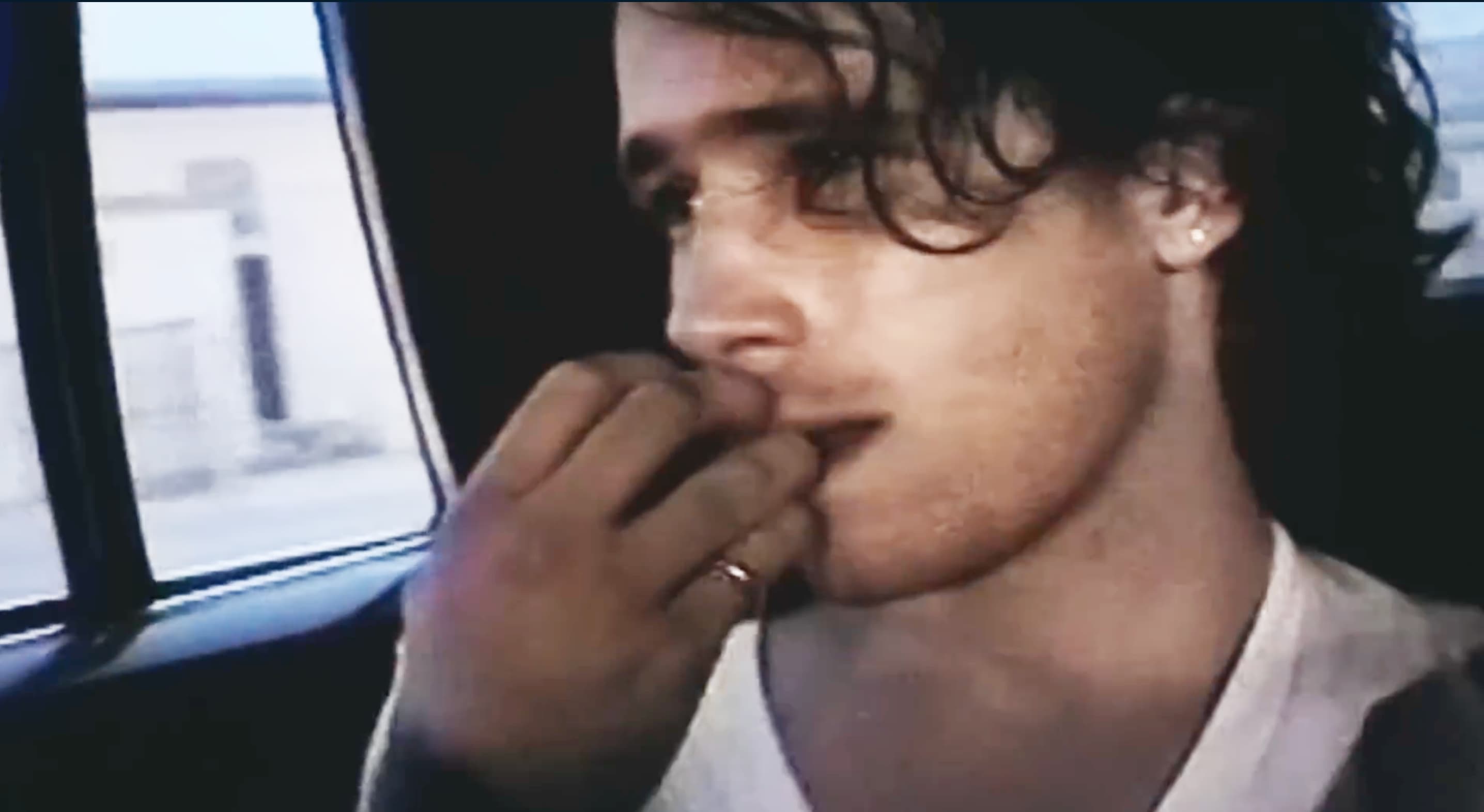
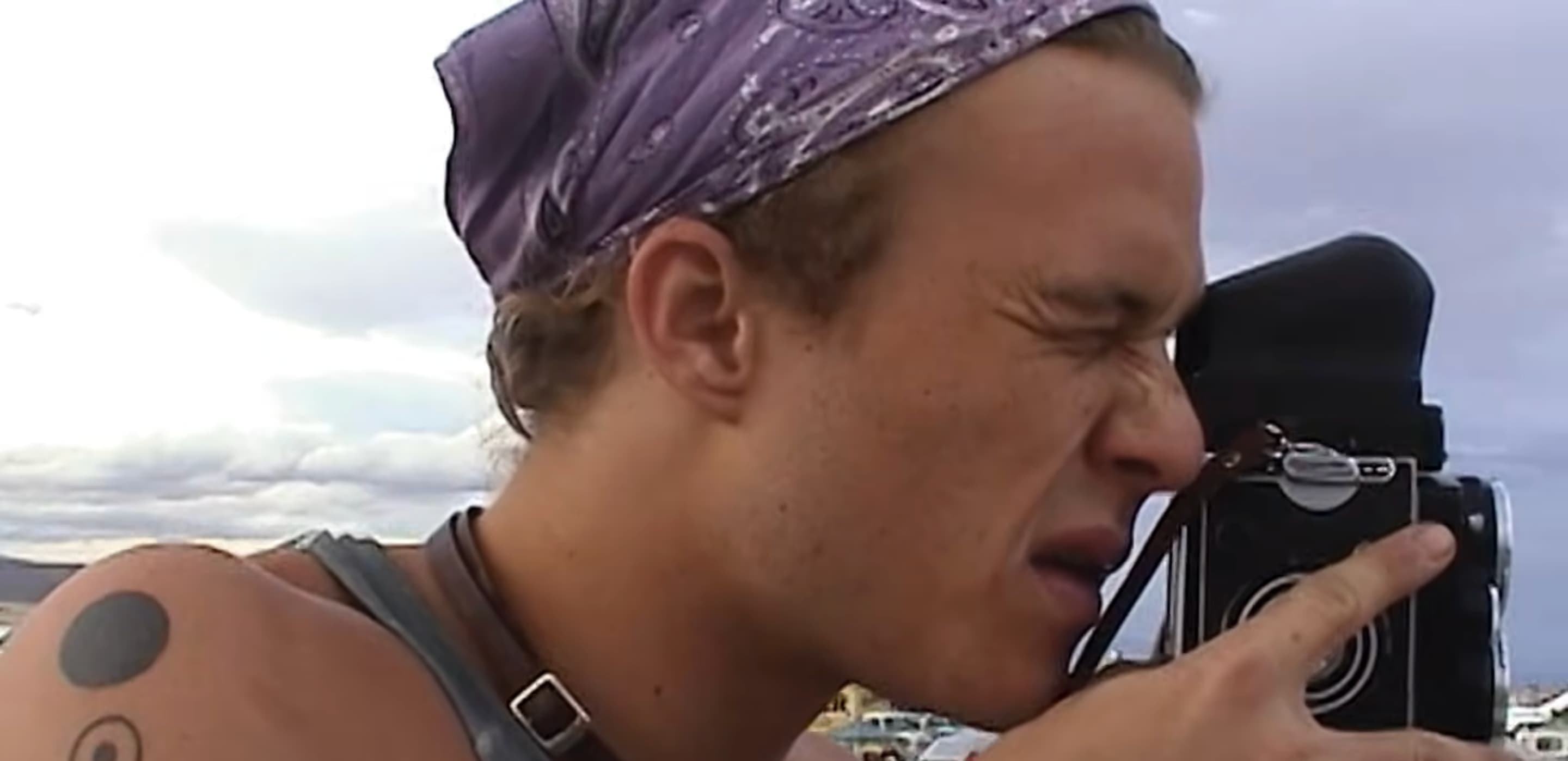
    Jeff Buckley had an incredible voice and magnetism, and was always known as the son of musician Tim Buckley (who also died young). Buckley drowned in Memphis’ Wolf River when he was only thirty, and had only one album in his name, Grace. This documentary shows his ambivalence about his dad, the love of his mum, his girlfriends, and his incredible voice, a one-of-one if there ever was. His whole career is shown, all the good days, but also some of the bad ones. In the film, you can also feel Buckley’s own mortality, as when he’s asked where he sees himself in ten years, and he says: I don’t see myself 10 years from now. One of his bandmates laughs at that affirmation, but it might say a lot about Buckley’s state of mind. Or how the movie shows some of the calls he made to friends weeks before his drowning, and how final they feel. Buckley shone brightly, but for a short time, and although there’s never talk of wanting to harm himself, those conversations had a lot of weight, making his whole last weeks on Earth even more tragic.

    75% upvoted
  8. 8

    The One About Matthew Perry

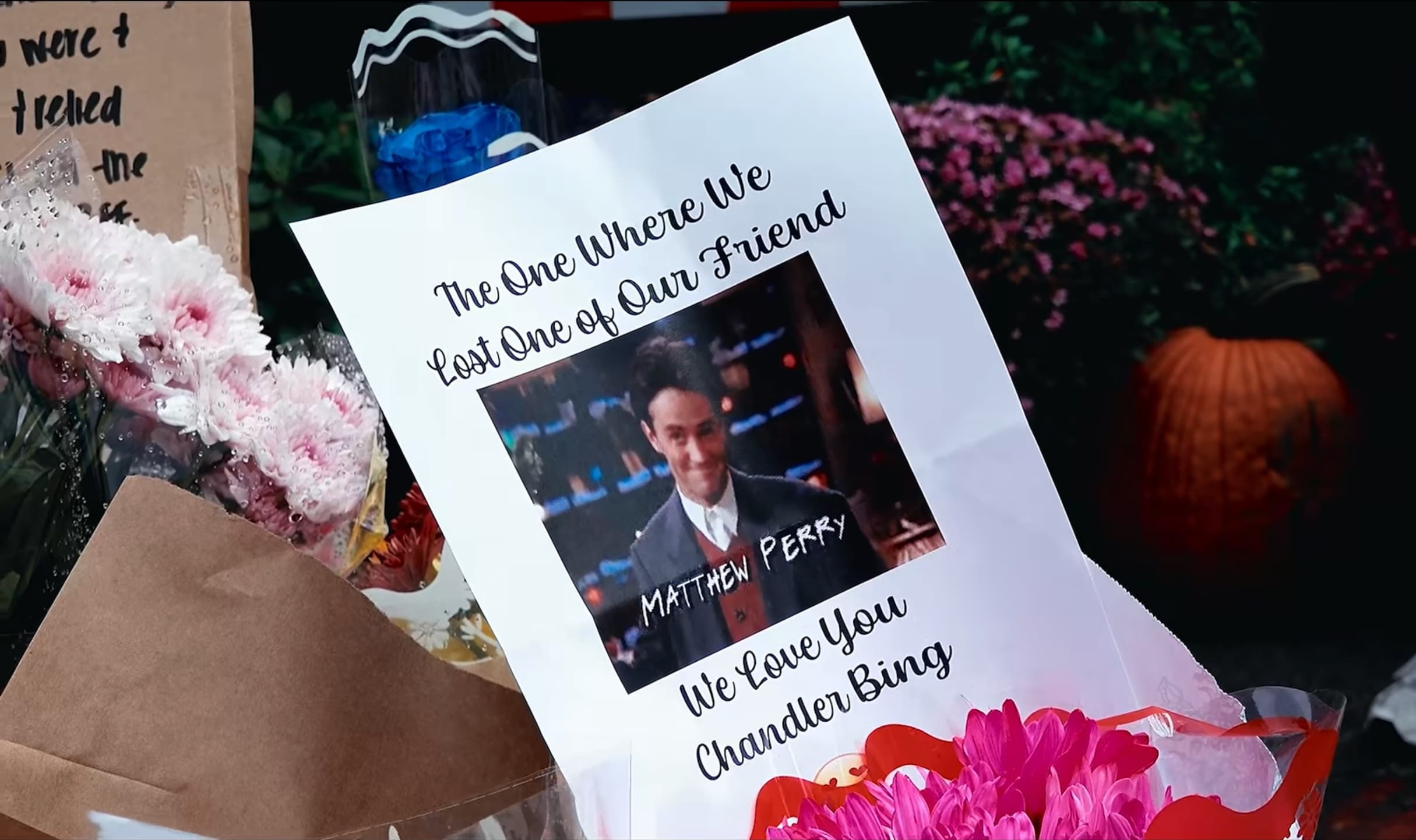
    Everybody knew Perry because of his role in Friends, and most people know he died in 2025 after drowning under the effects of ketamine, but his story and his addiction are much more complex than that. In this documentary, Perry is shown at his best and worst, and the interviews with his sister, friends, and even ex-girlfriends all tackle how magical he was, but also his addiction and the things he did because of it, showing a layered portrait of the actor. Perry was an addict for many years, but he also helped many others who were also in recovery from addiction. As the documentary director Mary Robertson told Vulture: I think if Matthew were here today, he would want me to make clear that he saw addiction or substance-use disorder not as a failure of willpower, not as the result of a single circumstance or a collection of circumstances, but as a disease. And that’s what the documentary accomplishes: showing everything that made Perry an incredible, magnetic performer and person, and also the disease that ended his life, and showing both in a respectful, meaningful way.

    59% upvoted
  9. 9

    Bowie: The Final Act

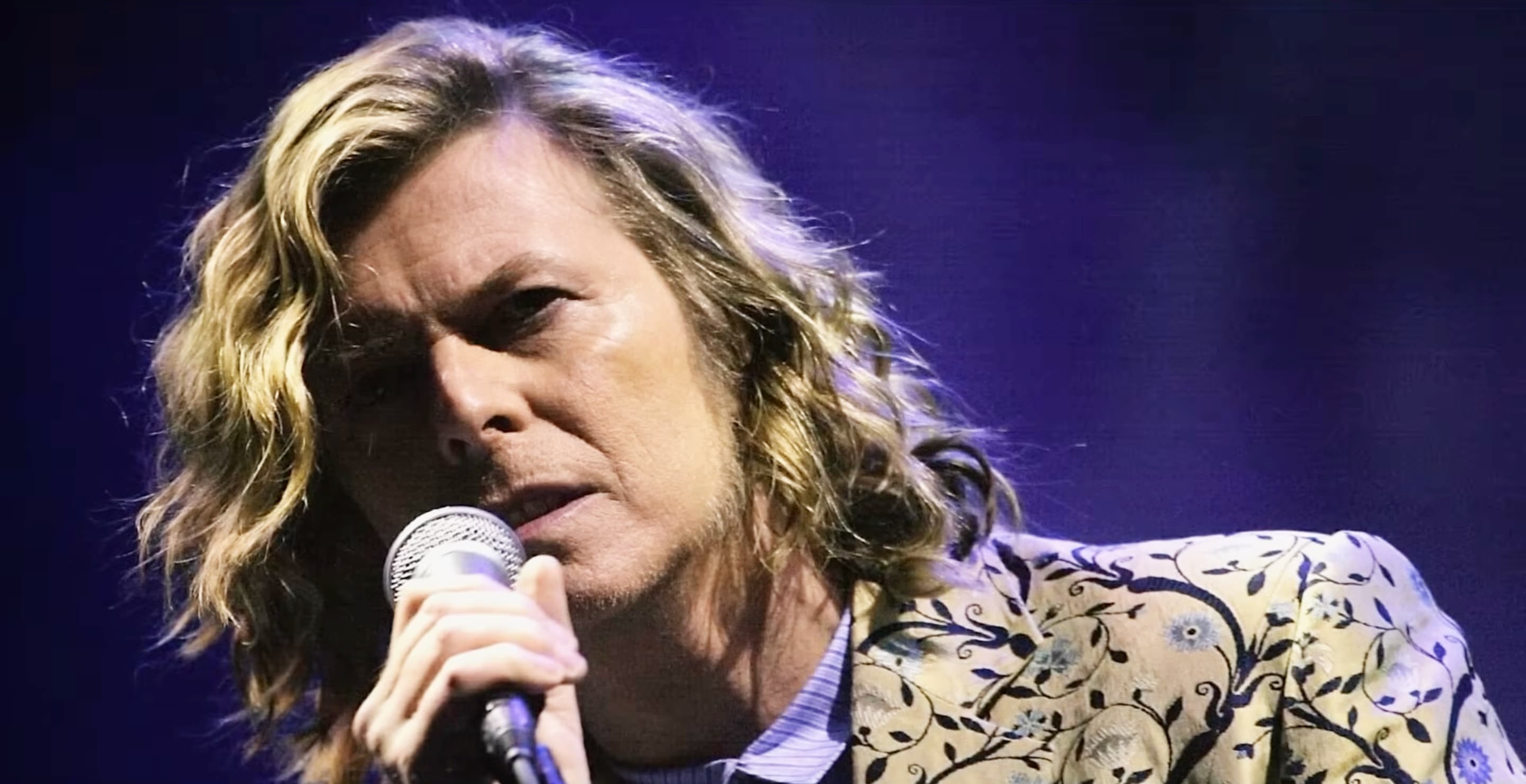
    David Bowie died at 69 from liver cancer two days after releasing his last album, Blackstar. This documentary shows how Bowie went back to trusting himself and his music, as his 80s and 90s were not-so-great musically speaking. Bowie had lost the aura and specialness that made him Bowie. He admits it himself in the film, saying: I didn’t want whatever it was I’d earned for myself with the success of Let’s Dance. This documentary shows his latest eras and how he still knew where to find new inspirations. That doesn't mean he also knew that, sometimes, fans only wanted what made him great in the seventies, like his set during the 2000s’ Glastonbury Festival. It’s also fascinating watching Bowie create bonds with new artists to understand how they tick and how he could use those ideas in his music. In the 70s, Bowie was already one of the best musicians of the century, but this documentary proves how he reinvented himself one last time, proving that, like good wine, he aged beautifully.

    50% upvoted
  10. 10

    Janis: Little Girl Blue

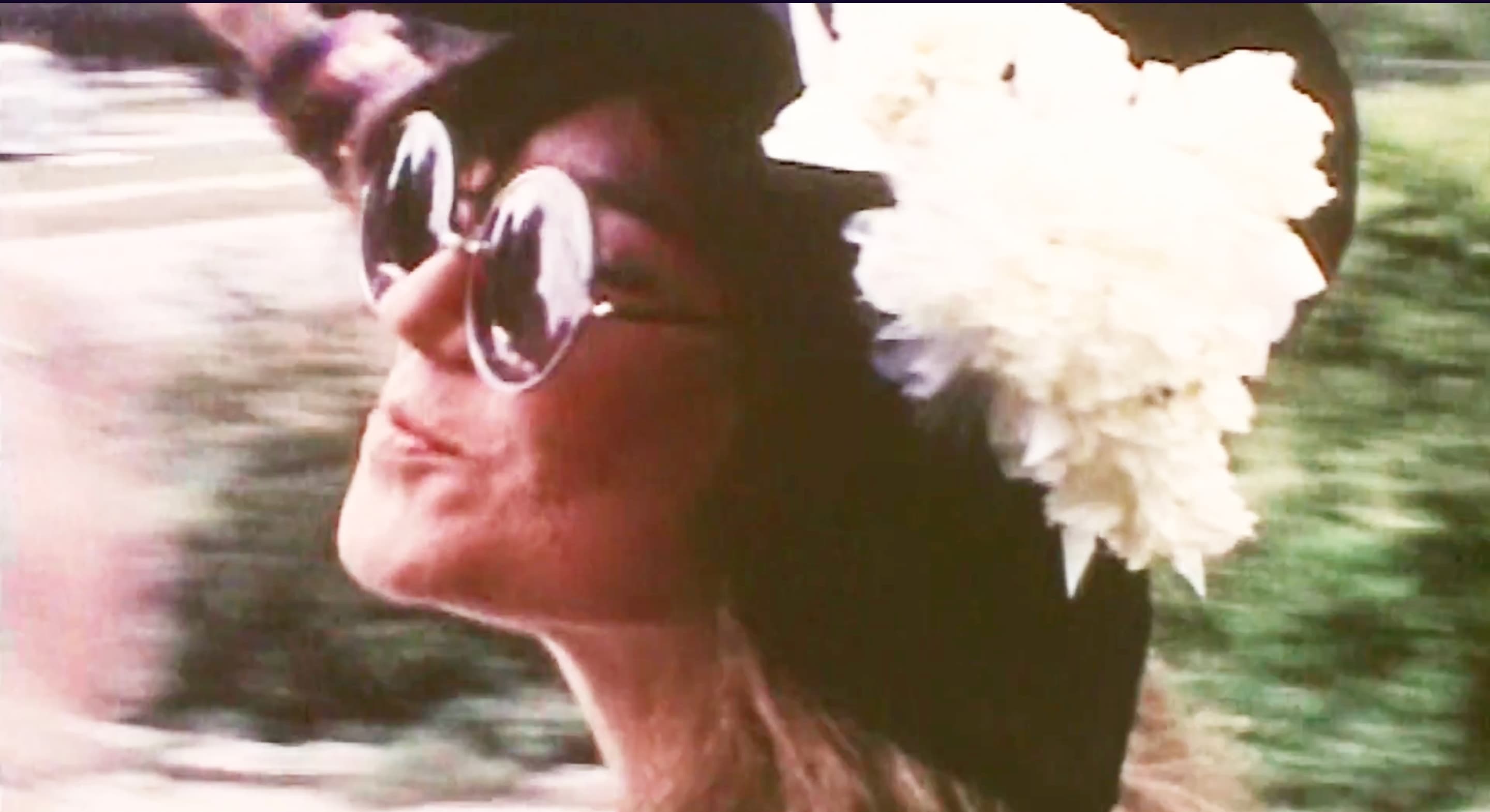
    Janis Joplin died from a heroin overdose when she was 27. This documentary shows how Joplin never did anything halfway; whether it was singing, loving, or using heroin, she was an all-in kind of person. She felt hurt, like when she was bullied in school or didn't like her physical appearance; she felt love (she had many lovers, and was in a healthy relationship with a teacher when she died), and she felt her music using her heart-wrenching voice to express it. The film shows all those things, while using songwriter Chan Marshall (Cat Power) to read many letters Joplin wrote to family and friends, giving the documentary an even more rounded look at the singer, who, it looks, was more of a rebel onstage than in real life. It’s always tragic to lose someone to a drug overdose, but as with someone so talented as Joplin, who was still discovering herself, things are even tougher. This film tried to show the real Joplin, the one who, sadly, couldn’t stop herself from taking heroin, even if her life was in a happy moment.

    54% upvoted