Skip to content
maxnews
Rankings

Famous Historical Images That Have Been Altered, Edited, Or Outright Fabricated

In the post-truth era, it’s becoming harder and harder to separate fact from fiction - but history books, and especially the images contained within, are still considered as solid and inarguable as they come. But maybe they shouldn’t be; after all, the list of famous retouched photos and outright staged historical photos is a long one. Some of the most iconic historical pictures have been staged, and although the notion of old photoshopped photos sounds anachronistic, history books are filled with manipulated and forged imagery. Is there any way to determine the truth? Can we ever truly find out what WWII looked like from the frontlines or how Bonnie and Clyde appeared after their gruesome end? Of course! All it takes is a critical mind and a willingness to check citations in order to find out which historical images are legitimate and which have been edited for one reason or another. The truth is out there - it’s just in the footnotes.

Entries
12
Votes
0
Updated
3 hours ago

Tap upor downto vote. Your vote is added to Ranker's counts.

Voting identifies your browser with an anonymous fingerprint, stored only as a salted hash, to count one per visitor. Privacy

Source: Ranker, ranked by its voters.

  1. 1

    The Multiple Flags Of Iwo Jima
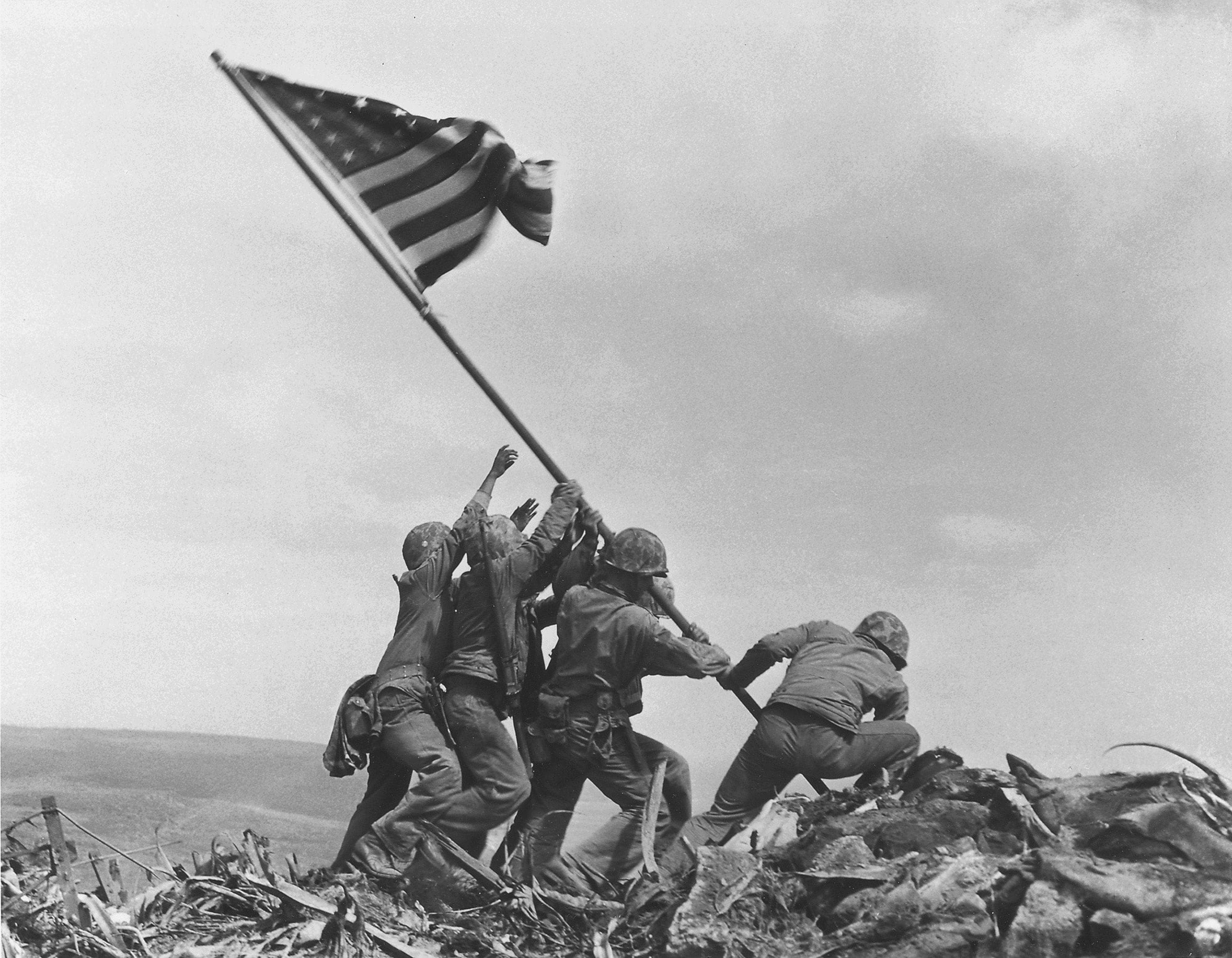
    “Raising the Flag on Iwo Jima” is one of the most inspiring images in the history of the American military, but it’s also a somewhat staged recreation of the initial triumph. Candid photographs of the actual flag-raising reveal a much smaller flag and less heroic posing. Then, photographer Joe Rosenthal got a chance to take it from the top. Upon conquering the island of Iwo Jima in 1945, after some of the most intense fighting in the entire Pacific Theater, a small flag was raised, and some less-than-thrilling photographs were taken. When Rosenthal heard some higher-ups had ordered the modest flag replaced by a more impressive version, he knew he had a rare opportunity to re-capture history; and this time, the soldiers made sure to do so with suitably gallant flair. It’s long been debated just how much actual staging and posing Rosenthal did, but he adamantly denied the charges throughout his life.
    0% upvoted
  2. 2

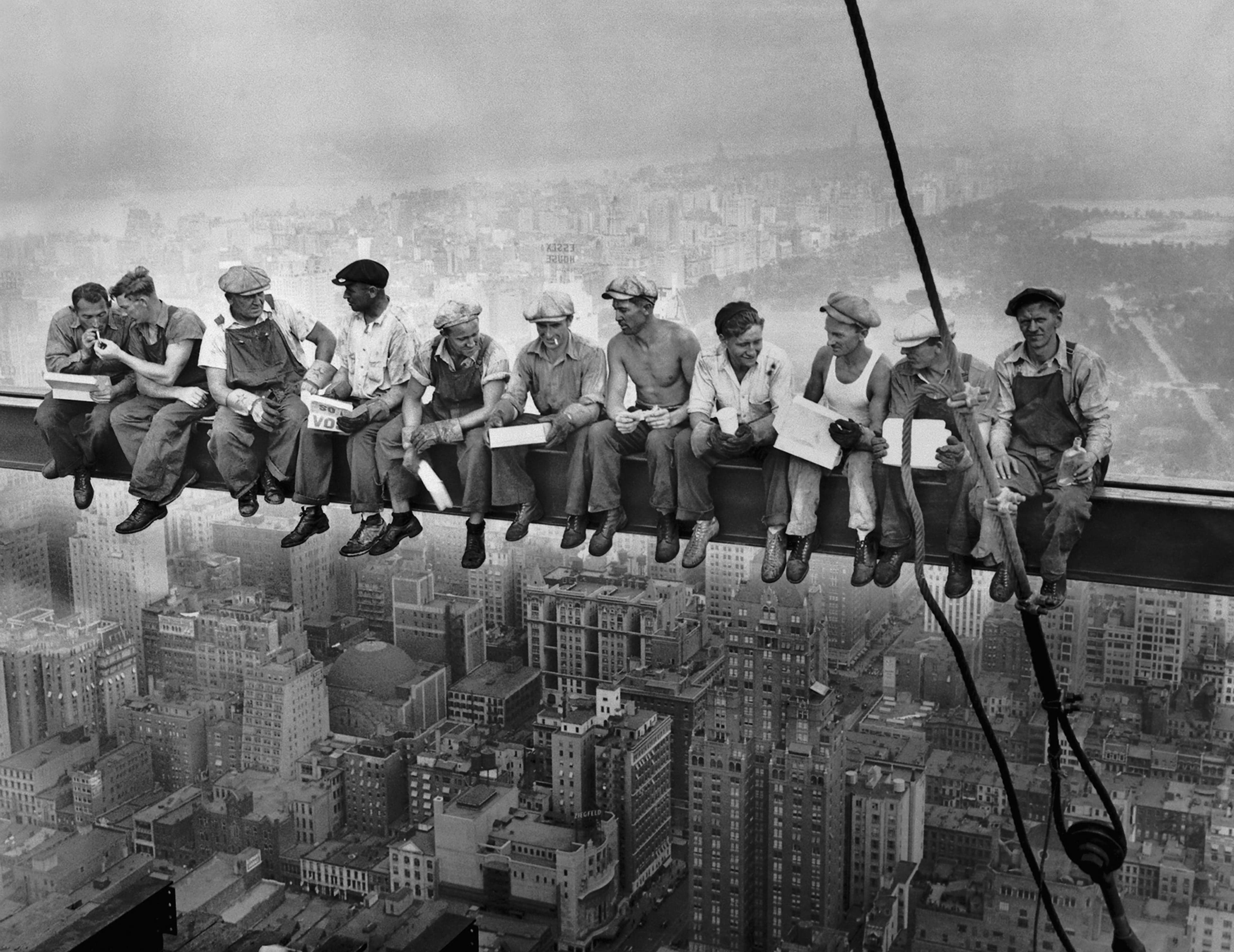
    A Fake Lunch Atop A Real Skyscraper

    “Lunch Atop a Skyscraper” has long been passed around as indicative of an era with slacker safety standards - or perhaps an era with tougher people. Instead, it’s actually a demonstration of a societal ill that is all too familiar in the modern world: the power of publicity. Instead of being a candid snap of workers enjoying a lunch break one September 1932 afternoon, the photo is one of a series of staged shots ordered to promote the building itself, which would one day be known as 30 Rockefeller Plaza. Other shots included workers tossing a football around or taking naps. The entire thing was a publicity stunt, albeit one that still carried considerable risk, and not truly demonstrative of the daily working conditions in ‘30s New York City.

    0% upvoted
  3. 3

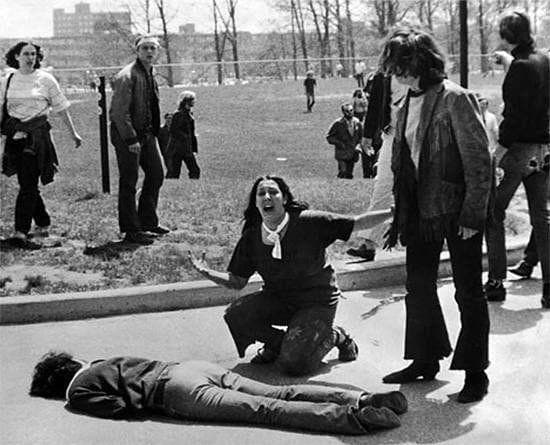
    The Most Famous Image Of The Kent State Massacre Is Missing A Fencepost*

    The photograph of 14-year-old Mary Ann Vecchio over the body of Jeffrey Miller, a protestor who had just been shot by the National Guard at Kent State, is one of the most striking and iconic images of the era. It’s easy to see why, since few photos so perfectly capture the horror of a historical event as clearly as this one does, even in its original form. The seriousness of the subject matter makes it far more acceptable to learn that most versions of the photo passed around have been slightly altered to increase the dignity of the composition. John Filo’s original photo won the Pulitzer Prize, but it also included an unfortunately placed fencepost directly above Vecchio’s head that gives the whole thing an off-putting vibe. Most reprintings of the image choose to edit out the fencepost to improve the quality of the photo, allowing it to be as impactful as possible without any unnecessary distractions.

    0% upvoted
  4. 4

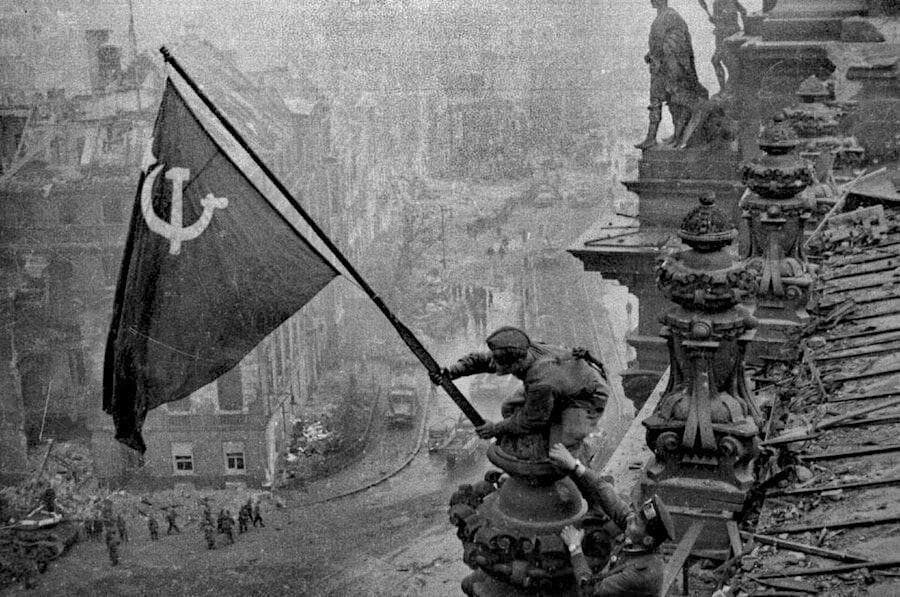
    The Soviets Hid Their Looting At The Reichstag

    The photograph known in English as “Raising a Flag over the Reichstag” is an important - and triumphant - one in the history of the Soviet Union. Most students growing up in the Soviet education system would never get to see the original image though. While the iconic image of Russian soldiers erecting a Soviet flag over the German government building is inspiring under any conditions, certain changes were ordered as a way to “airbrush” history. In order to stop (well-founded) rumors of Soviet looting from spreading, the photo was edited to remove the multiple wristwatches on the arm of the soldier raising the flag. For further dramatic effect, more smoke was also added to the background, along with a few smaller cosmetic changes that are also difficult to notice even up close. These alterations were performed by the photographer, Yevgeny Khaldei, himself.

    0% upvoted
  5. 5

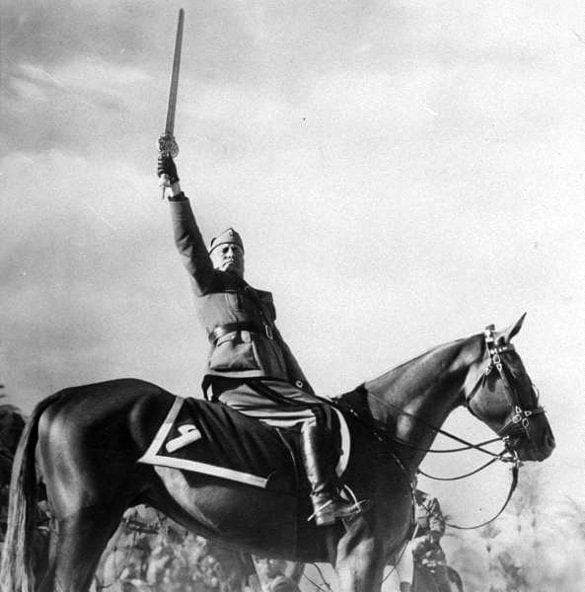
    Mussolini's Equestrian Bravado Photo Removes The Horse Handler

    In many ways, Benito Mussolini was the original fascist - he did literally write the book on it, after all. He was also a pioneer in the use of personal branding to strengthen his regime. Fascist Italy was festooned with strong images of Il Duce wherever one looked, and they generally featured Mussolini in his favored pose - chin up and chest out - even if they didn’t always line up with the original compositions. The photo of Mussolini sitting atop a horse in Tripoli with his sword held proudly in the air certainly matches with the Italian dictator’s general aesthetic, but only thanks to some clever airbrushing. Mussolini had a horse-handler edited out of the image so that it looked like the dictator was actually in command of the animal. One could see this as a powerful metaphor for Mussolini’s reign in general.

    0% upvoted
  6. 6

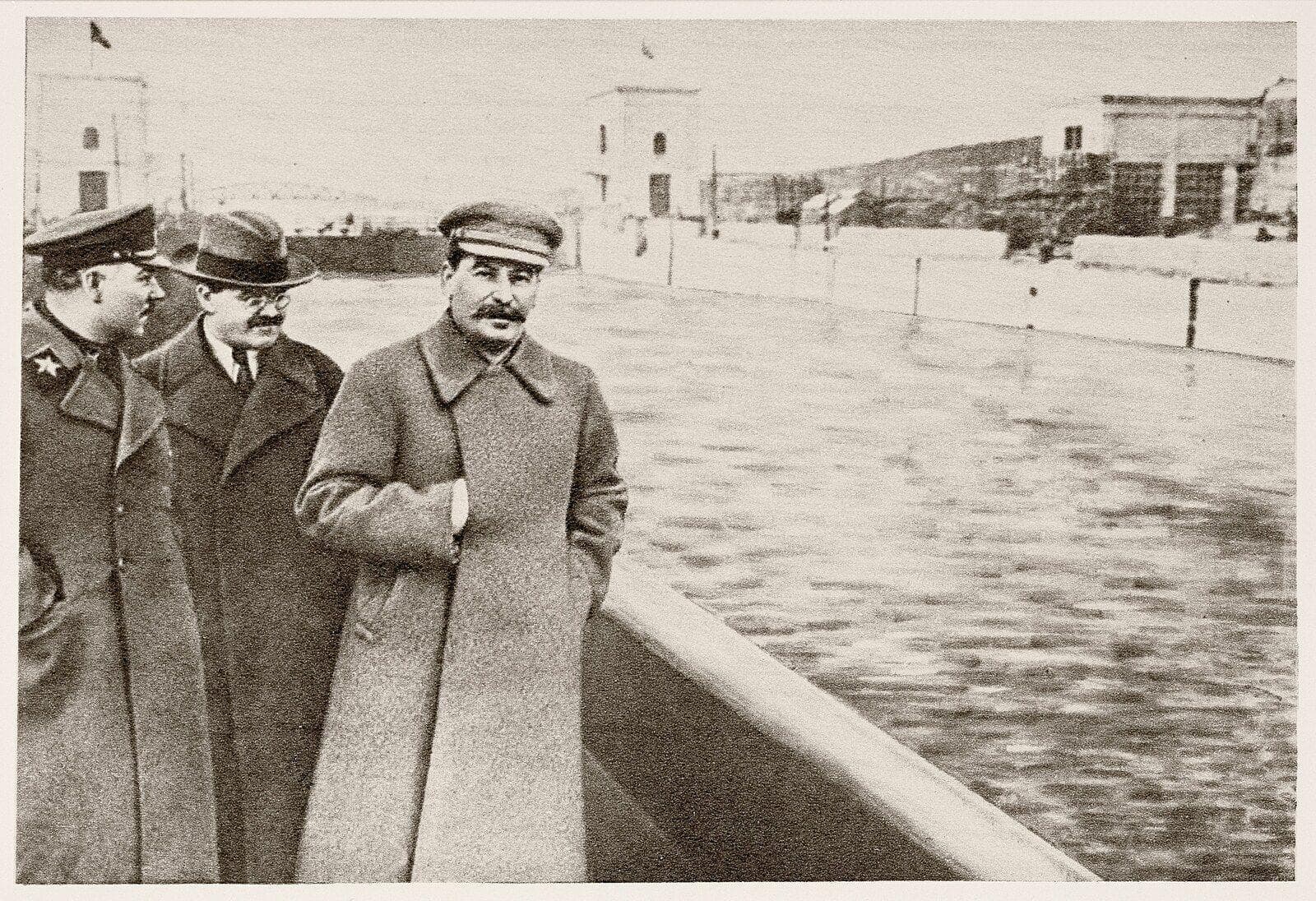
    The Commissar Vanishes

    There may be no more infamous photoshopper in history than Joseph Stalin, who was able to make his opponents vanish in more ways than one. That’s the idea behind a photograph that originally showed Stalin walking along the waterfront with Nikolai Yezhov - until it was edited to cut Yezhov out completely. Typically, Stalin put his image manipulators to work whenever he had one of his political enemies - or former allies, like Yezhov - slain or sent to the Gulag. Not satisfied with simply erasing his antagonists from existence, Stalin also sought to erase them from history, hiding his growing body count as if the individuals were never real in the first place.

    0% upvoted
  7. 7

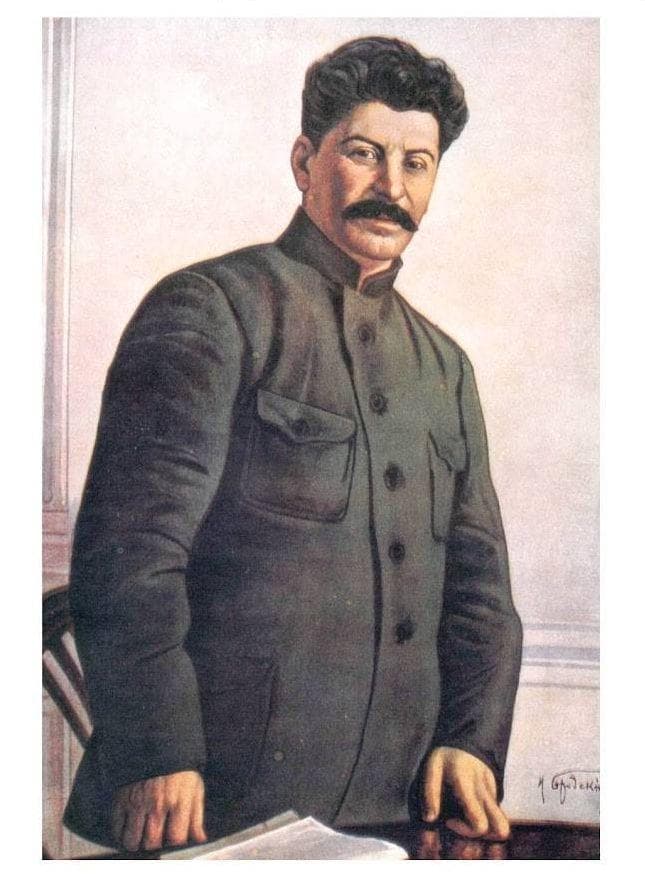
    Stalin Stands Alone

    Joseph Stalin’s habit of editing his slain opponents out of photographs is legendary, and few images demonstrate that more clearly than one infamous composition that originally showed Stalin alongside three political allies - then two, then one. In the final edition of the photo, Stalin stands alone. As Nikolai Antipov, Sergei Kirov, and Nikolai Shvernik each fell out of favor with the Soviet dictator, they were removed from the photo in turn. Out of the three aides originally pictured, two would fall to Stalin as he consolidated his power. Only Shvernik would outlive Stalin. The final product is so heavily edited that it looks more like a portrait of Stalin than a photograph - yet another example of him literally painting over history.

    0% upvoted
  8. 8

    Valley Of The Shadow Of Deception

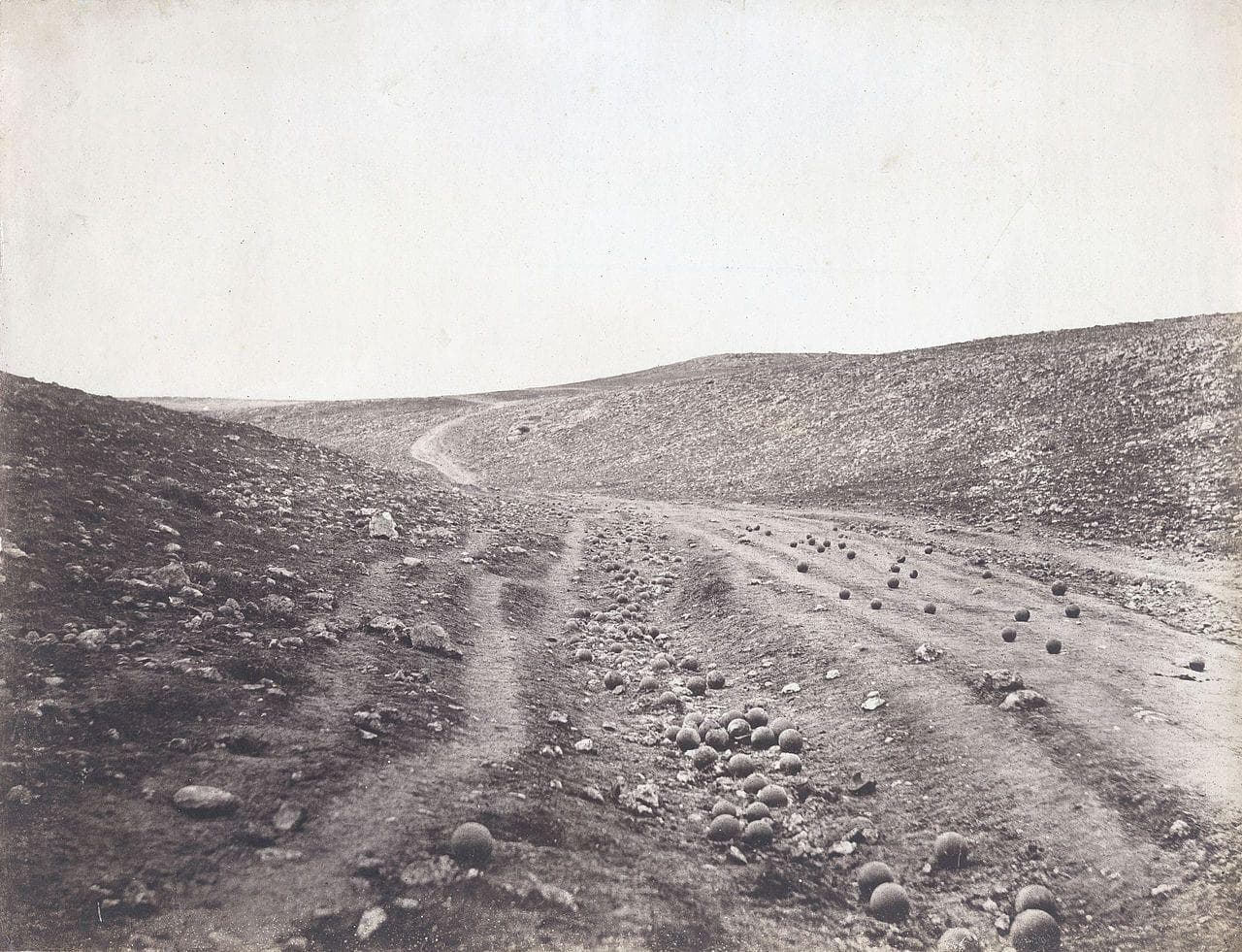
    “Valley of the Shadow of Death” is one of the earliest notable examples of combat photography - and it’s also an early instance of image manipulation. Taken by Roger Fenton during the Crimean War, the photo depicts a post-fight roadway strewn with cannonballs. Other pictures snapped by Fenton earlier in the day, however, show a completely clear road. The veracity of the photo has been debated ever since, with the general conclusion being that someone moved the cannonballs onto the road from the ditch sometime after the fight. Whether the rearranging was done for the purposes of the photo - and whether it was done by Fenton himself - remains a mystery that will likely never be solved.

    0% upvoted
  9. 9

    A Ulysses S. Grant Composite Fooled Historians For Generations

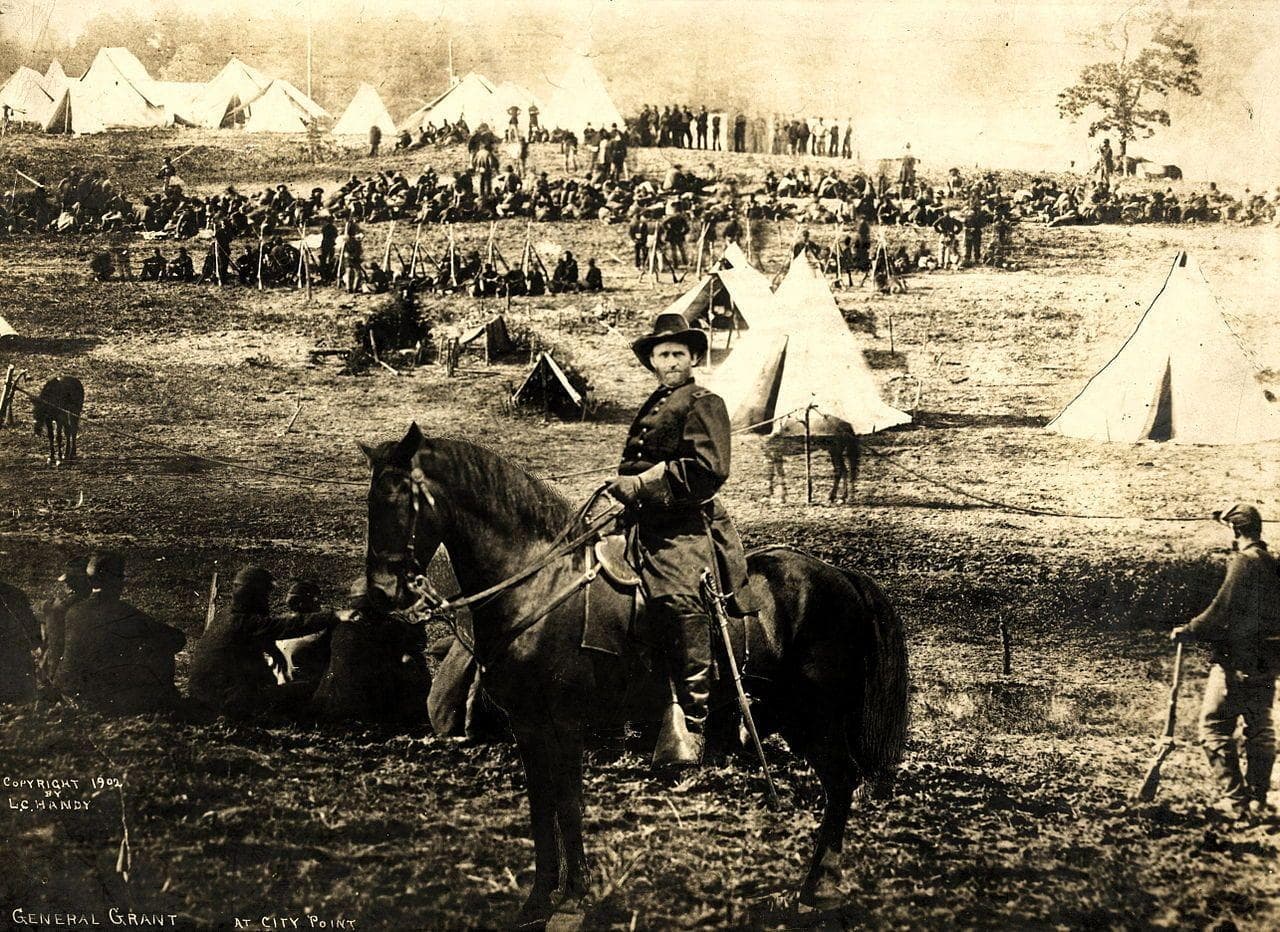
    The image of General Ulysses S. Grant standing proudly astride his horse in front of a Union camp is one of the most iconic of the Civil War - and it’s also a complete forgery. Instead of capturing a real moment in Grant’s campaign, the photo is instead a clever composite of three different images, only one of which actually contained Grant at all. Though the photo was purported to be taken during the siege of Richmond in 1864, it’s actually an earlier image of Grant pasted onto the head of a different general on a horse and then superimposed over a photo of the Union camp. The forgery fooled historians for generations and the deception wasn’t discovered until 2007, more than a century after it was supposedly taken.

    0% upvoted
  10. 10

    Leon Trotsky Was Disappeared By Stalin In More Ways Than One

    At one point, Leon Trotsky looked like the heir apparent to Vladimir Lenin - until Joseph Stalin made him disappear in more ways than one. Not only did Stalin run Trotsky out of the party and out of the country in the late ‘20s - not to mention having him slain a decade later - he also took pains to have Trotsky removed from the history books, as in a photograph which initially depicted Trotsky at a Lenin speech. By altering the image, from which Lev Borisovich Kamenev was also removed, Stalin allowed himself to continue building his regime upon the legacy of Lenin without having to pay homage to Lenin’s ideological compatriots.

    0% upvoted