Skip to content
maxnews
Places & Travel

Facts About 14 Ancient Monuments We Can't Believe We're Just Now Learning

Many civilizations throughout history have erected enormous buildings and other structures to secure their place in both the present and posterity. Indeed, these landmarks are sometimes the only evidence left of past cultures - mute testaments to their greatness. Throughout the world, impressive monuments from antiquity still stand, and they are important not just as archaeological remains, but also for tourism. Every year, more fascinating facts emerge from these constructions of stone, brick, and mortar, shedding important light on the people who produced them, allowing those in the present to gain some insight into the aspirations of those who came before.

Entries
14
Votes
6K
Updated
3 days ago

Tap upor downto vote. Your vote is added to Ranker's counts.

Voting identifies your browser with an anonymous fingerprint, stored only as a salted hash, to count one per visitor. Privacy

Source: Ranker, ranked by its voters.

  1. 1

    The Pantheon Remains The World’s Largest Unreinforced Concrete Dome
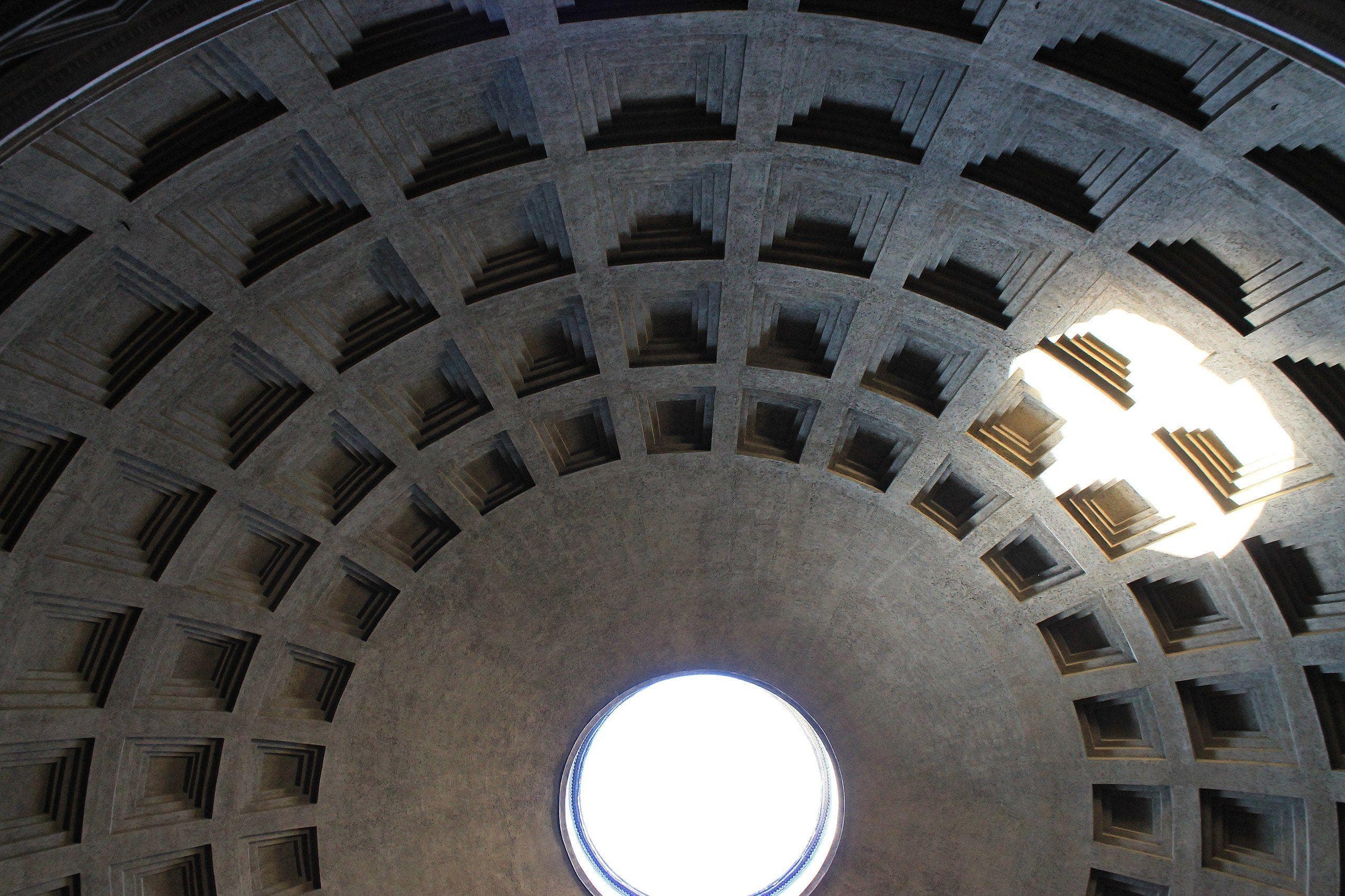
    Rome is filled with a legacy of architecture from the Roman Empire. Among them is the Pantheon, which has survived remarkably intact, thanks in no small part to its conversion from a pagan temple to a church. The original builder was Marcus Vipsanius Agrippa, a Roman general, architect, and son-in-law of Emperor Augustus (63 BCE - 14 CE). Later Roman Emperor Hadrian (76 - 138 CE) commissioned its rebuilding. In addition to being beautiful, it is also a technological marvel and remains the world’s largest unreinforced concrete dome. The secret to its enduring stability lies in the type of concrete the Romans used - a particular blend of limestone, volcanic ash, and strätlingite.

    92% upvoted
  2. 2

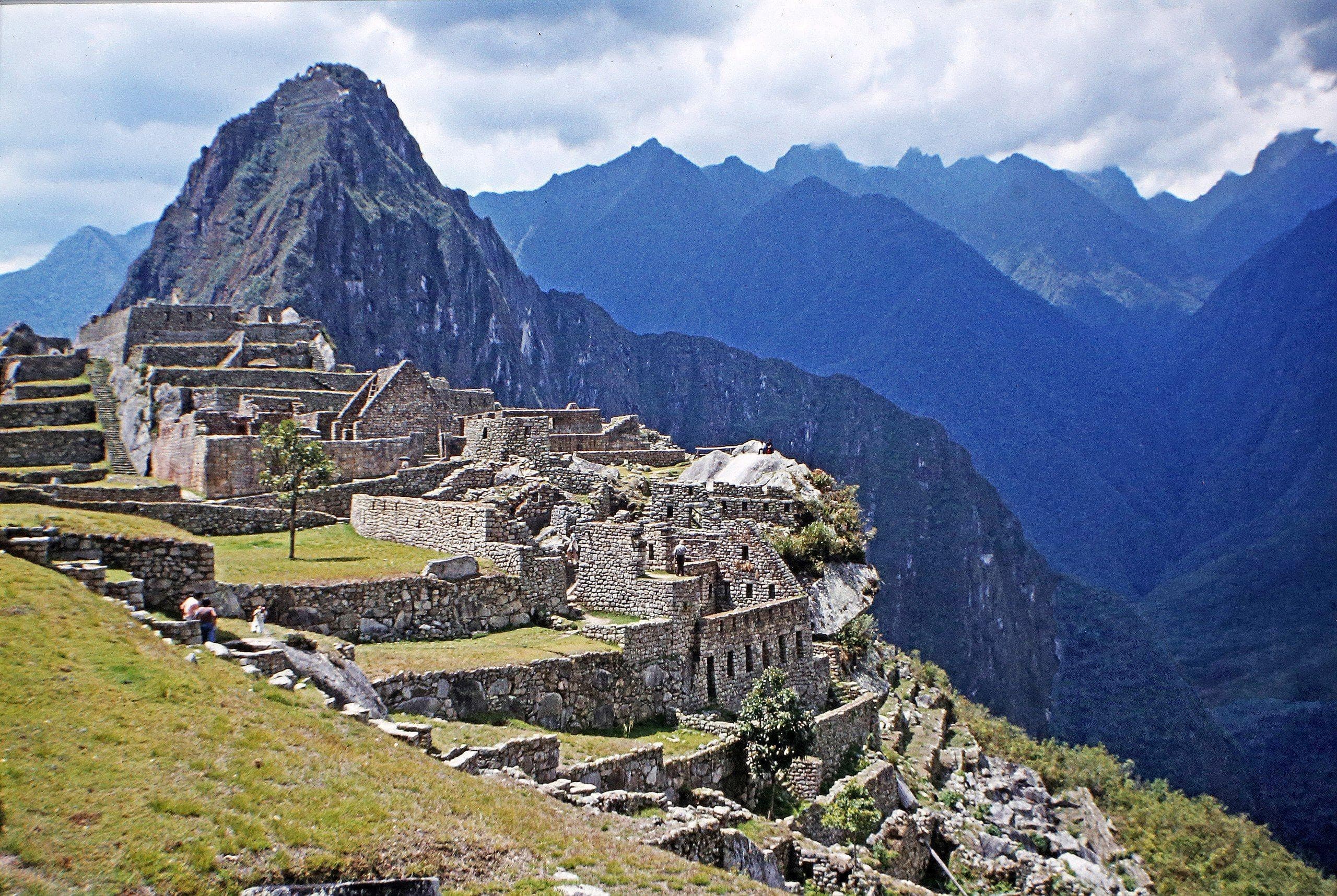
    The Incas Built Machu Picchu Without Wheeled Vehicles

    Perched on the cliffs of the Andes, the city of Machu Picchu is one of the most statuesque ruins in South America. Remarkably, given how important it has subsequently become in the eyes of many, it remained largely unknown to the Spanish (despite the rigor with which they despoiled the territories of the Inca). Given its enormity, the site’s renown is deserved. Just as importantly, it was constructed without the benefits of the wheel, as this device was unknown to the Inca. They were, however, a remarkably accomplished culture, and maintained knowledge of the site’s location even when the Spanish did not.

    91% upvoted
  3. 3

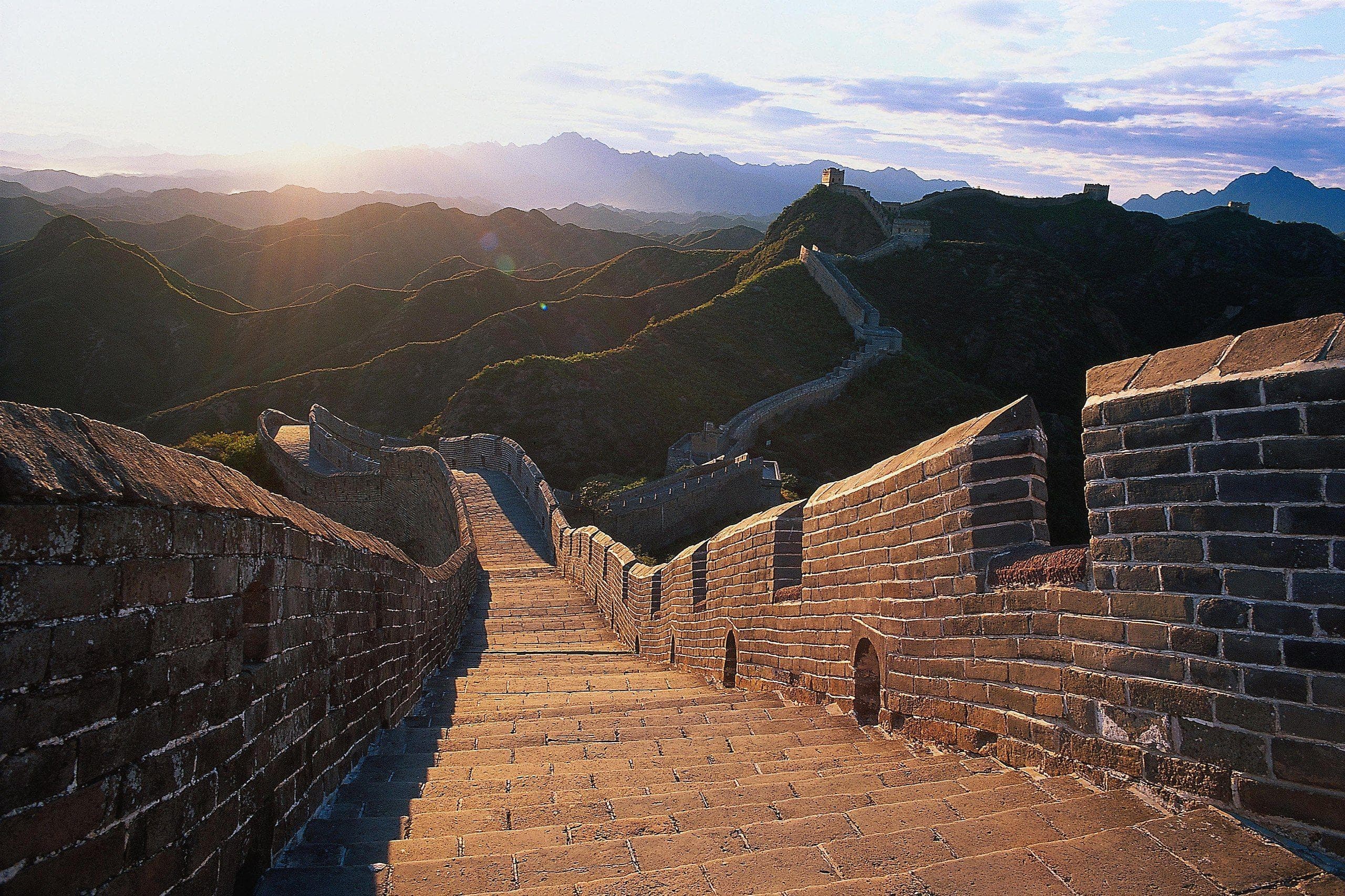
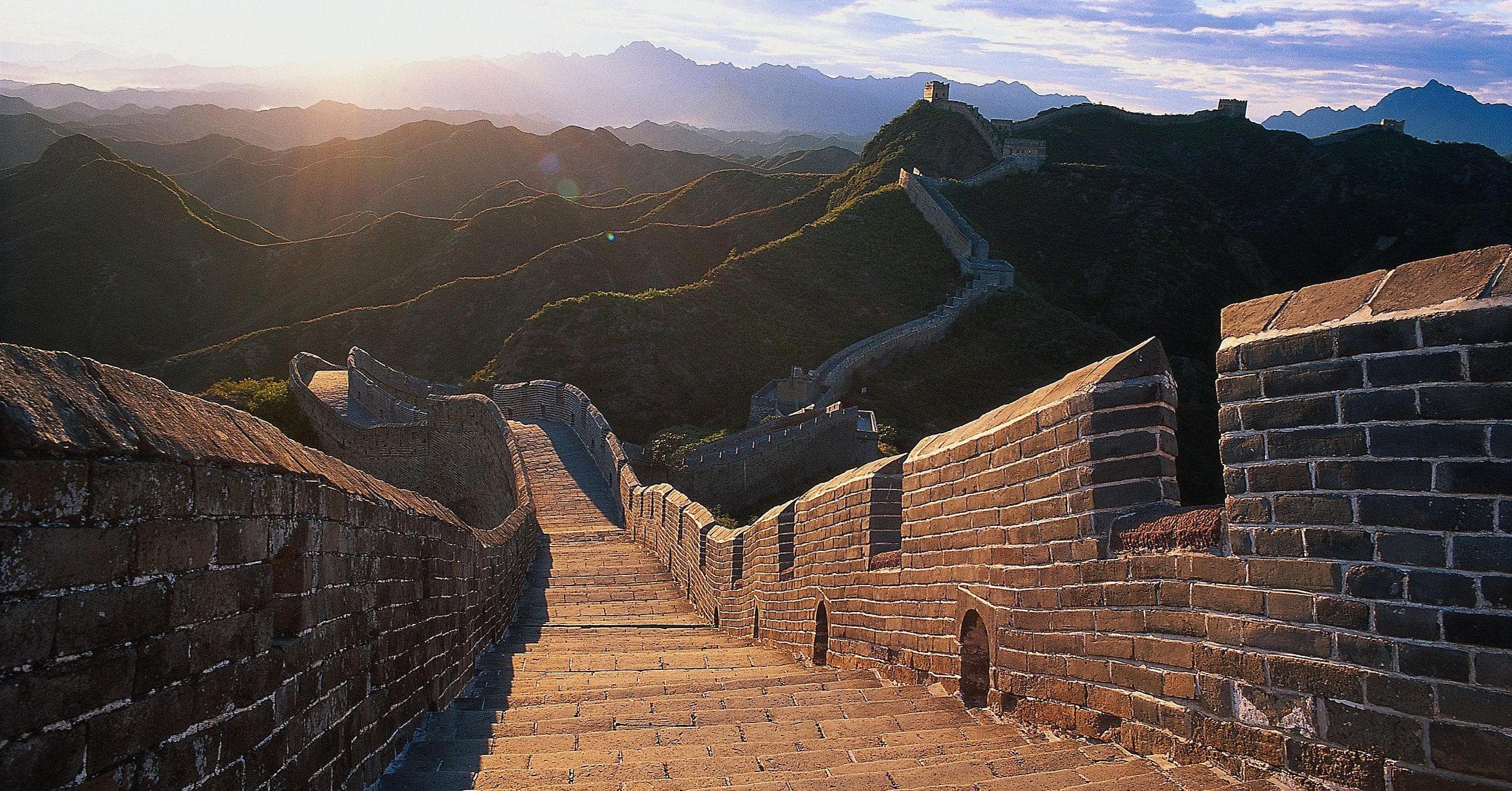
    Parts Of The Great Wall Of China Are Held Together With Sticky Rice Mortar

    The Great Wall of China stands as a testament to human ingenuity. Due to its enormous scale and the amount of labor that went into its construction, it has etched itself into the collective human imagination. (It's not actually visible from the moon, however). Aside from its scale, the Great Wall is also noted for its durability, having survived for centuries largely intact. The secret to its longevity lies in part to the mortar used in its construction during the Ming Dynasty (which ruled China from the 14th through 17th century). Engineers mixed both organic and inorganic materials to create a remarkable mortar, one ingredient being sticky rice. Strange as it might sound, the mortar is actually quite durable, more so than many other types, and was used in other important structures as well.

    88% upvoted
  4. 4

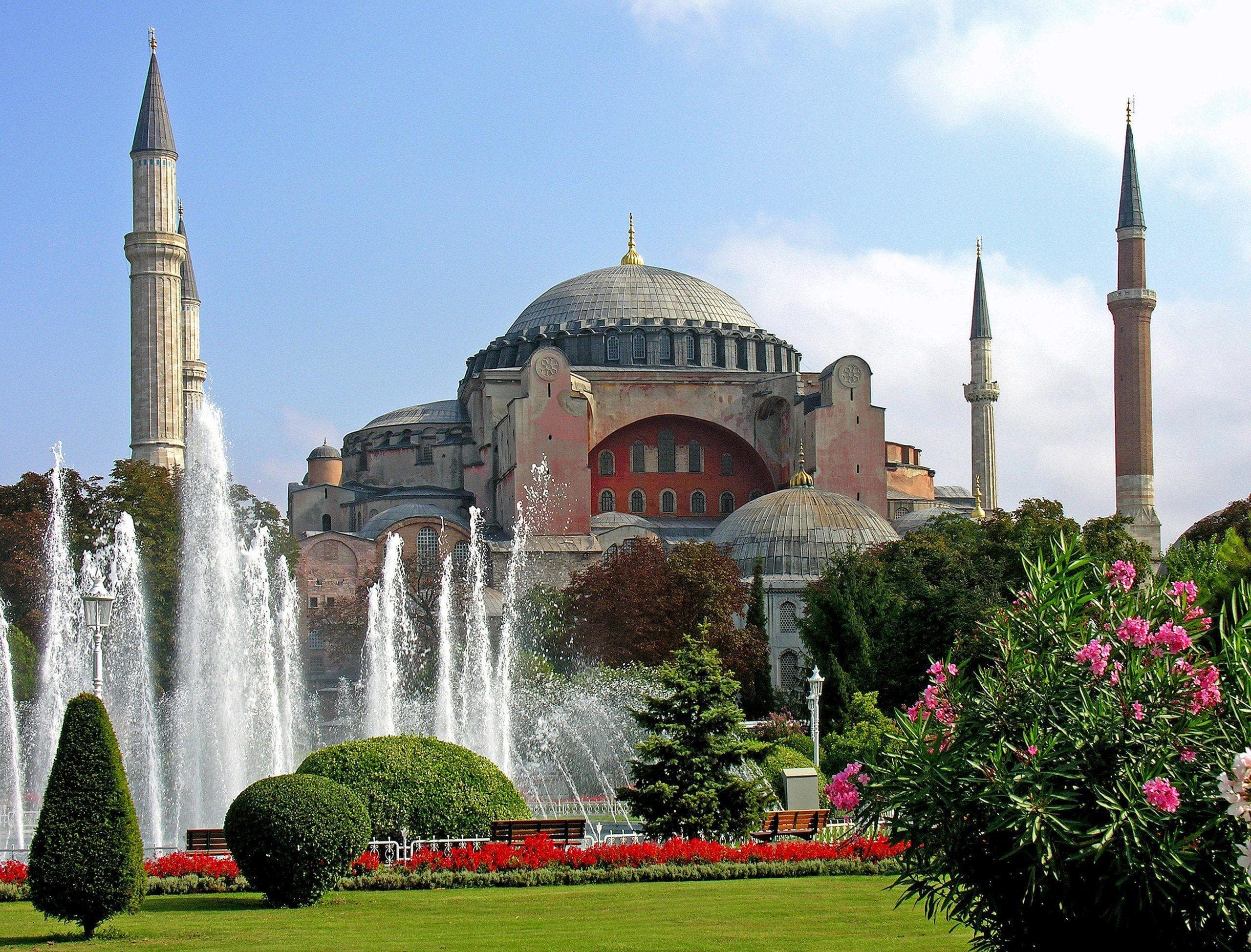
    Hagia Sophia Contains What Appears To Be Viking Graffiti

    The building known as Hagia Sophia is one of the architectural highlights in modern Istanbul, Turkey. It was built in the 6th century CE during the reign of the Byzantine Emperor Justinian at enormous expense and was known as Church of the Holy Wisdom and Sancta Sophia. In the centuries since, it has possessed several names and purposes. It became a mosque in the mid-1400s, after the Turks took over Constantinople. In 1934, it was declared a museum, and in 1985 it became a UNESCO World Heritage Site. In 2020, it was re-designated as a mosque. In addition to its colorful stone mosaics, towering minarets, large marble urns, detailed frescoes and golden dome, Hagia Sophia also contains a rather unusual addition - Viking rune graffiti. Historians think they were left by one of the many Norsemen who came to Constantinople to serve as bodyguards (most notably for the emperor himself, in the Varangian Guard). Translated to English, the runes read simply: “Halfdan carved these runes.”

    89% upvoted
  5. 5

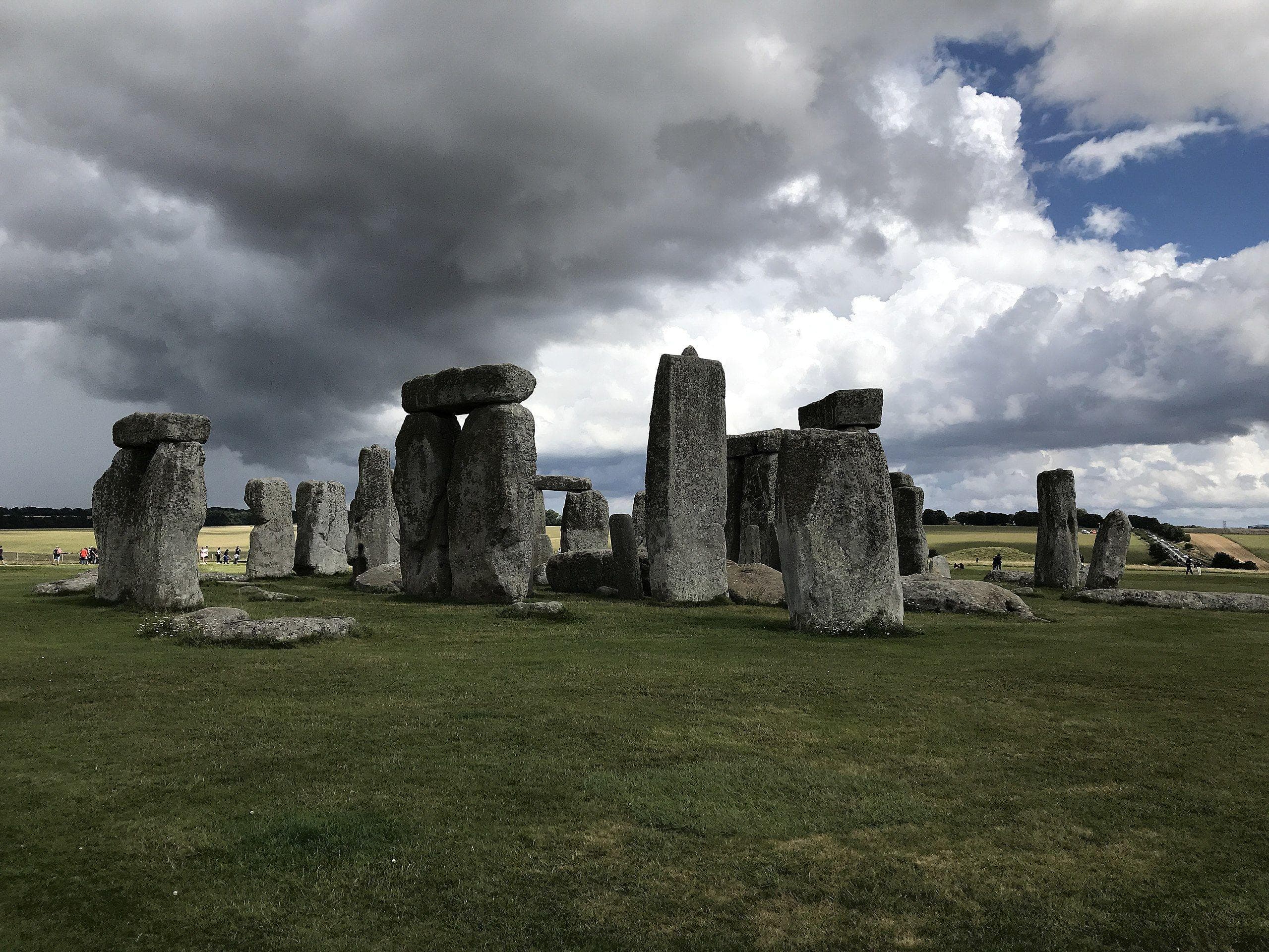
    Charles Darwin Was Studying Worms At Stonehenge And Discovered The Stones Were Sinking

    British biologist and geologist Charles Darwin was one of the intellectual giants of the 19th century, and his theory of evolution, in its broadest contours, remains a key theory within science writ large. Almost everyone knows of Darwin, and many are familiar with the prehistoric monument Stonehenge in Wiltshire, England. Fewer, however, realize an important connection exists between the two. In addition to his interest in the evolution of species, Darwin also nurtured a significant interest in earthworms, which led him to Stonehenge. While there, he observed how the action of the little creatures was actually causing the great structure to sink into the soil. He would go on to write about his observations in The Formation of Vegetable Mould Through the Action of Worms, his final book.

    90% upvoted
  6. 6

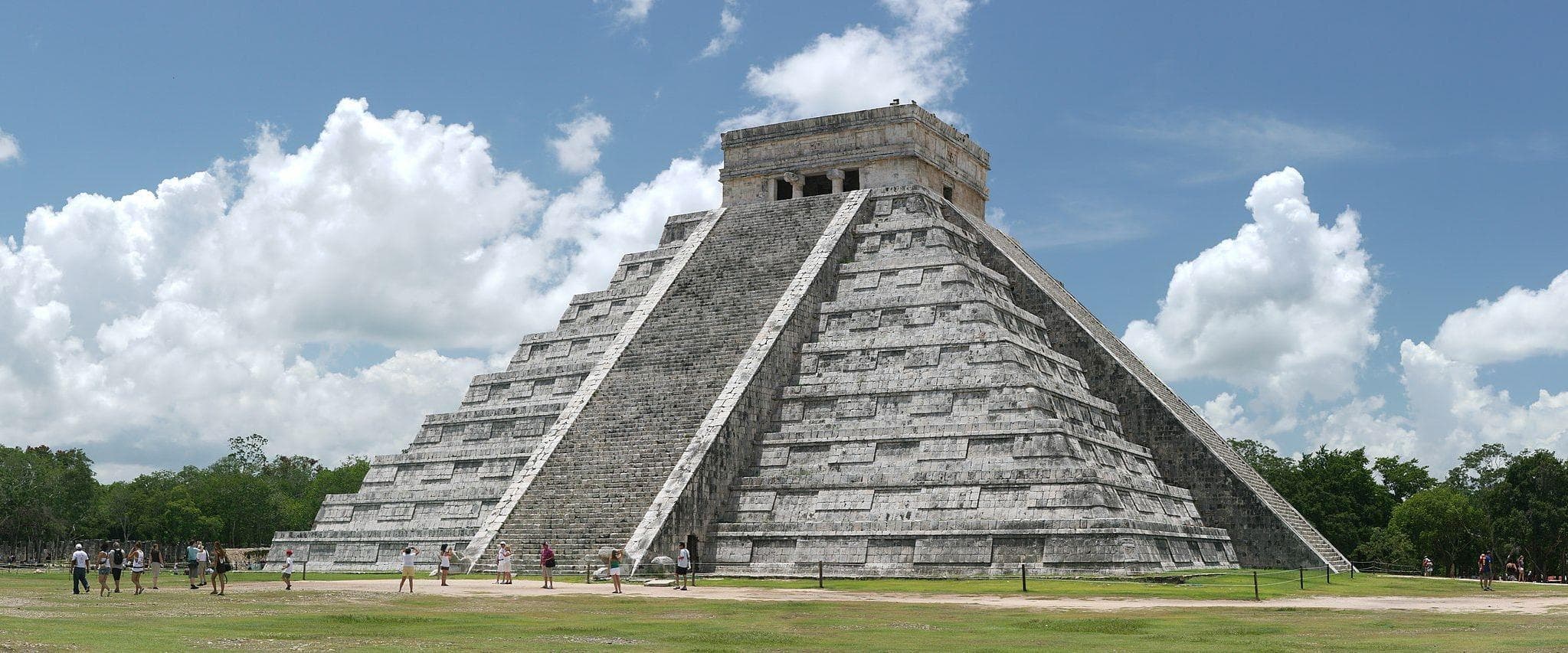
    Blue Pigments Found At Chichen Itza Were Also Used To Cover The Bodies Of Sacrifice Victims

    The Mayans were among the preeminent pre-Columbian civilizations of Central America. Their many pyramids and temples remain key architectural marvels, especially Chichén Itzá, one of the most notable Mayan ruins. For some time, the remains of blue pigment at the site confused experts, but recent studies have shed light on its uses. For the Maya, blue was the color of sacrifice. Indeed, victims were painted with the dye before their lives were taken, either from having their hearts cut from their bodies or from being thrown into the Sacred Cenote, a well at Chichén Itzá. Furthermore, this particular pigment is renowned for its durability, and the Mayans also used it in murals. They even lent their name to it - Maya Blue.

    90% upvoted
  7. 7

    Moses’s Brother Aaron Was Supposedly Buried At Petra, In Jordan

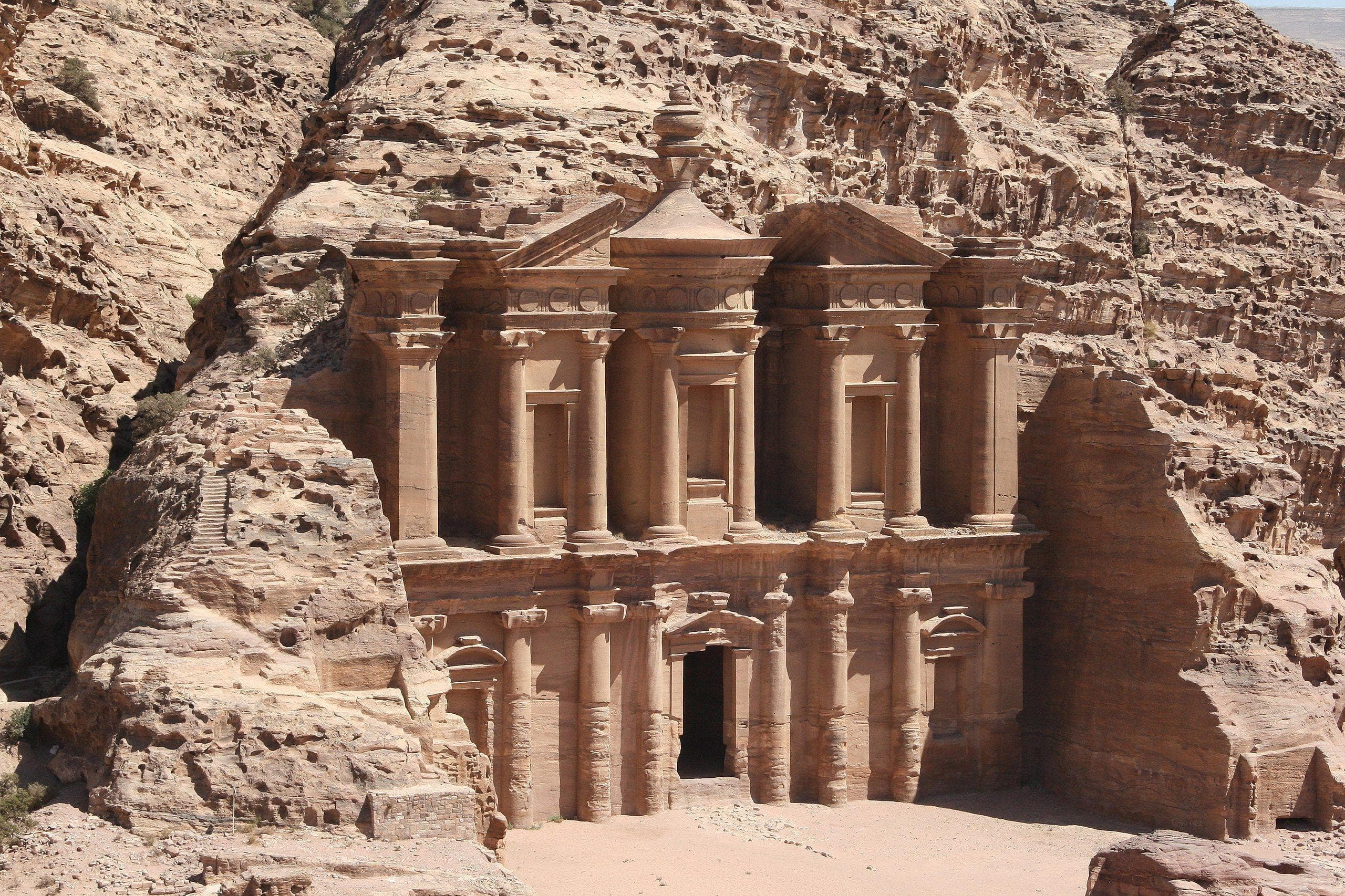
    The ancient city of Petra is one of the most recognizable locations in the Middle East, thanks in no small part to its appearance in a number of high-profile films, including Indiana Jones and the Last Crusade and The Mummy Returns. Located in Jordan, it's a marvel of construction, and the many rock-cut buildings are not only beautiful but also testaments to the skills involved in the building of the city. Petra is also a city rich with history. Among other things, many Muslims believe Aaron, the brother of the prophet Moses, died and was buried atop the mountain known as Jabal Haroun, which is also home to a white-domed mosque (built in the 14th century). It's become a site of pilgrimage for many Jews and Muslims, the latter of whom regard Aaron as a prophet.

    89% upvoted
  8. 8

    Greece And The UK Continue To Negotiate The Fate Of The Marbles Removed From The Parthenon

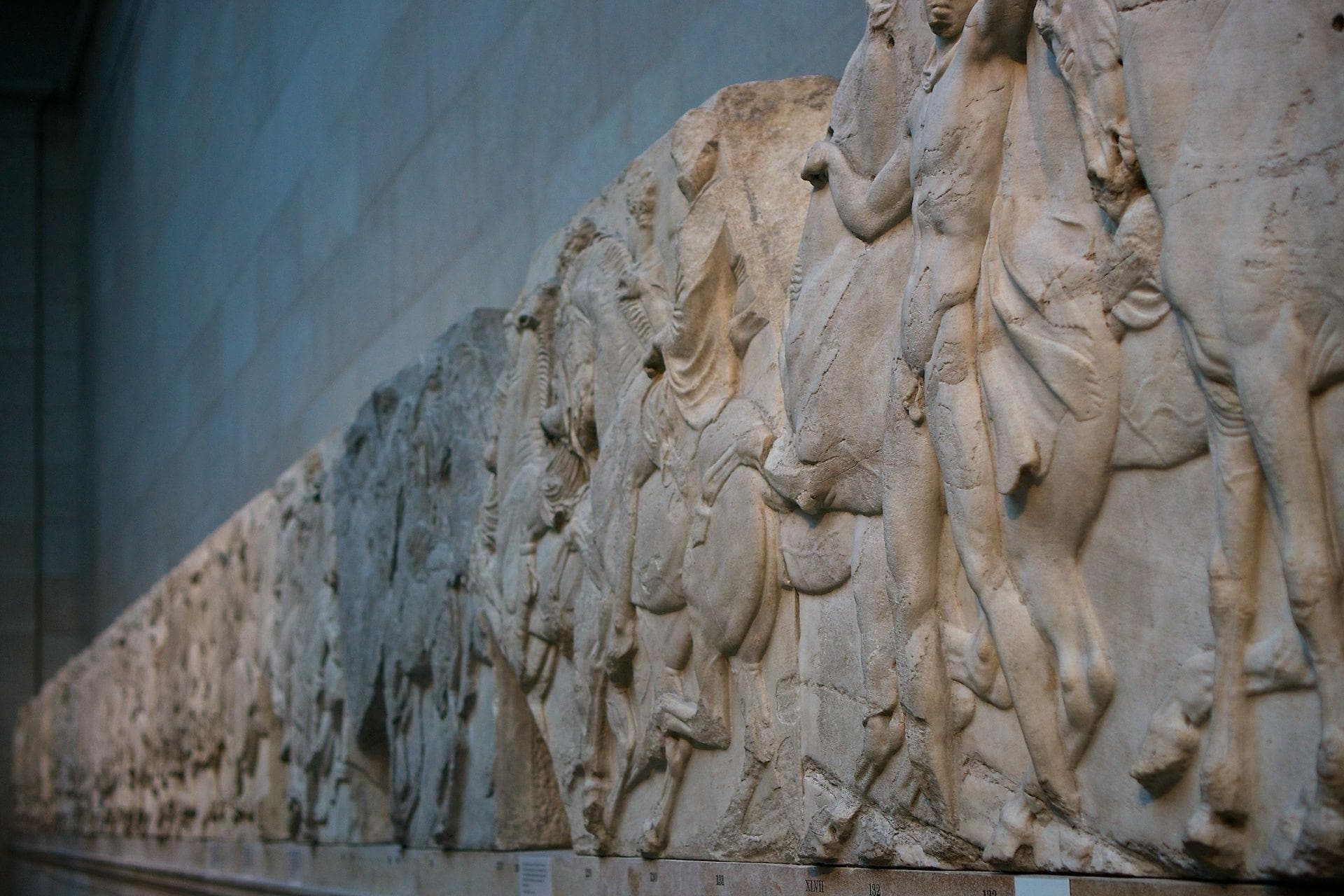
    Anyone who has visited the British Museum in London has no doubt come face-to-face with the Elgin Marbles. These remarkably detailed sculptures have been at the museum since the early 19th century, when they were brought to the UK by Thomas Bruce, 7th Earl of Elgin and 11th Earl of Kincardine, who was serving as the ambassador to Turkey (which ruled Greece at the time). The Parthenon was in ruins, but it's unclear if Lord Elgin had permission to remove the sculptures. In the years since, the Elgin Marbles have become a flashpoint in the wider discussion as to whether the collections held by various museums across the world should be returned to their original homes. Beginning in the early 1980s, the government of an independent Greece began to request their return from the British Museum. As of 2023, negotiations between the two countries continue.

    88% upvoted
  9. 9

    Iran Has Its Own Great Wall

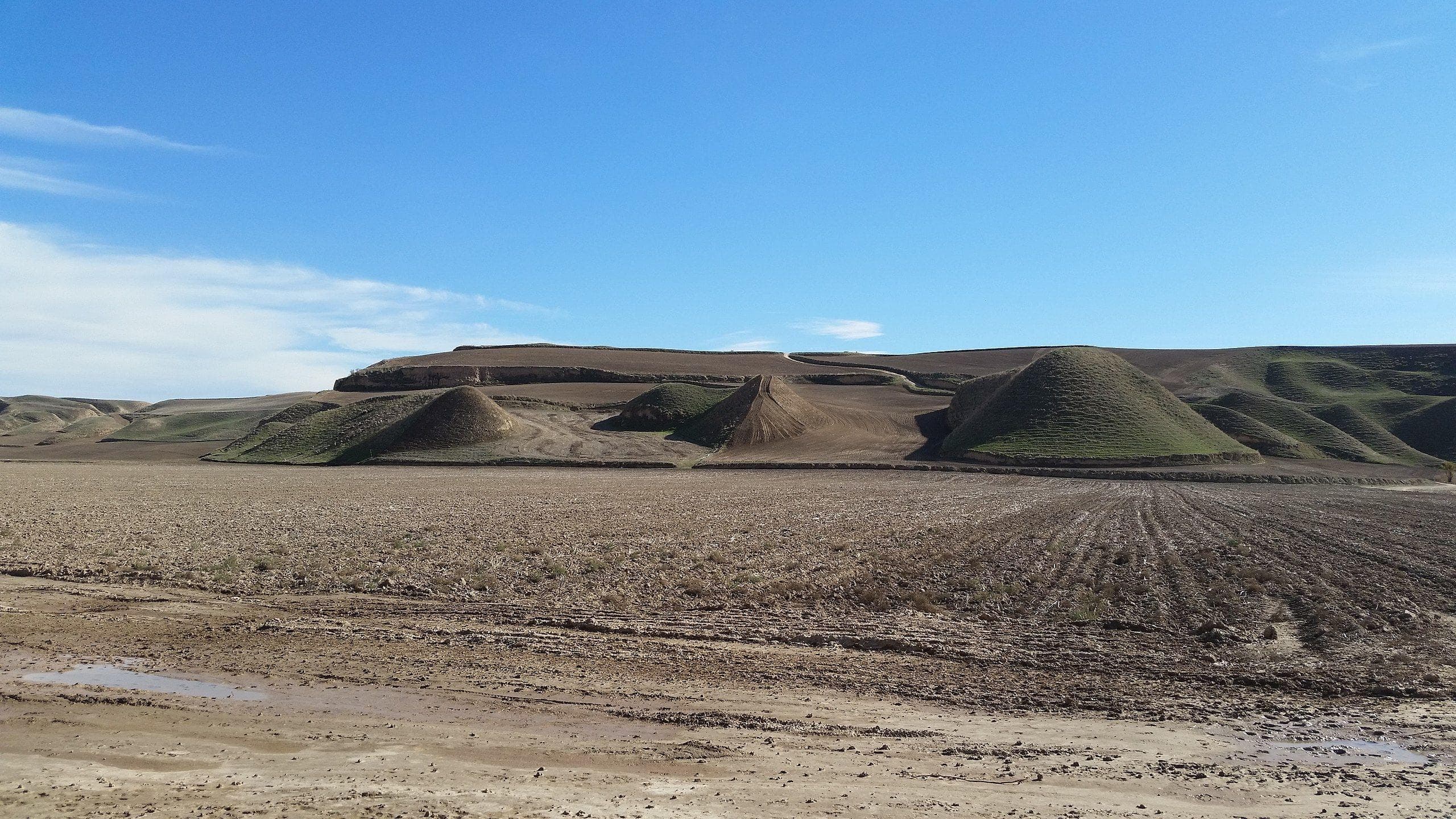
    The Great Wall of China might be famous the world over, but it's not the only place with such a large defensive formation. In fact, Iran is also home to its own enormous wall, known as the Great Wall of Gorgan. It was likely constructed during the 5th and 6th centuries CE, while Iran, and much of the Middle East, was under the dominion of the Sasanian Persians. Historians believe the wall was supposed to help guard the rest of the empire from incursions from various warlike nomads, including the Hephthalites, sometimes called the White Huns. It was constructed of bricks, which may explain why it's less well-preserved than several other ancient defenseworks, most notably the Great Wall of China and Hadrian’s Wall in England. Nevertheless, it's still a marvel of engineering, and is longer than Hadrian’s Wall and the Antonine Wall in Scotland put together.

    88% upvoted
  10. 10

    Hadrian’s Wall Is Not, And Has Never Been, The Boundary Between England And Scotland

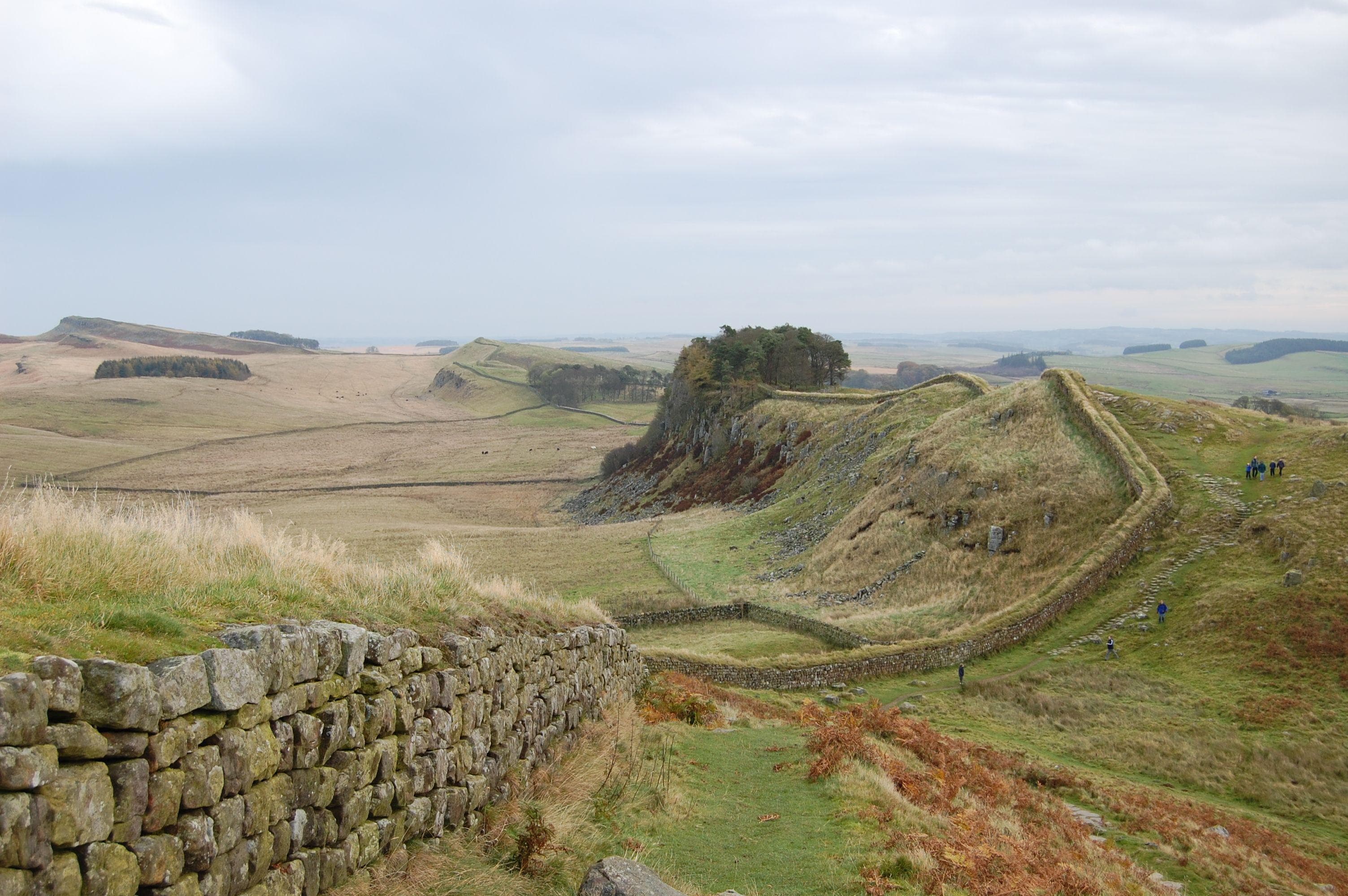
    Along with Stonehenge, Hadrian’s Wall is one of the most recognizable ancient monuments in the UK. Its construction began in 122 CE, after Roman Emperor Hadrian visited Britain. It stretches across the entire length of northern England, from Wallsend to Bowness-on-Solway. Although it has endured much over two millennia, there are still significant portions intact, particularly in the middle. Like many similar monuments, Hadrian’s Wall is surrounded by many myths, one of the most persistent of which is that it serves as a boundary between Scotland and England. This is not true, nor has it ever been; while the wall does run close to the border at some locations, the farther east one goes, the farther from the border it becomes. Furthermore, it was most likely built to mark the farthest extent of the Roman Empire, rather than to hold back rampaging Scots (as many people believe). Hadrian’s successor, Antoninus Pius, built a wall further north into what would later become Scotland. The Antonine Wall project was quickly abandoned, however, and little remains of its existence.

    87% upvoted