The Short List: Sinusitis, tonsilitis, polio, frequent colds, throat infections, hypertension, atrophy pulmonary disease, congestive heart failure, hypertension, pneumonia, substance abuse, anemia, kidney problems, bronchitis, influenza, angina, cerebral hemorrhage
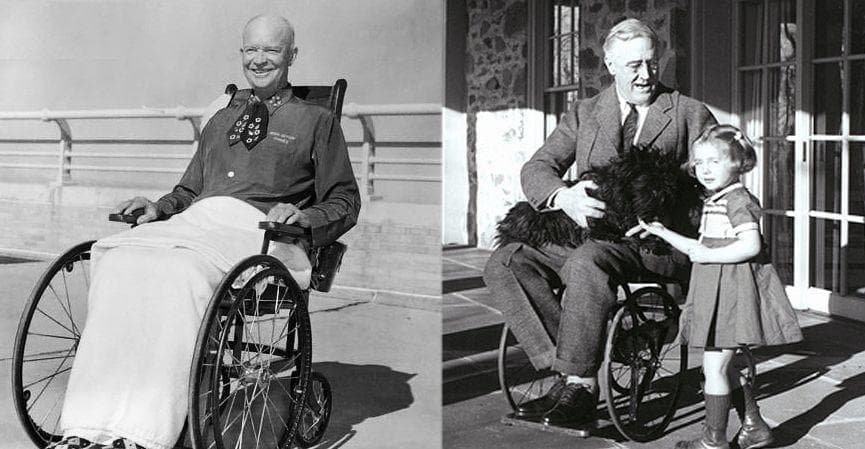
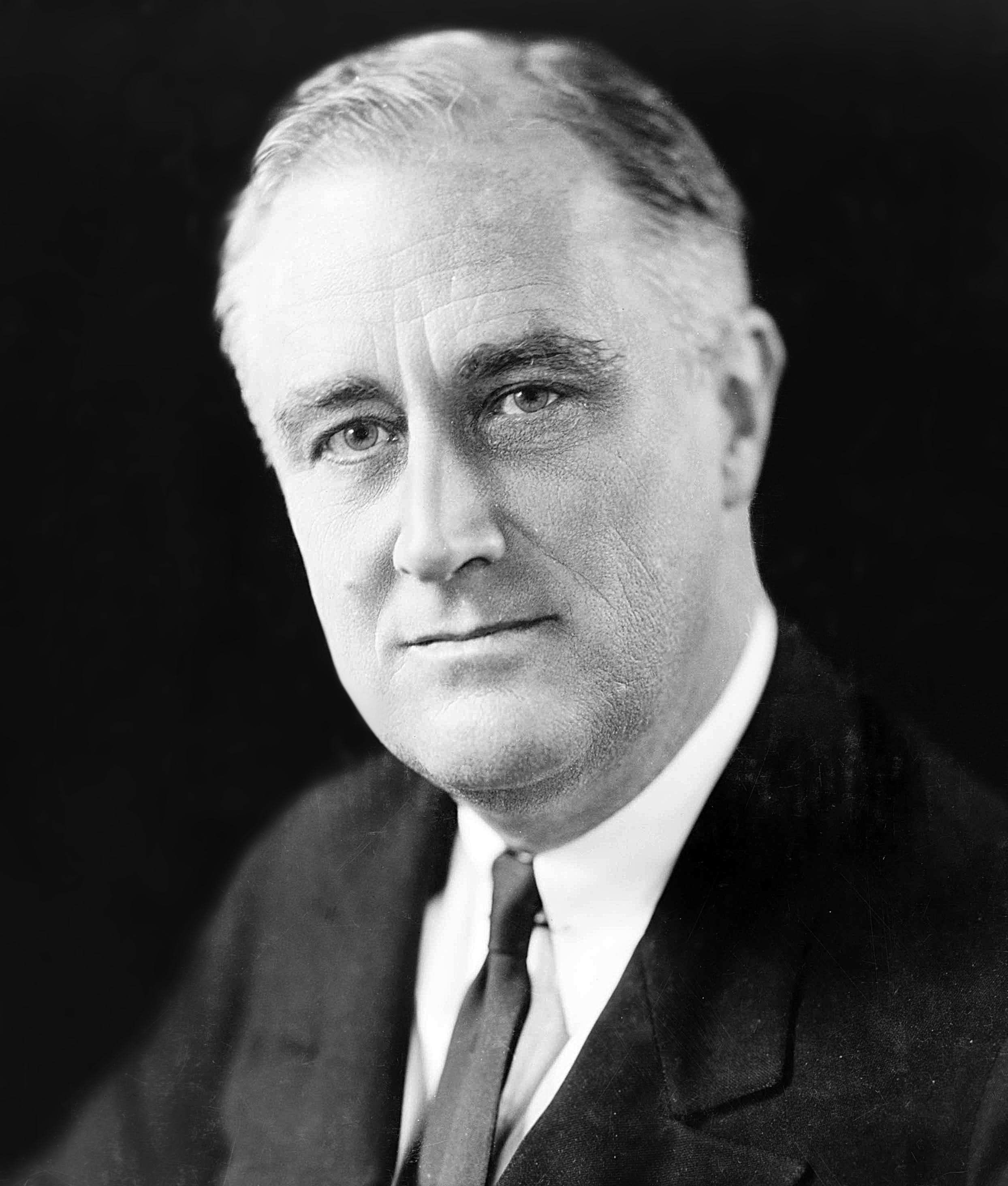
Franklin Delano Roosevelt (FDR) was sickly from a very young age. From shortly after his birth in 1882, Roosevelt suffered respiratory troubles. Bouts with sinusitis, throat infections, tonsillitis, and pneumonia were common during the first three decades of his life. Those were relatively minor compared to the afflictions he suffered later. In 1921, Roosevelt got sick while on vacation with his family in Canada. After numerous consultations with doctors, a diagnosis of polio was confirmed. He was secretly moved back to New York where he spent months recovering and undergoing physical therapy. Relapses of sinusitis and severe head colds were a constant problem for FDR. He continued to suffer from bronchitis and the flu as well. Also, during his first two terms as president, FDR began to suffer from intestinal distress, and his kidneys developed problems. This was most likely due to his constant sitting in a wheelchair as a result of his polio.
In the late 1930s, FDR was diagnosed with systolic hypertension. In 1941, he was diagnosed with diastolic hypertension and anemia. The public was told that the President’s health was normal, but numerous public appearances were canceled as the struggled to recover. FDR was exhausted, which was exacerbated by respiratory ailments, like the flu, which caused him to cough and prevented him from sleeping. Even though FDR wasn't overweight, his heart was struggling. Most of FDR’s weight was in his upper body, due to the atrophy of his legs, and this caused strain on his cardiac health. For the first three months of 1944, FDR had bronchial pneumonia, which was worsened by his smoking. The illness caused him to become ashen, develop dark circles under his eyes, and tremble. In March of 1944, a cardiologist diagnosed FDR with acute bronchial difficulties, severe and advanced hypertension, pulmonary disease, and congestive heart failure. FDR also had fluid on his lungs, poor circulation, and an enlarged heart.
During the 1944 campaign, FDR suffered from attacks of angina. Despite being ordered to have a limited work day and a low stress routine, FDR increased his speaking engagements and campaign activities. When FDR arrived at Yalta, the other participants were shocked at his appearance. Because of his frail health, Winston Churchill (the Prime Minister of the UK) and Josef Stalin (the leader of Russia) met with FDR at the latter’s personal residence.
FDR spent time in Warm Springs, GA, in 1945 – a usual vacation spot for him – after his grueling time abroad. On April 12, he complained of stiffness and a headache before sitting for a portrait, during which he slumped, grabbed his head, and complained of terrible pain before losing consciousness. Despite efforts to stabilize and treat FDR, he died of a cerebral hemorrhage that same afternoon.