Skip to content
maxnews
Music

Every Beatles Album Cover, Ranked By Fans Of The Fab Four

History has plenty of foursomes. But there’s only one Fab Four: The Beatles. The Beatles were only active as a band for about a decade, but their massive discography is the stuff of legend. They were influential for the music they made, the art they created, and the attitudes they carried. And each of their albums not only told its own story in sound, but also set new standards for thoughtful cover art and concept albums. The Fab Four’s album visuals were not just standard companions; they were iconic works and star-studded collaborations in their own right. From psychedelic free love to pop art and street photography, each one has a place in history - both in the canon of The Beatles, and in popular culture at large.

Entries
16
Votes
3.2K
Updated
3 hours ago

Tap upor downto vote. Your vote is added to Ranker's counts.

Voting identifies your browser with an anonymous fingerprint, stored only as a salted hash, to count one per visitor. Privacy

Source: Ranker, ranked by its voters.

  1. 1

    Abbey Road

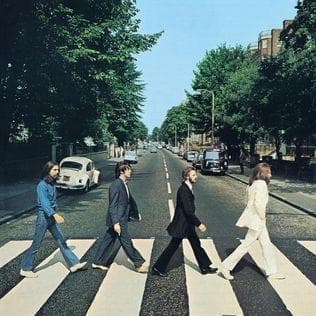
    Year Of Release: 1969 The Cover: Easily one of the most recognizable album covers of time, Abbey Road sees the Beatles snapped by photographer Iain Macmillan as they walk across a zebra crossing on Abbey Road. Apparently, Macmillan only had 15 minutes to successfully get the shot. And it wasn’t just any zebra crossing: EMI Studios (later renamed Abbey Road Studios), where the band had spent much of their career recording music, was located nearby. The resulting image is simple but powerful, with each Beatle holding his own within the band’s collective fame and persona. Standout Tracks: "Come Together," "Something," "Here Comes the Sun," “Oh! Darling”

    87% upvoted
  2. 2

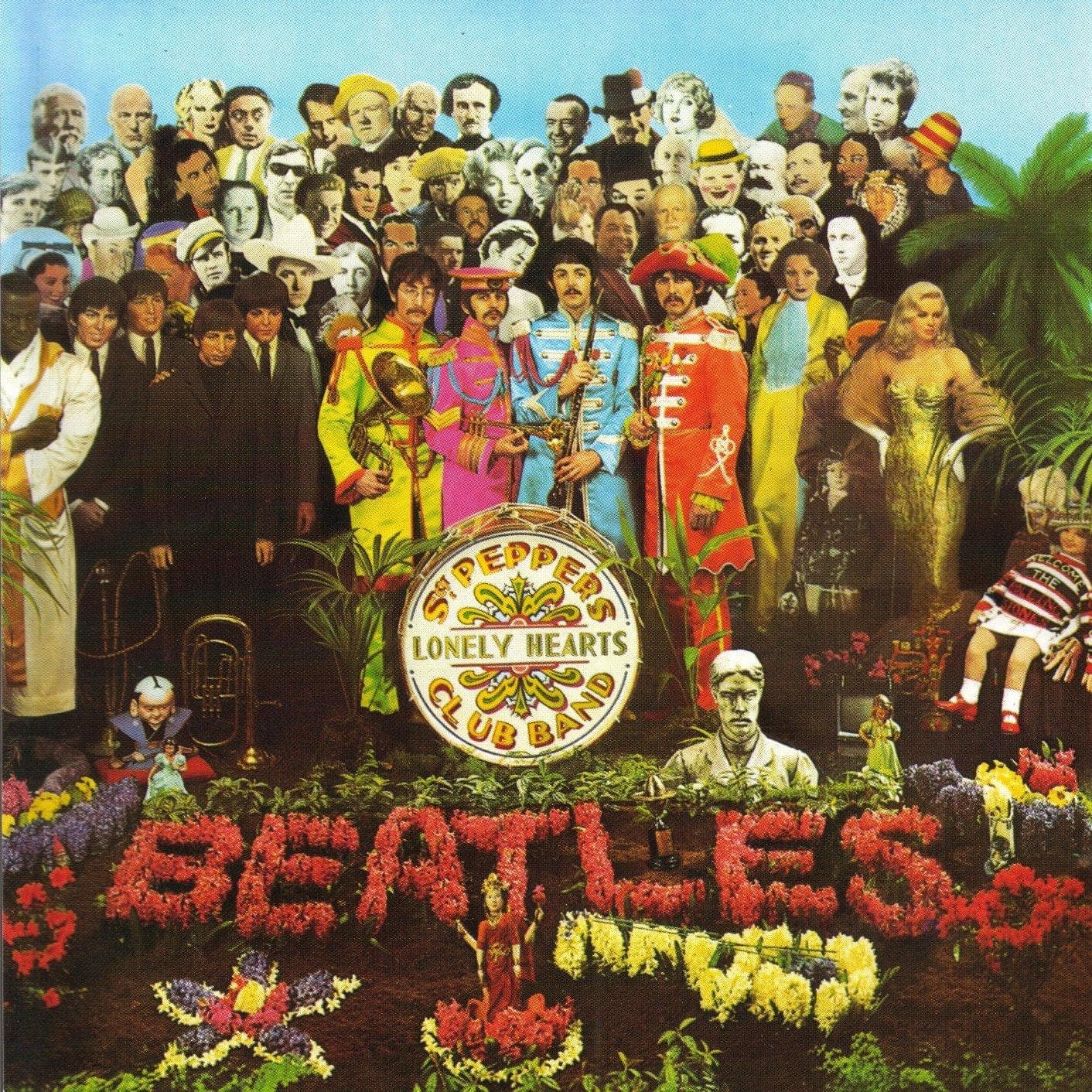
    Sgt. Pepper's Lonely Hearts Club Band

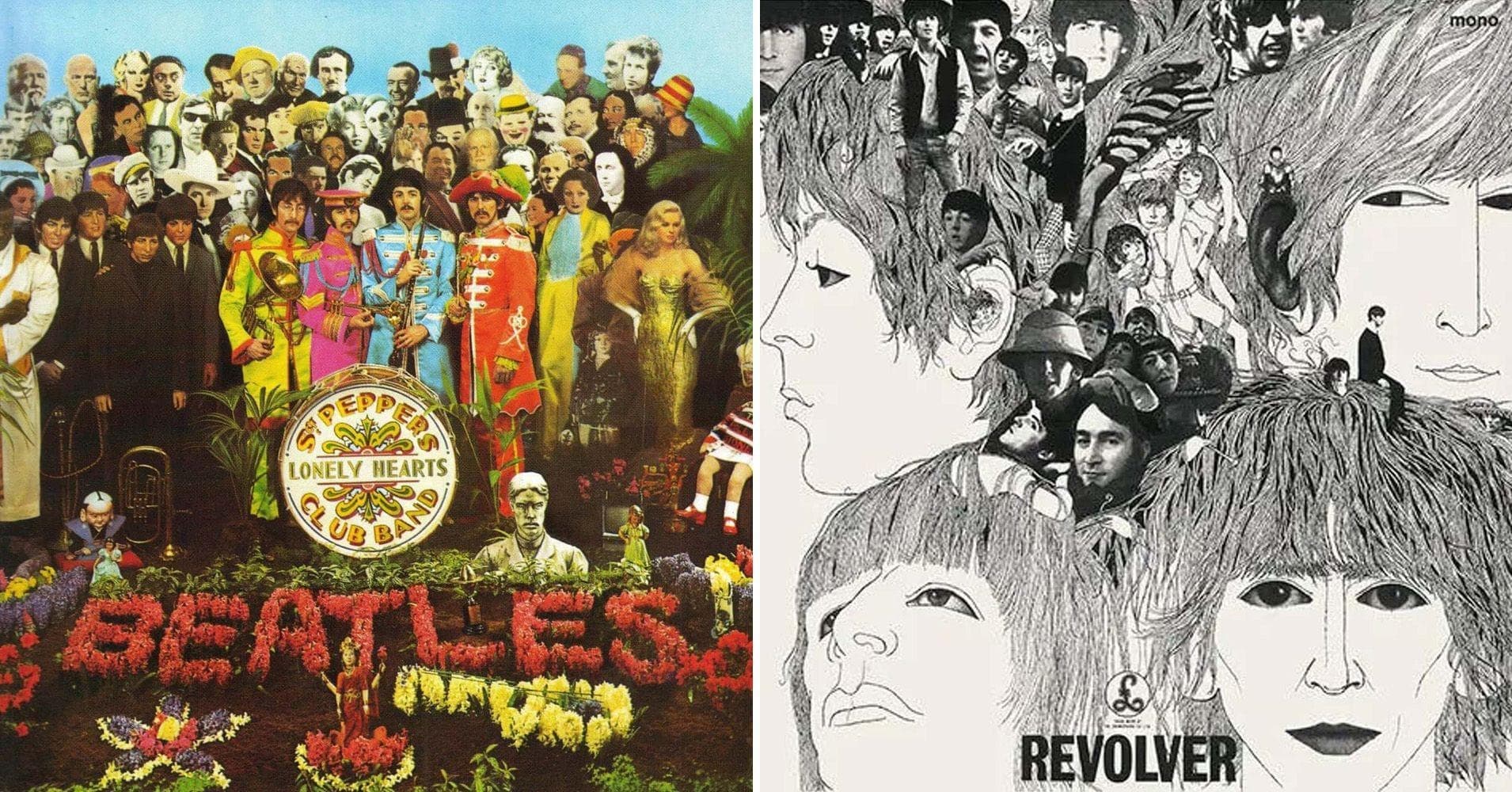
    Year Of Release: 1967 The Cover: This groundbreaking artwork was “Flower Power coming into its fullest,” Ringo Starr remembered. The Beatles appear front and center, dressed in technicolor military uniforms, gathered around a garden adorned with red flowers and marijuana plants. Then there’s the star-studded collage of more than 60 friends and celebrities, including Marilyn Monroe, Albert Einstein, Karl Marx, and Sonny Liston. Those are actual, life-size cardboard cutouts the Beatles are standing with (as well as wax dummies of themselves, borrowed from Mme. Tussaud's). Peter Blake and Jann Haworth created the maximalist design: a special artwork for a special album, Starr described. It was a defining moment for the band and for the decade, successfully raising a banner for the counterculture movement of love and peace. “It was a fabulous period, for me and the world,” Starr recalled. Musically, it was also an early example of what’s now known as a concept album, setting a new tone for all artists to come. Standout Tracks: "Lucy in the Sky with Diamonds," "With a Little Help from My Friends," "A Day in the Life"

    87% upvoted
  3. 3

    Revolver

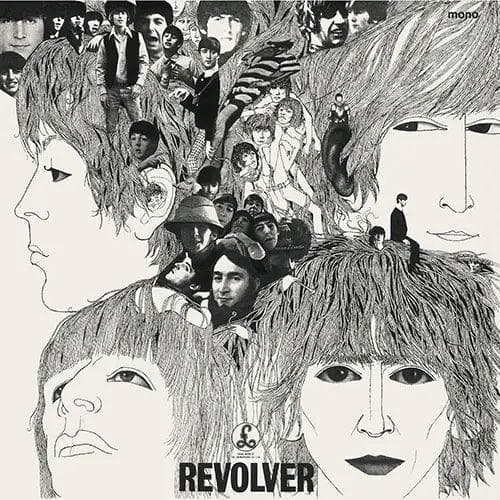
    Year Of Release: 1966 The Cover: A surreal masterpiece illustrated by Klaus Voormann, this album cover features a swirling collage of the band’s faces. It’s a wide range of moods: each Beatle shows up big and small, silly and serious, photographed and sketched. Even in black and white, the imagery is vibrant and psychedelic. Of the artwork, Voorman told Mojo, Because they were being so avant-garde, I thought the cover has to do the same thing. I wanted to push the design further than normal. Standout Tracks: "Eleanor Rigby," “Taxman,” “Tomorrow Never Knows”

    81% upvoted
  4. 4

    Rubber Soul

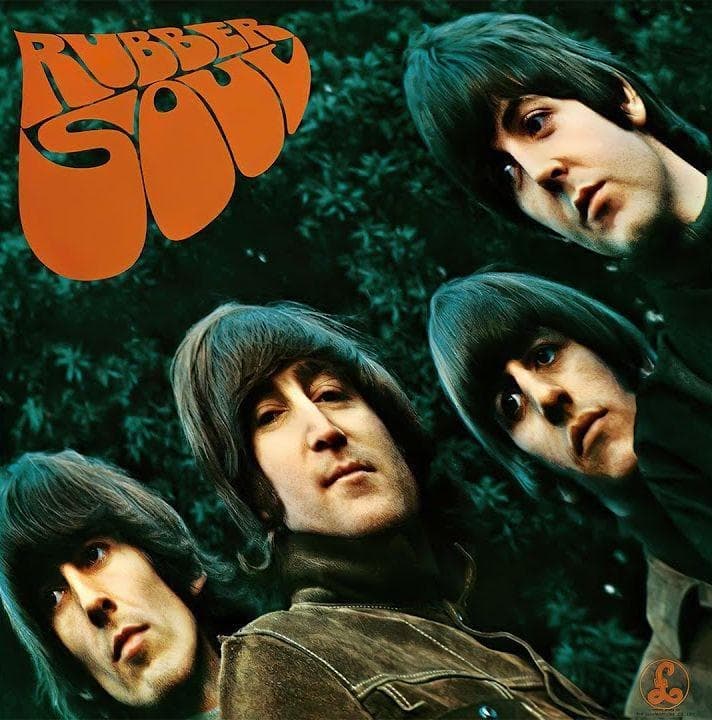
    Year Of Release: 1965 The Cover: As the Beatles’ music got more experimental, so did their album art. Rubber Soul – the last of the Robert Freeman covers – reflects this change with a handful of details that would become hallmarks of the psychedelic aesthetic: funky orange typography, high contrast colors, and a warped effect on the photograph. According to McCartney, Freeman had projected the sample images onto album-sized pieces of card for the band to review. This specific photo was displayed at an awkward angle that produced the distortion, but the band liked it so much that they requested it be printed that way. Standout Tracks: "Nowhere Man," "Norwegian Wood (This Bird Has Flown)," “Drive My Car”

    77% upvoted
  5. 5

    With The Beatles

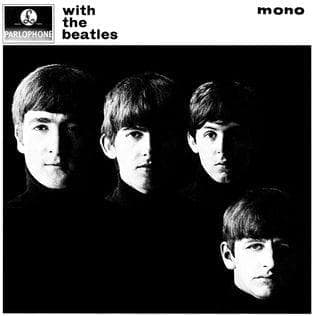
    Year Of Release: 1963 The Cover: The first of several album covers photographed by Robert Freeman, With The Beatles sees the band appear unsmiling in partial shadow. Only half of each face is visible against a dark background, and the resulting effect is moody and mysterious. According to George Harrison, the concept was the start of the band’s active involvement in their artwork: “the first one where we thought, ‘Hey, let’s get artistic.’” Standout Tracks: "All My Loving," “It Won't Be Long,” “All I've Got to Do”

    69% upvoted
  6. 6

    A Hard Day’s Night

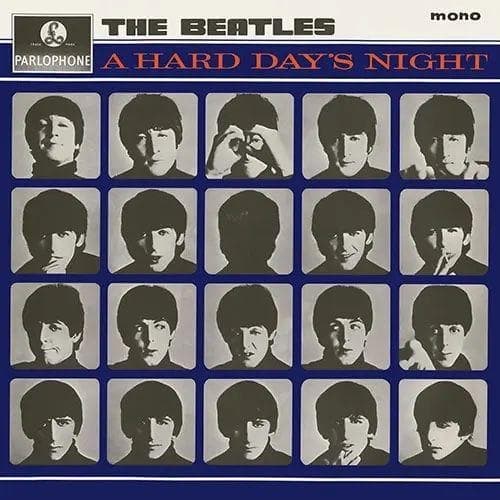
    Year Of Release: 1964 The Cover: This album accompanied the band’s first movie, and it features 20 playful portraits arranged in rows like a reel of film or contact sheet. It’s also reminiscent of Andy Warhol’s repetitive pop art prints. Again shot by Robert Freeman, the images are full of personality as the artists clearly get more comfortable in front of the camera. There’s even one of the back of Harrison’s head. Standout Tracks: "A Hard Day's Night," "Can't Buy Me Love," "And I Love Her"

    68% upvoted
  7. 7

    Help!

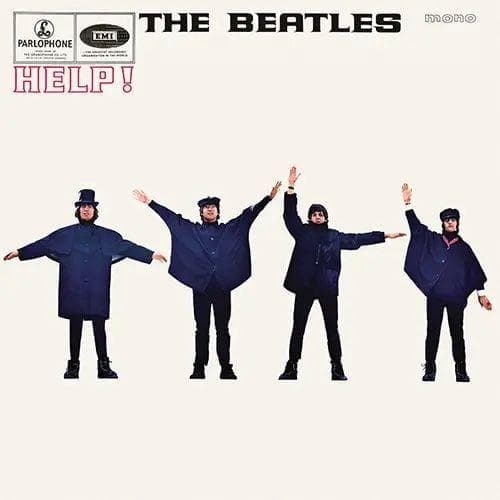
    Year Of Release: 1965 The Cover: This album cover uses a bright white backdrop as the bandmates spell out a word in flag semaphore: a communications system that uses visual signals to convey messages. According to Robert Freeman, he intended for the semaphore letters to spell out “HELP,” but changed the Beatles' arms around because “the arrangement of the arms with those letters didn't look good.” They improvised with an eye to the best graphic effect; the final result, in semaphore, is closer to “NUJV.” Freeman photographed the artists in matching blue snowsuits, which they wore in the accompanying feature film of the same name, as well as quirky individual accessories like a top hat, beret, and neck scarf. It’s altogether quirky and playful, while you can see each Beatle continue to carve out their own distinct personality within the band’s reputation as a whole. Standout Tracks: "Help!," "Ticket to Ride," “Yesterday”

    68% upvoted
  8. 8

    Let It Be

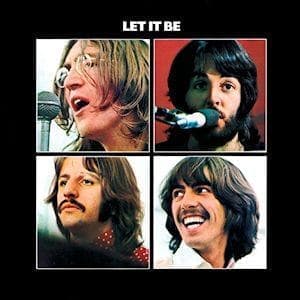
    Year Of Release: 1970 The Cover: Ethan Russell captured each Beatle individually for the cover of their final studio album, with each photograph arranged in quadrants on a black background. The Beatles were a unit no more, it announced, and it was time for their fans to bid farewell. Standout Tracks: "Let It Be," "The Long and Winding Road," "Get Back," “Across The Universe”

    67% upvoted
  9. 9

    The Beatles ('The White Album')

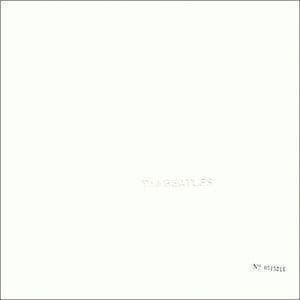
    Year Of Release: 1968 The Cover: The design for The Beatles served a stark contrast to the maximalist color explosions of the band’s previous albums. Instead, it featured a simple white background with a blind embossing of the band’s name. The first two million of the copies were also stamped and numbered: “to create the ironic situation of a numbered edition of something like five million copies,” the artist, Richard Hamilton, once said, according to Sotheby’s. In relation to colorful predecessors like Sgt. Pepper, the idea, said Hamilton, was to “look for the opposite.” Standout Tracks: "While My Guitar Gently Weeps," "Blackbird," "Dear Prudence"

    67% upvoted
  10. 10

    Please Please Me

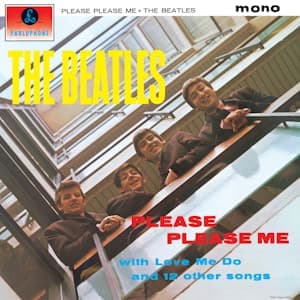
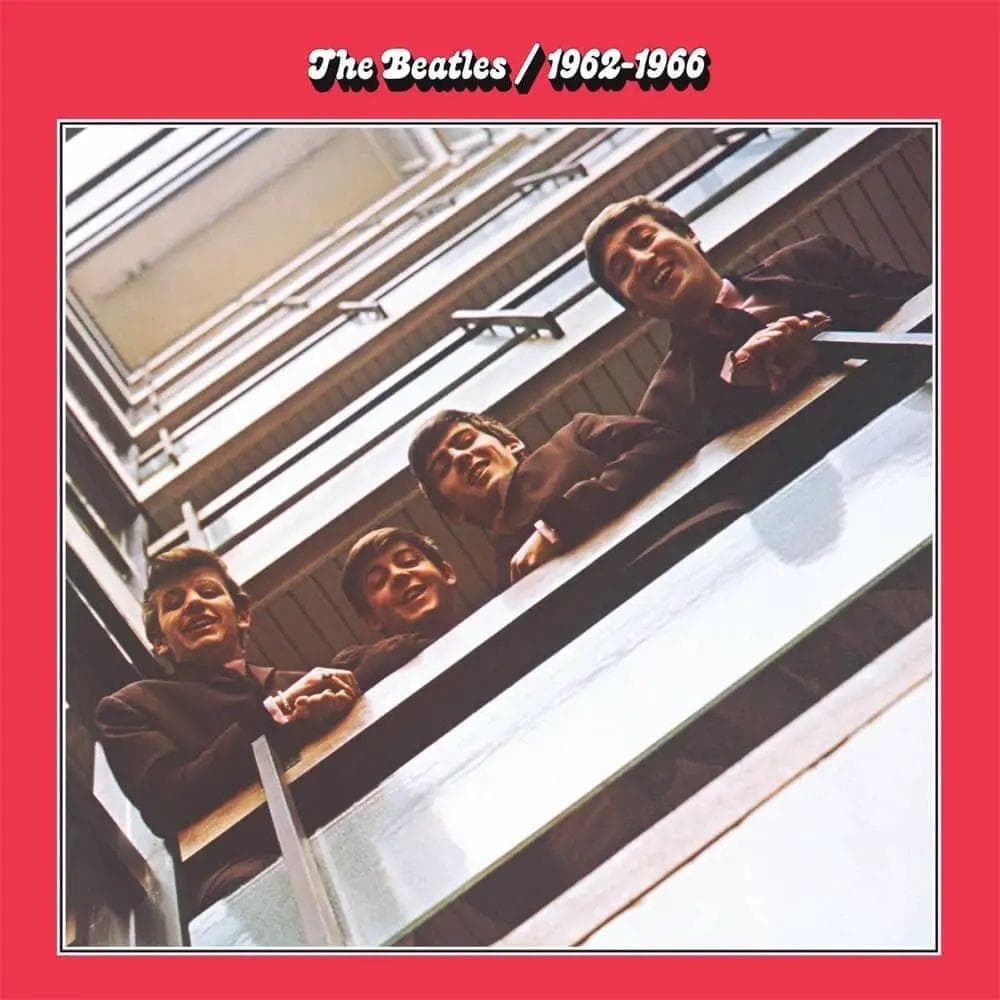
    Year Of Release: 1963 The Cover: The Fab Four appear simple and smiling in their debut album cover, clad in matching brown suits and candidly peering down from the staircase of EMI House in London. Taken by Angus McBean, the photograph has a youthful, boyish energy. It perfectly reflects the band’s excitement to take on the world by storm - if only they knew! Standout Tracks: "Please Please Me," "Love Me Do," “I Saw Her Standing There”

    67% upvoted