Skip to content
maxnews
Film

Documentaries That Showed Footage Of People's Last Moments

With the creation of cameras and video cameras, people could make their own home movies about their lives, recording their special moments. Without knowing it, some people recorded the last moments before their deaths. Because of the incredible stories of those people, those images were later used in documentaries telling their stories, what happened to them, and how they died. These are sad stories, marking the end of someone’s life, but the art made about those moments made incredible, chill-inducing, unique documentaries. Here are six films that show footage of people’s last moments on Earth.

Entries
6
Votes
0
Updated
2 days ago

Tap upor downto vote. Your vote is added to Ranker's counts.

Voting identifies your browser with an anonymous fingerprint, stored only as a salted hash, to count one per visitor. Privacy

Source: Ranker, ranked by its voters.

  1. 1

    Werner Herzog's 'Grizzly Man' Had Audio Of Timothy Treadwell And Amie Huguenard's Deaths
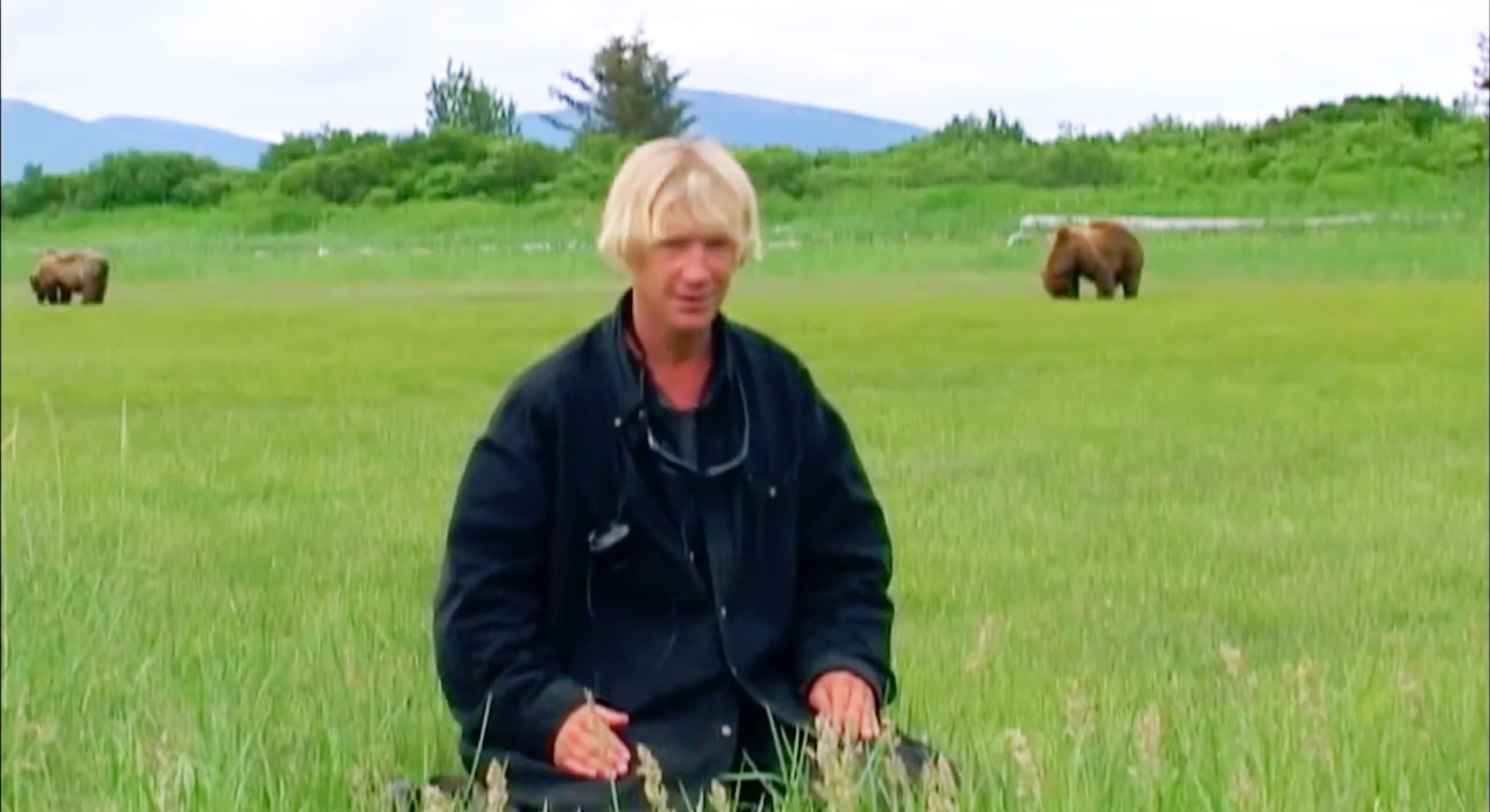
    Tim Treadwell was a bear enthusiast and conservationist who spent 13 summers living with brown bears in Katmai National Park and Preserve. He recorded his time there (over 100 hours of footage), talked to the bears, even naming them, and had long monologues about his life, how he felt, and how the bears were friendly. His self-shot footage was then edited by Werner Herzog in Grizzly Man, who added his own voiceover to punctuate moments and included some testimonials from people who knew Treadwell. Unfortunately, bears are fierce animals, and in 2003, one of them killed Treadwell and his girlfriend Amie Huguenard. Treadwell's longtime friend and ex-girlfriend Jewel Palovak (an executive producer on the film) was given the conservationist camera and the tapes from that fateful trip. She allows Herzog to listen to them during the documentary's climax. His reaction, even if he has his back turned to the audience, is enough to create chills and imagine how horrible the content is. After listening to it, Herzog tells Palovak: You must never listen to this. I think you should not keep it. You should destroy it. Palovak never listened to the tape. After years of keeping it in a safe deposit box, she finally destroyed the tape, smashing it with a hammer, making sure nobody had to listen to Treadwell and Huguenard's final moments.
    0% upvoted
  2. 2

    Lisa "Left Eye" Lopes's Final Days Were Unknowingly Filmed For ‘The Last Days Of Left Eye’

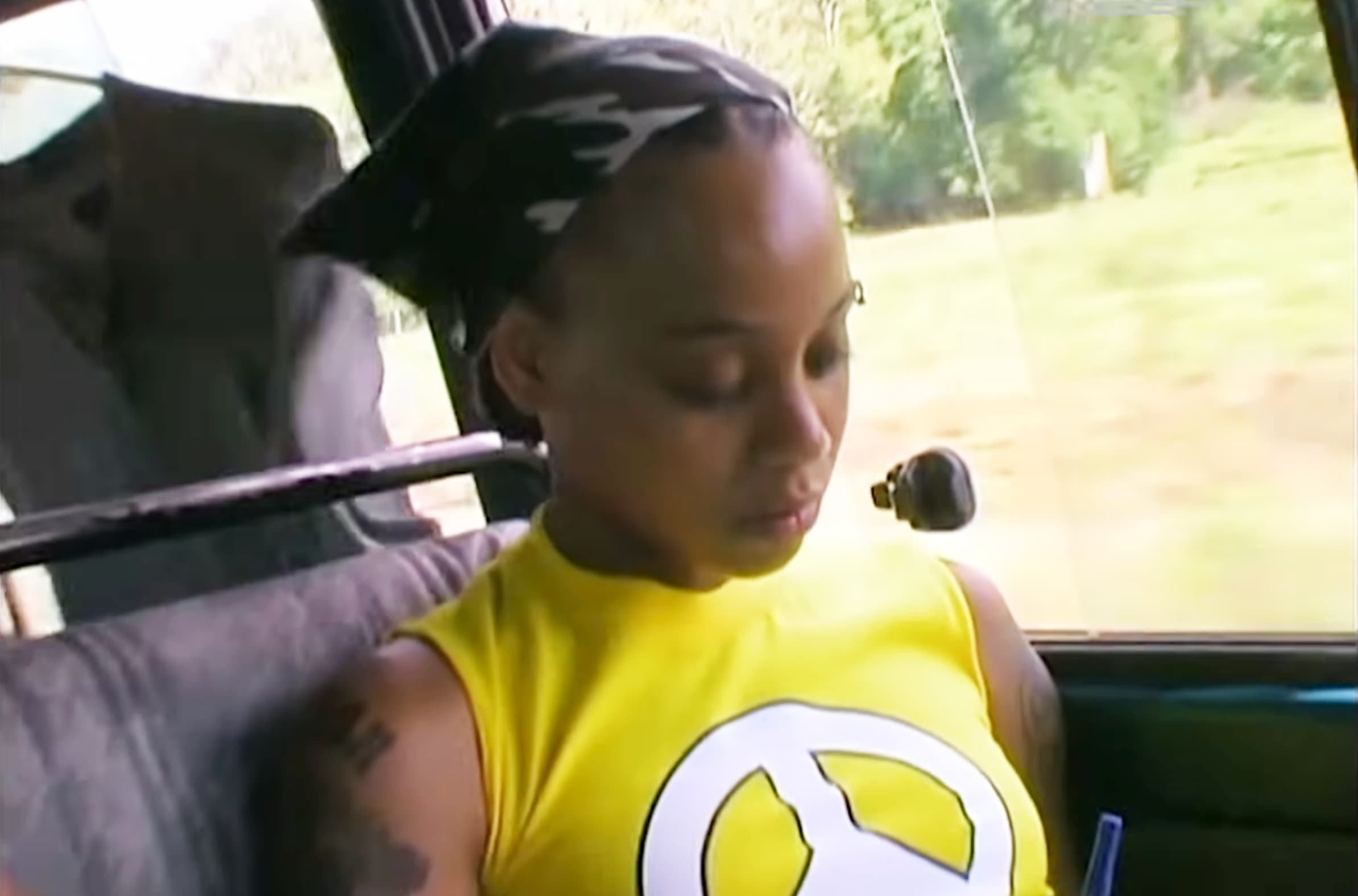
    TLC rapper Lisa “Left Eye” Lopes died in a car accident in Honduras, where she went for a spiritual retreat, when she was only 30 years old. Her group is still one of the best-selling female R&B groups of all time. Lopes had addiction issues, troubles with the law in the past, and even burned down her boyfriend’s (Andre Rison, an NFL player) house. During her trip, she was filming a documentary about Honduras. That’s why there were cameras rolling on her final days, including during the car accident. She swerved to avoid an oncoming vehicle, and the car rolled several times and hit two trees. Regarding showing that tragic moment, the film’s director, Lauren Lazin, told South Coast Today: There's really not much more, other than the sounds of the other passengers screaming. Ultimately, the decision (not to show more) was left to her family, and they were satisfied. Even though the filming wasn’t intended to capture Lopes’s final days on Earth, the documentary reflects on her state of mind, how she felt, and what troubled her before the tragic accident.

    0% upvoted
  3. 3

    Deep-Sea Diver Dave Shaw Took His Last Dive While Filming 'Dave's Not Coming Back’

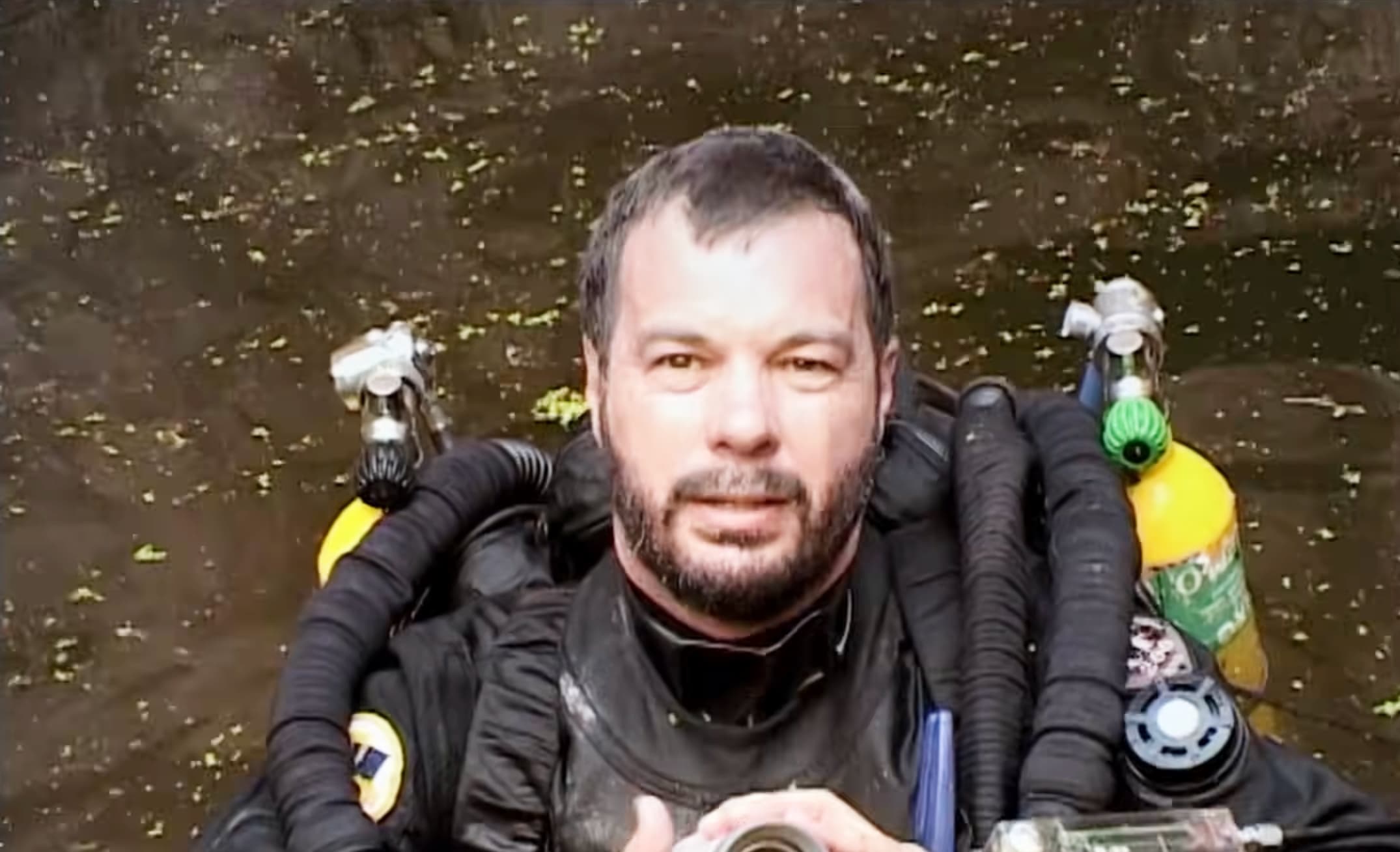
    When David Shaw dove Boesmansgat in South Africa, he broke several diving records. More importantly, he discovered the body of diver Deon Dreyer, who had been missing for ten years. Dave and his friend Don Shirley decided they would get the body and bring him back to the surface. Unfortunately, during that process, which was filmed, Shaw died. Dave’s Not Coming Back mixes images of that first rescue with re-enactments of what happened, shot years later, to explain the tragedy. Knowing what happened, the documentary has a dark cloud over it, becoming ominous when Dave himself tells the crew: I really must emphasize that the most important person on the dive is you. It’s better to have one person dead than two. The audience knows that the images of Shaw just before the dive are the last ones that show him alive, concentrated, and ready to get Dreyer's body, which can be stomach-turning. Even then, the toughest, saddest moment in the movie might be when the rest of the crew learns what happened to Shaw. The team has no time to mourn because there are still divers underwater who need their full attention to avoid any more tragic losses.

    0% upvoted
  4. 4

    ‘Michael Jackson’s This Is It' Captured Jackson's Last Days And Preparation For His Never-To-Be Residency

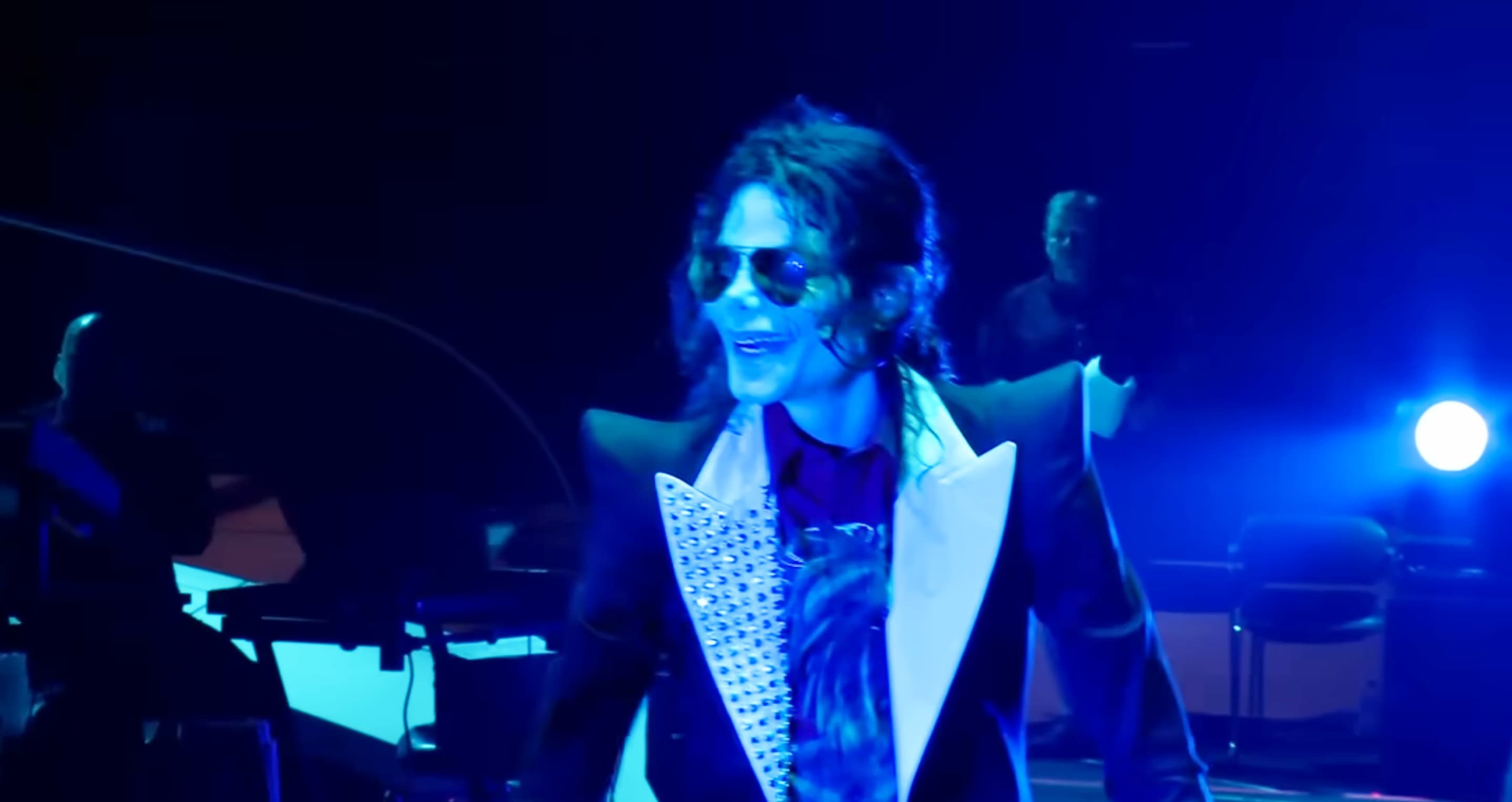
    Michael Jackson, the King of Pop, died from a cardiac arrest because of an overdose of propofol when he was 50 years old. When this happened, Jackson was getting ready for a concert residency in London called This Is It. That tour was also going to be sold as a DVD, so there were cameras around during rehearsals. Less than six months later, the movie was released, showing Jackson’s last few weeks alive. About those moments, the documentary director, Kenny Ortega, told The Hollywood Reporter: The movie in my head was the movie that would help fans to understand what Michael Jackson was trying to accomplish with This Is It (concerts). And it was really difficult… We had 120 hours (of footage), but not all of that was of Michael rehearsing. When the film was announced, some fans were against it as they felt it was exploiting Jackson’s death. Some people even wondered if in the film it was possible to see if the singer was sick, but other than looking very thin, it doesn’t appear so. As pop culture critic Ronda Racha Penrice told NPR: But for myself, I did not see signs that he wasn't going to be among us. Whether you love Jackson or not, this documentary still captured the last days of the singer’s life and the show he was trying to create for his comeback tour.

    0% upvoted
  5. 5

    The Last Picture Christopher McCandless Took Of Himself Is Seen In ‘Return To The Wild’

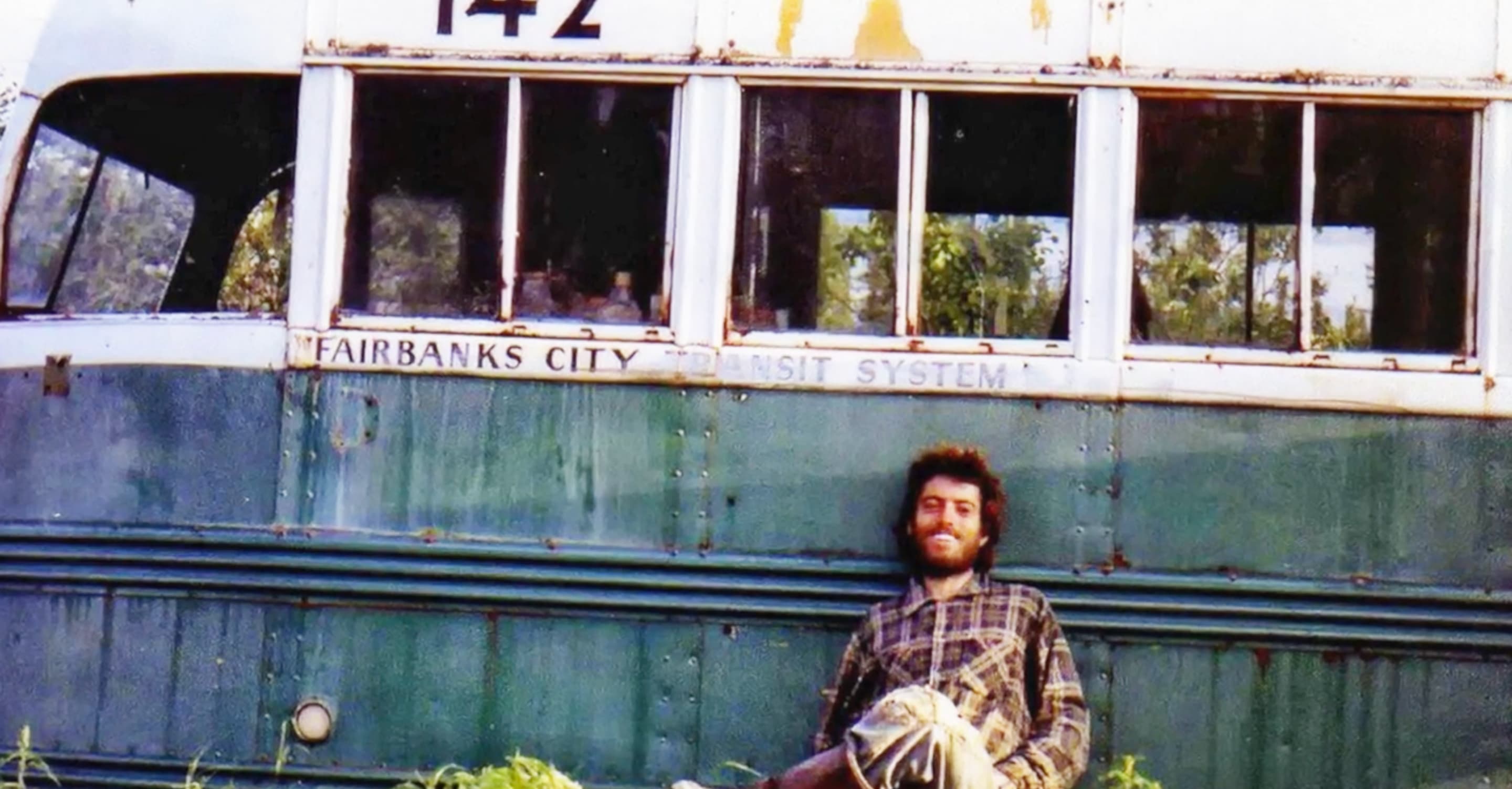
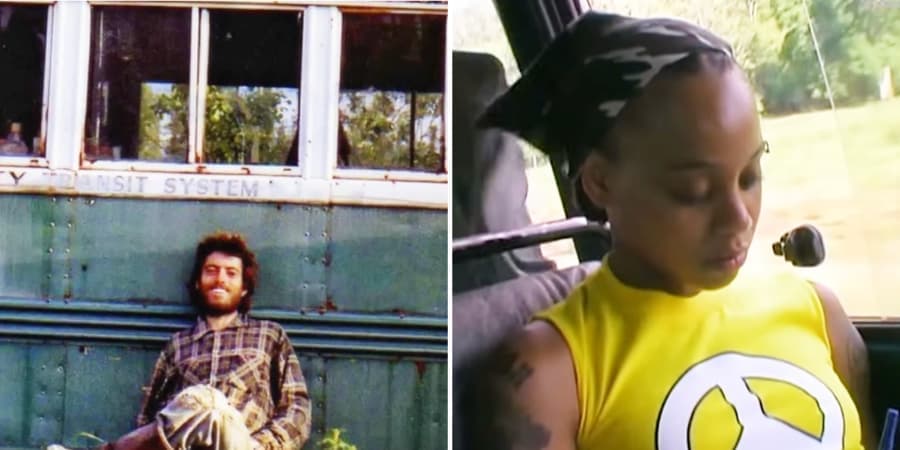
    Christopher McCandless story is a tragic one. After years missing, he was found dead of starvation in the Alaskan wilderness outside Denali National Park. His story was told by Jon Krakauer in the book Into the Wild, which was later adapted into a movie by Sean Penn (with Emile Hirsch as McCandless). When hunters found McCandless body, he had books full of notes, five rolls of pictures, and a journal. The documentary shows those pictures, including the last one he ever took of himself, where he’s waving and holding a note that says: I have had a happy life and thank the Lord. Goodbye and may God bless all! McCandless might’ve felt he was nearing the end of his life, so he took that picture to explain how he felt in those last moments. Even all these years later, his story still resonates. His father told CT Insider: So you see these people who say I don’t know what to do with my life. This book has really affected me. But none of them are going to head for the open road. You see people who are trying to use it in a constructive way. McCandless's story was tragic, but the fact that he shot a picture of himself with his last thoughts made things even sadder.

    0% upvoted
  6. 6

    Photographer Robert Landsburg Documented His Final Moments Before The Eruption Of Mount St. Helens

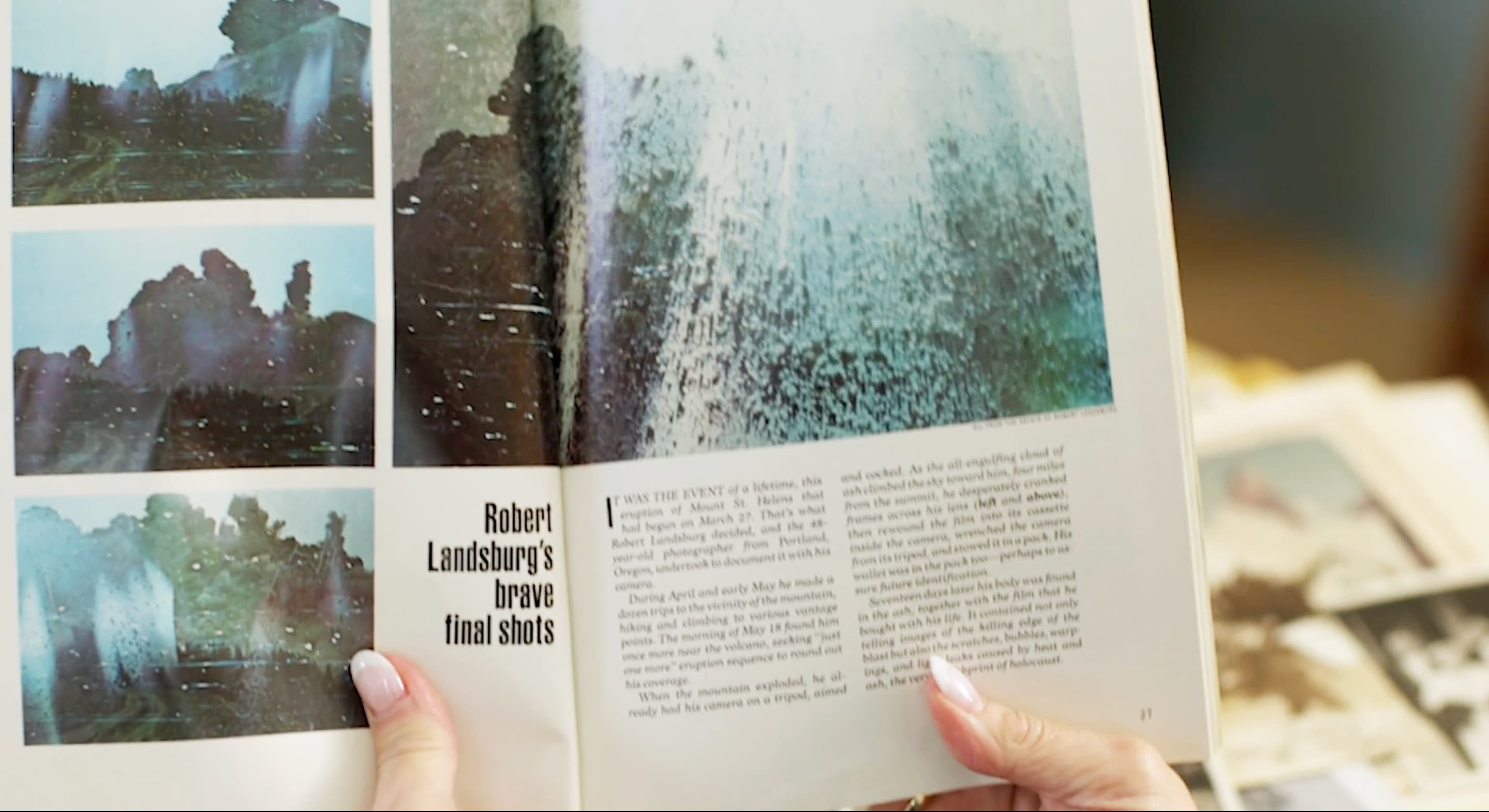
    Robert Landsburg was a nature photographer with a dream: to have his pictures on National Geographic. When, in 1980, Mount St. Helens erupted, he was in the area taking pictures in a, in theory, secure zone, seven miles away from the summit. The volcano erupted and sent ash and debris farther away than anybody had thought possible. When Landsburg knew he wasn’t going to make it, he decided to keep shooting pictures to show how the volcano erupted before putting the camera back on his backpack and lying down on top, shielding the camera from the ash and debris with his own body. Posthumously, he got his wish as those pictures were published in National Geographic. His story had been told in bits and pieces over the years. Director Marq Evans (Capturing Bigfoot) decided Landsburg deserved someone to tell his story properly with the documentary 8:32 AM The Last Photographs of Robert Landsburg. Evans told Peta Pixel: There’s just something about his dedication to the craft that, in this day of AI and when a photo can be created by anyone without even being there, that not only was he there but he understood the value of something real and would fight to preserve that. Landsburg was a dedicated photographer who died while applying his craft, and the film shows why taking pictures like the ones on Mount St. Helens was so important to him.

    0% upvoted