Skip to content
maxnews
Film

Documentaries Accused Of Staging Or Faking Scenes

Documentaries are supposed to show the audience the stark reality, but sometimes the filmmakers get a little creative with the truth. Whether it's recreating a scene they couldn't capture, hand-raising animals for the perfect wild shot, or presenting fiction so convincingly that viewers mistake it for fact, documentaries have occasionally crossed the line between observation and invention. Some filmmakers have openly admitted to staging scenes, while others have fiercely denied the accusations leveled against them. In a few cases, the truth remains frustratingly hidden. Did you watch a documentary, or something that skirts the truth rather than unveiling it? These documentaries raise plenty of questions and remain controversial, with doubts about just how much of what audiences saw was actually real.

Entries
11
Votes
786
Updated
2 days ago

Tap upor downto vote. Your vote is added to Ranker's counts.

Voting identifies your browser with an anonymous fingerprint, stored only as a salted hash, to count one per visitor. Privacy

Source: Ranker, ranked by its voters.

  1. 1

    The Lemmings In 'White Wilderness' Didn't Jump, They Were Herded Off A Cliff

    Disney's 1958 so-called nature documentary White Wilderness started and cemented the bizarre idea that lemmings periodically commit mass suicide by throwing themselves off cliffs. For years, many people believed it was nothing more than a hilarious, if tragic quirk of nature. The problem with this "documentary" and others before it was that they were all fake. The montage wasn’t even filmed in the Arctic, but in Alberta, Canada, where there are no lemmings. Allegedly, film crews paid kids in Manitoba 25 cents to wrangle lemmings and bring them to the crew, where they were deliberately herded off a cliff using spinning turntables covered in snow. And so, in this pseudo-documentary, part of Disney's True-Life Adventure series, a large group of lemmings dramatically rushes off a cliff, plunging into the water below, perpetuating the myth of mass lemming suicide. The footage became one of the most notorious examples of a wildlife documentary manufacturing animal behavior and even harming them, all for TV ratings.
    95% upvoted
  2. 2

    The Makers Of 'Winged Migration' Raised The Birds Featured And Used CGI

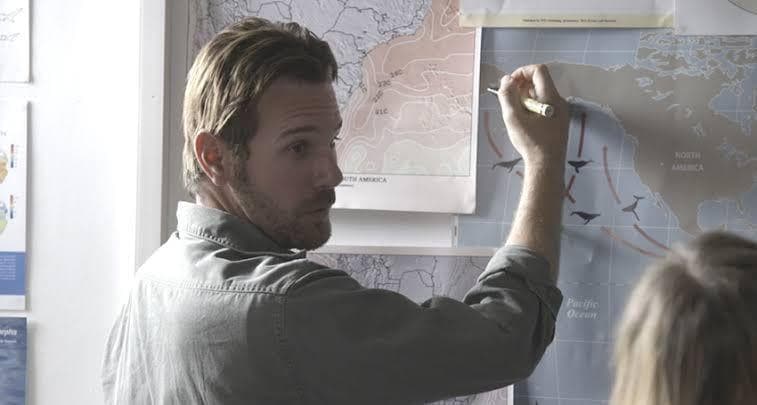
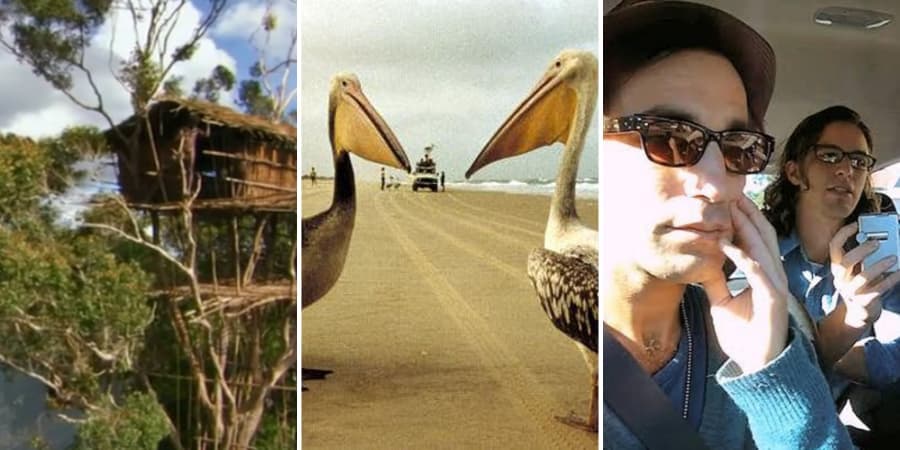
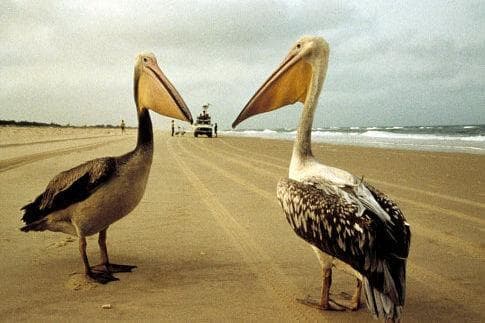
    Winged Migration clearly states it used "no special effects" while filming the birds, a claim hard to believe given the visual poetry of the shots that follow migratory birds across the world. The aerial footage is remarkably intimate, making it look as though the camera is flying alongside them. Some CGI or digital enhancements were used, or so the audience believes, during transition shots where the camera zooms from above the clouds to a bird. That being said, a series of insightful special features and a director’s commentary are included on the DVD, which showcase the extraordinary lengths the filmmakers went to achieve those shots. This includes raising some birds from eggs and getting them accustomed to people, as well as camera and aircraft noises. The film also contains staged sequences, including a tern with a broken wing being chased by a crab. The shot ends with crabs swarming over it, but in reality, the crew saved the bird. The crabs were carefully filmed swarming over a piece of rotten fish. While parts of the documentary may have been edited or enhanced, it's a breathtaking watch even if it's a little more constructed than the filmmakers claimed.

    95% upvoted
  3. 3

    The BBC Admitted The Treehouse Scene From 'Human Planet' Was Faked

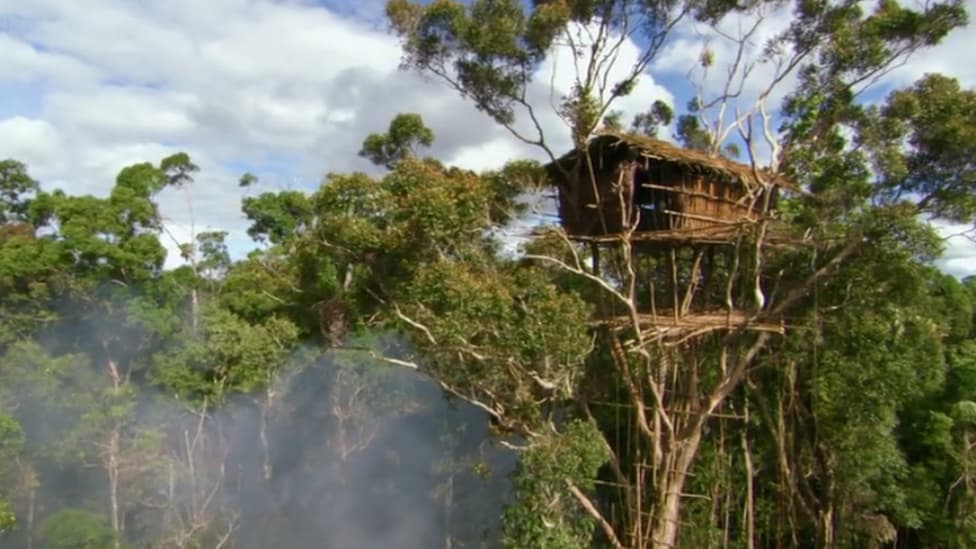
    The BBC's Human Planet focused on the extraordinary lives of people living in some of the world's most remote environments. One 2011 segment showed members of the Korowai people in Papua New Guinea moving into a dizzyingly high treehouse perched on a tree that towered above the others. Years later, while filming another program in the region, My Year With The Tribe, the truth came out. Apparently, the tribe built the treehouse "for the benefit of overseas programme makers." The BBC admitted that the scene had been staged, given that the portrayal of the tribe moving into the extremely high treehouse as a real home was not accurate. That being said, the 2015 documentary, narrated by John Hurt, has been in hot water before as well. In 2015, there were reports that the production crew used a semi-domesticated wolf after being unable to find a “wild” wolf to film a "hunt" featuring two Mongolian camel herders.

    93% upvoted
  4. 4

    'Megalodon: The Monster Shark Lived' Aired As A Documentary But Was Later Revealed To Be Completely Faked

    Discovery's Megalodon: The Monster Shark Lives was presented during Shark Week in 2013 as a documentary, supposedly investigating whether the prehistoric shark might still exist. The controversy that later erupted was that all the scientists, biologists, and "big brains" working on Megalodon's supposed existence were hired actors. The documentary basically used scripted sequences and fabricated evidence to tell its story, meaning it wasn't really a documentary at all. Funnily enough, it carried a disclaimer that identified it as fiction. The problem was that the disclaimer was way too easy to miss, and the presentation closely resembled a serious nature documentary, enough to trick viewers into believing that somewhere there was a monster shark waiting to make them its snack. Given the falseness of its claims, scientists and journalists criticized Discovery for blurring the line between entertainment and factual programming. Discovery defended its broader attempt to combine entertainment with shark science, claiming the viewership justified the means. Just to be clear, there was, of course, no surviving megalodon waiting to be discovered.

    91% upvoted
  5. 5

    Visual Inconsistencies Led To Accusations That 'What Jennifer Did' Used AI Images

    Netflix's What Jennifer Did examines Jennifer Pan's role in a 2010 murder-for-hire attack against her parents in Ontario, Canada, that left her mother dead and her father injured. Soon after its release, viewers noticed strange-looking details in some photographs used in the documentary around the 28-minute mark. These included distorted hands, teeth, earrings, and facial features, consistent with AI-generated images, back in 2024. That led to accusations that Netflix used AI-generated or AI-manipulated images in a true-crime documentary, where photographic authenticity is of prime importance. Social media was quick to criticize Netflix, saying this made them lose trust in all documentaries. The film's executive producer, Jeremy Grimaldi, denied the charges and claimed that the photographs were real. He did explain that the backgrounds had been altered, saying: Any filmmaker will use different tools, like Photoshop, in films. The photos of Jennifer are real photos of her. The foreground is exactly her. The background has been anonymized to protect the source.

    90% upvoted
  6. 6

    'Bowling For Columbine' Included Scenes That Were Edited And Staged For Dramatic Effect

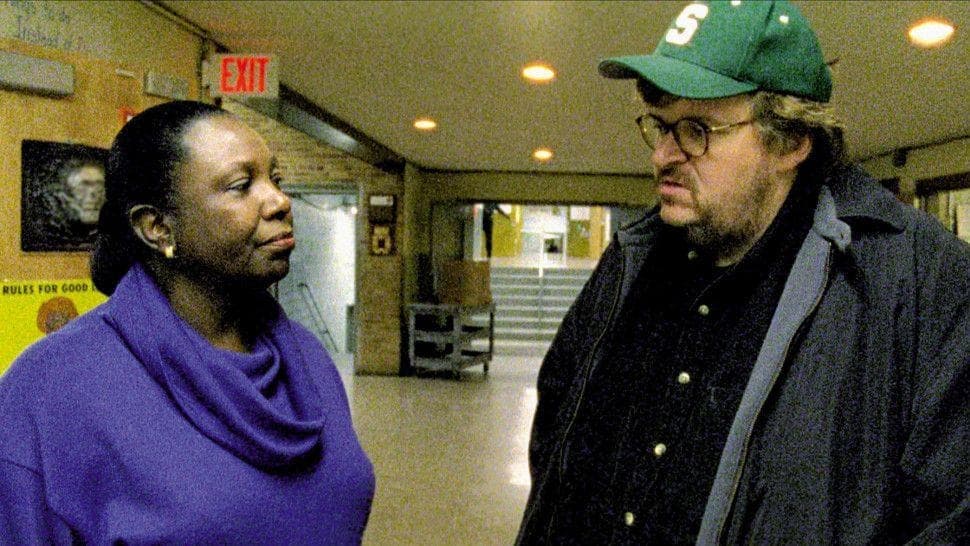
    Michael Moore's Bowling for Columbine collected many accolades and awards, as it examines America's gun culture, linking it to the 1999 Columbine High School massacre. As NBC put it, you could call it art, entertainment, or even propaganda, but not a "documentary," given the distortion of truth. For example, Moore used a supposed interview he had with Weekly Standard editor Fred Barnes. The latter claimed there was no such interview, meaning Moore had concocted the story out of thin air. Another staged scene shows Moore going to a small bank in Traverse City, Michigan. He claimed, "I put $1,000 in a long-term account, they did the background check, and, within an hour, I walked out with my new Weatherby," a rifle. In reality, the process took way more time, and the only reason Moore was able to shoot it so smoothly was that he had pre-arranged it a month in advance. Critics argued that the film edited and arranged events to make the story more dramatic. Moore later claimed he had no regrets and would not redo a single scene.

    83% upvoted
  7. 7

    The Makers Of 'Catfish' May Have Faked Being Catfished

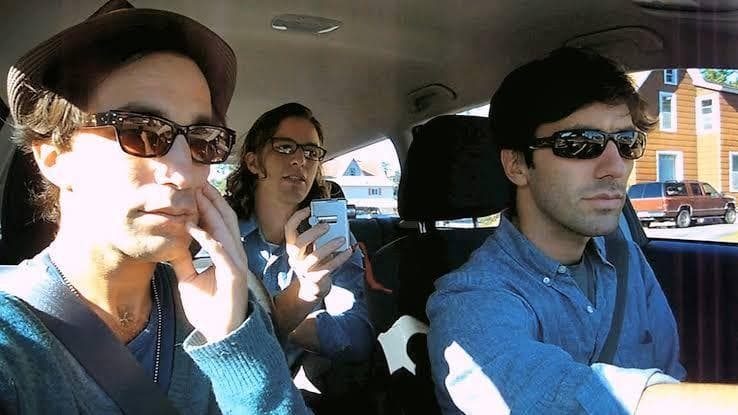
    Catfish follows Nev Schulman's online relationship with a woman named Megan, supposedly a 19-year-old flirtatious girl, whom he befriends after striking an online friendship with her 8-year-old sister, Abby, a budding artist. Slowly, he befriends everyone in Abby's circle, including her parents, and finally Megan. The two strike online sparks, and Nev, along with his friend Henry and brother Ariel, decide to go visit Megan. By this time, Henry and Ariel have started filming Nev and his online relationship, thinking it was the start of something sweet. The plot is unveiled when they reach Megan's house, only to discover that the person behind the relationship is not who Nev believed. Nev was catfished by 39-year-old Angela Wesselman, who is Abby and Megan's mother, but the latter two have never even heard of Nev. The story was so perfectly cinematic that viewers immediately wondered whether the filmmakers had secretly planned the entire experience. Critics suspected that Nev, Henry, and Ariel were way more aware of Angela and her deception than the film admitted. Others felt she was the actual "director" of the movie, deliberately targeting the trio. Given that people basically believe what they want to, there were also those who suggested that the participants were actors, something the filmmakers vehemently rejected. All three filmmakers have reiterated that the documentary was real and not a dupe. Even so, critics continued to argue that the film's selective editing and unusually convenient moments make it difficult to separate fact from fiction.

    79% upvoted
  8. 8

    The Timeline Of 'Unknown White Male' Aroused Suspicion

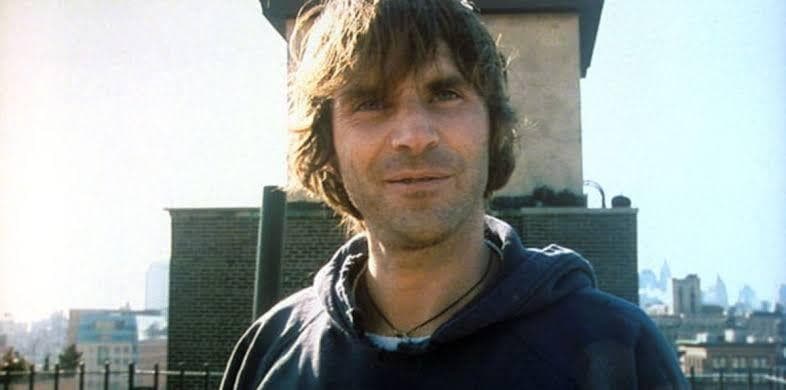
    The 2005 film Unknown White Male tells the remarkable story of Doug Bruce, a 35-year-old Englishman who claimed to have suddenly lost his memory after getting off a New York subway in 2003. He went to the police station, and then the psychiatric hospital before managing to get his name from his ex-girlfriend, whom he traced from a single phone number in his backpack. Soon after, director Rupert Murray had access to Bruce, and the critics questioned it. The timing immediately raised eyebrows. The story was extraordinary enough, but having cameras present at the very beginning seemed too convenient. Critics and journalists questioned whether Bruce's amnesia was genuine and whether parts of the story had been arranged for the cameras. Others felt he seemed too much of a poser. Murray insisted that the events were real and rejected the suggestion that the film was a hoax, and instead sang praises about Bruce's courage. Fraud or not, charade or real, the film won praise. Did his memory come back? Was he faking it? It remains unclear.

    78% upvoted
  9. 9

    'American Teen' Director Nanette Burstein Was Accused Of Manipulating Scenes And Deceiving Audiences

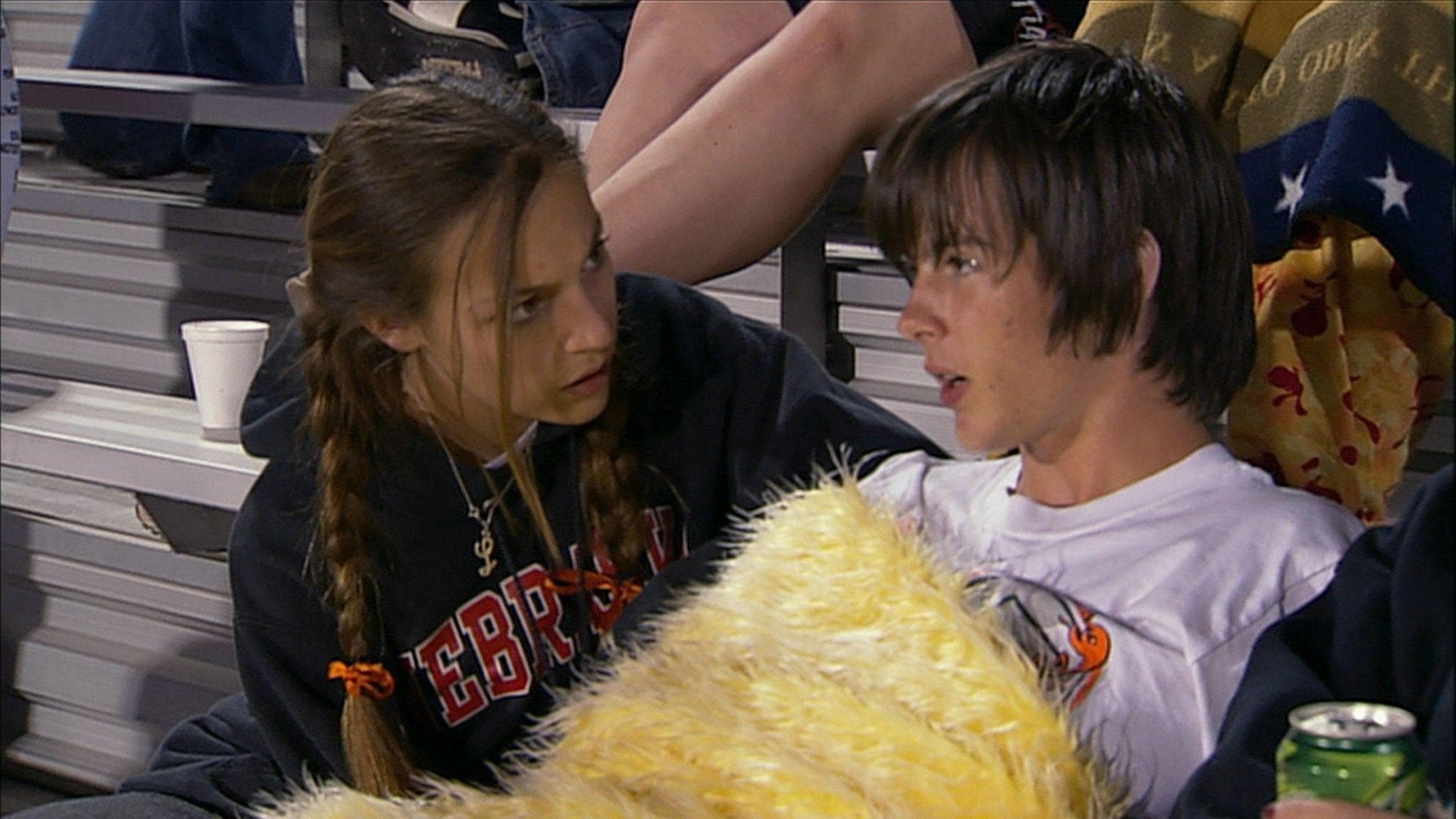
    Nanette Burstein's American Teen was a teenage drama with a twist; it was all real, or so the filmmakers claimed. The documentary followed five Indiana high school students through their senior year, focusing on romance, friendships, school drama, and the usual pressure of figuring out what comes next. While it was initially praised for its storytelling, it also attracted criticism because some scenes seemed almost too perfectly dramatic to be spontaneous. Critics also questioned the perfect timing, like how the filmmakers could seemingly be in exactly the right place for major emotional moments. Some also felt that scenes appeared to have been staged or reconstructed. Burstein strongly rejected the accusations, defending her film and the level of "pushback" it received: I was really surprised actually and have been upset by it. There are accusations that it’s staged and scripted and that I went after the stereotypes, and it’s just not true. I think it’s unusual to have a very narrative documentary, so people aren’t used to it. I think people have a hard time believing teenagers are willing to be that intimate on camera. So sometimes I feel I’m being criticized for what the film’s achievements are. She also defended the use of reaction shots, and the teenagers who starred in the film also denied any staging.

    75% upvoted
  10. 10

    Faked Scenes In 'Faces Of Death' Undermined Its Credibility

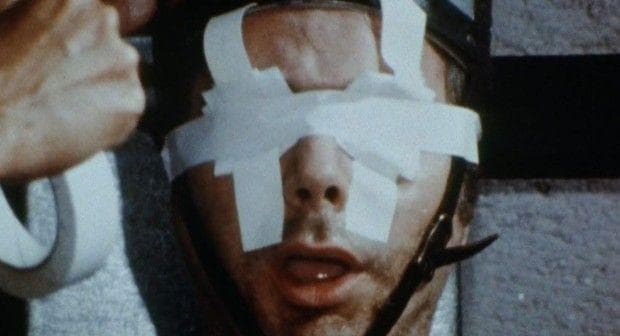
    Faces of Death was never a conventional documentary, but its makers deliberately presented the 1978 Mondo horror movie as one. The challenge was simple: were you "man enough" to watch this collection of utter and sheer violence? The footage showed dead bodies, body parts, dogs killing each other, war scenes, and even death row scenes. What made it so notorious was its claim of being genuine. Yet, it mixed authentic news, medical, and accident footage with extensive recreations and special effects. It was banned in over 40 countries, and later debunked by fans, who wanted to know how much of the "documentary" was fake. The director, John Alan Schwartz, later acknowledged that many of the notorious sequences were staged, including several animal-death scenes and the fake electric-chair execution. Some real footage remained in the film, like that of a dead man lying on a bench. The film's trick was precisely that it mixed the real and the staged so closely that the shocked audience remained unsure where one ended and the other began.

    73% upvoted