Skip to content
maxnews
Rankings

Details About Historical Disasters That Came To Light Later

When a disaster takes place, gathering information about what occurred is essential. It's also difficult to do for various reasons. The loss of life may prevent humans recounting what happened or the physical damage to an object may be too extensive to reveal flaws or mistakes. Sometimes, information is intentionally kept from large audiences for fear of stoking panic or trying to save face. For all of these reasons, details about historical disasters often come to light much after-the-fact. Years, decades, or centuries later, new evidence is found or previously classified facts are revealed. What was once unknown or hidden can be enlightening and useful, but it can also be haunting and completely change what you thought you know.

Entries
8
Votes
0
Updated
21 hours ago

Tap upor downto vote. Your vote is added to Ranker's counts.

Voting identifies your browser with an anonymous fingerprint, stored only as a salted hash, to count one per visitor. Privacy

Source: Ranker, ranked by its voters.

  1. 1

    The Worst Maritime Disaster In US History Was Caused By A Bad Patch Job On A Cheap Boiler
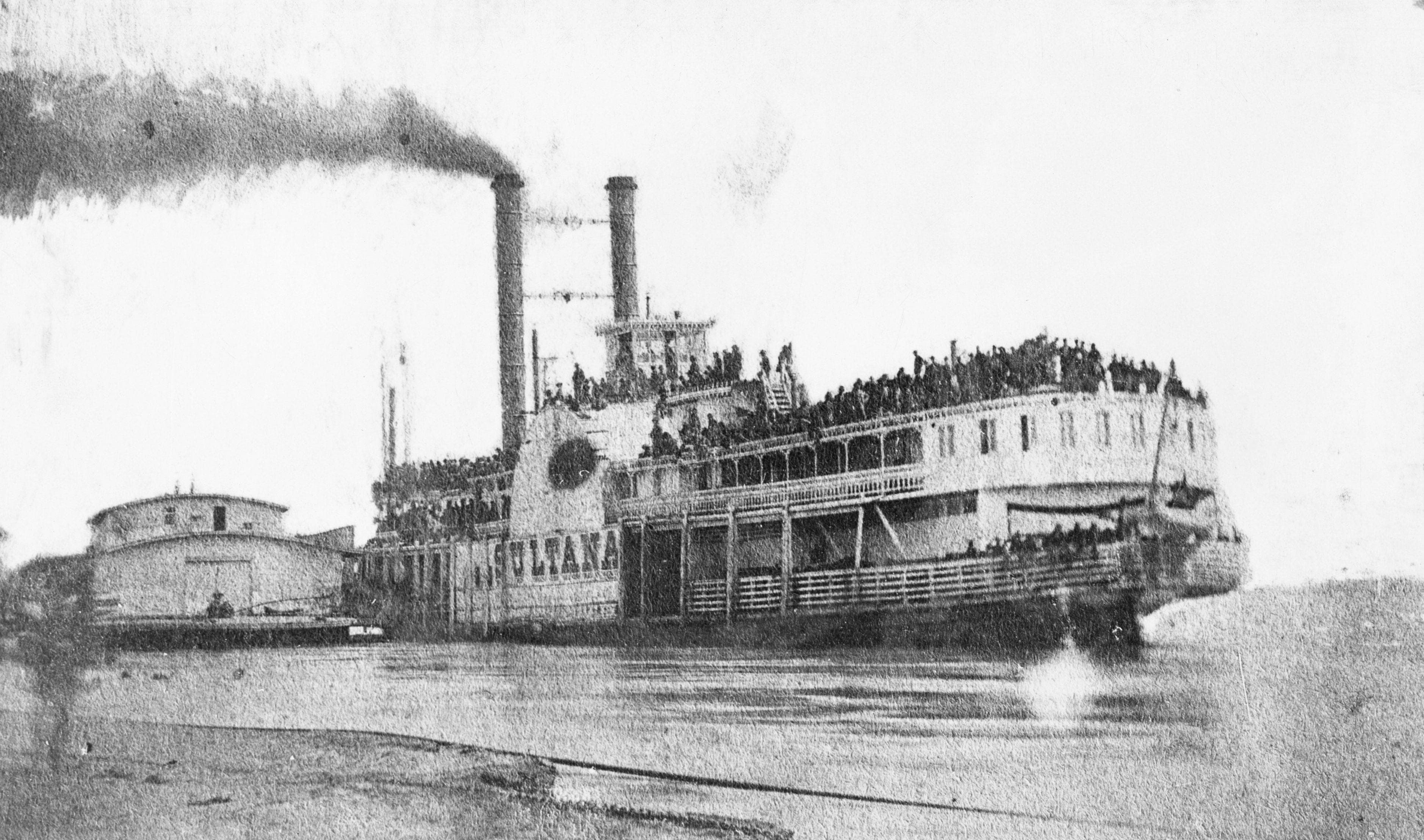
    The problematic circumstances of the voyage of the Sultana on April 27, 1865, were numerous and they all contributed to what would be the worst maritime disaster in the history of the United States. The boiler, however, was what ultimately doomed the ship. Privately owned and among the most prominent steamships of its time, the Sultana was commissioned by the US government to transport prisoners of war from Southern camps like the one at Andersonville. When the Sultana arrived in Vicksburg, Mississippi, it had the capacity to take on 376 passengers. However, between 2,000 and 2,500 people boarded the ship. The Sultana left Vicksburg for Memphis, where it arrived two days later. By then, the ship was operating with a hastily repaired boiler and, at the stop, the boiler was again repaired. There were four boilers on the Sultana, and as the ship again headed north toward Cairo, Illinois, three out of the four boilers exploded. The steam pressure was too much and, when they blew, coals from the nearby furnaces went flying. Soldiers and others sleeping on the bottom deck were also hit with flying coals as the rest of the ship caught on fire. People aboard the Sultana saved themselves by any means possible. One witness recalled, such screams I never heard – twenty or thirty men jumping off at a time – many lighting on those already in the water – until the river became black with men, their heads bobbing up like corks, and then many disappearing never to appear again. We threw over everything that would float that we could get hold of, for their assistance; and then I, with several others, began tearing the sheeting off the sides of the cabin, and throwing it over. There was only one lifeboat on Sultana alongside a mere 76 life vests. Because the explosions took place at 2 o'clock in the morning, may people on board were pulled out of their slumbers into the chaos. As the ship's smokestacks collapsed, they crushed soldiers below them. All efforts to extinguish the fires were futile, but even those who jumped into the Mississippi River were not safe. Many of the soldiers were too weak to hold on to floating debris and people frantically hung onto one another once in the water - ultimately dooming both to drowning. Survivors of the Sultana floated down the Mississippi River, many with serious burns and injuries. They landed at various points on the riverbank and were found by locals, while some individuals floating on debris were picked up by ships that arrived to help. There were 786 people rescued, of which 31 later died from their injuries. The death toll has varied over the years, but the United States Customs Service recorded it as 1,547 victims. The inquiry that took place after the Sultana disaster revealed just how damaged the boiler was. At both Vicksburg and Memphis, the boiler was in need of repairs and one of the ship's officers, engineer Samuel Clemens, told the Army investigators that he "considered the boilers safe after the repairs" that took place at the former. A subsequent look at the disaster undertaken in 2015 by Patrick Jennings determined the inferior metal used to build the boller combined with a subpar design as well as the other circumstances all contributed to the Sultana's demise.
    0% upvoted
  2. 2

    Salvage Crews Found A Calendar With 16 Days Marked By The Men Who Were Trapped Aboard The USS 'West Virginia' After The Attack On Pearl Harbor

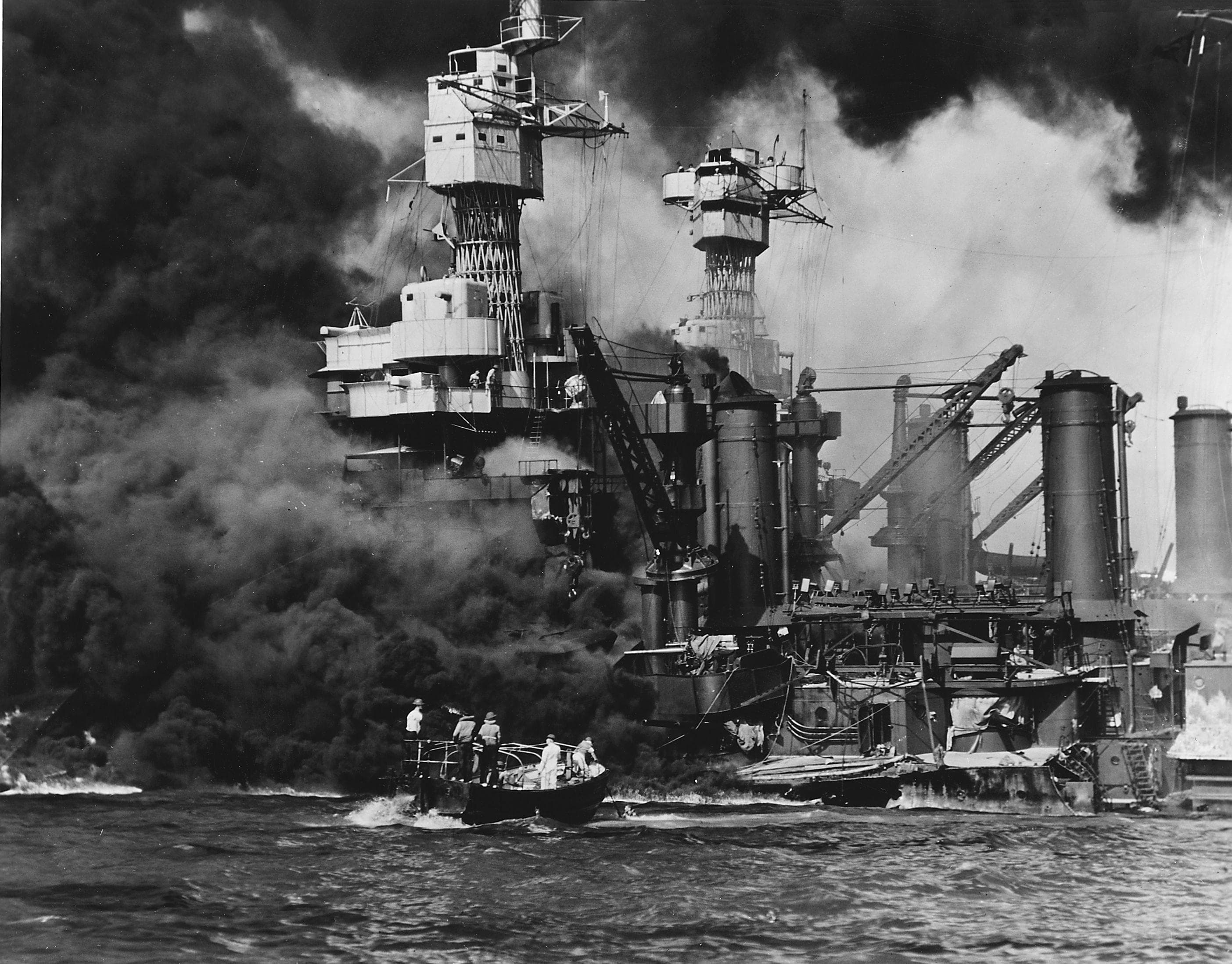
    The attack on Pearl Harbor on December 7, 1941, resulted in 16 ships being severely damaged or sunk. The USS West Virginia was struck by seven torpedoes and two bombs, ultimately sending it to the bottom of the bottom of the Harbor. As the USS West Virginia flooded and sank, many of the individuals on board were unable to escape the ship. Seventy bodies were found by crews who refloated and repaired the USS West Virginia in 1942. Additionally, in one compartment, there was a calendar with markings that ended on December 23, 1941. Three people had survived for 16 days at the bottom of Pearl Harbor on the USS West Virginia. Their presence had been known to survivors on land because they could hear the men banging on the ship's hull in during the days after the attack. One Marine named Dick Fiske recalled: You’d hear bang-bang-bang, then stop, then bang-bang-bang from deep in the bow of the ship. It didn’t take long to realize that men were making that noise. It wasn't until the USS West Virginia was salvaged and the men's bodies were located that their names were known: Ronald Endicott (age 18); Clifford Olds (age 20); and Louis “Buddy” Costin (age 21). Commander Paul Dice, who filed the salvage report, documented finding their remains: Three bodies were found on the shelf of storeroom A-111, clad in blues and jerseys. This storeroom was open to fresh water pump room A-109, which was apparently the battle station assigned to these men. The emergency rations at this station had been consumed and the manhole cover to the fresh water tanks had been removed. A calendar which was found in the compartment had an ‘X’ marked through each day from December 7, 1941, through December 23rd, inclusive. None of the men's families were told that their loved ones had survived for more than two weeks aboard the USS West Virginia. Officially, they died on December 7, 1941. Louis Costin's brother, Harlan, joined the Navy in 1942, at which point he learned the truth. Even then, Harlan kept it from his family. His sister, Edna, learned in 1995 from a reporter what had happened. Clifford Olds' brother, Duke, found out the truth from his cousin and told his siblings, but did not tell his parents. Learning about what happened was, as Ronald Endicott's former girlfriend, Velma Lawrence (nee Partridge) put it: I’d heard the story of the trapped men because it was published in the local paper in 1991. As a matter of fact, his parents got word the middle of December in '41 that he’d been killed. It tears your heart out to think that at that very moment, he was trying desperately to live.

    0% upvoted
  3. 3

    More Than A Century After Implicating Mrs. O'Leary's Cow For The Great Chicago Fire, The Accuser Was A Suspect

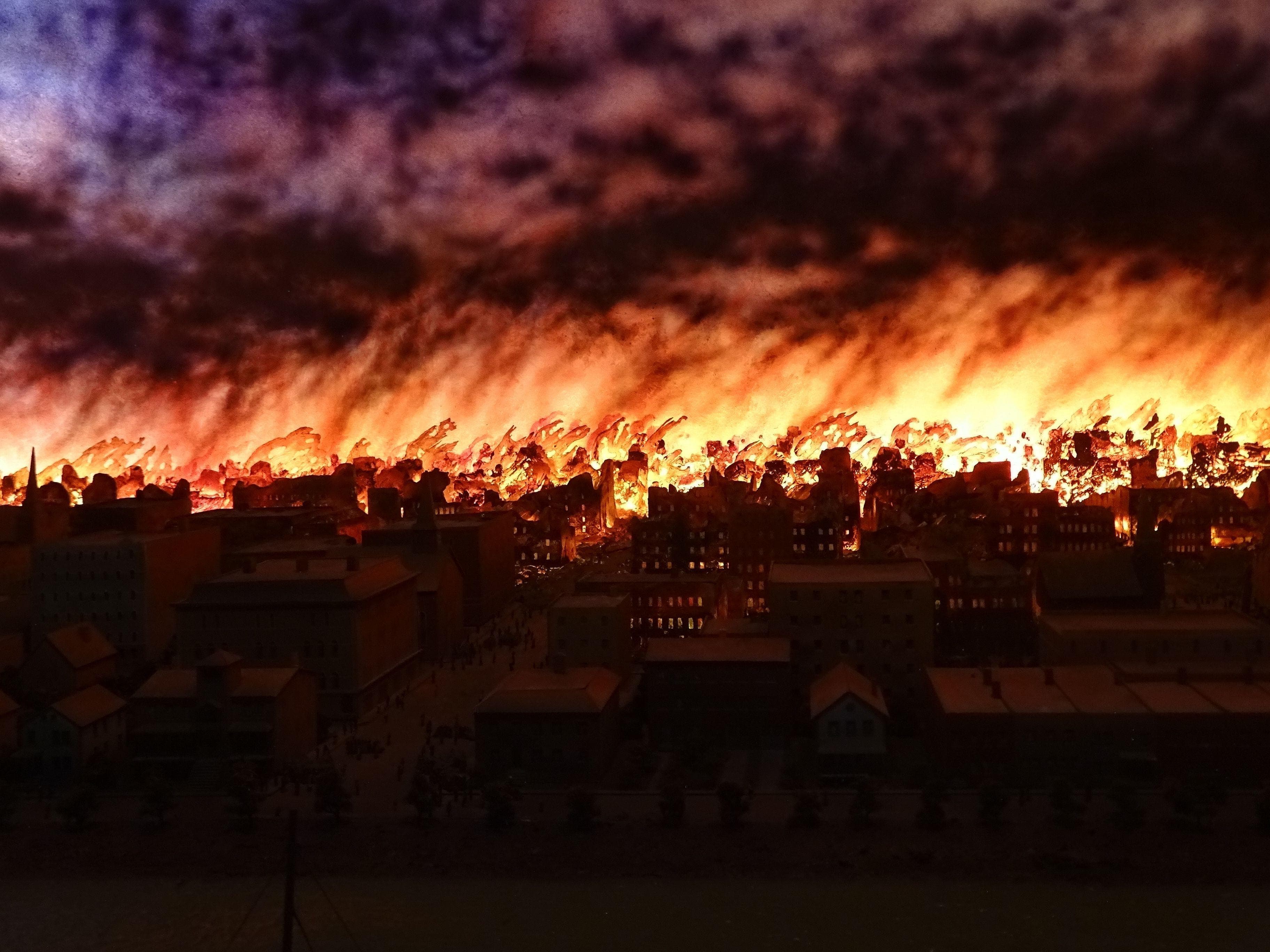
    Most people have heard the story about how a cow kicked over a lantern and started the Great Chicago Fire of 1871. The cow - and its owner Catherine O'Leary - have been immortalized in the song lyrics: Late one night, when we were all in bed, Mrs. O'Leary lit a lantern in the shed. Her cow kicked it over, Then winked her eye and said, "There'll be a hot time in the old town tonight!" The reason O'Leary and her cow (she had several with names Daisy, Madeline, Gwendolyn) were implicated in the fire was because reporter Michael Ahern published an article asserting "that the fire had started when a cow kicked over a lantern while it was being milked." From there, people extrapolated a potential human behind the incident, namely O'Leary. In truth, Catherine and her husband, Patrick, were in bed when the fire started, but they were also Irish immigrants and convenient scapegoats for what took place. The fire did likely start in or near the O'Leary's barn, however. Her neighbor, Daniel "Peg Leg" Sullivan, was reportedly the first person to see the fire and alerted the O'Learys to it. To some, however, Sullivan was the man who actually started the fire. Historian Richard Bales argued in The Great Chicago Fire and the Myth of Mrs. O'Leary's Cow that Sullivan was drinking and dropped a cigar in the barn. That, in Bales' opinion, started the blaze. Interestingly enough, Sullivan was the individual upon whom blame for the fire was placed in 1997 when O'Leary and her cow were exonerated. Instead of the cow kicking over a lantern, an official resolution approved by a Chicago CIty Council committee reported that Sullivan started it when he went to feed his mother's cow. Another aspect of what became an entire mythology surrounding the origin of the fire was the admission by Ahern four decades after the fire that he made up the cow story. Needless to say, this confession didn't put an end to the myth and neither did the exoneration of O'Leary and her cow by the Chicago City Council. Still one more thing most people don't know is that, in 1971, a report commissioned by the City of Chicago stated "the exact cause of the Great Chicago Fire will probably never be known."

    0% upvoted
  4. 4

    The Heat From Mount Vesuvius In 79 AD Turned One Victim's' Brain To Glass

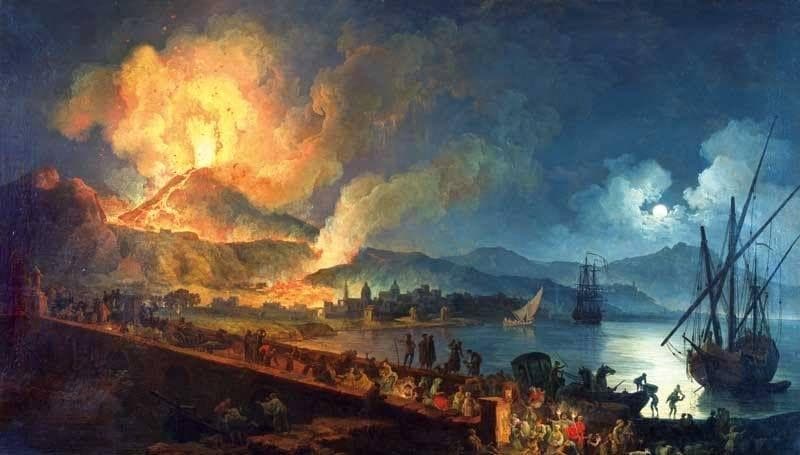
    The eruption of Mount Vesuvius in 79 AD was devastating in terms of loss of life and overall destruction. Residents of Pompeii and Herculaneum, and the surrounding areas, likely endured earthquakes in the days leading up the the eruption, but very little exists as to what exactly took place during the lead up to the disaster. In two letters written by Pliny the Younger to Tacitus, a Roman historian, he described that his uncle, Pliny the Elder, perished in the eruption after stayed at Misenum. From across the Bay of Naples, Pliny the Younger watched as: the sea sucked back, apparently by an earthquake, and many sea creatures were left stranded on the dry sand. From the other direction over the land, a dreadful black cloud was torn by gushing flames and great tongues of fire like much-magnified lightning.... Ash was already falling by now, but not very thickly. Then I turned around and saw a thick black cloud advancing over the land behind us like a flood. He continued, We could hear women shrieking, children crying and men shouting. Some were calling for their parents, their children, or their wives, and trying to recognize them by their voices. Some people were so frightened of dying that they actually prayed for death. Many begged for the help of the gods, but even more imagined that there were no gods left and that the last eternal night had fallen on the world. While this offers a glimpse of what happened when Vesuvius erupted, the remnants of the event provide information about how the people met their ends. The casts seen from sites like Pompeii aren't bodies, they're what's left of the victims. Initially, ash cooled and hardened around the bodies, but they largely decomposed with time. Many of the bones that are still extant were sealed in plaster by archaeologists during the 1870s. That said, in 2020, researchers published findings about what appeared to be glass in the skull of one victim found at Herculaneum. They determined that it was: human brain remains, composed of organic glass formed at high temperatures. In other words, the heat was so intense that it destroyed brain tissue but when rapid cooling followed, what was left was glass. This was "the only known case of preserved vitrification of human tissue" studied.

    0% upvoted
  5. 5

    Rivets Made With Inferior Iron Doomed RMS 'Titanic' As Much As The Iceberg Did

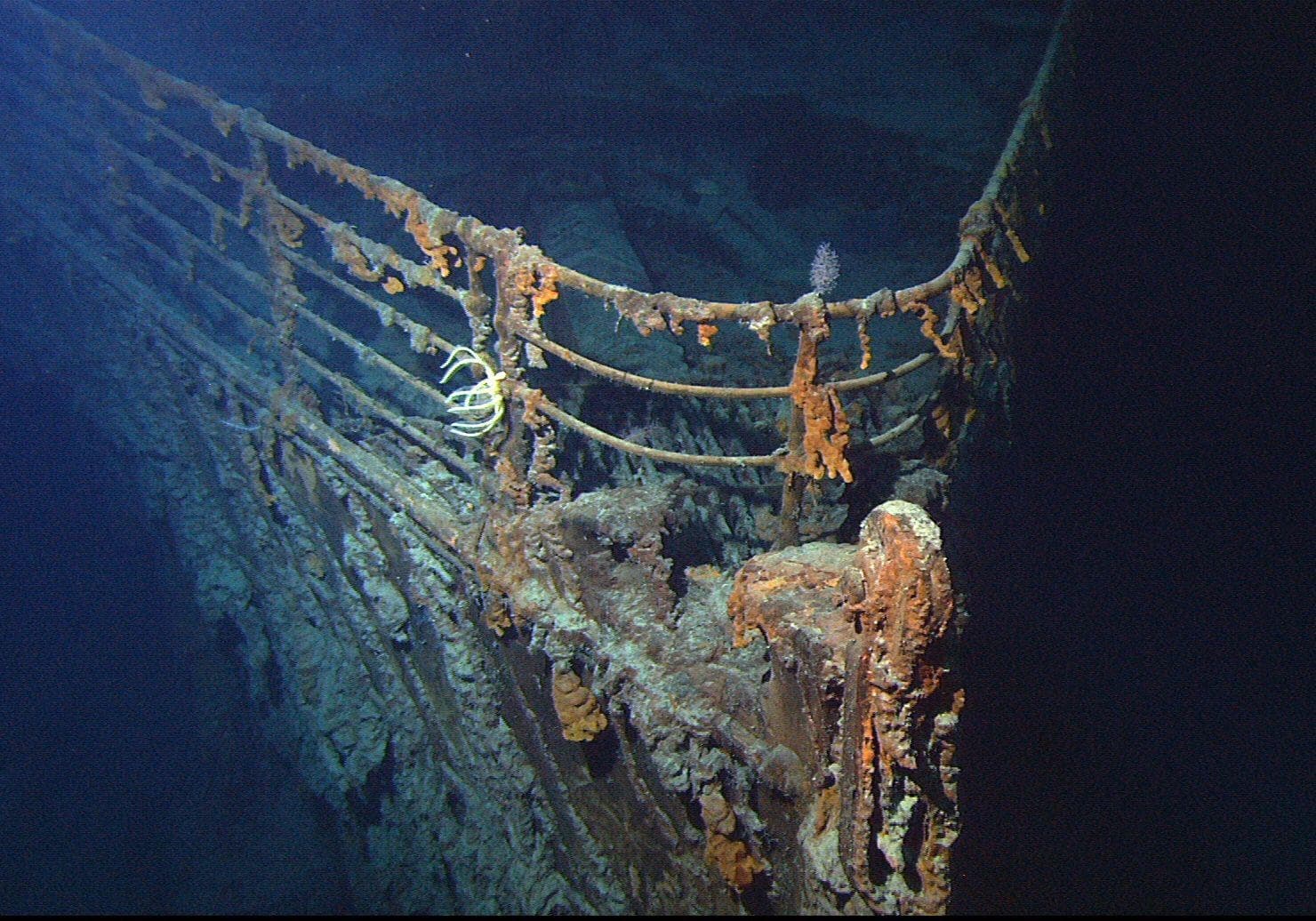
    It's a well-known cautionary tale: the "unsinkable" RMS Titanic was, in fact, sinkable in spite of all assertions to the contrary. The RMS Titanic was sunk by an iceberg - something that's been depicted on screens and in books for decades. While the iceberg did play a major role in dooming the ship, it wasn't the only reason RMS Titanic sunk. The faulty metal used on parts of the ship were a huge factor, albeit one that wouldn't be fully realized and understood for nearly a century. Tim Foecke from the Metallurgy Division of the National Institute of Standards and Technology studied metal from RMS Titanic that was brought to the surface in 1991. Six years earlier, it became clear that the ship had broken into two pieces, something that seemed to necessitate looking at the hull, specifically. As a result, Foecke wanted to determine the composition of the steel used to construct RMS Titanic as well as to assess the likelihood of an iron rivet failure. Through a series of experiments, Foecke concluded that the steel used to build the hull of RMS Titanic was "adequate in strength," it lacked "fracture toughness at ice water temperatures." Additionally, the variation in the 2,000 plates to construct the hull were potentially problematic and that brittle steel may have "contributed to the damage at the bow due to the impact with the iceberg, but much more likely that the brittle steel was a factor in the breakup of the ship at the surface." Foecke did note that the engineers building RMS Titanic did what they could given what they knew at the time and that there was no indication that "mistakes" were made, per se. Foecke's research was further supported by sonar mapping that revealed "six thin tears" in the ship's hull "with a total open area of one square meter." This upset the notion that large hole was torn into the hull of Titanic and proved: The actual damage could not have resulted in the flooding that overwhelmed the Titanic’s watertight compartments. Furthermore: Photographs of Titanic’s sister ship, the RMS Olympic, taken after it collided with another vessel in 1911, clearly show dozens of vacant holes in the hull from which rivets popped.

    0% upvoted
  6. 6

    The Great Smog Of 1952 In London Was Really A Haze Of Sulfuric Acid Over The City

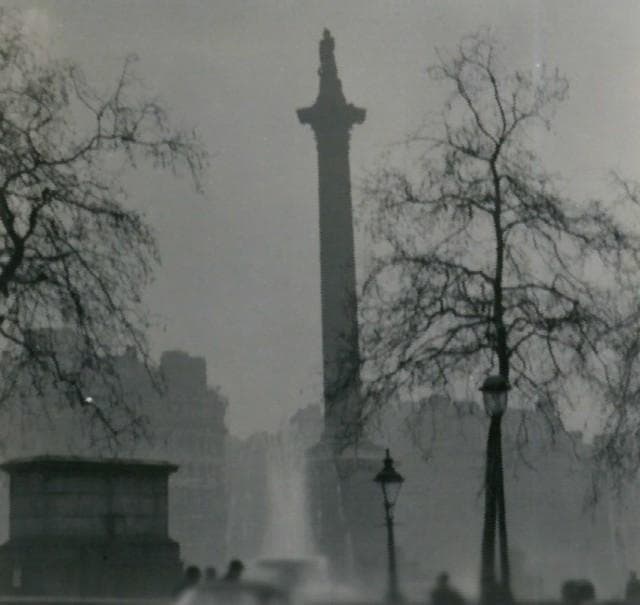
    For five days in December of 1952, smog blanketed London to such an extent and with such thickness that it was difficult to see and breathe. Records from the time describe how individuals with and without previous respiratory conditions became ill and later died as a result of the smog. According to the BBC, as many as 12,000 people lost their lives. One woman with a history of breathing issues: was at home during the foggy period, being removed to hospital on Tuesday 9th December only a few hours before she died. She complained of the fog which penetrated into her room. The fog would appear to have accelerated death, as the sudden deterioration in [her] condition was apparently unexpected by the doctor in attendance. Another women who had no previous breathing ailments: "became ill on 6th December." By the 9th "her breathing became distressed and in the evening she became unconscious’ passing away the next day." In terms of visibility, Richard Scorer described it as "about one yard at the worst time" and recalled how "very dirty" he became while out in the smog. The smog was the result of stagnant air, cold weather, and large amounts of pollutants in the air. The latter was largely the result of burning coal, the main source of fuel in London at the time. The cause only later came to light when a comparable smog appeared in China that seen in London in 1952. Smog in China didn't come about from the exact same circumstances as the Great Smog, but researchers: the scientists suggest that a combination of weather patterns and chemistry could have caused London's fog to turn into a haze of concentrated sulfuric acid. In other words, people were breathing in acid much like that seen in modern China. The smog in London was, however, somewhat less complicated. Coal burning was a huge factor but in China, "you have coal burning, traffic emissions, agriculture. It's very complicated ... it's very, very difficult [to solve]."

    0% upvoted
  7. 7

    In Addition To An Undisclosed Design Flaw On The Ship, The Crew Of The 'Challenger' Was Likely Conscious During The Cabin’s Fall Into The Atlantic

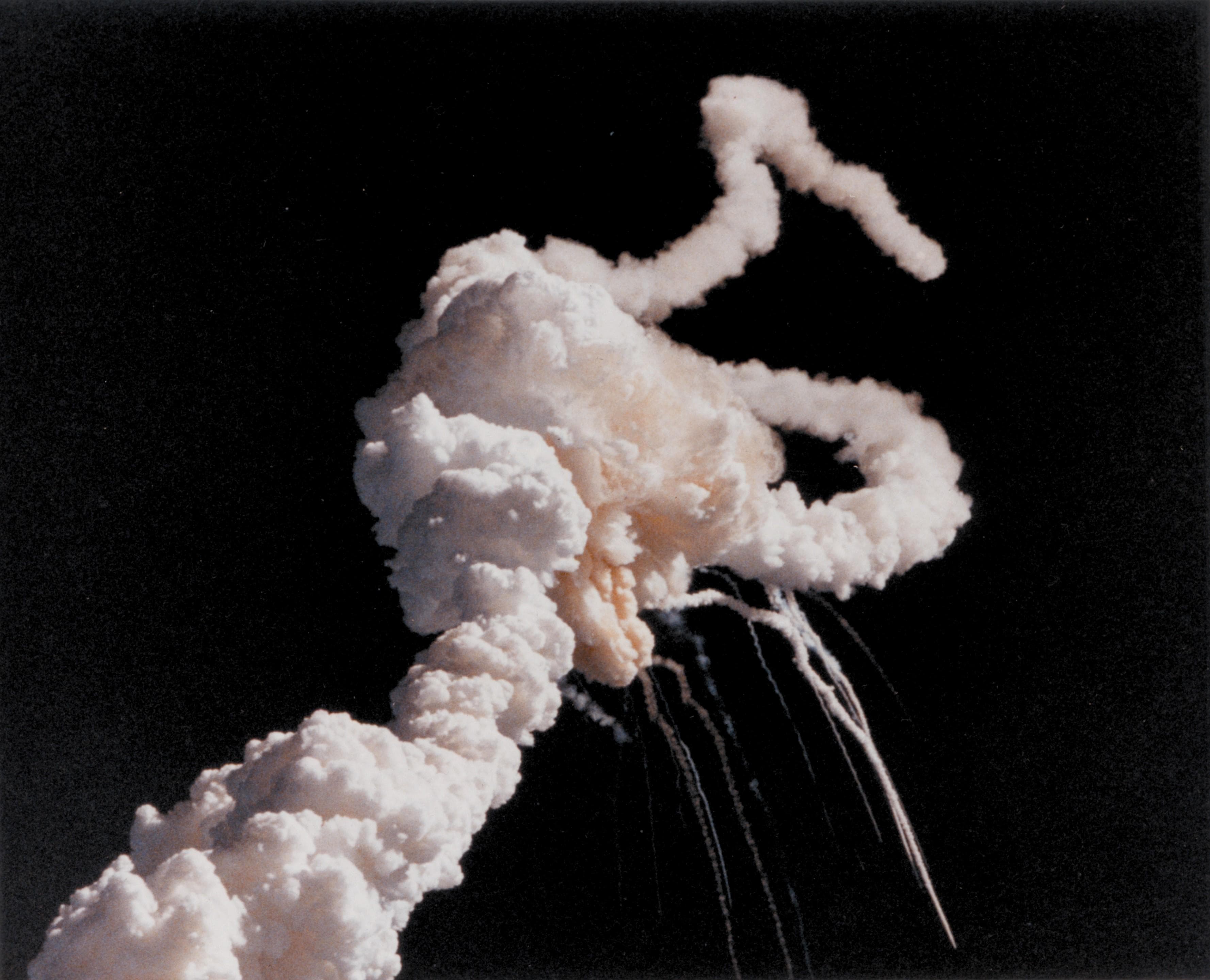
    The launch of the Space Shuttle Challenger on January 28, 1986, was watched with great enthusiasm worldwide. This was, in no small part, because school teacher Christa McAuliffe was on board. Just 73 seconds after its flight began, however, Challenger exploded. All seven members of the crew who were on board died as a result of the disaster. Months before Challenger was supposed to take flight, there were warnings about what could be "a catastrophe of the highest order - lost of human life" if nothing was done to fix the O-rings. As a result, cold temperatures forecasted for the morning of January 28 gave NASA pause when it came to carrying out the launch. Engineers met via teleconference the night before to discuss potential issues for the rubber O-rings and their ability to seal. In the end, the launch was allowed to proceed despite dissent from Morton Thiokol engineers involved in the discussion. The O-rings were later determined to be the technical root cause of the demise of the space shuttle. According to the Report of the Presidential Commission on the Space Shuttle Challenger Accident: [The] accident was the failure of the pressure seal in the aft field joint of the right solid rocket motor. The failure was due to a faulty design unacceptably sensitive to a number of factors. These factors were the effects of temperature, physical dimensions, the character of materials, the effects of reuse, processing, and the reaction of the joint to dynamic loading. The inadequate communication that led to the launch taking place was also cited, as were "a conflict between engineering data and management judgements" and "a NASA management structure that permitted flight safety problems to bypass key Shuttle managers." All of this did come to light after Challenger exploded, but there was more about what happened revealed after-the-fact. Assessment of debris during the recovery of Challenger revealed that the cabin was intact, albeit heavily damaged. It was clear that the crew had been alive during the descent to the Atlantic Ocean. The assumption by the public was that the crew perished in the explosion, largely because communication was lost. In reality, the wings of the spacecraft were gone, as was the fuel, but the computers still worked. ultimately, The crew cabin, reinforced aluminum, stayed solid, riding its own velocity in a great curving ballistic arc, reached the top of its curve, and then began the dive toward the ocean. It was only when the compartment smashed, like a speeding bullet, into the sea’s surface, drilling a hollow from the surface down to the ocean floor, that it crumpled into a tangled mass. Additional evidence also demonstrated that the crew was conscious: The commander and pilot’s reserved oxygen packs had been turned on by astronaut Judy Resnik, seated directly behind them. Furthermore, the pictures, which showed the cabin riding its own velocity in a ballistic arc, did not support an erratic, spinning motion. And even if there were G-forces, commander Dick Scobee was an experienced test pilot, habituated to them. In other words, Scobee flew the ship all the way until the end.

    0% upvoted
  8. 8

    There Had Been Numerous Incidents And Warnings About Radioactive Releases Before The Chernobyl Meltdown

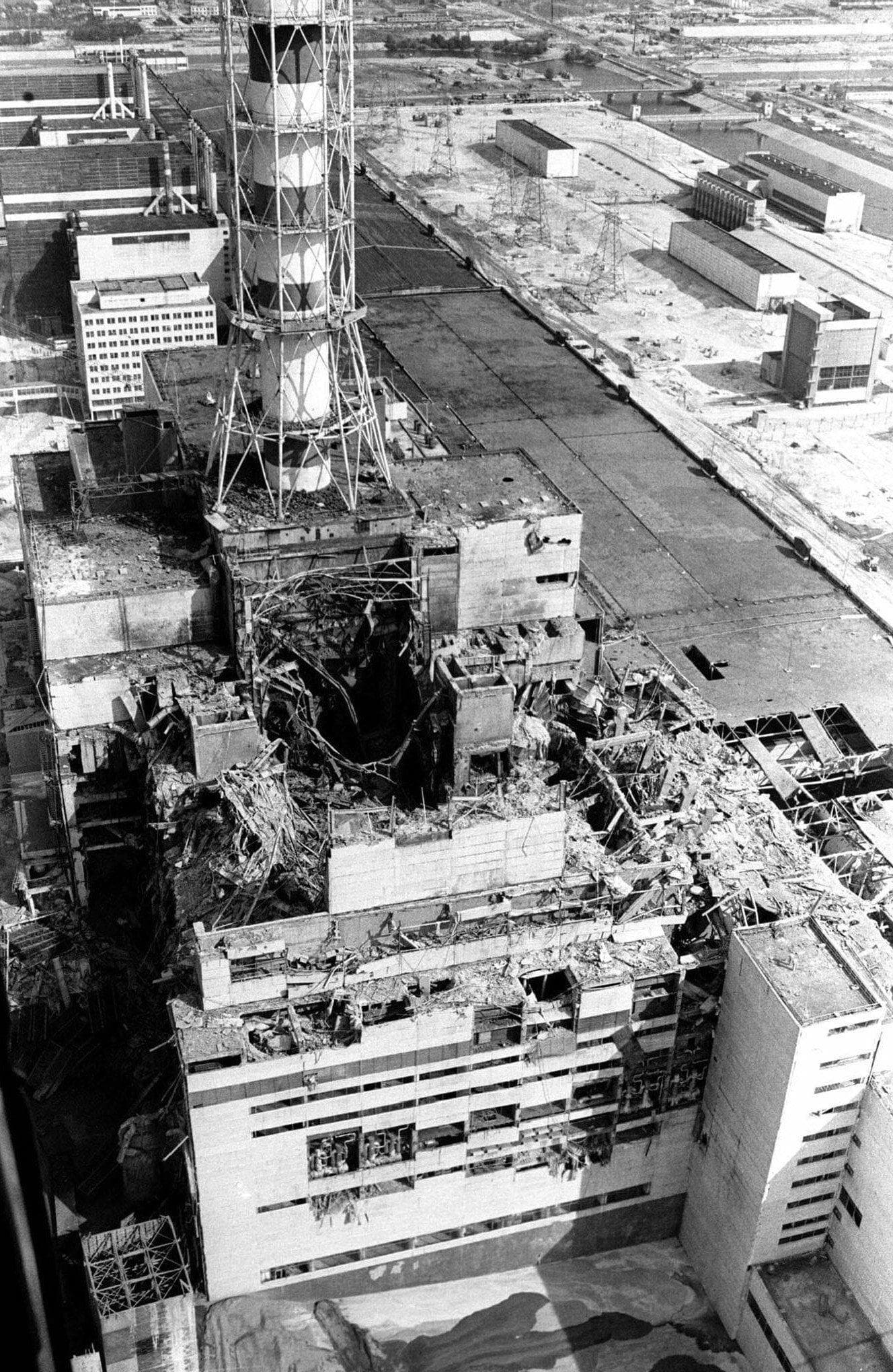
    When reactor 4 at the Chernobyl Nuclear Power Plant near Pripyat in the former Soviet Union (now Ukraine) exploded on April 26, 1986, it was hidden by the Soviets for at least 36 hours. Only after that amount of time had passed - and massive amounts of radiation had leaked into the environment - did the Soviet powers-that-be evacuate Pripyat. People from the larger area were later evacuated, too. What happened at Chernobyl only became international news after radiation detectors in Sweden picked up radioactive fallout. Even then, the cover-up about what the extent of the disaster at Chernobyl continued. Falsified and censored medical records, data about radiation levels, and safety protocols were all the Soviet Union released until decades later. While much of the aftermath of Chernobyl has become better known (and the environmental aspects are increasingly apparent), it's the prior indications that something was wrong at the facility that only came to light fairly recently. To be clear, the continued effects of Chernobyl are unknown, but there were several times leading up to the meltdown that the Soviet Union could have acted. According to declassified documents shared by Ukraine in 2016, there were safety violations, construction flaws, and labor regulation infractions while the facility was being built and immediately following its opening in 1977. A radiation leak in 1982 was hidden by the KGB "to prevent panic and provocative rumors" and, in 1983: The Moscow leadership received information that the Chernobyl nuclear power plant was one of the most dangerous nuclear power plants in the USSR due to lack of safety equipment. The leak in 1982 was actually a partial meltdown of reactor number one, and the warning from 1983 also stated that radioactivity could be "60 times higher than that of the atomic bomb explosions at Hiroshima and Nagasaki." Still more warnings about a lack of structural integrity in 1984 were also suppressed by the Soviet Union.

    0% upvoted