Skip to content
maxnews
Rankings

Dark Facts We Learned About Dr. Seuss's Past That Made Us Cringe

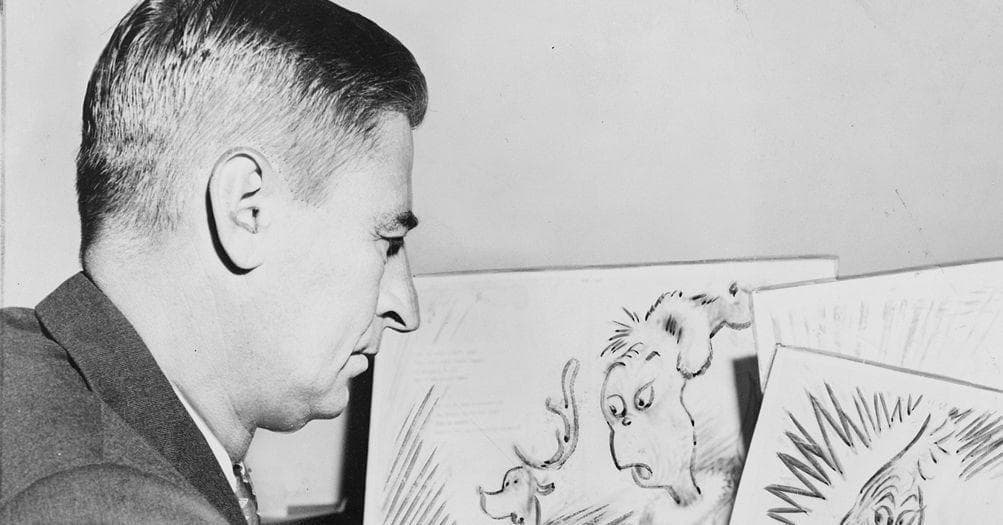
Known to the world as Dr. Seuss, Theodor Seuss Geisel was born in Springfield, MA, on March 2, 1904. His first book, And to Think That I Saw It on Mulberry Street, made its debut in 1937, and he would continue to publish classics for several decades thereafter. Behind the colorful illustrations and playful rhymes of classics like The Cat in the Hat and Green Eggs and Ham lurked a complex man whose personal life and early career choices stand in stark contrast to his beloved children's literature legacy. Under their cartoonish and fantastical veneer, Dr. Seuss's stories seem to have a deeper or darker meaning - a quality that also appears to be true of his personal life. The Springfield, Massachusetts-born author's dark history includes creating racist propaganda during World War II, maintaining racist depictions in his early works until the late 1970s, and engaging in an affair while his wife battled serious illness—ultimately leading to her suicide in 1967. While there's no denying the author's enormous contribution to children's literature, some of his private and public actions may leave you disturbed. FAQ • Why did Dr. Seuss start writing children's books? Dr. Seuss began writing children's books almost by accident. After being rejected by 27 publishers for his first book And to Think That I Saw It on Mulberry Street, he was walking home to burn the manuscript when he ran into an old Dartmouth classmate who helped him find a publisher. Before this, Seuss had worked in advertising, creating campaigns for companies like Standard Oil's Flit insect repellent with his famous slogan "Quick, Henry, the Flit!" His transition to children's literature was solidified when William Spaulding of Houghton Mifflin challenged him to write a book using only 225 words that first-graders should know, resulting in The Cat in the Hat in 1957. • How did Dr. Seuss respond to criticism about racist imagery in his books? Dr. Seuss showed some awareness of problematic content in his lifetime by revising And to Think That I Saw It on Mulberry Street in 1978, changing the description "Chinaman" to "Chinese man" and removing the character's yellow coloring and pigtail. However, he never comprehensively addressed all the racist imagery in his works. After visiting Japan in 1953, his perspective appeared to shift, and he wrote Horton Hears a Who! with its famous line "a person's a person, no matter how small," which many consider an apology for his previous anti-Japanese propaganda. It wasn't until 2021, decades after his death, that Dr. Seuss Enterprises announced they would cease publication of six books containing racist imagery. • What was Dr. Seuss's relationship with Hollywood? Dr. Seuss had a complicated relationship with Hollywood. He worked as an animator and writer for the U.S. Army's First Motion Picture Unit during World War II, creating training films and propaganda cartoons. His first major Hollywood project, the semi-autobiographical musical fantasy The 5,000 Fingers of Dr. T (1953), was a commercial failure that left him deeply disappointed. This experience made him protective of his work, and he largely resisted major film adaptations during his lifetime. The animated TV special How the Grinch Stole Christmas! (1966), directed by Chuck Jones with Seuss's involvement, was one of the few adaptations he approved. After his death in 1991, his widow Audrey Geisel operated as a gatekeeper to his legacy, eventually allowing major film adaptations like The Grinch (2000) and The Cat in the Hat (2003), though she was reportedly so unhappy with the latter that she restricted future live-action adaptations.

Entries
11
Votes
0
Updated
14 hours ago

Tap upor downto vote. Your vote is added to Ranker's counts.

Voting identifies your browser with an anonymous fingerprint, stored only as a salted hash, to count one per visitor. Privacy

Source: Ranker, ranked by its voters.
  1. 1

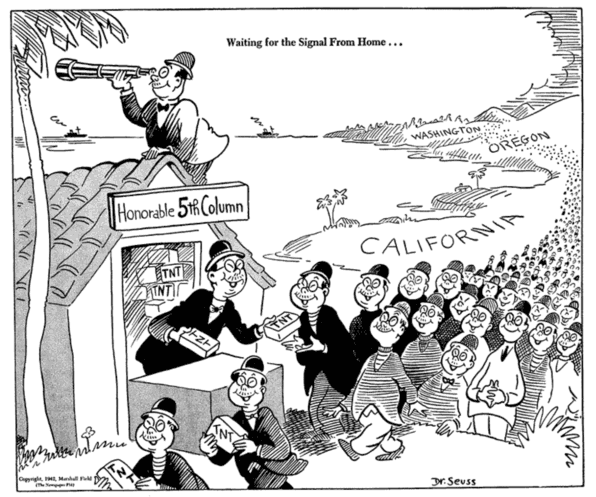
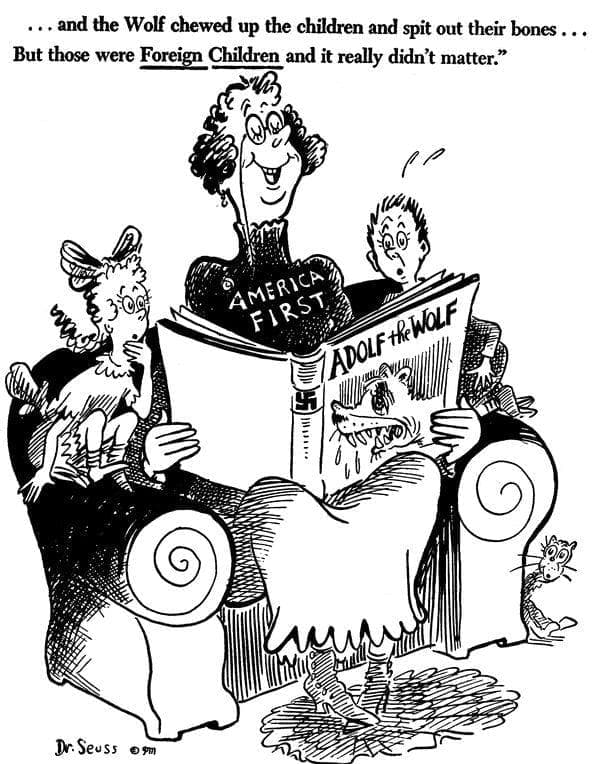
    He Was Hired To Create Offensive Anti-Japanese Propaganda During The Second World War

    Dr. Seuss, like many Americans during WWII, contributed to the war effort in his own way - by creating racist propaganda that attacked America’s Japanese enemies. Seuss was contracted by the government to produce educational cartoons for the troops, and for this he was given full artistic license. Much of his material depicted the Japanese with horrifically offensive caricatures, and the messages they contained were similarly problematic. Seuss’s propaganda also targeted the Germans and other perceived enemies of the state, but he saved his most venomous vitriol for the Japanese, and was a fervent supporter of internment camps.

    0% upvoted
  2. 2

    He Made A Habit Of Creating Racist Cartoons

    World War II wasn't the only occasion for which Dr. Seuss produced racist cartoons. In his very first children’s book, And to Think That I Saw It on Mulberry Street, Seuss drew a racist caricature of a Chinese person and labeled him a “Chinaman.” He refused to change it until 1978. His book, If I Ran the Zoo, features two men supposedly from Africa who wear grass skirts without shirts or shoes. Several of his editorial cartoons featured demeaning depictions of Black people, and those depictions were often used to make extremely racist arguments. On March 2, 2021 (Seuss's birthday), Dr. Seuss Enterprises, which carries on the author's legacy, announced it would stop publishing and licensing six of his books: And to Think That I Saw It on Mulberry Street, If I Ran the Zoo, McElligot’s Pool, On Beyond Zebra!, Scrambled Eggs Super!, and The Cat’s Quizzer. The publisher renounced the books with the admission that they "portray people in ways that are hurtful and wrong." "Ceasing sales of these books is only part of our commitment and our broader plan to ensure Dr. Seuss Enterprises’s catalog represents and supports all communities and families," the announcement said.

    0% upvoted
  3. 3

    He Cheated On His Wife While She Was Seriously Ill

    Dr. Seuss's first wife was American children's book author Helen Palmer Geisel, with whom he co-founded a publishing company called Beginner Books. Throughout the course of their 40-year marriage, Helen struggled repeatedly with her health, and for more than a decade leading up to her death, she was partially paralyzed due to Guillain-Barré syndrome. At the time of her passing in 1967, she was stricken with cancer. Rather than standing by his wife, Seuss began an affair with Audrey Stone Dimond. The affair left Helen despondent and ultimately contributed to her death.

    0% upvoted
  4. 4

    His Wife Took Her Own Life Over Seuss's Adultery

    Shortly after Helen learned of her husband's affair, the couple's longtime housekeeper found Helen's body with an empty prescription pill bottle nearby. In Helen Geisel’s suicide note, she wrote to her husband: Dear Ted, What has happened to us? I don't know. I feel myself in a spiral, going down down down, into a black hole from which there is no escape, no brightness. And loud in my ears from every side I hear, "failure, failure, failure..." I love you so much... I am too old and enmeshed in everything you do and are, that I cannot conceive of life without you... My going will leave quite a rumor but you can say I was overworked and overwrought. Your reputation with your friends and fans will not be harmed... Sometimes think of the fun we had all through the years... Seuss went on to marry his mistress less than a year after his wife’s passing.

    0% upvoted
  5. 5

    He Picked Up His Pseudonym After Being Fired From A Writing Job For Drinking During Prohibition

    The man behind The Cat in the Hat was born Theodor Seuss Geisel, but that’s not the name he would make famous. A pen name became a necessity when Geisel lost his job as editor-in-chief of Dartmouth humor mag Jack-O-Lantern after he and several friends were busted for drinking during Prohibition. From then on, Geisel would write under the name of Seuss, and he’d add the Dr. part of his nom de plume after college as a consolation to his father for never becoming an actual doctor.

    0% upvoted
  6. 6

    He Was Obsessed With Creating An Erotic Cartoon Book, But It Flopped

    Dr. Seuss found the majority of his success in writing children’s books, but at one point in his career he thought his talents would be better suited to the art of erotic storytelling. When Seuss joined with Random House Publishing in 1939, he did so under the condition that they allow him to publish an adult book that he had been working on for a while. The result was The Seven Lady Godivas. The book was a critical failure; out of the 10,000 copies that were initially printed, only 2,500 were sold. In an effort to make sense of the failure, Dr. Seuss claimed, “I attempted to draw the sexiest babes I could, but they came out looking absurd.”

    0% upvoted
  7. 7

    He Created Racist Advertisements For Pesticide

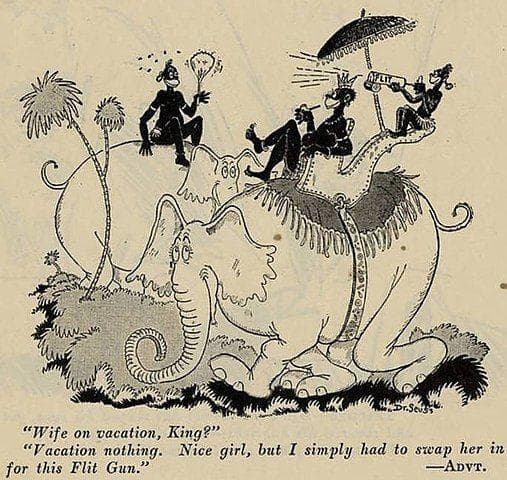
    Dr. Seuss wrote his favorite book, The Lorax, while watching a herd of elephants pass by in Kenya. Some time later, he told a reporter that the book "is about people who raise hell in the environment and leave nothing behind." So it may come as a surprise to learn that Dr. Seuss kickstarted his career with a project that used racist and xenophobic depictions to campaign for an environmentally damaging company. Before his first book was ever released, Dr. Seuss created an illustration about a medieval knight who attempts to use a pesticide called Flit to rid a dragon from his room. The wife of the executive whose company owned Flit saw the illustration and urged her husband to hire Seuss for Flit's pesticide campaigns. Several of the ads Seuss drew were also quite racist, including ads for Flit pesticide that featured caricatures of Black people. In most cases, the racism had little to do with the product itself, and seemed to be added as a base attempt at humor.

    0% upvoted
  8. 8

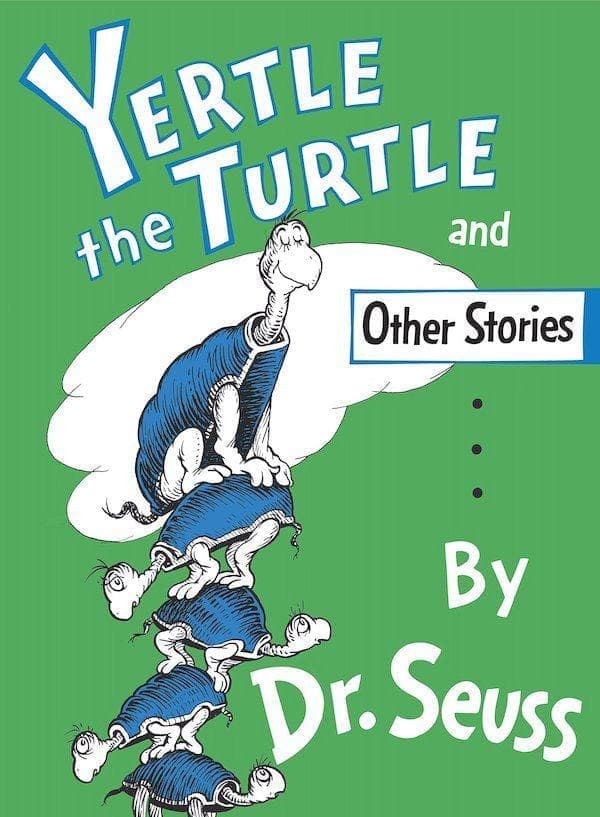
    'Yertle the Turtle' Was About Hitler, But It Was Controversial For A Different Reason

    Many know that Yertle the Turtle, one of Dr. Seuss’s most popular books, is actually a thinly veiled allegory for the rise of Adolf Hitler in Germany. However, that’s surprisingly not the reason the book was initially controversial. Publishers were far more squeamish about the fact that Yertle’s mighty turtle stack was ultimately toppled by a belch, since depicting bodily functions was usually a no-no at the time. Seuss was ultimately allowed to keep the burp in the book.

    0% upvoted
  9. 9

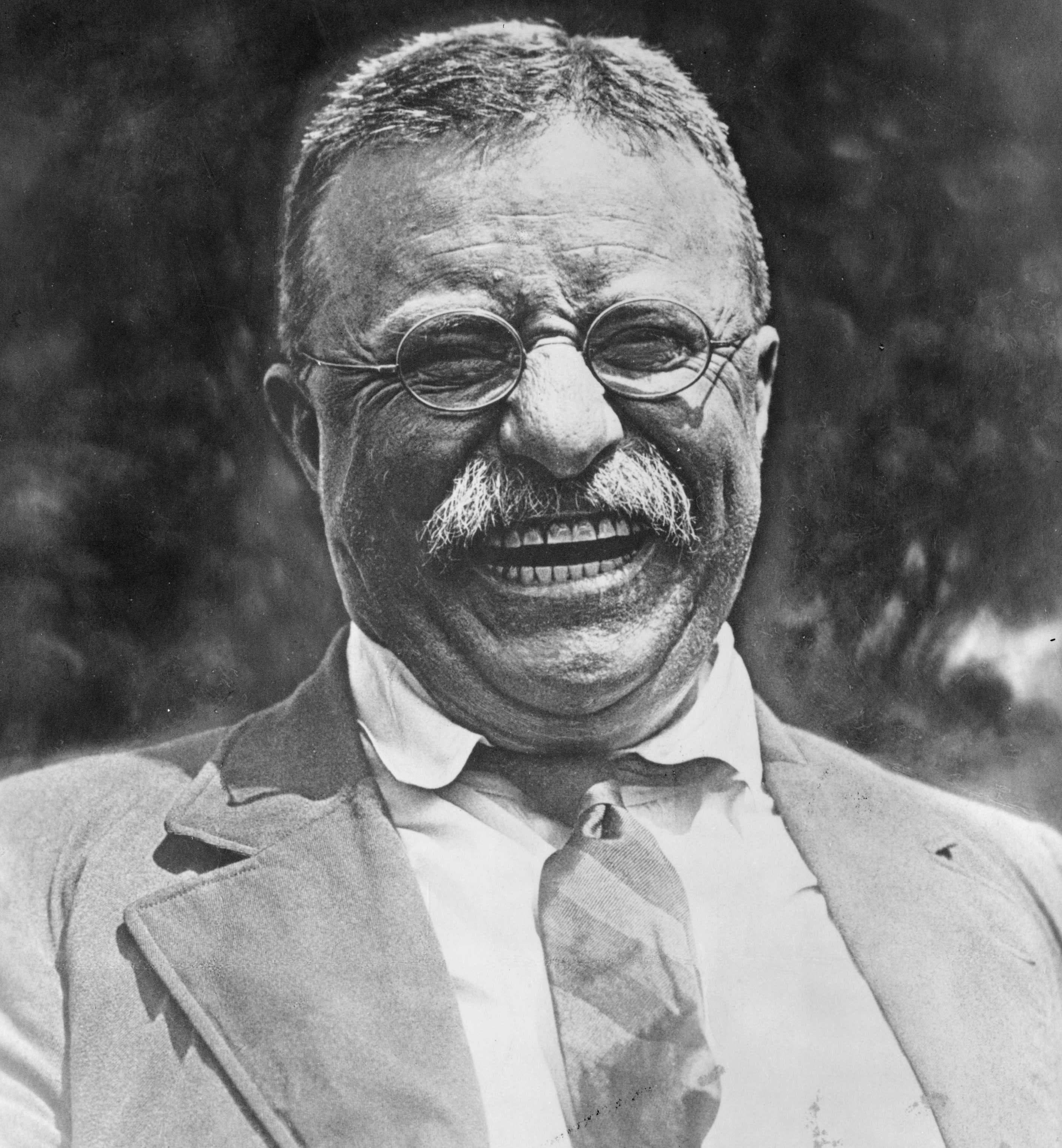
    His Troubles Started When He Was Publicly Embarrassed By Teddy Roosevelt

    When Theodor Geisel was a child, he was scheduled to be honored as one of the top-sellers of war bonds among the Boy Scouts, along with nine other boys. The Scouts were to be honored by President Theodore Roosevelt, but Roosevelt was only given nine awards to present. When Geisel, who was 10th in line, reached the front, President Roosevelt shouted, “What’s this boy doing here?” A mortified young Geisel was hustled off the stage, and developed a lifelong fear of crowds and people in general.

    0% upvoted
  10. 10

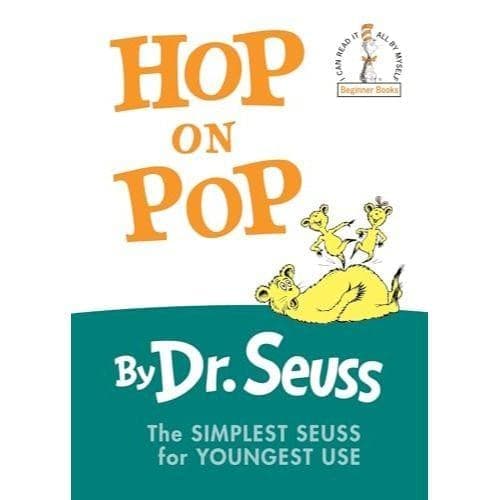
    He Tried To Slip The Word 'Contraceptive' Into 'Hop on Pop'

    Throughout his career, Dr. Seuss occasionally attempted to cross over into more adult-oriented themes. In his first draft of Hop on Pop, Seuss included a scene where the bear cubs shout out a number of phonetic chants, like “Con Stan Tin O Ple,” “Kan Ga Roo,” and “Con Tra Cep Tive.” His publishers made him cut it out of the final edition.

    0% upvoted