Skip to content
maxnews
Film

Biggest Changes Film Adaptations Made To Literary Classics You Read In School

Books' film adaptations can be many things: they can be terrible, they can be loved by the writer, or they can use the title and invent everything else. Usually, these adaptations change some parts of the book to either streamline the story or because they feel audiences won’t like it for being dark, sad, scary, or just confusing. Here are some of the biggest, most controversial changes made by films adapting some of the literary classics people read in school. Which are the biggest changes of them all?

Entries
10
Votes
487
Updated
3 days ago

Tap upor downto vote. Your vote is added to Ranker's counts.

Voting identifies your browser with an anonymous fingerprint, stored only as a salted hash, to count one per visitor. Privacy

Source: Ranker, ranked by its voters.

  1. 1

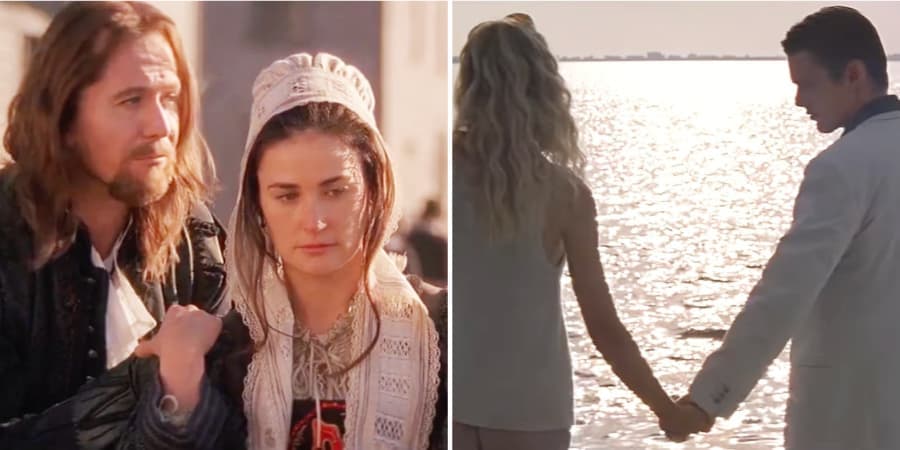
    The Opening Timeline And The Fates Of The Main Characters Are Completely Different In 1995’s ‘The Scarlet Letter’
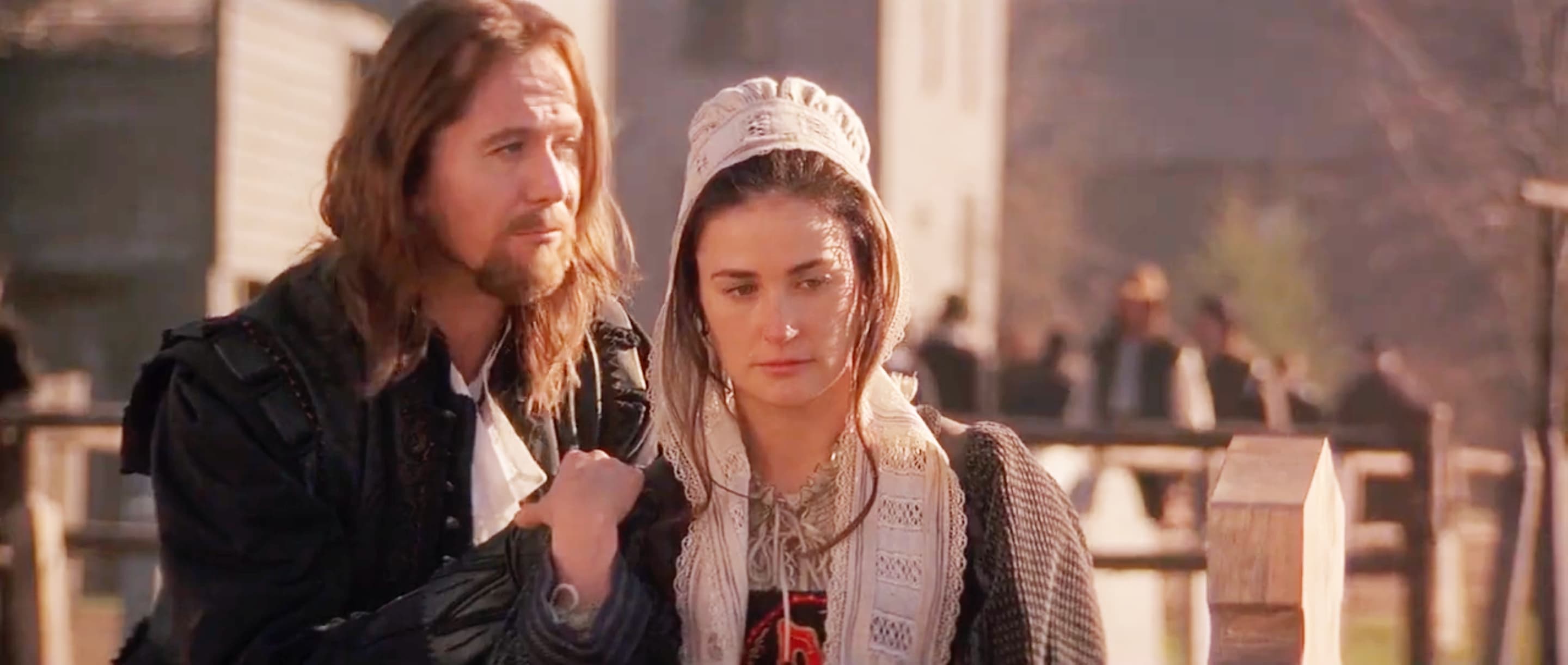
    What everyone remembers about The Scarlet Letter is that its protagonist, Hester Prynne, must always wear a Scarlett “A” letter (for adultery), as a punishment for getting pregnant out of wedlock. The book starts during the punishment, while the movie begins much earlier, when Prynne arrives in town. Audiences also see how Prynne meets Minister Dimmesdale, and how they don’t engage in a carnal relationship until news of her husband's death. Unfortunately for Prynne, the town doesn’t react well to her getting pregnant and wants to know with whom she slept. The film follows most of the book's beats until the end, as it gives Prynne and Dimmesdale a happy ending where he doesn’t die and they leave town together. Director Roland Joffé changed the ending because he felt that: (Book writer Nathaniel Hawthorne) felt there needed to be punishment. But I felt that his inner story was a hymn to the redemptive power of love, and I knew when I started this project that I was not going to punish Hester and Arthur.
    99% upvoted
  2. 2

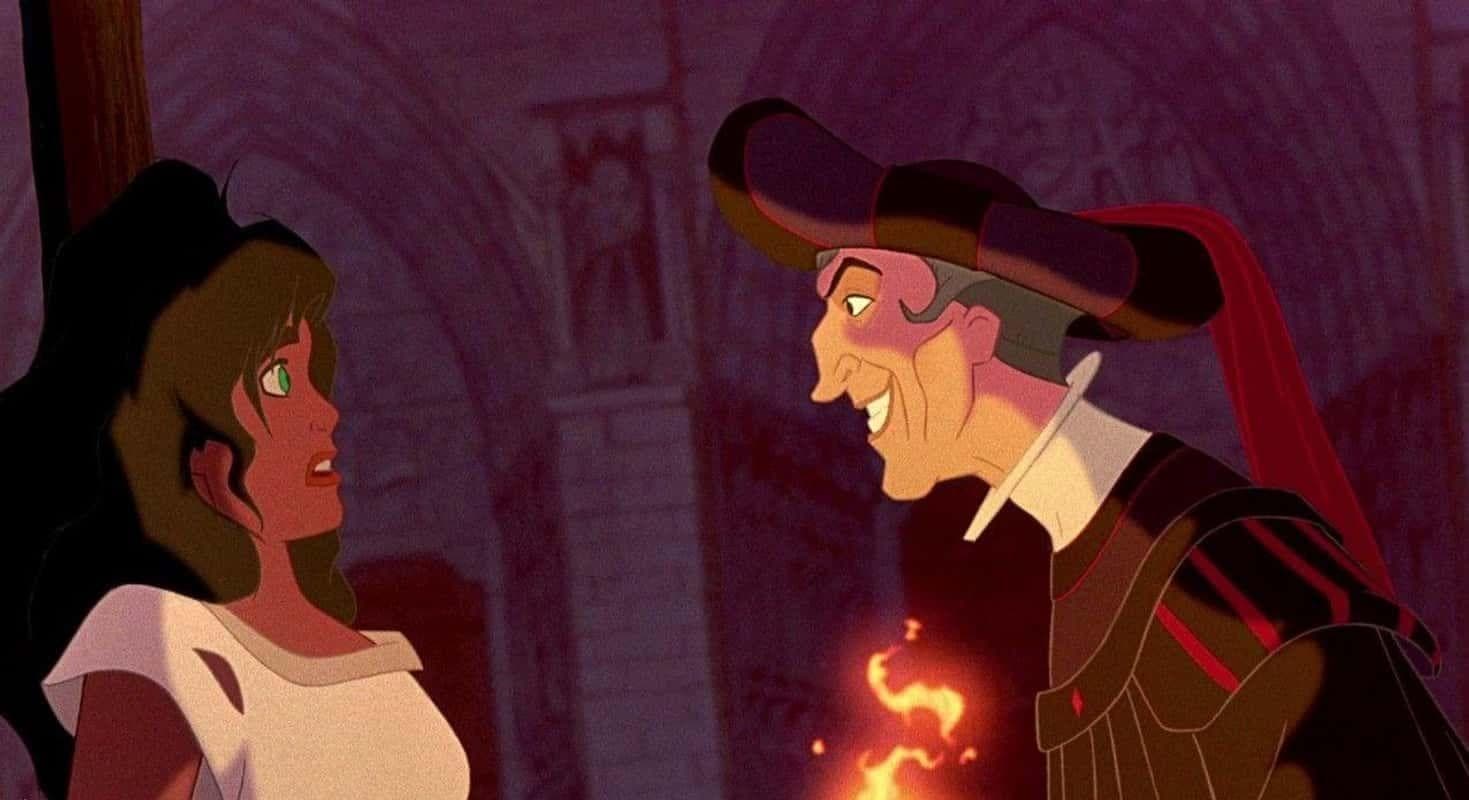
    Disney’s Version Of Victor Hugo’s ‘The Hunchback Of Notre-Dame’ Ended Without Esmeralda Being Hanged, And What Happened To Her Body

    Victor Hugo’s The Hunchback of Notre-Dame is a dark book, with philandering, lots and lots of deaths, and a Quasimodo who is mute and deaf. The Disney version is for kids, and as such has many more songs, living gargoyles, and a happy ending where the city of Paris loves and accepts Quasimodo. The difference in tone is especially shown with Esmeralda’s ending. In the book, Frollo gives her a choice: run away with him or die, and she chooses the latter, as she’s heartbroken after watching her long-lost mother die and Phoebus has just broken up with her. So she’s hanged. When Quasimodo finds out, he kills Frollo and disappears. Years later, his bones are found hugging Esmeralda’s. The changes make perfect sense for a kids movie, as that ending wouldn’t be very Disney.

    95% upvoted
  3. 3

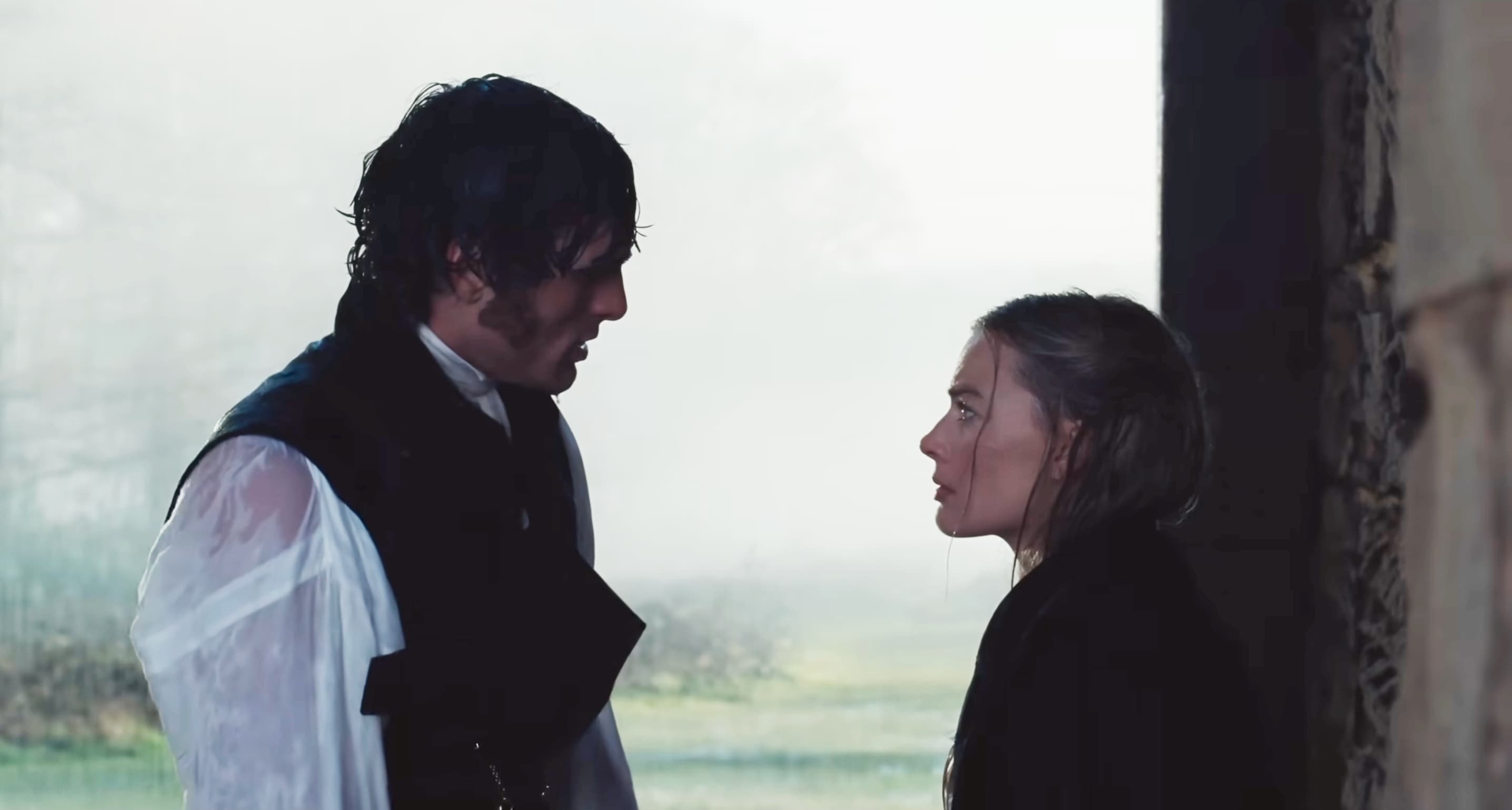
    There Are No Sex Scenes In Emily Brontë’s ‘Wuthering Heights,’ But Plenty In The 2026 Movie Adaptation

    Emily Brontë’s book is not steamy. It’s tragic, gothic, almost asexual - in fact, the star-crossed lovers Cathy and Heathcliff are soulmates, no sex needed. When society doesn’t allow them to marry because he’s poor, things become tragic and toxic, and with time love becomes obsession, and its beauty becomes withering. The movie has some of those elements, but it’s not interested in the yearning, but the lust between Cathy and Heathcliff, especially once she’s married Edgar, showing them having sex numerous times (there’s also a scene with the servants having S&M sex, for some reason). Director Emerald Fennell has said the film is inspired by how she felt reading the book when she was 14, so it makes sense that the yearning, in her eyes, involved lust. In turn, it logically follows that one of the things she was interested in adapting was creating this much more sexually forward version.

    88% upvoted
  4. 4

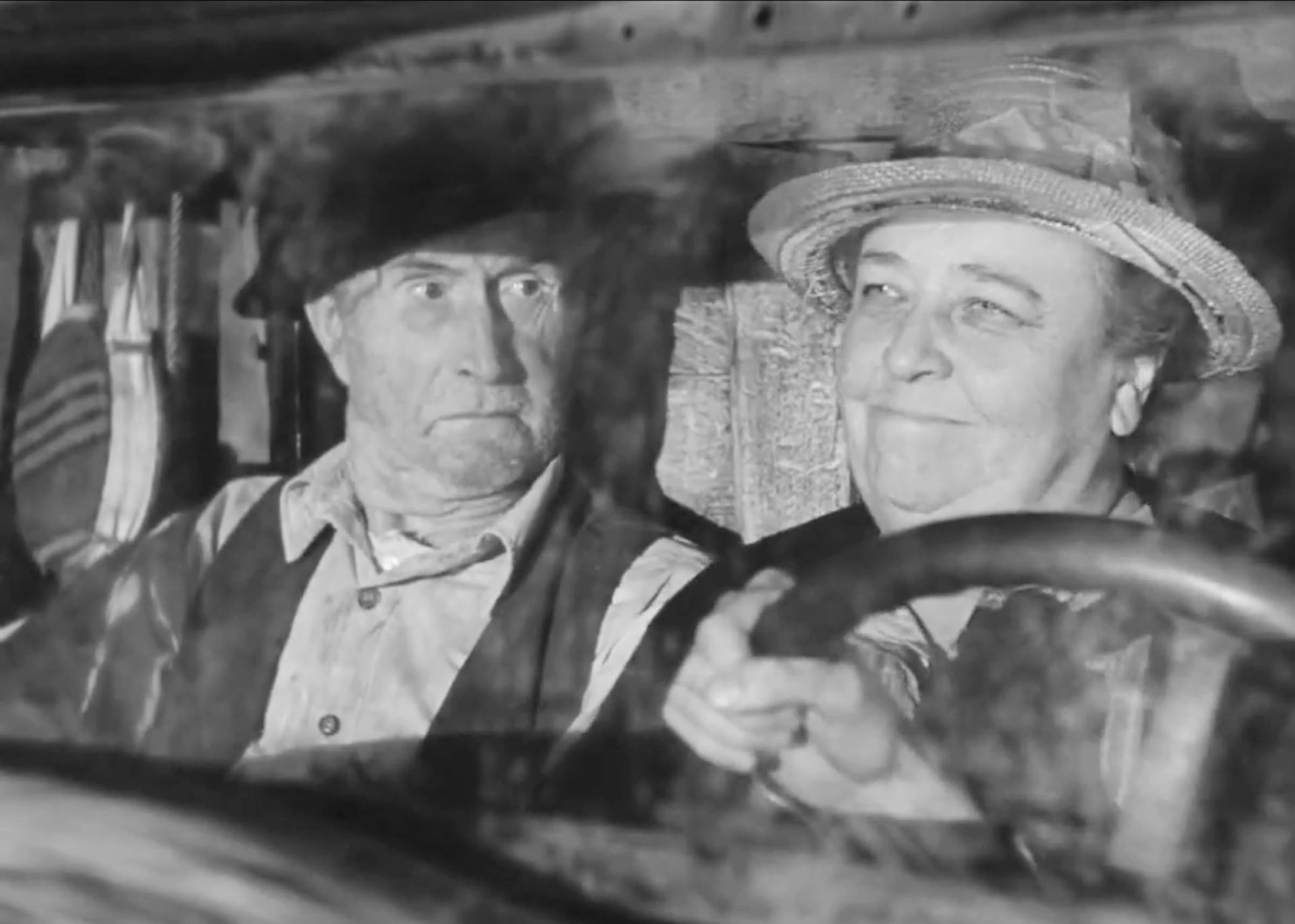
    John Ford’s ‘The Grapes Of Wrath’ Film Leaves Out Bleak Events Like The Stillborn Birth And Barn Scene

    John Steinbeck Grapes of Wrath it’s a pretty depressing book with a unique ending, for which the author himself had to fight for. The ending shows that, after Rose of Sharon’s baby is a stillborn, the Joads’ family founds a boy and his father, who is dying of starvation, in a barn. Rose of Sharon shares a look with her Ma and has the father drink her breast milk, so he won't die. It was always a shocking final chapter, one that many people disliked, as it made them uncomfortable. With that in mind, it makes sense that the film decided to end differently. The studio, the screenwriter, and the director John Ford all decided on another kind of ending, one that would still respect the story and the spirit of the book, without weirding out most of the audience. The film’s ending, where Ma and Tom share one last conversation and she tells him they will “go on, because we the people” is much more optimistic, leaving the audience with the sense that with hard work, people will always prevail.

    86% upvoted
  5. 5

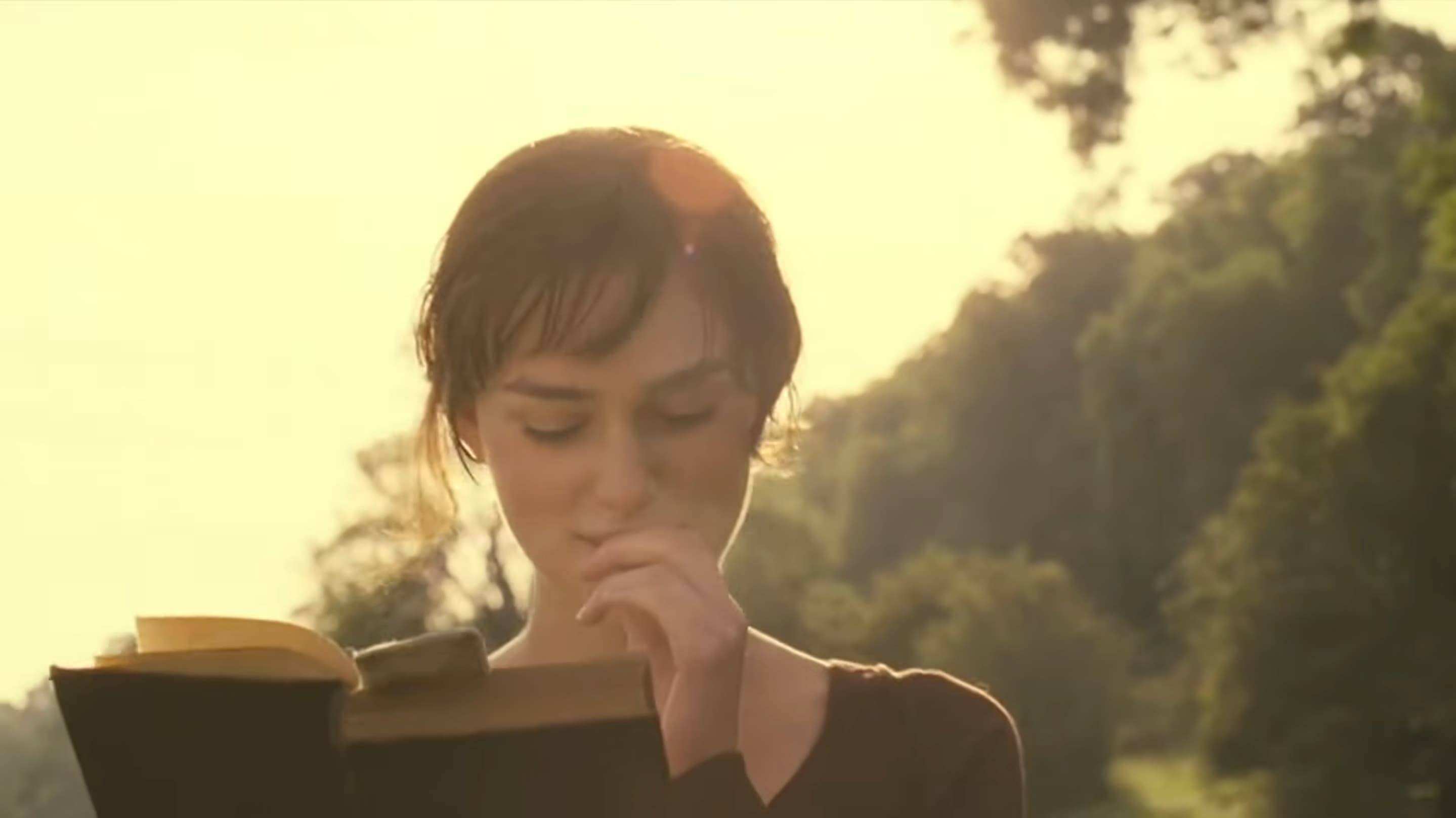
    The Bennets In Jane Austen’s ‘Pride & Prejudice’ Are Not Poor And Low-Class Like The 2005 Movie Depicts Them To Be

    In the book, Mrs Bennet is looking to marry her five daughters to secure their futures, yet it’s because that’s what women had to do back then, not because they’re low class. The film adds the complication of being poor and low class to the story so that there’s more conflict; it’s not only about getting married, but also about improving the family (and the rest of the sisters’ futures) by marrying into a better class and status. As Roger Ebert writes in his review about the Bennet's mother: She may seem unforgivably obsessed with money, but better to be obsessed with money now than with poverty hereafter.as their mother prefers to be obssesed with money. This development also makes the fact that Elizabeth is stubborn, says what she thinks, and wants to marry for love much more problematic, as she might be much more difficult for her to get a marriage proposal. As director Joe Wright puts it: If we depicted an earthbound environment, Elizabeth's aspiration for romantic love would seem more heroic. Her feet are in the mud while she's reaching for the stars.

    85% upvoted
  6. 6

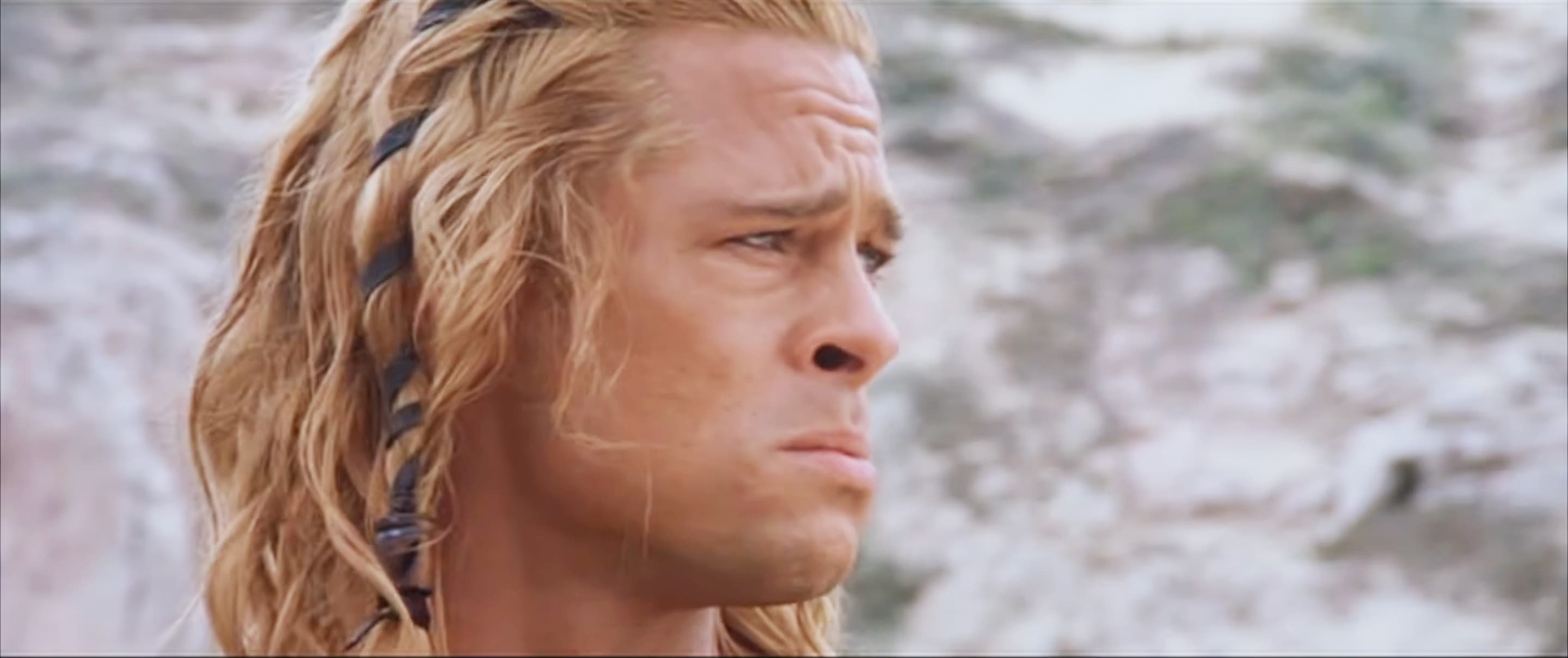
    Unlike In Homer’s ‘Iliad,’ No Physical Representations Of The Gods Can Be Seen In ‘Troy,’ And There Was No Implication Of Romance Between Achilles And Patroclus

    The Iliad tells the ten years of war between Troy and the Greeks. That war was aided by gods on both sides, who continuously intervene, saving characters like Paris from being killed by Melenaus or weakening Patroclus (who in the movie is said to be Achilles' younger cousin and not his lover) so that Hector can kill him. Troy doesn’t show the Gods' participation, probably to simplify the story for audiences, and to make the characters owners of their actions. As said before, the movie says that Patroclus is Achilles' cousin, making the warrior’s grief over his cousin’s death all about family, and not about the fact that, although it’s not literally said in the poem, it’s implied massively that they were a couple, who shared a tent, and wanted to be entombed together in a single urn. Being 2004, the studio probably didn’t want to make the film’s star a queer character for fear of losing box office money, so they made Patroclus a cousin and made Achilles bed Briseis, a Trojan princess instead.

    85% upvoted
  7. 7

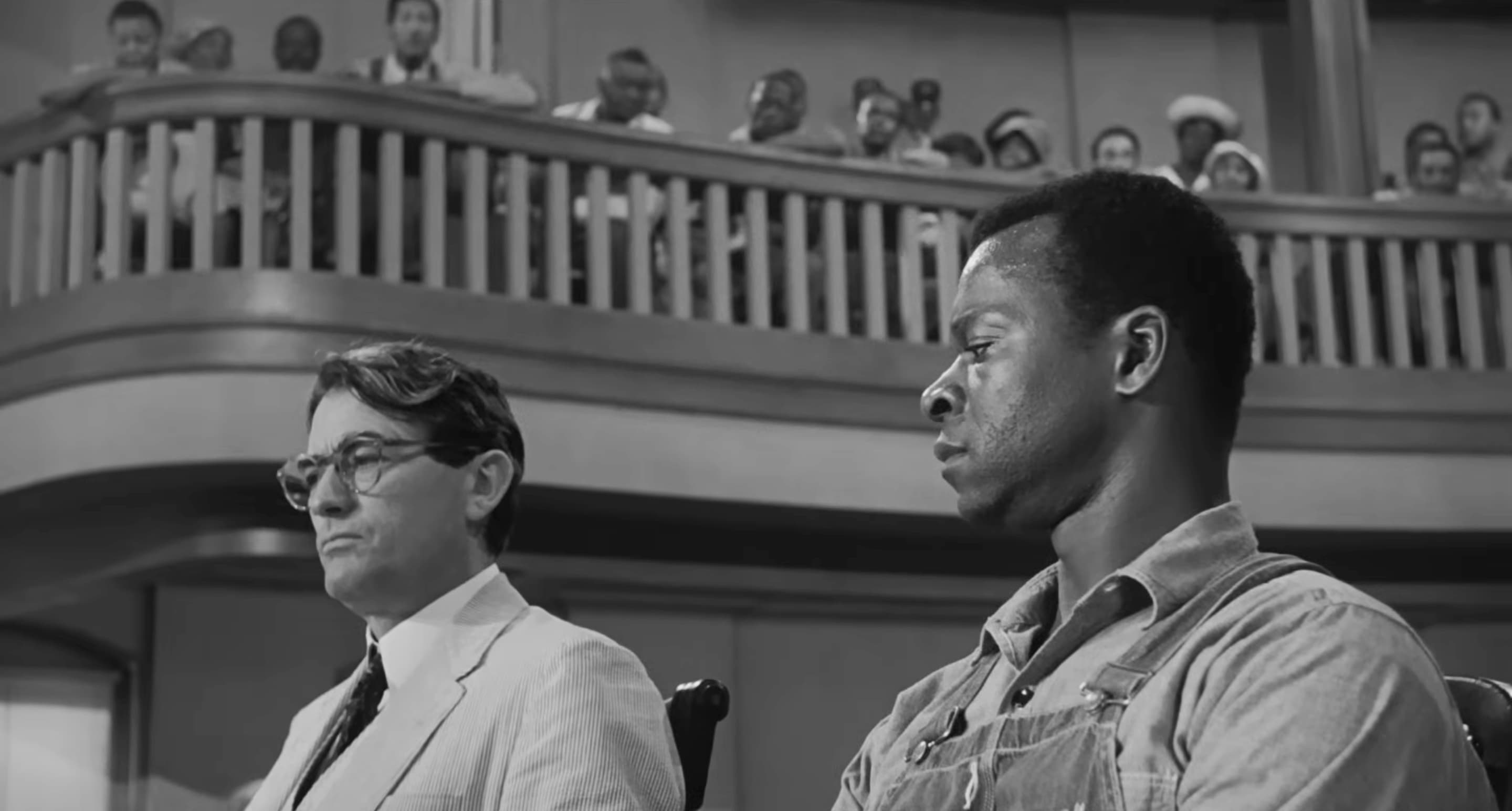
    Harper Lee’s ‘To Kill A Mockingbird’ Emphasizes Themes Like Gender, Poverty, And Race, But The Movie Focuses On The Latter

    Harper Lee’s book is about life in the South, but it’s written from the point of view of Scout, a six-year-old girl. The book is about one of her father’s cases, but also about how she’s a tomboy who hates wearing dresses and worries about becoming a Southern lady. The story is also fixated on the differences between those who have money, those who don’t, and how they feel about it. The film, instead, is much more focused on the trial, giving the most important role to Scout’s father, Atticus Finch, the lawyer, trying to prove a black man’s innocence after he’s been accused of raping a white woman. When the movie was released, racism was a much bigger subject than gender identity, so it makes sense that it got prioritized and made the film's unique plot. As Roger Ebert said on his review of the film: To Kill a Mockingbird, set in Maycomb, Alabama, in 1932, uses the realities of its time only as a backdrop for the portrait of a brave white liberal.

    85% upvoted
  8. 8

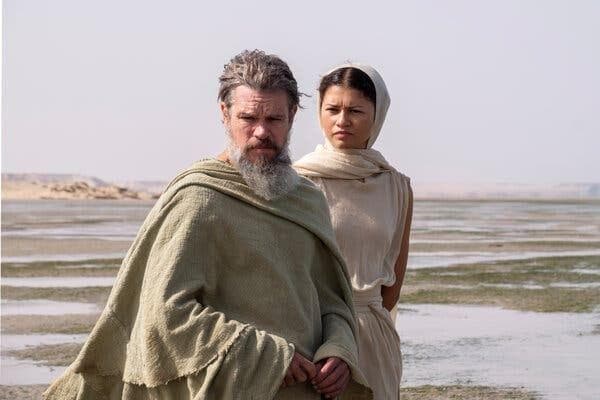
    Explicit Sex And Gruesome Violence Found In Homer Was Left Out Of Christopher Nolan’s ‘The Odyssey’

    The Odyssey poem was told over generations, and that was not only because it was an incredible story about how Odysseus got home, but perhaps because there was a lot of sex and violence to titillate the audience hearing it. In the poem, Odysseus is instructed by Hermes to go to bed with Circe to save his men. Later, Odysseus is Calypso’s captive, forced to sleep with her every night for seven years. The implication is that they do more than just sleep. Once Odysseus finally returns home and his identity is revealed, he and Penelope "had their fill of love" for each other in the bed he built for them. There’s also a lot more killing and assaulting of women by his troops, and execution of the household women who weren’t loyal to Penelope. Nolan has never been particularly interested in sex in his films, so it makes sense he doesn’t show any of this, centering much more on Odysseus's PTSD. Killing women would also have made the character difficult to root for, so it’s dispensed with Penelope leaving Melantho to die when the suitors are being killed.

    81% upvoted
  9. 9

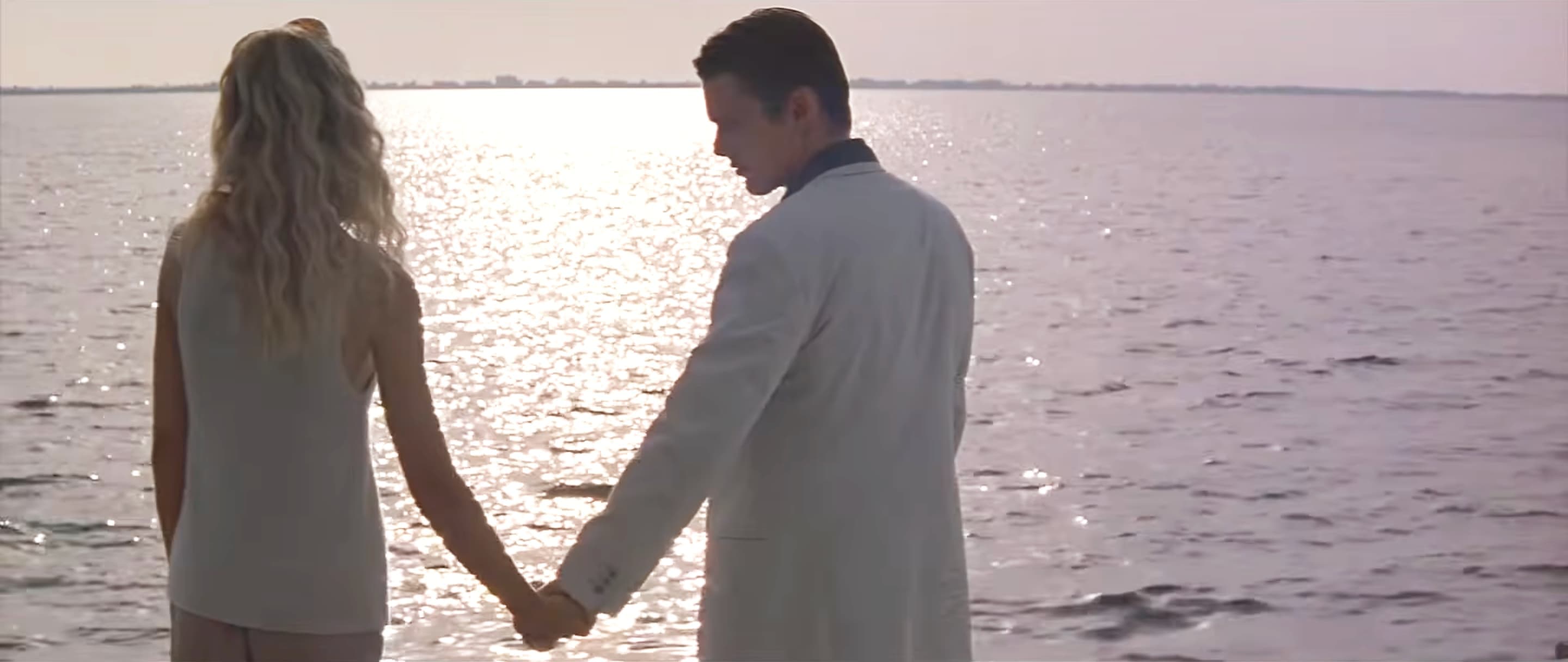
    1998’s ‘Great Expectations’ Makes Estelle Much More Likeable Than Charles Dickens’s Character

    In Dickens' story, Pip (called Finn in the movie) is the absolute protagonist, and the book is the story of how he learned how the world really works. In it, Estelle is raised to hate men and make them unhappy, as her adopted mother was left at the altar and never recovered from it. Although the love story is an important part of the book, it’s not the whole point. The 1998 adaptation, led by Ethan Hawke and Gwyneth Paltrow, moves the plot from 19th-century London to contemporary New York, and it’s much more focused on their love story. The character of Estelle was made more likeable during editing, as in the first preview screenings, audiences disliked her. The edits made her more vulnerable, willing to be Finn’s muse, and made her a more rounded character. The film's end is also much less ambiguous, showing that she really loves him and they have a future together.

    82% upvoted
  10. 10

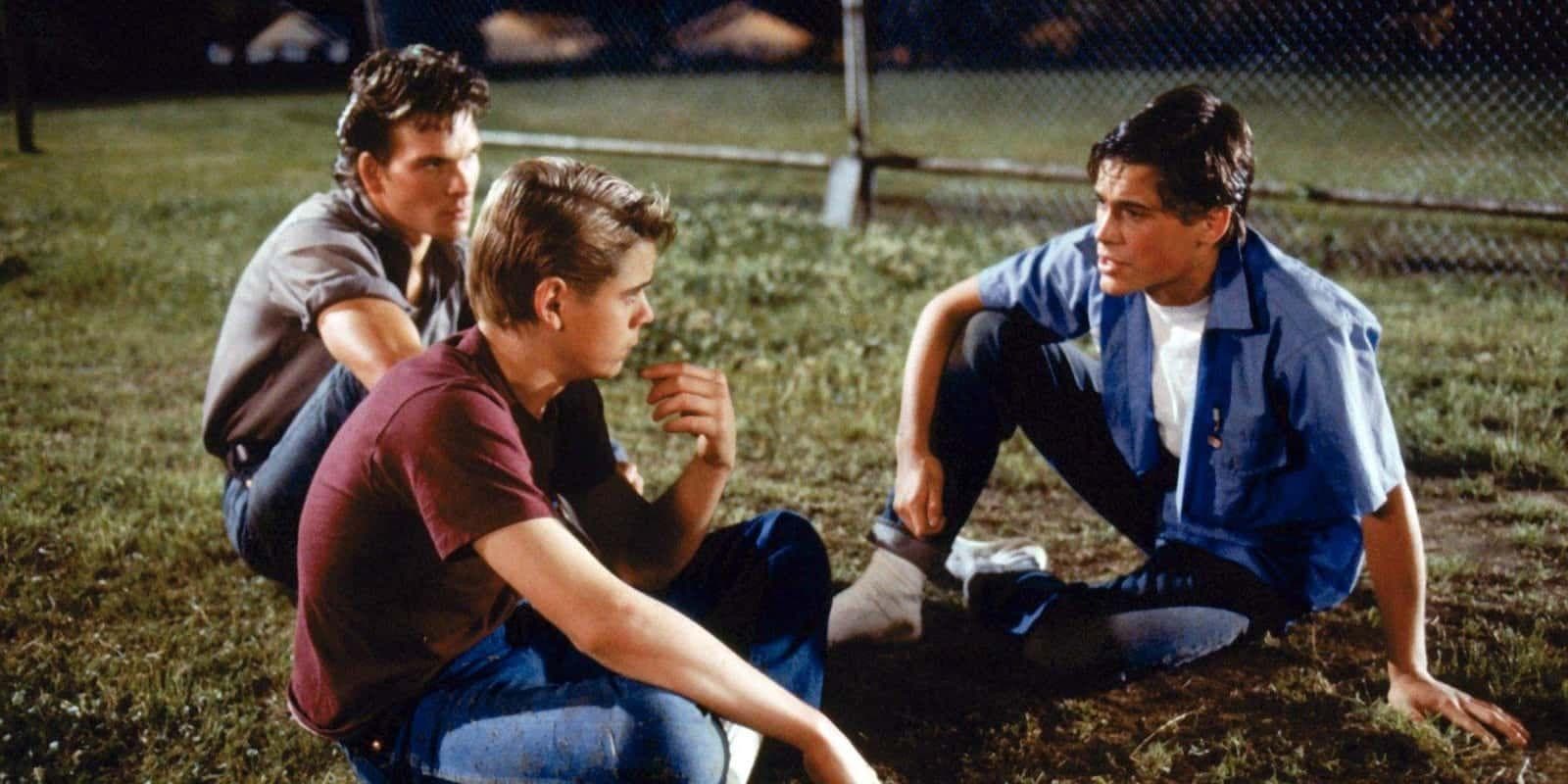
    ‘The Outsiders’ Movie Skips The First Scene Of S.E. Hinton’s Book Entirely

    The Outsiders tells the story of Ponyboy and his friends, the loss of innocence, and what it was like to be a teenager in Oklahoma in the 1960s. In the book, it all starts when Ponyboy is leaving a movie theater after watching a Paul Newman film, and he gets attacked by the “Socs,” a rival gang. He gets rescued by some of his own gang, the greasers, including his two older brothers. The next scene, where he goes to the drive-in theater with his friend Dallas, and Johnny is where the movie starts. Directed by Francis Ford Coppola, he has some incredibly good ideas, like the casting, the saturated colors, and the musical score (composed by his father). That first book scene would’ve made the movie start with a bang. Coppola shot it, but cut it because they were worried about the film’s running time. Surprisingly, that book moment appears in The Outsiders: The Complete Novel, a director’s cut with much more material, including that famous first scene.

    77% upvoted