Skip to content
maxnews
Rankings

Artifacts From The Ancient World That Made Us Say 'Whoa'

Outside of a time-traveling phone booth or souped-up DeLorean, ancient world artifacts are the best way to connect with the past. By examining the craftsmanship of these tools, games, and curios, we can gain an understanding of what mattered to ancient peoples - what they valued; how they played; and where they lived, worked, and passed from this mortal coil. Some of the famous and ancient world artifacts below have been spectacularly preserved from the ravages of time, and others look like ordinary rocks or hunks of wood, but are incredibly valuable to the historical record.

Entries
16
Votes
29.1K
Updated
6 days ago

Tap upor downto vote. Your vote is added to Ranker's counts.

Voting identifies your browser with an anonymous fingerprint, stored only as a salted hash, to count one per visitor. Privacy

Source: Ranker, ranked by its voters.

  1. 1

    The Antikythera Mechanism (c. 200-1 BC)
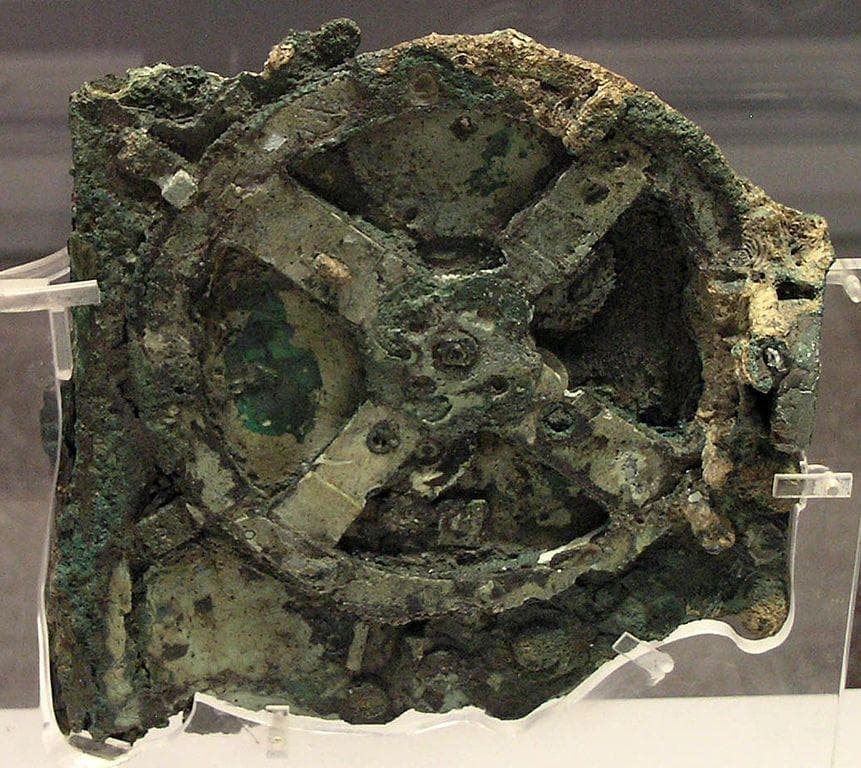
    When it was first discovered at the beginning of the 20th century, the Antikythera Mechanism baffled archaeologists. It was a confusing muddle of modern-looking gears that had been resting at the bottom of the ocean for 2,000 years. Conspiracy theorists claimed it was evidence of a smashed alien vessel, while others thought it was a long-lost piece of Atlantean hardware. One investigator dubbed it an "ancient Greek computer," and time has proven that somewhat accurate. It is now believed the mechanism was a kind of astronomical calculator. X-ray imaging and CT scans have revealed the device's interlocking gears were used to track the movement of the sun, moon, and planets visible to the naked eye. Inscriptions describe the dates when particular stars rise and set, and a dial on the back tracked lunar and solar eclipses.
    97% upvoted
  2. 2

    The Rosetta Stone (c. 196 BC)

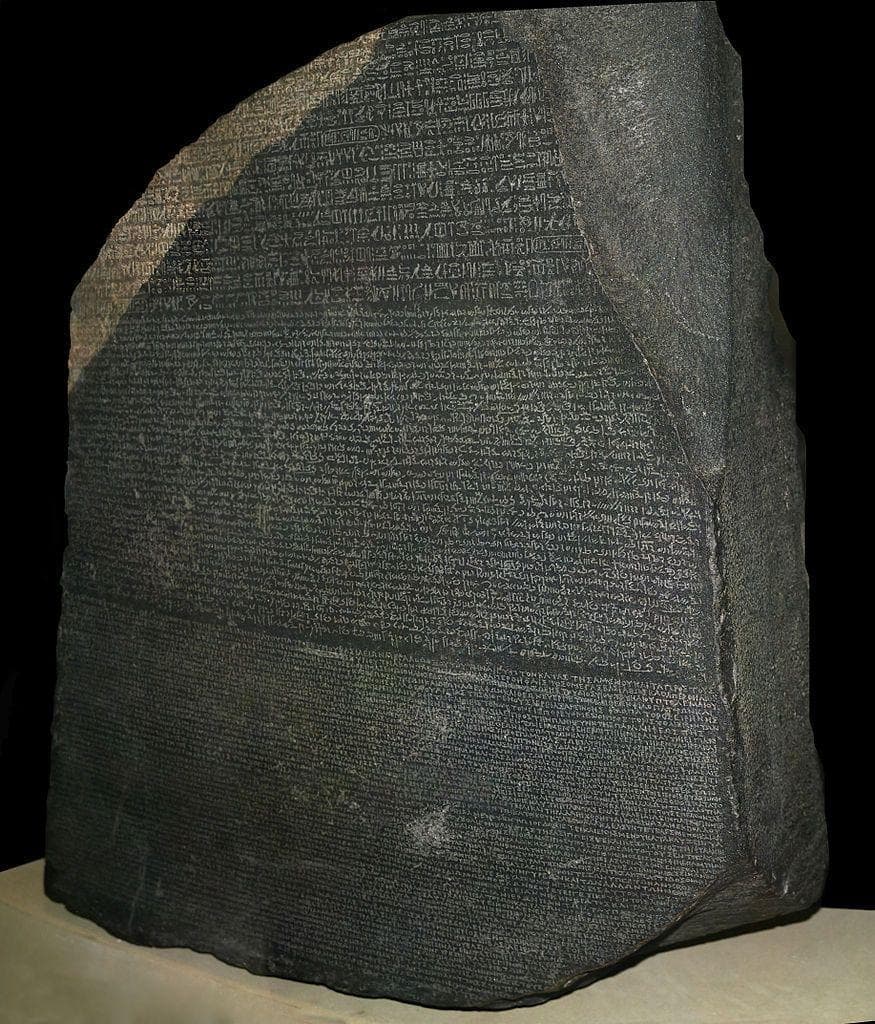
    This giant slab of basalt is where the Rosetta Stone language-learning program gets its name. Discovered by Napoleon Bonaparte's army in 1799, the slab contains a decree from King Ptolemy V (r. 204-181 BC) written in three different languages: Egyptian hieroglyphic, Egyptian Demotic (the "language of the people"), and ancient Greek (the language of Egypt's Greco-Macedonian rulers). As the British Museum explains: The importance of [the Rosetta Stone] to Egyptology is immense. When it was discovered, nobody knew how to read ancient Egyptian hieroglyphs. Because the inscriptions say the same thing in three different scripts, and scholars could still read Ancient Greek, the Rosetta Stone became a valuable key to deciphering the hieroglyphs.

    96% upvoted
  3. 3

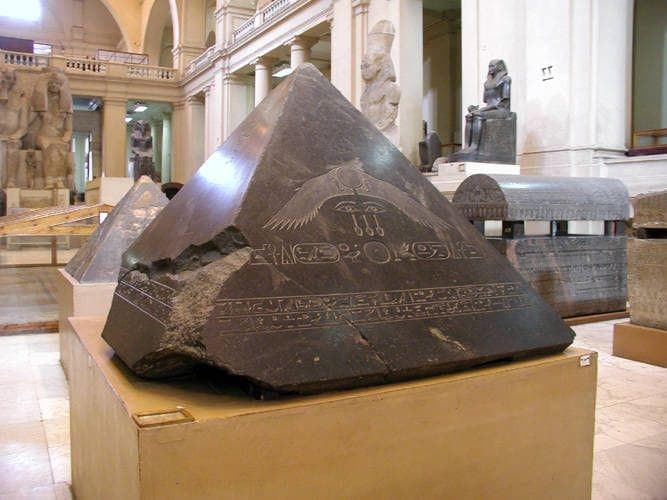
    The Pyramidion Of The Black Pyramid Of Dashur (c. 1820 BC)

    Pyramidions were created to be the capstones of ancient Egyptian pyramids, and few have survived into the present day. This pyramidion was found in the rubble near the Pyramid of Amenemhat III at Dashur, which is sometimes referred to as the Black Pyramid. Not much remains of the Black Pyramid today, due to poor construction methods that doomed the structure from the beginning. The granite pryamidion, however, is in relatively good shape, and its four sides still bear legible inscriptions. It is currently housed in the Egyptian Museum at Cairo.

    97% upvoted
  4. 4

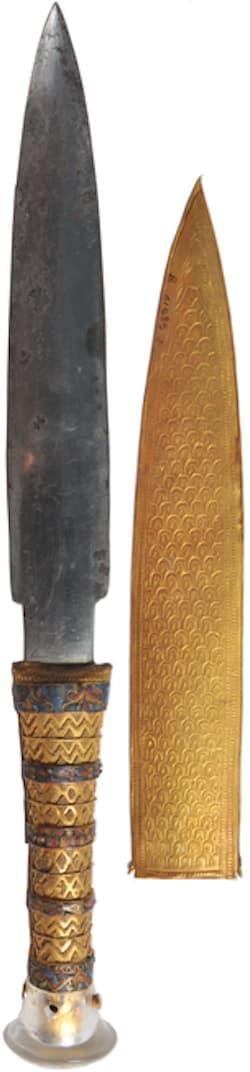
    King Tut's Meteorite Dagger (c. 14th Century BC)

    King Tut's iron dagger was one of two blades hidden in the ancient pharaoh's mummified wrappings, along with another dagger made of gold. Interestingly, at the time of Tut's demise (c. 1323 BC), iron was actually more valuable than gold due to its rarity. It is believed that most iron objects excavated from Egypt's Old Kingdom period were created from meteoric metal, or "iron from the sky." According to recent findings, the King Tut dagger's composition of iron, nickel, and cobalt "strongly suggests an extraterrestrial origin."

    96% upvoted
  5. 5

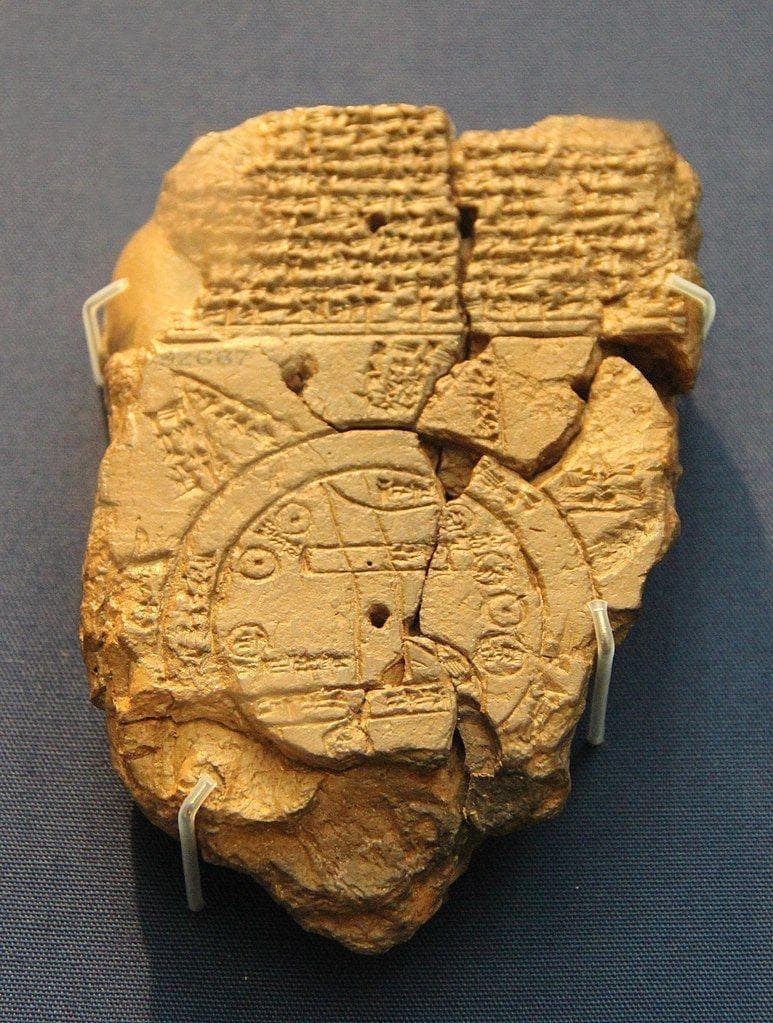
    Babylonian Map Of The World (c. Sixth Century BC)

    This clay tablet, dated to approximately 700 BC, depicts the world as a disc surrounded by a ring of water called the "Bitter River." Small circles indicate cities or districts, including Assyria and Der, and the rectangle on the right side of the Euphrates River is Babylon itself. The British Museum has more information on the tablet, including details on the reverse side that describes eight regions beyond the known world, including the underworld.

    95% upvoted
  6. 6

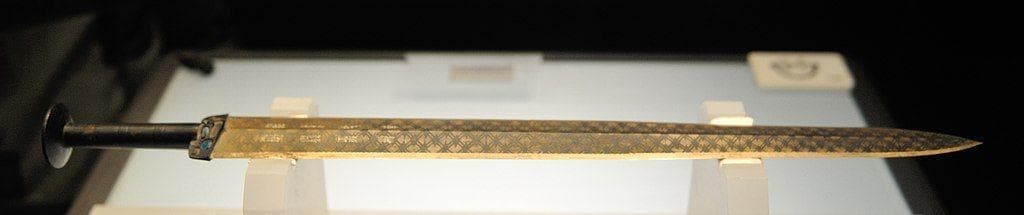
    Sword Of Goujian (c. 771-403 BC)

    Despite being more than 2,500 years old, this Chinese dagger still retains a cutting edge. It was discovered in a tomb in Hubei, China, in 1965, and is believed to date back to the era between 771 and 403 BC. Forged from copper and tin, the blade also contains blue crystals and turquoise. The Metropolitan Museum of Art notes that the eight characters engraved on the blade are an ancient writing called "bird-worm seal script," which reads, "King of Yue... made this sword for [his] personal use."

    95% upvoted
  7. 7

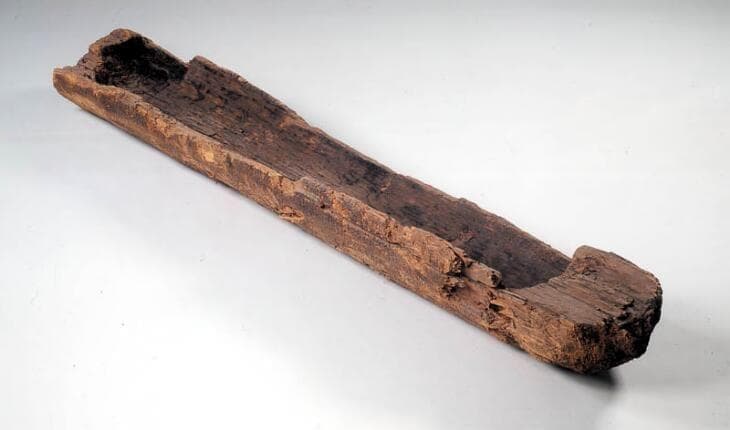
    The Pesse Canoe (c. 8000 BC)

    Believed to be the oldest-known boat in the world, and certainly the oldest canoe in the historical record, the Pesse canoe was discovered in Pesse, a village in the Dutch province of Drenthe, during the construction of a highway. The boat was carved out of a pine log roughly 10,000 years ago. Carbon dating has placed the canoe's construction to the Mesolithic period, between 8040 BC and 7510 BC. A similar boat was discovered outside a village in Nigeria, dated some 2,000 years later.

    95% upvoted
  8. 8

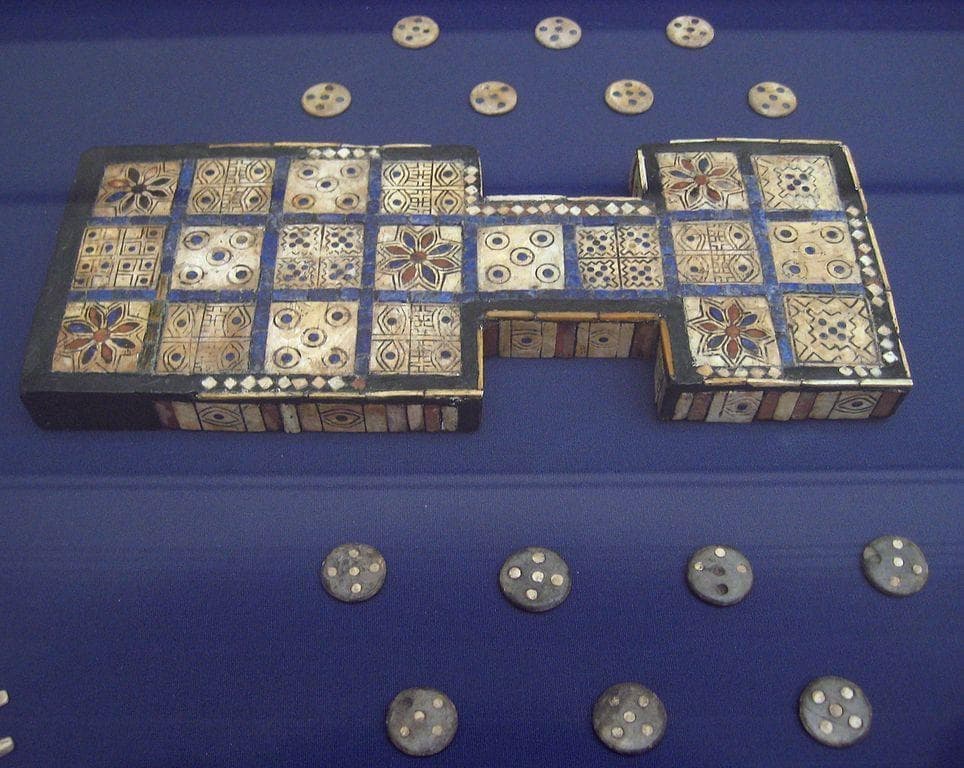
    British Museum Royal Game of Ur (c. 2600-2400 BC)

    Popular throughout the Mediterranean and the Middle East thousands of years ago, the Royal Game of Ur was a popular pastime for ancient peoples. As Irving Finkel, the assistant keeper at London's British Museum in the Department of the Middle East, explains, "There were no entertainments for such a huge period of human existence. In that environment, games had a fantastically strong hold. They reigned supreme." Time sums it up even better: "For centuries, even millenniums, the Royal Game of Ur served as the PlayStation of its day."

    94% upvoted
  9. 9

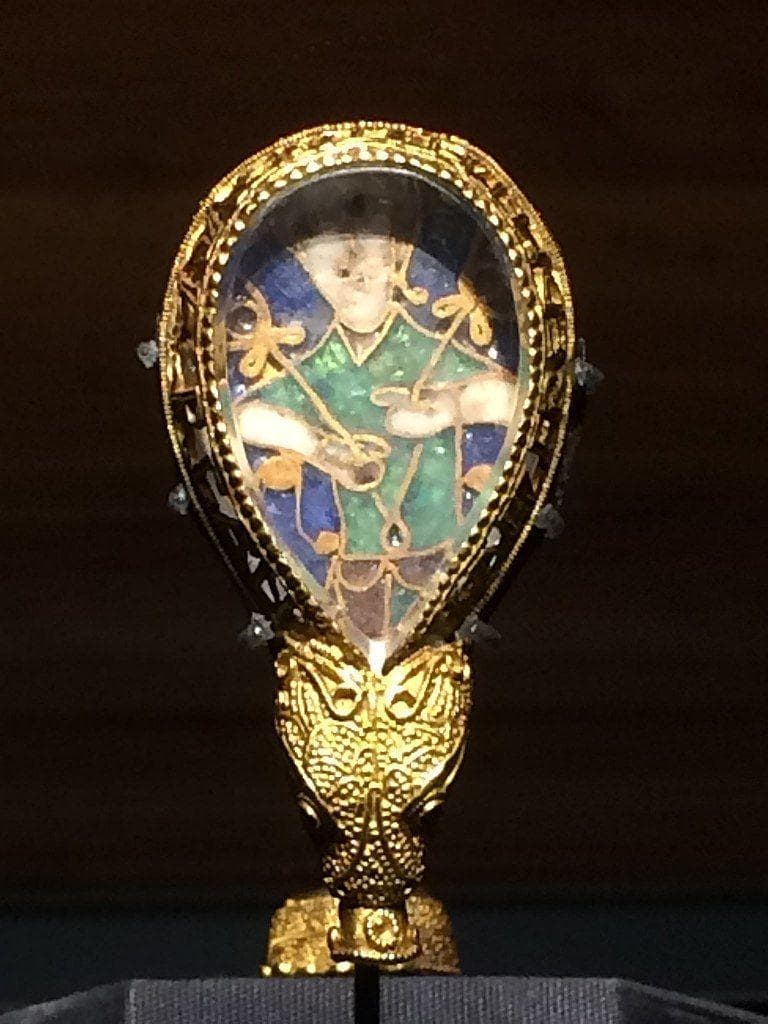
    The Alfred Jewel (c. Ninth Century AD)

    Discovered in a field in Somerset, England, in 1693, this royal relic dates to the reign of King Alfred the Great (871-899 AD) and bears the inscription "AELFRED MEC HEHT GEWYRCAN," or "Alfred ordered me to be made." According to the Ashmolean Museum, the jewel was originally part of an aestel, or pointer, a device used to follow text in manuscripts. A "significant" piece of Anglo-Saxon goldsmithing, the aestel was crafted around a slice of rock crystal.

    93% upvoted
  10. 10

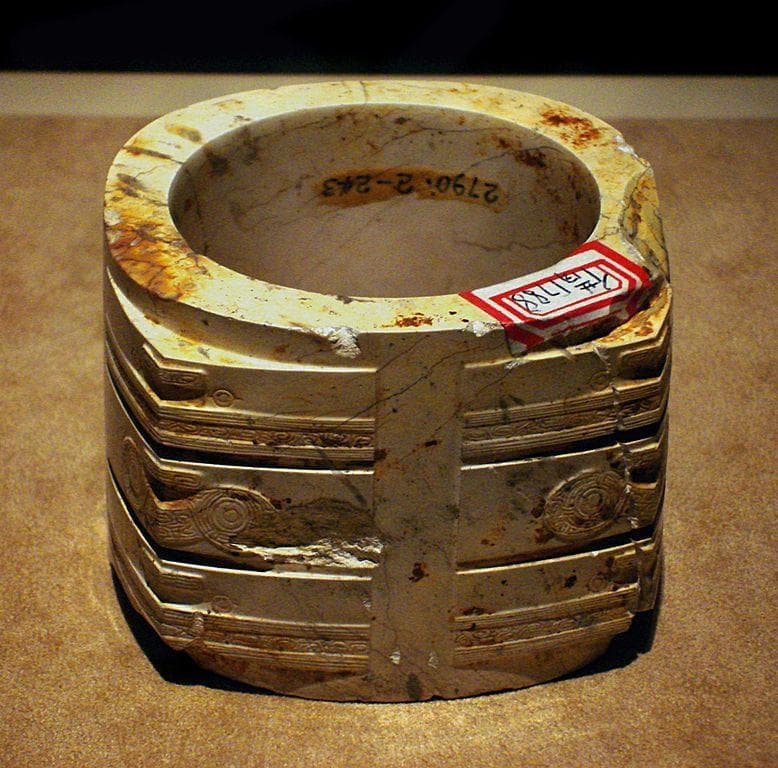
    A Jade Cong From The Liangzhu Culture (c. 3300-2200 BC)

    Living in China's Jiangsu province in the third millennium BC, the Neolithic Liangzhu culture created items out of jade, ceramic, and stone that still exist today. Many "cong" objects have been found, exhibiting a circular inner shape and square outer section, but their use and significance remain mysterious. Several cong have been unearthed in Chinese tombs from the period. Khan Academy describes these objects as "among the most impressive yet most enigmatic of all ancient Chinese jade artifacts." Also, they "were extremely difficult and time-consuming to produce. As jade cannot be split like other stones, it must be worked with a hard abrasive sand."

    92% upvoted