
Baka
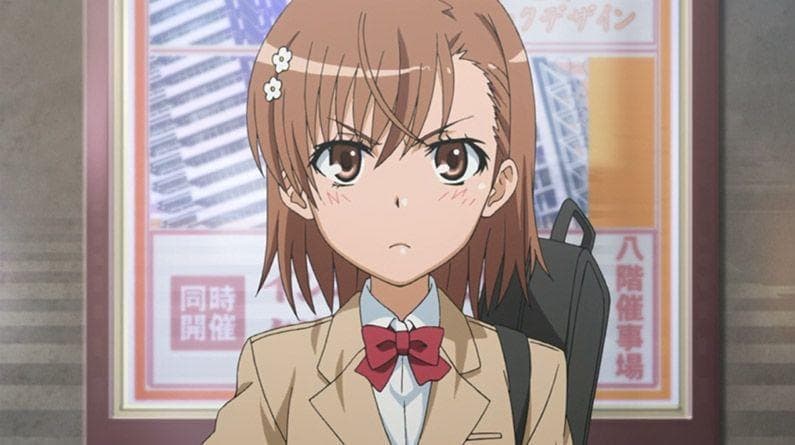
A Japanese word meaning "fool" or "idiot." Usually, this word is used in its own sentence as an insult.
95% upvoted
Ever been in the middle of a heated conversation with an otaku and find yourself stumped over whatever anime terminology they're talking about? Well, you'll never have to scour the web for whatever that otaku jargon meant again because you have your anime dictionary right here. Here, you'll find anime terms and common words that you'll hear at every single convention, so be sure to pay attention to the otaku terminology that you need to know in order to survive out in the nerd world. Get ready to expand your anime vocabulary! This repository includes both Japanese and American super-geek terminology and everything necessary for navigating your way around anime fandom. After all, you don't want to be a lost and confused wannabe weeaboo.
Tap upor downto vote. Your vote is added to Ranker's counts.
Voting identifies your browser with an anonymous fingerprint, stored only as a salted hash, to count one per visitor. Privacy
Source: Ranker, ranked by its voters.
A Japanese word meaning "fool" or "idiot." Usually, this word is used in its own sentence as an insult.

Japanese terminology used as the title for an upperclassman, usually someone who is older. This person is typically a mentor of some sort but is below the rank of sensei. The word can often have a silly or affectionate meaning behind it.

Manga are Japanese comics that are typically read from back to front, and from left to right. When they're localized for the West, they're called graphic novels.

When a person is called sensei, it means that they are a teacher in some form. Most commonly seen in martial arts or classroom settings, the sensei is the person who has a profession or skill that is higher than another. It is also a Japanese term of honor which means one who is born before another.

Otaku is a Japanese term used for a die-hard fan of anything, not just anime. If you're obsessed with something, then you're an otaku.
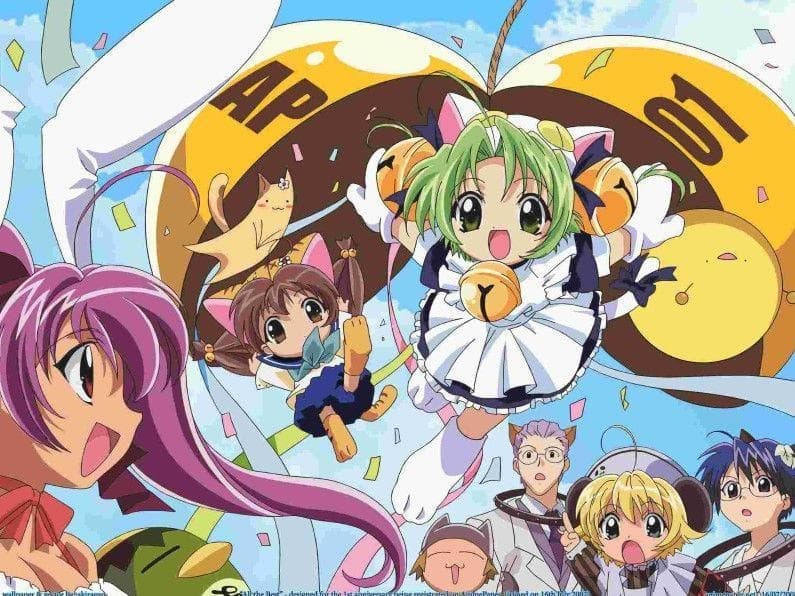
To put it simply, "kawaii" means cute. Since the Japanese word stems from kanji meaning "to love," whatever you find lovely and charming can be considered kawaii.
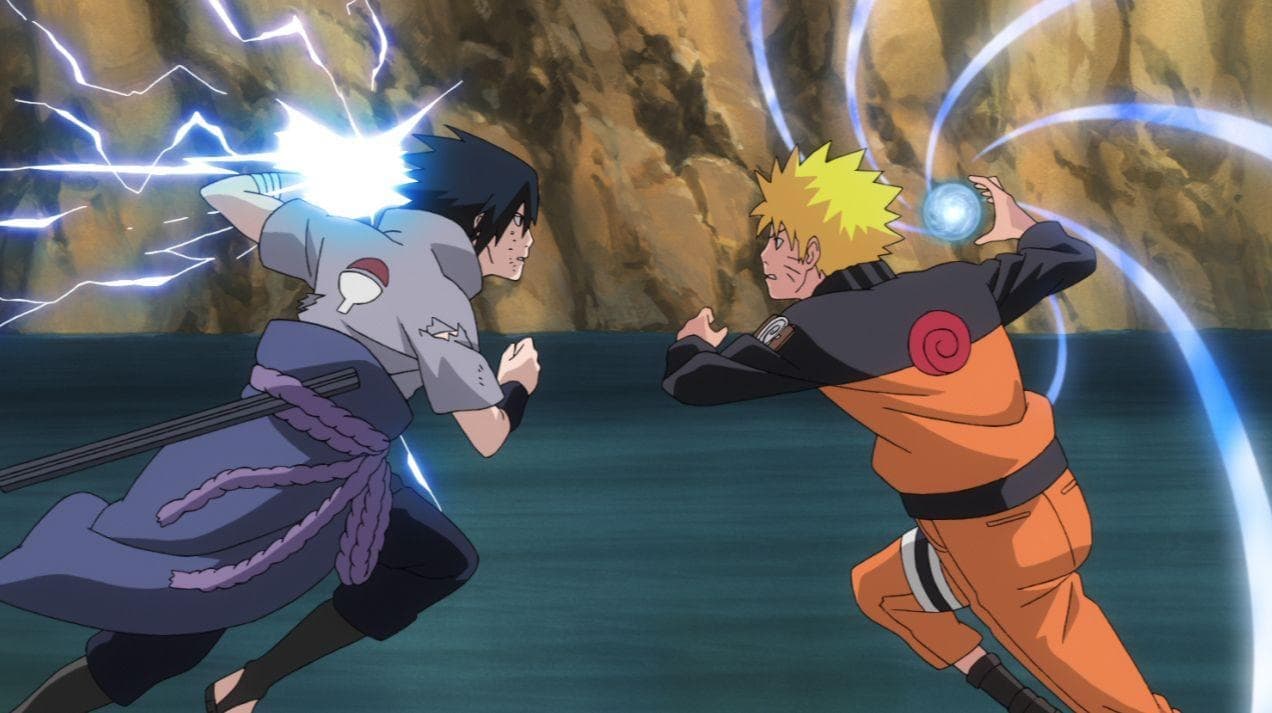
Shōnen, a Japanese word meaning "boy," is also a style of anime and manga that's aimed towards a young male audience, usually between the ages of 8 and 18. The most popular fighting and adventure franchises come from this genre, such as Naruto, One Piece, and Dragon Ball Z.
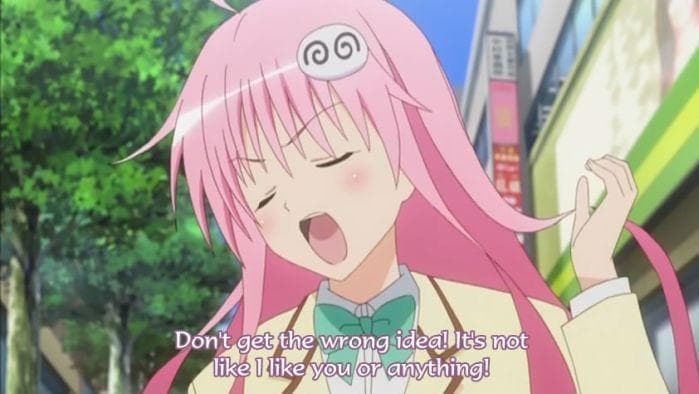
Someone who is originally cold and mean but ends up being a sweet and caring person deep down. Think of a playground bully who ends up confessing their love to you.

Yandere refers to a person who starts out sweet but ends up being obsessive and often violent with their emotions towards people. Their complete devotion to another character becomes deranged, devastating, and destructive.
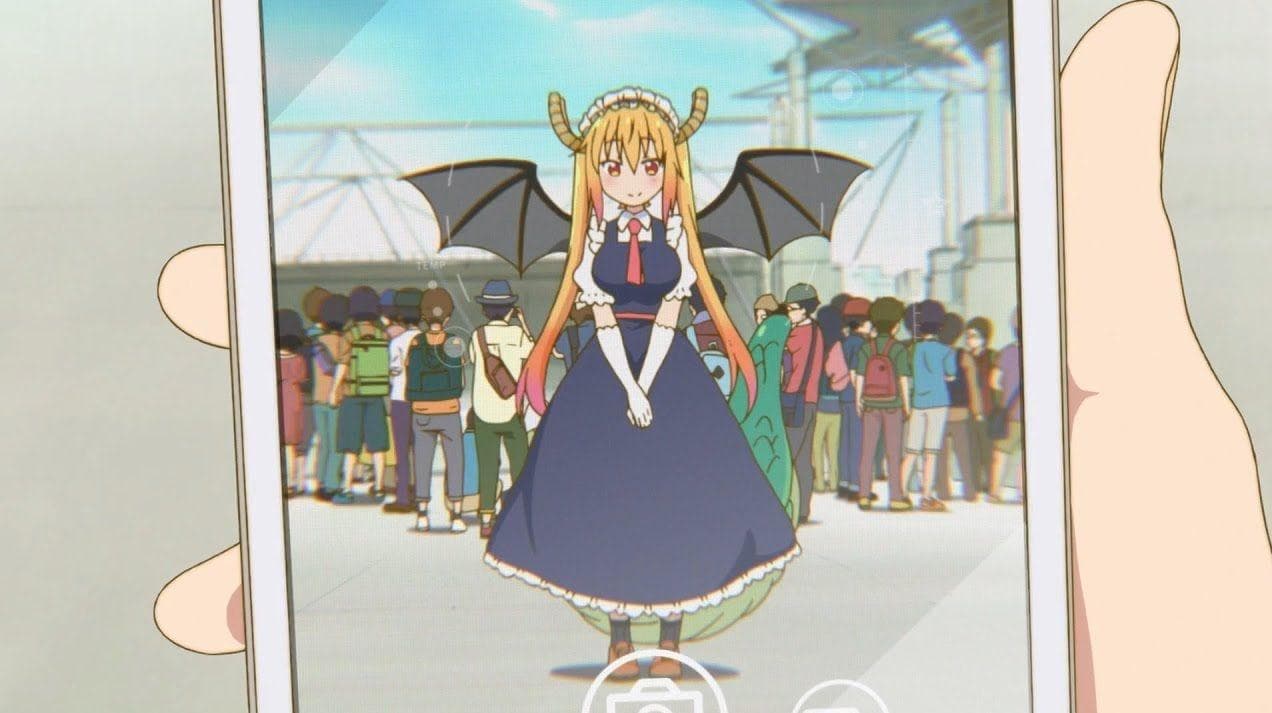
Short for "costume play," cosplay is the act of dressing up as a character from some form of media. In this case, that media is anime.

A Japanese word coined from "Chicchanabito" or "Chicchana no Hito," which means "short" or "small" person. When something is chibi, it is usually small and cute, and can often refer to fan art where anime characters are drawn in a bobblehead fashion.

Sugoi is a Japanese word meaning "wow" or "great." Often simply used by itself as an interjection, exclaiming "Sugoi!" means that you're completely blown away by something exceptional.

Hentai is the Japanese word for "pervert" but is also the name for anime porn. If someone's talking about a movie or film being hentai, it's Japanese animated porn.

Original Video Animation (OVA) can also be written the other way around (as OAV), but it means the exact same thing. It's the anime version of the phrase "straight-to-video" and is used when the animation is released directly to the market.
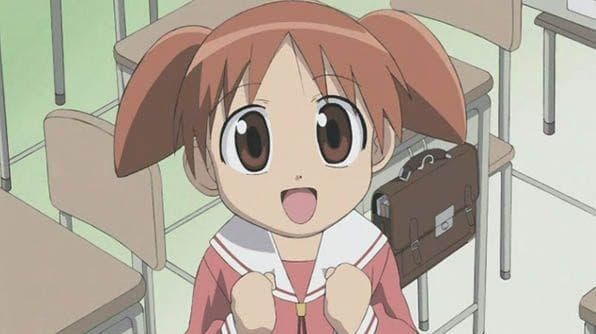
Loli are very young, innocent, usually female characters in anime. While loli characters can technically be any age, they typically appear to be significantly more juvenile than the rest of the cast.
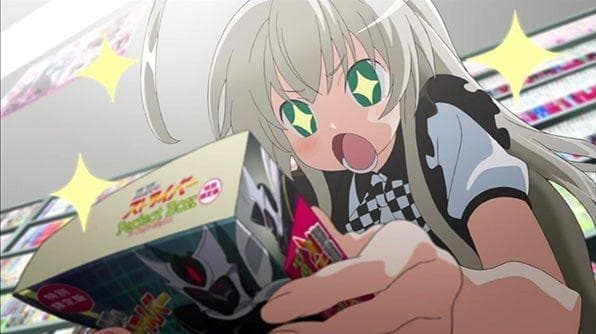
Weeaboo refers to someone who's completely obsessed with Japan and the Japanese alike. Unlike otaku, this is usually a derogatory term used for someone who wants to be Japanese even though they are not.

Japanese slang for playfully sexual. In anime, dirty humor is "ecchi." Panty shots, nosebleeds, and perverted character situations are all classic qualities of ecchi.
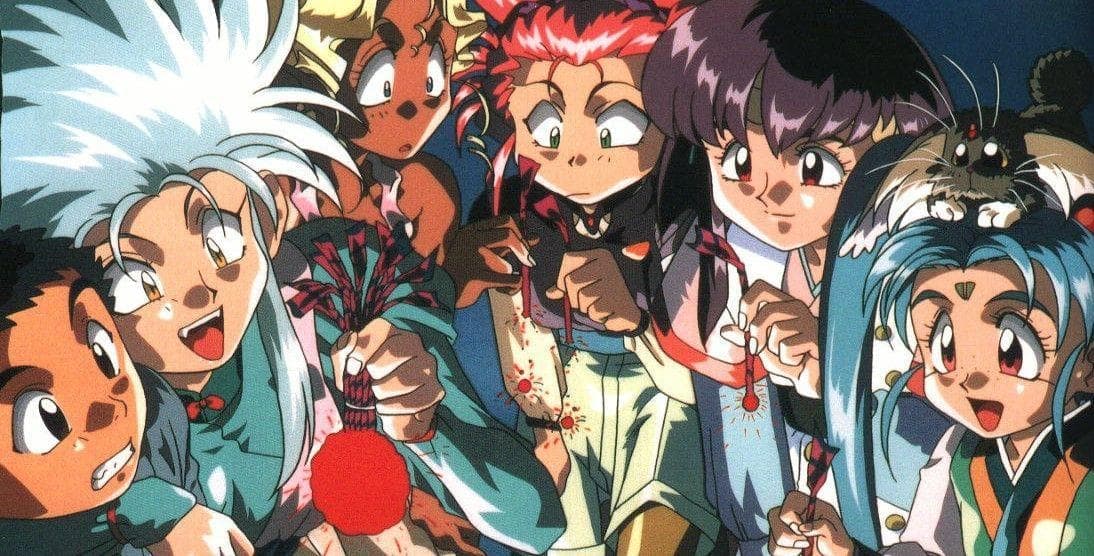
Dere is a suffix used to define how someone expresses themselves. Typical fandom terminology for "dere" characters includes "yandere," "tsundere," and even "deredere."
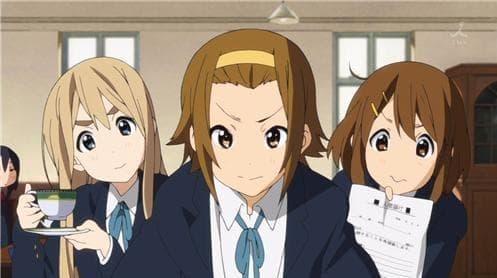
Kohai is the term used for the understudy of a senpai. While the senpai would be the upperclassman in the student relationship, a kohai would be what the senpai calls the underclassman.
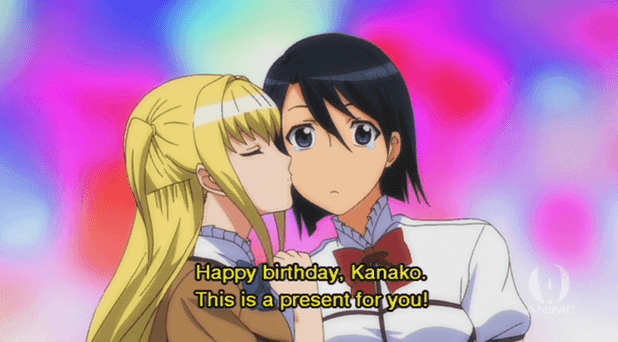
A Japanese word for "Girl Love," explicitly referring to two girls in a lesbian relationship. Anime/manga that revolves around romantic female relationships is also called yuri.
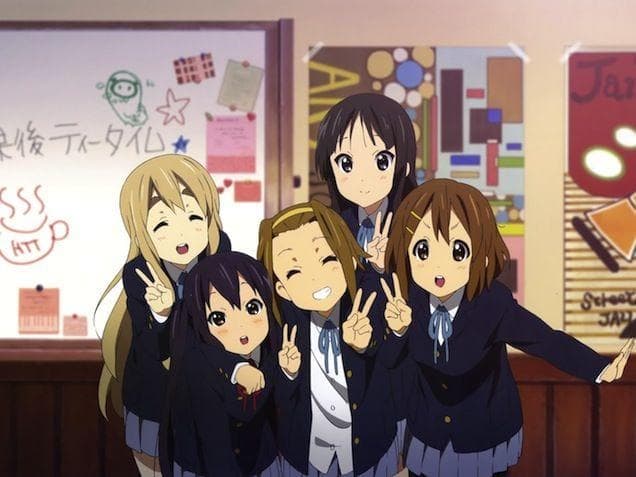
This slang word is mostly used to describe someone or something that's small, precious, or adorable. Stemming from kanji which means to "bud" or "sprout," moe anime centers around youthful and idealized female characters.
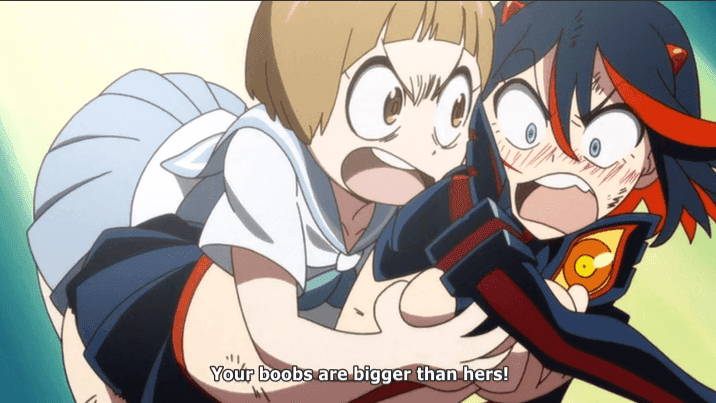
Fan service appeals to the needs of fans in order to keep their attention. Things like cleavage shots, explosions, swimsuit-filled beach episodes, and scantily clad characters are all fan service -- for some, anyway.
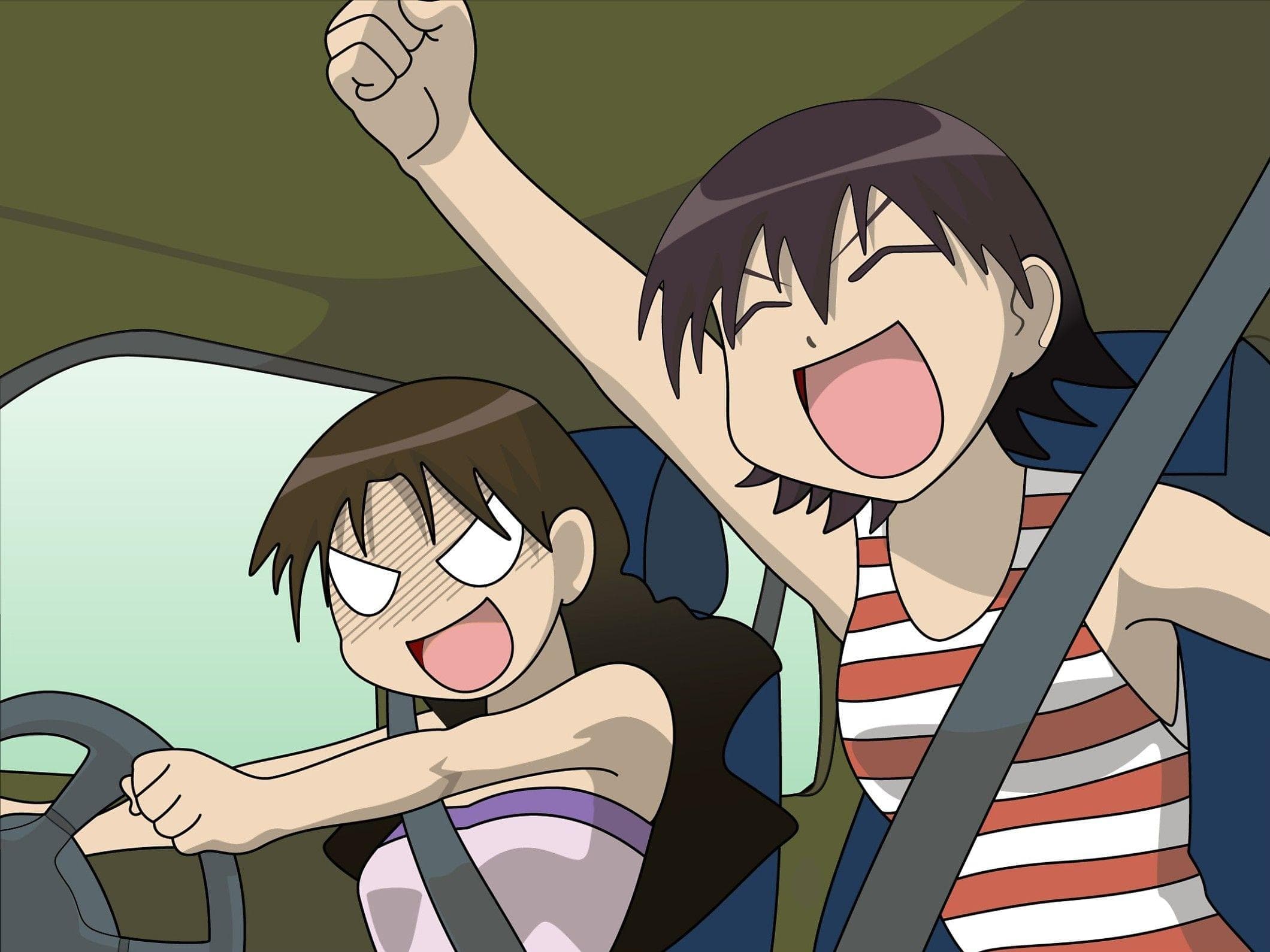
An exclamation used in celebration, it's the equivalent of shouting something like "yay!" except it means "We did it!" or "I did it!"
Doujinshi essentially means "fan-comic." You'll see people selling these at conventions in all forms.
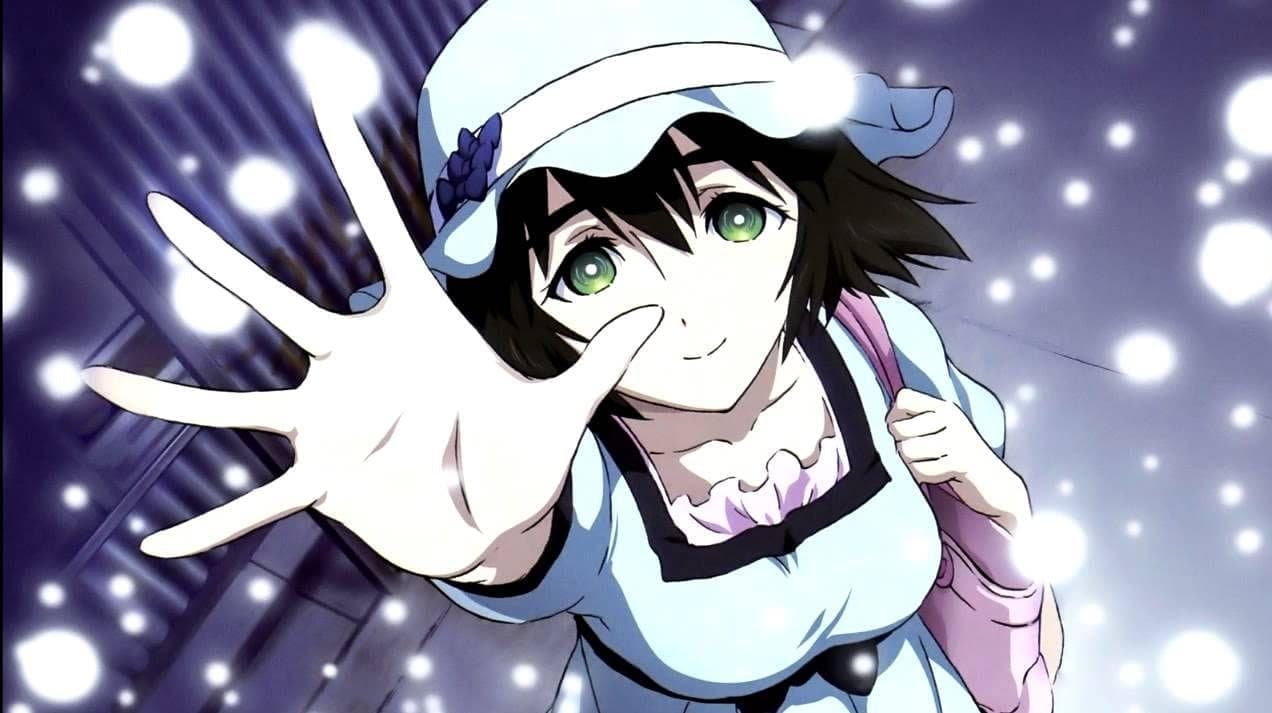
Anime Music Video (AMV). It refers to someone editing footage from an anime and mashing it together with a song in the form of a music video. These videos can just be cool visuals along with music or edited together so that the characters look like they're singing along in full-on lip-synching style.
This Japanese word is slang for "Boy Love." This term is typically used to reference the genre of manga/anime that revolves around gay male relationships. The genre often includes a seme (the "top," dominant figure) pursuing an uke (the "bottom," submissive figure).
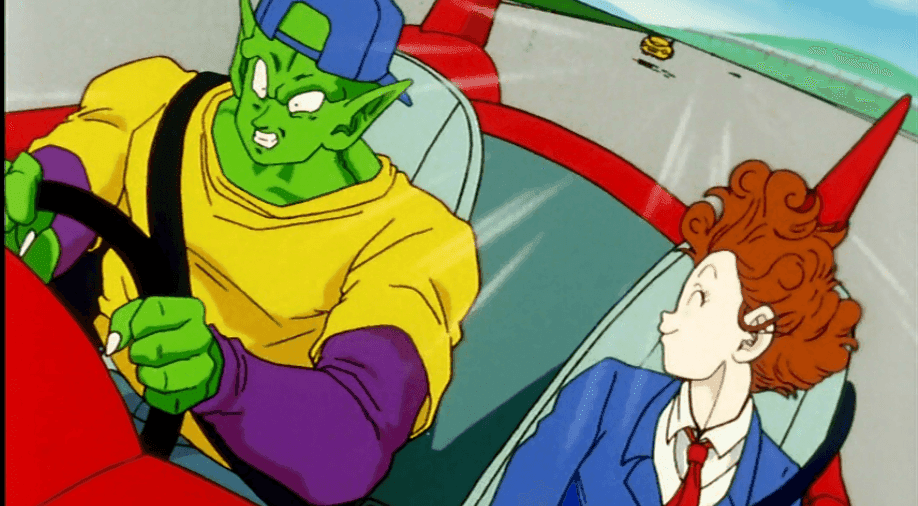
Filler is content that has no point or continuity in the story and has been put in simply to fill time until the next narratively significant moment in the story. This can last anywhere from a single episode to entire arcs.

Genki means overly energetic, active, and full of energy. When someone is described as genki, they are using the Japanese word to describe how full of energy and spunky the person is.
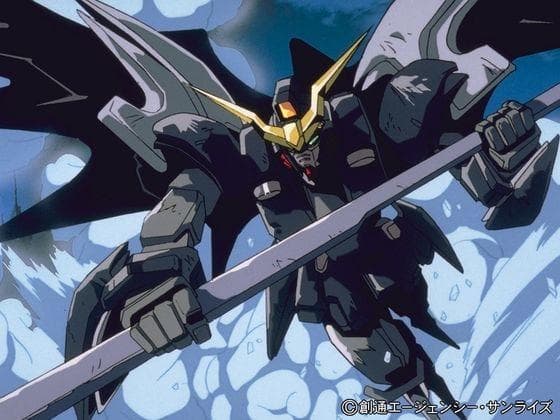
A mecha is a giant robot, usually piloted by a person, and mecha anime is the genre of anime that centers around such robots. If you've ever seen anime like Gundam, Neon Genesis Evangelion, or Code Geass, you've watched a mecha anime.
Short for the Japanese word "bishonen," meaning "pretty boy" or "beautiful boy." Men with feminine features are often called bishies.
The classic anime trope of the magical girl is used to describe a genre where a girl (or group of girls) obtain magical powers in some sort of way. They're usually part of a larger destiny or conspiracy, and they use their magical powers to carry out some grand fate.
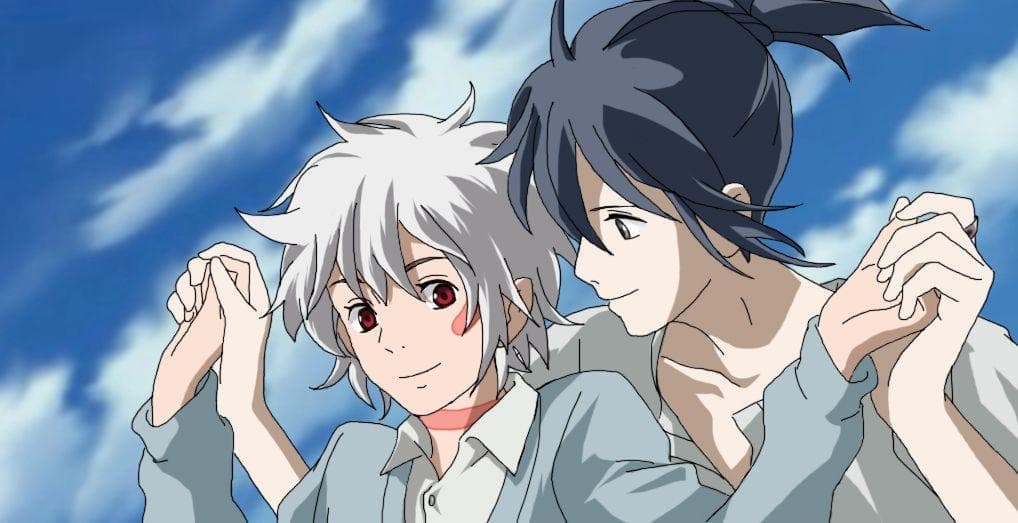
The two words together mean "boy" and "love," so put together, it refers to anime or manga that centers around "boy love." It usually involves two bishounen in a romantic relationship with each other.
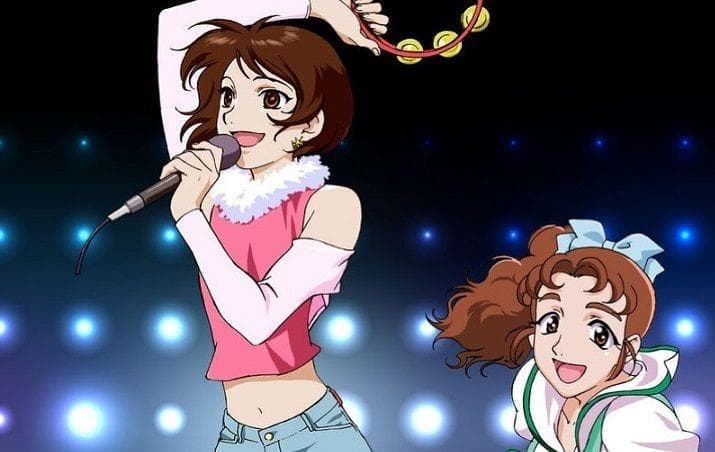
A seiyuu is a Japanese voice actor. The term is used by hardcore anime fans when talking about the voice behind an anime character in the original, undubbed Japanese animations.
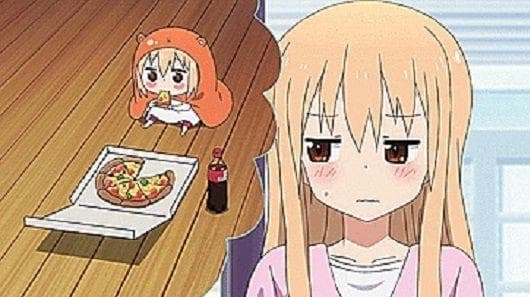
The switch girl lives a double life. This can be seen in anime like Himouto! Umaru-chan. Umaru is a smart and popular girl at school, but at home, she's a total anime nerd who dresses like a hamster while playing video games and eating junk food.
Girls with glasses, usually anime/manga archetypes. While boys with glasses are called "megane," the extended word refers specifically to girls who wear glasses.
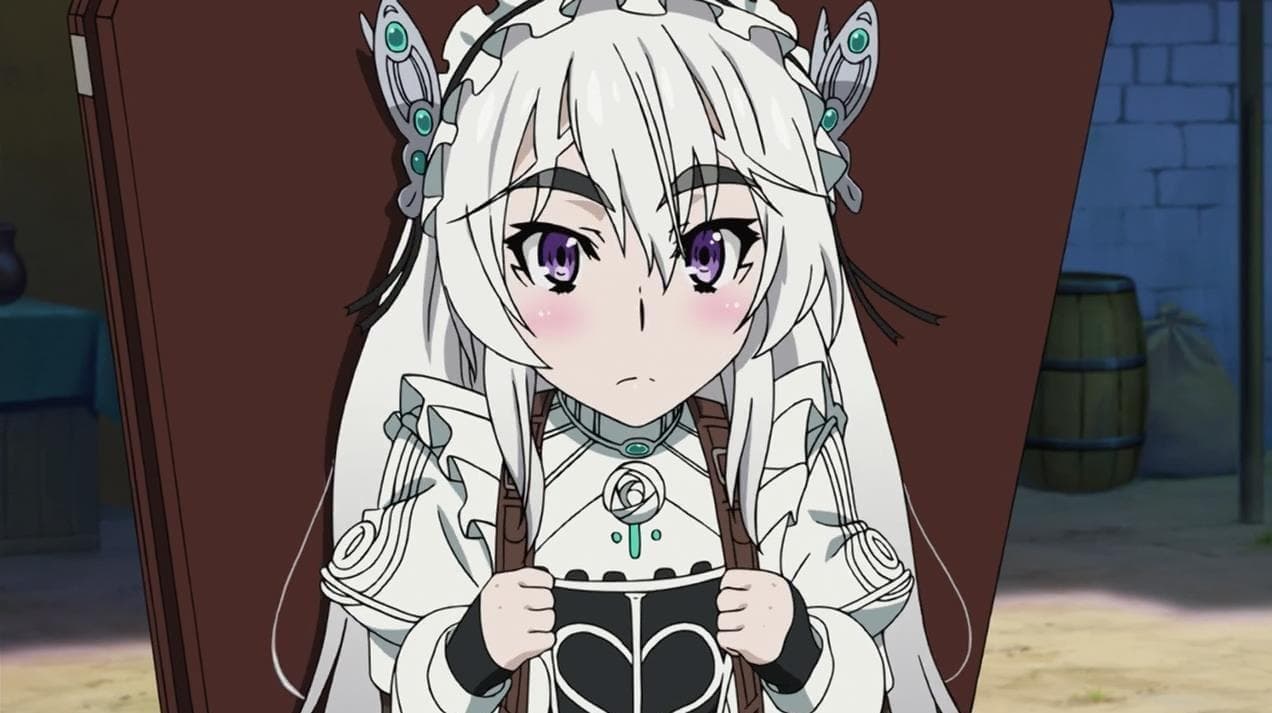
A pettanko is a girl who's totally obsessed with the fact that she has small breasts. Not only can she not get over the fact that she doesn't have larger breasts, she's typically jealous of peers who do.