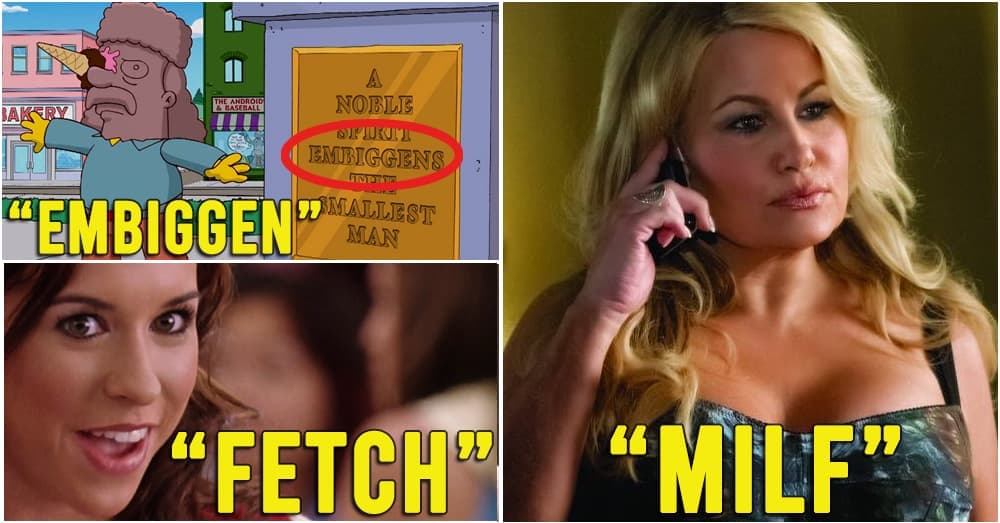
MILF - 'American Pie'

From Dictionary.com: A sexually attractive older woman, typically one who has children. The popularity of the term "MILF" can be traced to the movie American Pie.
81% upvoted
The ancient Greeks are not the only ones who can take credit for the etymology of key words and phrases.Well-used terms and slang can easily come from a long-running cartoon, a late-night TV show, a cartoon character, or a beloved rom-com. Here are a few examples of everyday words and phrases whose origin and popularity can be traced to a TV show or movie. Vote up the words and phrases with a surprising origin story.
Tap upor downto vote. Your vote is added to Ranker's counts.
Voting identifies your browser with an anonymous fingerprint, stored only as a salted hash, to count one per visitor. Privacy
Source: Ranker, ranked by its voters.
From Dictionary.com: A sexually attractive older woman, typically one who has children. The popularity of the term "MILF" can be traced to the movie American Pie.
From Merriam-Webster: Not impressive; apathetic, different. Though the word has Yiddish roots and can be traced back to 1928, the word "meh" to be used as a term of indifference was introduced into popular culture by The Simpsons in 1994.
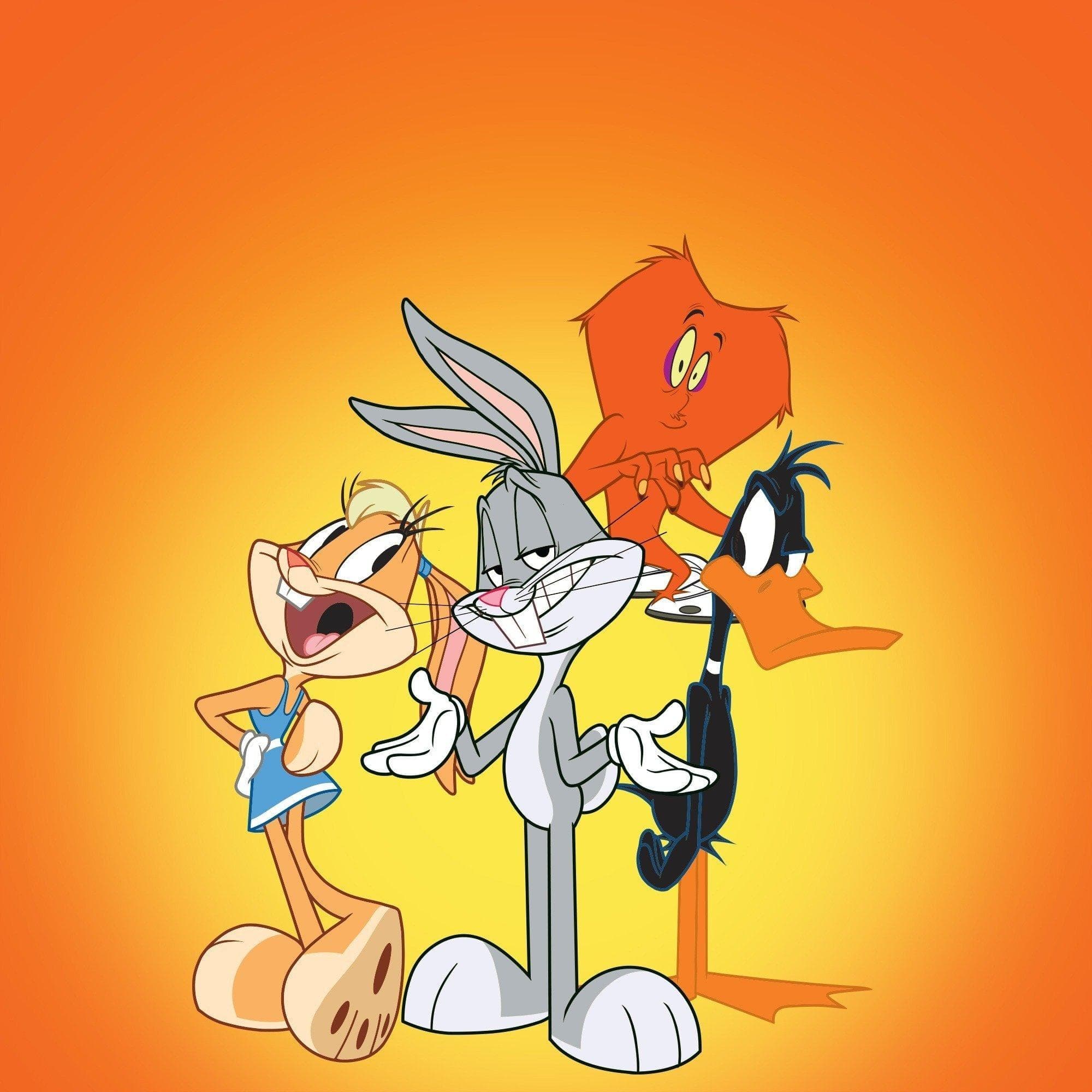
From Dictionary.com: 1. A descendant of Ham represented in Genesis as a mighty hunter and a king of Shinar. 2. A person expert in or devoted to hunting. 3. A foolish or inept person; doofus. In the Bible, “Nimrod” is a hunter, a king, and a close descendent of Noah. But in a Looney Tunes episode, Bugs Bunny called Elmer Fudd a "nimrod" in a sarcastic manner. After this instance, the term has been used to in lieu of "moron" or "idiot."
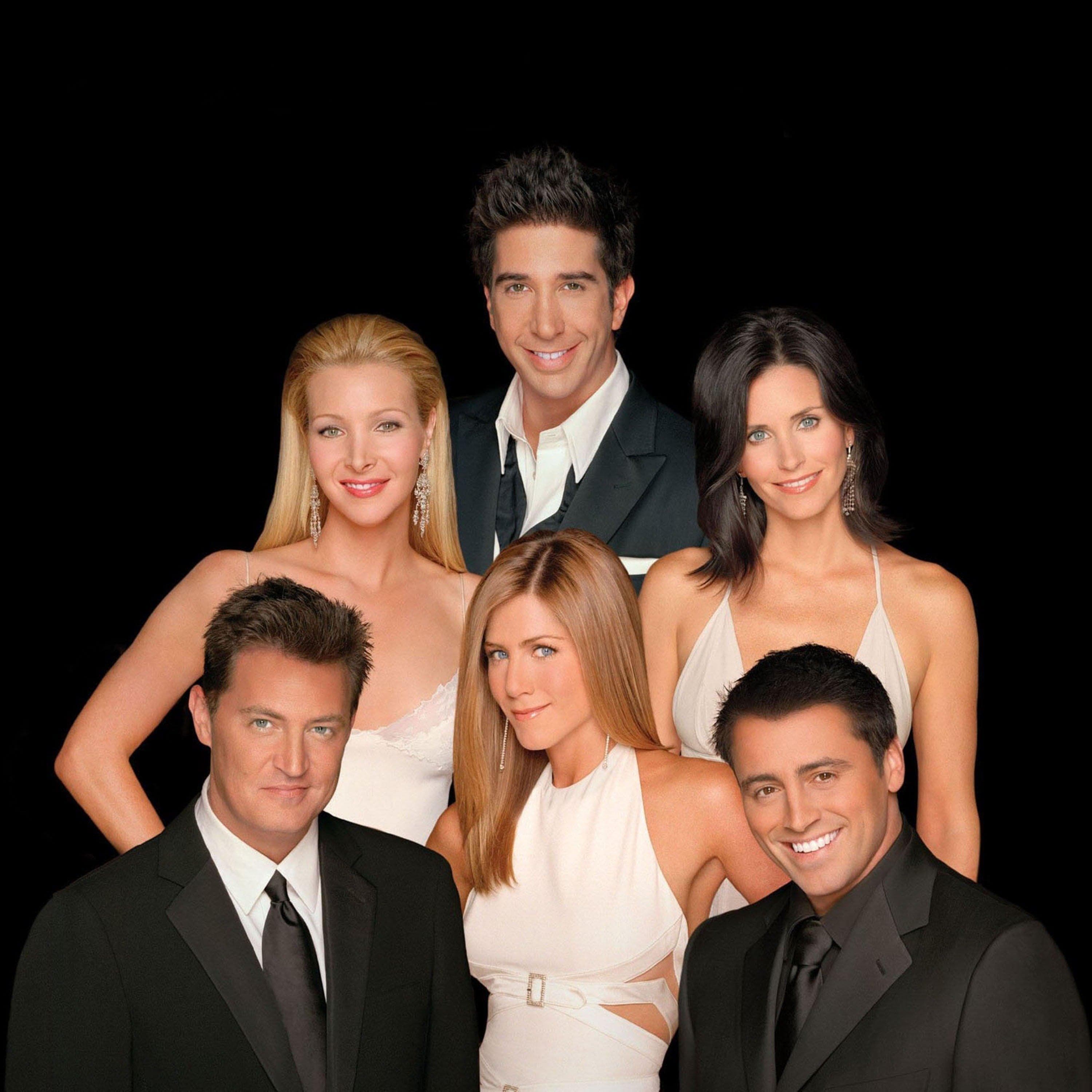
Used to define a friendship between two people but with only one of whom has unreciprocated romantic feelings, the term "friend-zone" was believed to first been coined in a 1994 episode of Friends ("The One with the Blackout").
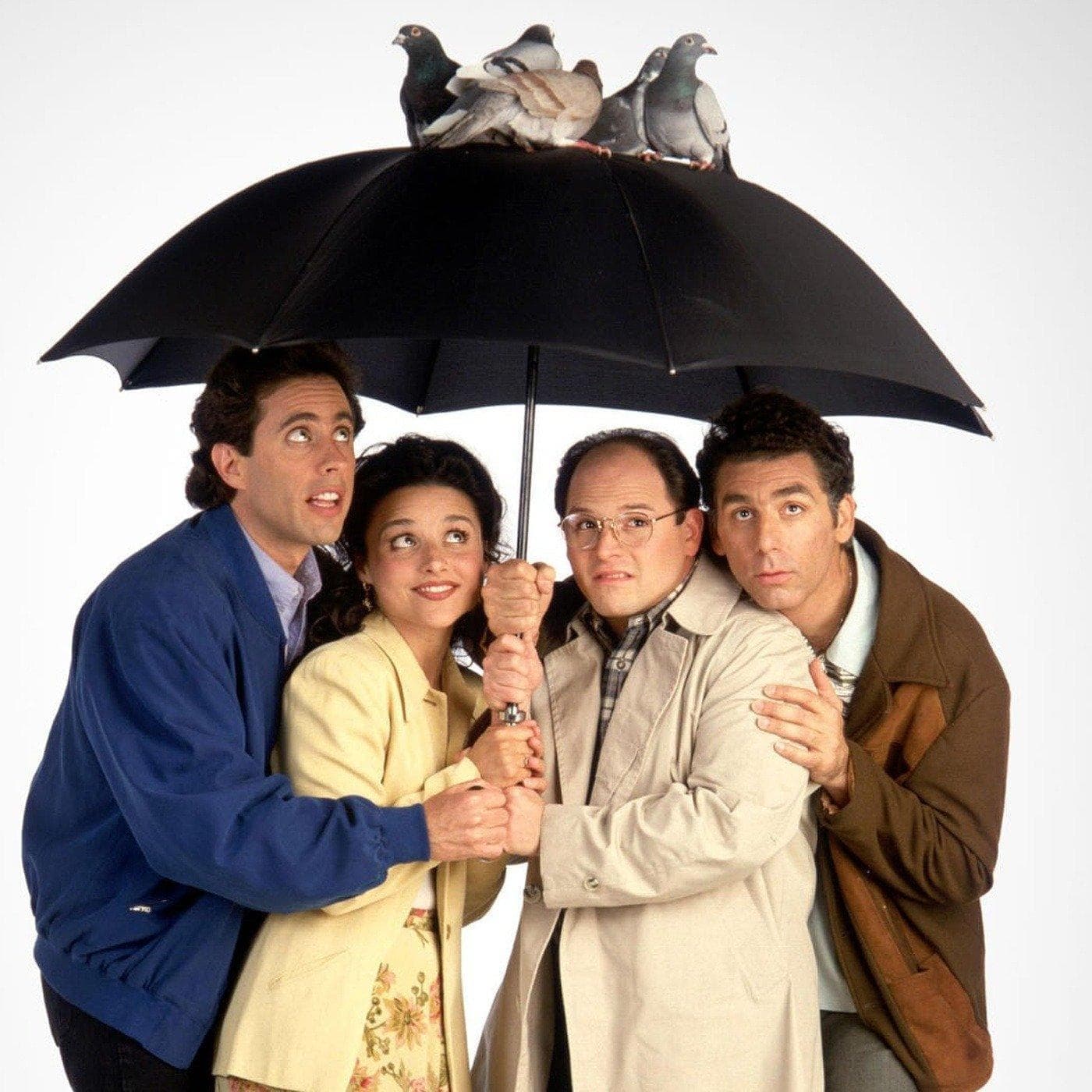
From Dictionary.com: 1. To give (an unwanted gift) to someone else. 2. An unwanted gift that is given away. The term "regift" was first coined in a 1995 episode of NBC's Seinfeld ("The Label Maker").
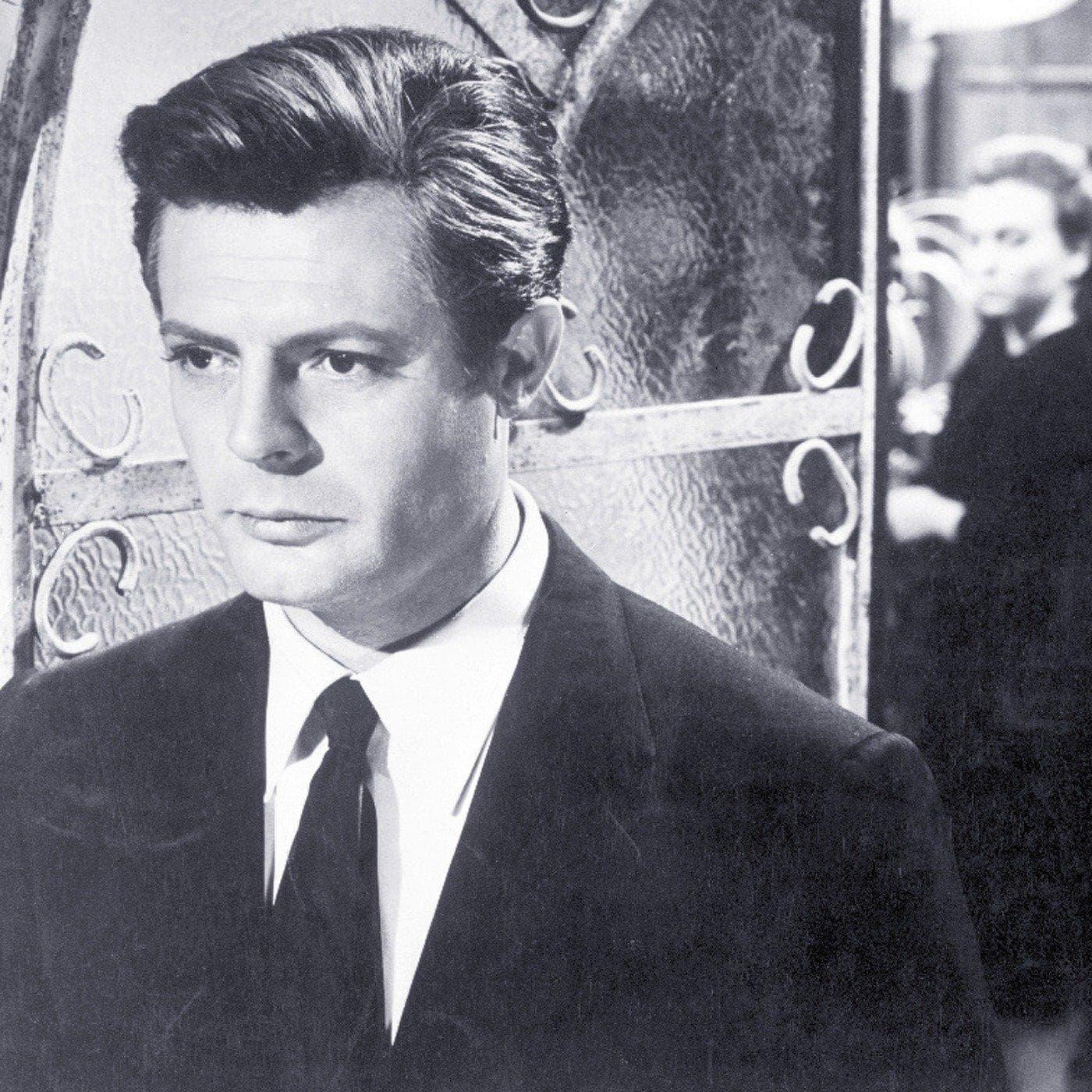
From Merriam-Webster: A freelance photographer who aggressively pursues celebrities for the purpose of taking candid photographs. Italian, from Paparazzo, surname of such a photographer in the film La dolce vita (1959) by Federico Fellini.
From Dictionary.com: (Interjection); used to express dismay when one has said or done something stupid or when something has gone wrong. First recorded in 1950-55; later popularized by Homer Simpson, character in the animated TV series The Simpsons, who smacks his forehead while saying "d'oh"!
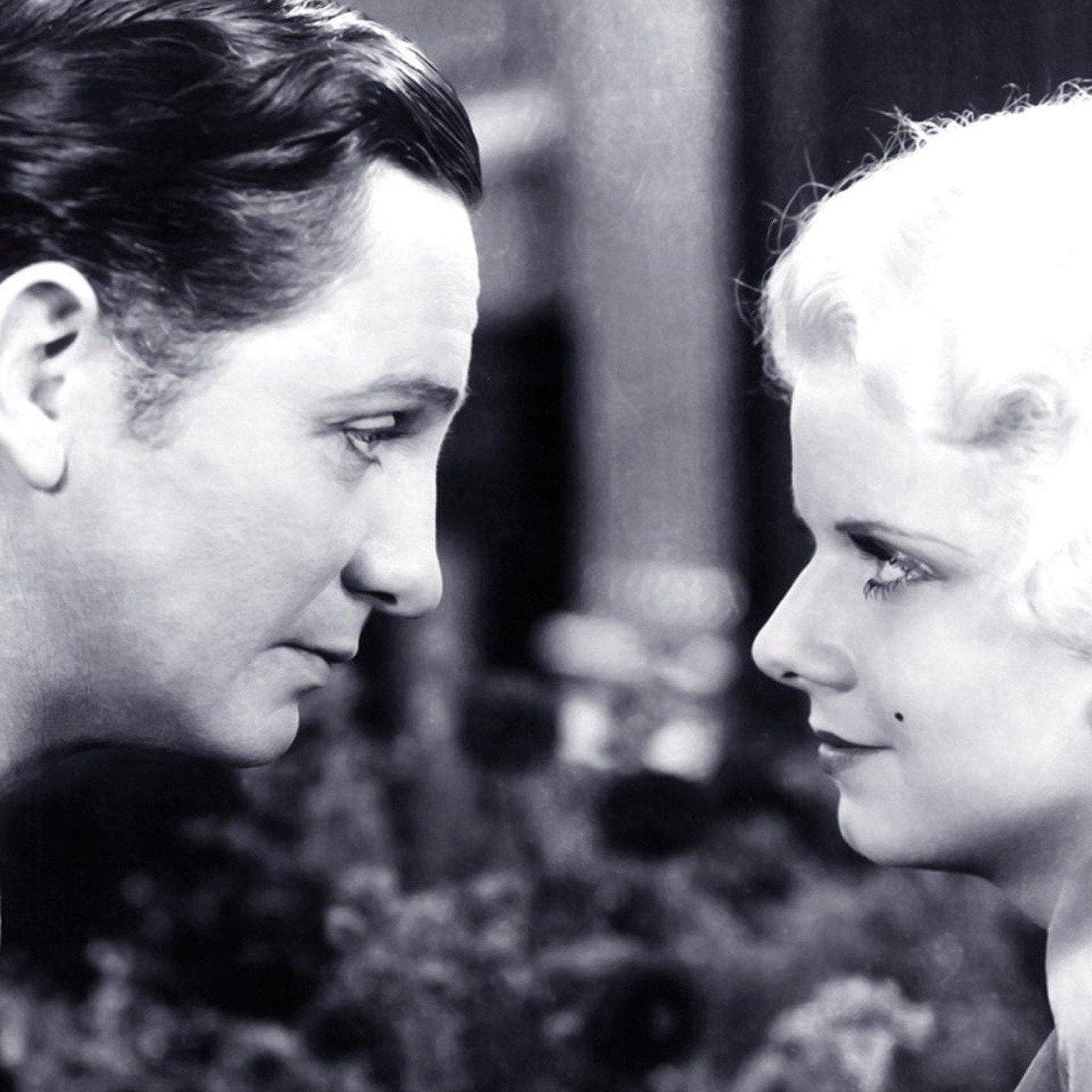
From Merriam-Webster: One that is stunning, amazing, or devastating; a person who is the cause and object of sensational and usually widespread attention, excitement, or attraction; a glamorously attractive blond woman. The use of the word "bombshell" to describe an attractive (usually blond) woman comes from the 1933 movie Bombshell, starring blond actress Jean Harlow (1911-1937).
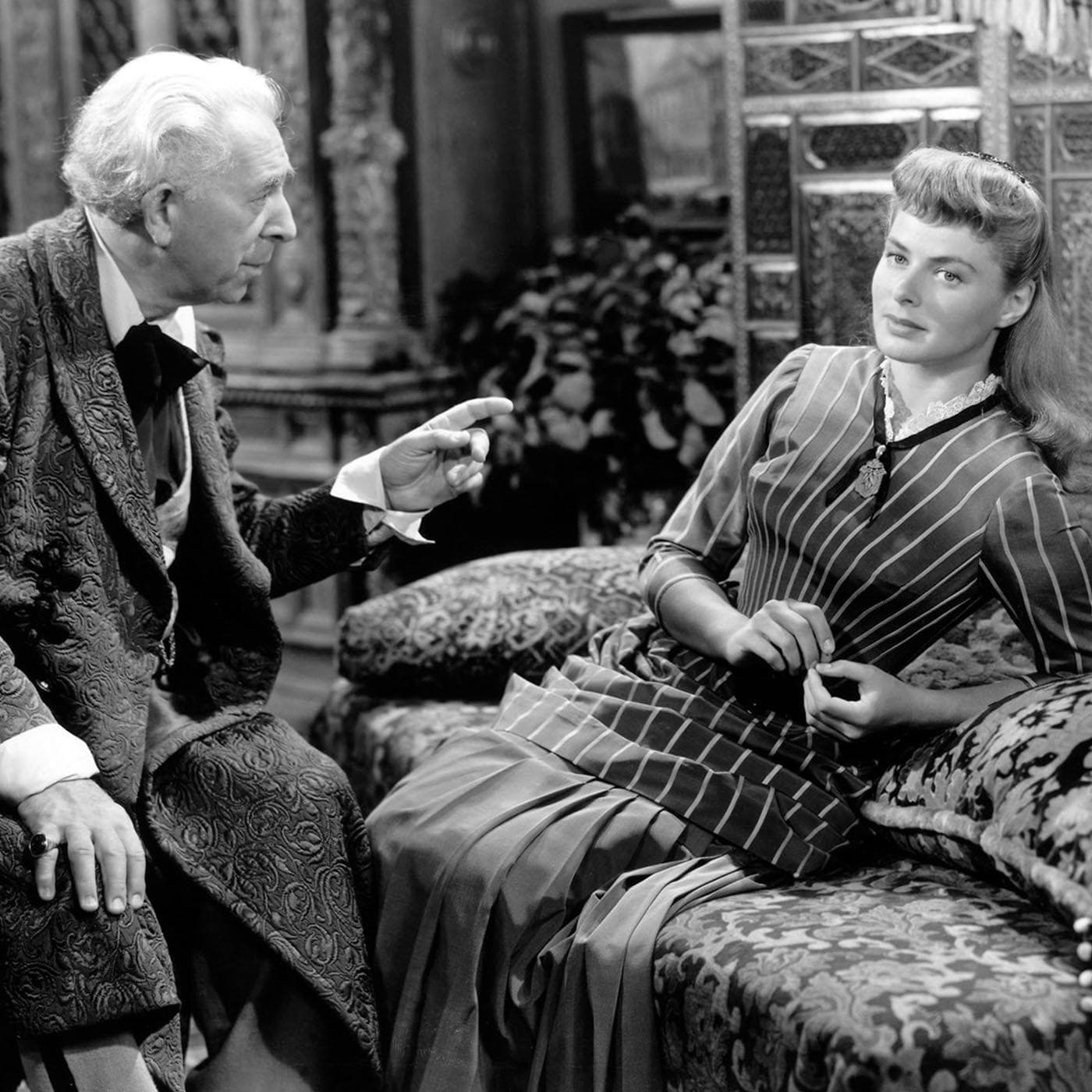
From Merriam-Webster: To psychologically manipulate (a person) usually over an extended period of time so that the victim questions the validity of their own thoughts, perception of reality, or memories and experiences confusion, loss of confidence and self-esteem, and doubts concerning their own emotional or mental stability.
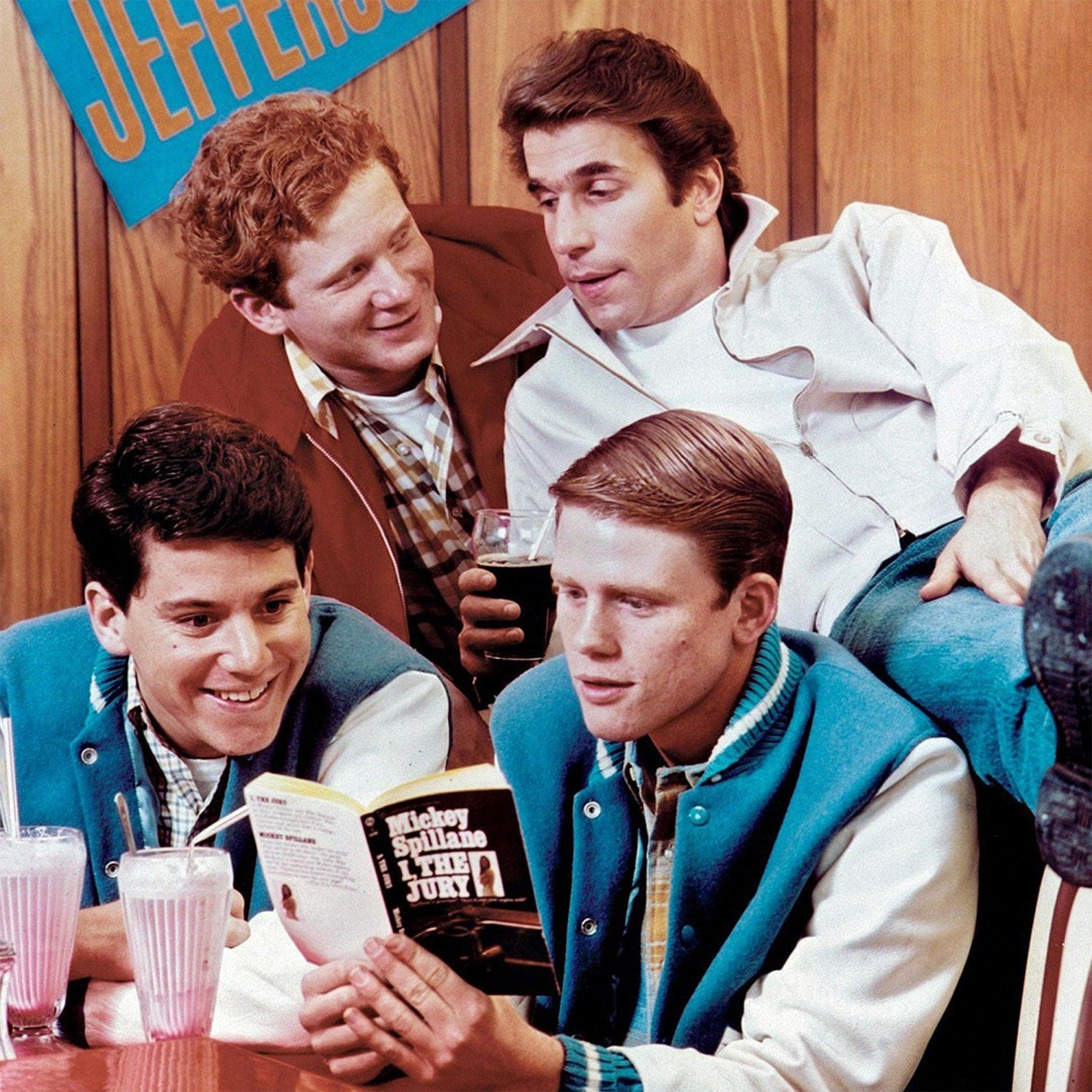
From the Cambridge Dictionary: (Usually of television shows) to reach a point where something stops becoming more popular or starts to decrease in quality. The term directly refers to an episode of Happy Days ("Hollywood: Part 3") in which the Fonz had to water-ski over a shark pool. The event was marked as a somewhat desperate move by the long-running TV show in a ploy to get higher ratings.
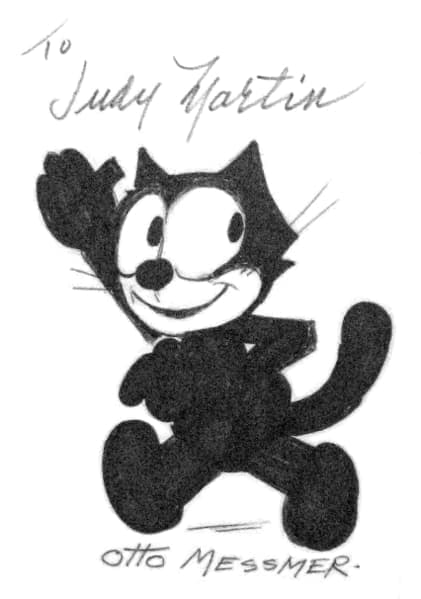
From Merriam-Webster: A person with intellectual or academic interests or pretensions. From Poindexter, boy genius who wears a lab coat and mortarboard hat in the television cartoon series Felix the Cat (1959-60).
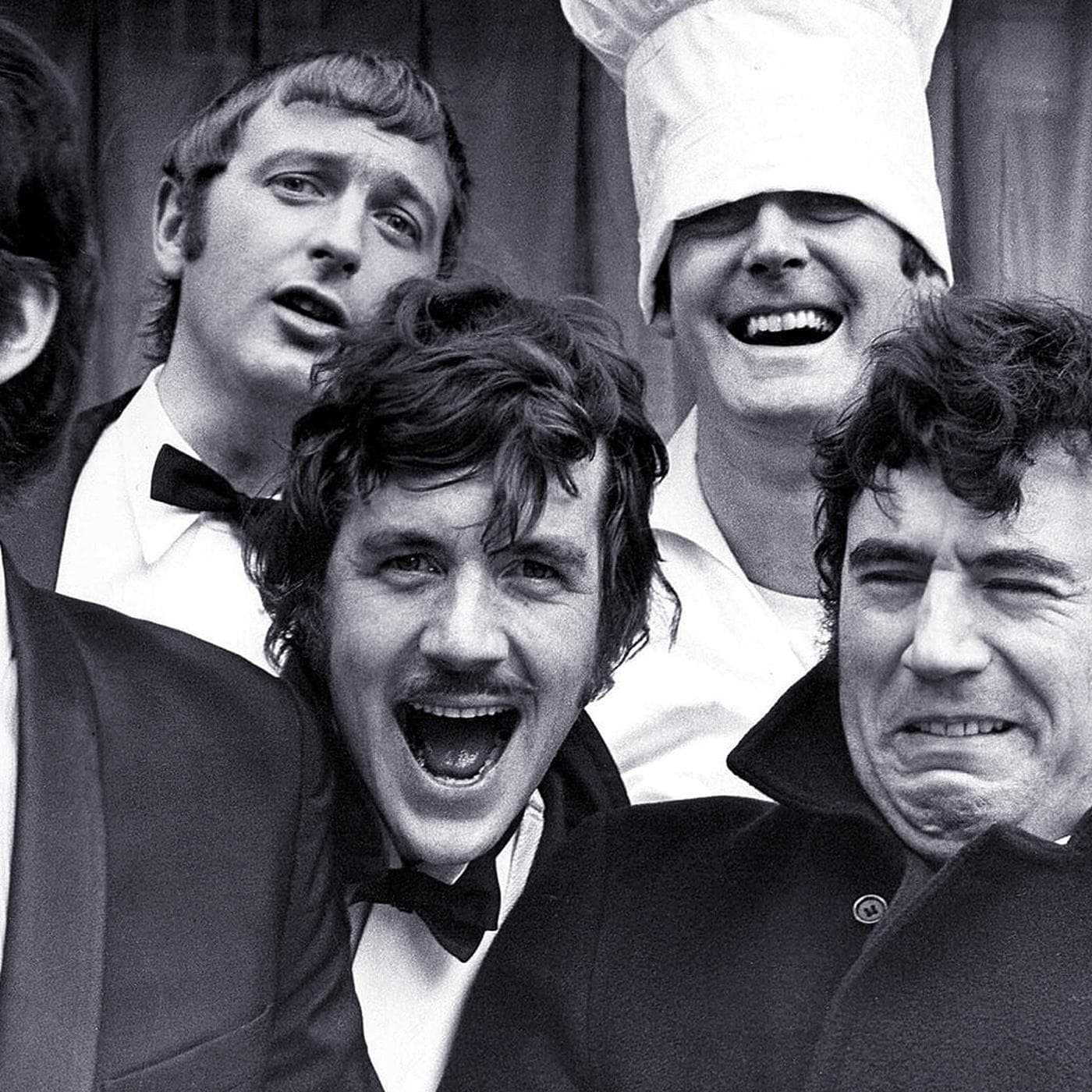
From Merriam-Webster: Email that is not wanted: email that is sent to large numbers of people and that consists mostly of advertising. From a skit on the British television series Monty Python's Flying Circus in which chanting of the word "Spam" overrides the other dialogue.

From Cambridge Dictionary: The parts of a person, a group, an activity, etc., that are unpleasant, evil, or harmful. From LiteraryDevices.net: The phrase “the dark side” perhaps originates from a film, Star Wars Episode IV: A New Hope, directed by George Lucas. He used this phrase as a concept to show the evil aspect of the underlying controlling power of the universe.
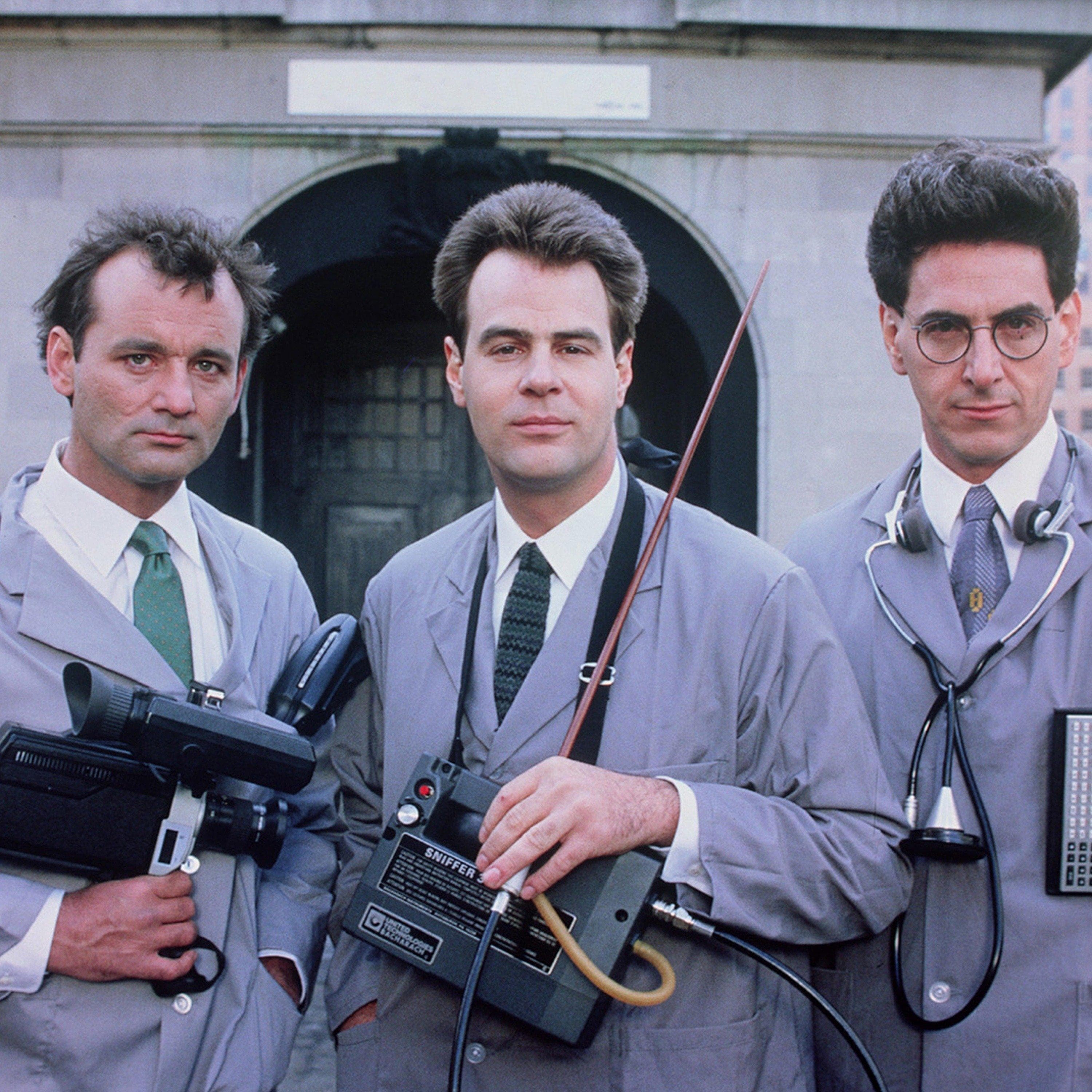
From Merriam-Webster: Toast also has a distasteful sense used in slangy expressions such as "you're toast," meaning "you're as good as dead," "you're finished," "you're done for." Some readers might recall a certain line from the 1984 film Ghostbusters. Apparently in the script, the related line is "I'm gonna turn this guy into toast," but actor Bill Murray, in his role as parapsychologist Dr. Peter Venkman, ad-libbed, "This chick is toast."
From Dictionary.com: Droid is short for android, meaning “robot.” The word droid is popularly known for its use as the name for intelligent robots in Star Wars. Some of the franchise’s most famous droids include R2-D2, C-3P0, and BB-8.
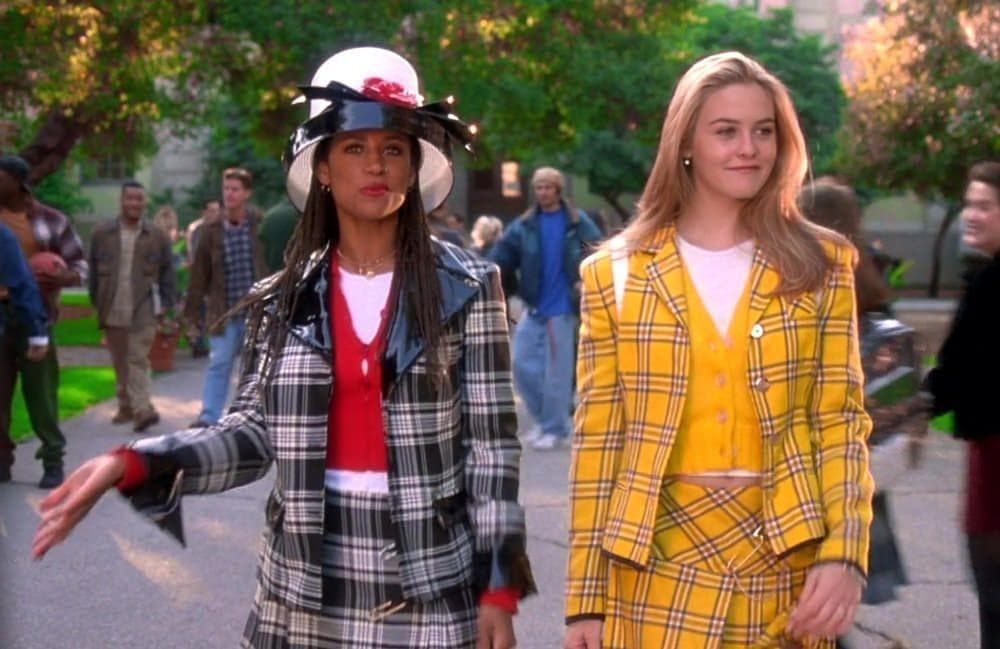
Originating in the movie Clueless, the term means "as would be the case if" or "very doubtful."
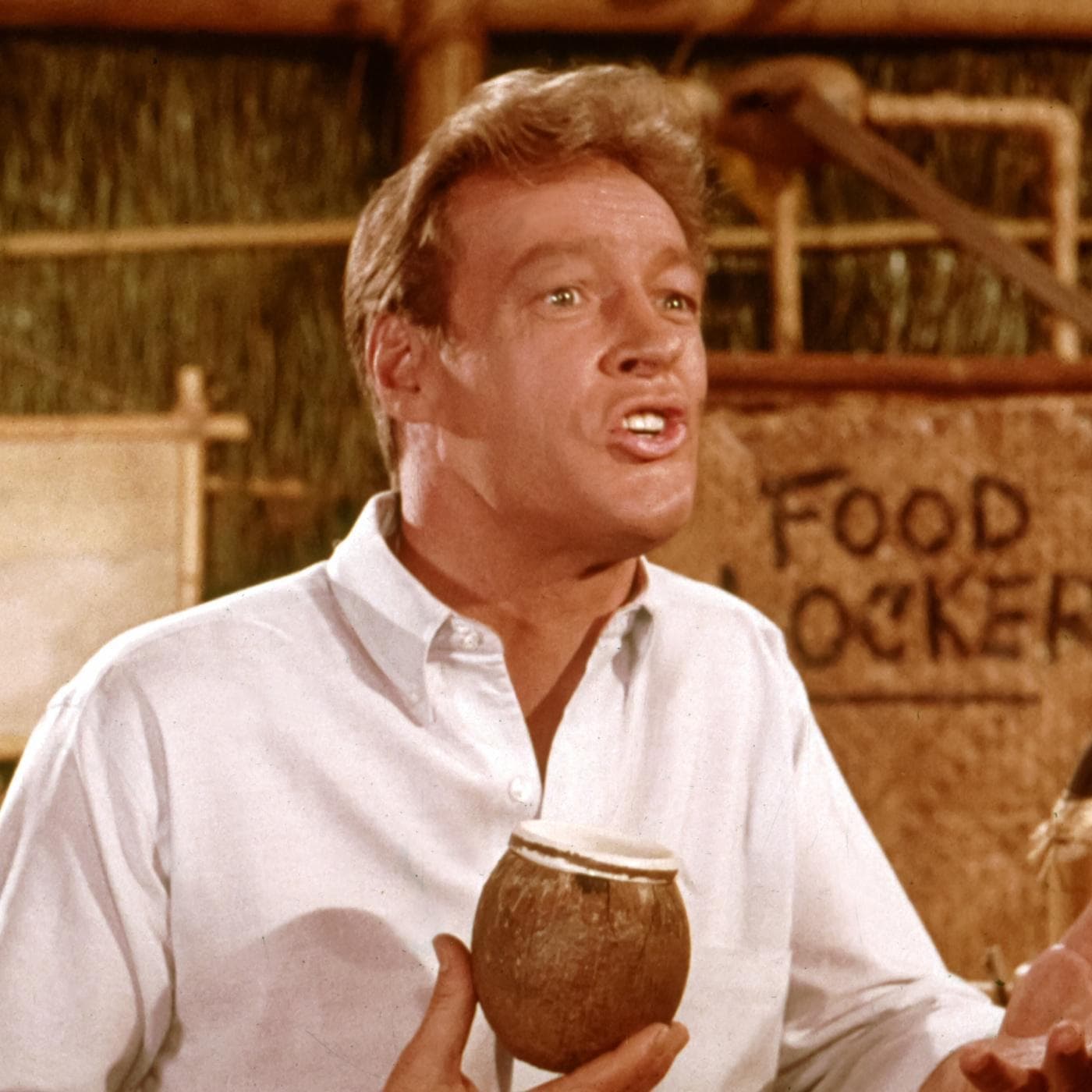
A 1965 episode of Gilligan's Island is said to have invented the word "ribbit" to copy the croak of a frog.
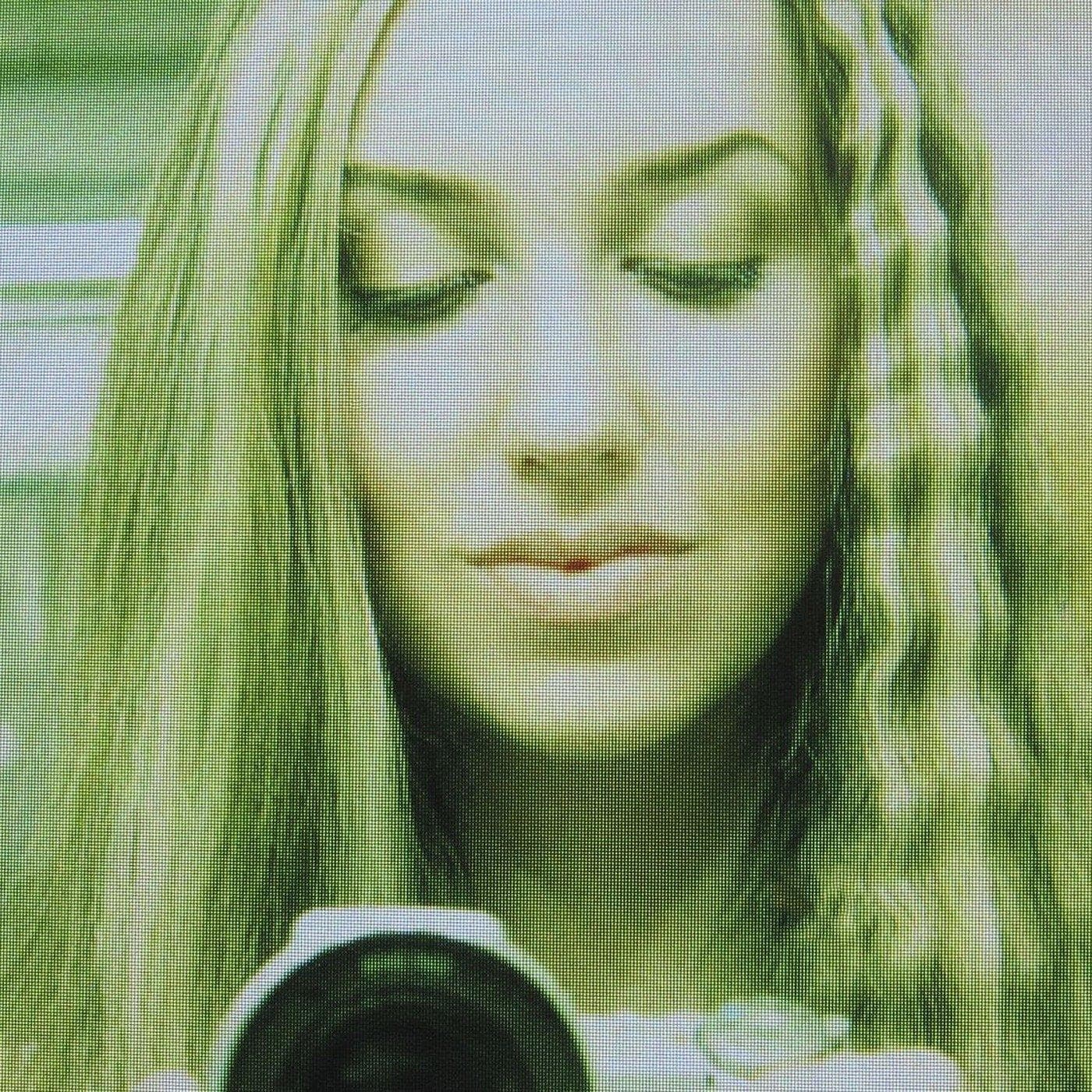
From Dictionary.com: The process of luring someone into a relationship by means of a fictional online persona. The 2010 documentary Catfish, directed by Henry Joost and Ariel Schulman about a young man getting romantically duped by a woman with a fake Facebook profile, takes its name from a tale long told about catfish: that fishers would ship catfish with codfish because they would keep the codfish alert, active, and better tasting.

From Merriam-Webster.com: A negative or pessimistic person : a person who speaks only of the bad or depressing aspects of something and lessens the enthusiasm or pleasure of others. Name popularized, if not introduced, by a skit character, Debbie Downer, on the American television variety show Saturday Night Live; the character first appeared in the program May 1, 2004.
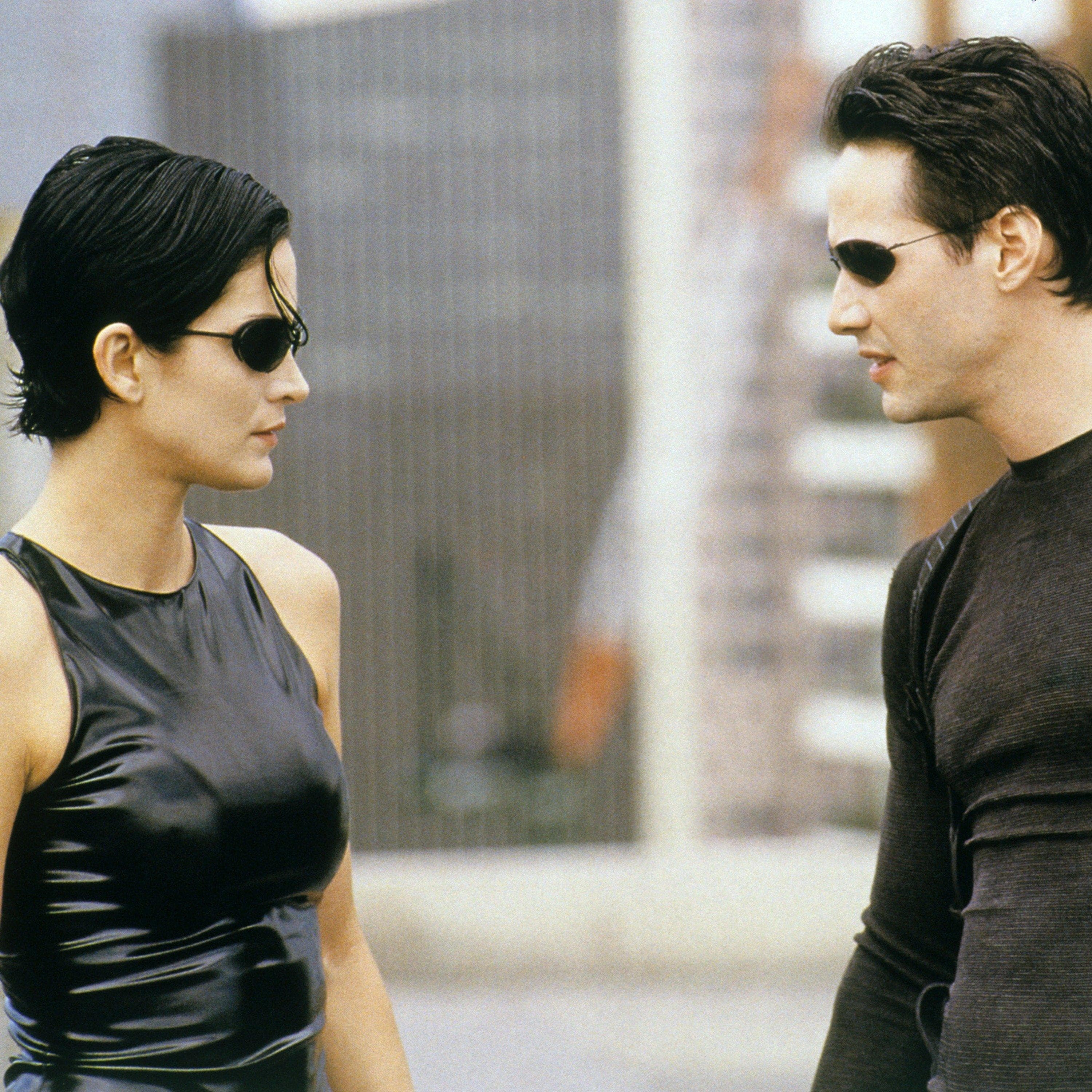
From Dictionary.com: Refers to (becoming enlightened to) the truth about reality, especially a truth that is difficult to accept or exposes disillusions. "Red pill" comes from the popular and influential 1999 sci-fi action film The Matrix. There’s a scene early on in the movie in which the main character, Neo, is offered two pills: a red one and a blue one. The red pill represents an awakening, but one that could be difficult and painful.
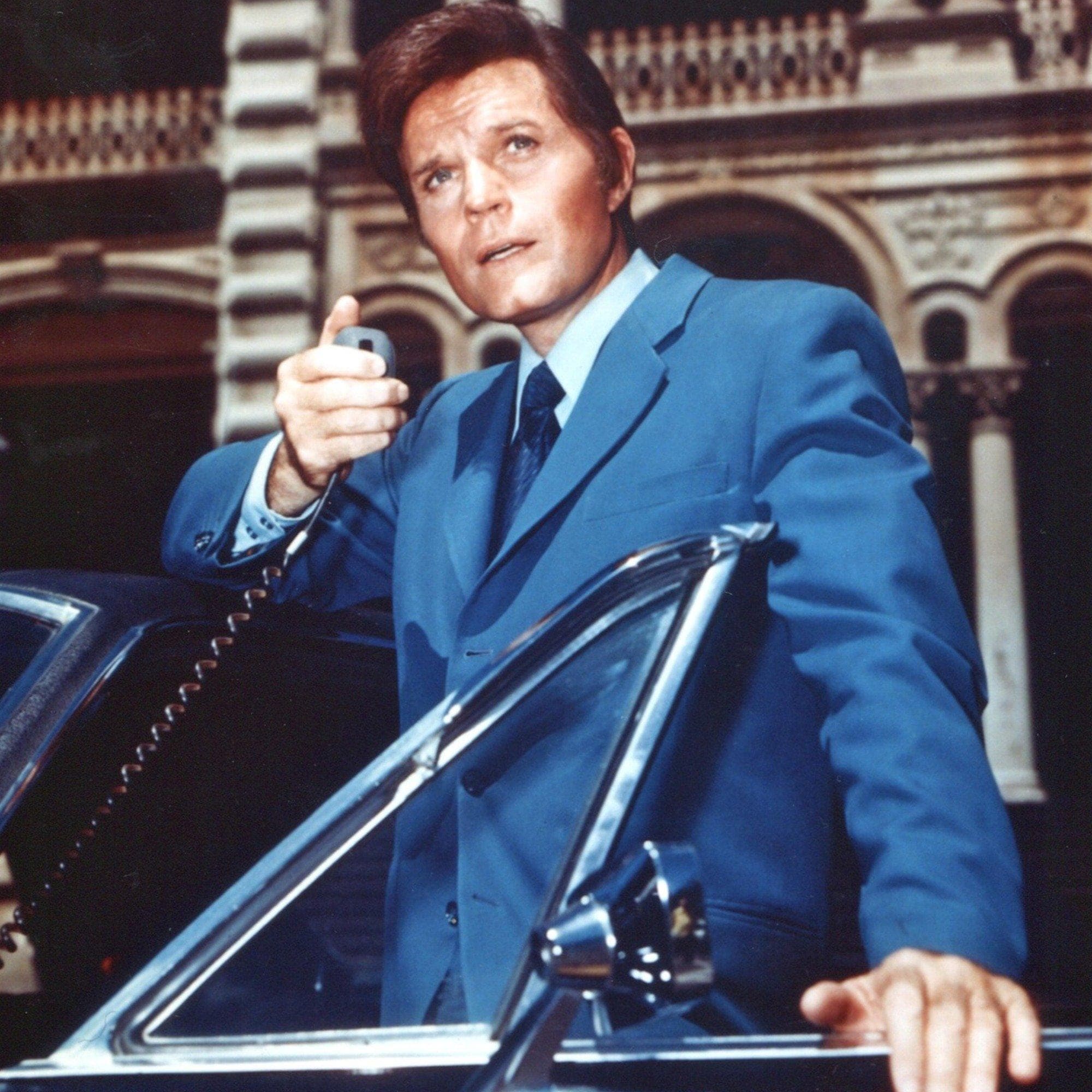
From lexico.com: A police officer or detective; (usually with) the police. Origin: 1980s; earliest use found in The New York Times. From the name of Hawaii Five-O, a US television series about a police investigative unit of the same name.

A fictional version of "f*ck" first used in the Battlestar Galactica television series. It was since been adopted across the sci-fi genre as a general curse word.
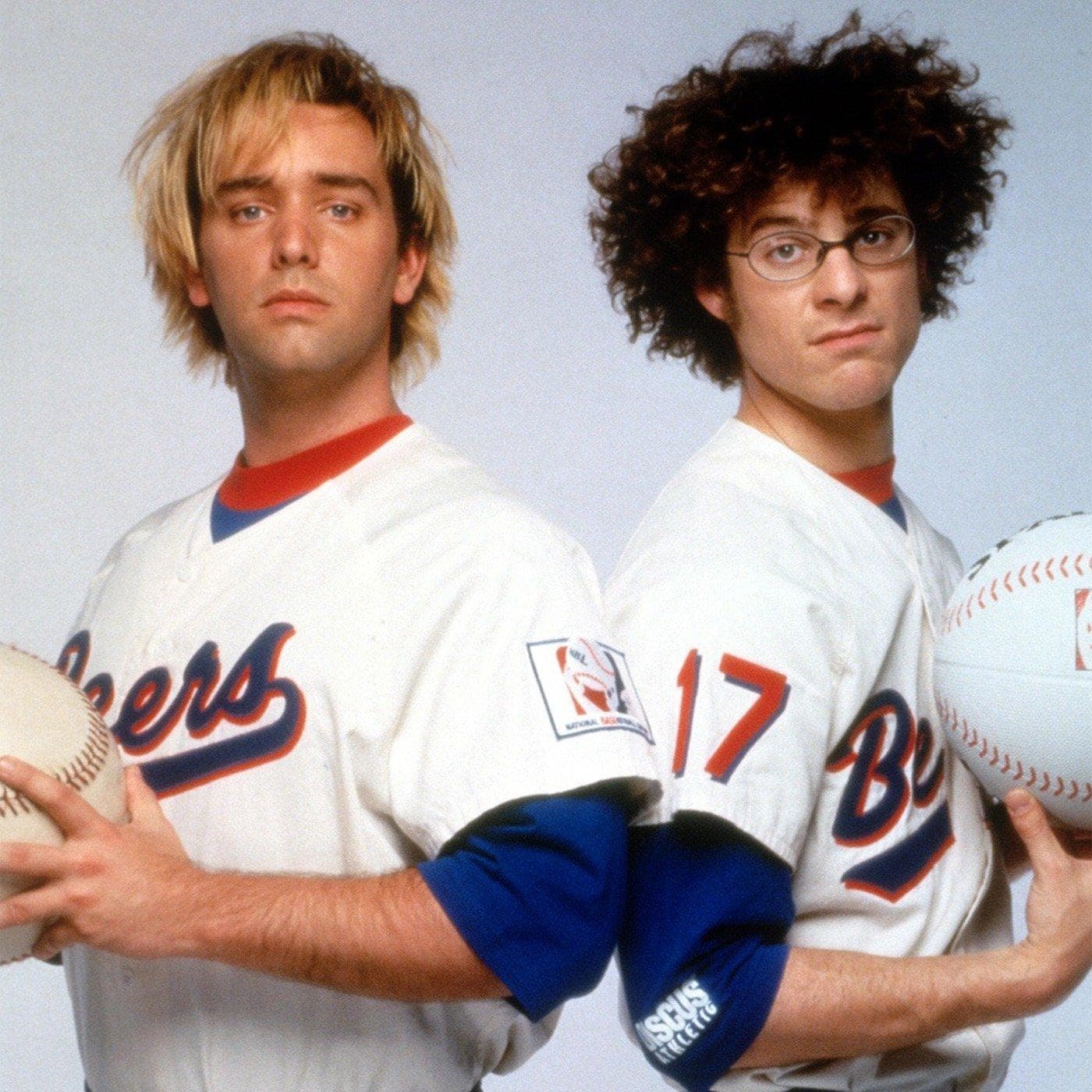
From Dictionary.com: A person or thing considered to be foolish or awkward. Derp begins as an interjection conveying one’s own stupidity or embarrassment, not unlike "d'oh." Its origin is credited to the raunchy 1998 comedy BASEketball, starring South Park creators Trey Parker and Matt Stone.

From Collins English Dictionary: An android that is indistinguishable from a human being. Cointed by David Peoples and used in the film Blade Runner (1982). When adapting Philip K. Dick's Do Androids Dream of Electric Sheep?, Peoples replaced the term "android" with the word "replicant," a term originally used to describe the biological process of a cell making a copy of itself.
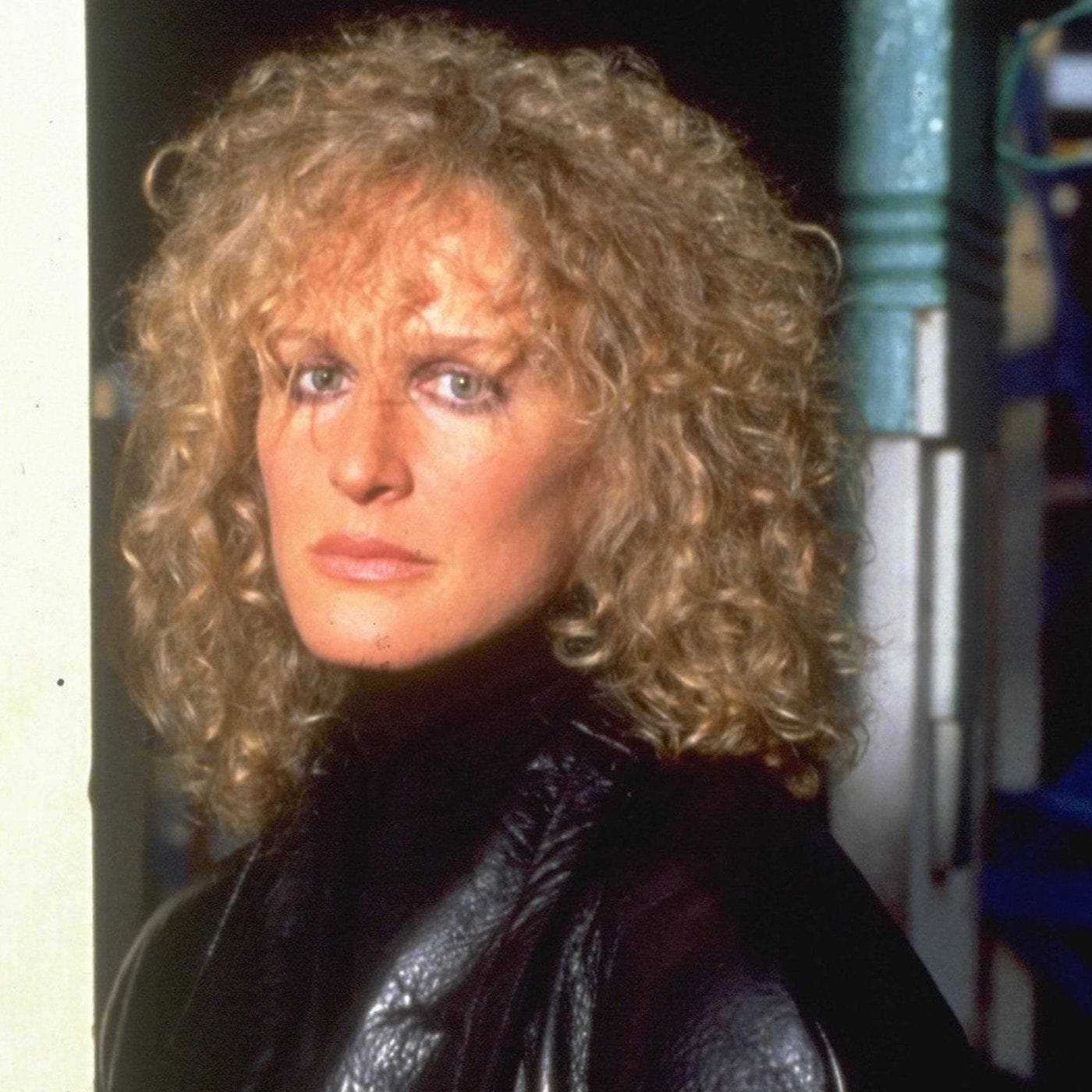
From Dictionary.com: A person, especially a woman, who is considered to be emotionally unstable and likely to be dangerously vengeful. From the 1987 film Fatal Attraction, in which a female character boils a pet rabbit to terrorize the family of the lover who spurns her.

From Oxford Languages: A number of experiences or achievements that a person hopes to have or accomplish during their lifetime. Early 21st century: from the phrase kick the bucket "die" (see kick1), popularized by the 2007 film The Bucket List.
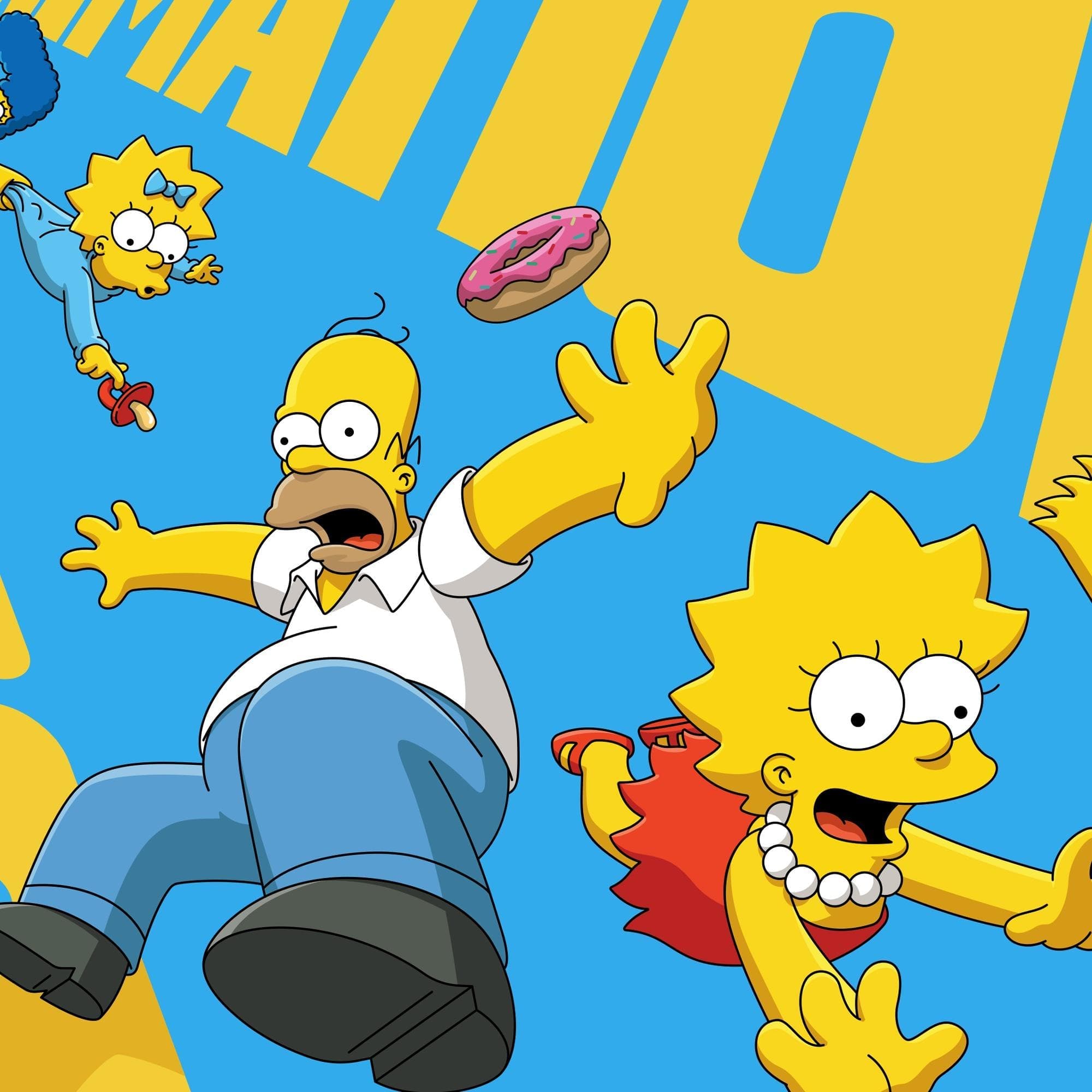
From Dictionary.com: To make or become bigger. First recorded in 1880-85 as an example of a barbarism; made popular in 1996 in an episode of the TV show The Simpsons.
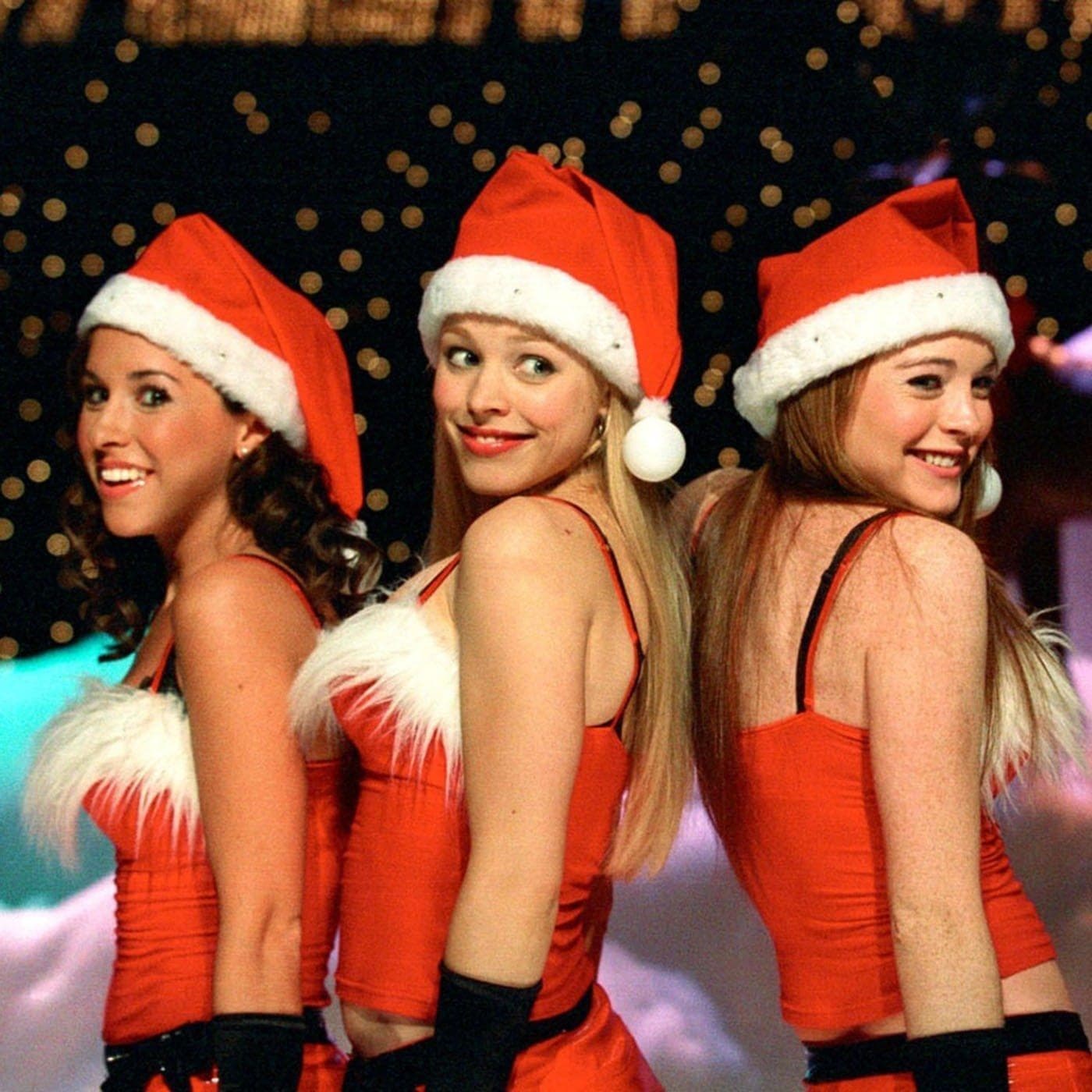
From Dictionary.com: Fetch is slang for “cool” or “awesome,” and is not, in fact, from England. It started as a joke in the movie Mean Girls, only to catch on off-screen.

From Merriam-Webster: A truthful or seemingly truthful quality that is claimed for something not because of supporting facts or evidence but because of a feeling that it is true or a desire for it to be true. The Oxford English Dictionary provides evidence dating to the first half of the 19th century for the use of truthiness as a rare word synonymous with truthfulness. In its current sense, truthiness was coined and popularized by the American satirist Stephen Colbert, who first used it in 2005.
From Merriam-Webster: Acceptable or legitimate. First recorded in 1996 in an episode of the TV show The Simpsons.