Skip to content
maxnews
Rankings

21 Fossil Discoveries That Hit the Evolutionary Jackpot

Hidden deep underground are some of the rarest treasures in all of science. Formed from immense pressure over millions of years, fossils tell us the story of our long-lost ancestors and the strange creatures that populated their world. Bizarre fossil discoveries are becoming more common as we develop new digging techniques and open our minds to the otherworldly phenomenon that is prehistoric life. Many of these insane fossils changed our understanding of the world forever, and we're still just beginning to understand the importance of these bony artifacts. While dinosaurs are some of the most famous of all extinct species, not all of the strangest fossils ever discovered came from those lizards. Some of the most bizarre fossils came from creatures so alien, you have to see them to believe they're real. These are the last remnants of the oldest lifeforms on the planet, preserved in time and rock for future generations to marvel at.

Entries
21
Votes
88.1K
Updated
8 hours ago

Tap upor downto vote. Your vote is added to Ranker's counts.

Voting identifies your browser with an anonymous fingerprint, stored only as a salted hash, to count one per visitor. Privacy

Source: Ranker, ranked by its voters.

  1. 1

    Siberian Scientists Found Nearly An An Entire Woolly Mammoth Skeleton Along With Its Skin, Wool, And Dung
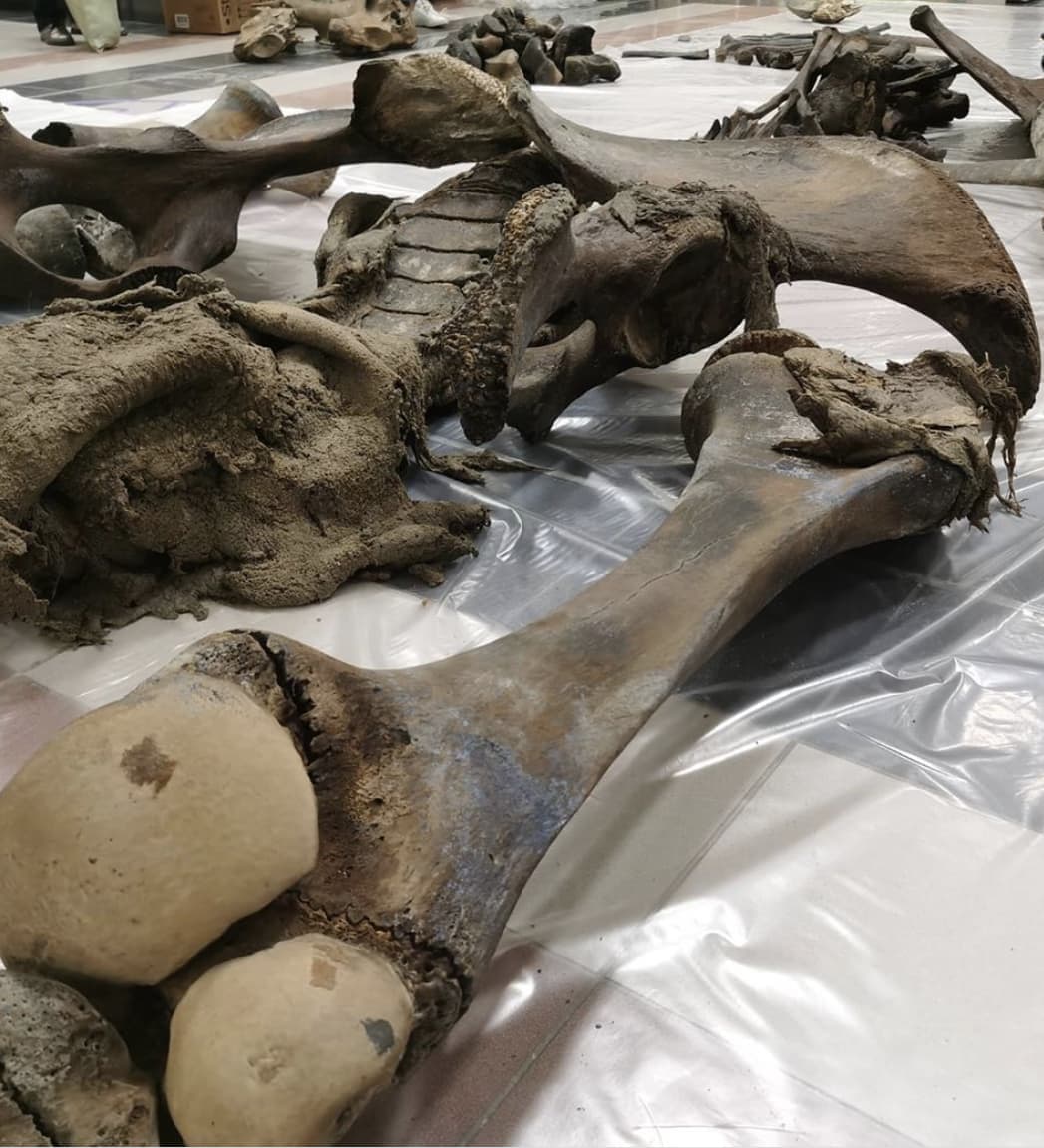
    In July 2020, a reindeer herder noticed the skull of a woolly mammoth sticking out of a lake in northeastern Siberia. Scientists who subsequently excavated the site discovered about 90% of the male mammoth's entire skeleton, along with some of its skin, wool, and other soft tissues (such as ligaments), and even its fossilized poop (called a coprolite). Pavel Kosintsev, a senior researcher from the Institute of Plant and Animal Ecology in Russia at the Urals Branch of the Russian Academy of Sciences, told Live Science that finding any kind of fossilized soft tissue is rare, and "coprolites are even rarer. Scientists know no more than 10 [mammoth] coprolites." The mammoth likely perished at least 10,000 years ago, and was well-preserved due to Siberia's cold temperatures. The skull became visible when the lake's water levels went down due to rising temperatures.
    98% upvoted
  2. 2

    The Claw Of A Moa, A New Zealand Bird That Went Extinct 600 Years Ago, Has Been Preserved

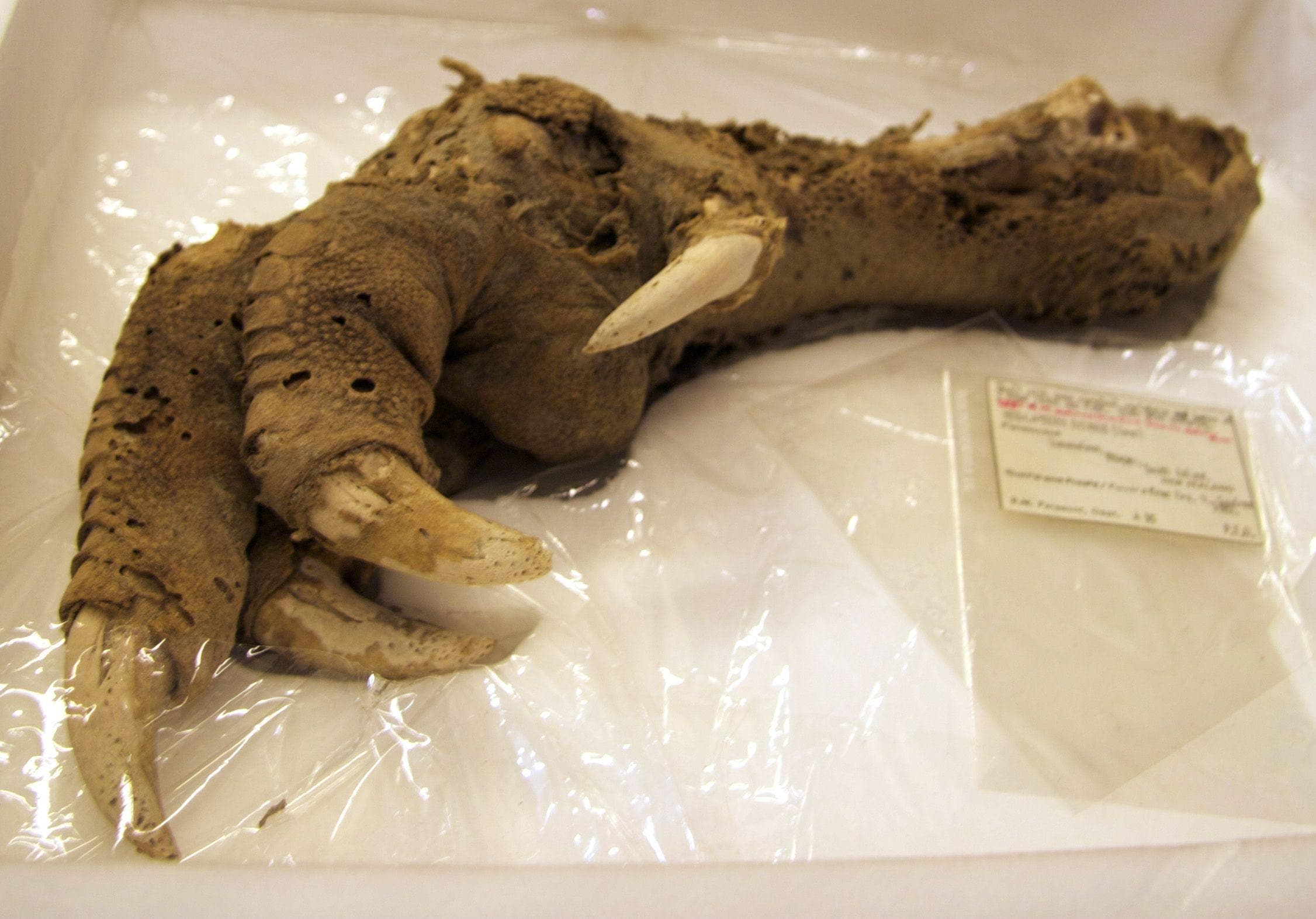
    Although some people have claimed this preserved claw is from a dinosaur, that is not true. It's actually the preserved foot of a moa, a giant flightless bird from New Zealand that went extinct more than 600 years ago when people arrived in the area. Archaeologists discovered the fossil, flesh and skin still intact, in a cave. Analysis revealed that the 3,300-year-old mummified claw belonged to an upland moa (Megalapteryx didinus), one of the smallest moa species, reaching 4.2 feet tall at most. The claw was likely preserved because the upland moa perished in a cool, dry cave that provided natural conditions for preservation.

    98% upvoted
  3. 3

    A Velociraptor And Its Prey Were Fossilized Mid-Combat

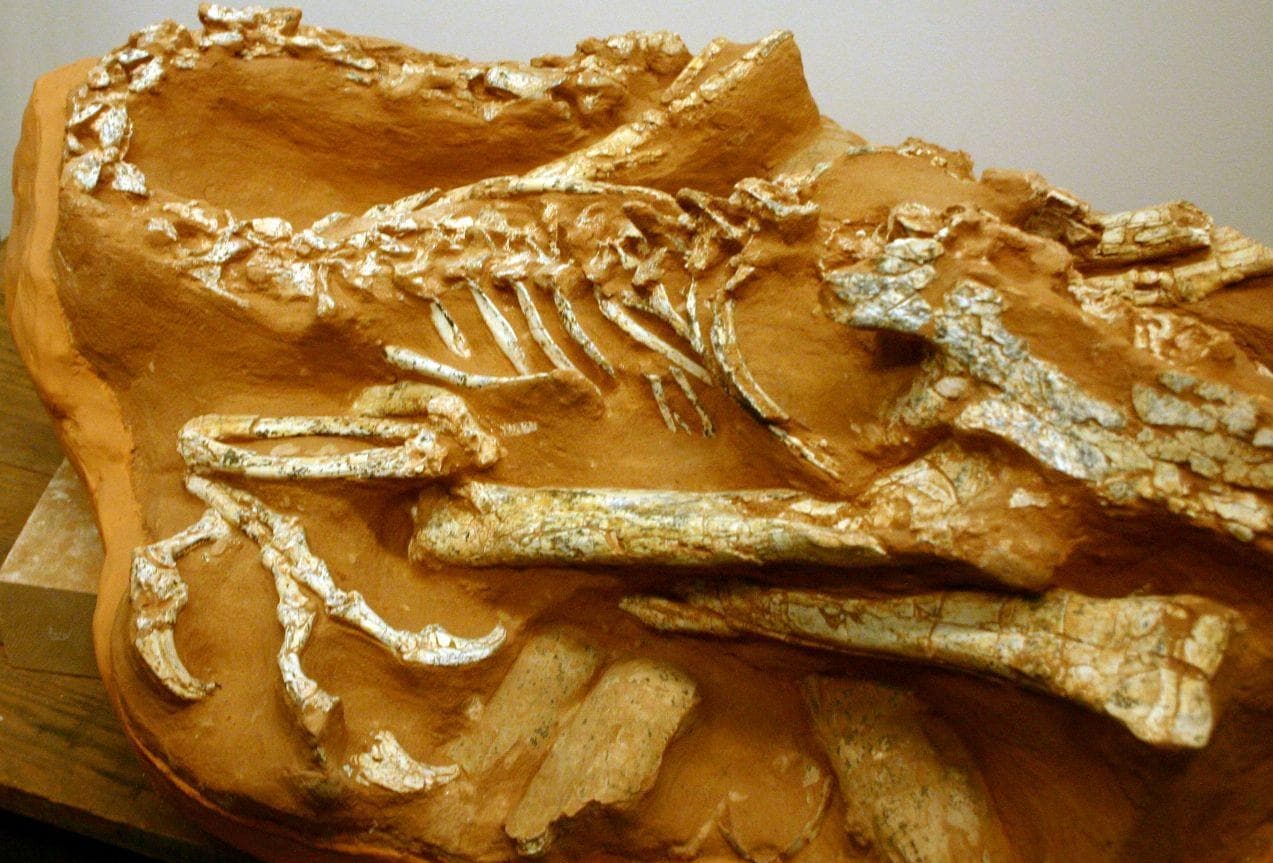
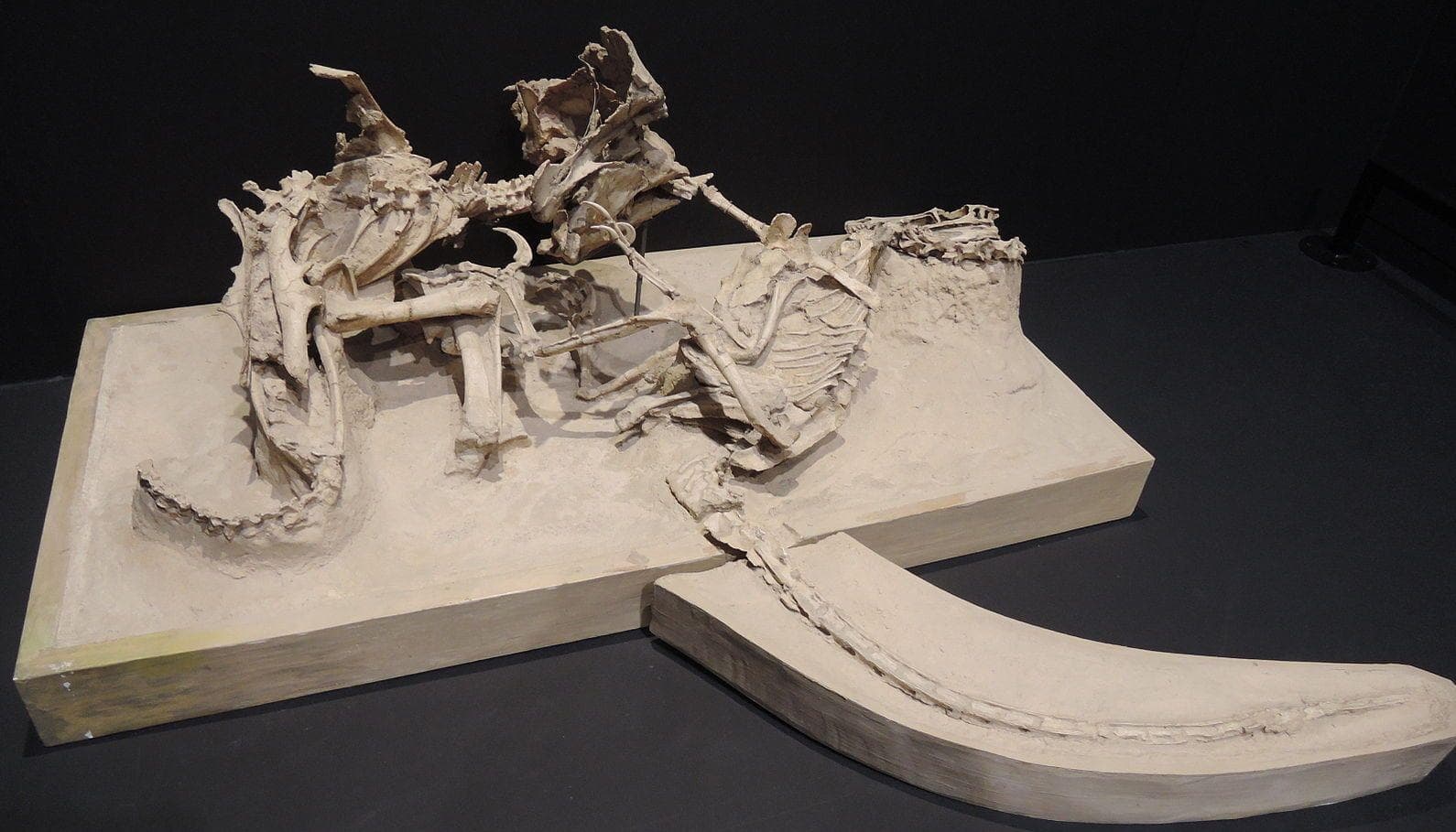
    Velociraptors are poorly understood outside of the paleontological community, mostly due to inaccuracies in the Jurassic Park franchise. No, velociraptors were not six-foot-tall, hyper-intelligent carnage machines. The velociraptor was actually about the size of a turkey and more of a scavenger than a predator. Still, that doesn't mean that some raptors weren't predatory in nature. One fossil actually captures a raptor preying on a Protoceratops, but the fight was much closer than you'd imagine. The raptor had pierced the Protoceratops with its massive toe claw, but the Protoceratops managed to bite and break the raptor's arm using its powerful beak. The two passed together, probably due to the unexpected collapse of a sand dune.

    96% upvoted
  4. 4

    A Dinosaur Tail Covered In Feathers Was Found Trapped In Amber

    Scientists were thrilled at the announcement of a 99 million-year-old dinosaur tail found encased in amber - one of the rarest and most unique discoveries in all of paleontology. The tail, which was completely covered in feathers, is further evidence in the debate that many dinosaur species were actually covered in downy feathers. The tail is one of the most perfectly preserved dinosaur appendages ever discovered. Evidence suggests the tail belongs to a Sotr, a bipedal theropod.

    96% upvoted
  5. 5

    One Dinosaur Was Preserved While Incubating Her Nest

    One fossil of a dedicated mother incubating her eggs made waves when it was discovered in the Gobi Desert. The 80 million-year-old Oviraptor helped prove that some dinosaurs had strong parental instincts at a time when there was little evidence to support the idea. It also strengthened the idea that dinosaurs and birds were remarkably similar. The poor mother was likely covered in sand while defending her nest from the elements, immortalizing her as one of the best mothers of prehistory.

    96% upvoted
  6. 6

    A Pterodactyl-Eating Fish Met Its End In The Middle Of A Meal

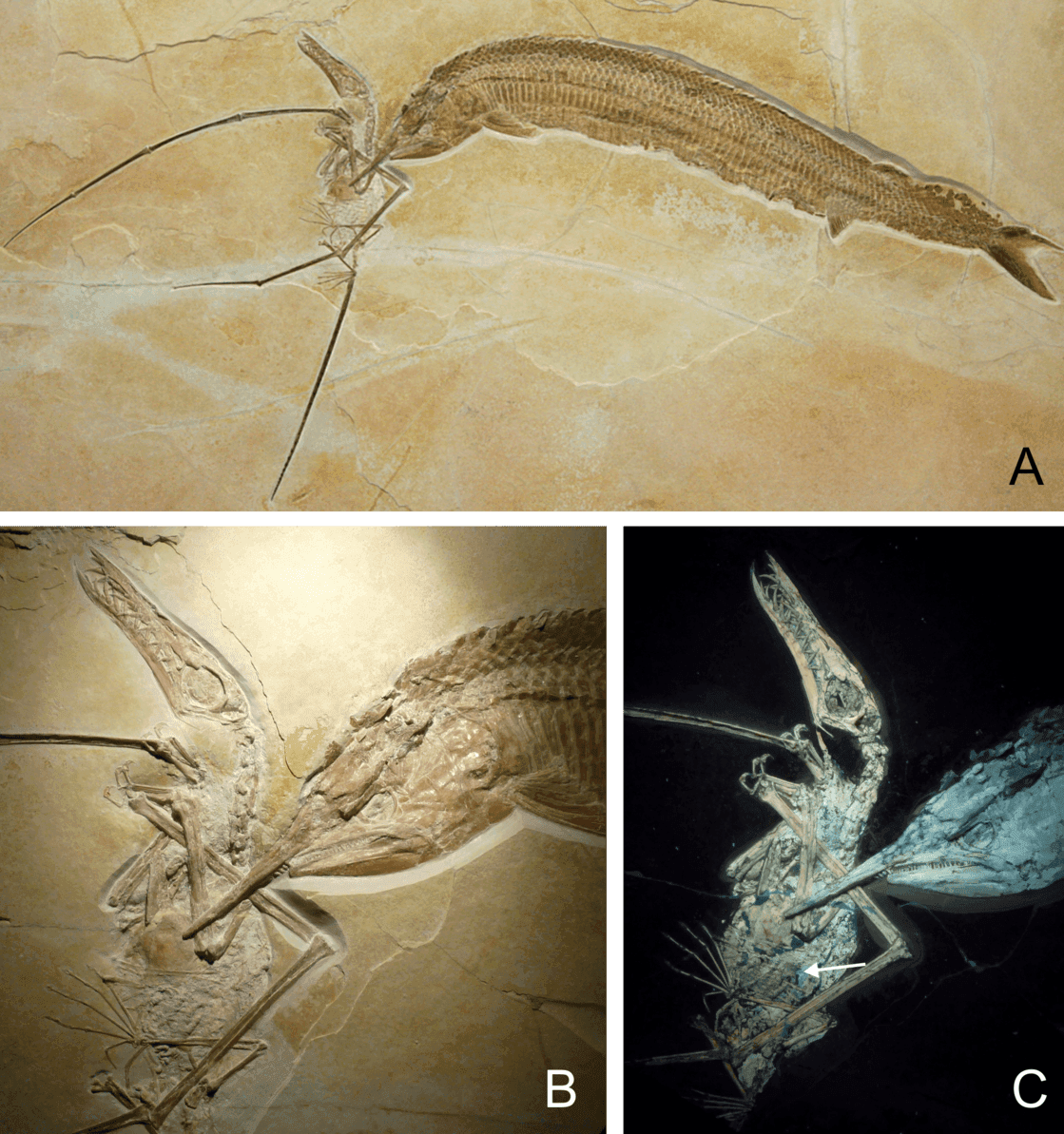
    If you can believe it, there was a time when giant fish were literally plucking winged reptiles from the sky. That's exactly what happened with this fossil, which depicts an Aspidorhynchus munching on a small pterosaur known as Rhamphorhynchus. Unfortunately for both predator and prey, neither one would escape this encounter alive. The pterosaur proved too large for the Aspidorhynchus, which may have gotten its teeth stuck in the flying reptile's leather wing. The pterosaur likely ran out of oxygen, and the monster fish probably starved soon after.

    96% upvoted
  7. 7

    2 Mammoths Accidentally Locked Tusks While Fighting And Likely Starved

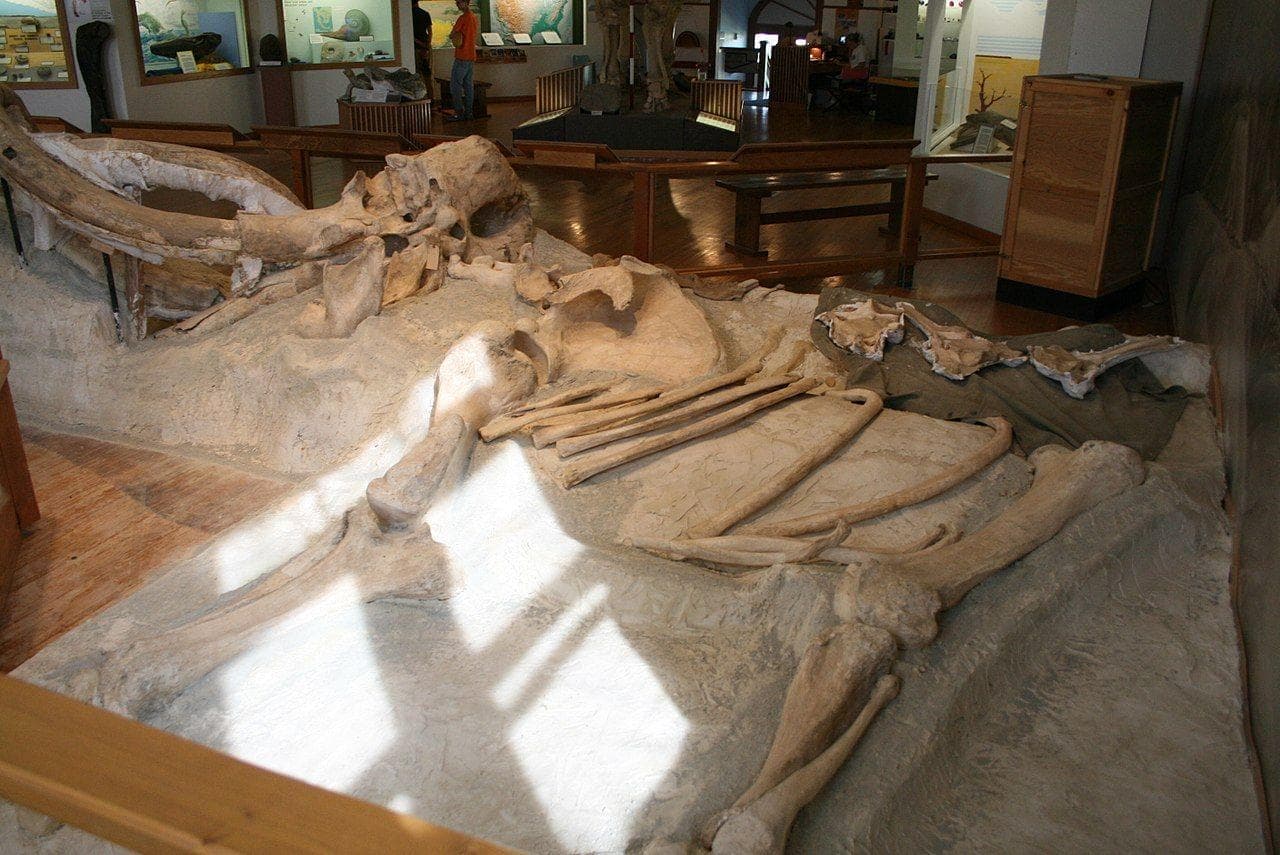
    Mammoths were massive animals, so it's not surprising that a fight between two of these behemoths could turn deadly. A 20-year-old paleontologist made a once-in-a-lifetime discovery in 1962 when he was excavating a mammoth skeleton only to find another mammoth tangled up in its tusks. The two had locked tusks while sparring, the last mistake they would ever make. Researchers believe the two mammoths were likely fighting over mating rights with a female before the fight turned ugly. One mammoth's tusk was found embedded in the other's eye socket, but neither could gain enough of an edge on their opponent for there to be a true winner.

    96% upvoted
  8. 8

    The Helicoprion Was A Shark With A Buzzsaw In Its Mouth

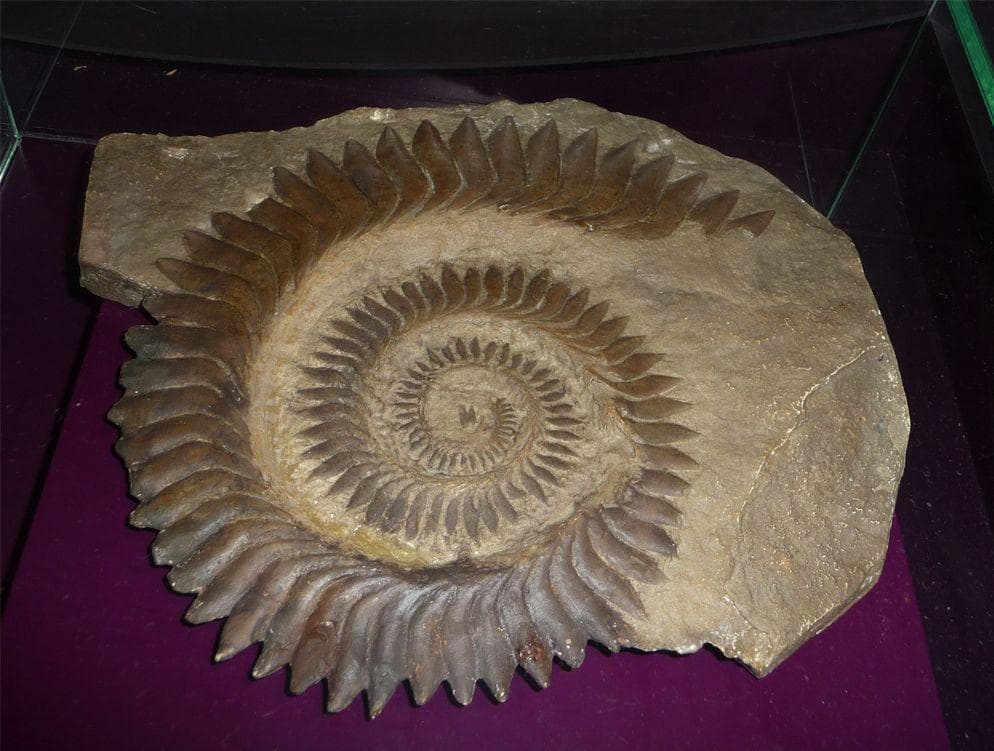
    Perhaps one of the most bizarre and horrible creatures to ever terrorize the sea, Helicoprion was a shark species known only by fossils of its frightening teeth. Sharks are cartilaginous - meaning they don't have bones capable of being fossilized - so most extinct sharks are known only by what was in their mouths. Scientists struggled for years to explain the unique spiral shape of Helicoprion's teeth. At first, it was believed that the extinct shark had a buzzsaw-shaped mouth, but further research suggests that the teeth were actually situated inside Helicoprion's lower jaw. “Continual growth of the whorl pushes the tooth–root complex in a curved direction towards the front of the jaw, where it eventually spirals to form the base of the newest root material, and this process continues to form successive revolutions,” researchers wrote in 2013. “At some time, prior to a complete 360 degree evolution of spiral growth, tooth crowns are concealed within tessellated cartilage on the upper jaw.”

    95% upvoted
  9. 9

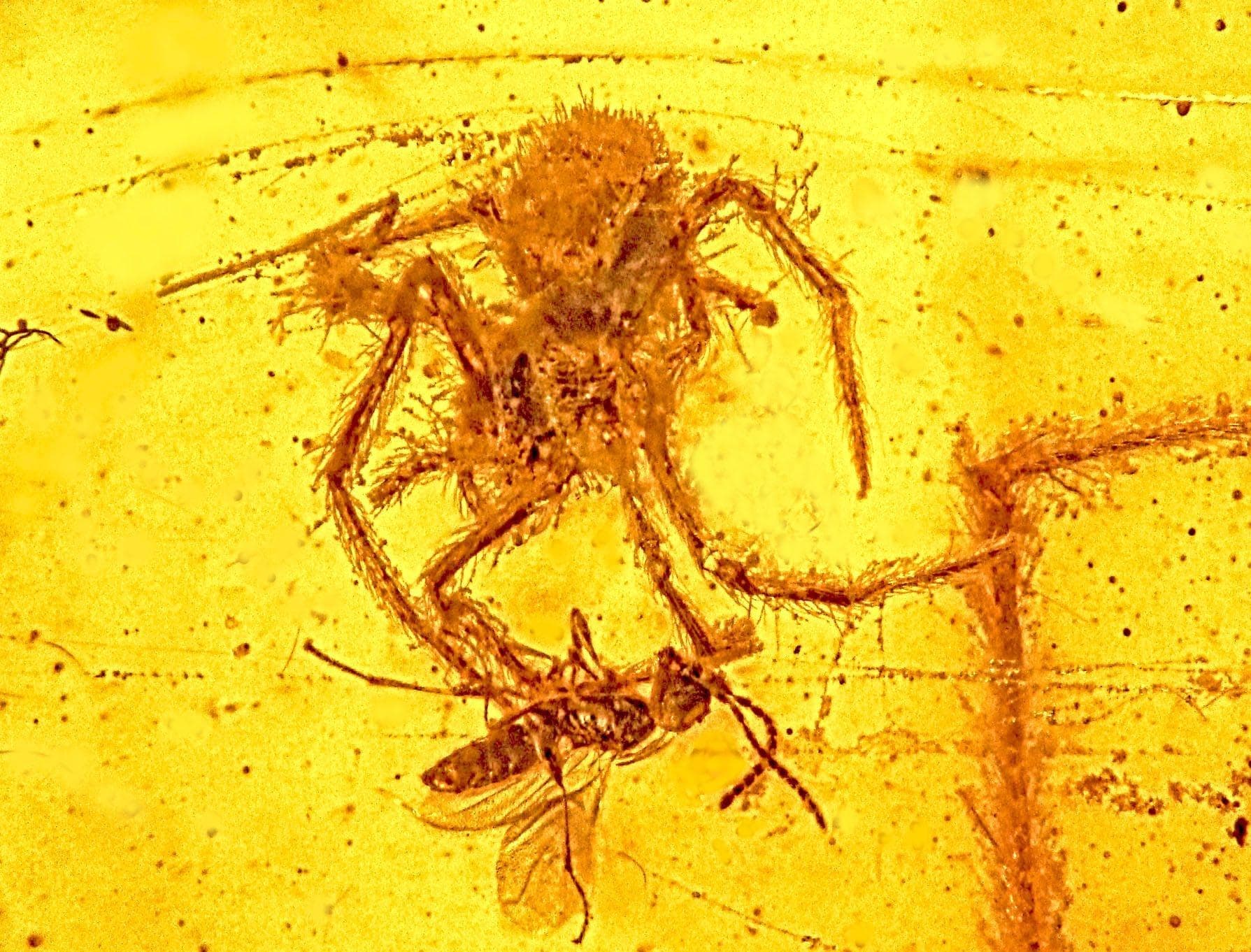
    Researchers Found A 100 Million-Year-Old Spider And Its Meal Encased In Amber

    Roughly 100 million years ago, spiders were just as terrifying as they are now. Need proof? How about this piece of amber that was discovered with a perfectly preserved spider inside. The spider was in the middle of consuming a juvenile wasp when both predator and prey were engulfed in tree sap. This particular species of wasp preys on spider eggs, so the wasp might have had it coming in this situation. The fossilized amber was found in Myanmar. It's the only example of a spider fossilized during a hunt.

    94% upvoted
  10. 10

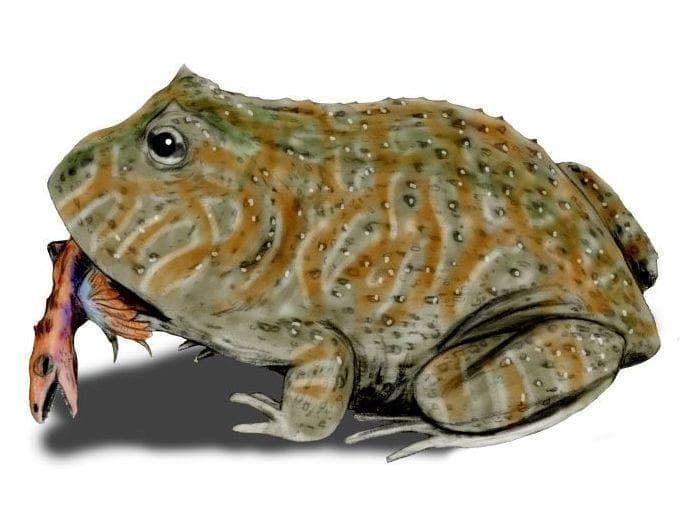
    Beelzebufo Was A Frog That Ate Dinosaurs

    Modern Madagascar is filled with some of the most unique wildlife on the planet, but go back 68 million years and you'll find a creature much more terrifying than anything alive today. Beelzebufo ampinga was a species of ancient frog that had a bite strong enough to prey on and eat small dinosaurs. They had massive, gaping jaws that were much more powerful than those of modern amphibians. The bite force of these terrifying frogs was equivalent to modern day wolves and tigers, making it one of the most ferocious amphibians of all time.

    94% upvoted