Skip to content
maxnews
Film

20 Movies Based On Books That Are Nothing Like The Book

Learning that a beloved book is being turned into a movie can be either a blessing or a curse. Often, books aren't translated well into the silver screen due to the filmmakers' inability to take each and every detail from a novel that's a few hundred pages or more and compress it into a film of reasonable length. While most book adaptations made into Hollywood films manage to honor the source material, plenty don't. This list highlights some of the most egregious and controversial examples of film adaptations of novels that stray too far from the stories upon which they're based. Take a look below, and vote on which movies most egregiously depart from the books they're based on.

Entries
20
Votes
2.2K
Updated
6 days ago

Tap upor downto vote. Your vote is added to Ranker's counts.

Voting identifies your browser with an anonymous fingerprint, stored only as a salted hash, to count one per visitor. Privacy

Source: Ranker, ranked by its voters.

  1. 1

    The Shining

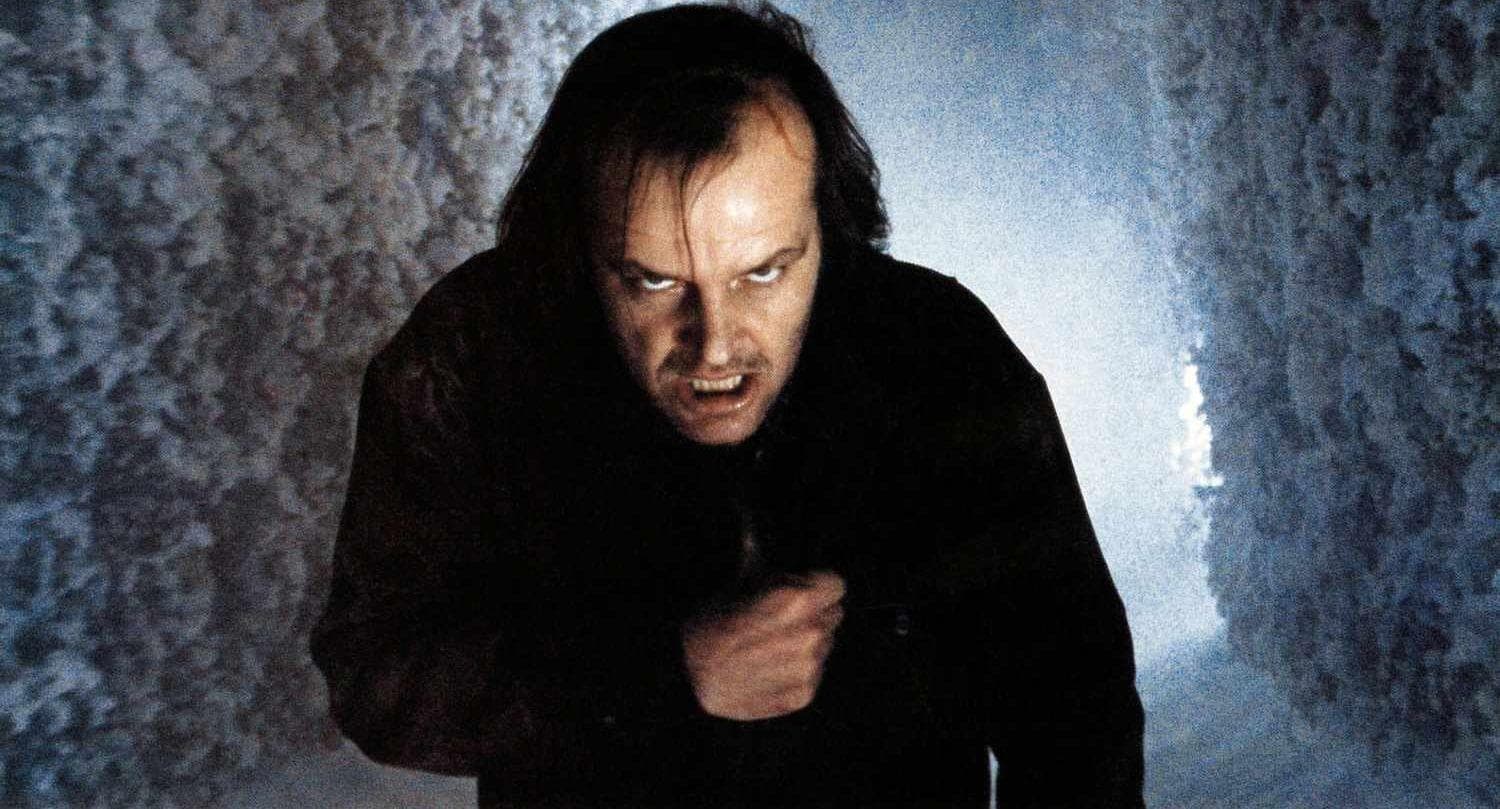
    Stephen King's The Shining has been adapted multiple times since it was first published in 1977. Still, the one adaptation that stands above the rest is director Stanley Kubrick's 1980 film starring Jack Nicholson and Shelley Duvall. The movie gets a lot right about the location, characters, and situation but strays enough from the book that King has bashed it for decades. One of the author's biggest gripes is the casting of Nicholson to play Jack Torrance. King felt that Jack was shown to be unhinged from the outset, but in his book, his descent into madness comes gradually. Of the many deviations from the novel, the more glaring examples include establishing the Overlook Hotel as more of an evil entity than a mere location in the book. The film doesn't portray it as such, lessening its place as a character in its own right. Wendy is also a more nuanced character in the novel, while she's far more passive in the film. Additionally, the hedge maze and the creepy “Come play with us” Grady twins don't exist in the novel. The book also places much more emphasis on Danny's psychic abilities, and sees Jack's death play out very differently, with him dying as the hotel is destroyed in a boiler explosion. King hated the movie so much that he created his own miniseries adaptation years later. Even without approval from the author of the source material, The Shining stands as one of the genre's true greats, so it's one of those situations where book loyalists don't love it while everyone else does.
    93% upvoted
  2. 2

    Shrek

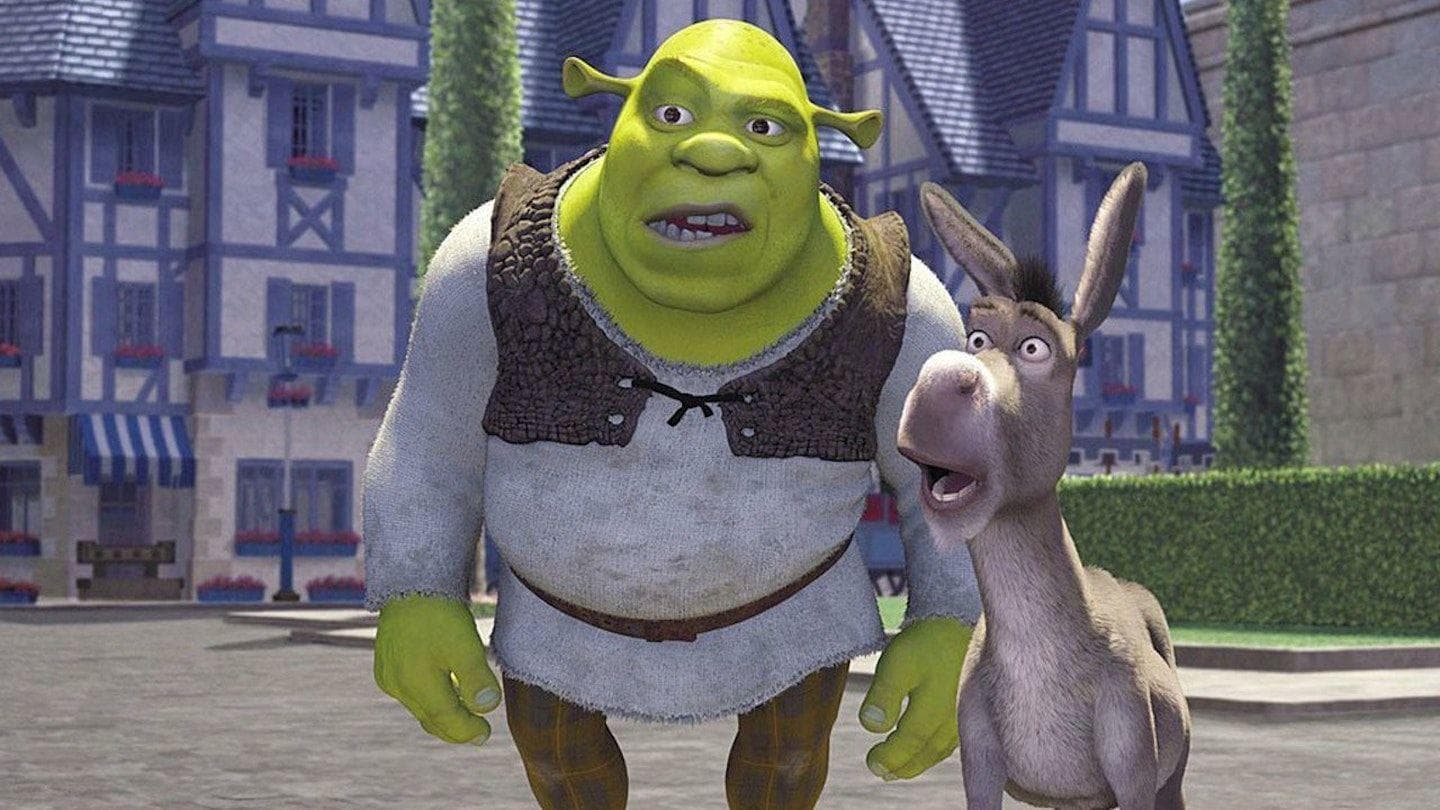
    Shrek is one of those movies that popped up out of nowhere and likely felt completely original to most viewers. In truth, though, it's based on a children's book called Shrek!, by William Steig. The movie follows the titular ogre (voiced by Mike Myers) as he teams up with a talking donkey (Eddie Murphy) to embark on a quest and win back his swamp home. Steig's book, on the other hand, sees Shrek leaving his home to travel the world after being kicked out by his parents - not a crowd of encroaching fairy tale creatures. This Shrek has the ability to breathe fire, which proves useful as he defeats a knight and rescues a princess who is uglier than he is. The film pivots from the plot almost immediately, but it honors the novel's themes and general structure - as well as maintaining Shrek's donkey companion. Ultimately, Dreamworks's Shrek improves upon the source material by crafting more dynamic characters, which helped spawn a very successful movie franchise.

    90% upvoted
  3. 3

    The Dark Tower

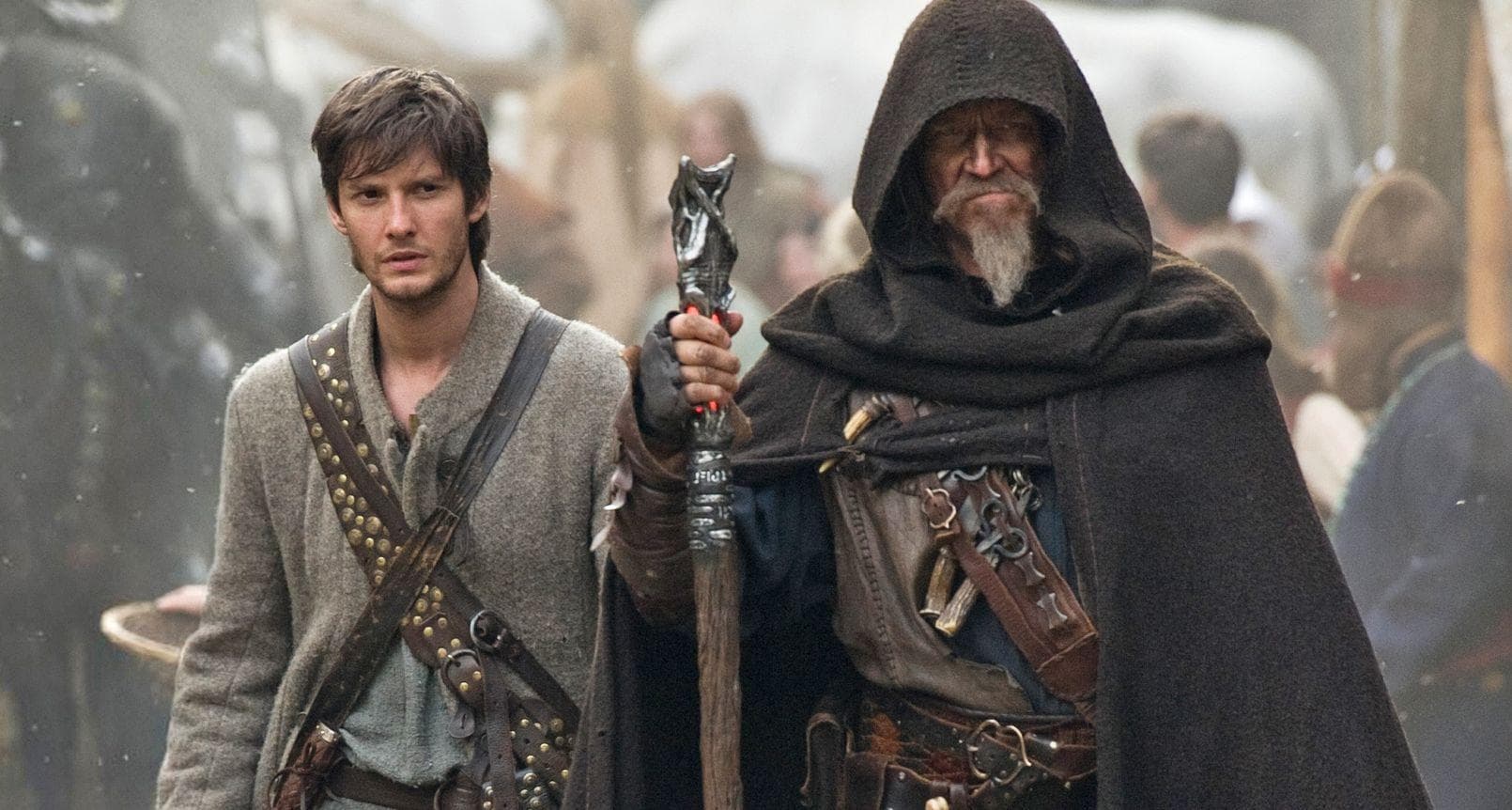
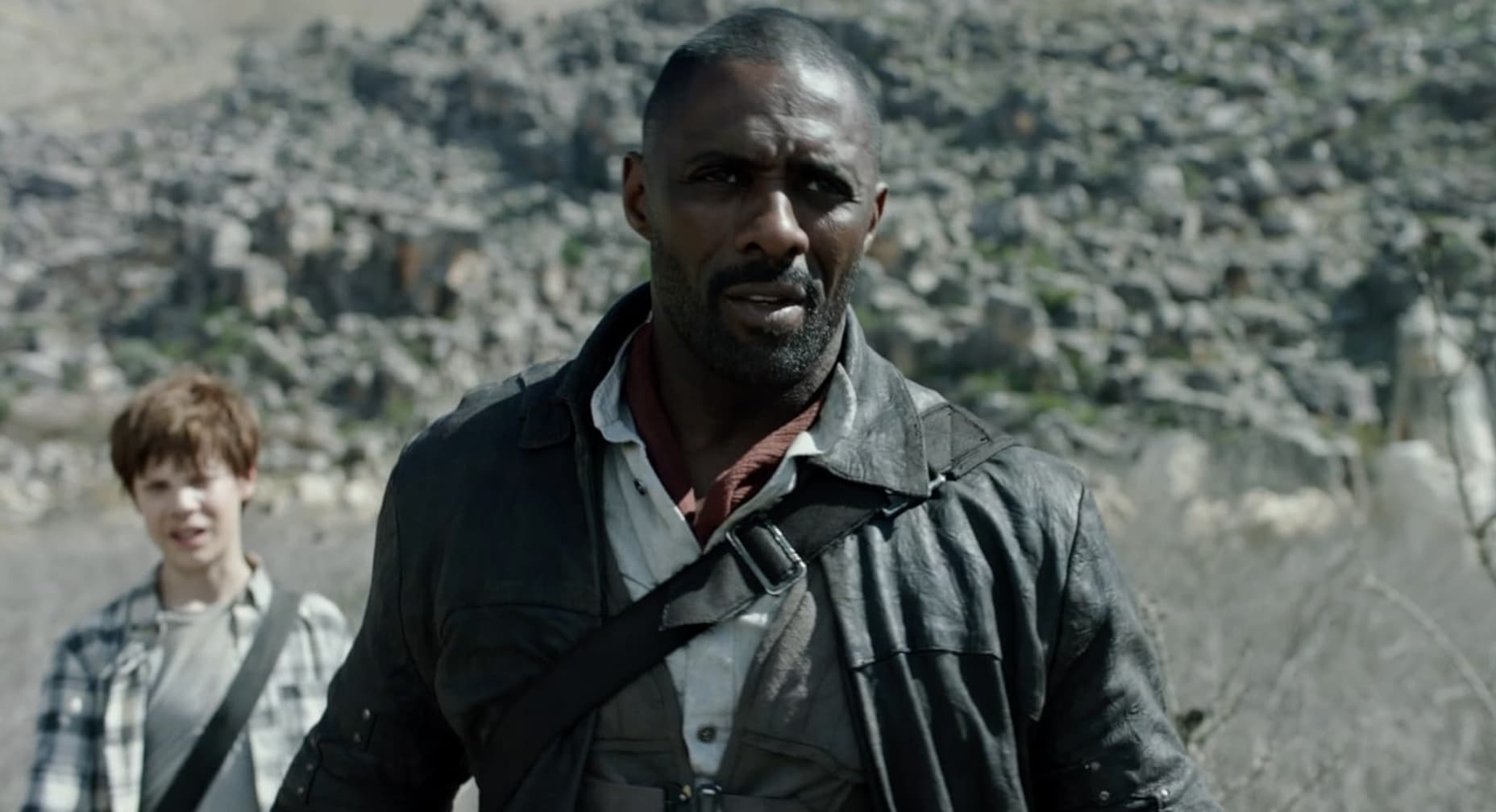
    The Dark Tower series is considered to be Stephen King's magnum opus, consisting of nine books published from 1982 to 2012. The first book, The Gunslinger, introduces the series protagonist, Roland Deschain, a member of a knightly order of skilled fighters known as gunslingers. Roland hunts for his adversary, “the man in black," as he treks across a desert. The 2017 film The Dark Tower is loosely based on aspects from several of the books in the series, while focusing on the basic narrative structure of the first. Because it deviates to include elements that don't occur in the novel, the film isn't much like the book. Tonally, the adaptation also strays a bit into sci-fi rather than fantasy - for example, the doorways between worlds are shown as technological portals in the film, whereas in the novels they seem to be ordinary doors that operate via magic. Additionally, Roand's goal in the book is to reach the Tower, and nothing will get in his way. In the film, Roland (played by Idris Elba) forsakes his duty to protect the Tower and dedicates his life to seeking revenge for his father's death. This is a significant change to the protagonist's primary goal, and it's one of many. Though King shared some positive sentiments about the adaptation, he also expressed disapproval of the movie losing the “toughness” of the novels in order to fit a PG-13 rating.

    91% upvoted
  4. 4

    Forrest Gump

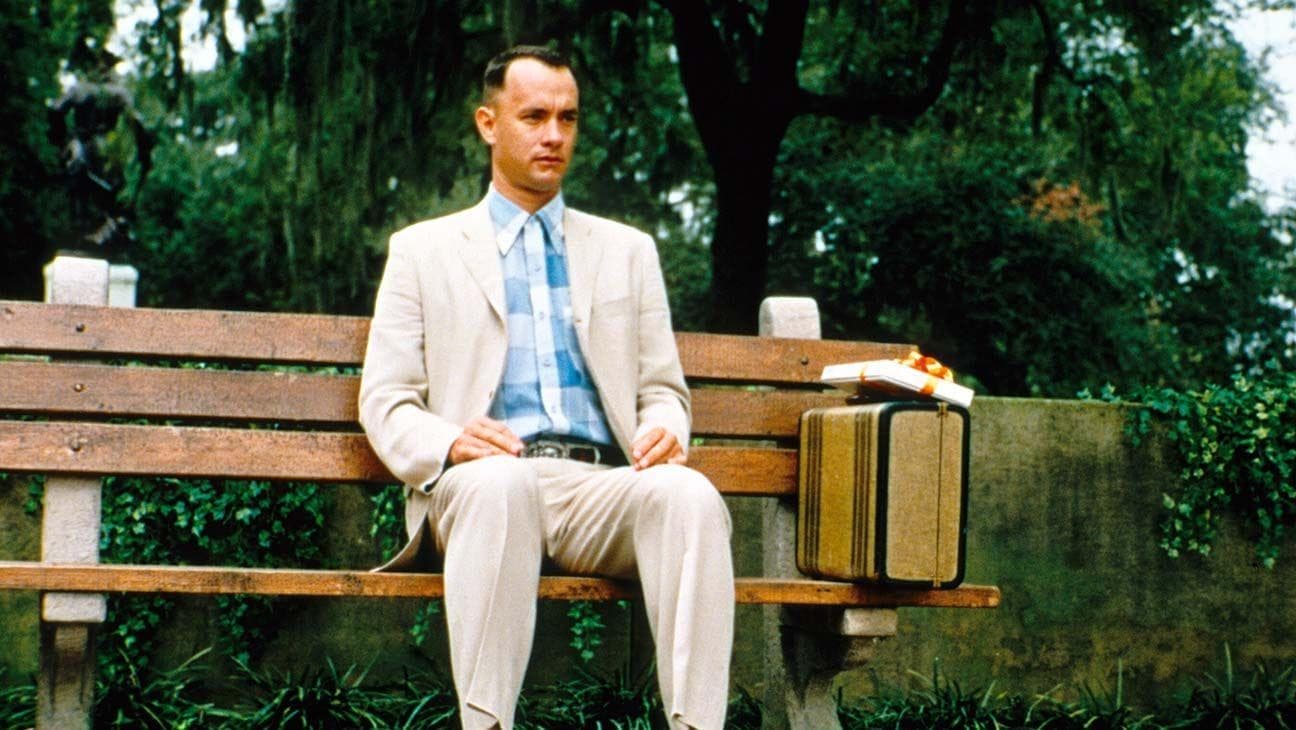
    The 1994 film Forrest Gump was a massive success, earning numerous awards and cementing Tom Hanks as one of the greatest actors of his generation. The film is based on Winston Groom's book of the same name, but deviates significantly from the source in several areas. Most notable is Forrest's personality, which is humble and sweet in the movie. In the book, Forrest is foul-mouthed, sometimes violent, swears a lot, and a savant in math and physics. Additionally, Forrest in the book is a master of chess, while Forrest in the film doesn't show talent in that area. Other characters like Bubba are portrayed differently, and Forrest has many other adventures that are left out of the film entirely, but the most significant change concerns the ending. Like the film, the book features Jenny having a son that she reveals to be Forrest's. The film ends with Jenny passing away and Forrest raising their son alone, but she remains alive and well in the novel, and Forrest doesn't have a role in his son's life, since Jenny is married to another man. It's fair to say a faithful adaptation of the novel wouldn't have played as well as the film that was developed. Still, the book did come first, so there may be those who prefer it.

    90% upvoted
  5. 5

    I Am Legend

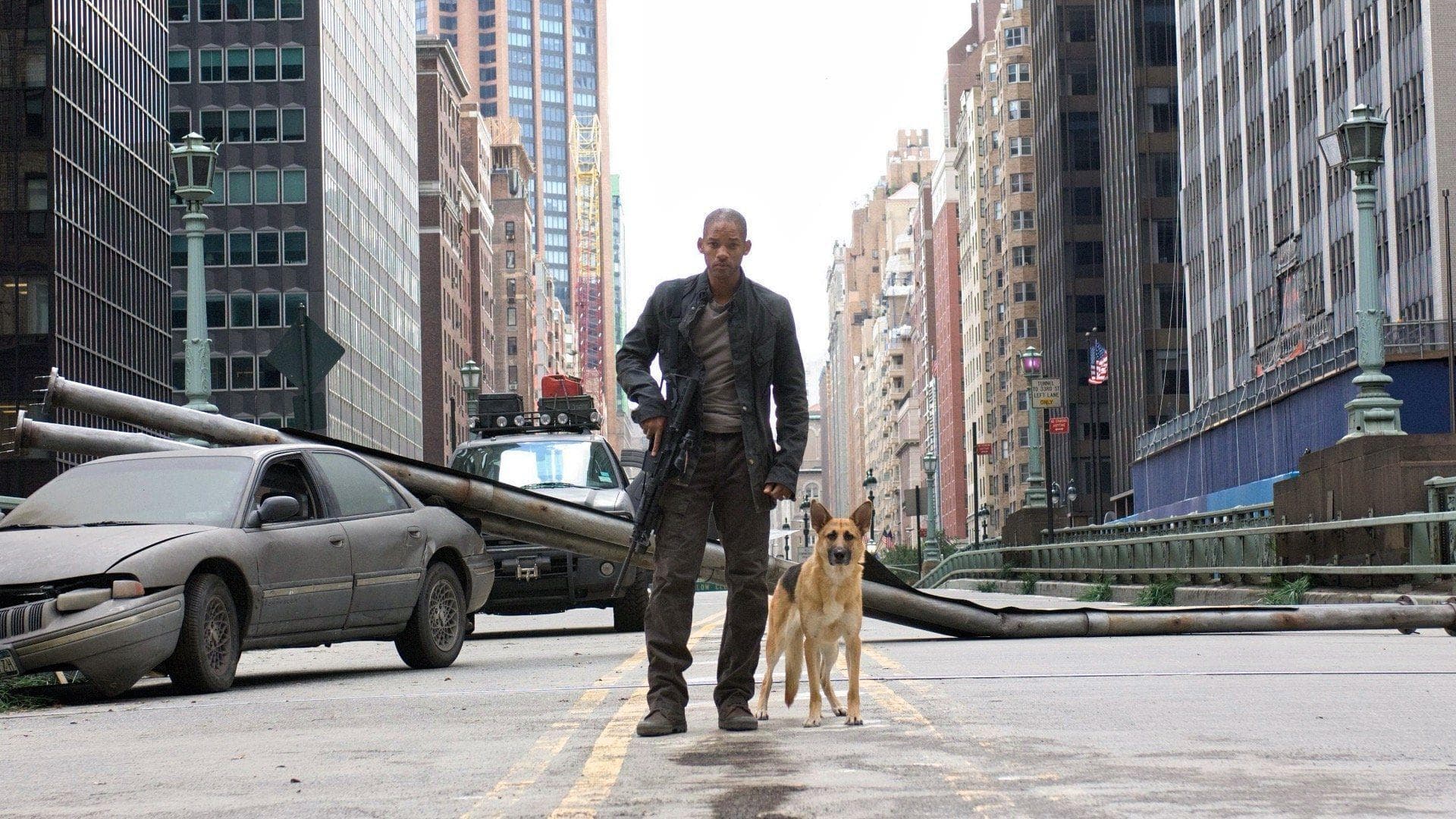
    Richard Matheson's 1954 novel, I Am Legend, has been adapted multiple times. Will Smith's 2007 I Am Legend is the third, following The Last Man on Earth and The Omega Man, and despite keeping the title, it's still wildly different from the novel. Matheson's book is set in 1976 in Los Angeles, California, after an apocalyptic war has destroyed civilization. The plot revolves around a pandemic that killed most of the human population, transforming the rest into vampires. The story follows Robert Neville, a lonely survivor who barricades himself in his home to survive. He has flashbacks of his wife and daughter's death and works to find a cure. After three years of isolation, he meets a woman in the daylight who apparently has immunity to the plague, but it turns out she's a plant attempting to capture Neville and bring him to justice. The film is similar, in that it still follows Neville (Will Smith). The most significant deviation comes from the monsters (here called “Darkseekers”), which are somewhat akin to vampires in that they can't stand sunlight, but otherwise are closer to the image of zombies popularized by 21st century movies. In the book, Neville is the legend he believes he is - he works tirelessly to “cure” the infected, but in reality, he is the monster from the vampires' point of view. He is a legend in his mind, but the book ends with him understanding this and dying by suicide. The film's theatrical ending is almost the complete opposite , as Neville's self-sacrifice to protect the cure is intended to cement his heroic identity as a savior of mankind. However, the film does have an alternate ending that is closer in spirit to the novel's ending.

    86% upvoted
  6. 6

    World War Z

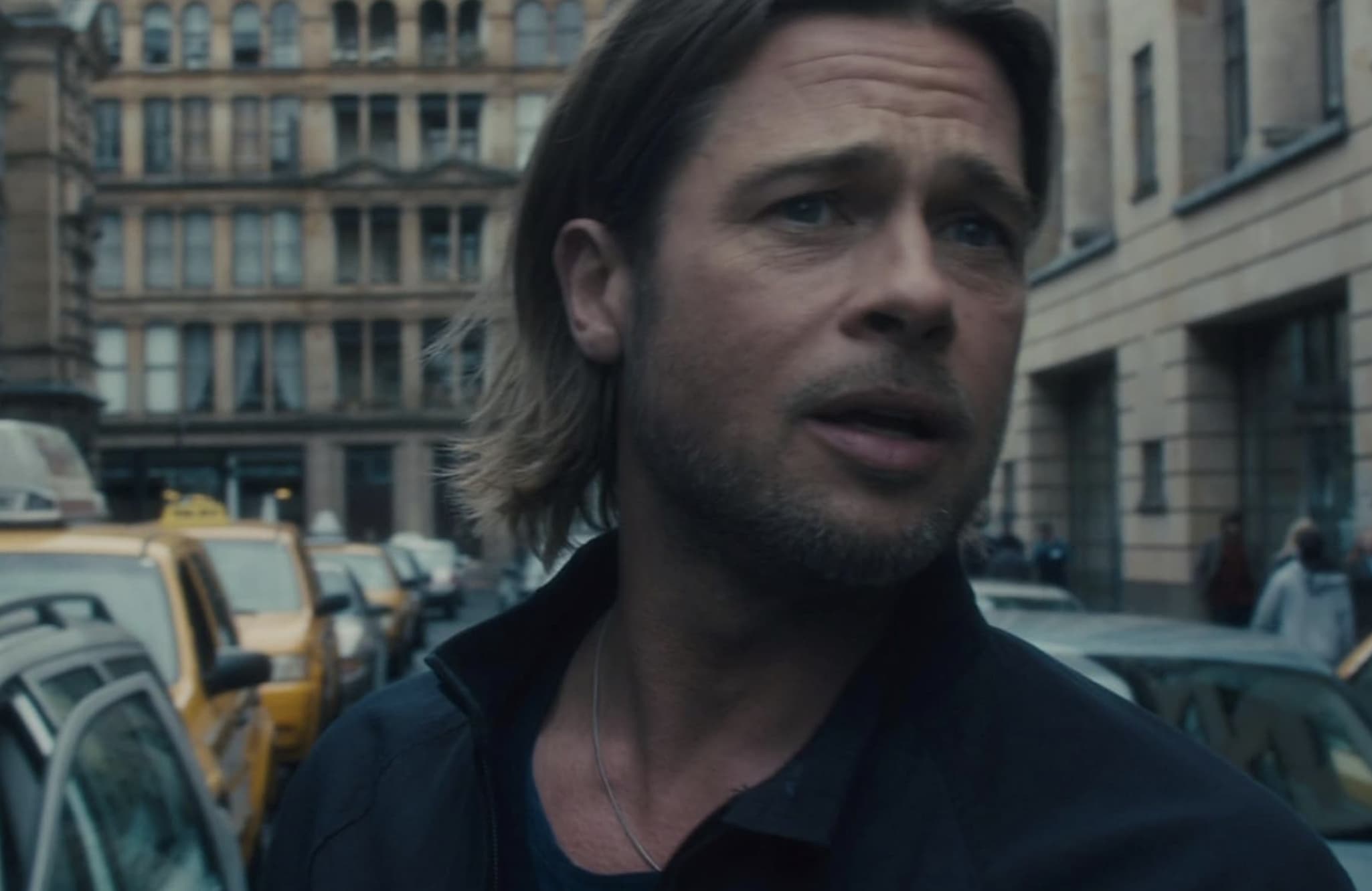
    World War Z is an intended tentpole Brad Pitt film loosely adapted from Max Brooks's 2006 novel World War Z: An Oral History of the Zombie War. Even calling it a loose adaptation is generous, as the film is almost nothing like the book. Brooks wrote it as a follow-up to his hit novel The Zombie Survival Guide, published a few years earlier. The novel is formatted as a collection of various accounts of a worldwide zombie plague. Its stories include those from people all over the globe and their contributions and impacts of the so-called “Zombie War," so it takes place after the effects are widespread. The movie, on the other hand, takes place as the zombie infection first begins to spread. It also ditches most of the characters from the novel and centers around a single subject, Pitt's Gerry Lane, a former UN investigator who searches the world for a cure to the plague. In one sense, Lane's interactions with many international allies somewhat mimic the general tone of the novel's use of vignettes, but that's about where the similarities end. Other key differences include the portrayal of zombies, which are shown to be much faster-moving and more dangerous in the film. Overall, the book is more focused on how authorities and common people might respond to an actual zombie outbreak, with all the complexity that entails, while the film aims to tell a more straightforward action-packed story with an optimistic Hollywood ending.

    85% upvoted
  7. 7

    The Running Man

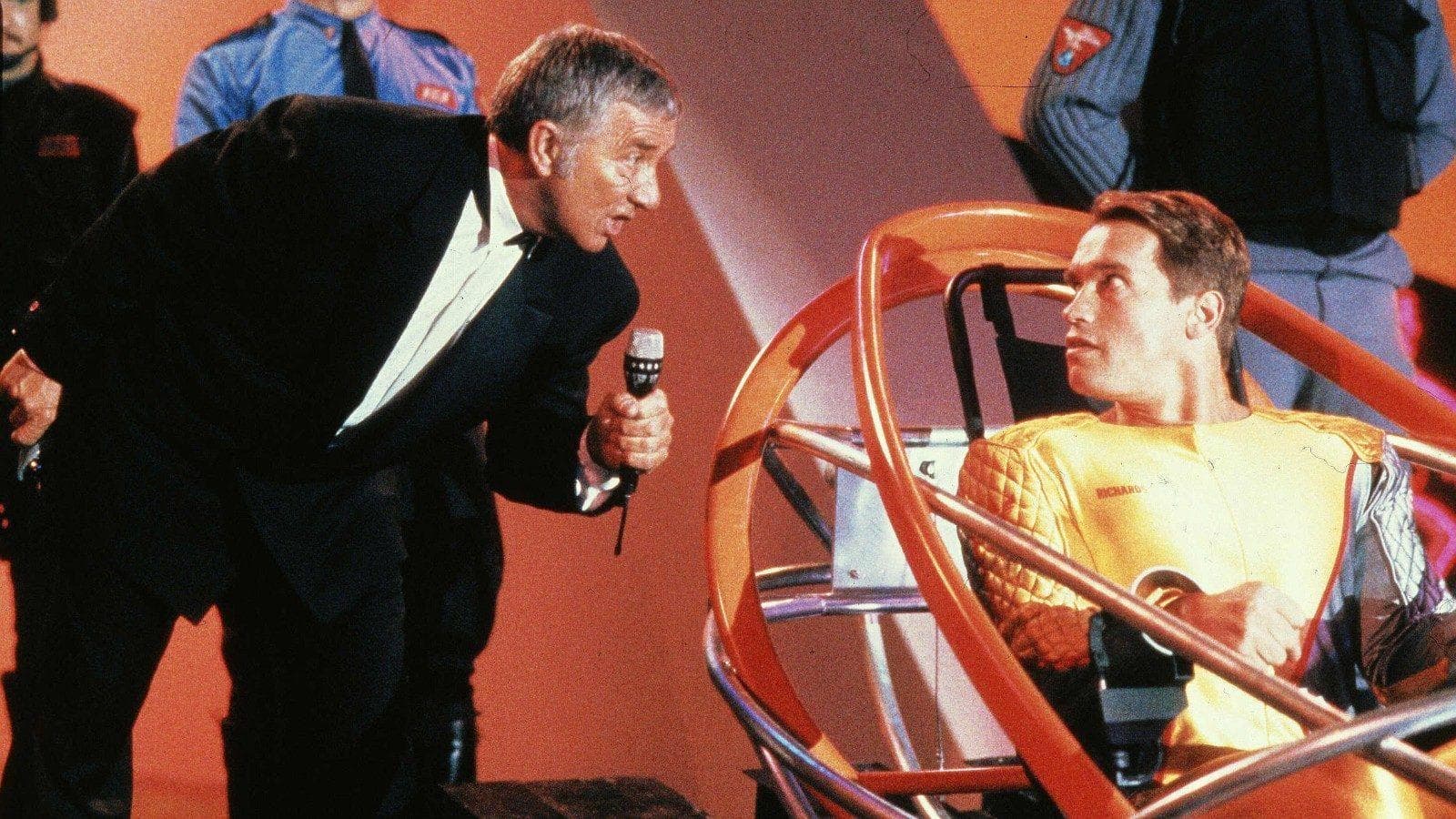
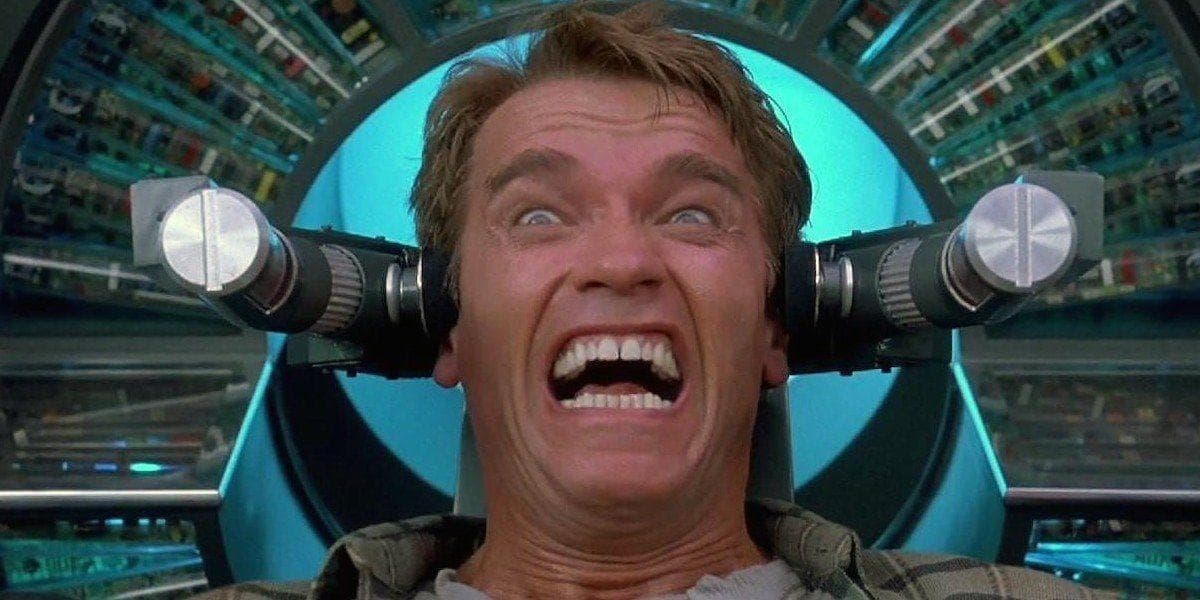
    Stephen King's work has been adapted into many successful and popular films, including the 1987 action flick The Running Man. Like King's 1982 novel, the film is set in a dystopian near-future United States, where the economy is in ruins and violence runs rampant. The book's plot follows Ben Richards as a participant in a reality show called “The Running Man.” Contestants win money by surviving while elite hitmen are sent to kill them. The film is only moderately similar in that the character's name, Ben Richards (Arnold Schwarzenegger), is the same. Also, there's a reality TV show with a similar premise. One key difference stands out from the beginning: the film's version of the game show only features criminals as contestants, fighting for their freedom, while the novel shows that the contestants are enticed to participate due to dire financial circumstances. The movie includes new characters and establishes the protagonist as a wronged police helicopter pilot forced to compete in the game with the hope of winning a pardon. Added characters and a complete change to the nature of the deadly TV show make the movie very dissimilar from the source material. That said, the film is still an engaging entry in Schwarzenegger's filmography that has its fans. A new adaptation of King's novel went into development in 2021 with Edgar Wright attached to direct, so there's hope the book will be faithfully adapted to the screen one day.

    84% upvoted
  8. 8

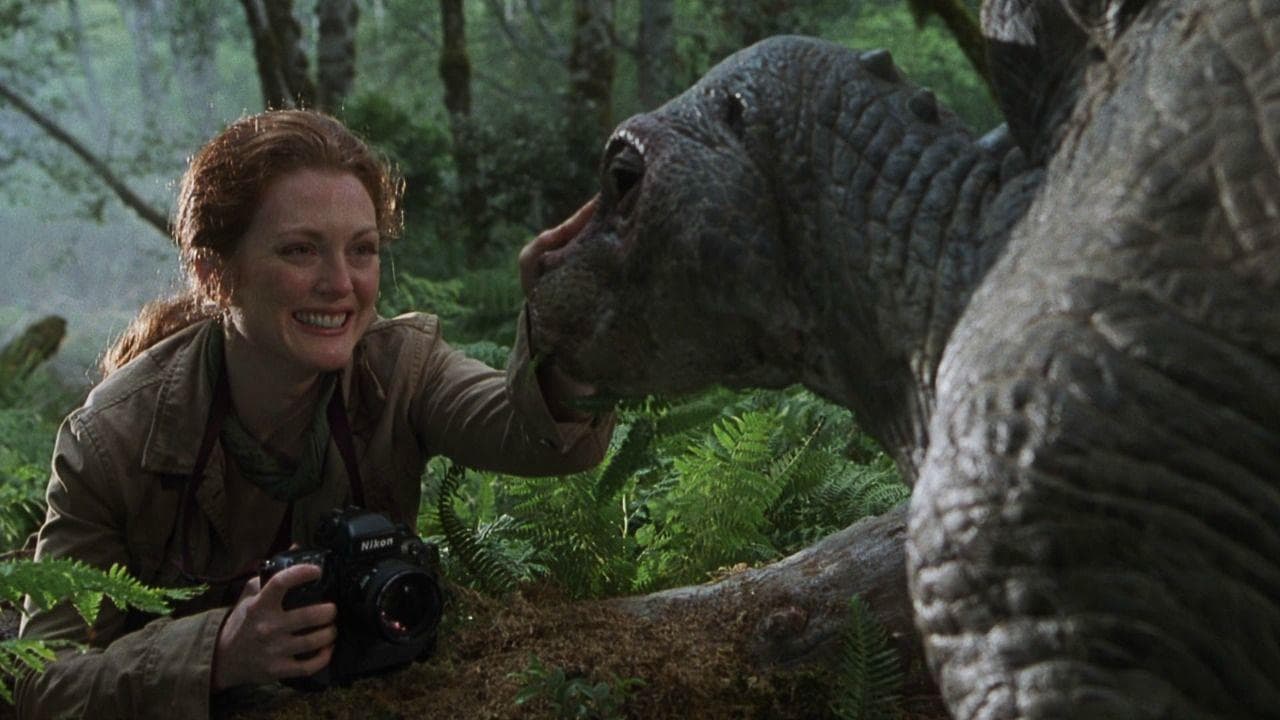
    The Lost World: Jurassic Park

    Stephen Spielberg's incredibly successful adaptation of Michael Crichton's Jurassic Park⁠⁠⁠⁠⁠⁠⁠ did so well that it was a foregone conclusion that a sequel would follow. For his part, Chrichton wrote the sequel - something he'd never done before - at the request of his fans. Spielberg also wanted to do a sequel, so the author essentially wrote The Lost World so it could be adapted into a film. Spielberg's adaptation of the first novel is very close to the book, though it leaves a lot out that eventually found its way into subsequent entries in the franchise. The acclaimed director didn't follow the novel as well the second time around, combining some characters, changing the antagonist, and significantly altering the ending. In the book, the entire story takes place on Isla Sorna, while the film relocates the finale to San Diego, California. The entire sequence, which is probably the most memorable from the film, features a T. rex running rampant through the city. This aligns with Spielberg's penchant for fabulous filmmaking, as he likely thought the spectacle of the California ending worked better for the silver screen.

    82% upvoted
  9. 9

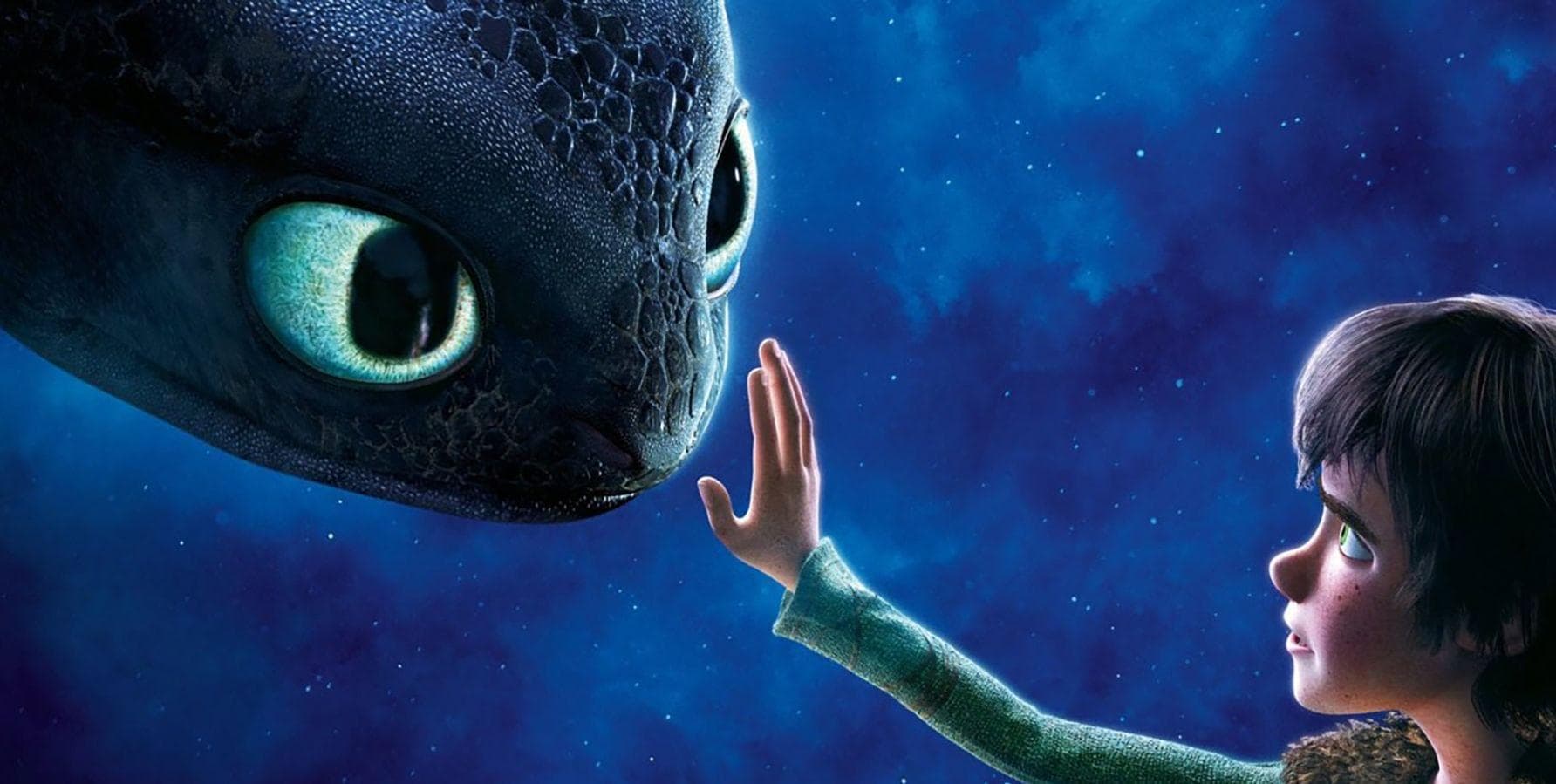
    How To Train Your Dragon

    How to Train Your Dragon is YA series by Cressida Cowell consisting of 12 books. The Dreamworks film series of the same name is very successful, but it bears very little resemblance to Cowell's story. In fact, the narrative is so different that an argument could be made that the movie (and its sequels) are entirely different properties that have almost nothing in common except for the title and character names. In the book, Toothless is a runt dragon, not the impressive, rare species shown in the films, and Hiccup is able to converse with him in Dragonese. Most dragons in the book are small but loyal, though Toothless is notably stubborn and a prolific complainer. The film's dragons don't talk at all, and are much larger, with most being big enough for humans to ride. Additionally, the film invents a war between humans and dragons, with Hiccup being the first to figure out how to befriend and train the creatures. In the books, the Vikings have been training dragons for generations, and Hiccup isn't particularly skilled at it, struggling to get Toothless to obey him. The movie also invents the character of Astrid to serve as a love interest for Hiccup, though she may be based on a character named Camicazi who appears beginning in the third book. The HTTYD franchise is an incredibly successful one for DreamWorks Animation, and it's fair to say that a faithful adaptation of the book wouldn't work well as a movie, so the changes are inarguably for the better. Despite this, fans of the books have the right to feel disappointed that the same name is used to advertise an entirely different story.

    81% upvoted
  10. 10

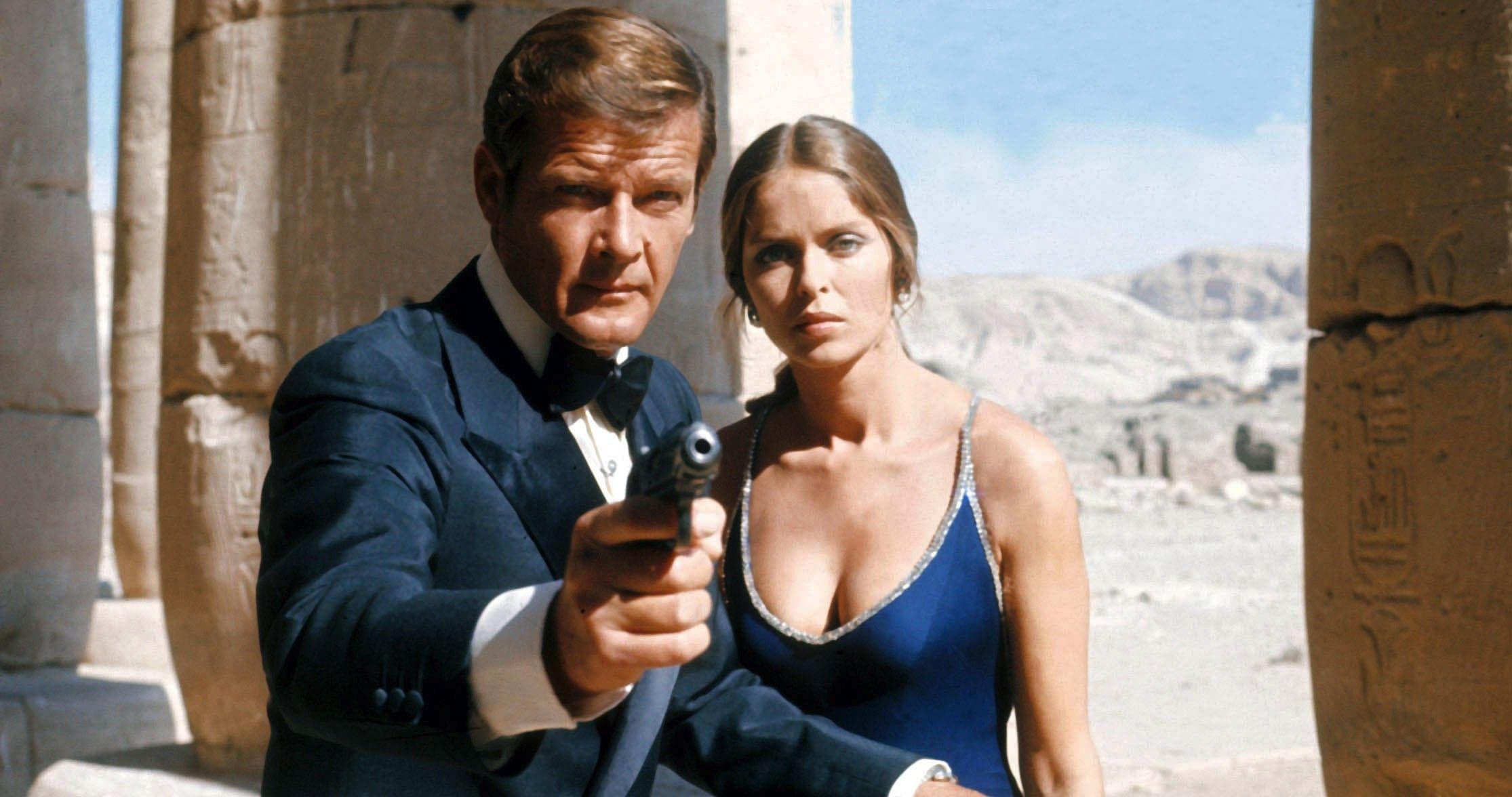
    The Spy Who Loved Me

    The Spy Who Loved Me is the tenth James Bond film that takes its title from Ian Fleming's tenth novel in his series. Besides the title and the fact that the film is about James Bond, nothing from the book made it into the movie, which features an entirely new plot. That's not surprising, given how poorly the novel did with fans. It's written in first person perspective from an entirely different character, and Bond does not appear until well into the story. Due largely to this sudden change in style, the book was poorly received by fans. Contrary to the usual trend with film adaptations that deviate from the books, Fleming was the one responsible for the complete story overhaul in the movie. He stipulated that should it be developed into a film, only the title could be used. This was probably a good move, because the film was well-received and remains a fan favorite (unlike the book).

    86% upvoted