Skip to content
maxnews
Film

19 Movies Based On Historical Events You’ve Likely Never Heard Of

Historical films that explore well-known events tend to do well with audiences, such as movies about WWII (Schindler's List), triumph in the face of disaster (Apollo 13), or the lives of famous people (Lincoln or The King's Speech). However, history has millions of fascinating stories tucked away in the folds of time. And sometimes, the lesser-known plots are even more interesting to witness. These stories might feature overlooked characters in history, such as the Black women who helped America win the space race, or tragedies that likely weren't covered in your history classes, such as the Rwandan genocide or Nanking Massacre.

Entries
18
Votes
3.5K
Updated
yesterday

Tap upor downto vote. Your vote is added to Ranker's counts.

Voting identifies your browser with an anonymous fingerprint, stored only as a salted hash, to count one per visitor. Privacy

Source: Ranker, ranked by its voters.

  1. 1

    'Free State of Jones' (Jones County Uprising During The Civil War)
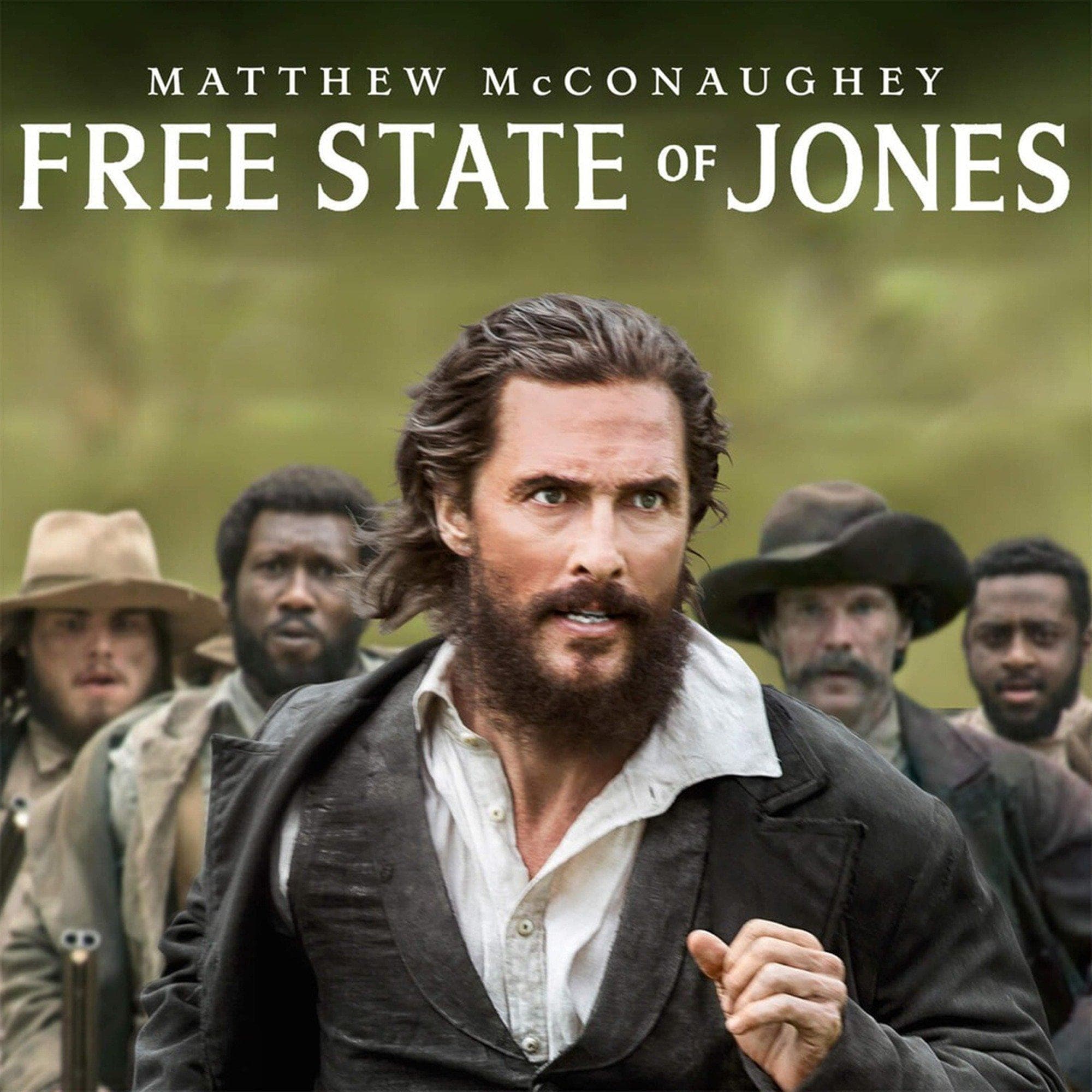
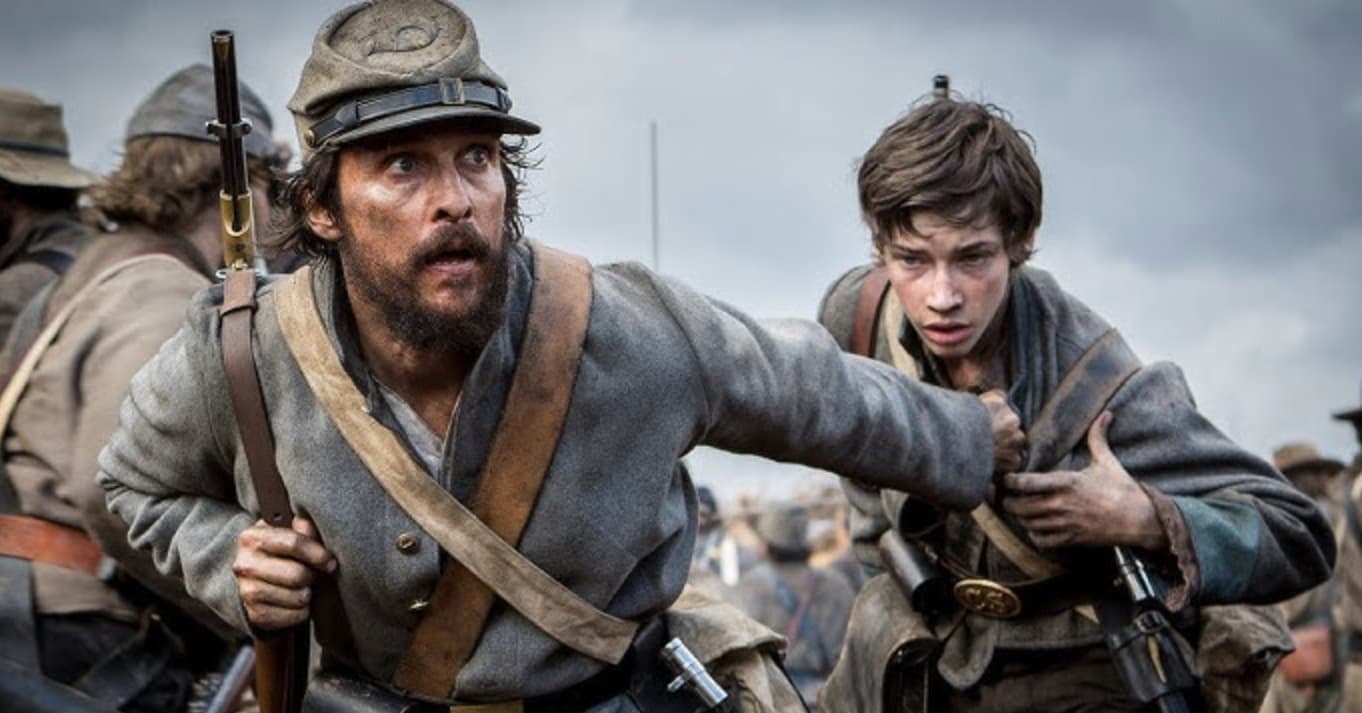
    When Free State of Jones was released in 2016, some people might have believed it was just another historical-fiction film about what could have happened during the US Civil War if some Southerners had risen up against the Confederacy. As Matthew McConaughey rounds up his neighbors, both white and Black, to join him in overthrowing the Confederates who are slowly taking their crops and land, we cheer them on because it's a nice story. However, this story is based on real-life events. There really was a poor white farmer, Newton Knight, who decided to stand up to the Confederacy. Knight, who lived in southern Mississippi, deep in Confederate territory, was a compassionate leader who quickly got nearby families to agree they'd had enough of the Confederates. So the militia staged a rebellion in Jones County, MS, in 1864 - and successfully overthrew the Confederates. They even flew the United States flag over the courthouse, making it one of few places in the South to acknowledge the North as the true United States at the time.
    89% upvoted
  2. 2

    'Killers of the Flower Moon' (Osage Murders)

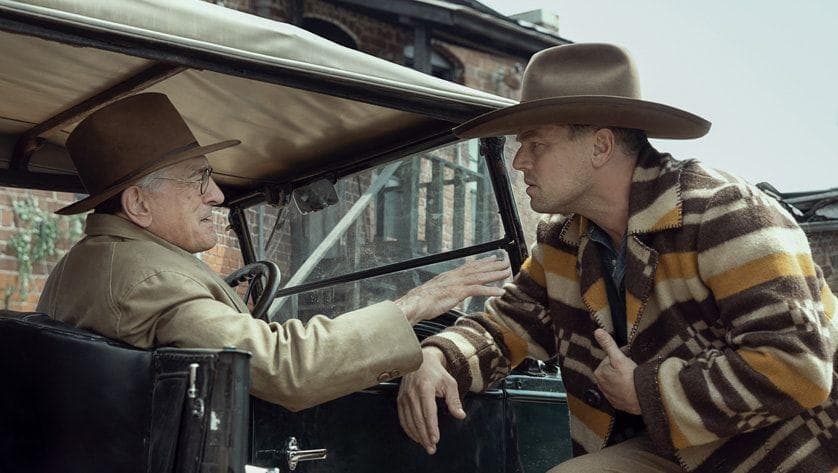
    Killers of the Flower Moon (2023) tells the story of the Osage murders, and the subsequent investigation by the newly formed FBI. The Osage murders centered on Osage tribal members in the 1920s. The Osage people had been forced West by white settlers, and eventually settled on a plot of land in northern Oklahoma, now called Osage County. Unbeknownst to the tribe, massive oil deposits were underneath their reservation - some of the largest in the country. When these were discovered in the early 1900s, the tribal members became some of the richest people in the country. The Osage murders were part of a plot to take the tribal members' shares of the oil, specifically the Kyle family's shares. A wealthy cattle rancher, William K. Hale (played by Robert De Niro in the film), convinced his nephew, Ernest Burkhart (played by Leonardo DiCaprio), to marry a member of the Kyle family, Mollie (played by Lily Gladstone). Hale then systematically killed off members of Mollie's family so Burkhart would eventually inherit all of the family's oil shares. With so many deaths occurring, the Osage people desperately looked for help, not finding much aid from local officials. The federal government finally stepped in - and the Osage murders marked one of the first investigations by the FBI.

    90% upvoted
  3. 3

    'The Last Duel' (Duel Between Jean de Carrouges And Jacques Le Gris)

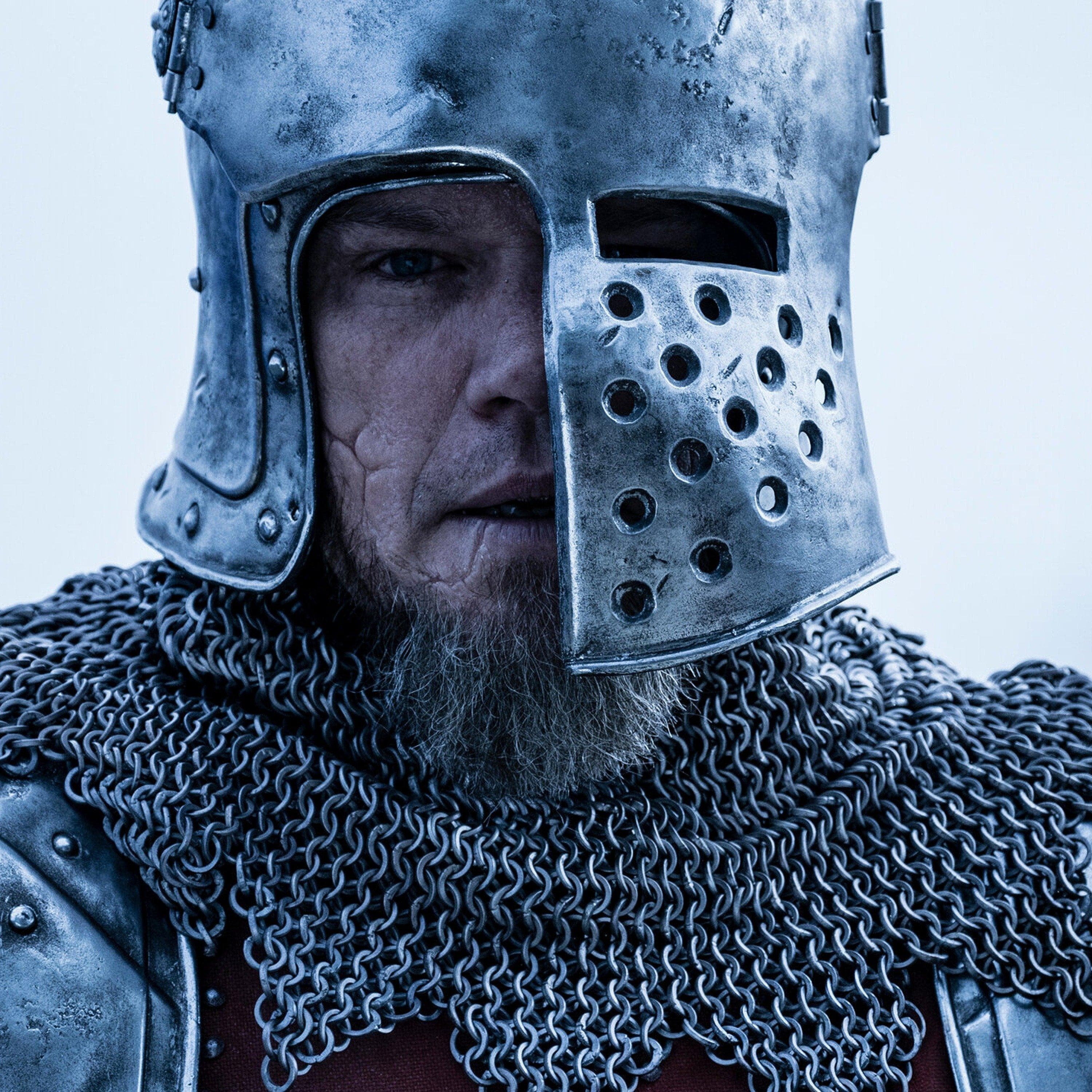
    In 14th century France, women generally didn't report unwanted sexual advances or assaults. If they were wealthy, and could take a man to court, they had to convince those in power they were telling the truth. If they didn't succeed, they could face punishment or even death for “sullying” the man's name. In 1386, noblemen Jean de Carrouges and Jacques Le Gris were best friends. However, after Carrougess' wife, Marguerite, accused Le Gris of raping her, Carrouges challenged Le Gris to a duel. If Carrouges lost, Marguerite would be burned at the stake for bearing false witness. Ridley Scott's 2021 film The Last Duel, starring Matt Damon, Ben Affleck, and Jodie Comer, tells the story from the perspective of all three main characters, allowing the audience to draw their own conclusions about what happened before revealing the truth.

    89% upvoted
  4. 4

    'Hidden Figures' (The Black, Female 'Human Computers' Who Helped Win The Space Race)

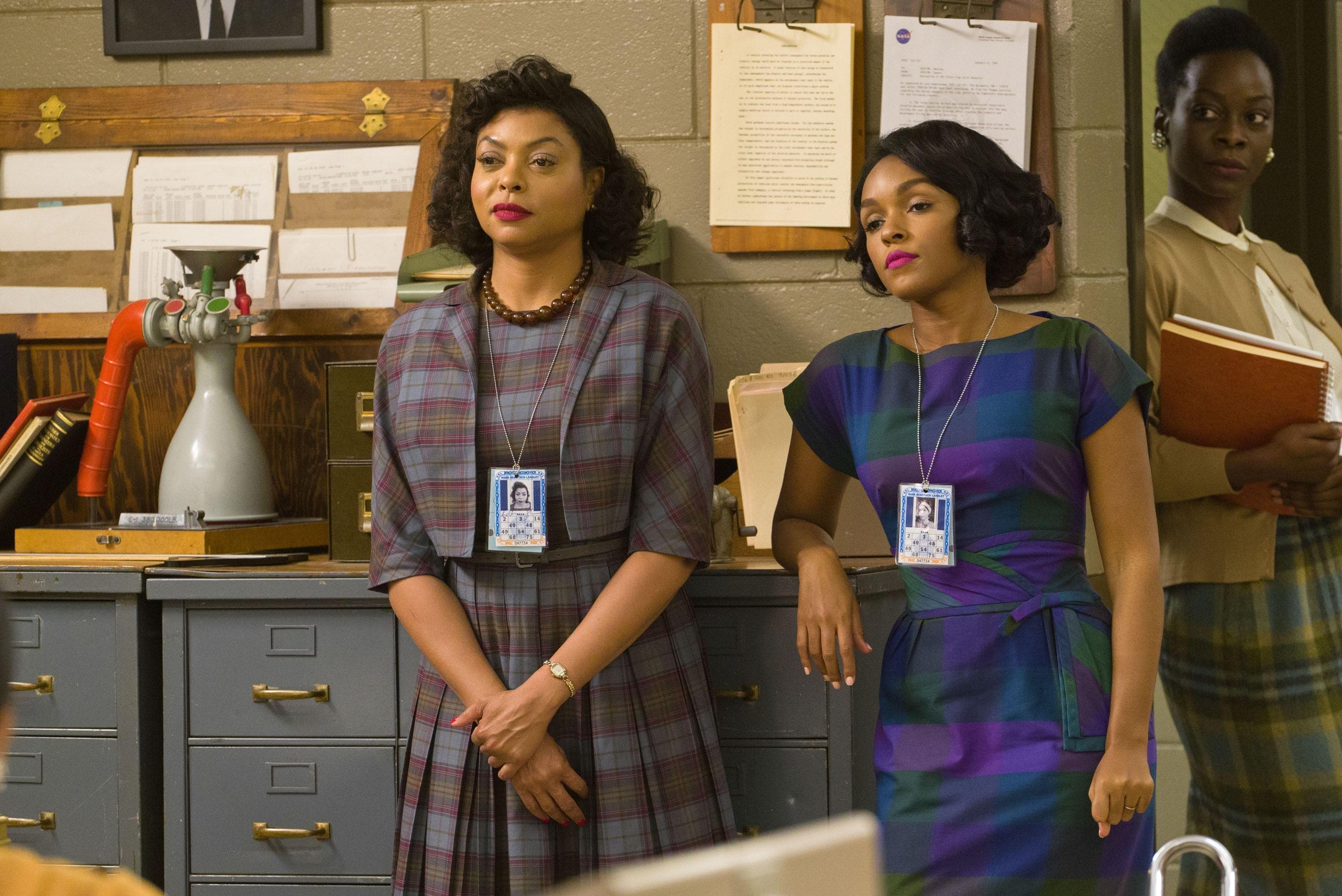
    In the 1930s, there were no computers to spit out the answers to complicated equations. Complex mathematical problems required a lot of handwritten calculations. And these equations could take hours - days even - to solve. To assist its engineers and scientists, NASA (then called NACA, the National Advisory Committee for Aeronautics), brought in a new crew of workers: “human computers" - women who could quickly and precisely work out computations NASA needed. Over three decades, there were likely hundreds, if not thousands, of human computers who worked for NASA. Although only a small percentage of these computers were Black women, they were integral to some of the most important missions of their time. The 2016 drama Hidden Figures dives into the stories of three real Black mathematicians who worked at NASA: Katherine Goble Johnson (played by Taraji P. Henson), Dorothy Vaughan (Octavia Spencer), and Mary Jackson (Janelle Monáe).

    85% upvoted
  5. 5

    'The Dish' (Australia's Role In The Moon Walk)

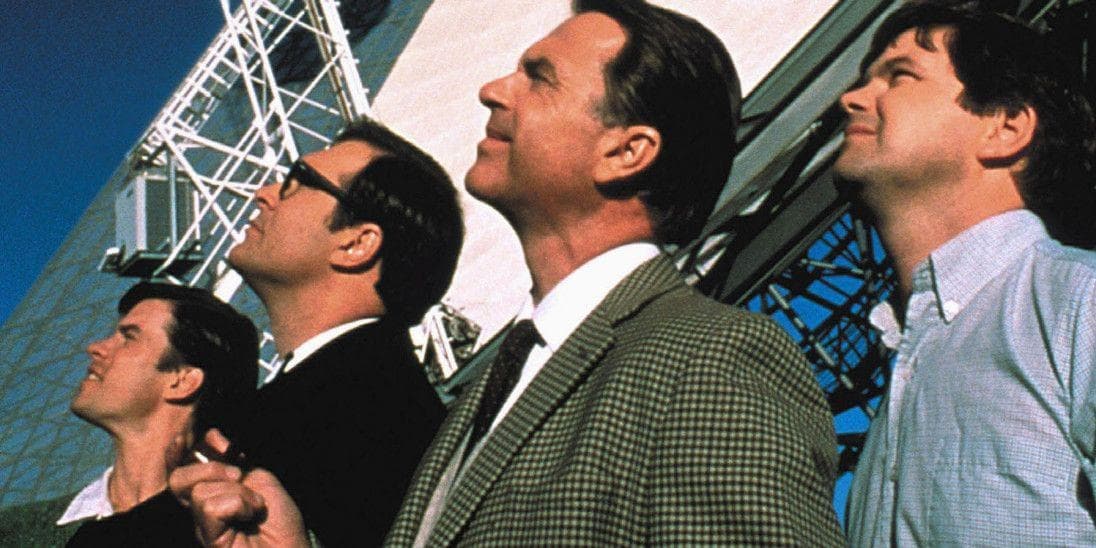
    Sometimes a historical film revolves around a famous incident we all know well, but shows a different aspect of it, which was the case for 2000's The Dish. The Australian-produced comedic drama is about the four-man team in charge of “The Dish,” one of the most powerful receiving antennae in the world. However, The Dish was not located in a large city or high-tech hub - it was in a sheep field in rural Australia. This remote radio telescope was the primary receiver for the moon walk of the Apollo 11 astronauts in July 1969. Without The Dish, it's possible that Neil Armstrong's one small step might not have been viewed by anyone.

    89% upvoted
  6. 6

    'Rabbit-Proof Fence' (Forced Removal Of 'Half-Caste' Australian Children)

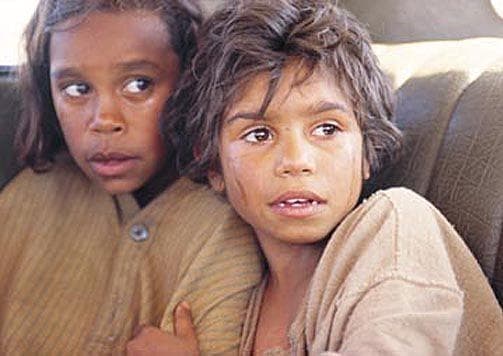
    In the early 20th century, the Australian government decided it didn't want “half-caste” children - those with one white parent and one Aboriginal parent - to be raised in Aboriginal culture, a notion held by much of the Australian public, including the Perth Sunday Times, which said: Central Australia’s half-caste problem must be tackled boldly and immediately. The greatest danger, experts agree, is that three races will develop in Australia - white, black, and the pathetic, sinister third race which is neither. So from the early 1900s until the 1960s, children were forcibly removed from their homes and put in half-caste homes and settlements. More than 30,000 children might have been taken away from their families during this time. The 2002 drama Rabbit-Proof Fence tells the real story of three young girls who escaped from one of these institutions and followed the famous rabbit-proof, 2,000-mile-long fence back to their homes. The journey takes nine weeks because the children cover almost 1,500 miles.

    86% upvoted
  7. 7

    'The Duellists' (Lifelong Grudge Of François Louis Fournier and Pierre Dupont)

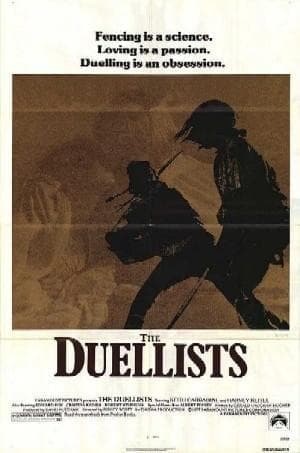
    Dueling was a common practice in the 19th century, and some men prided themselves on becoming master “duellists.” At the time, dueling was often done with a sword, though pistols could also be used. In the world of dueling, two French officers had a rivalry that is almost unmatched: François Louis Fournier and Pierre Dupont. Over a 20-year span, Fournier and Dupont engaged in 17 duels, even as both fought for Napoleon. The Duellists, Ridley Scott's 1977 directorial debut, follows this decades-long feud, exploring how the men (played by Keith Carradine and Harvey Keitel) progress in their personal lives and careers between matches.

    89% upvoted
  8. 8

    'Silence' ('Hidden Christians' In Japan During The Early 17th Century)

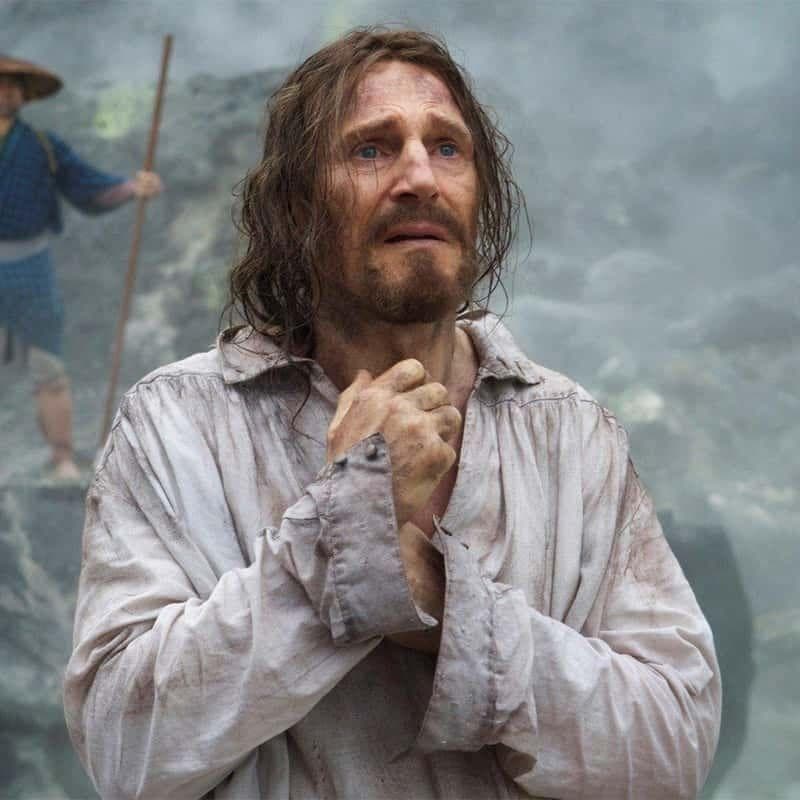
    In 1614, a new decree was passed in Japan: All missionaries had to leave the newly united country, and practicing Christianity was not legal. However, many Jesuit priests stayed, in hiding, to support their Christian followers. The Japanese government started rooting out these priests and tormenting them until they denounced their faith publicly. One of these priests was Cristóvão Ferreira, portrayed by Liam Neeson in Martin Scorcese's 2016 drama Silence. The film follows two younger priests (played by Andrew Garfield and Adam Driver), mentees of Ferreira, as they travel to Japan to try to locate their former teacher.

    86% upvoted
  9. 9

    'Amistad' (United States v. The Amistad Decision)

    Many events led to the declaration of the American Civil War in 1861, which sought to give all enslaved people freedom in America. One of these was the decision in United States v. The Amistad. In 1839, 53 kidnapped Africans were aboard The Amistad, which was sailing to Cuba, where the passengers were to be sold into enslavement. However, the Africans revolted, gaining control of the ship. When the ship was found in distress off the New England coast, American officials took the Africans into custody, which started a court case that gained international attention. The Spanish wanted their “property” back, while abolitionists argued for the Africans' freedom. After several trials, the case was eventually brought before the Supreme Court. The court ruled for the Africans, agreeing that the captured Africans didn't belong to Spain because they were illegally kidnapped in Africa, where they were free people. The 1997 Steven Spielberg-directed film Amistad follows this series of events. The film received widespread praise and was nominated for four Academy Awards.

    83% upvoted
  10. 10

    'The Monuments Men' (Special Troops Assigned To Save Art During WWII)

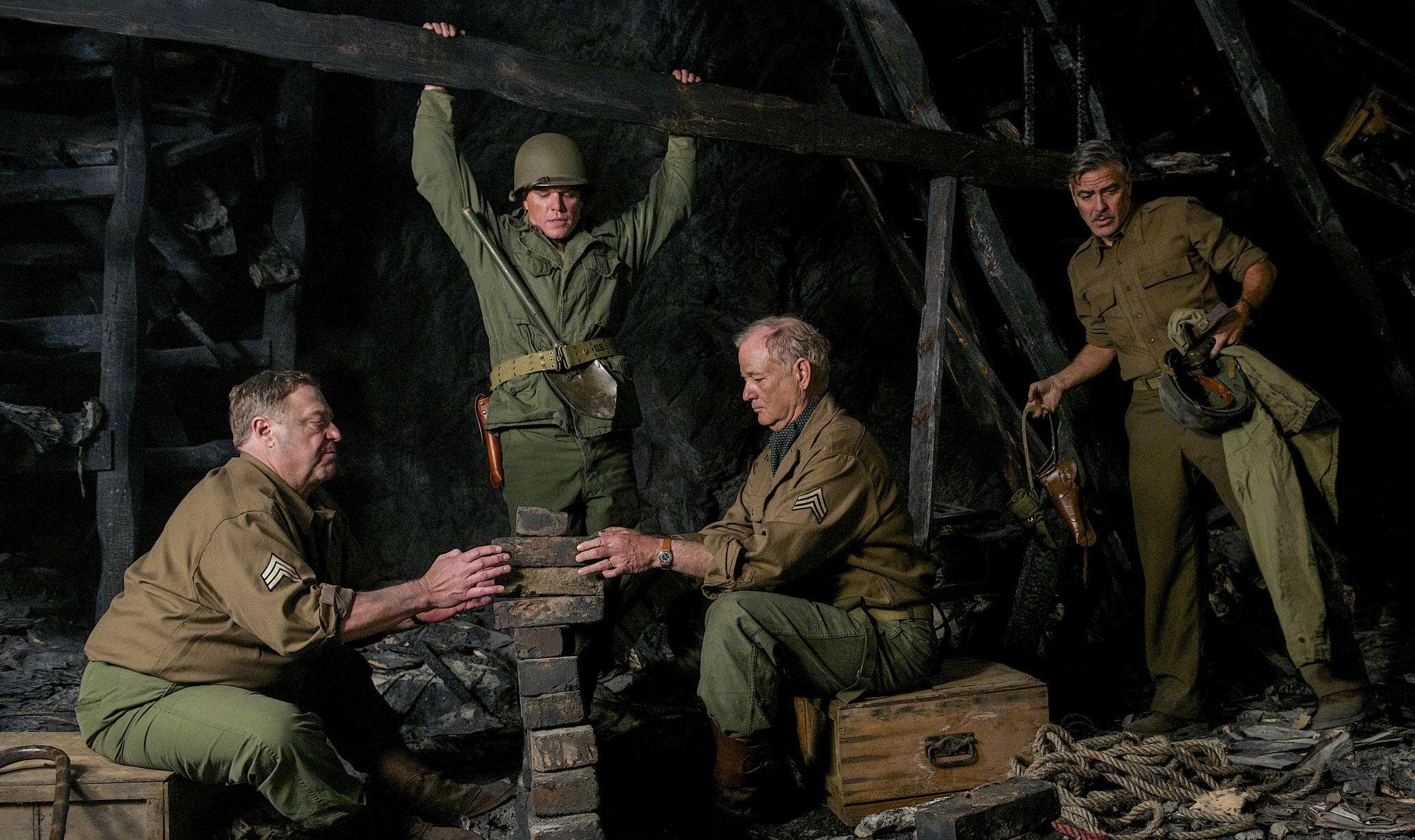
    During war, the focus is often on preserving soldiers' and civilians' lives, along with buildings, supplies, and ammunition. Easily overlooked in the heat of conflict is saving art. However, an international group of special soldiers during WWII known as the Monuments Men were determined not to let that happen. These soldiers were a part of the Monuments, Fine Arts, and Archives program, which included both men and women who identified and preserved works of art that had been taken or damaged by German soldiers in WWII. This program served as the inspiration for the 2014 war film The Monuments Men, written, directed by, and starring George Clooney. It's estimated that the team of Monuments Men recovered over 5 million works of art, including works by Michelangelo and Da Vinci.

    83% upvoted