Skip to content
maxnews
Film

18 Movies You Thought Were Trashy But Are Actually Super Classy

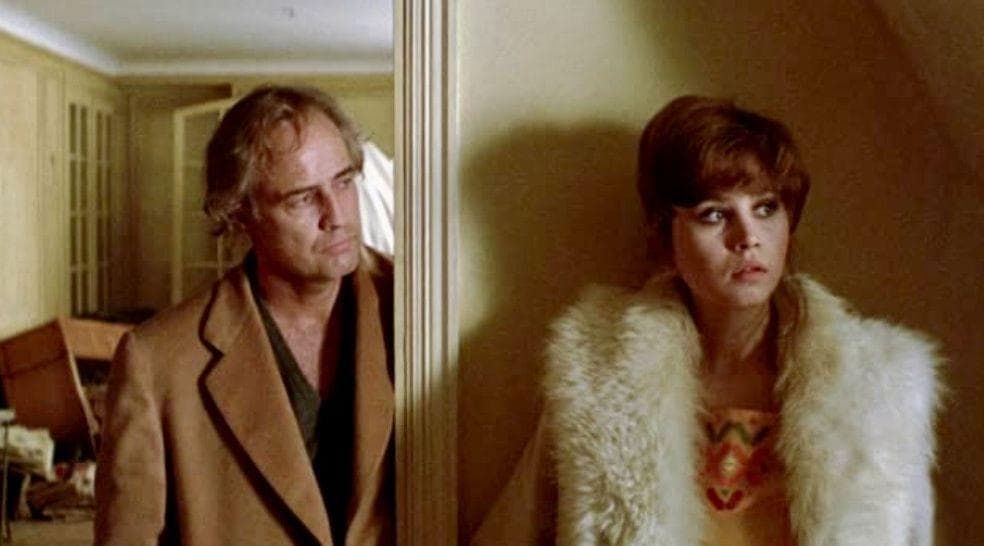
Movies develop misleading reputations through various means, such as marketing and word of mouth. As a result, there are many movies that people might assume are trashy, but are in fact way more sophisticated than they realize. Maybe there’s an infamous orgy scene that colors everyone’s memory of the film or a genre trope that leads you to believe a particular movie will be exactly like the low-brow movies that inspired it. In the case of movies such as Bernardo Bertolucci’s Last Tango in Paris or Nicolas Roeg’s Bad Timing, however, the ongoing controversies surrounding their content are appropriate. Both films contain upsetting scenes that are possibly unwatchable for some. But rather than being easily dismissed as trashy, they are the work of revered auteurs who were intentionally inflicting discomfort on their audiences for reasons that go beyond mere provocation. Whatever the origin of the misconceptions, it’s time to set the record straight on these exceptionally classy movies. Vote up the ones that offer a lot more than just cheap thrills.

Entries
18
Votes
8.8K
Updated
yesterday

Tap upor downto vote. Your vote is added to Ranker's counts.

Voting identifies your browser with an anonymous fingerprint, stored only as a salted hash, to count one per visitor. Privacy

Source: Ranker, ranked by its voters.

  1. 1

    Dangerous Liaisons

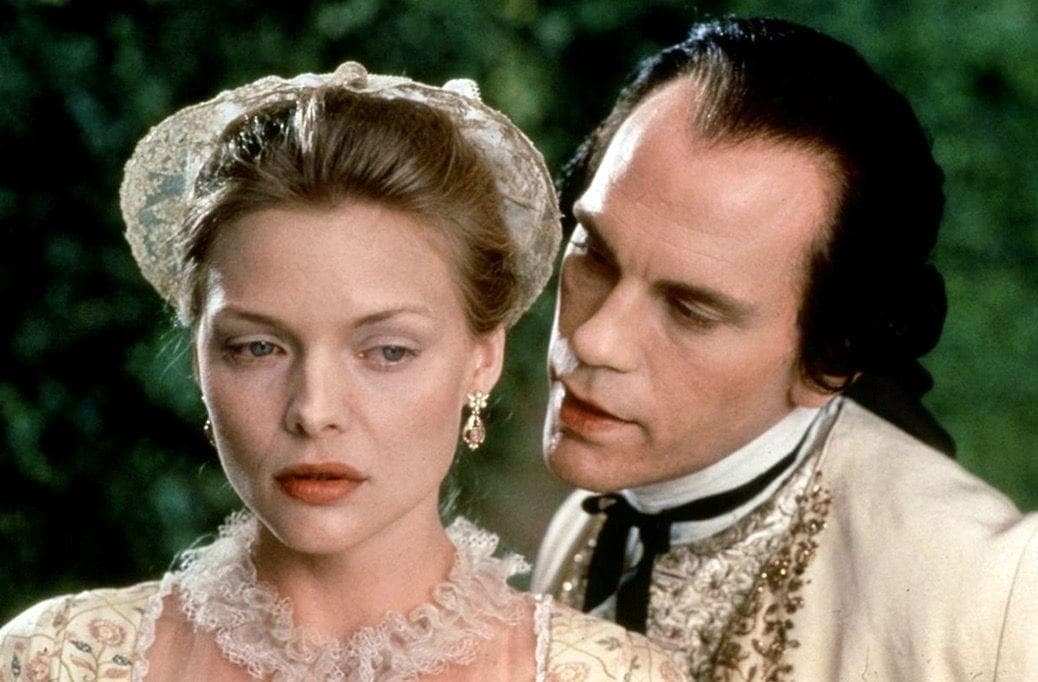
    Based on the official trailer, Dangerous Liaisons looks like a fizzy period drama about the prolific sex lives of the French aristocracy before the French Revolution quashed their rampant excesses. Starring John Malkovich as an infamous lothario and Glenn Close as his female counterpart who use their wily cruelty to corrupt and destroy the lives of three youthful socialites, the movie indulges in plenty of bodice-ripping, but is far from the breathlessly erotic romance that many would expect from the marketing. The hint of scandal that comes with it may have something to do with the book on which it’s based. Written by Pierre Choderlos de Laclos in 1782, it was a scandalous novel at the time for its frank preoccupation with sex. Stephen Frears’s 1988 movie is faithful to its source material, but the sexual content is nowhere near as explicit as other movies of the decade (or of the actors’ own filmographies) and is more a reflection of power dynamics than lust. Far from being gratuitously sensual, it’s a sophisticated, sexy portrait of manipulation gone too far. Malkovich and Close use their powers of seduction as a form of dominance and sport. They use and discard their peers without compunction and view their relationship as a good-natured rivalry fueled by a healthy dose of attraction simmering under the surface. But when Malkovich’s character catches feelings for his latest target (Michelle Pfeiffer), Close’s pride is threatened and they declare war on each other. Dangerous Liaisons delights in wealthy people behaving badly, but when things get dark, they descend into tragedy. What seems like innocent fun at the beginning of the movie has all-too-real consequences by the end, and the ruthlessness of a social circle built exclusively on appearances and reputation proves deadly. The final image of Close staring at herself in the mirror while removing her makeup, cast out by the people she once used as puppets, is haunting and dispels any notion that the movie is another shallow costume drama.


    77% upvoted
  2. 2

    Bound

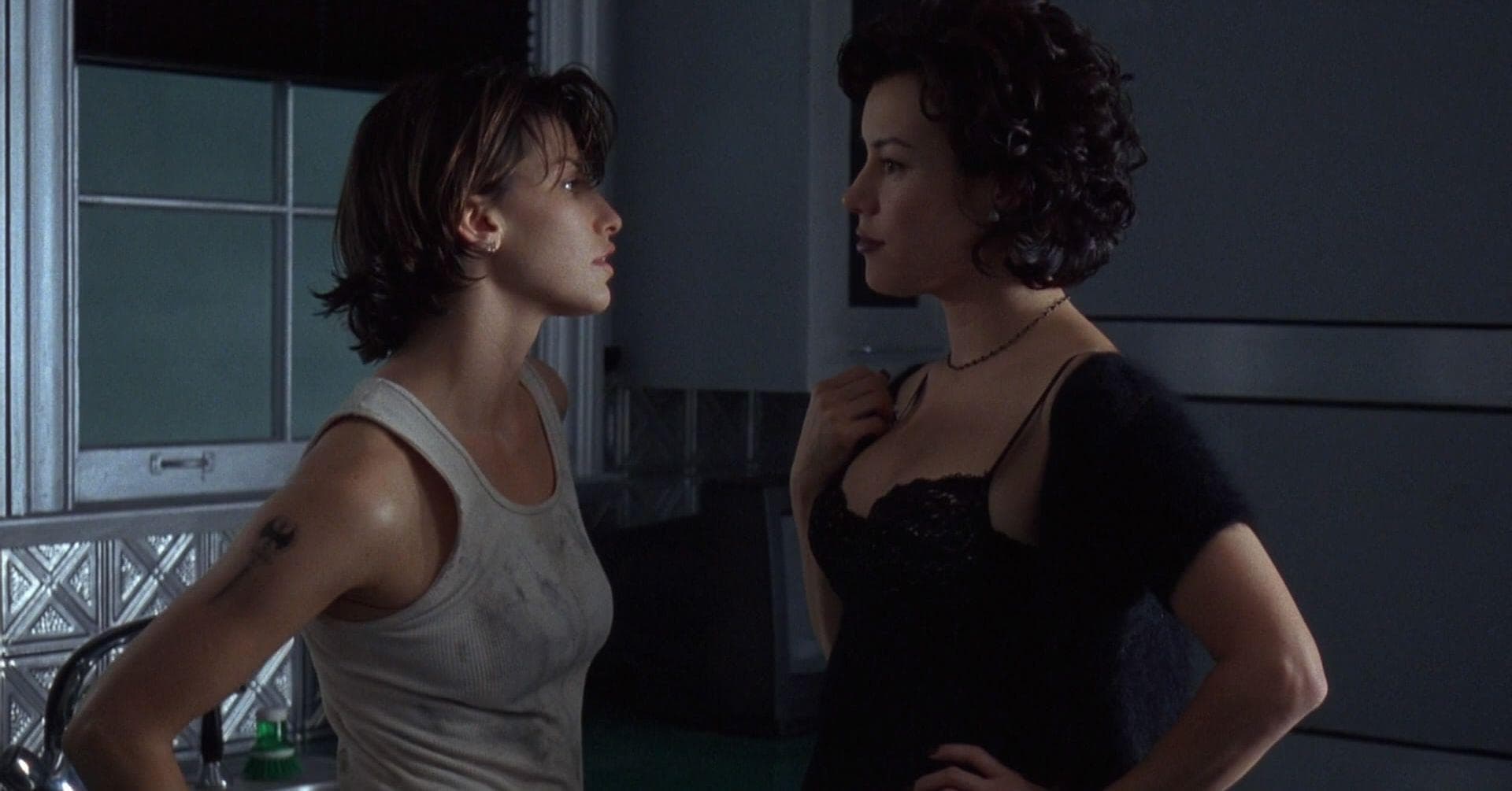
    Most people know the Wachowskis for their action-packed, visually spectacular movies like The Matrix and Cloud Atlas, but in 1996, they made a splash with their feature co-directorial debut that grabbed people’s attention for different reasons. Bound is an indie neo-noir about two women, a gangster’s moll named Violet (Jennifer Tilly) and a tattooed ex-con named Corky (Gina Gershon), who strike up a romance and devise a plot to swipe millions from the mob and frame Violet’s shady boyfriend. Lesbian romances have historically been marketed and labeled as titillating romances, and Bound was no different. A review in Variety noted that most critics were focusing on the “Girl-Girl Action!” angle rather than the fast-paced genre-bending plot or grisly bloodshed. The steamy reputation of Bound may be rooted in prejudice, but it can also be attributed in part to the electric chemistry between Tilly and Gershon. Rather than being framed by the male gaze, their chemistry feels refreshingly intimate. As the Variety review pointed out, however, the Wachowskis packed much more into Bound than the crackling chemistry between its heroines. Critic Roger Ebert compared their directorial style to the neo-noir gore of the Coen Brothers’ Blood Simple, the witty dialogue to Woody Allen, and the slapstick comedy to the Marx Brothers. Others have compared it to Hitchcock and Billy Wilder. Like all the Wachowskis' movies, Bound is an ambitious spectacle. Unlike some of their movies, however, its plot and characters are equally riveting and fully realized. It’s an erotic and stylish thriller that doesn’t cut corners on character development or the ending.

    73% upvoted
  3. 3

    Secretary

    The 2002 movie Secretary was presented as a fetish-laden, taboo-heavy erotic drama about a secretary who has a sadomasochistic relationship with her boss. The poster did most of the misleading, showing a woman bending over from behind, wearing a short skirt and heels, grasping her ankles. The tagline? “Assume the position.” Maggie Gyllenhaal admitted to being hesitant to do the film over fears that it would be “a reactionary, anti-feminist sex movie,” but she was won over by the script and director Steven Shainberg’s openness to finding a deeper meaning within the sexual content. When the movie was released, critics were surprisingly enlightened about it, though the poster and the synopsis have perpetuated a more one-dimensional reputation. Gyllenhaal plays Lee, an unassuming twenty-something who has recently spent time in a psychiatric hospital for self-harm. When her stone-faced boss, Mr. Grey (James Spader), is aroused by her submissiveness and spanks her, something is awakened, and they begin a torrid affair. While the power dynamics between a real-life boss and his secretary are questionable, the relationship between Lee and Grey is nuanced and ultimately a testament to love. Lee finds liberation in their sexual dynamic, but Grey is self-loathing and ashamed of his desires. He may be the dominant half of their relationship, but she teaches him to accept his tendencies without judgment. In the end, the movie becomes a conventional love story in which they show each other that their violent physical desires do not preclude tenderness in every other aspect of their lives. Decades after its release, Secretary remains an unusually sophisticated and playful depiction of a type of relationship that is often reduced to confused clichés by Hollywood.

    71% upvoted
  4. 4

    Fatal Attraction

    Fatal Attraction is one of those '80s erotic thrillers that usually goes hand-in-hand with the word “steamy.” But while there is a torrid affair at its center, the ongoing controversy surrounding the movie is more about the demonization of Glenn Close’s character than the sexual content. Michael Douglas plays Dan, a lawyer and self-professed family man who has a brief affair with a book publisher named Alex (Close). She refuses to let him walk away from their one-night stand, and becomes increasingly insistent, unstable, and, ultimately, violent. Based on the title and publicity stills of Dan and Alex in the throes of passion, it’s reasonable to assume that “steamy” is the perfect word to describe the film, but in reality, it’s much chillier. Director Adrian Lyne is known for pushing the boundaries of sexuality in his movies. Lolita, Indecent Proposal, and 9 ½ Weeks stirred controversy for their content, but while some of Lyne’s movies could be dismissed as stylish sleaze, Fatal Attraction cannot. Love it or hate it, it’s a tightly wound thriller with a masterful performance from Close. One of the reasons the movie rises above its disappointingly moralistic ending is because Close imbues Alex with more complex motivations than hysteria and pure evil. The character comes across as fragile even when committing horrifying acts of stalking, kidnapping, and bunny murder, while Dan is largely unlikable despite being the target of her mania. Fatal Attraction was never sold as a horror movie, but it racks up an impressive number of spine-chilling jump-scares and preys on male fears of vengeful exes in a surprisingly insidious way. It’s a moody thriller with a blackened heart that sleekly combines multiple genres and stays with you long after the credits roll.

    71% upvoted
  5. 5

    Sex, Lies, and Videotape

    Steven Soderbergh’s groundbreaking debut, sex, lies, and videotape is true to its title, but not in the way you might expect. Andie McDowell stars as Ann, a Baton Rouge housewife in an unhappy marriage to a successful lawyer (Peter Gallagher). He’s having an affair with her younger sister (Laura San Giacomo), and when his old college friend Graham (James Spader) comes to town, Ann turns to him for an unexpected form of therapy. Graham’s fetish is interviewing women about their sex lives and watching the conversations on videotape. When Ann finally agrees to be his subject, she finds a level of intimacy through words that has been sorely missing from her marriage. The title is both accurate and misleading. Most people who think about sex and videotapes probably think about sex on videotape, but in this case, it’s conversations about sex rather than the act itself. Soderbergh, who was just 26 when the film was released, said that he thought the movie would be too European for American audiences and too dialogue-heavy for Europeans. Instead, sex, lies, and videotape won the Palme d’Or at Cannes, the Audience Award at the Sundance Film Festival, and became one of the most revered and groundbreaking movies in independent cinema. McDowell’s magnetically self-effacing performance and frank dialogue is more intimate than the carefully choreographed, glamorously lit bedroom scenes in most erotic dramas, and Spader walks a seductive line between sinister and vulnerable. It’s a rare breed of a movie that revolves around and directly addresses sex without leering at its characters.

    72% upvoted
  6. 6

    American Gigolo

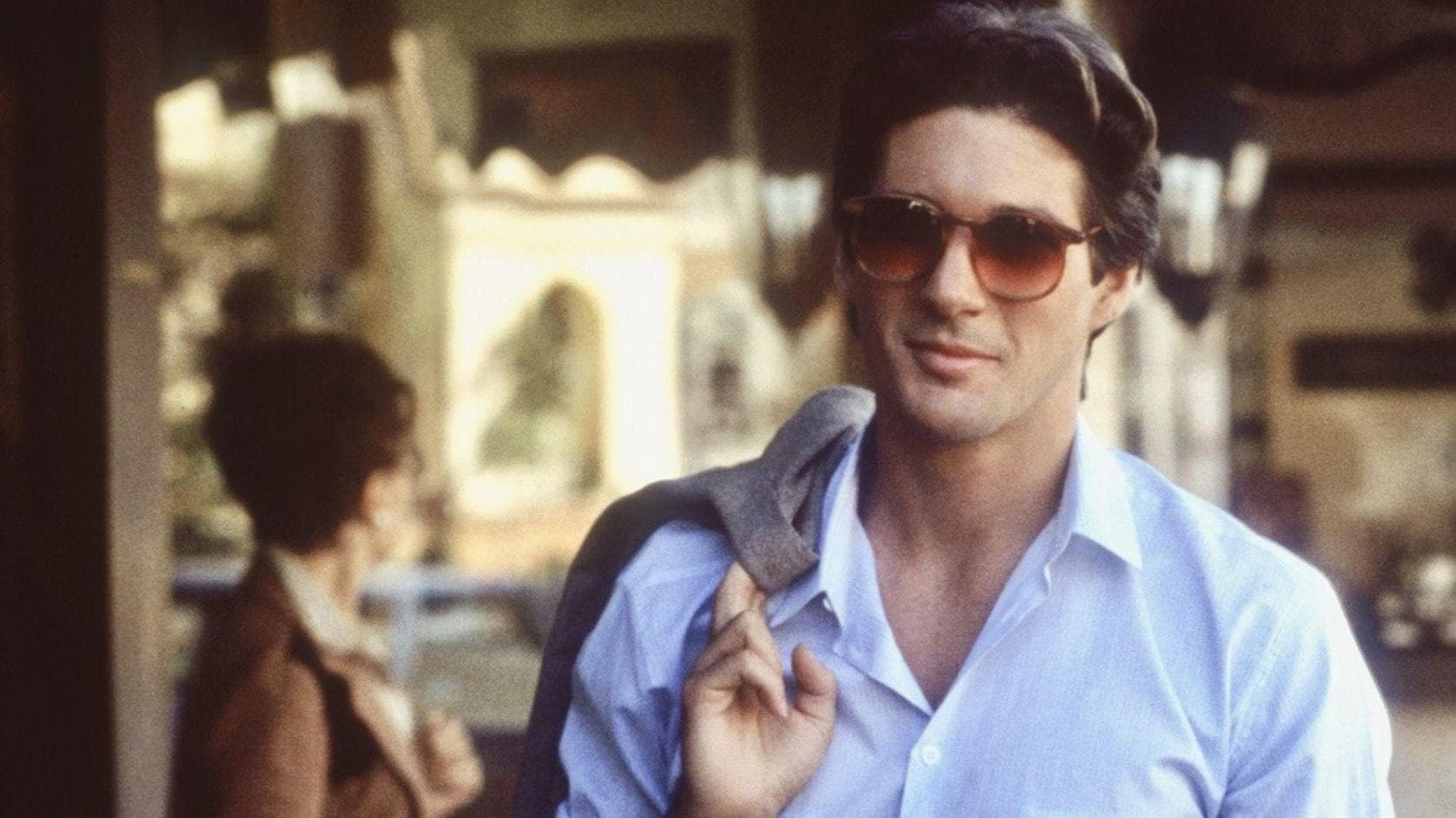
    Richard Gere is objectified in nearly every frame of Paul Schrader’s American Gigolo. Playing a male escort named Julian who derives immense satisfaction from cars, clothes, and the contours of his own body, he is sun-kissed and feline, moving with the unhurried elegance of a man who knows he’s being admired by everyone who sees him. He enjoys pleasing women, especially those neglected by their husbands and therefore more susceptible to his professional skills. But his carefully manicured life is thrown out of balance when he develops a relationship with a politician’s wife (Lauren Hutton) and is framed for the murder of a former client. A movie about a male prostitute accused of homicide sounds especially sleazy when considering that Schrader’s previous film, Hardcore, revolved around LA’s adult film underworld, but American Gigolo has a much glossier and more romantic agenda. Rather than being a seedy movie about sex work, it’s a stylish character study about a supremely confident protagonist whose ego is brought down to earth. From the beginning of the movie, there is something tragic about Julian. Like Patrick Bateman in American Psycho, he goes through an elaborate workout routine in his lifeless apartment, muscles glistening, hair falling into his eyes in just the right way, and sun streaming through the windows. Like Bateman, he owns an immaculate Armani wardrobe and treats each of his glitzy possessions with an unsettling amount of pleasure that is absent from his interpersonal relationships. As he becomes less and less in control of his life, however, he begins to lose touch with this identity. Schrader highlights glamor rather than sleaze in American Gigolo, but still manages to highlight the darkness and redemption of its main character.

    62% upvoted
  7. 7

    The Last Seduction

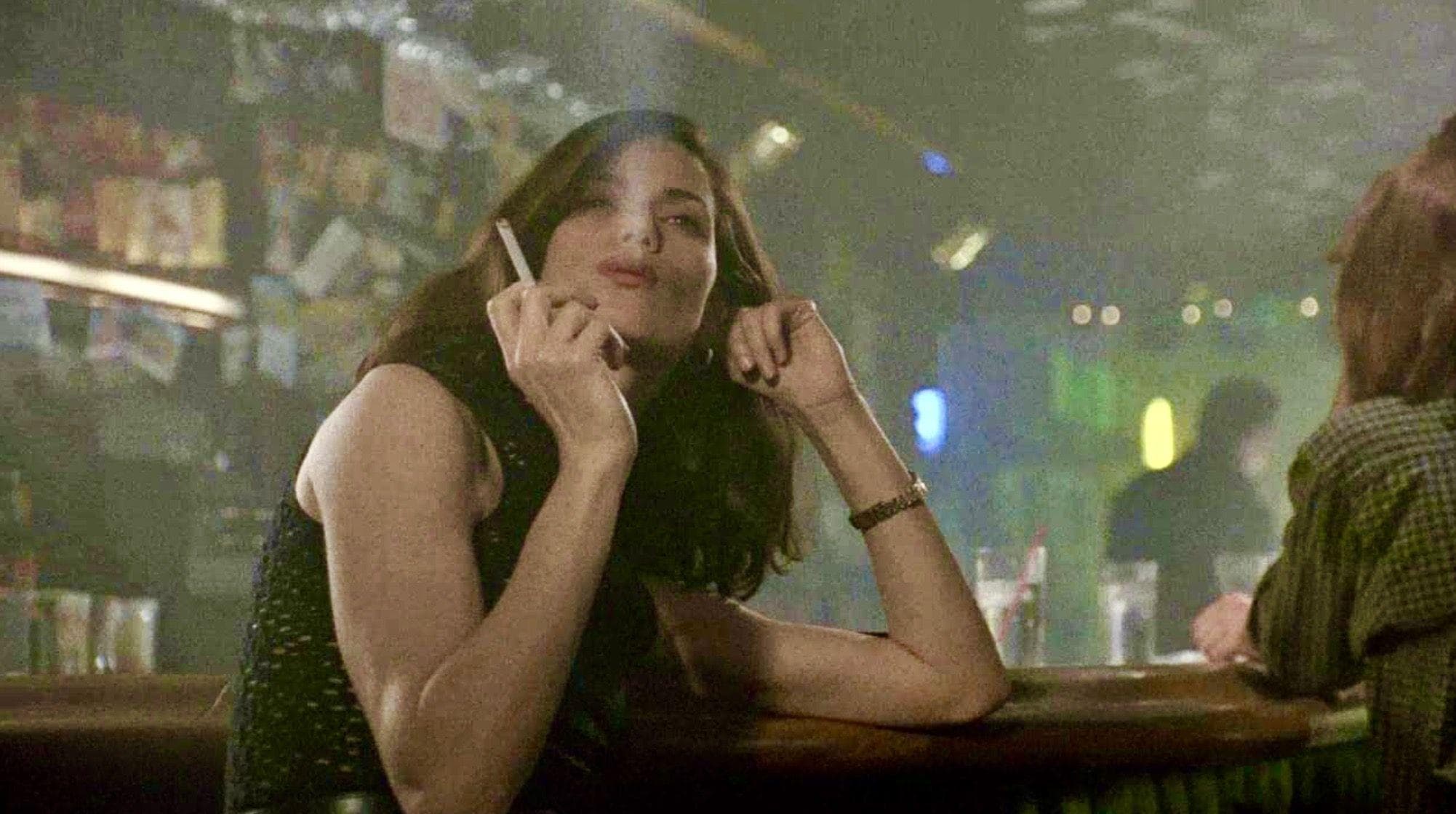
    The ‘80s and ’90s saw a resurgence in femme fatales modeled off performances of classic Hollywood stars like Barbara Stanwyck, Rita Hayworth, and Ava Gardner. Many of these roles appeared in erotic thrillers rather than old-fashioned neo-noirs, with actresses like Sharon Stone, Madonna, and Denise Richards engaging in explicit sex scenes. Taking things a step further, The Last Seduction was, according to its screenwriter, pitched as a soft-core movie. This, combined with its straight-to-TV release, gives the impression that the film is an even trashier erotic thriller than the low-brow exploitation flicks being churned out by major studios at the time. But nothing could be further from the truth. Linda Fiorentino stars as Bridget Gregory, a telemarketing employee who absconds with $700,000 that her abusive husband made from a drug deal. She goes on the run to a nondescript town where she takes advantage of a local insurance salesman (Peter Berg) and plots an elaborate, astonishingly sociopathic plot to rid herself of her male pests. While most '90s erotic thrillers sought to reinvent the femme fatale by adding copious sweaty sex scenes and explicit dialogue, The Last Seduction updates the character by making Bridget a sexually dominant, ruthlessly calculating, modern woman who is the protagonist rather than the villain. Fiorentino’s husky voice and chain smoking make her a femme fatale in the classic mold, but she is not the ill-fated seductress of earlier movies. Far from being trashy, the sex in the movie is an illustration of her control. From grabbing a stranger’s genitals to framing him for rape, she uses sex as a weapon without any attempt at finesse or pretense. Berg was one of the people who mistook The Last Seduction for a soft-core movie before seeing the finished product. Recalling filming an infamous scene in which Bridget aggressively pushes his character against a chain link fence to use him for sexual gratification, he said, “I thought I’d made a huge mistake and that my career and life would be over, and it turned out to be by far the best love scene that I was ever associated with in my life.” In the end, it received glowing reviews from critics and Fiorentino won the New York Film Critics Circle award for her performance. Due to the movie’s direct-to-TV release, however, she was ineligible to compete for the Oscar many believed she deserved.

    62% upvoted
  8. 8

    Carnal Knowledge

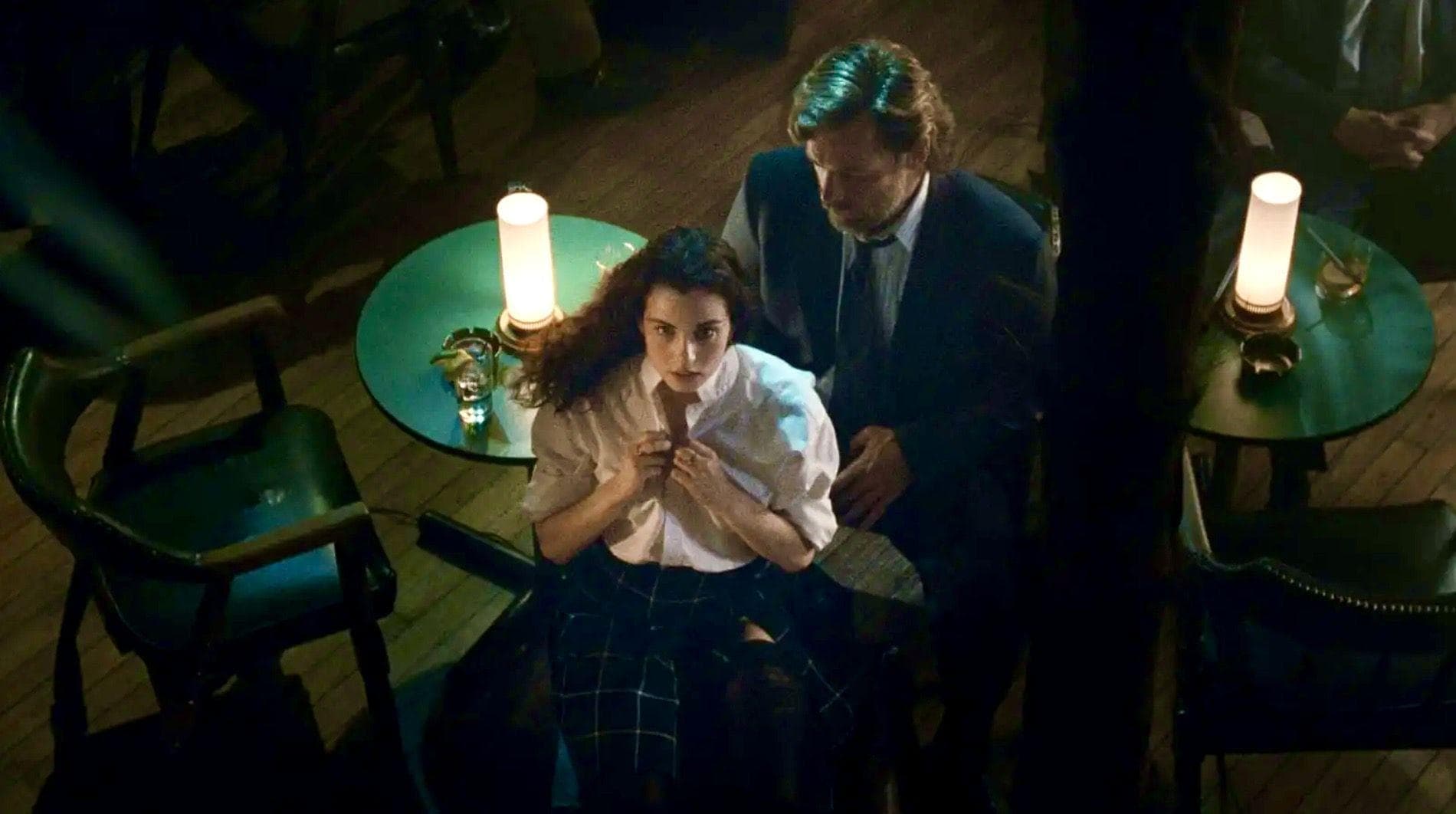
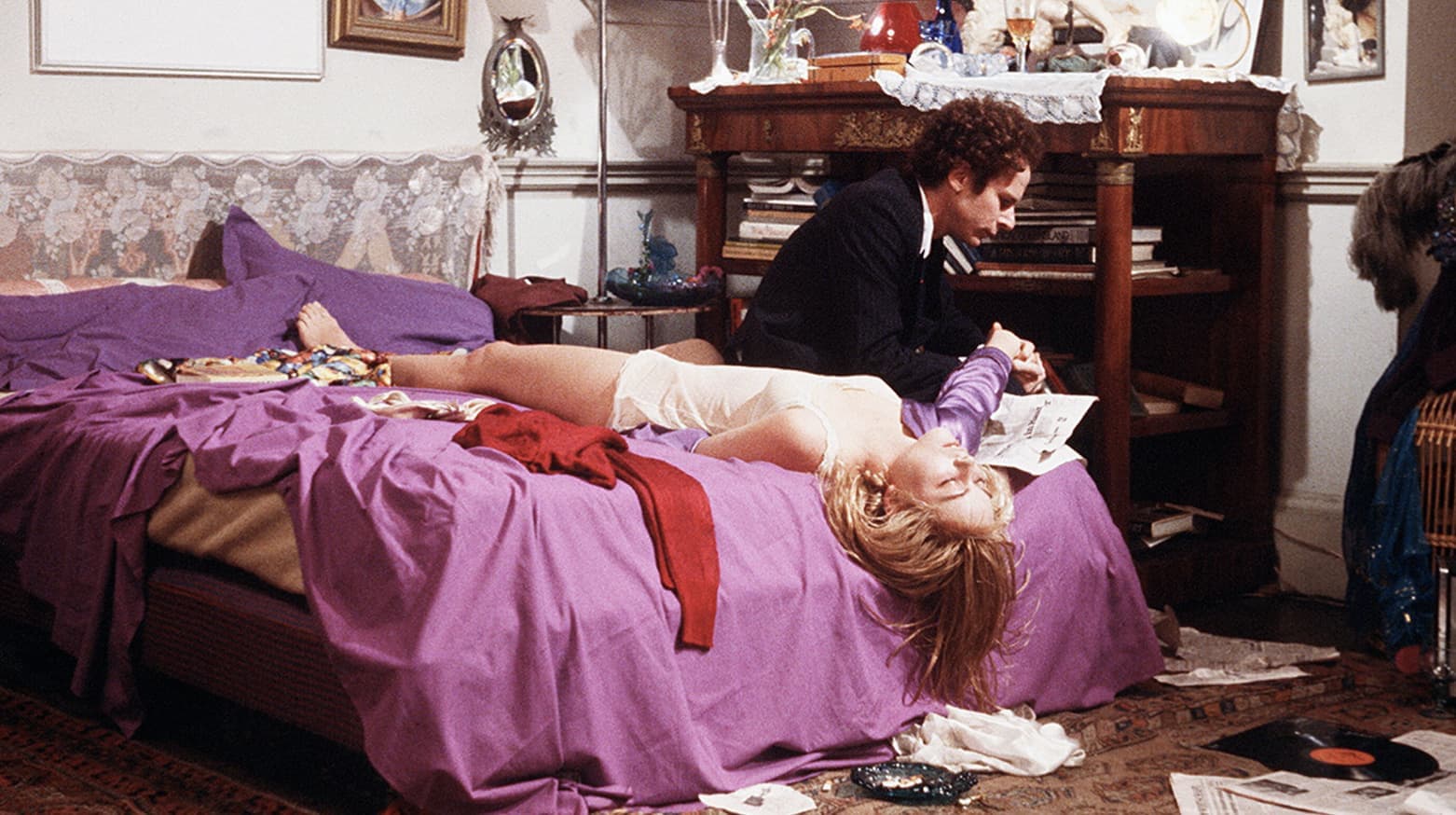
    Carnal Knowledge is a movie about shallow sex, partner swapping, and objectification, in which Jack Nicholson and Art Garfunkel play college friends seeking romantic partners over the course of 30 years. While Nicholson’s character is only interested in women’s physical attributes despite berating them for being shallow and lazy, Garfunkel’s character idealizes them to an unrealistic and self-defeating degree. When it was released in 1971, the movie’s frank depictions of physical relationships scandalized and outraged audiences. Some newspapers refused to advertise it, and in Georgia, the film reels were confiscated from a theater. The theater manager was charged with distributing obscene material, and the case made it all the way to the US Supreme Court before he was cleared of wrongdoing. The seedy reputation persists, but is a product of its time. Like Mike Nichols’s other movies that deal directly with unfulfilling sexual relationships, such as The Graduate and Closer, the edgy dialogue and flashes of skin in Carnal Knowledge are never superfluous. The movie is decades ahead of its time in its depiction of two types of toxic masculinity. Nicholson’s character dehumanizes women in overt ways by objectifying their bodies, while Garfunkel’s character dehumanizes them by putting them on a pedestal that no person could live up to. Candice Bergen, Ann-Margret, and Rita Moreno are given substantial roles to illustrate the men’s shallowness, and the sex is less titillating than alienating. By the end, when Nicholson is so desensitized that he can only be aroused by having a sex worker read from a script that exalts his masculinity, anyone hoping for a sexy romp will come away feeling cheated and thoroughly deflated. What you get instead is an unsparing portrait of the central characters' quests to find relationships that are bound to disappoint everyone involved.

    61% upvoted
  9. 9

    The Cook, the Thief, His Wife & Her Lover

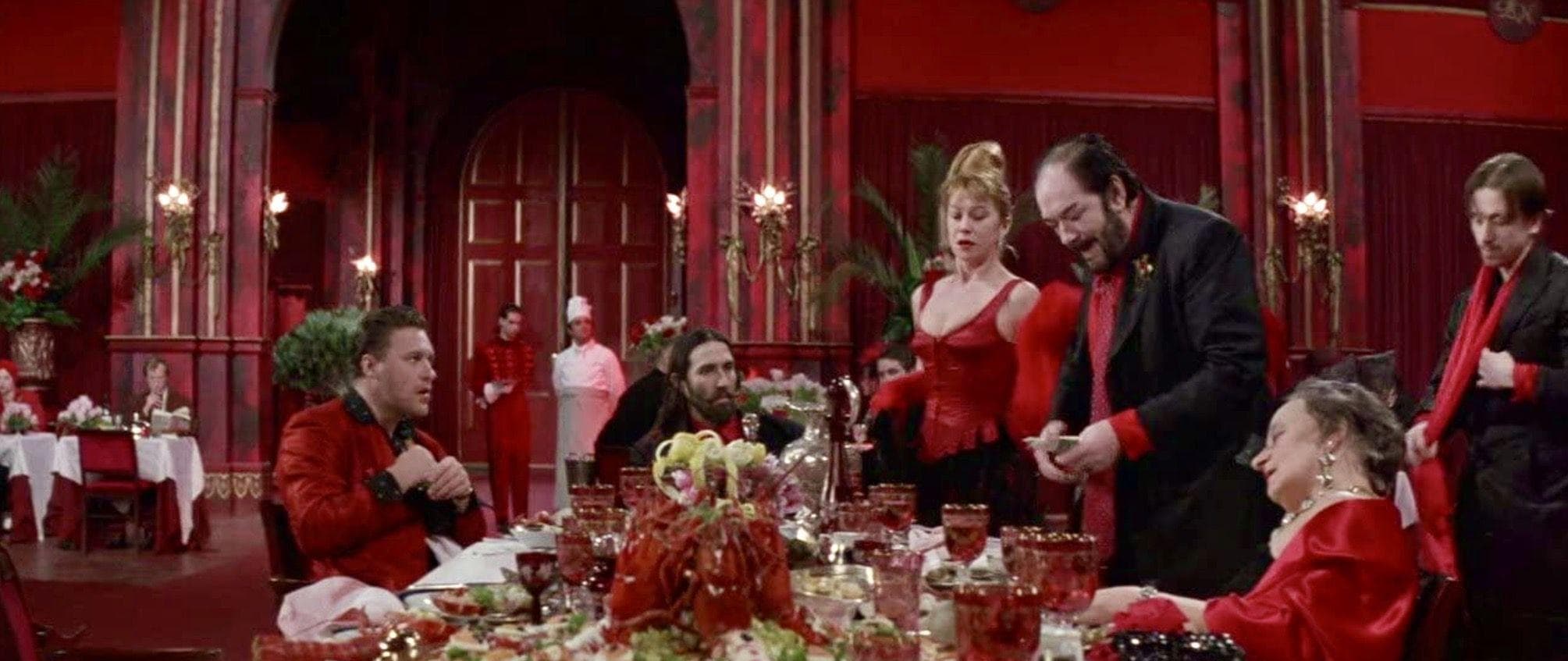
    Peter Greenaway’s 1989 crime romance has lost none of its shock value since it was released. A collision of filth, splendor, torture, sex, delicacy, and cannibalism, it is difficult to sit through even for those accustomed to graphic on-screen violence. It stars Michael Gambon as savage gangster Albert Spica, who has tortured his way into owning a gourmet restaurant where he gorges on the finest foods while terrorizing the staff, his fellow diners, and his wife, the regal and long-suffering Georgina (Helen Mirren). Her affair with Michael (Alan Howard), a mild-mannered bookseller and patron of the restaurant, is facilitated by the cook, but when Spica finds out, the steady stream of violence is taken to newly disturbing heights. Upon discovering Michael’s tortured corpse, Georgina and the cook prepare his body like a roast pig, and she forces her husband to eat it at gunpoint. The Cook, the Thief, His Wife, & Her Lover is graphic in every possible way, but critics were forced to acknowledge the artistry behind it. The New York Times called it “so esthetically brilliant that it expands the boundaries of film itself,” while the Washington Post said it “treats the ugliest content imaginable in the most beautiful way possible” and was “without a doubt” the best film of the year. Part of its brilliance stems from Greenaway’s aesthetic eye. He originally attended art school to become a painter, but said he was always disappointed that paintings didn’t have soundtracks. The restaurant is dominated by a painting by the Dutch Baroque artist Frans Hals, while Jean-Paul Gauthier designed the costumes. The colors and set design are more expressive than realistic. When Georgina and Michael escape the dining room for their trysts, their costumes change with the color palette of each room, from blood-red to pure white. Many critics pointed out the strong parallels between the brutality and greed of Spica and the tail-end of the Thatcher era in Great Britain, demonstrating that, beyond the breathtaking visual style, the movie is rich with meaning. The Cook, the Thief, His Wife, & Her Lover is a punishing film to watch, but it’s about as classy as cinema gets.

    59% upvoted
  10. 10

    Lust, Caution

    Any movie with an NC-17 rating whose title begins with “Lust” is bound to bring up certain assumptions, and it’s true that there is a lot of sexual content in Ang Lee’s 2007 period drama. But with a run time of 158 minutes, the explicit scenes are sparing and integral to the plot. Set in Japanese-occupied Shanghai during WWII, it stars Tang Wei as Chia Chi, a nondescript college student who transforms into a breathtaking socialite to seduce and help assassinate Mr. Yee (Tony Leung), a collaborator with the occupying enemy. Despite being dedicated to her mission, Chia Chi finds herself in an intensely passionate affair with her target, and her feelings ultimately derail the assassination. Lust, Caution was slapped with an NC-17 rating for some particularly graphic sex scenes involving both consensual and non-consensual interactions. Far from being gratuitous, however, these scenes are some of the only glimpses of honesty that the couple allows. Both Chia Chi and Mr. Yee are engaged in elaborate webs of deceit. He may even suspect that she has ulterior motives from the beginning but chooses not to tell her. Their physical relationship is as intense and explicit as they need it to be to compensate for the secretiveness and dishonesty in the rest of their lives. Without these scenes, their growing feelings would be unconvincing and lead to an unearned ending. Lee is known for his ability to mix seemingly incongruous genres, and in Lust, Caution, sex and espionage are inextricably linked, demonstrating the extremities and ruthlessness of life in a time of war.

    55% upvoted