Skip to content
maxnews
Rankings

17 WTF Moments from China’s Disastrous 1966 Cultural Revolution

Because he wasn’t quite done asserting his will on the Chinese people in the wake of the Great Leap Forward, Mao Zedong sought to tighten Communism’s hold on his people in 1966 with a sweeping Cultural Revolution. Fearing that his party was leading the people in the wrong direction, Mao incited the youth of his country to reunify under the Communist ideology and purge any semblance of western or traditional Chinese ideals. Here’s the thing about Chairman Mao’s awesome ideas, though. They often weren’t very good. The Great Leap Forward is largely considered to have contributed to millions of starvation deaths between 1959 and 1961. If it’s possible, the Chinese Revolution was even more costly to the country. At the end of the ten-year period, the Chinese economy was crippled and its status on the world stage had fallen considerably. Those are the big points, though. To have actually experience the Cultural Revolution between 1966 and 1976 was to experience chaos incarnate. The people of China were caught in a time of discord and strife, where it seemed like anything could happen. Here, for your consideration, are some of the crazy things that happened during the Chinese Cultural Revolution.

Entries
17
Votes
0
Updated
3 days ago

Tap upor downto vote. Your vote is added to Ranker's counts.

Voting identifies your browser with an anonymous fingerprint, stored only as a salted hash, to count one per visitor. Privacy

Source: Ranker, ranked by its voters.

  1. 1

    Mao Instigated the Revolution to Get Himself Back in the Spotlight
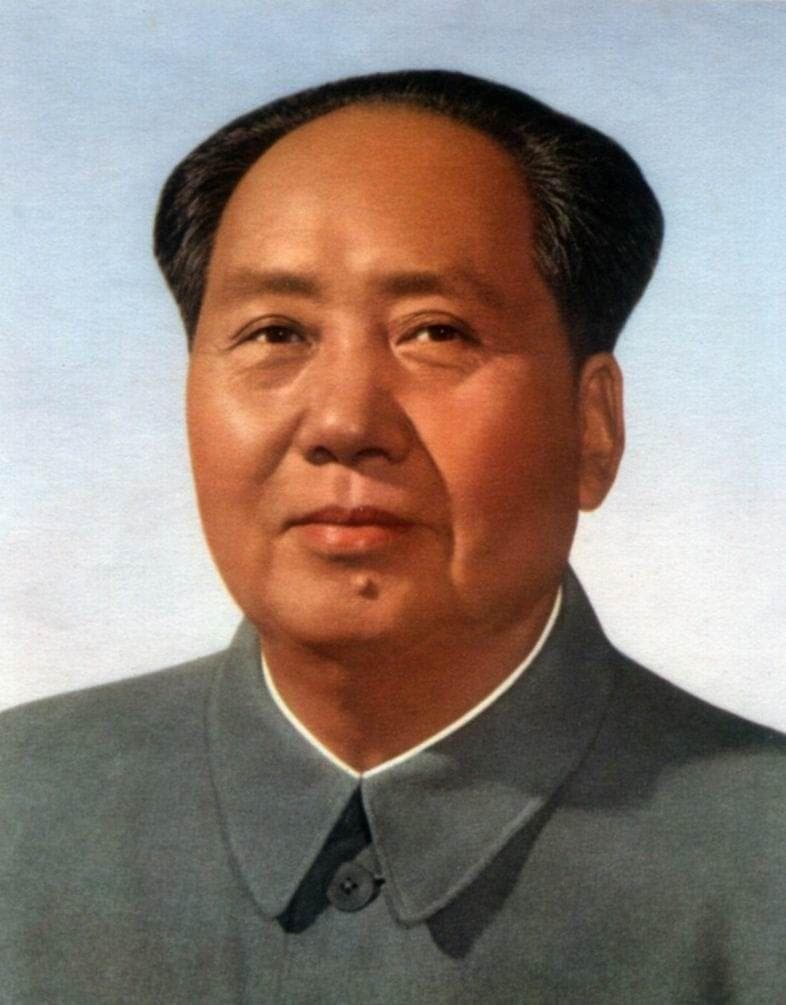
    The official story for instigating the Cultural Revolution was an attempt to get the country back to a more purist form of Communist thought. It was Mao’s public contention that the Chinese form of Communism was, like the Soviet’s own brand, veering away from its academic roots in favor of relying on governing by experience (AKA, doing something that actually worked). Perhaps the real reason that Mao began to get the youth of the nation on his side was that his position in society had been compromised as a result of the Great Leap Forward, and he was looking for another shot at the title. The reason Mao most likely went after the kids was because most of the adults had already written him off as “That Dude Who Gifted Us a Famine”.

    0% upvoted
  2. 2

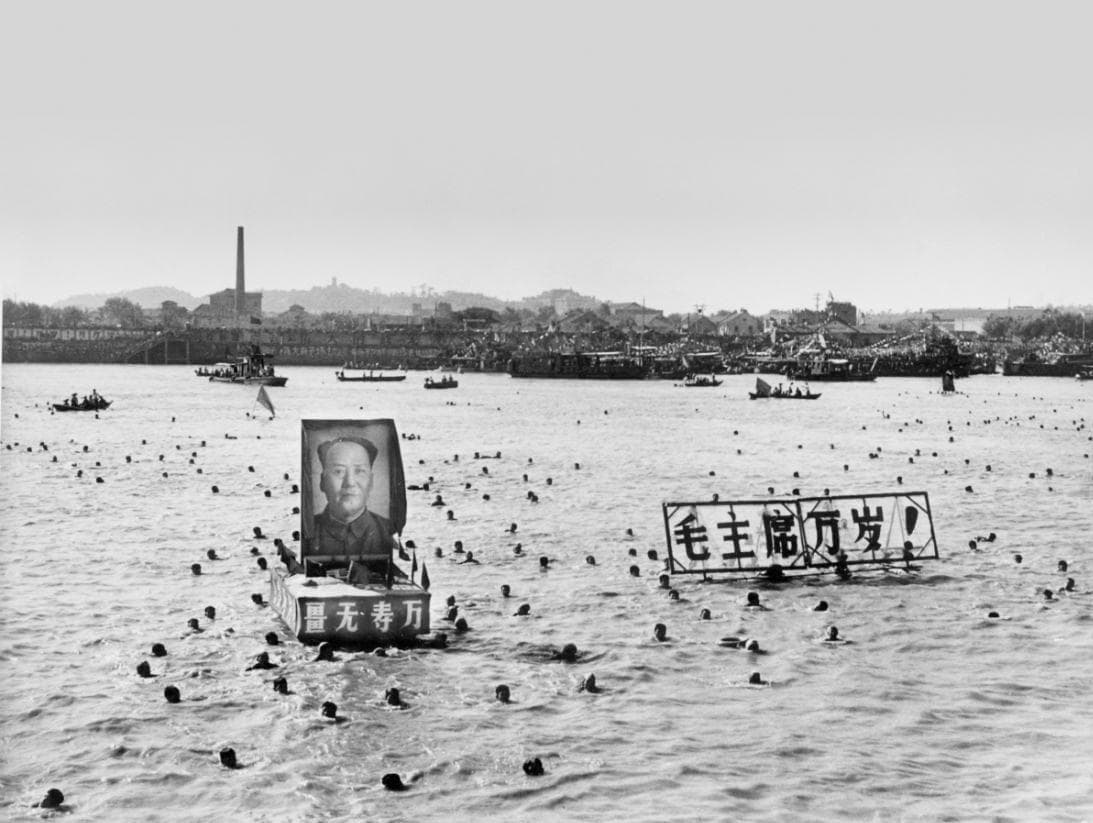
    The 72-Year-Old Mao Tried to Swim Across the Yangtze River

    In order to prove his fitness to lead the nation after the disaster of the Great Leap Forward, the 72-year-old Mao joined Wuhan's annual Cross-Yangtze Swimming Competition: "Surrounded by six swimming bodyguards, accompanied by giant portraits of himself and by placards asking for 10,000 years of life for him, he stays in the water for 65 minutes, drifting some ten miles downstream with the powerful current."

    0% upvoted
  3. 3

    Even Subway Ticket-Takers Were Instructed to Espouse Maoist Doctrine

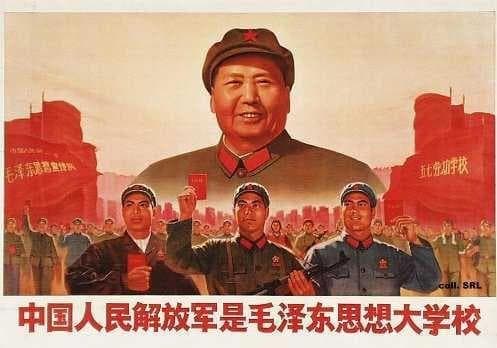
    During the Cultural Revolution, the streets of the country were supposed to simply beam Communism from every crevice. Every street was strongly advised to have at least one quote from the Chairman prominently displayed. Beyond that, speakers were set up on nearly every street corner that continuously proclaimed Mao’s wisdom. Even ticket-takers on buses and trains were instructed to “declaim Mao’s thought.”

    0% upvoted
  4. 4

    The Bodies of the Last Emperor and Empress Were Dug Up and Burned

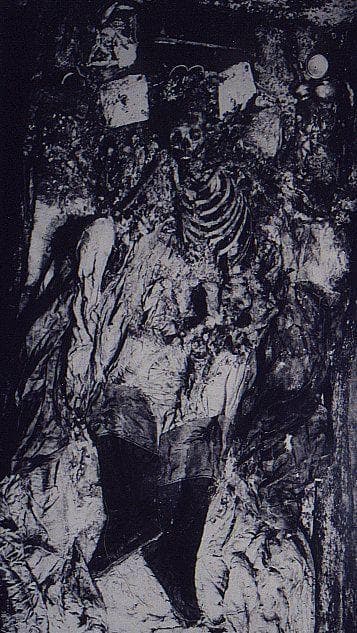
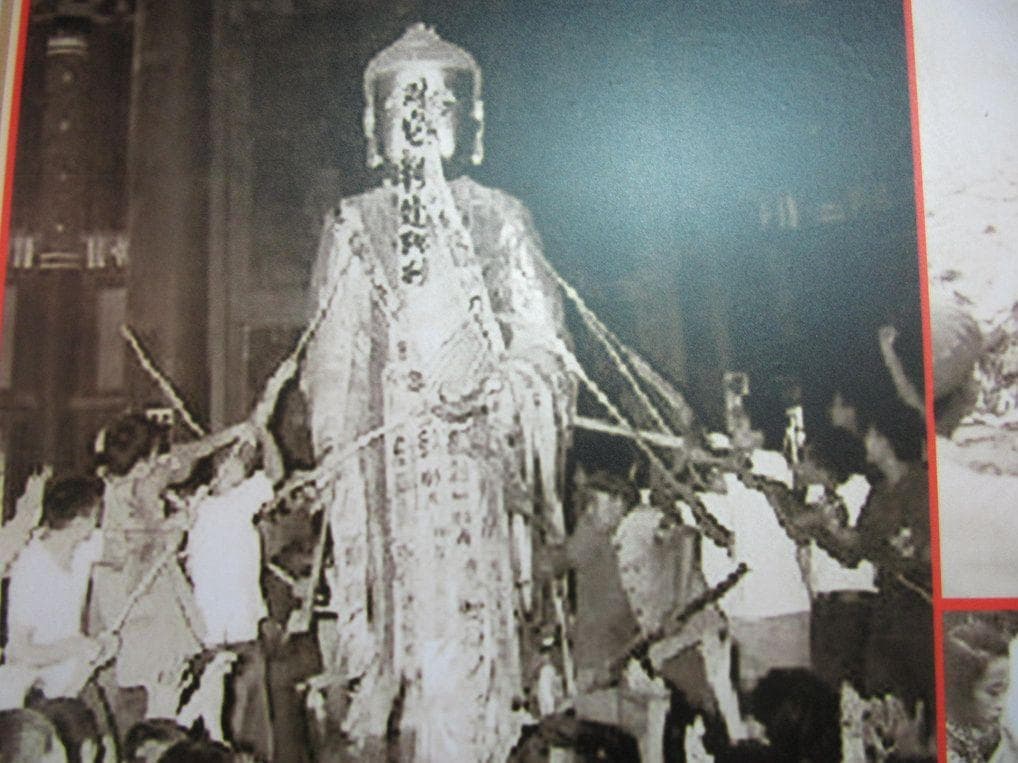
    During the Cultural Revolution, many artistic, cultural, historical, and religious artifacts were destroyed in an attempt to erase the pre-revolutionary past, including everything from Buddhist temples to dynastic artwork. In one incident in 1969, the bodies of the Ming Dynasty emperor Wan Li (who died in 1620) and his wives were dug up by the Red Guard, publicly denounced, and then set on fire.

    0% upvoted
  5. 5

    Families Turned Against Each Other in the Fervor

    Zhang Hongbing was 16 when the Cultural Revolution took place in China. He and his father were “devoured by the Cultural Revolution,” says Zhang. The result was Zhang accusing his own mother of political crimes. For her apparent affront, Fang Zhongmou was beaten in her home. Then she was bound and dragged before a crowd who harassed and abused her. That insult accomplished, they loaded Fang Zhongmou onto a truck, drove her to the edge of town, and shot her.

    0% upvoted
  6. 6

    Mao Found One Way to Guarantee a Bestseller

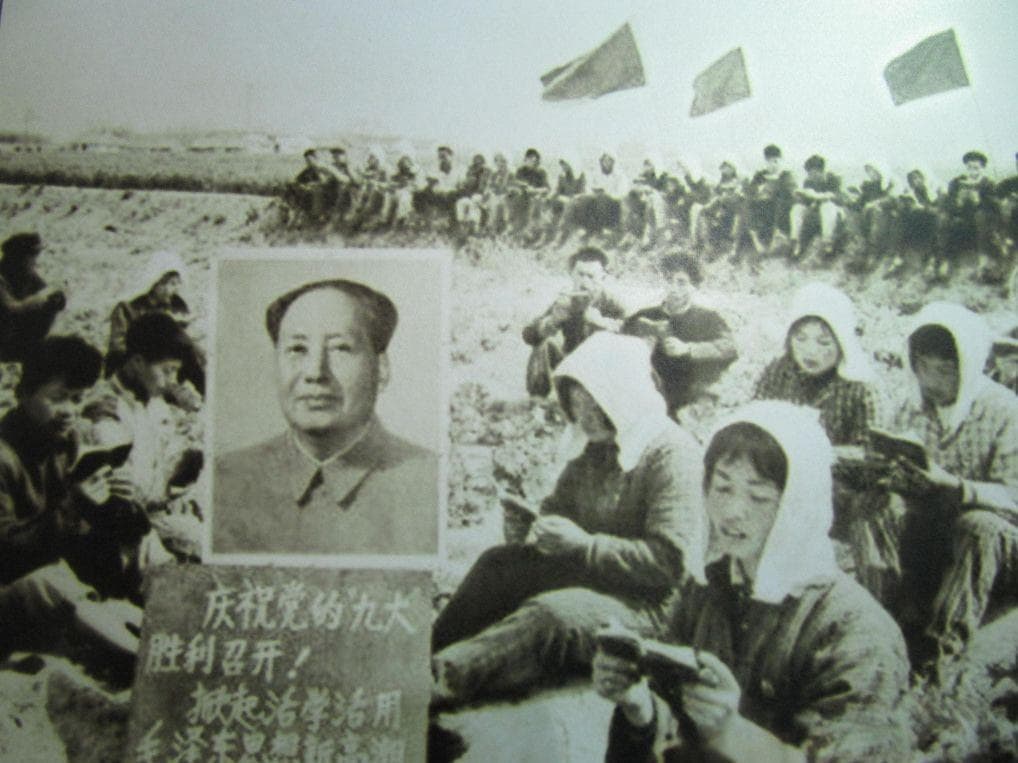
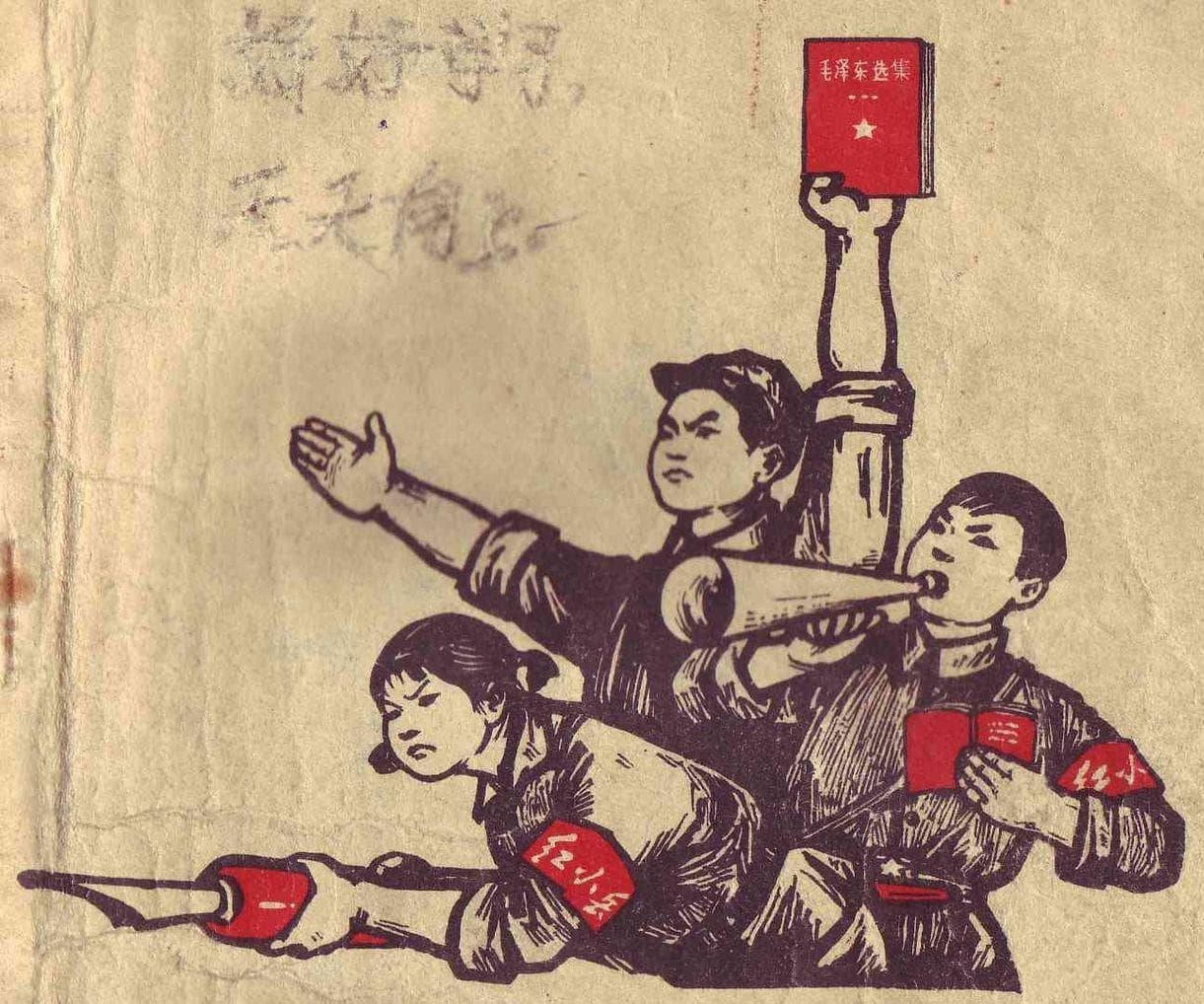
    If there’s one possible symbol of the Cultural Revolution, it’s Mao Zedong’s Little Red Book of Quotations, a collection of little nuggets thought up by the Chairman himself. During the Cultural Revolution, every bookshop was required to stock and every citizen was required to own a copy of the Little Red Book. That way, the people of China were never far away from jewels like, “Just because we have won victory, we must never relax our vigilance against the frenzied plots for revenge by the imperialists and their running dogs.” Solid gold.

    0% upvoted
  7. 7

    People Were Ordered to Keep Their Fashion Appropriately Humble

    During the Cultural Revolution, edicts went out that sought to extinguish the western influence on fashion. As a result, women were forbidden from using beauty creams and perfume. They were also supposed to avoid “weird outfits.” In general, no one was allowed to sport “slick hairdos or wear rocket shoes.” Exhaustive research of the term “rocket shoes” yielded nothing but several science fiction blogs and one Urban Dictionary link to “pocket rocket,” which is almost certainly not what Mao had in mind.

    0% upvoted
  8. 8

    The Schools Taught Only Propaganda

    According to the New York Times in an article discussing a newly released cache of documents surrounding the Cultural Revolution, "records from 1972, taken at a grade school outside Beijing, show that math students were made to sing two revolutionary songs and study and discuss six Mao quotations for 25 minutes of each class. The remaining few minutes were spent doing math."

    0% upvoted
  9. 9

    Intellectuals Were Persecuted by Youths Serving in the Red Guard

    It wasn’t long into the Revolution when Mao shut down the schools and called for the nation’s young people to collectively harass the adults around them for accepting bourgeois values. Ever precocious, the kids of China soon formed paramilitary groups called the Red Guard that sought out and harassed members of the elderly or educated population. This persecution often got violent, as Red Guard units are considered to have been responsible for the deaths of several hundred thousand people.

    0% upvoted
  10. 10

    Educated Urbanites Were Forced to Perform Physical Labor

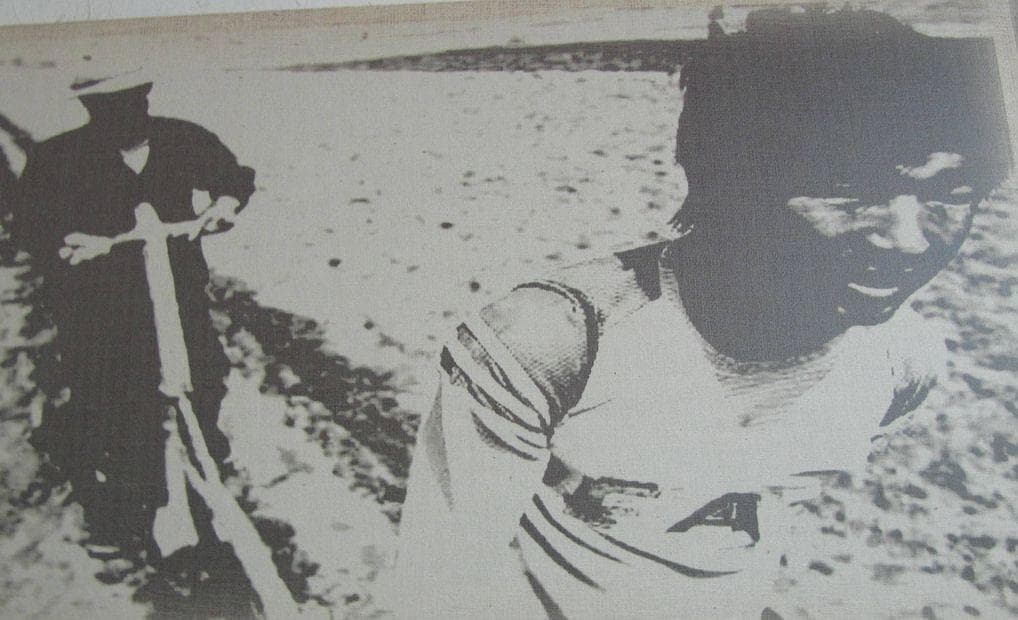
    In the "Up to the Mountains and Down to the Countryside Movement," Mao sent as many as 18 million urban young people out to the countryside, where these so-called "sent-down youth" would labor on farms, work that was considered more ideologically pure than work or study in the cities. Many were students with nothing to do after the closing of many schools and universities, and their working conditions were often extremely grueling or even fatal. A story recounted in the New York Times explains: In a handwritten series of 1972 speeches, many of them heavily edited in pen, a teacher from Beijing’s outskirts recalled how his comrades “patiently and delicately” sought to reform a teacher who was not a worker, but a member of the wealthy class. Rounds of criticism had little effect, so the group chose to help him realize his mistakes through physical labor, by weeding farmland. “He pulled grass,” the speech read. “At first, he was squatting, but he couldn’t handle it after two days. Then he pulled the grass while kneeling. Finally, he did it while crawling.”

    0% upvoted