Skip to content
maxnews
Film

17 Historical Horror Movies That Prove History Can Be Terrifying

History can be a difficult subject to bring to life. Ironically, many of the films on this list accomplish this task through the use of the undead. Horror movies are always more frightening when given cultural context audiences can relate to, and these releases set their terror during specific times and places in history. Historical horror movies combine the period-accurate details of the past with the myths and monsters of folklore. By setting the fictional narratives alongside the realistic depiction of actual events from the past, these films are layered with referential meaning. In the same way the action elements are played up within the historical content of epics, these titles contain classic horror monsters integrated into events found in history books.

Entries
17
Votes
16.8K
Updated
3 days ago

Tap upor downto vote. Your vote is added to Ranker's counts.

Voting identifies your browser with an anonymous fingerprint, stored only as a salted hash, to count one per visitor. Privacy

Source: Ranker, ranked by its voters.

  1. 1

    Ravenous

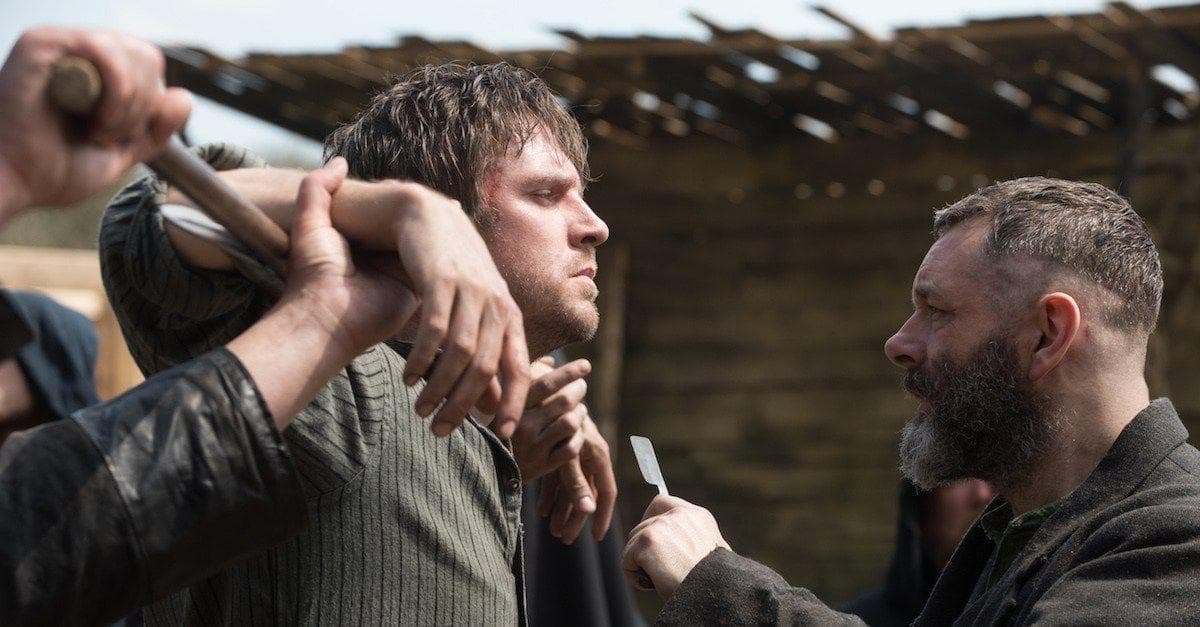
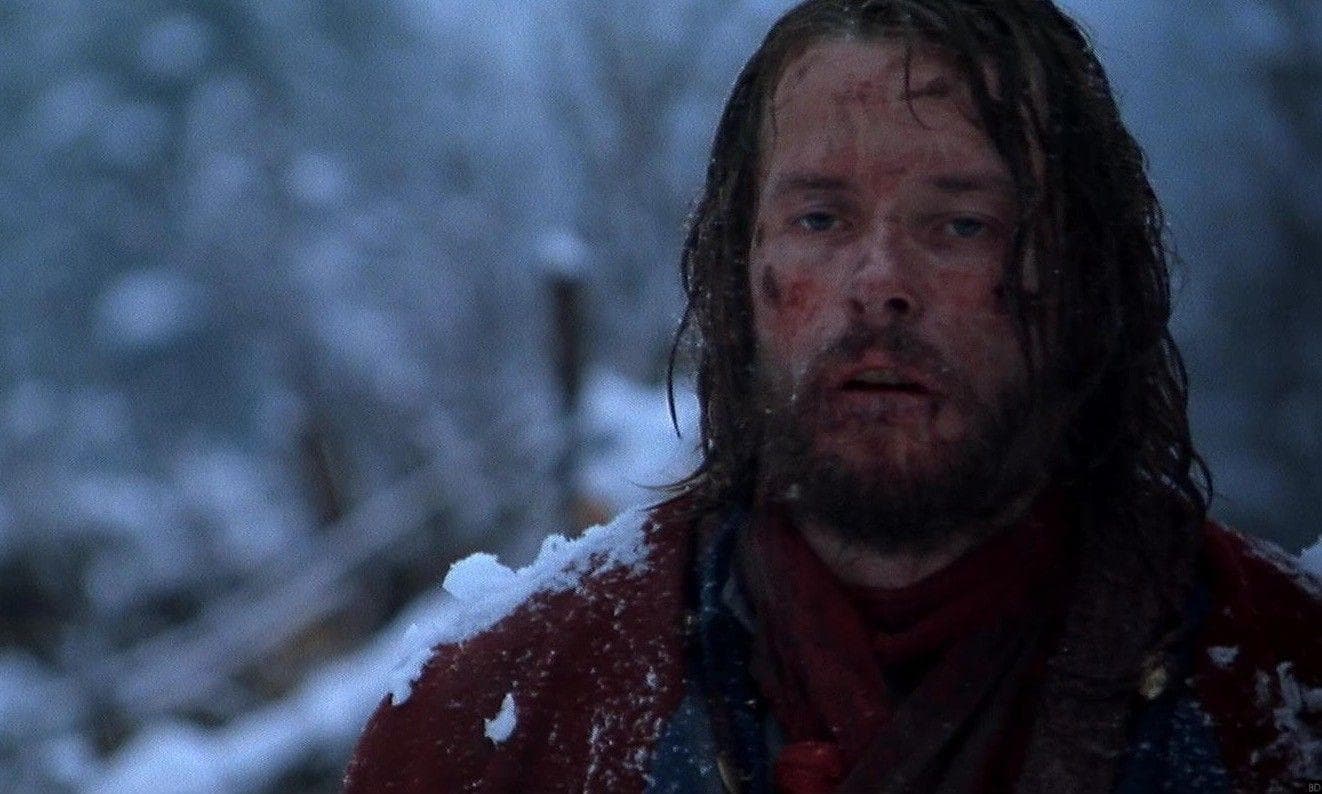
    The Historical Setting: The 19th century is the setting for Ravenous, which begins with a depiction of the Mexican-American War (1846-1848). Additionally, the plot revolves around cannibalism in the Sierra Nevada mountains of California, recalling the infamous Donner Party. Screenwriter Ted Griffin has also cited 1870s prospector Alferd Packer as partial inspiration for the film; Packer was a Civil War veteran belonging to a group allegedly forced into cannibalism after becoming lost prospecting for gold in the Rocky Mountains. The Horror: After his cowardice is exposed during a battle in the Mexican-American War, Captain John Boyd (Guy Pearce) is sent to a remote military outpost in the Sierra Nevada mountains as punishment. When a stranger calling himself F.W. Colqhoun (Robert Carlyle) arrives at the mountain outpost manned by outcasts and addicts, he tells a tale of his wagon train becoming lost in the mountains, forcing some to resort to cannibalism. The outpost’s Native American scout (Joseph Runningfox) warns the solders about the myth of the Wendigo, which gives those who consume human flesh superhuman strength while turning them into demons with insatiable hunger. He is predictably ignored with disastrous results.
    89% upvoted
  2. 2

    Bone Tomahawk

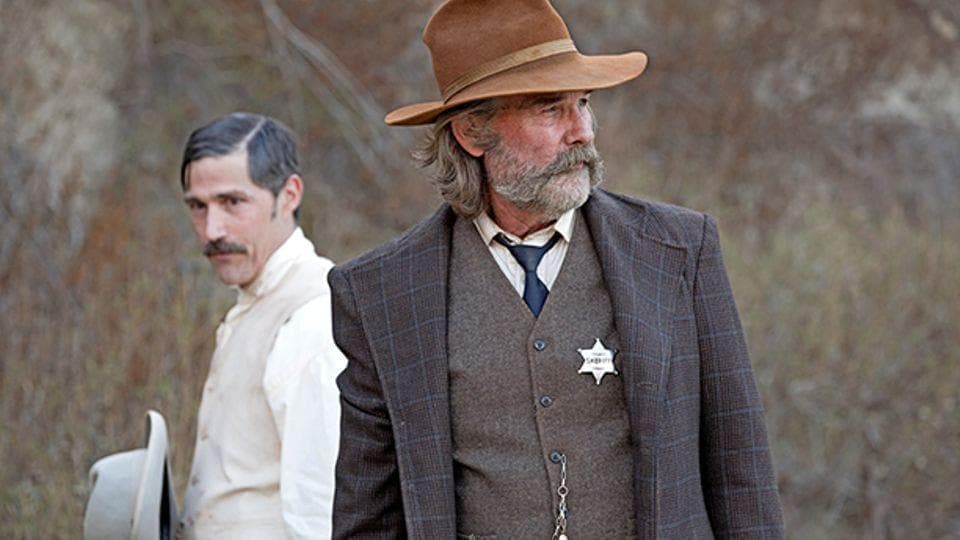
    The Historical Setting: Bone Tomahawk begins as a typical Western, taking place in the 1890s in the harsh elements of the frontier near what is now the border of Texas and New Mexico. Among the dangers found in the elements are threats brought by the Native Americans living near newly formed towns. When a tribe takes a prisoner from one of these towns, the sheriff (Kurt Russell) puts together a posse to bring him back. The Horror: While acknowledging the connections to classic Westerns like The Searchers, Peter Bradshaw argues that Bone Tomahawk is “more scary movie than horse opera.” As they track down the Native Americans responsible, the posse discovers they belong to a tribe of inbred cannibals named "Troglodytes." Not only are their cultural practices horrific, but the tribe also appears to have gained superhuman strength from their consumption of human flesh. What begins as a typical Western quickly evolves into horror once the "Troglodytes" gain the upper hand over the posse, leading to a notoriously brutal scene of violence popularly known as the "wishbone" sequence.

    88% upvoted
  3. 3

    Pan's Labyrinth

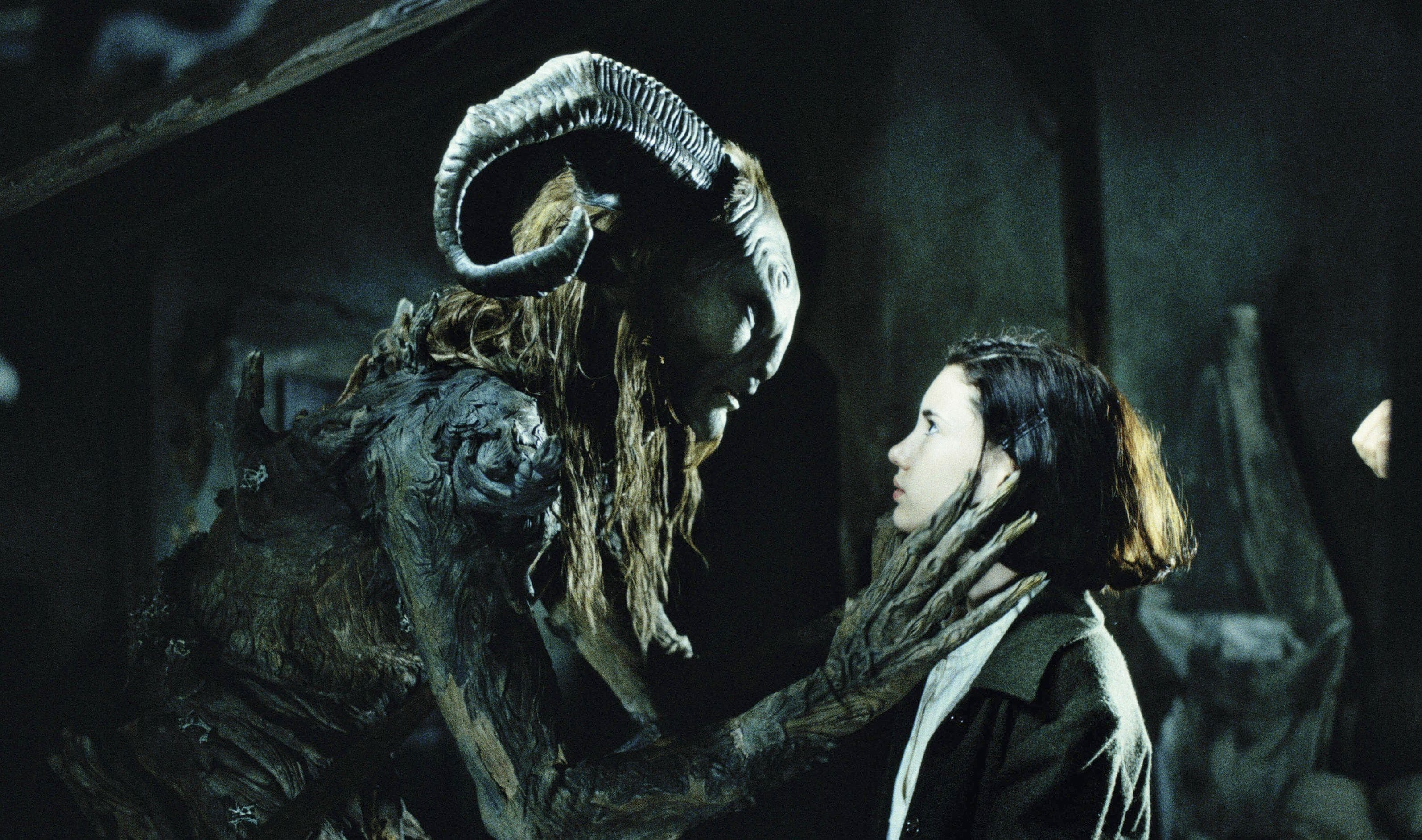
    The Historical Setting: Pan’s Labyrinth takes place during the summer of 1944 in Spain, five years after the Spanish Civil War and during the early Francoist period. The film depicts the severe actions carried out by a Falangist captain in his efforts to hunt down the Spanish Maquis rebelling against the Francoist regime. The Horror: As with his earlier film, The Devil’s Backbone, Guillermo del Toro balances the real-world horrors of historical events with a horror-fantasy narrative, complete with unique creature designs. As a 10-year-old girl named Ofelia (Ivana Baquero) witnesses the cruel acts carried out by her new military commander stepfather (Sergi López) against republican rebels, she discovers parallels in the fantasy world of an ancient stone labyrinth containing a faun-like creature. Also like The Devil’s Backbone, the child protagonist of Pan’s Labyrinth becomes caught in the fight between rebels and the current regime, and the horror-fantasy elements provide her relief from this conflict.

    85% upvoted
  4. 4

    Deathwatch

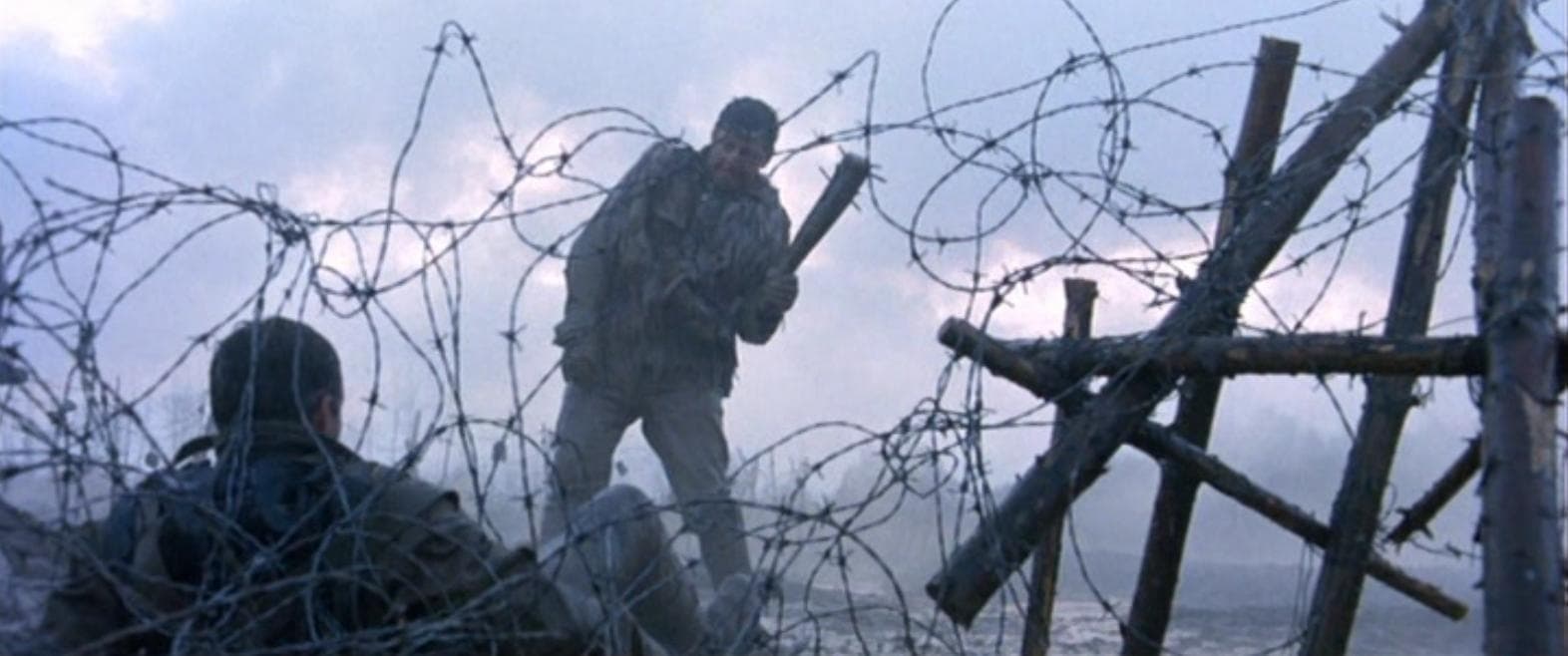
    The Historical Setting: While many horror films feature wartime narratives, Deathwatch takes place within the horror of the conflict itself. Set during WWI, the film follows soldiers of the British 5th Battalion's White Company, who take refuge in an abandoned German trench after becoming lost following an assault on the enemy line. The Horror: When the lost unit of the White Company comes across a maze of trenches containing three terrified German soldiers, they think they have broken through enemy lines. As they spend more time in the trenches, the soldiers discover a supernatural evil surrounding them that prevents them from leaving. This unexplained presence animates the barbed wire, reanimates corpses, and creates phantom sounds of war to terrorize the soldiers. While the film presents its supernatural elements as terrifyingly real, the viewer can also read them as allegorical representations of PTSD for soldiers.

    89% upvoted
  5. 5

    Black Death

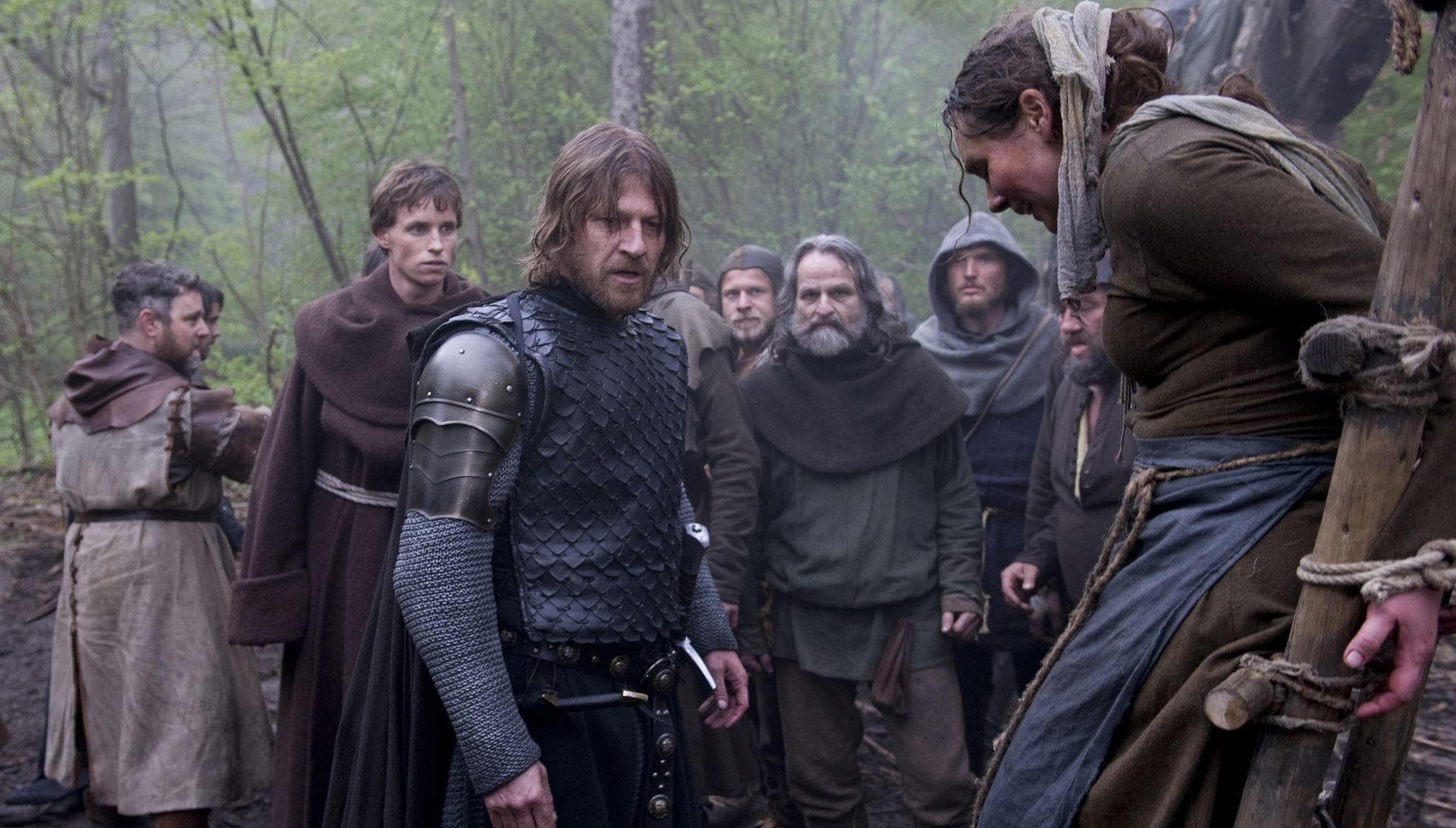
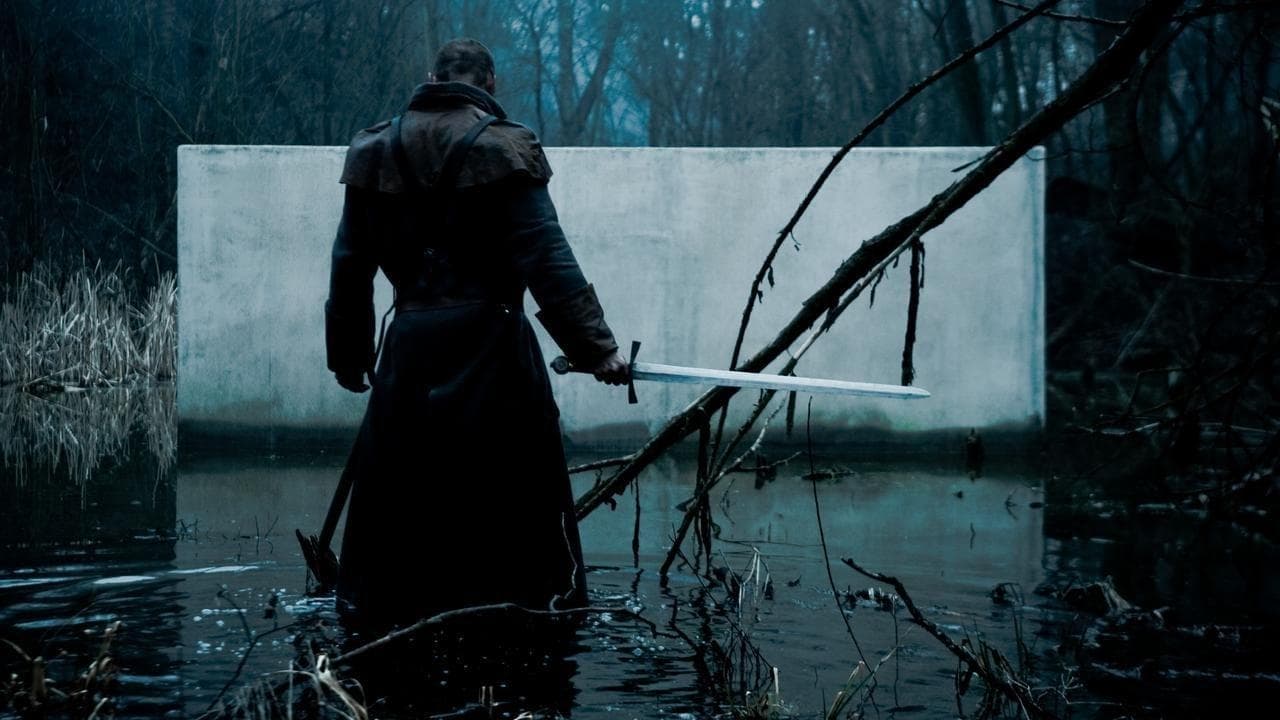
    The Historical Setting: Set in 1348, the plot of Black Death is centered around the first outbreak of the bubonic plague in medieval England. When an envoy (Sean Bean) for the regional bishop arrives at a monastery in search of a guide to help reach a remote marshland village rumored to be untouched by the plague, a novice monk named Osmund (Eddie Redmayne) accepts the task. The Horror: Although Osmund initially believes the expedition is intended to discover what has kept the village safe from the plague's destruction, he eventually learns that a necromancer is thought to control the village, using dark arts to keep the sickness at bay. The group of soldiers have a plan to capture the practitioner of witchcraft for transport back to the bishop, followed by trial and execution. These plans are thwarted by obstacles along the way, including the continual threat of contagion and the inevitable horrors that await them in the remote village.

    89% upvoted
  6. 6

    The Witch

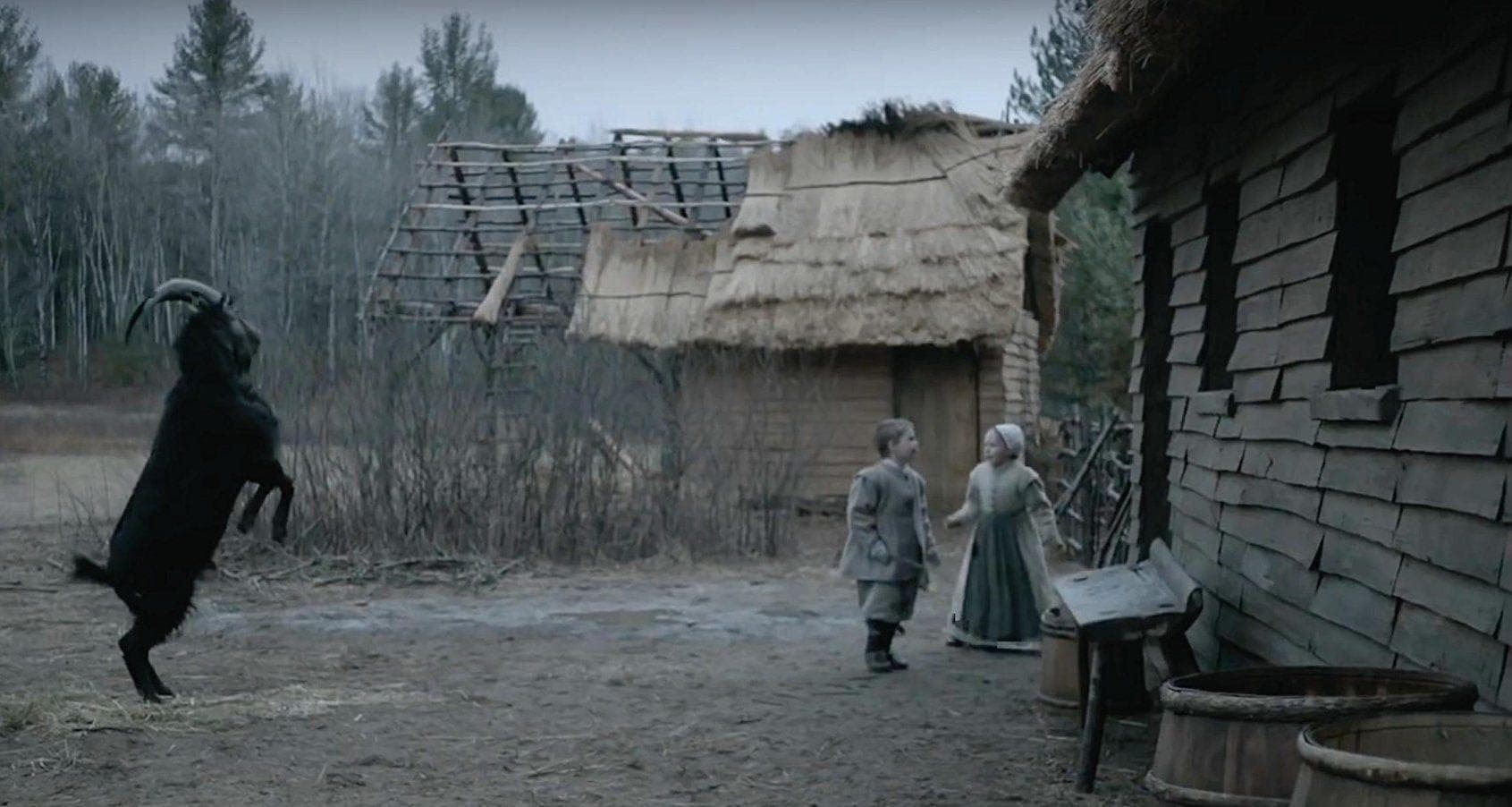
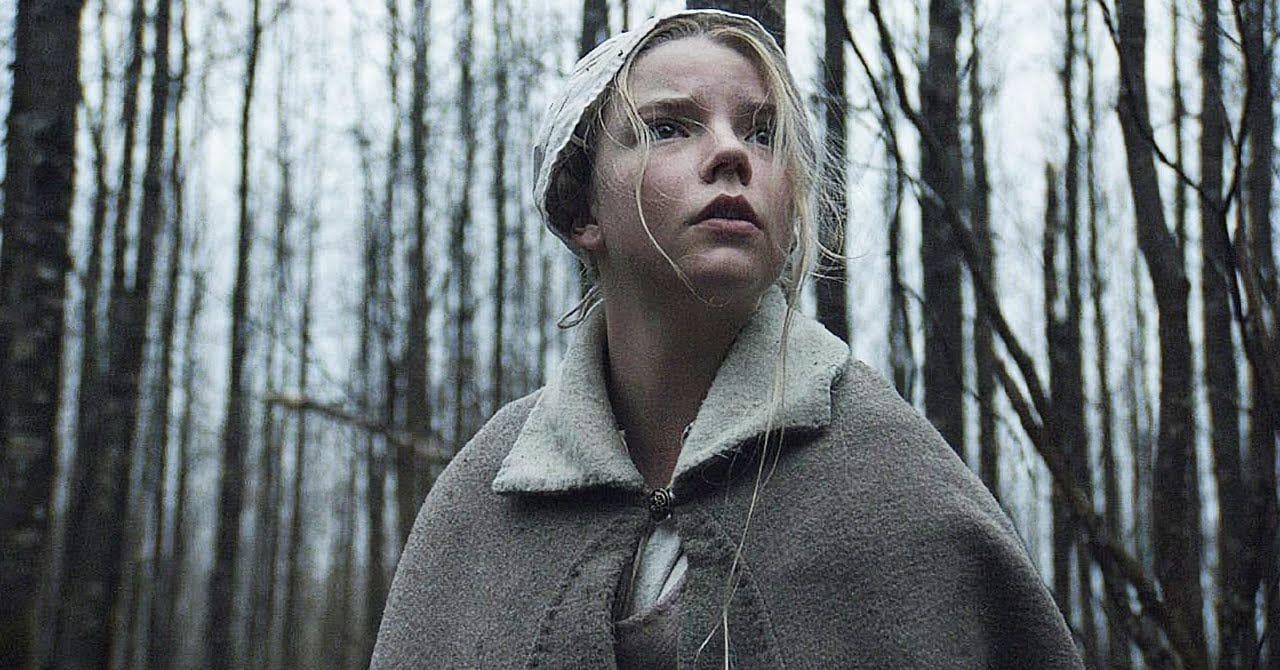
    The Historical Setting: Set in the 1630s, The Witch follows a Puritan family living on a New England farm after they are banished from their colony over a religious dispute. When a series of incidents occurs on their farm, including the disappearance of their youngest child, the family becomes convinced an evil presence in the forest is to blame. The Horror: In Bell, Book And Camera: A Critical History of Witches in American Film and Television, Heather Greene describes The Witch by saying, “frame by frame, this is an American witch narrative complete with accusations, suspicions, spell work, and a missing baby.” She goes on to point out that writer/director Robert Eggers integrates multiple Western witchcraft myths, including fairy-tale imagery, the Baba Yaga, fear of the wilderness, Satan as a goat, and child endangerment. Set during the period of the first witch hysteria, 62 years before the Salem witch trials, the film provides the sense that viewers are witnessing the origin story for witch folklore.

    83% upvoted
  7. 7

    The Devil's Backbone

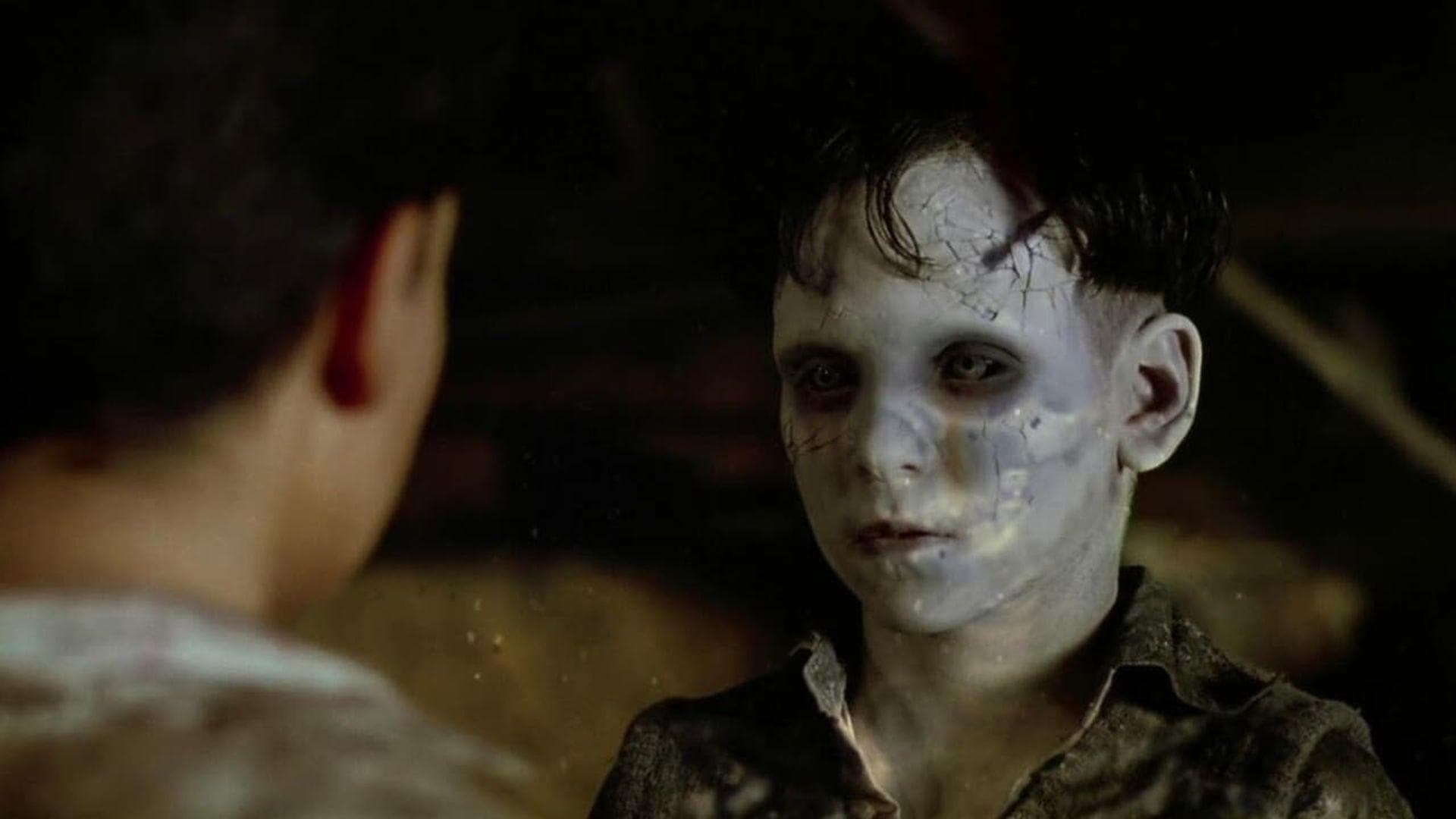
    The Historical Setting: Set in 1939 Spain during the last year of the Spanish Civil War, The Devil’s Backbone deals with the indirect impact of the conflict on the country's children. The negative effects of war are addressed by setting the film in an orphanage filled with children who have lost their parents in the struggle. The Horror: The presentation of horror in The Devil’s Backbone is initially subtle, at least in terms of the film’s supernatural elements. Director Guillermo del Toro presents the horrors of war far more overtly than the supernatural elements for much of the film, with an inert bomb dropped by the Nationalists sitting in the orphanage's courtyard as a constant reminder. The film follows young orphan Carlos (Fernando Tielve), who enters the orphanage after his father perishes in the conflict. While exploring the orphanage at night, Carlos comes across the spirit of a young boy haunting the grounds. The ghost story in The Devil’s Backbone resembles many films released in the US during this period, including The Sixth Sense (1999) and The Others (2001), in that there is more to fear from the living characters than the deceased ones. Although the image of the young spirit initially terrifies Carlos, he soon discovers that the real danger lies in the covert conflict between Nationalist and Republican Loyalist adults working alongside each other at the orphanage.

    87% upvoted
  8. 8

    Witchfinder General

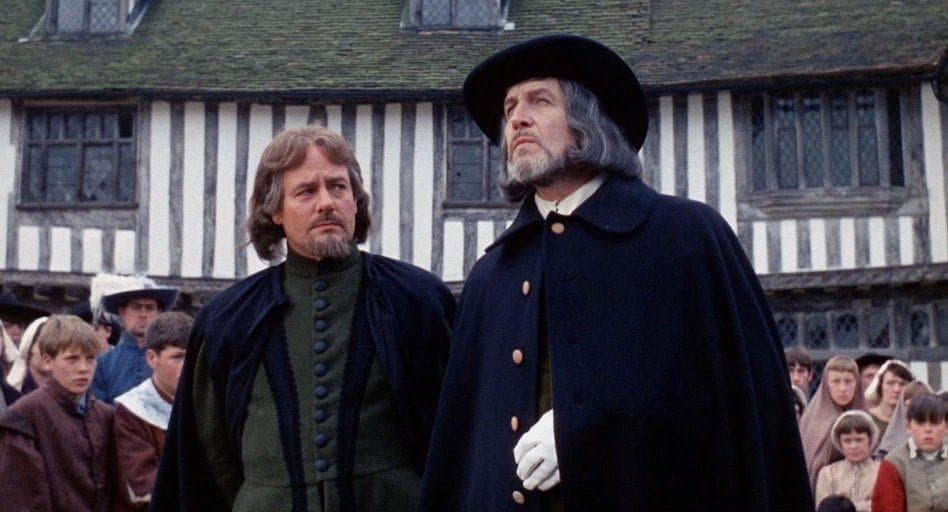
    The Historical Setting: Set in 1645 during the English Civil War, Witchfinder General is loosely based on the historical figure of Matthew Hopkins (played by Vincent Price). Amid the chaos of war, Hopkins claimed he had been appointed Witchfinder General, a title never given to him by Parliament in an official capacity. From 1644 to 1646, Hopkins was responsible for the condemnation and execution of hundreds of alleged witches, often employing creative means of physical and emotional harm to elicit a confession. The Horror: The British film is adapted from the 1966 novel of the same name and depicts a fictionalized account of Hopkins’s witch hunts and interrogations, complete with sequences of torture that were controversial at the time of release. Many of these scenes were highly censored in the UK, despite being released unaltered in the US under the alternate title, The Conqueror Worm. Part revenge narrative, the film also follows Parliamentarian soldier Richard Marshall (Ian Ogilvy), who hunts the witch hunter and his cohorts after they assault his fiancée (Hilary Dwyer) and execute her father (Rupert Davies). With no actual witches in the narrative, the horror from the film comes from human monsters with unchecked power. This can be read as an allegory for modern times in the late 1960s, as well as the condemnation of actual historical events and figures.

    87% upvoted
  9. 9

    Brotherhood of the Wolf

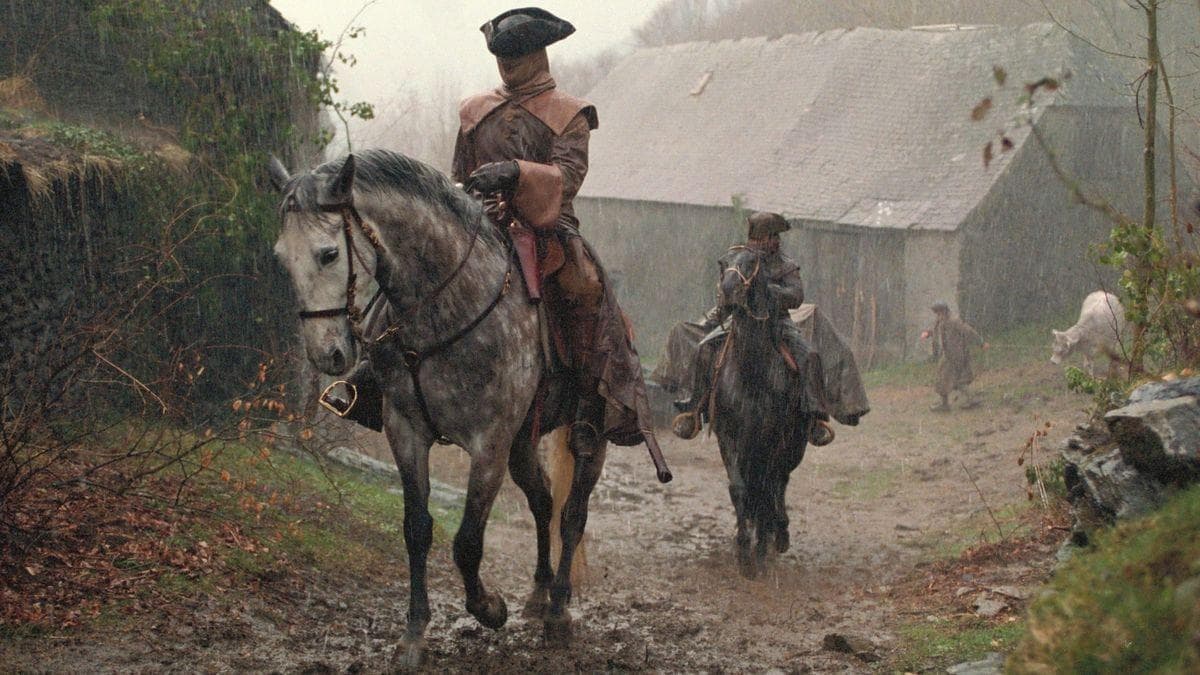
    The Historical Setting: Brotherhood of the Wolf is loosely based on a real-life series of deaths that took place in 18th-century France, often attributed to the legend of the Beast of Gévaudan. Although the primary action takes place in 1764, the film is also bookended by sequences set during the French Revolution, in which the story is recounted for a memoir prior to a revolutionary execution. The Horror: Many historians now believe the attacks associated with the Beast of Gévaudan were caused by wolves, a bear, or even a lion, but Brotherhood of the Wolf initially embraces the horror-fantasy of a large creature before aligning with one of these historical theories. This beast is brought to life on-screen with a combination of CGI and puppetry/animatronics designed by Jim Henson's Creature Shop. The story involves the investigation of the attacks by the royal naturalist and knight Grégoire de Fronsac (Samuel Le Bihan), as well as his Iroquois companion Mani (Mark Dacascos), who discover a larger plot by a revolutionary group attempting to undermine confidence in King Louis XV.

    86% upvoted
  10. 10

    The Burrowers

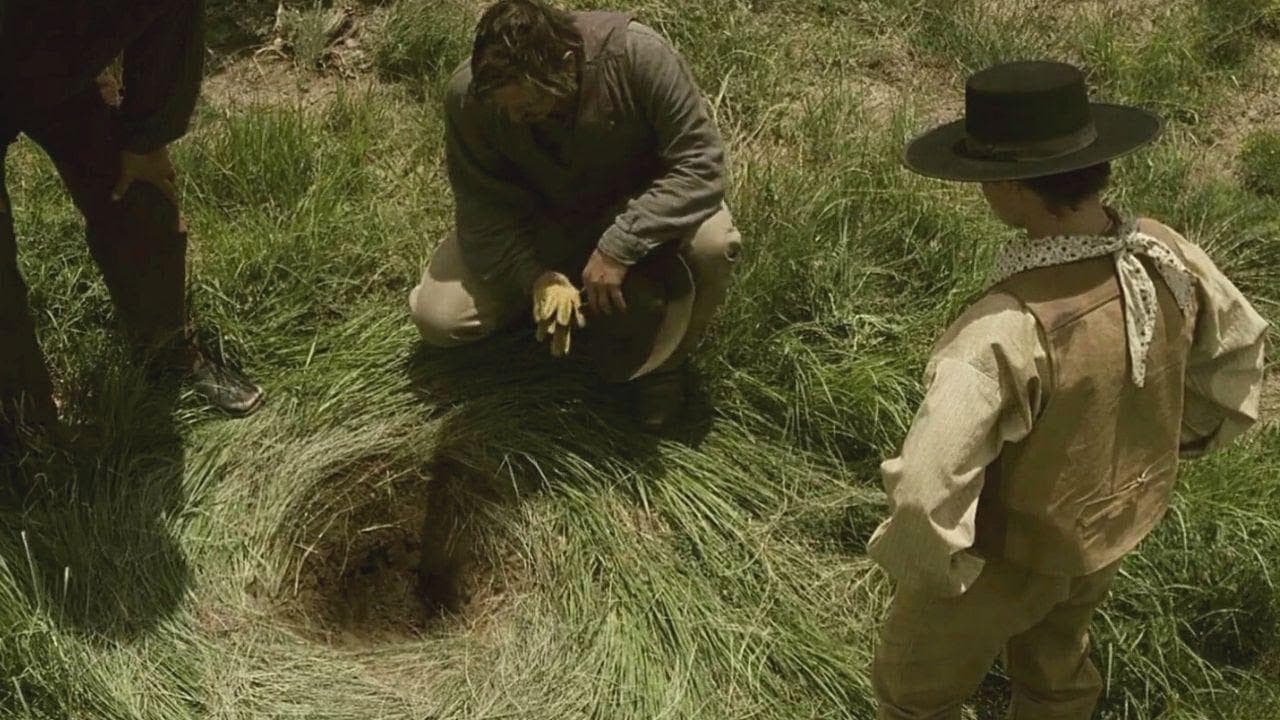
    The Historical Setting: The Wild West is the setting for The Burrowers, which takes place in 1879 and involves a group of pioneers living on the edge of civilization. After a family of these American settlers mysteriously vanishes, the others assume that a hostile Native American Sioux tribe has snatched them, and a posse is formed to bring them back. Additional historical relevance can be found in the type of characters that make up the posse, including an Irish immigrant (Karl Geary), a racist military captain (Doug Hutchison), and a freed slave (Sean Patrick Thomas). The Horror: Despite the cavalry's eagerness to blame the strikes on the local Sioux, the posse soon discovers that unknown predatory creatures called “Burrowers” are responsible for the disappearances. These underground-dwelling monsters are known by the Native Americans, who have also discovered a method for dispatching them, despite the military's resistance to trust them. Though the species once existed on the flesh of buffalo, they turned to human targets after the pioneers depleted their primary source of food, adding an environmental message to the narrative.

    85% upvoted