Skip to content
maxnews
Rankings

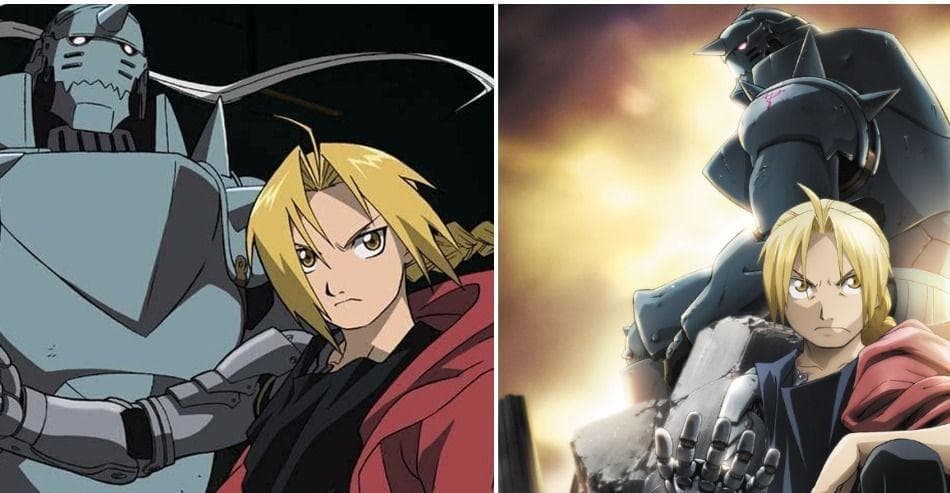
15 Reasons Why FMA 2003 Is Better Than FMA Brotherhood

Among the list of must-see anime is Fullmetal Alchemist, a captivating series about two brothers named Edward and Alphonse Elric, who travel the world as State Alchemists to find the legendary Philosopher's Stone. The Elric brothers’s journey to regain what they’ve lost after failing to resurrect their late mother through alchemy is a rollercoaster of human emotions. For every small victory comes an emotional loss, but as the series’s motto goes, “to gain something, an alchemist must sacrifice something of equal value.” The story of Fullmetal Alchemist resonates with so many anime fans, however, with two anime adaptations available, it didn't take long for arguments to erupt over which one is better. Both the 2003 version of Fullmetal Alchemist and the 2009 series, Fullmetal Alchemist: Brotherhood, are worth watching. Each series brought a unique perspective to the original manga story by Hiromu Arakawa. While Brotherhood is generally thought of as superior for merely sticking closer to the manga, there are crucial aspects of the original anime series that are simply better. Below are 15 reasons why Fullmetal Alchemist 2003 is better than Brotherhood. If you enjoy this list, make sure to check out 30 of the best Fullmetal Alchemist AMVs of all time.

Entries
15
Votes
43.5K
Updated
yesterday

Tap upor downto vote. Your vote is added to Ranker's counts.

Voting identifies your browser with an anonymous fingerprint, stored only as a salted hash, to count one per visitor. Privacy

Source: Ranker, ranked by its voters.

  1. 1

    Nina Tucker's Relationship With The Elric Brothers Is Explored In FMA
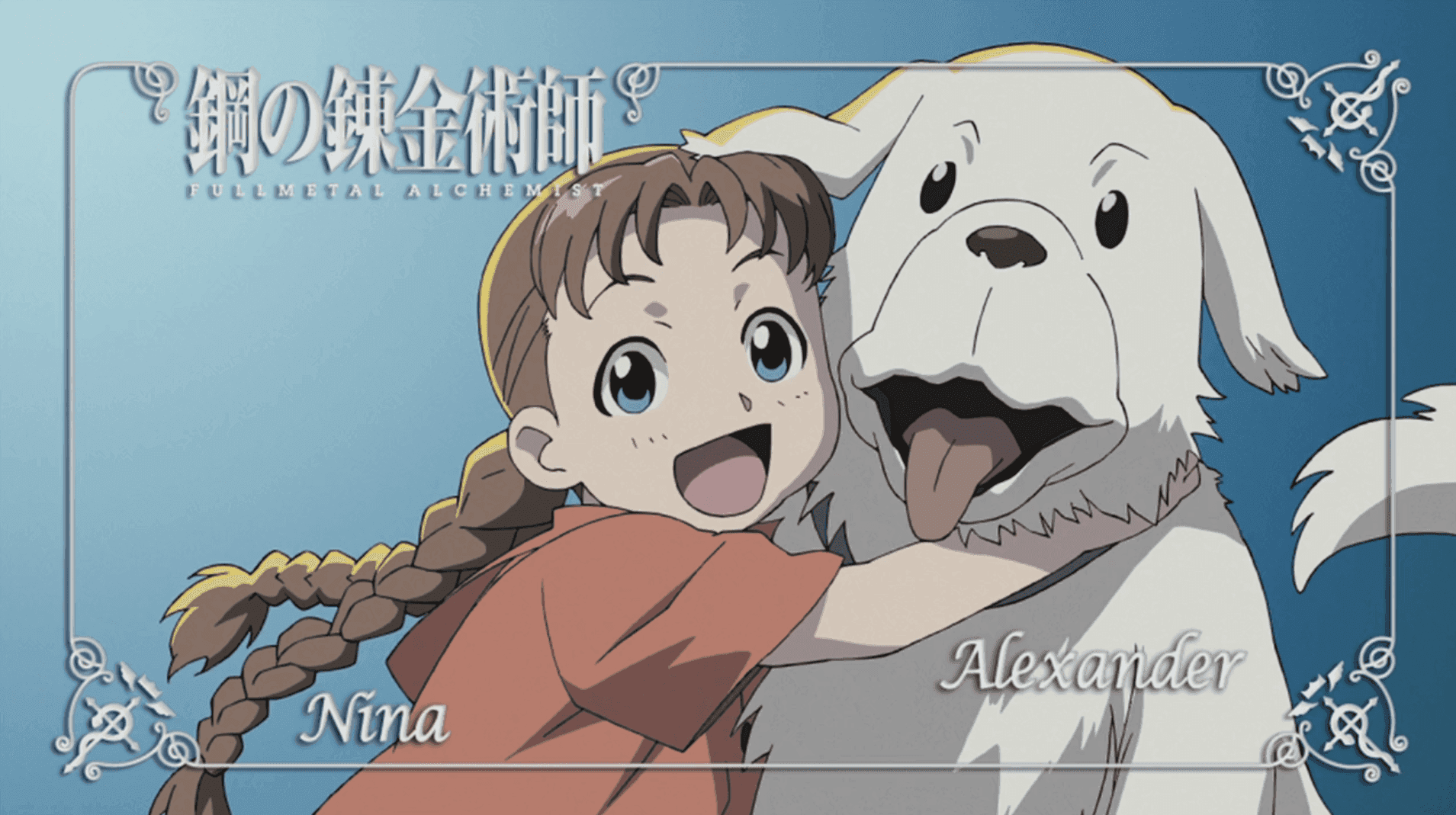
    The early episodes of Brotherhood were rushed out to make way for more content from the manga. While understandable, it means that memorable scenes from the original anime do not have the same emotional impact in Brotherhood. A fine example of this is the story arc of Nina Tucker, the four-year-old girl who becomes the guinea pig for her father’s chimera experiment. The 2003 version builds up the girl's relationship with the Elric brothers over three episodes. Brotherhood, on the other hand, tries to wrap the whole thing up in one episode. The moment of loss in Brotherhood simply doesn't have the same effect as it does in the 2003 version.

    85% upvoted

  2. 2

    Lust’s Character Arc Is More Developed In The Original Series

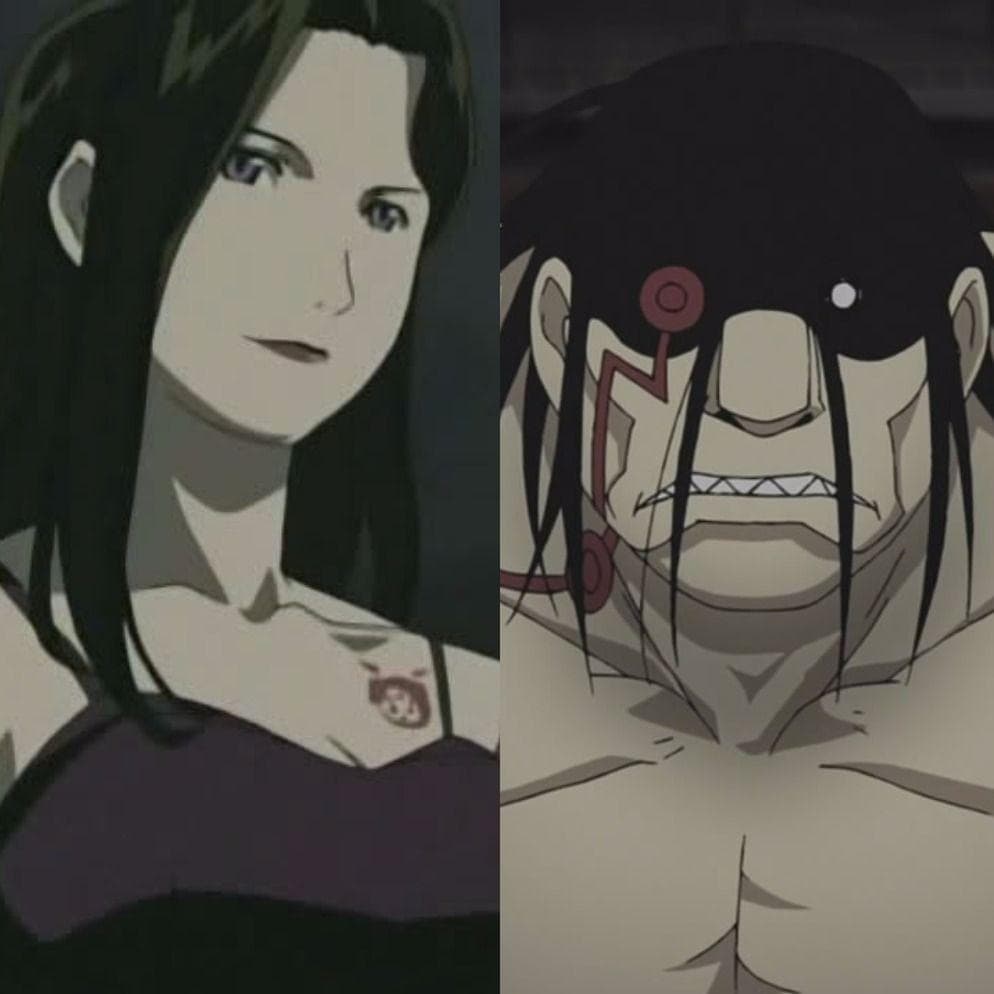
    As mentioned in the list of sympathetic anime villains you can’t help but feel sorry for, the tragic 2003 anime version of Lust is a far more compelling character to watch than her Brotherhood counterpart. In the original anime, there is a lot to chew on with Lust: Her relationship with the Elric brothers, the estrange yet emotional confrontation with Scar, and her decision to defect from Dante and her fellow Homunculus. In comparison, the Brotherhood version of Lust is just a sexy evil woman.

    84% upvoted
  3. 3

    The Death Of Hughes Isn't As Emotional In Brotherhood

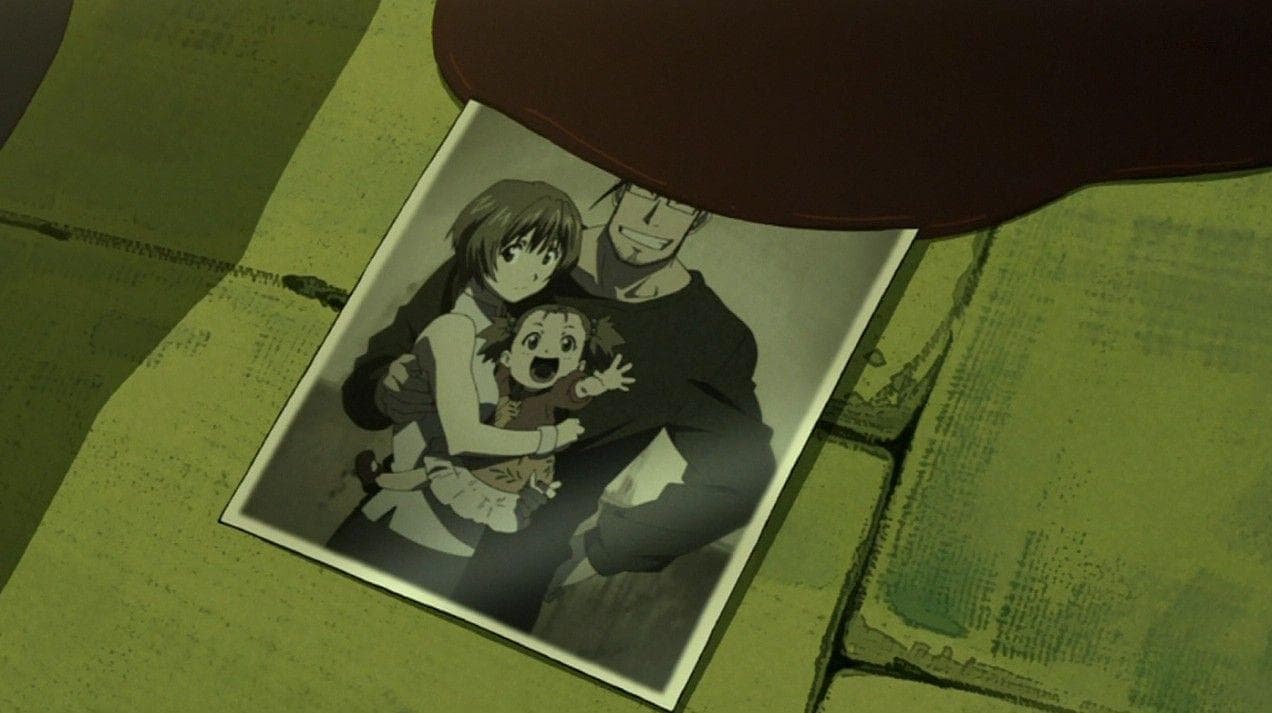
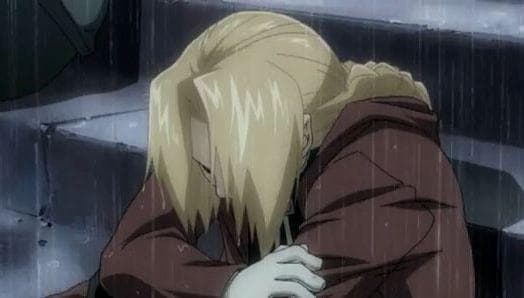
    Another powerful moment lost in Brotherhood is the passing of beloved character Maes Hughes – the Amestrian State Military officer who was extremely devoted to his wife and little girl. While the depiction of Hughes's demise in Brotherhood is far from insipid, the 2003 anime is able to deliver a stronger emotional impact due to the character having more screen time. Ed’s reaction towards Hughes's passing is also stronger in the 2003 anime, as he has to be physically restrained by Winry and Sheska after hearing the awful news.

    79% upvoted
  4. 4

    The Homunculus Backstory Is More Interesting

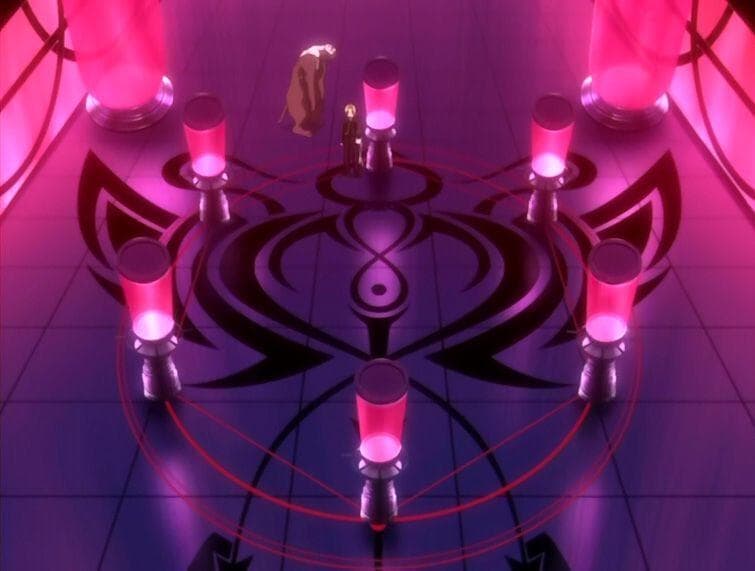
    The origin story behind the Homunculus in the 2003 series is far more interesting than Brotherhood's retelling. In the original anime, the Homunculus are the horrible aftermath of Human Transmutation. In the case of Ed and Al, their Human Transmutation results in Sloth, a Homunculus who appears similar to their mom but lacks her heart and soul. Using the Homunculus as a painful reminder to those who play God is a brilliant storytelling move. In comparison, the Homunculus in the 2009 anime are just the human vices that Father separated from his body years ago.

    77% upvoted
  5. 5

    Sloth Offers A Compelling Dynamic In FMA

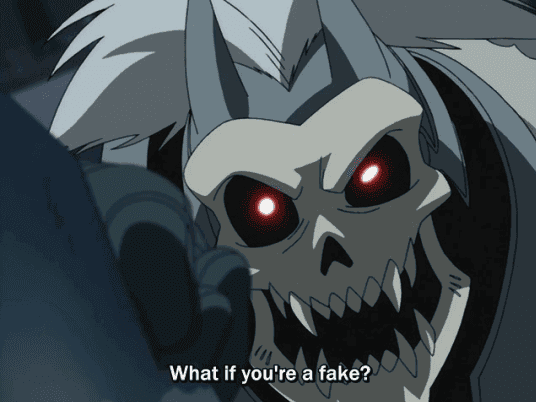
    Among the most significant differences between the 2003 anime and Brotherhood are the depictions of certain Homunculus. Sloth, for example, is a vastly different character in Brotherhood than the original anime. Brotherhood sticks to the manga version by making Sloth a cliché "muscle man" who always complains about doing work. The 2003 anime, however, portrays Sloth as a failed Human Transmutation of Ed and Al’s mom. Female Sloth brings a fascinating angle to the 2003 anime as she is a physical manifestation of Ed and Al’s past sin.

    77% upvoted
  6. 6

    FMA Plays Up The Mystery Aspect

    What makes Fullmetal Alchemist so engaging to watch is the constant mystery behind the Philosopher's Stone and the politics behind its creation. Both the 2003 and 2009 versions of the anime delve into grey areas, yet, as Brotherhood goes along, the story becomes disappointingly more black and white. The line between good guys and bad guys is made crystal clear; leaving no room for moral ambiguity. As a result, Brotherhood isn’t as suspenseful as the 2003 anime, which constantly questions the action of its characters and alludes to the inhuman creation of the Philosopher's Stone.

    75% upvoted
  7. 7

    Questioning Humanity Is A Major Theme In FMA

    One of the most captivating themes of the Fullmetal Alchemist series is its questioning of human morality. It doesn't just examine the actions of the military, but the Elric brothers as well. It not only has moments that highlight the frailty of its young protagonists, but FMA argues the rights and wrongs of killing those born from a alchemist’s failed attempt at playing God. Brotherhood isn’t devoid of these notes, but it never fully explores the grey areas these subject matters provide.

    74% upvoted
  8. 8

    There Is A Maturity To FMA, While Brotherhood Feels Like A Shounen Series

    The original Fullmetal Alchemist anime and Brotherhood deal with heavy subject matter, such as politics and the value of life. In the 2003 anime series, however, there’s an air of maturity to these scenes. Moments of bleakness are allowed to linger on; successfully creating a mature atmosphere. In comparison, Brotherhood comes across as a typical shounen that forcefully interjects comedy to relieve the series of any somber moments. In other words, the 2003 series is a drama, while Brotherhood is an action-adventure romp.

    73% upvoted
  9. 9

    The Brother's Dynamic Is Fully Explored In The 2003 Anime

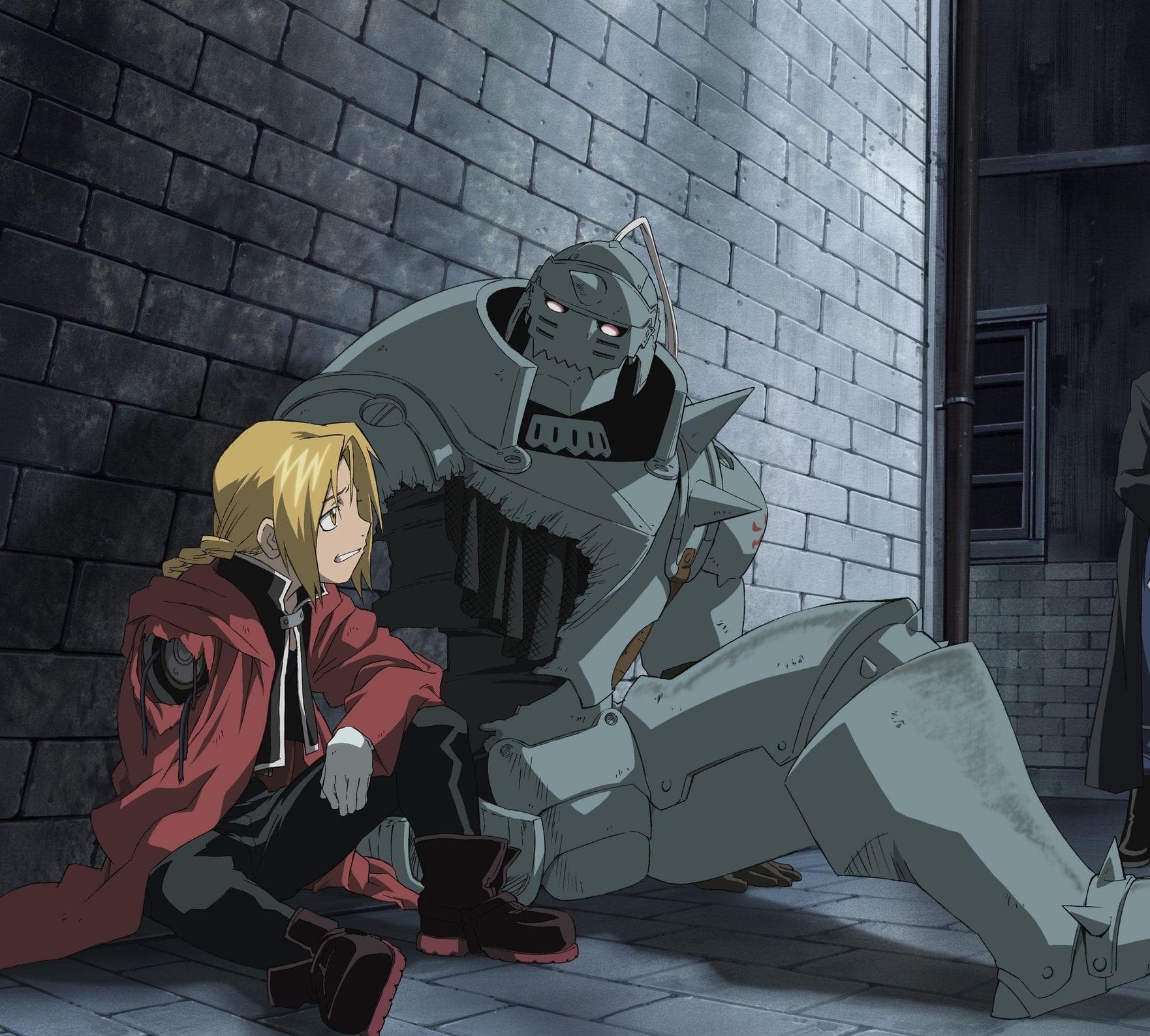
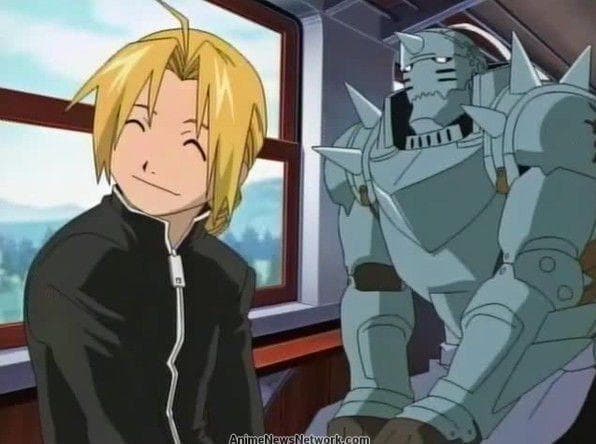
    No matter which anime you watch, the story of Fullmetal Alchemist will always remain a tale about two brothers trying to look out for each other in a cruel world. In the 2003 anime, the relationship between Edward and Alphonse Elric is extremely personal. Despite their friends from the military or back home, there’s always a sense that Ed and Al are alone on their journey. Despite their enlistment as State Alchemists, Ed and Al often find themselves in opposition to the military, leaving them no choice but to disobey orders or go out in secrecy. The exploration of their brotherly relationship is on full display in the animated movie, Conqueror of Shamballa, as the brothers desperately try to reunite with each other.

    74% upvoted
  10. 10

    FMA Has Better Pacing

    If there’s one thing most Fullmetal Alchemist fans can agree on, it’s that the early episodes of the 2003 anime were paced more diligently than the 2009 anime. Brotherhood writers wanted to get to the material the 2003 anime didn't by speeding through the stories everyone already saw. However, the results are somewhat varied. Key moments in the early run of the series don't carry the same emotional weight in Brotherhood as they did in the 2003 anime. Not to mention, the assumption that everyone had seen the 2003 anime gives Brotherhood a niche appeal. To put it simply, the 2003 anime is a standalone, accessible show, while Brotherhood gives off a “for the fans only” vibe.

    73% upvoted