Skip to content
maxnews
People

15 Fascinating Rulers You've Probably Never Heard Of - That Made History

History is filled with the stories of larger-than-life rulers, many of whom have become household names. Figures like Henry VIII, Elizabeth I, Alexander the Great, Augustus, Julius Caesar, and Cleopatra loom large in the public imagination, thanks in no small part to the way popular culture has drawn on their lives. However, it is also important to pay attention to some of the lesser-known rulers who managed to leave an impact on history, even though they have not been nearly as well-remembered as their more famous counterparts. These are the people like Queen Anne of Great Britain, Livia the wife of Augustus, King Louis XVIII. Looking at their lives in greater detail is a fascinating exercise in seeing a whole new side of history.

Entries
15
Votes
3.9K
Updated
3 days ago

Tap upor downto vote. Your vote is added to Ranker's counts.

Voting identifies your browser with an anonymous fingerprint, stored only as a salted hash, to count one per visitor. Privacy

Source: Ranker, ranked by its voters.

  1. 1

    Amanirenas Was A Contemporary Of Cleopatra, But Was Much More Successful In Battling The Romans
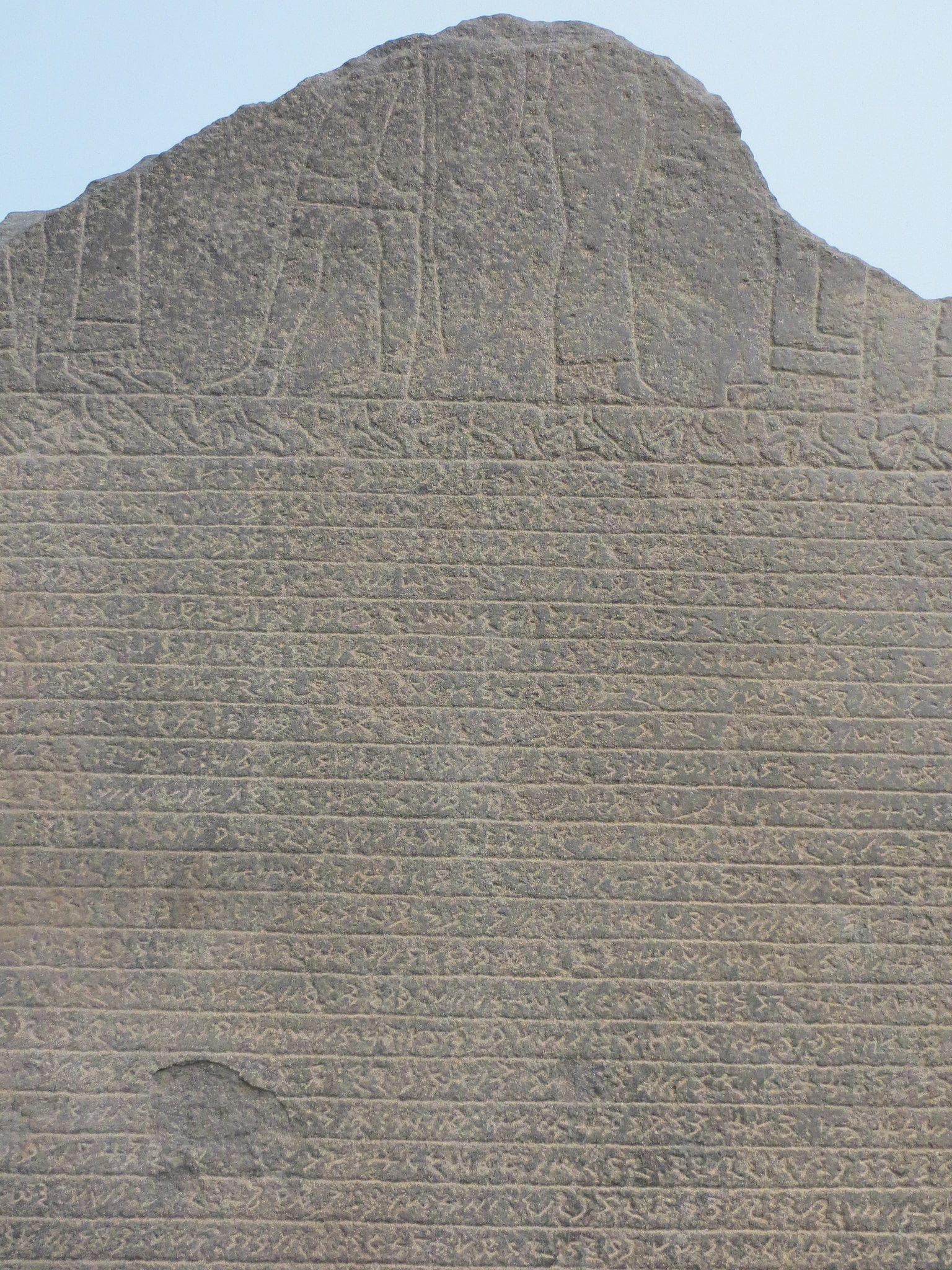
    The name Amanirenas might not be familiar to many, but this formidable woman was renowned in antiquity for being one of the few leaders to successfully oppose the seemingly invincible Romans. Ruling over the Kingdom of Kush, Amanirenas was one of a long line of Kandakes (sometimes spelled Candace) who had ruled this particular kingdom. Particularly notable is the fact her reign coincided with Cleopatra to the north in Egypt. It was her conflict with Rome, however, that guaranteed Amanirenas’s place in the history books. She had become queen upon the death of her husband in 25 BCE, and she led a significant force against the Romans, who had taken over Egypt after Cleopatra’s suicide and subsequently inflicted heavy taxes on the Kushites. The conflict with Rome was a long and bloody one and, though the Romans ultimately declared victory, they nevertheless granted Amanirenas and the people of Kush considerable concessions, including a tax exemption and territory. Considering how merciless the Romans could often be in their pursuit of conquest, this was no small thing.
    94% upvoted
  2. 2

    Theodora Rose From The Lowest Classes Of The Byzantine Empire To Become One Of Its Most Powerful Elites

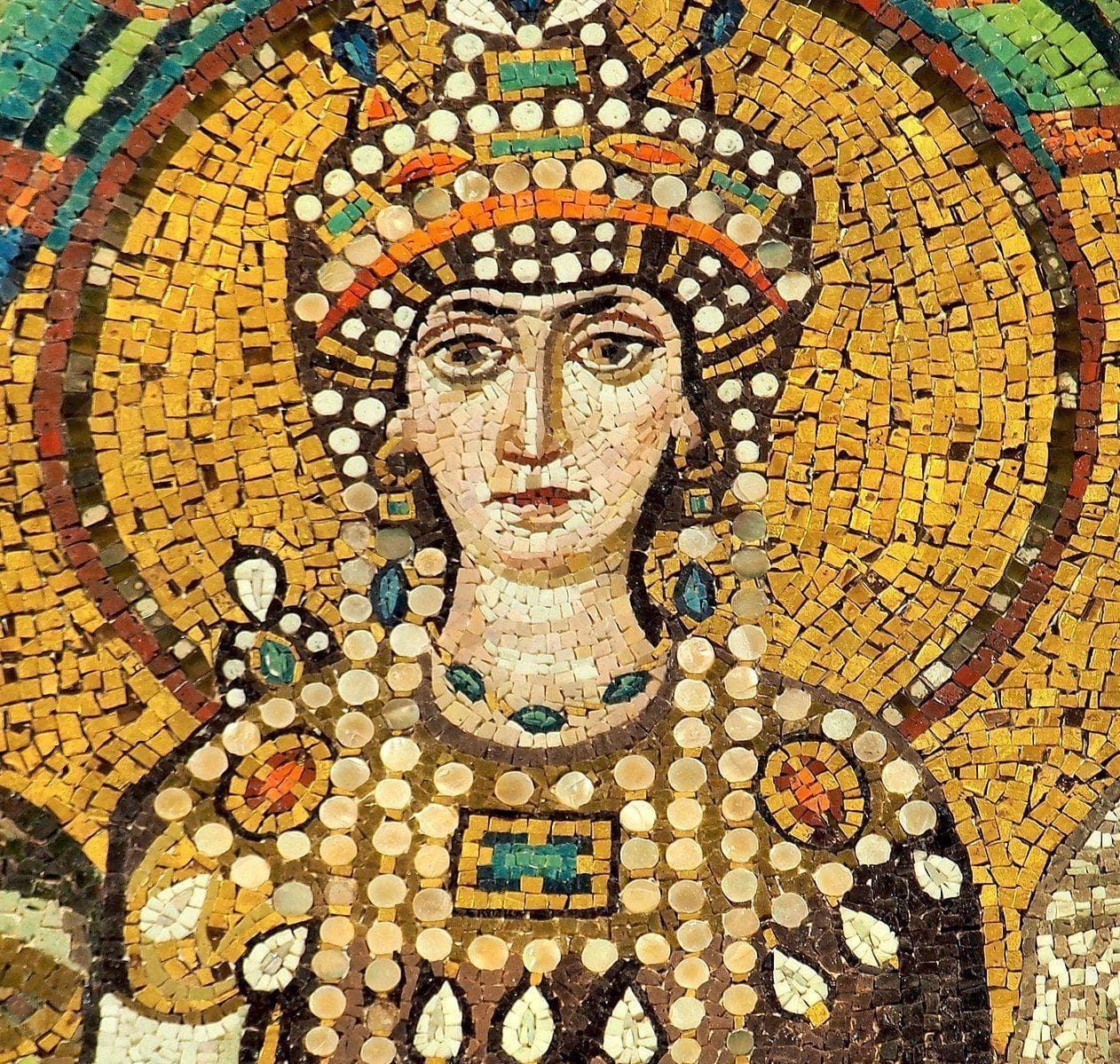
    Few imperial women have wielded as much power as Theodora, the wife of the Emperor Justinian. According to ancient historians, she was born to a bearkeeper, and Theodora actually took to the stage herself during her youth. This lower-class occupation, as well as its association with prostitution, left a mark on her reputation she would never entirely overcome. Nevertheless, Theodora was a woman with an eye for the main chance, and she eventually met and fell in love with Justinian, who was heir to his uncle’s throne. Justinian was equally smitten, and the two married in 525 CE, after the repealing of a law that forbade those of a certain class from marrying actresses. Theodora would go on to rule beside Justinian as his equal, as can be seen from the mosaics in the Basilica of San Vitale showing them as matched in power and prominence. In addition to advocating for the various subalterns of the Empire - including prostitutes and unorthodox Christians - she was also the one who stiffened her husband’s spine during the Nika Revolt, saving his throne in the process.

    93% upvoted
  3. 3

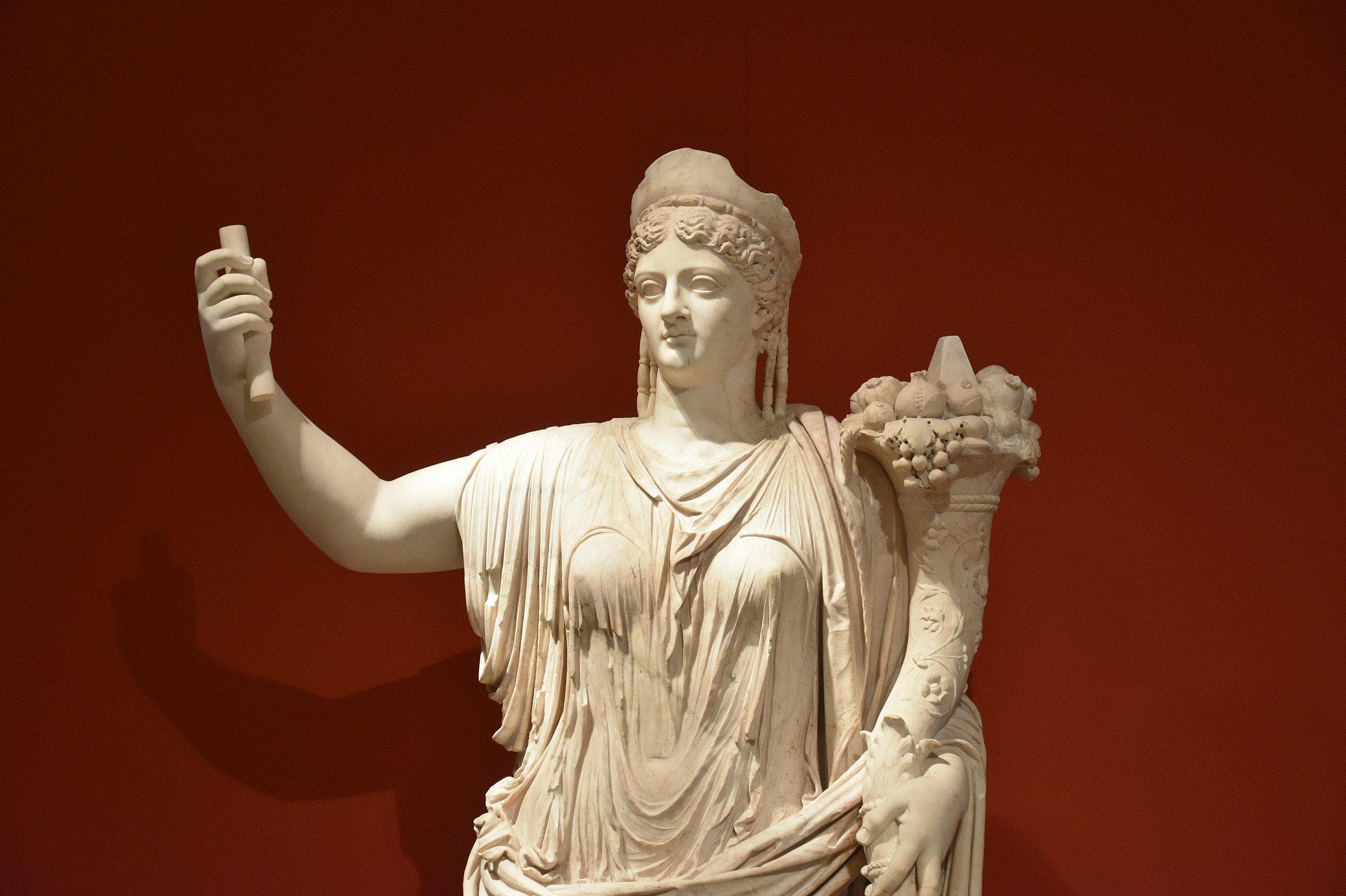
    Queen Anne Oversaw The Formal Creation Of Great Britain

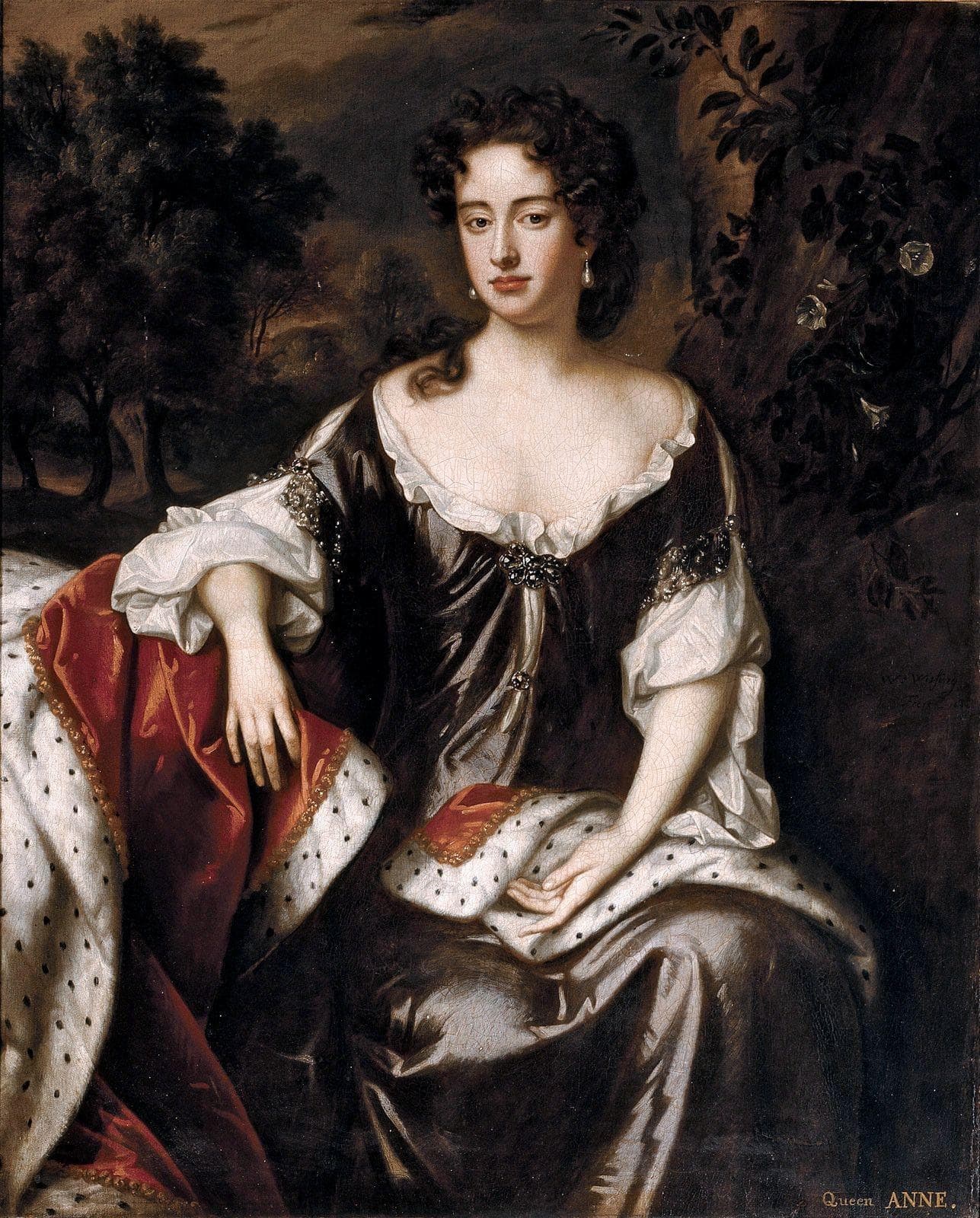
    Though Queen Anne might not be as famous as, say, Elizabeth I or Queen Victoria, she still led an eventful life and was, all things considered, a remarkably effective monarch. She succeeded to the throne after her brother-in-law William III died. Her life was a remarkably tragic one and, despite several pregnancies, she did not produce a surviving heir, which led to the House of Hanover succeeding after her death. She was also notably in thrall to several female favorites, including both Sarah Churchill and Abigail Masham (the fraught relationship among the three women is the subject of the film The Favourite). In other ways, however, Queen Anne was a remarkably effective parliamentary monarch. During her reign the Acts of Union of 1707 was passed, which finally and formally united the kingdoms of Scotland and England into the Kingdom of Great Britain. What’s more, she was also quite involved in the politics of the realm. Not only did she attend the House of Lords on a regular basis; she also frequently met with her ministers. Given the many trials and tragedies she faced, as well as a lifetime of ill-health, these accomplishments are all the more remarkable.

    92% upvoted
  4. 4

    Chandragupta Maurya Created One Of The Largest Empires In History

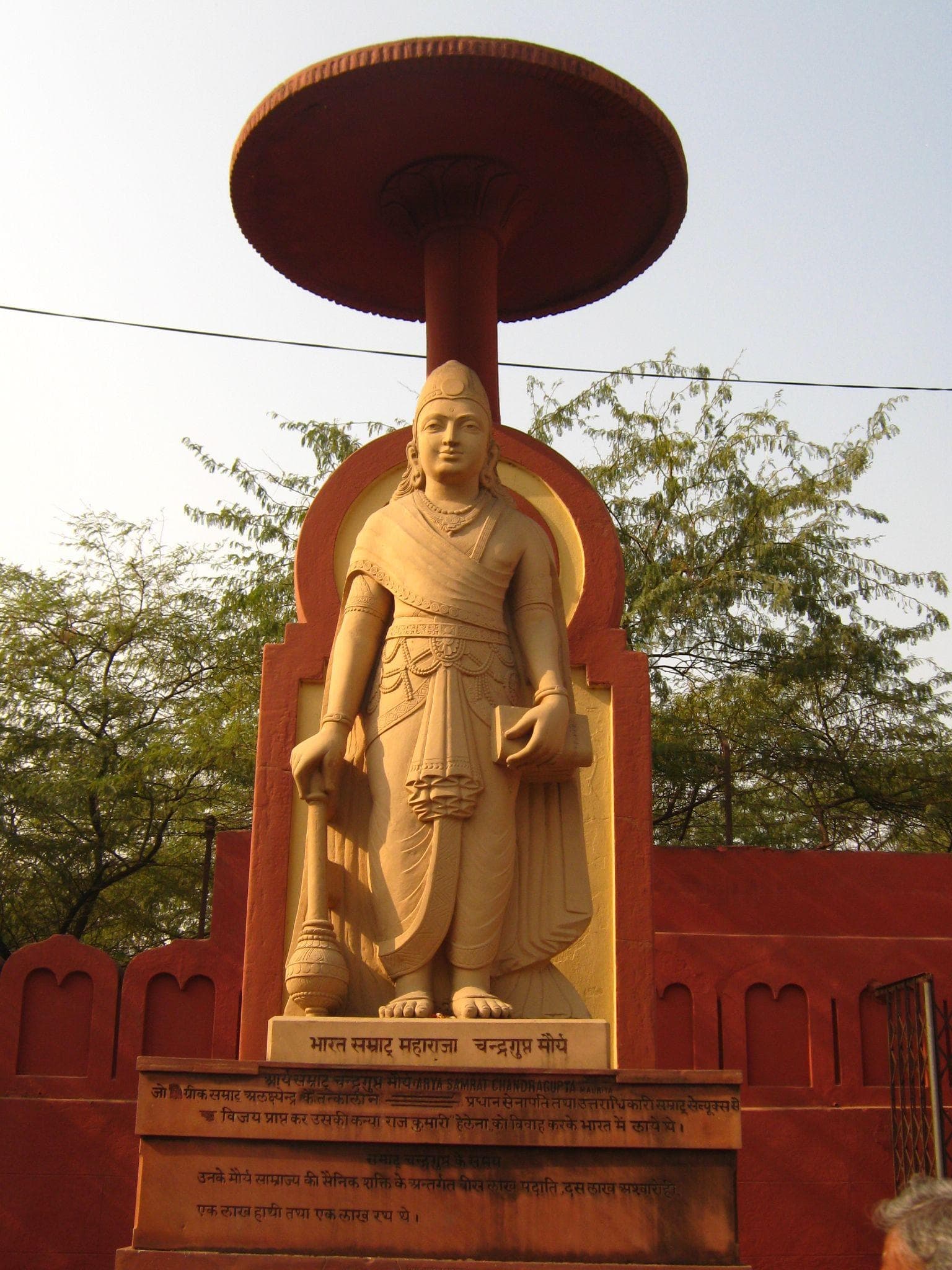
    Chandragupta Maurya may not be a household name in places like the United States, but he was one of the most important figures in the history of early India. In fact, he was the first to be able to forge the scattered states of the modern country into a single empire. He had an eventful childhood and youth, and he was even said to have met the conquering Alexander the Great. As he progressed into adulthood he set about various conquests, ultimately creating one of the largest empires in history. However, he wasn’t content to just conquer. He was an able administrator, and he built a firm state that helped to ensure the empire he built lasted for at least a couple of generations after his own death. He was also very committed to the well-being of his people. In fact, when a famine struck his lands he even went so far as to starve himself to death.

    94% upvoted
  5. 5

    Roman Emperor Aurelian Reunited The Empire After Decades Of Chaotic Civil War

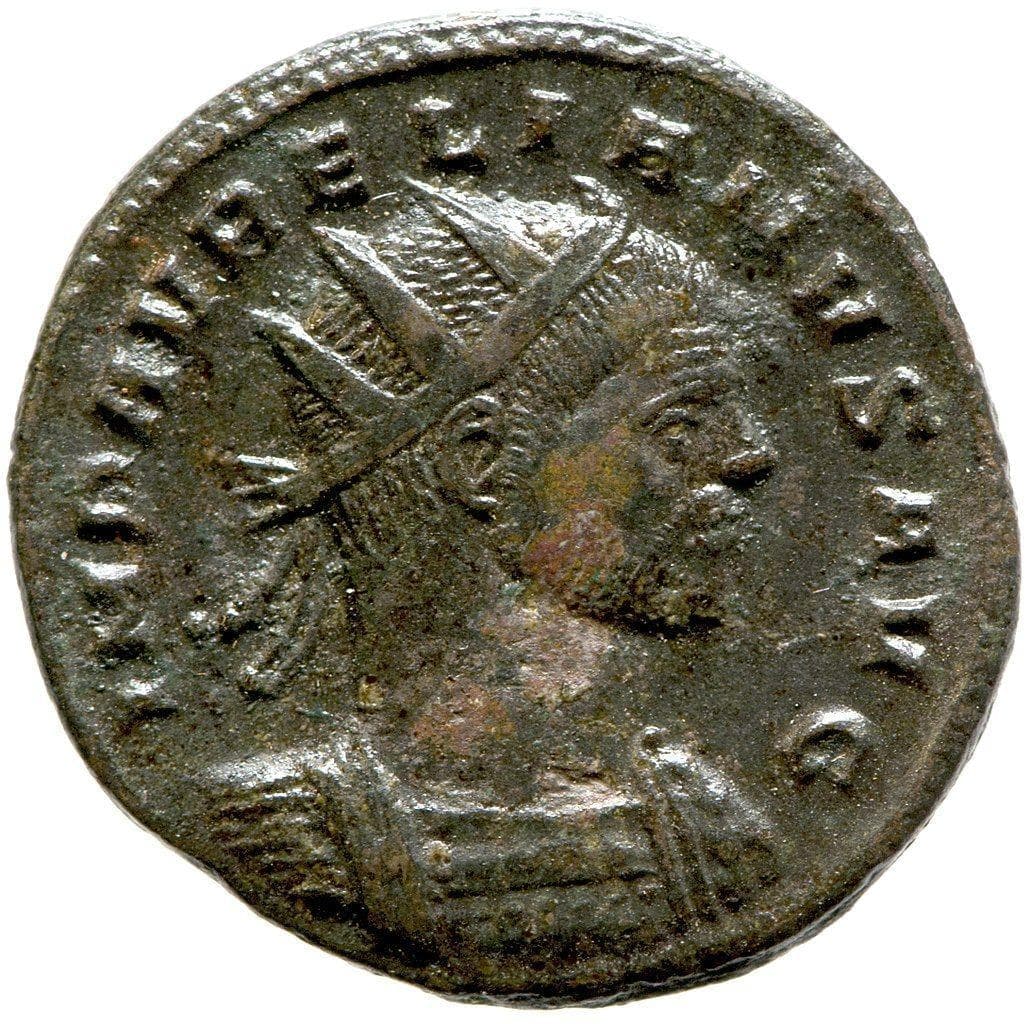
    The Crisis of the Third Century was one of the bleakest in the history of the Roman Empire. Few emperors in this period lasted very long, as they were toppled from power and replaced by someone else who had been elevated by the legions. In fact, there were such a dizzying array of rulers in this period it’s very difficult to keep track of who was official and who a mere usurper. One exception to this is Aurelian, who came to the throne in 270 CE after the death of Quintillus. He proceeded to win a number of significant military victories over various invaders. Even more importantly, he also managed to reunite the Roman Empire, which had been fractured due to the secession of the Gallic Empire in the west and the Palmyrene Empire in the east, and he also oversaw the construction of the Aurelian Walls around Rome itself (portions of them still exist). Aurelian also oversaw a number of important domestic policies. Unfortunately, he was assassinated after only five years on the throne, but the brevity of his rule cannot negate his undeniable success as a ruler.

    93% upvoted
  6. 6

    Without Philip II Of Macedon, Alexander The Great Would Never Have Conquered The Mediterranean

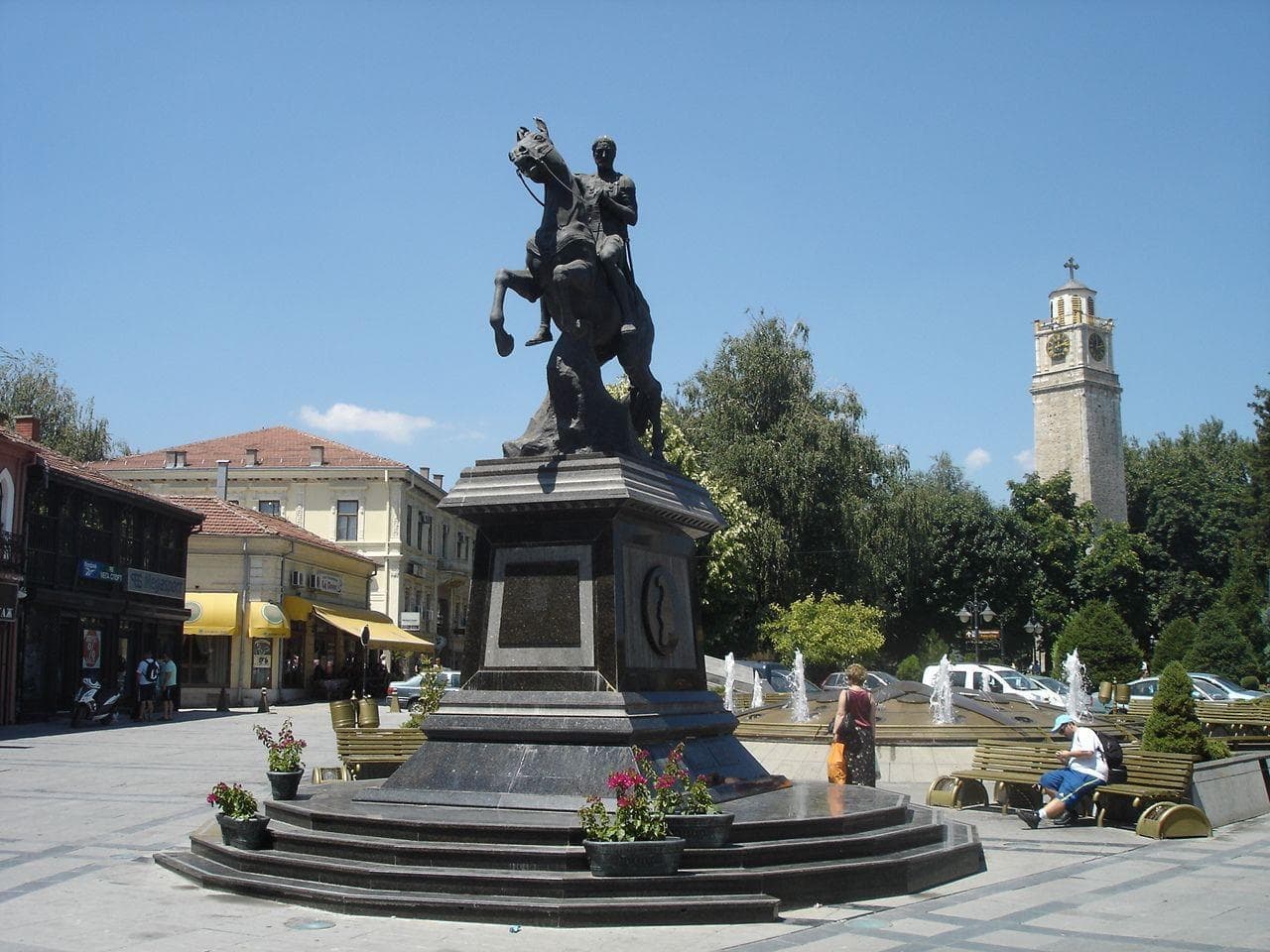
    Alexander the Great is one of those figures from antiquity whom almost everyone has heard of. Less famous, however, is his father, Philip II, whose life was in its own way as eventful as his son’s and who, in fact, made his successor’s enormous triumphs possible. He succeeded to the throne after one brother was killed in battle and the other in a coup, and the realm over which he ruled was a tempestuous and dangerous one. Inspired by time spent in Greece, however, Philip worked hard to forge Macedonia into a powerful empire in its own right. He was particularly intent on creating a powerful military, and he made a point of always leading his men from the front rather than directing from the rear. He was a redoutable leader of men, and he suffered several major injuries, including a lost eye and a major leg wound. He even went so far as to defeat the many squabbling Greek city-states, going on to found a confederation known as the League of Corinth. He was poised to invade Persia when he was assassinated by a bodyguard, paving the way for his son’s meteoric rise to power.

    91% upvoted
  7. 7

    Shapur I Of Sassanid Persia Was The First Ruler To Take A Roman Emperor Captive

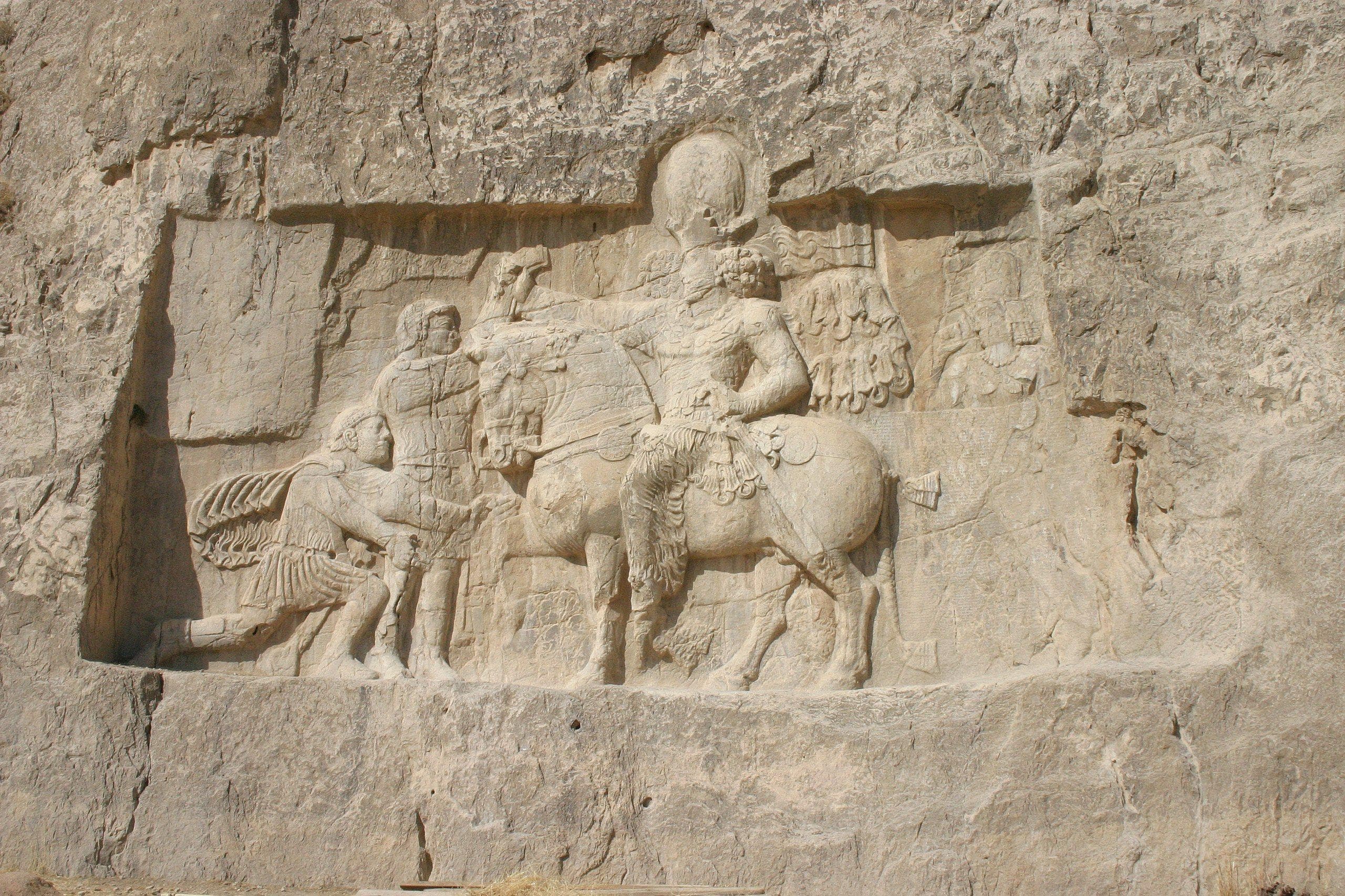
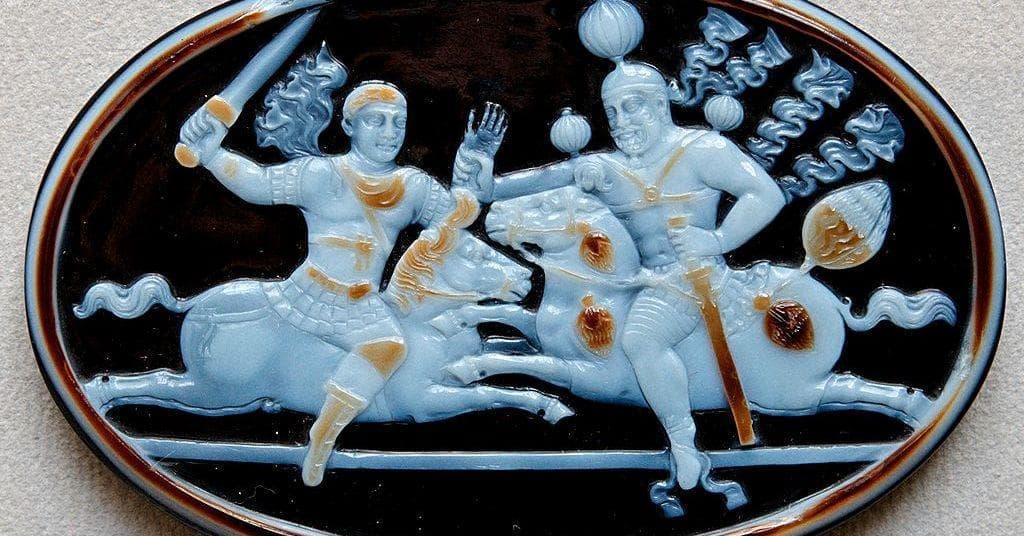
    The Sassanian Empire lasted for nearly four centuries, coming to power after the downfall of the preceding Parthians. Its rulers, known as kings of kings, ruled a vast domain that encompassed such far-flung modern countries as Iran, Iraq, Afghanistan, and Turkmenistan. The second ruler of the dynasty, Shapur I, was a remarkable ruler, one of the best warriors his dynasty ever produced. After ruling with his father, Ardashir, he came to the throne in his own right. Shapur is perhaps best known for his numerous conflicts with the neighboring Roman Empire, which experienced a remarkable period of unrest and strife during his reign. In fact, he is the first foreign ruler to defeat and capture a Roman Emperor in combat. Emperor Valerian would remain in captivity for the rest of his life, and Shapur's victory was widely celebrated in various rock carvings the monarch had commissioned. Shapur was also an effective ruler in his own domains, solidifying control of his various realms (often by appointing his sons as kings) and working to solidify the dominance of the Zoroastrian religion.

    90% upvoted
  8. 8

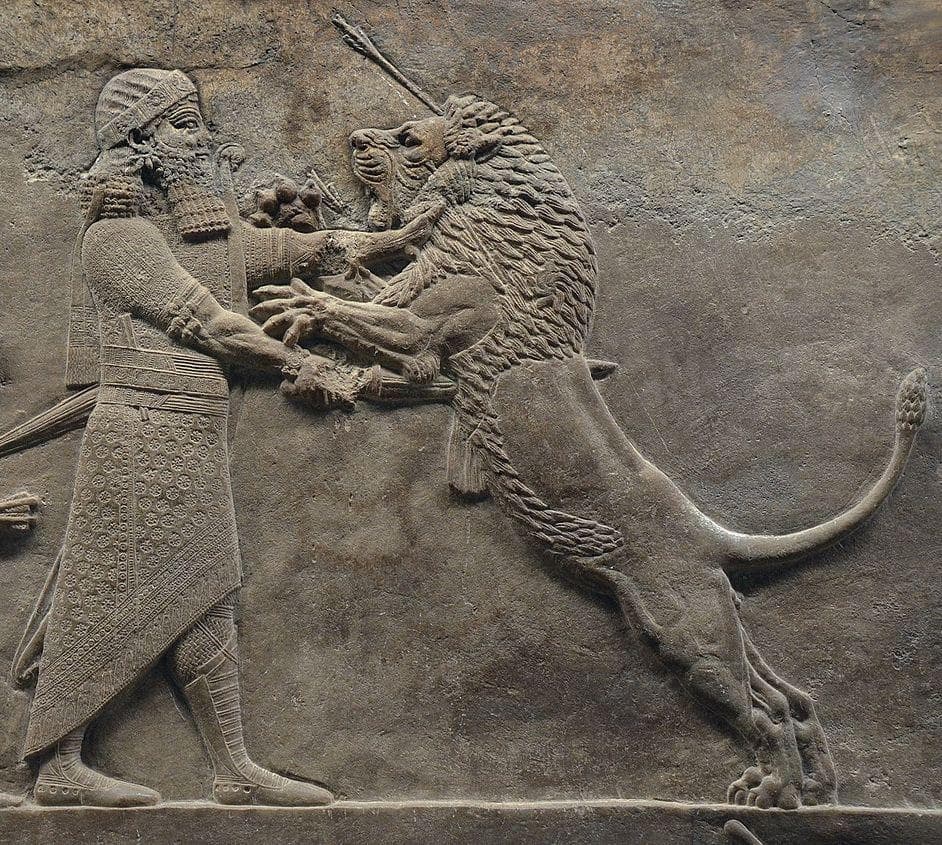
    Ashurbanipal Was Once Hailed As The King Of The World

    During his long reign (669-631 BCE), Ashurbanipal could feasibly claim to be the most powerful man in the world. As the ruler of the Neo-Assyrian Empire, he held sway over one of the most significant states of the ancient world; indeed, it might well have been the largest empire of the time. As a result, Ashurbanipal had good reason to claim he was king of the world, even if such a boast sounds hyperbolic to modern ears. Ashurbanipal was a skilled leader in all of the ways that mattered to the ancients. He was a skilled spymaster during his time as a prince and, once he ascended to the throne, he was ruthless in his conquering and domination of his enemies. He repeatedly boasts in his inscriptions about how there were few lengths to which he would not go in order to prove his mastery, including over his own brother. Ashurbanipal also built a magnificent library which, upon its discovery, shed great light on the Assyrians. Despite this, however, his own death remains a mystery to this day.

    88% upvoted
  9. 9

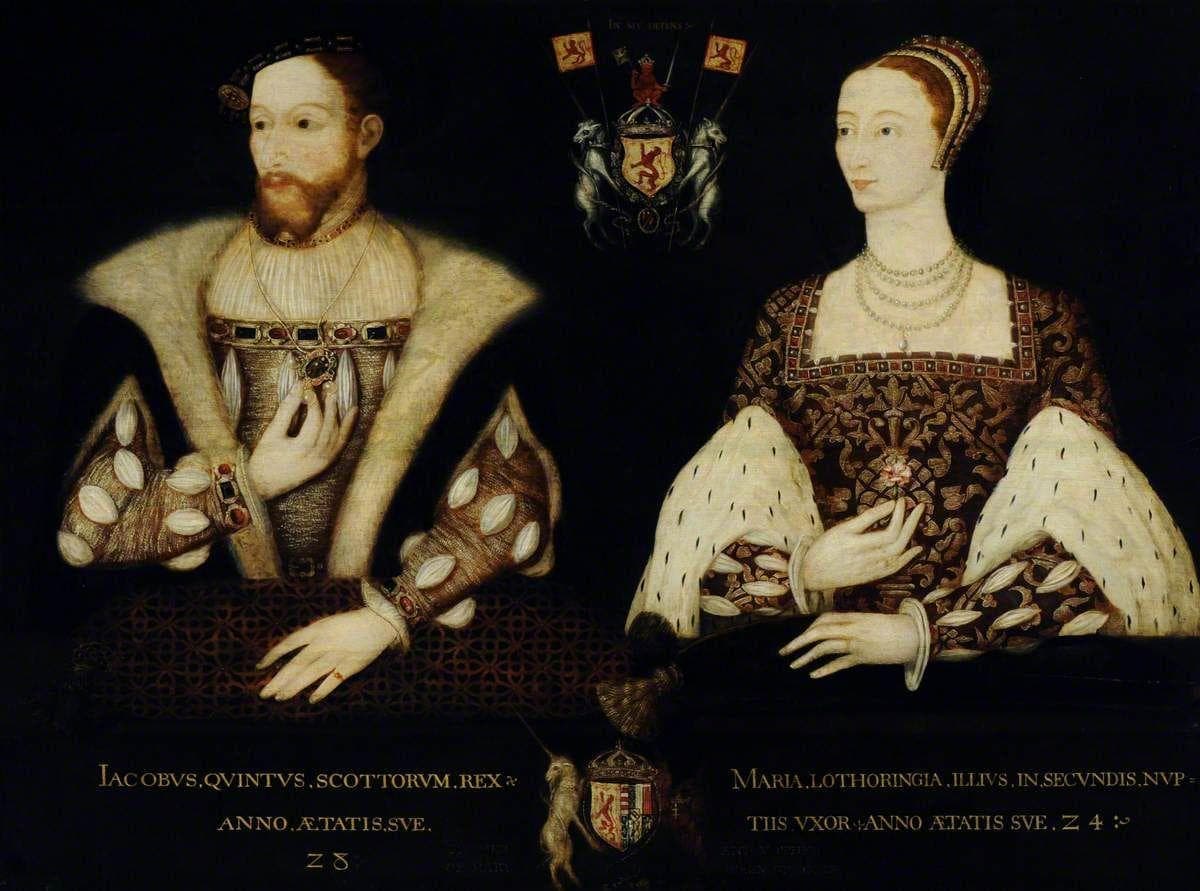
    Marie Of Guise Kept The English Out Of Scotland And Paved The Way For Her Daughter, Mary Queen Of Scots

    Marie de Guise was one of a fascinating group of powerful women who wielded extraordinary influence during the Renaissance. She was born into one of the most powerful families in France and, in 1538, she married James V of Scotland (he was her second husband). They were married for six years and, though the union produced two sons, it was only their daughter, Mary, who lived past infancy. Upon James’s death, Marie became the Regent of Scotland, concentrating significant political influence in her own hands. She was fiercely protective of her baby daughter, and she even went so far as to send her to France, where she would grow up as part of the French court. Throughout the 1550s Marie showed herself to be a formidable ruler, but she faced stiff resistance from the Scottish nobility, particularly once the Protestant Reformation began to take hold in the country. She did a great deal to keep the English out of Scotland, and she also went to great lengths to ensure her daughter would one day be able to sit on the throne.

    88% upvoted
  10. 10

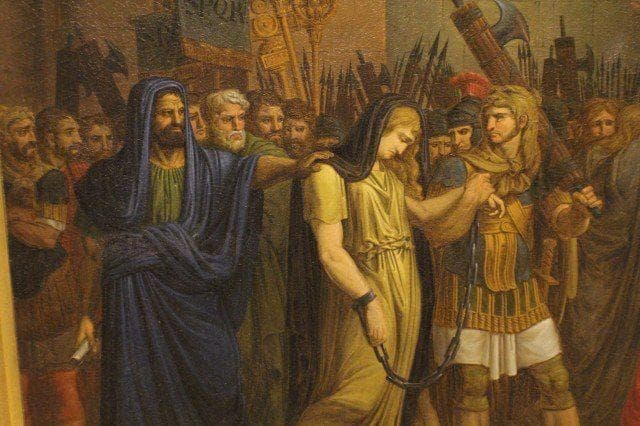
    Zenobia Of Palmyra Defied Rome To Found Her Own Breakaway Kingdom

    Few women in antiquity were quite as influential and powerful as Zenobia of Palmyra, who emerged during the 3rd century CE to become a true threat to Roman dominance in the east. When her husband, the king of Palmyra, died of poisoning after scoring a significant victory against the Persians, she declared herself regent on behalf of her son. Not content with this, she ordered an invasion of Egypt, and it wasn’t long before she had control of the country as well as other Roman territories. It quickly became clear she meant to establish an empire of her own, something Rome could not tolerate, and she was ultimately defeated by the Emperor Aurelian. Somewhat surprisingly, the fate of this extraordinary queen has never been established with any finality. It’s very likely she was forced to march in the triumph held by the Emperor Aurelian, but it remains unclear whether she was killed or whether, as some accounts state, she lived out the rest of her life in a sort of forced retirement near Hadrian’s villa.

    90% upvoted