Skip to content
maxnews
Rankings

14 Strange and Gruesome Facts About Bog Bodies

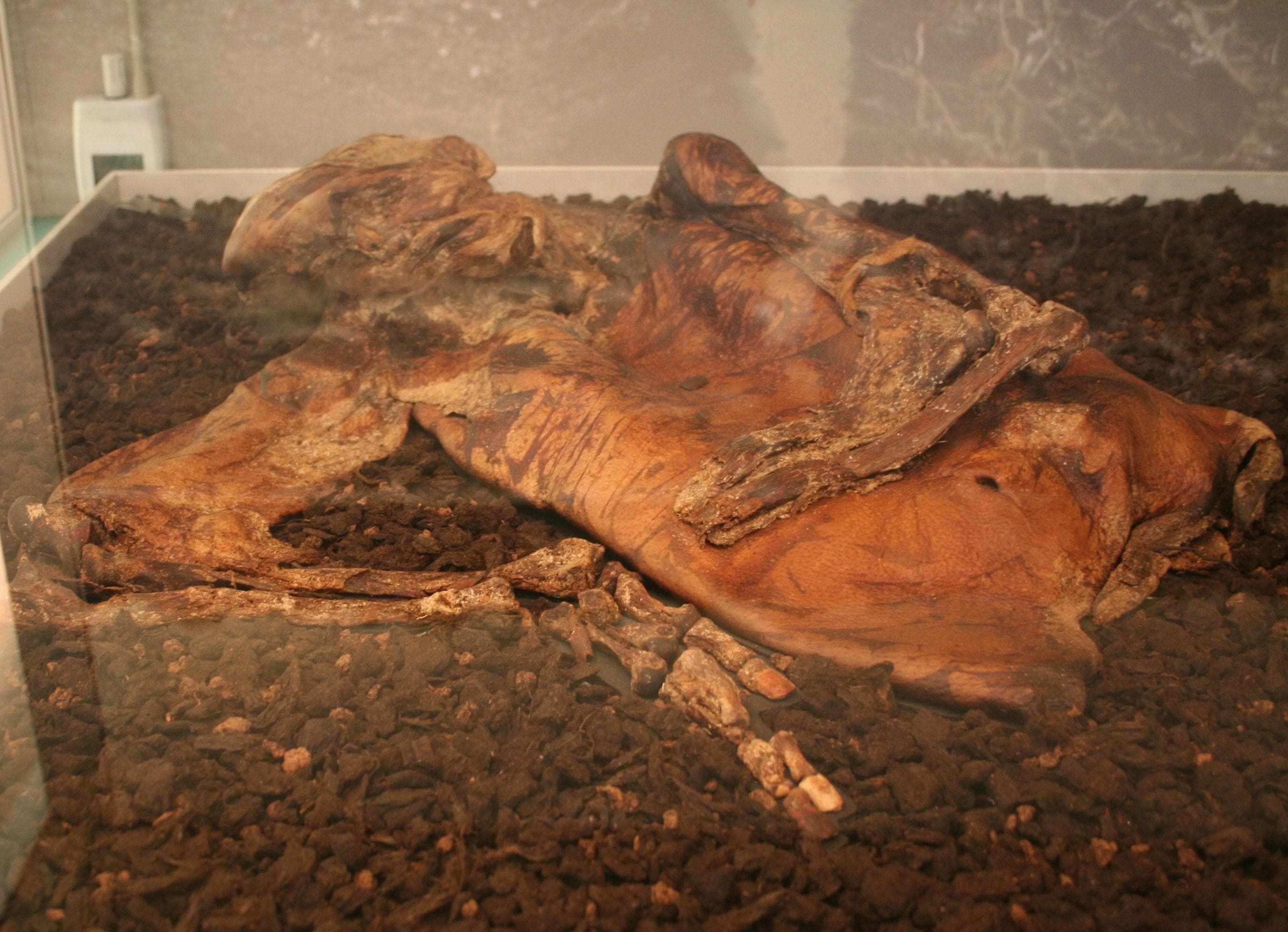
In 1640, a strange body was discovered in the peat bogs of Shalkholz Fen, Germany. It was intact but ancient, and it became the first documented case of a bog body ever found. These bog mummies are unique in the fact that their hair, skin, and even clothes are incredibly well preserved, despite their age. Unlike many other mummies, even the dead's facial expressions are often left in place, offering archeologists valuable information about the time, place, and manner of these people's lives and deaths. Bog bodies - also called bog people - have been found around the world, and each find gives scientists a closer look at those who came before us. Sometimes the bog bodies tell dark tales, particularly concerning their deaths, a few of which suggest murder or ritual sacrifice.

Entries
14
Votes
0
Updated
8 days ago

Tap upor downto vote. Your vote is added to Ranker's counts.

Voting identifies your browser with an anonymous fingerprint, stored only as a salted hash, to count one per visitor. Privacy

Source: Ranker, ranked by its voters.

  1. 1

    The Majority Of Bog Bodies Show Signs Of A Violent Death
    With the average mummy found in Egypt, the cause of death varies widely - disease, an accident, a bone or birth defect, and more. However, when scientists look at the mummies pulled out of peat bogs, they find that they generally have one thing in common: a violent passing. The majority of these bodies show that these people were murder victims or possibly sacrifices. A few have their skulls broken, some show signs of being beaten for long periods of time, and one or two showed evidence of being repeatedly stabbed. A few famous ones still have nooses around their necks upon discovery.

    0% upvoted
  2. 2

    The Dätgen Man Might Have Been An Ancient Zombie

    The Dätgen Man was found in Germany in 1959, with the head separated from the body. The decapitated body was staked down to the ground, under the peat, indicating that someone had done this post-mortem. The body also exhibited evidence of multiple lacerations. According to archaeologist K. W. Struve, the treatment of the Dätgen Man’s remains indicates that the people might have thought he would rise from the grave as a wiedergänger - or a zombie. German folklore dictates that certain types of people, such as criminals, were thought to return.

    0% upvoted
  3. 3

    The Internal Organs Usually Remain Intact

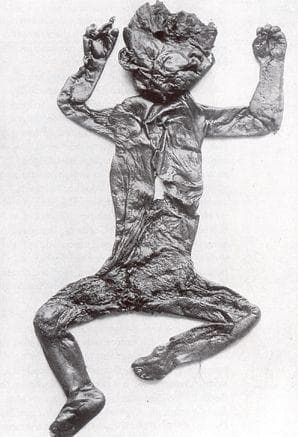
    One facet about bog bodies that intrigues scientists is that the skin and internal organs often remain preserved. The Dröbnitz Girl was discovered in Poland in 1939, and she was found to have amazingly preserved internal organs. Upon analysis, it was found that her stomach was intact enough to examine her last meal. Archeologists determined that the roughly 14-year-old girl had been eating gruel and several types of vegetables before her death, so she was relatively well fed. They also discovered a cloak and a wooden comb with the remains, concluding she lived around the year 650 BC. Further analysis can’t be conducted on the remains, as her body and grave were destroyed during World War II.

    0% upvoted
  4. 4

    Many Bog Bodies Are Boneless

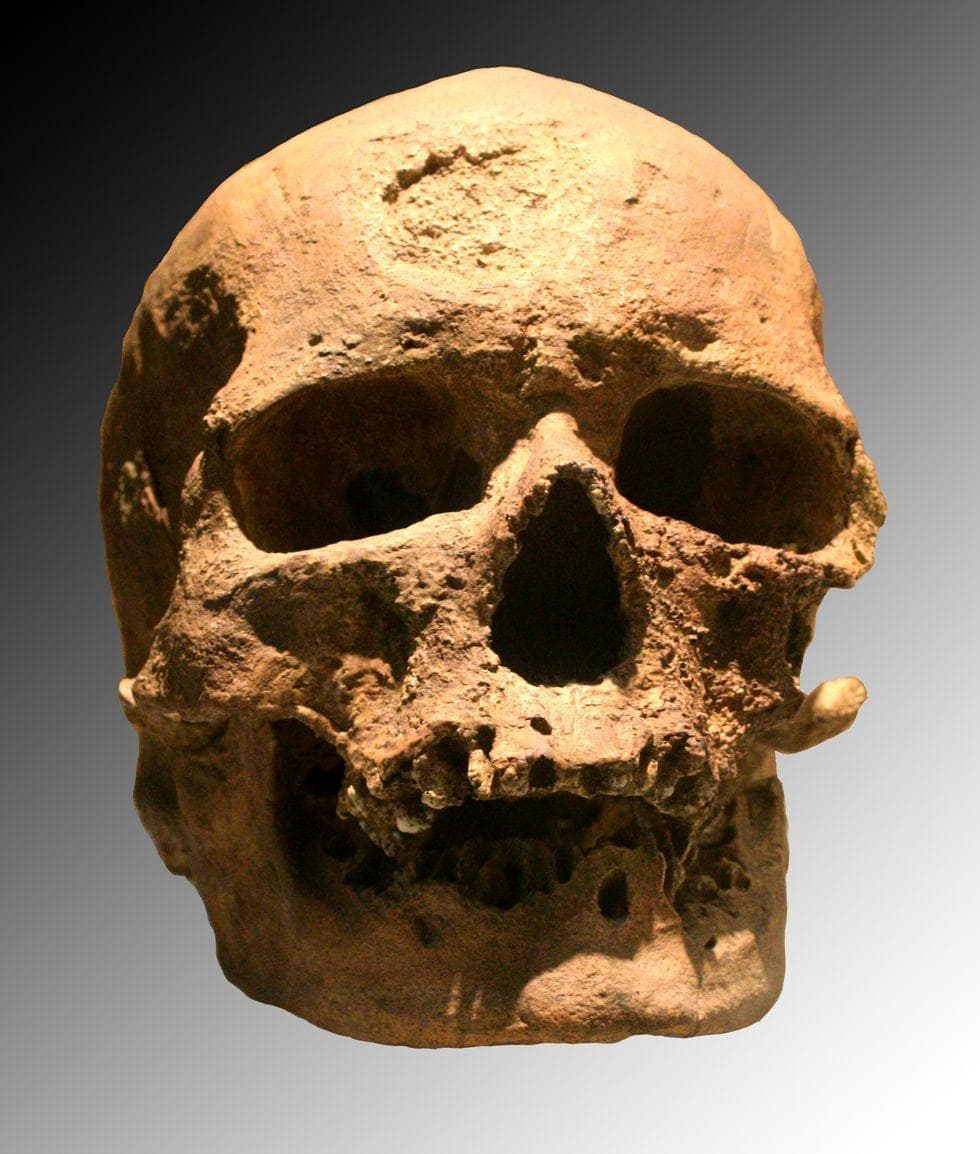
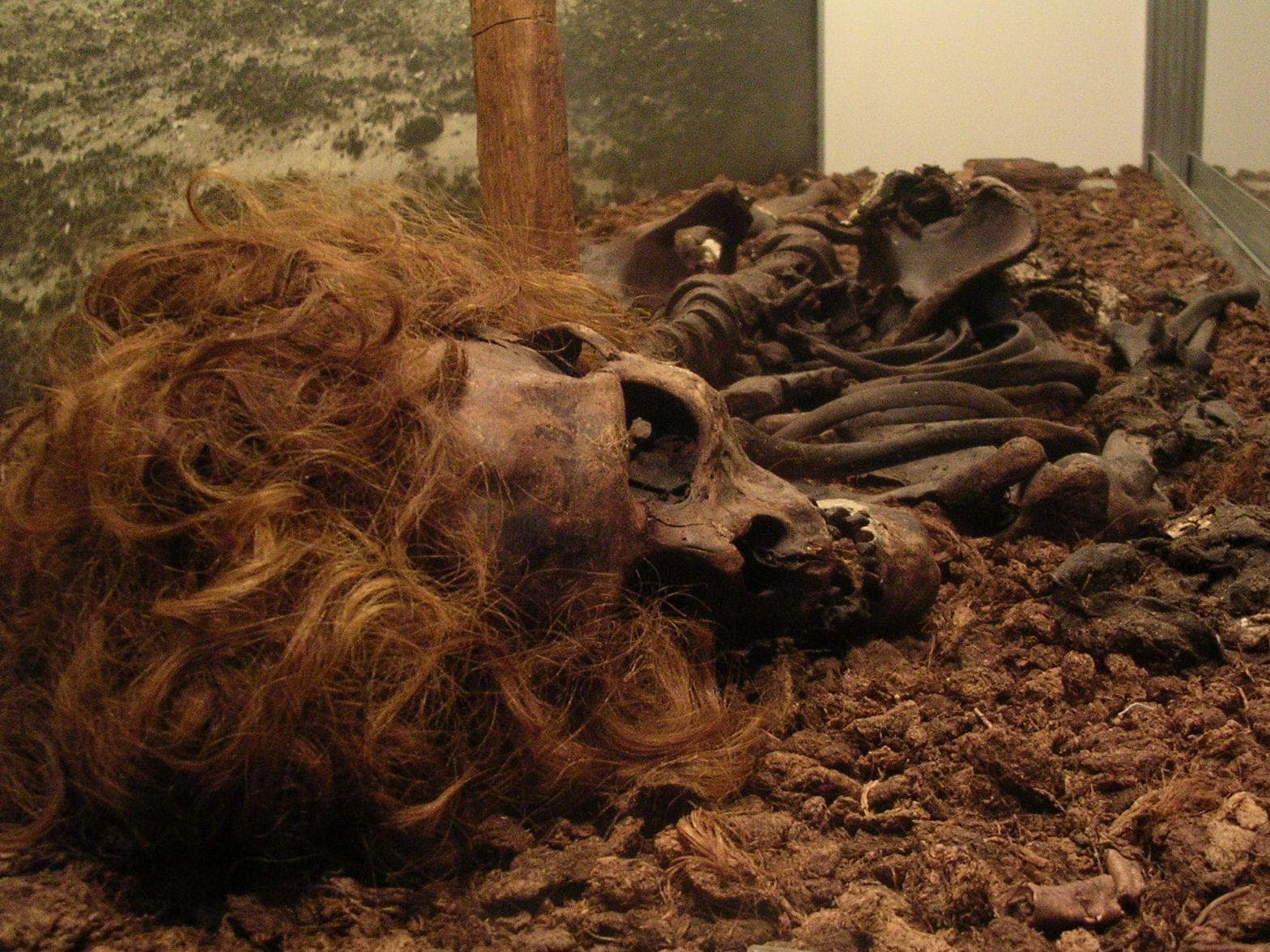
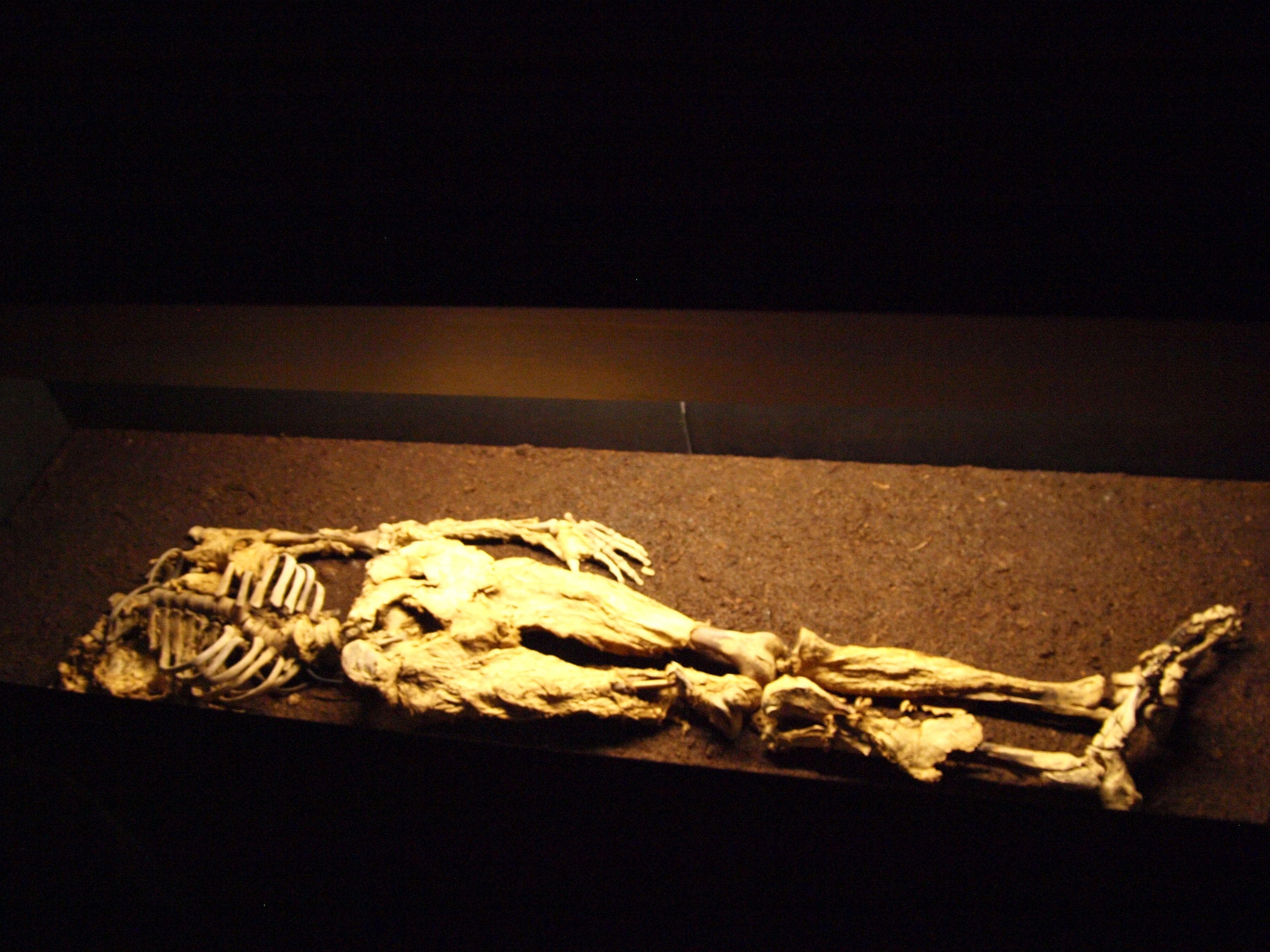
    When scientists and archeologists examine bog bodies, they find that most of the bones have been dissolved or destroyed. The remains are just skin, organs, and hair. The skull, hands, and feet seem to be the last parts to retain their bone structure. During the mummification process that happens in many peat bogs, acids get into the body. The acids seep into the bones and dissolve the calcium phosphate there, which completely destroys the bones' structure and hardness. Because internal organs, skin, and hair contain little or no calcium phosphate, the acids don't attack them the same way.

    0% upvoted
  5. 5

    The Oldest Bog Body Dates From 8000 BC

    In 1941, the skull and a few bones of what was believed to be a woman were discovered in a bog in Denmark. Though mostly skeletal and not particularly well-preserved, the skeleton was mostly complete, and scientists brought it in for further study in the Fyns Stiftsmuseum. The study revealed that the Koelbjerg Woman - now known as the Koelbjerg Man - was between the ages of 20 and 25. Researchers were able to tell that he had no sign of tooth decay and fed mostly on crustaceans, land plants, and fish, but could not determine the cause of death. The body showed no evidence of foul play or serious illness, and it's possible he simply drowned. When scientists did a pollen analysis from the inside the skull, tests showed that the body was from around 8000 BC. To this day, it is the oldest bog body ever discovered in Denmark.

    0% upvoted
  6. 6

    The Newest Bog Finds Are From World War II

    In 1998, Jury Rybin, a military historian, was researching some local dogfight battles that happened during the Second World War. Based on where he thought one plane would have gone down, he went out looking in a local bog. He located the plane wreckage and then found the mummified remains of Soviet pilot Boris Aleksandrovich Lazarev inside. Lazarev's skin and organs were intact, as were his clothes, badges, flight logs, and more. He was the newest bog body to add to an ever-growing list.

    0% upvoted
  7. 7

    A Famous Bog Discovery Was First Mistaken For A Recent Murder Victim

    In 1950, a family was out on the peat bogs near Bjældskovdal, Denmark, trying to get enough fuel to use back at home. As the two brothers, Viggo and Emil, were digging, they noticed something peculiar in the bog: the body of a man. The man seemed to have recently passed, but he had a noose around his neck. The brothers alerted the police, assuming this was a victim. The police, upon hearing where the body had been found, had the presence of mind to call a local museum to come out with them. When the researchers saw the body, they announced that this was not, in fact, a recent death, but an important archeological discovery - later known as the Tollund Man.

    0% upvoted
  8. 8

    The Tollund Man Was So Well-Preserved, He Even Has Stubble And Eyelashes

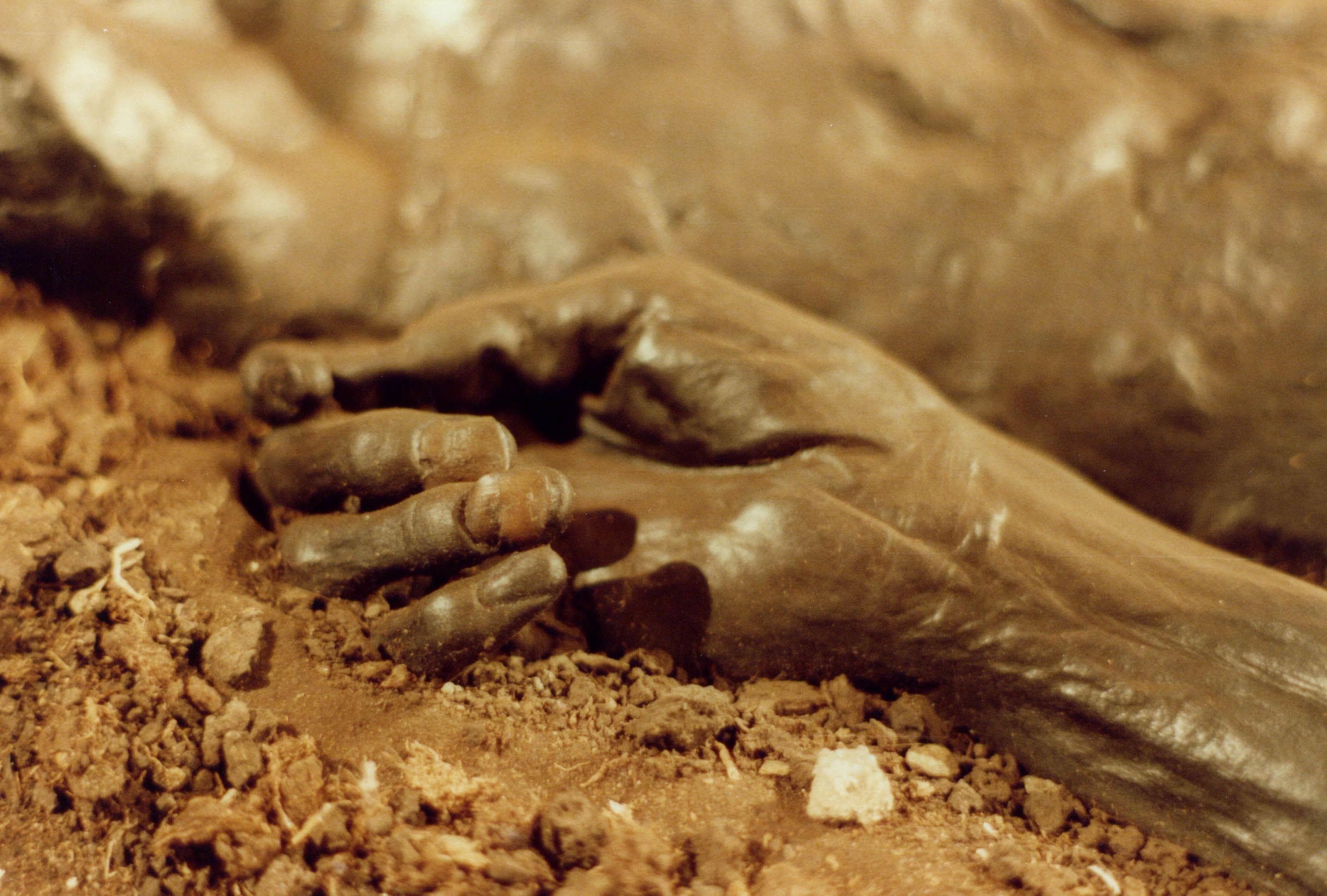
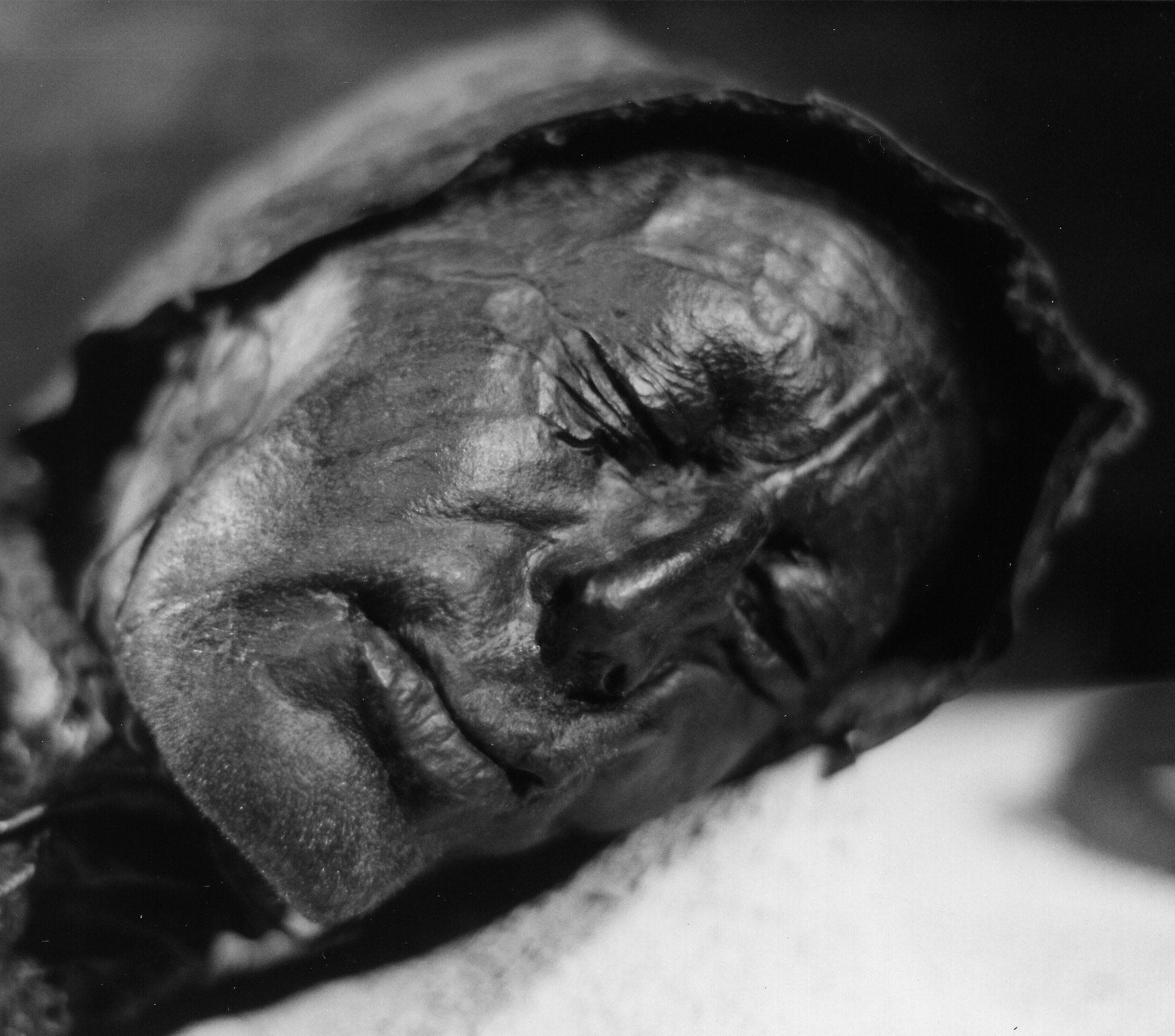
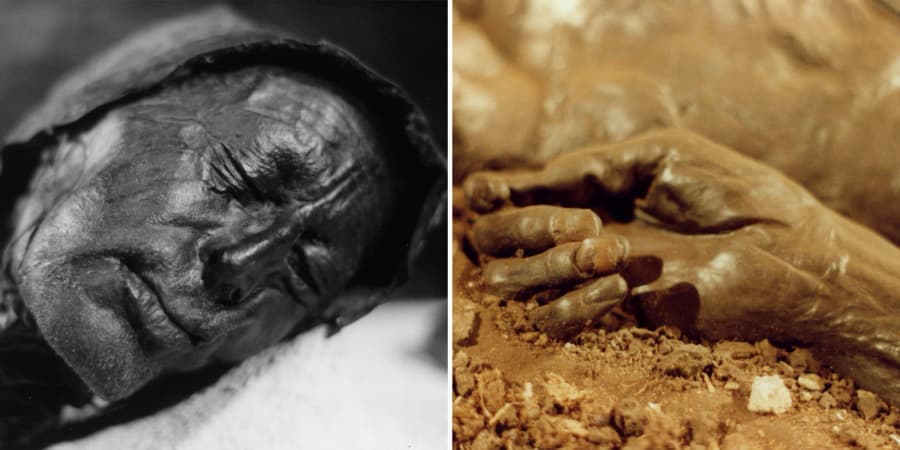
    The Tollund Man was one of the most significant bog bodies discovered. He was found in a curled position, as if sleeping, with a noose still looped around his neck. He was wearing a belt and a cap and still had his hair, including beard stubble and eyelashes. Unlike most other bog bodies, the Tollund Man retained his facial features to the point where it looks like he might just be sleeping, and one can see exactly how he looked the day he was put into the bog. When scientists went on to examine him, they found he was one of the most well-preserved bog bodies of all time. He had retained his stomach, which contained seeds and grains, rather than fruit or seafood, indicating he did not live near any major bodies of water.

    0% upvoted
  9. 9

    The Skulls Let Anthropologists Take A Look At Hair Fashion

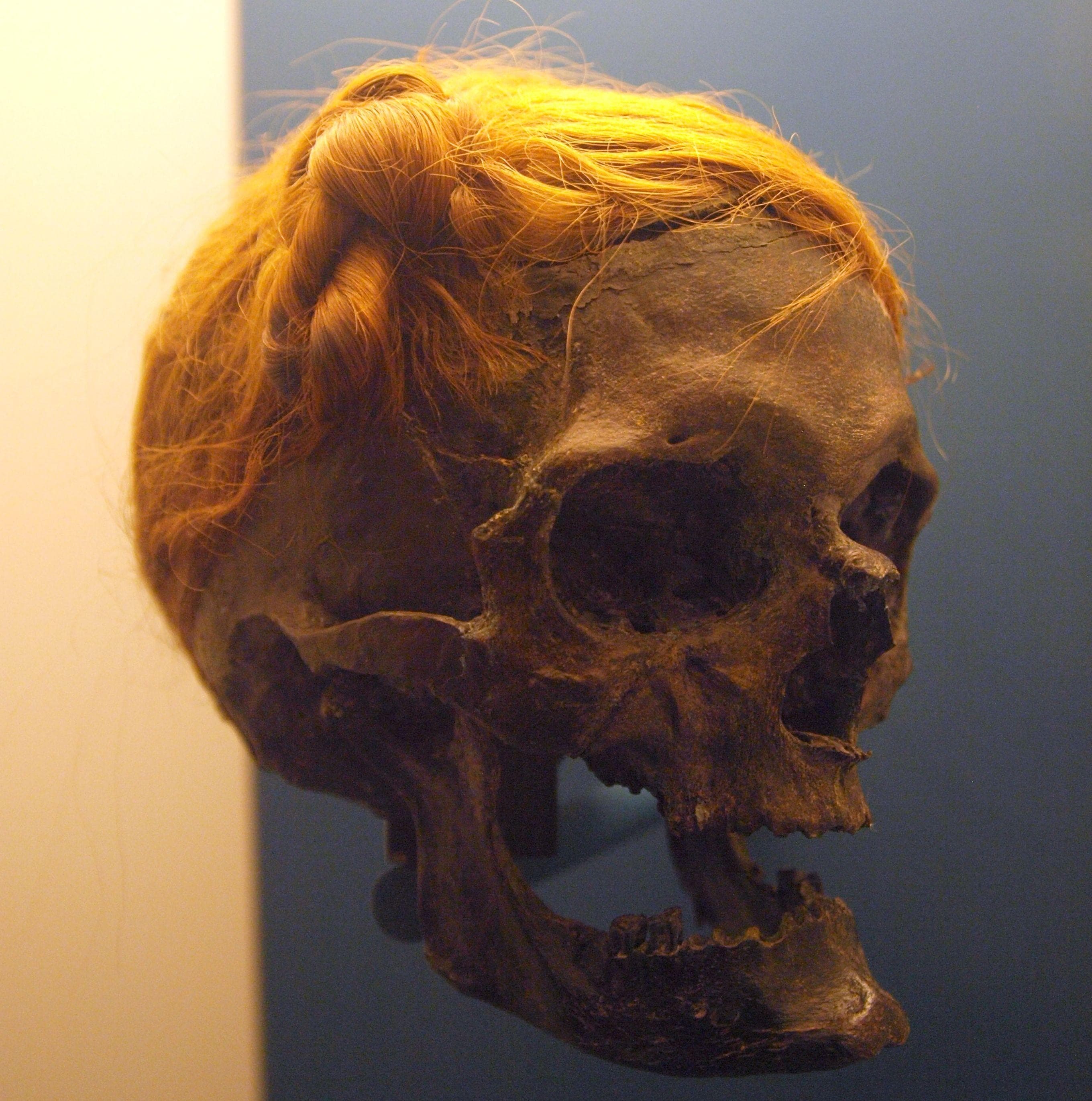
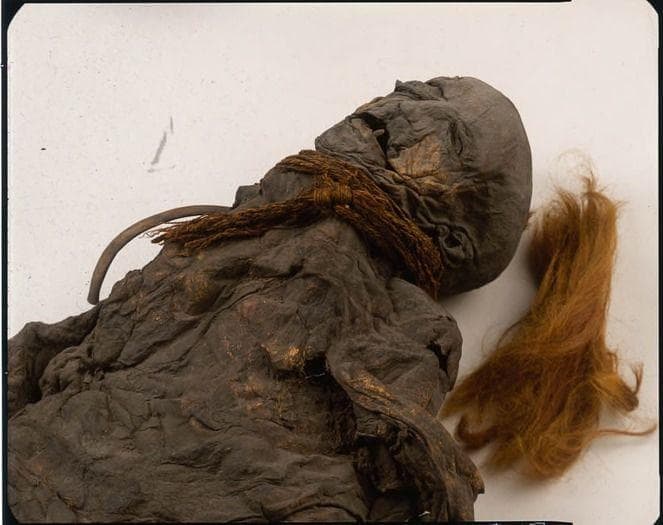
    One thing that the peat bog method of preservation does is leave hair almost perfectly intact. Braids stay braided, curls stay curled, and even eyelashes may remain. Many bodies, such as the Osterby Man, have hair so well preserved that the style remains pristine. His hair is tied in a Suebian knot, a style that has been found on a few bog bodies, but the reddish color is a product of the bog. Even though the head was dated at over 2,000 years old, anthropologists can use bog bodies with hair to learn more about the diet, health, and even hairstyles and fashions of the time.

    0% upvoted
  10. 10

    Some Bog Remains Are Just Decapitated Heads

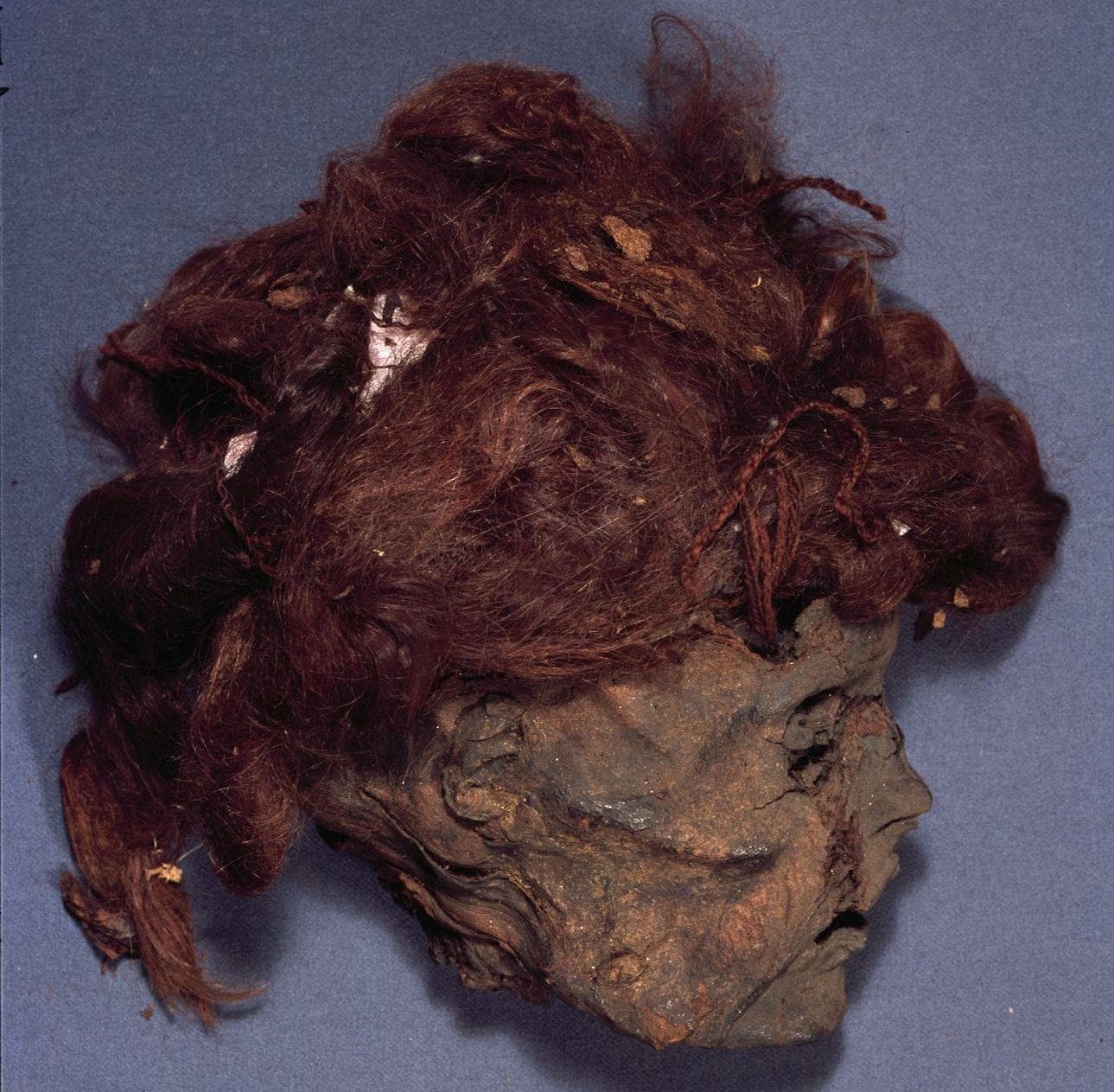
    Not all bog bodies are found completely intact. As with the Osterby Man, sometimes all scientists find is a decapitated head wrapped up in cloth or a number of heads all minus bodies. This gives rise to the belief that many of these bog bodies were killed in ritual sacrifice, even though beheading isn't always the cause of death. One such head found in Denmark is named the Stidsholt Woman. Researchers were never able to find her body or determine her age. The head was decapitated at the vertebra, and the hair was woven into an intricate pattern. Scientists believe this level of care suggests that her death was a special occasion. Another head was found nearby.

    0% upvoted