Skip to content
maxnews
People

13 Petty Power Moves From History That Define Passive Aggressive

Elon Musk’s announcement of his intent to buy Twitter was seen by many as the ultimate act of pettiness. The billionaire had already been quite outspoken about his dissatisfaction with the company’s decision to take down several of his tweets, as well as what he viewed as its repression of free speech. However, Musk’s use of his power and authority in pursuit of a petty power grab is not the only instance of such behavior. In fact, history is full of people who have, for largely petty reasons, decided to use their power to strike back against those whom they feel have aggrieved them in some way. These actions are often quite brutal, and in some cases, have come to have far-reaching consequences.

Entries
13
Votes
3.8K
Updated
yesterday

Tap upor downto vote. Your vote is added to Ranker's counts.

Voting identifies your browser with an anonymous fingerprint, stored only as a salted hash, to count one per visitor. Privacy

Source: Ranker, ranked by its voters.

  1. 1

    Saddam Hussein Put A Portrait Of George H.W. Bush On The Floor Of An Iraqi Hotel

    Rulers who wield almost unlimited power are often the most likely to indulge in pettiness. This is especially true of Saddam Hussein, the former dictator of Iraq. He was known for holding grudges against those who challenged his power, but he nursed an especially strong grievance toward former US President George H.W. Bush. Hussein's hatred was understandable, at least in part, because Bush led the coalition that inflicted a devastating defeat on Hussein after his attempt to invade neighboring Kuwait. As vengeance, Hussein had a large mosaic portrait of Bush installed in the floor of the lobby of Baghdad's popular Al-Rashid Hotel, now known as Royal Tulip Al Rasheed Hotel. While this might not seem much of an affront to an American audience, in the Middle East - in which hitting someone with the sole of a shoe is a sign of profound disapproval - treading on the face of the American President carries severe social implications. It is also a testament to just how far Hussein was willing to go to strike back at his enemies.
    91% upvoted
  2. 2

    Ptolemy Stole Alexander The Great's Body To Get Back At Perdiccas For Seizing Power

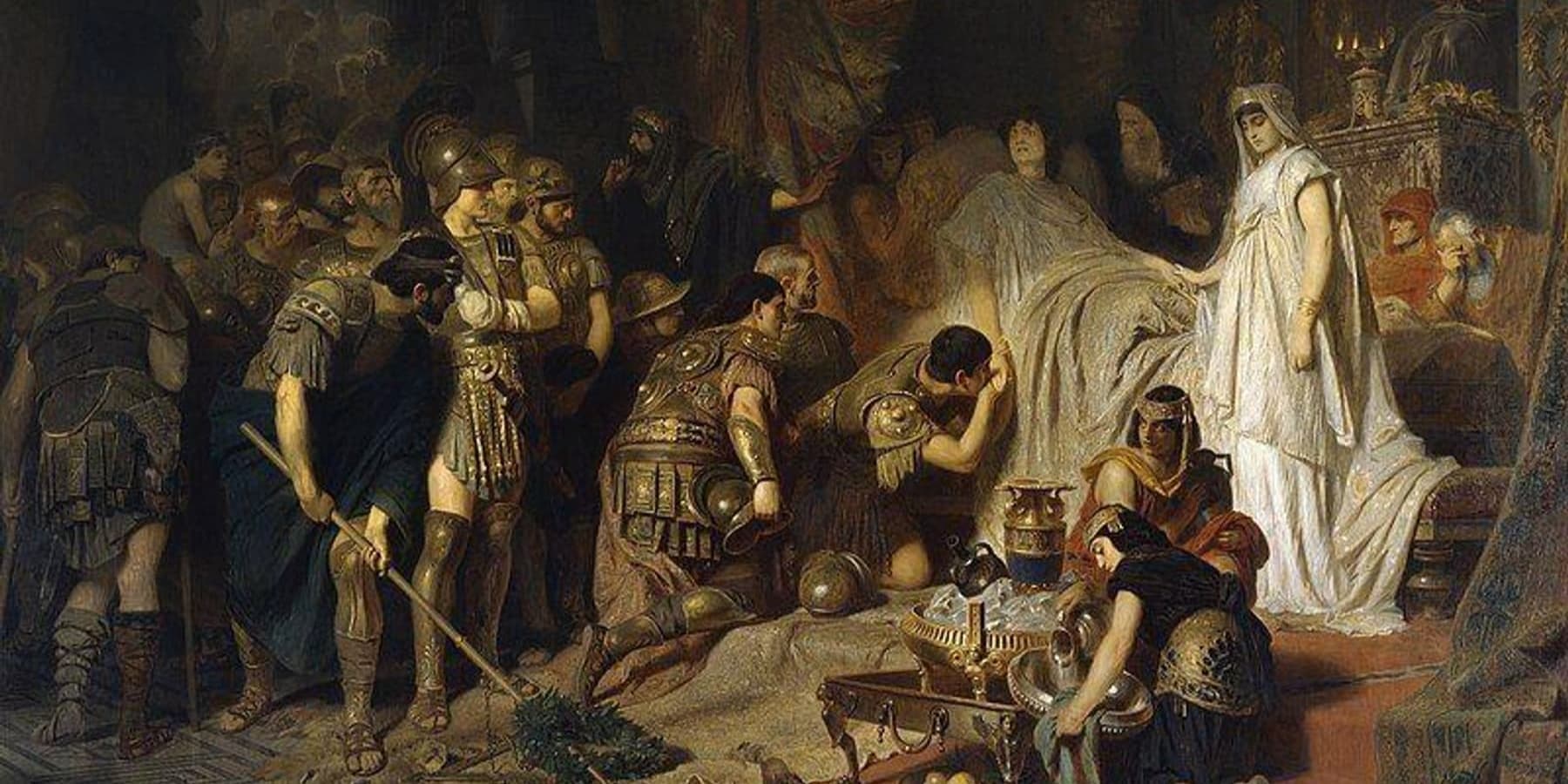
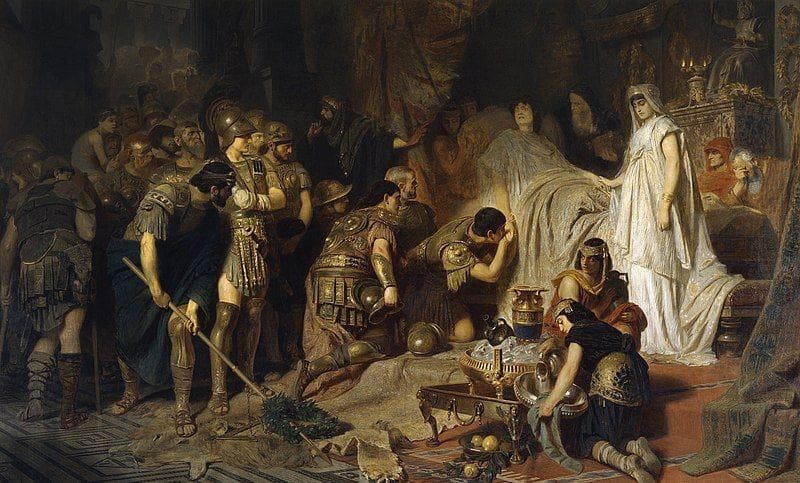
    The ancient world was filled with numerous conquerors determined to reshape the world in their own image. Among the most successful was Alexander the Great, who vanquished large swathes of Europe, Africa, and Asia, including the mighty Persian Empire. Upon his passing, however, his domains split as his generals began warring with one another, each determined to establish their own bases of power. Two men in particular would come into conflict - Perdiccas and Ptolemy - the latter of whom showed himself to be especially petty. In order, at least in part, to get back at Perdiccas for seizing power, Ptolemy stole Alexander’s body and took it to his domain in Egypt, first in Memphis and then to Alexandria. It proved a shrewd move for Ptolemy, as it led to many of Alexander’s troops coming to the city where their leader had been laid to rest. Perdiccas would later perish in Egypt in an effort to reclaim the body.

    87% upvoted
  3. 3

    Vlad The Impaler Nailed Diplomats' Hats To Their Heads After They Refused To Remove Them

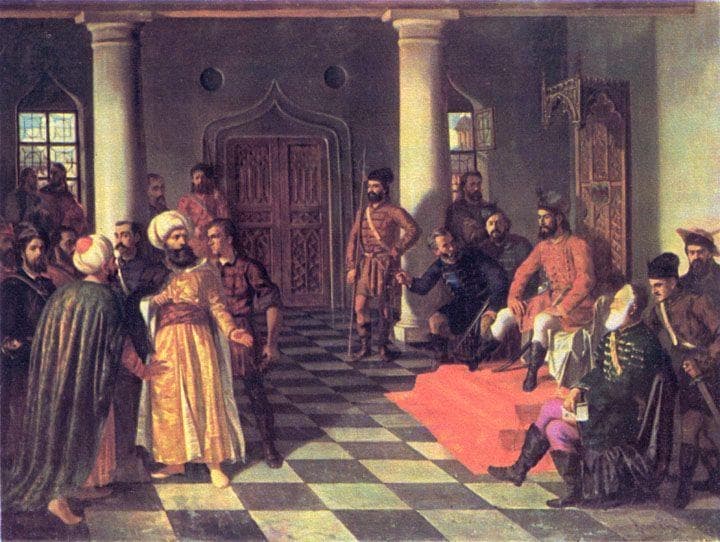
    The 15th-century Romanian figure Vlad the Impaler is famous for being one of the inspirations for Dracula, arguably the most important vampire in the history of literature. Although he might not have been a blood-sucking creature of the night, Vlad was nevertheless known - even during his own lifetime - for his penchant for cruelty. In part, this was a response to his time, in which his domain, Wallachia, was in constant conflict with the Ottoman Empire. Vlad, unsurprisingly, was quite capable of acts of extreme pettiness, particularly when it came to the Turks. In one notorious incident, a group of ambassadors, dispatched by Sultan Mehmed II, declined to remove their turbans, claiming it was a religious custom not to do so. Hence, in an act of spite, Vlad nailed the turbans to their heads. Taken with his well-publicized tendency to impale his enemies, this incident demonstrates both his pettiness and his determination to assert Wallachian independence against Ottoman incursion.

    85% upvoted
  4. 4

    Henry VIII Cut With Catholicism To Get A Divorce

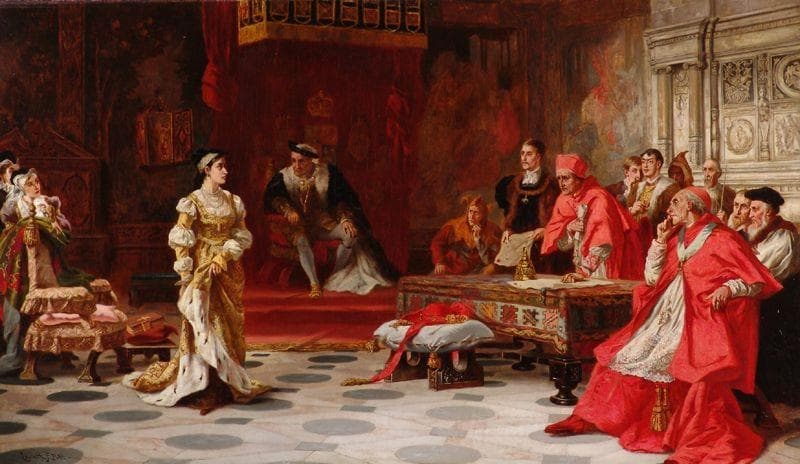
    England's Henry VIII is perhaps most famous for his six wives, only two of whom managed to outlive him. While his first marriage, to Catherine of Aragon, was originally happy, it slowly began to turn sour once he realized she wouldn’t be able to provide him with his longed-for heir. After several miscarriages and stillbirths - as well as one boy who died young - the only child who managed to survive was a daughter, Mary. Henry, desperate to procure an heir, decided to seek an annulment, largely so he could pursue marriage with a young woman named Anne Boleyn. The king petitioned Pope Clement VII, but under pressure from Catherine's nephew, Holy Roman Emperor Charles V, the Pope declined the king’s request. Henry, not to be thwarted - and with the backing of several advisers, most notably Thomas Cromwell - set in motion the English Reformation. He had himself declared Supreme Head of the Church of England. Henry’s pettiness changed the religious landscape of England, which continues to the present day.

    84% upvoted
  5. 5

    Vince McMahon Dressed Dusty Rhodes In Yellow Polka Dots When The Latter Joined The WWF

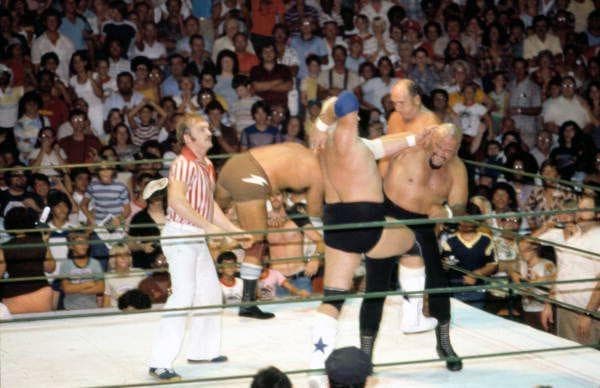
    As a sport, professional wrestling is all about flash and showmanship. Of course, rivalries are also a key part of the aesthetic, and few have been as extraordinary as the one between Dusty Rhodes and Vince McMahon. Although many such rivalries are largely a matter of appearances, in this case it seemed to be very real - both in the ring and outside of it. Unfortunately for Rhodes, McMahon was exactly the type of person who was more than willing to use his power to enact his pettiness. In this case, the pettiness involved some very public displays of power. In the late 1980s, McMahon decided to turn Rhodes's “Common Man” appearance into a punchline. In addition to dressing him in a ridiculous outfit of yellow polka dots, he also displayed vignettes of Rhodes engaged in activities like “fixing toilets, changing tires, pumping gas, collecting garbage, and working as an apprentice butcher.” And, in a final jab, McMahon also substituted Rhodes's much-publicized bevy of adoring young woman with female wrestler Sapphire, who was in her mid-50s at the time.

    85% upvoted
  6. 6

    Michelangelo Painted The Pope's Master Of Ceremonies In Hell On The Sistine Chapel

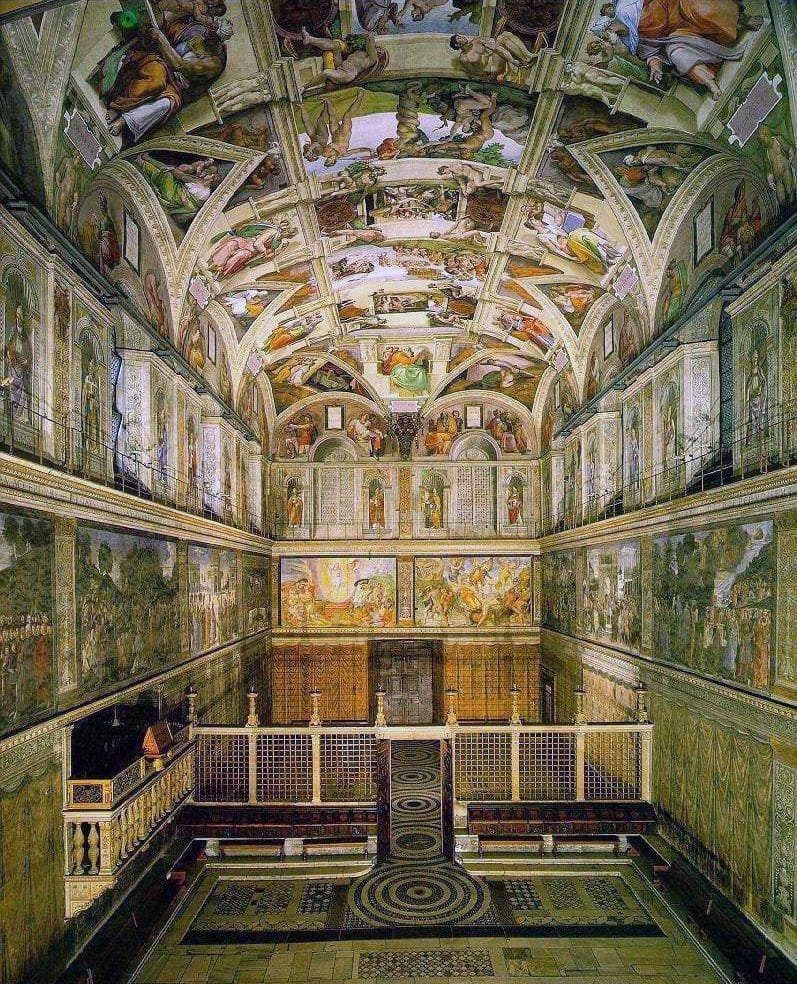
    Michelangelo (1475-1564) is renowned as one of the most skilled artists of the Renaissance. Throughout his long life, he produced paintings, sculptures, and poetry, earning his place in the pantheon of Western art. Among his many accomplishments are the ceiling of the Sistine Chapel and the painting The Last Judgment (also in the Chapel). Commissioned by Pope Clement VII, the painting is a testament to Michelangelo’s ability to capture religious subjects in a raw, arresting, and deeply physical style. Even in the beauty, however, there is a trace of the artist's pettiness. It shows up in particular in the painted character of Minos, a thinly disguised depiction of Biagio da Cesena, the Pope’s Master of Ceremonies. This was Michelangelo’s vengeance against da Cesena for the latter’s snide remarks during a preview of the painting. Much to the Master’s chagrin, the Pope responded to the complaint with a joke about the limits of his own authority, and so the painting remained unchanged.

    83% upvoted
  7. 7

    John Lennon Wrote 'How Do You Sleep' Regarding Paul McCartney's Comments About Leaving The Beatles

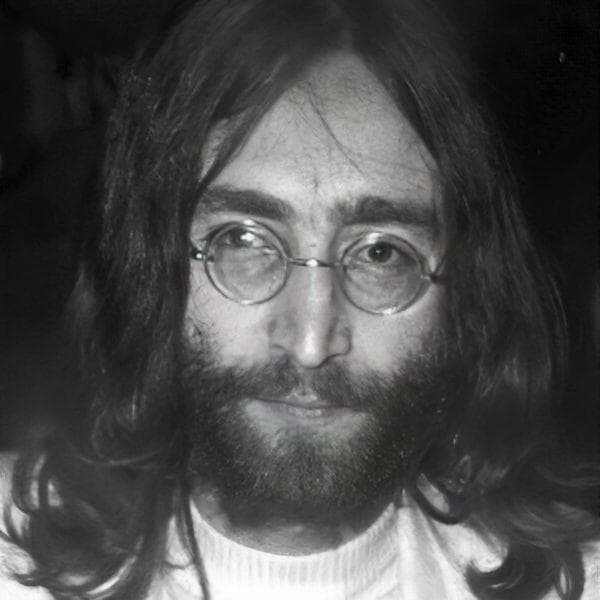
    Few musical groups have exerted as much of a hold on the popular imagination as the Beatles. Even now, decades after their first appearance, they continue to top the charts and cast a particular spell. In part, their enduring appeal stems from their larger-than-life personalities, as well as the bad blood between John Lennon and Paul McCartney. Although they made one of music’s finest songwriting duos, their bond frayed after the band’s 1970 dissolution. In large part, this stemmed from McCartney’s lawsuit to make the band’s breakup official. In response, Lennon gave in to pettiness, penning a song titled “How Do You Sleep?” It contains numerous verses that reveal it as an attack on McCartney, including “The only thing you done was Yesterday,” an allusion to the Beatles’ song most associated with him. The pair did, however, make amends before Lennon’s untimely passing.

    85% upvoted
  8. 8

    Dante Alighieri Put Real People In The Different Circles Of Hell In 'The Divine Comedy'

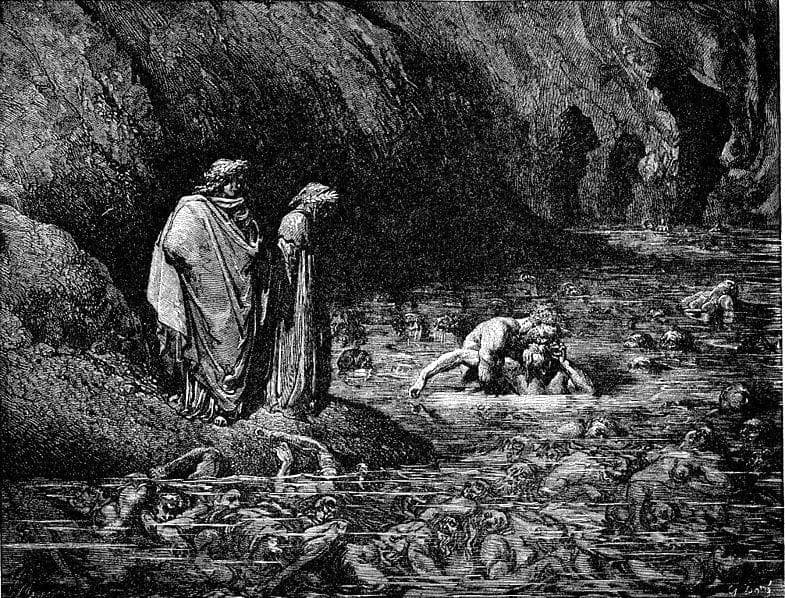
    Dante Alighieri is a giant of Western literature. The three parts of his narrative poem The Divine Comedy - Inferno, Purgatorio, and Paradiso - tell the story of Dante’s journey through the three realms, led by the ancient Roman poet Virgil. Through this work, Dante illustrated the medieval understanding of the afterlife, and while religious sentiments have changed since then, his work remains a key part of school and university curricula. In Dante’s vision of Hell, punishments are meted out in a form of poetic justice. Thus, one’s crimes during life are met by suitable retribution. Dante, however, was not only a subtle poet; he was also a petty one. Although many of those in Hell are infamous historical figures - including Cain, Judas Iscariot, Brutus, and Cassius (the latter two among the assassins of Julius Caesar), Dante was petty enough to include numerous contemporaries in his vision of the afterlife. These include Count Ugolino della Gherardesca and Archbishop Ruggieri degli Ubaldini, both of whom conspired to take over the city of Pisa from the former’s nephew. In fact, theirs is an especially brutal and petty punishment, as Ugolino is condemned to perpetually devour the back of the Archbishop's head.

    81% upvoted
  9. 9

    Lamborghini Started Making Race Cars To Get Back At Ferrari For Using Part Of His Tractor Motor

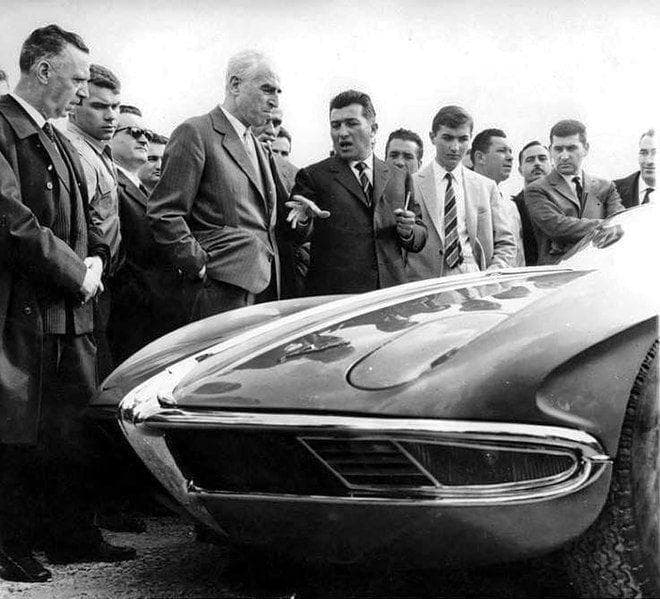
    Two names loom over the world of racing: Lamborghini and Ferrari. And, as is so often the case with titans of industry, a feud existed between these noteworthy individuals. It all started over a minor mechanical part. Although Enzo Ferrari (1898-1988) had preceded Ferruccio Lamborghini (1916-1993) in producing race cars, it turns out the clutch Ferrari used was very similar to those Lamborghini was using in tractors. Given how much Lamborghini was paying for the Ferrari clutch, he was quite outraged. According to the traditional story, when he confronted Ferrari about this, the latter responded quite heatedly. Lamborghini, not to be outdone, responded in kind. In fact, he went on to create his own race car, largely in an effort to prove his own abilities. Thus was born a feud that has continued through the decades.

    80% upvoted
  10. 10

    Thomas Paine Published A Scathing Letter After George Washington Didn't Bail Him Out

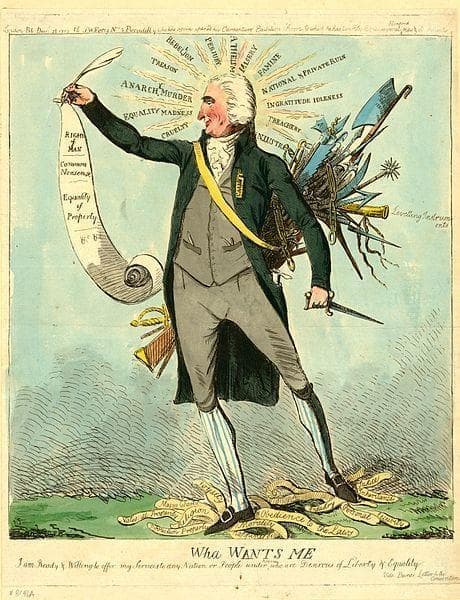
    Most Americans know of Thomas Paine, whose scorching pamphlet Common Sense proved enormously popular with the masses during the days leading up to the American Revolution. In fact, Paine’s words appealed to many of the most influential and important architects of the Revolution. Among others, it shaped the political thoughts of none other than George Washington, who led the Colonies to military victory over the British and would become the first president. However, matters between the two men weren’t always so cordial. Paine led quite an eventful life, and after fleeing England to avoid imprisonment for treason, he became part of the French National Assembly. He once again earned the ire of those in power, leading to his imprisonment (he was eventually freed). Believing Washington had not done enough to help him - he claimed American citizenship in an attempt to get out of jail - he wrote a fiercely critical letter accusing his friend of betraying the spirit of the Revolution. In particular, he claimed Washington was nothing more than a hypocrite, whose actions were sharply at odds with his stated political and philosophical principles.

    81% upvoted