Skip to content
maxnews
Rankings

13 Facts We Just Learned About Texas That Made Us Say 'Whoa, Pardner'

Everything is bigger in Texas, and that includes its history. The Lone Star State has been a territory ruled by four different countries, its own country, and ultimately a state that boasts a wild history full of gunslingin' and rootin'-tootin' adventure that's made its mark in the history books. And while we all remember the Alamo, there's a lot of Texas history yet to be uncovered. Just scratching the surface of the state's history yields some truly weird Texas facts, ranging from wild details of the Texas Revolution to a modern Hollywood icon. So hang tight to your hats for a handful of facts that may just merit a "yeehaw!" or two.

Entries
13
Votes
2.4K
Updated
yesterday

Tap upor downto vote. Your vote is added to Ranker's counts.

Voting identifies your browser with an anonymous fingerprint, stored only as a salted hash, to count one per visitor. Privacy

Source: Ranker, ranked by its voters.

  1. 1

    There's A Dialect Of German That's Only Spoken In Texas
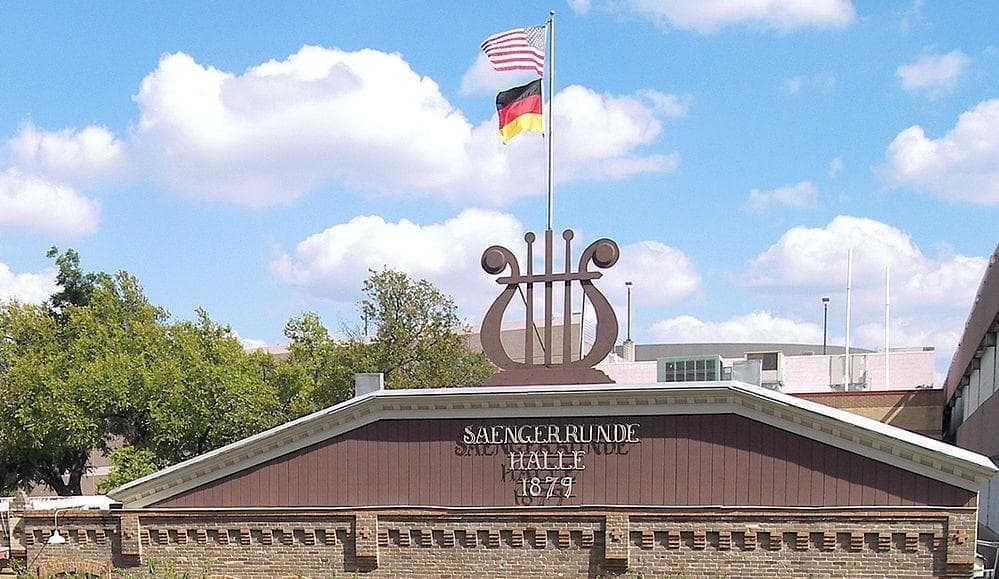
    Among the many settlers who came to Texas in the 19th century, Germans were some of the most numerous, and their descendants still live there today. In a small community between Austin and San Antonio, the residents still speak German as their primary language. And while there are a few pockets of German speakers throughout the US, this group speaks a unique dialect called Texasdeutsch, or "Texas German," which can't be found anywhere else. Texas German gets its distinctiveness from a variety of sources. When the settlement first began, the German immigrants came from all over the country, with varying accents and dialects. These all merged into one "melting pot" accent; then the immigrants borrowed words from the "Texas English" being spoken around them to craft a highly individualized version of German. Unfortunately, the two World Wars greatly reduced the amount of German spoken in homes across the US, including Texas German. According to the Texas German Dialect Project, the dialect may be extinct within the next 30 years.
    93% upvoted
  2. 2

    The State's Name And State Motto Come From A Native American Word

    When the first Spanish settlers made their way into what is now Texas, one Native American term stood out to them: "Texias." At first, the Spanish believed it was the name of the people who lived there, and so "Texas" became a shorthand name for the territory. Missionary Francisco de Jesús-Marià, however, corrected them in his own accounts, written as he grew familiar with the Indigenous people. In reality, "texias" or "tejas" meant "friends," although it was commonly used to denote allies banding together against the Apache. Today, Texas still pays tribute to the original Native American term not only in its name, but in its motto as well, which is simply "Friendship."

    94% upvoted
  3. 3

    The Final Battle Of The Texas Revolution Only Lasted 18 Minutes

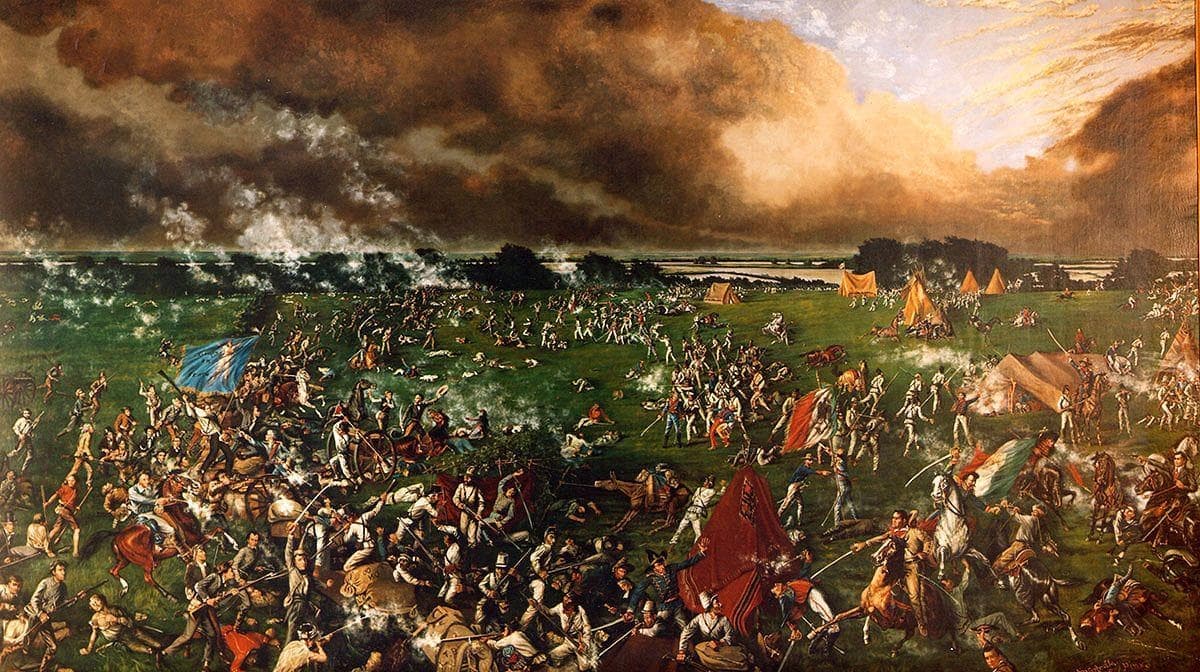
    Between October 1835 and April 1836, the settlers in Texas fought for independence from Mexico. While there were plenty of dramatic clashes between the two forces - including the never-forgotten Alamo - the war came to an end in the anti-climactic Battle of San Jacinto, which was over in less than 20 minutes. The Mexican troops, led by General Santa Anna, were feeling confident on the morning of April 21. The rebels hadn't shown in two days, they had 1,100 men ready to fight, and Santa Anna was feeling bold after the recent victories at the Alamo and Goliad, so the soldiers elected to take a siesta in the afternoon. But while the massacres at the Alamo and Goliad left Santa Anna confident, the settlers were only spurred on by the recent tragedies. So, while the Mexican army rested, General Samuel Houston rallied his men to strike, running across the prairie with cries of "Remember the Alamo!" and "Remember Goliad!" They took out 600 Mexican soldiers in the ambush, while only losing nine of their own men. By the end of the fight, they took an additional 700 men as their prisoners, including Santa Anna himself. He was released when he agreed to Houston's terms to end the war, and thus the Republic of Texas was born.

    94% upvoted
  4. 4

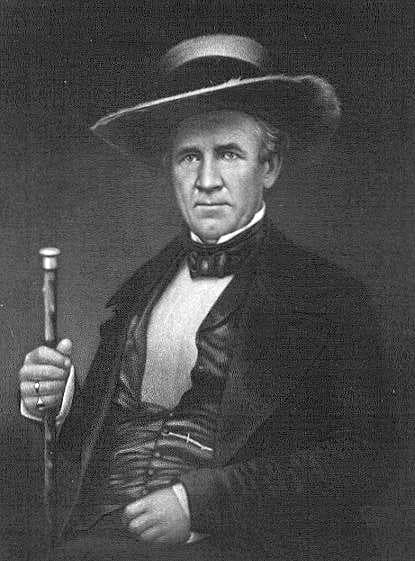
    Sam Houston – The Namesake Of Houston – Was Ousted As Governor For Opposing Secession

    Samuel Houston was one of the biggest names in Texas history. He led the crushing defeat against Mexican forces during the Texas Revolution, he was the final president of the short-lived Republic of Texas, and he was the first governor of Texas after it joined the US. But his role as a Texas leader ended with the start of the Civil War. While serving in the Senate, he vehemently opposed bringing slavery to any new states to join the Union (despite owning slaves himself), and he was the only Southern governor to oppose leaving the Union. During the 1861 Secession Convention in Austin, he continued to oppose seceding even as the rest of the state seemed determined to join the Confederacy. His warnings that the imminent Civil War would end in a crushing Southern defeat went unheeded, and the Texas legislature voted to remove Houston from office. Afterward, the Union offered the former war hero a chance to lead Northern troops during the war, but he declined, instead withdrawing from the public eye until the end of his days.

    90% upvoted
  5. 5

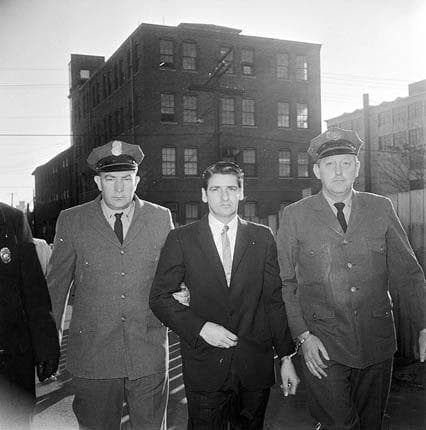
    The Texas House Of Representatives Was Once Tricked Into Honoring The Boston Strangler

    Not every bill that goes through the gamut of legislation gets a thorough reading, and one cheeky representative in Texas decided to see just how much his fellow representatives were paying attention. On April 1, 1971, Rep. Tom Moore, Jr., of Waco sponsored a resolution to honor Albert de Salvo for his selfless work for the country. His proposal for a day to honor de Salvo read: This compassionate gentleman’s dedication and devotion to his work has enabled the weak and the lonely throughout the nation to achieve and maintain a new degree of concern for their future. He has been officially recognized by the state of Massachusetts for his noted activities and unconventional techniques involving population control and applied psychology. Any true crime fan, of course, would know that de Salvo was more well known as "The Boston Strangler," who had been investigated for his role in the murders of 13 women. And, just like Moore expected, no one took a good look at the resolution, and it passed unanimously. He did withdraw the proposal just after it was passed, explaining that he'd simply meant to prove a point.

    90% upvoted
  6. 6

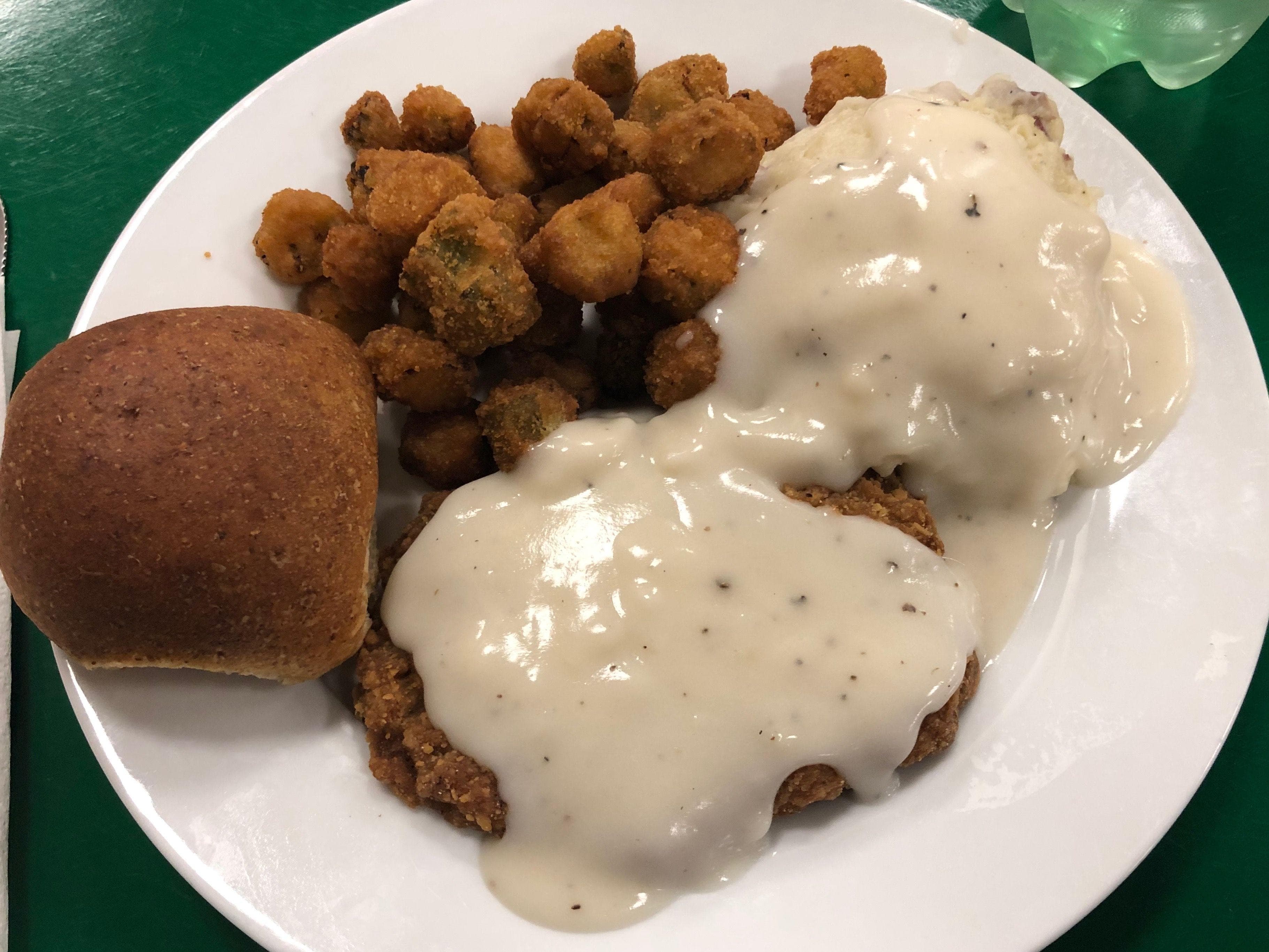
    Death Row Inmates Don't Get A Last Meal In Texas

    Famously, Death Row inmates about to meet their end are given a last meal, where the condemned are allowed to choose whatever they'd like as one last mercy before paying the ultimate price for their crime. In Texas, though, the prisoners don't even get that, and just eat whatever the rest of the prison is having for dinner. And it's all due to one man's extravagant request. In 2011, convicted murderer Lawrence Russell Brewer requested a bowl of fried okra with ketchup; two chicken-fried steaks smothered in gravy and onions; a cheese omelet with ground beef, tomatoes, onion, bell pepper, and jalapeños; a triple-meat bacon cheeseburger; three fajitas; one pound of barbecue; a half loaf of white bread; a meat lover's special pizza; one pint of "homemade vanilla" Blue Bell ice cream; one slab of peanut butter fudge with crushed peanuts; and three root beers. He didn't take a bite of any of it, and Texas Senate Criminal Justice Committee Chairman John Whitmire was so infuriated over the display that he called for an end to the last meal tradition.

    87% upvoted
  7. 7

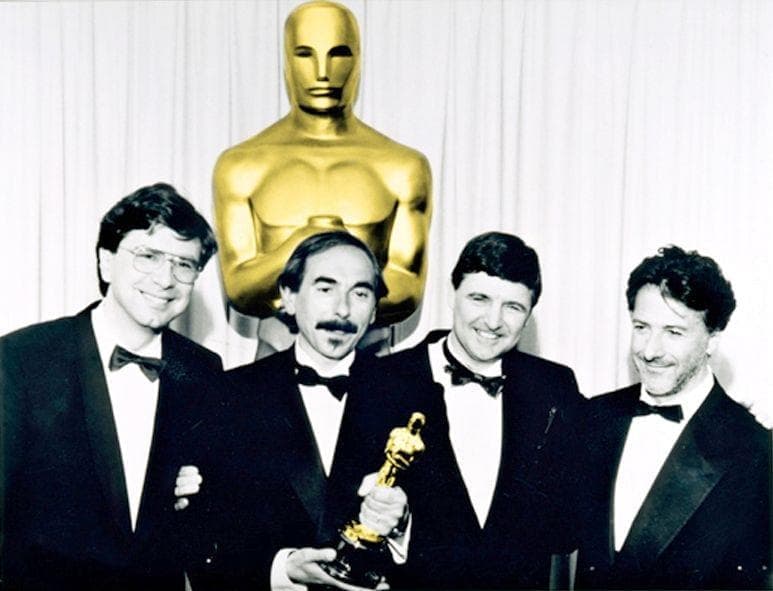
    The Academy Award Statuette May Get Its Name From A Texan Farmer

    Like many things from the early days of Hollywood, the origin of the name "Oscar" for the Academy Award of Merit is buried in apocryphal stories and myth. One particular story, however, is popular enough to have a place on the official Oscars website, where it says that the namesake of the award was as far from the glitz and glamour of Los Angeles as you could expect: a farmer from rural Texas. According to the story, when Academy librarian Margaret Herrick first saw the statuette - meant to be a knight - in 1929, she remarked that it looked like her Uncle Oscar. Later, when recounting the story, she clarified that "Uncle Oscar" was actually her mother's cousin, Oscar Pierce, a fruit and wheat farmer who lived in Texas. The name stuck, and the little knight's name has been Oscar ever since.

    90% upvoted
  8. 8

    Texas Was Its Own Country For Nearly A Decade, And The Only State To Join The Union Through A Treaty

    After a hard-won victory against Mexico in 1836, Texas had a good stint as its own sovereign country. And while the US came in fast trying to get it to join as a state, Texas President Mirabeau B. Lamar had dreams of creating a sprawling empire to rival its US neighbors. At the start, it seemed as though the Texans might pull it off; Great Britain reached out to the newly established country, which soon had trade treaties with a great deal of Europe as well. The Republic of Texas sent requests to both the US and Mexico to recognize it as its own nation. Mexico ignored the request, but the US recognized the republic even as it continued trying to woo the little country into statehood. Texas held out on annexation for quite a while, especially as the idea of abolishing slavery seemed to become more popular in Congress. But when Sam Houston became the president of Texas, he started noticing problems. Twice he proposed having Texas annexed as a territory, not a state, in exchange for military forces to be deployed to its borders, as well as for the US to take on Texas's $10 million debt. The second attempt was successful, and Texas was brought on as a territory in 1844. In 1845, Mexico finally recognized Texas as a sovereign nation, just in time for it to join the US as the 28th state.

    88% upvoted
  9. 9

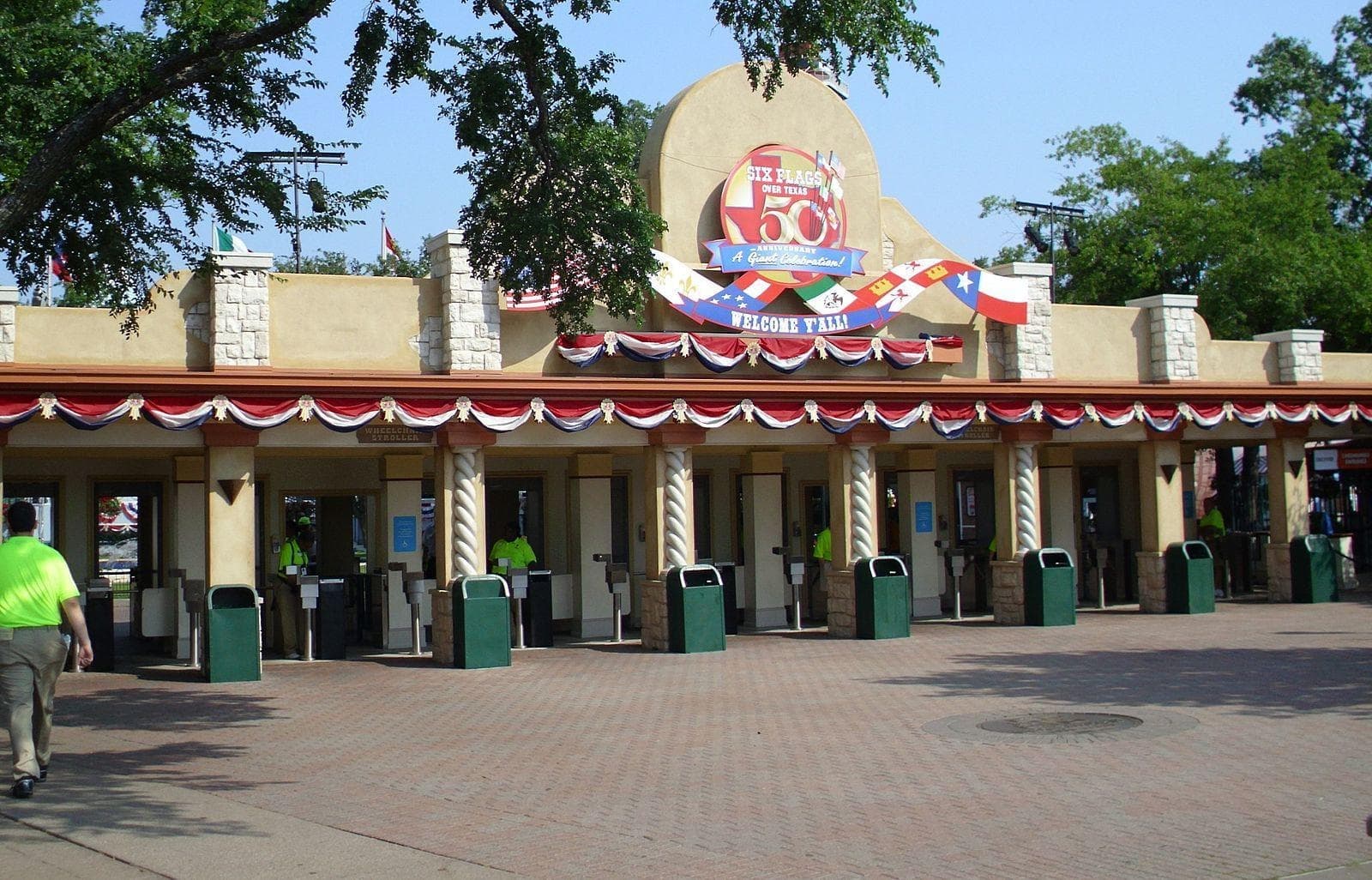
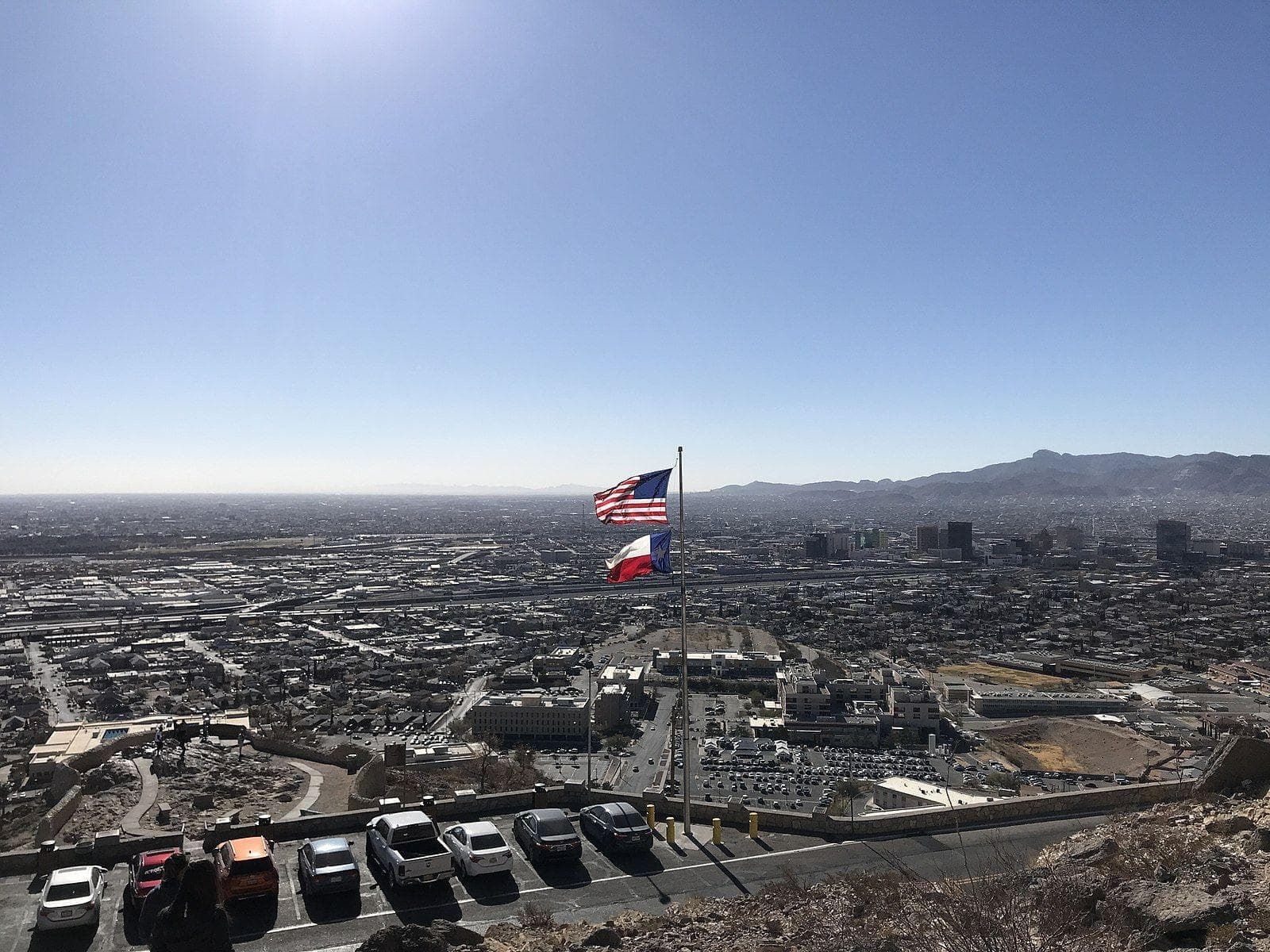
    Six Flags Gets Its Name From The Six Nations That Ruled Texas

    Six Flags as we know it today is a conglomerate of 26 theme parks across North America (and one coming to Saudi Arabia). But long before spreading out across the continent, it began as a modest theme park in Arlington. And the flags are not, in fact, a reference to its many locations, but rather a nod to Texas history. Six Flags Over Texas, as the original park is called, references the six nations that have flown their flags over the state: Spain, France, Mexico, the Republic of Texas, the Confederacy, and the US. When Six Flags first opened in 1961, it was more of a living history park than the thrill ride capital it is now. The six sections of the park were themed after each of the former nations: complete with French- and Spanish-themed zones, plenty of cowboys and Southern belles, and even some pirates. Definitely a far cry from today's DC- and Looney Tunes-centric fare.

    88% upvoted
  10. 10

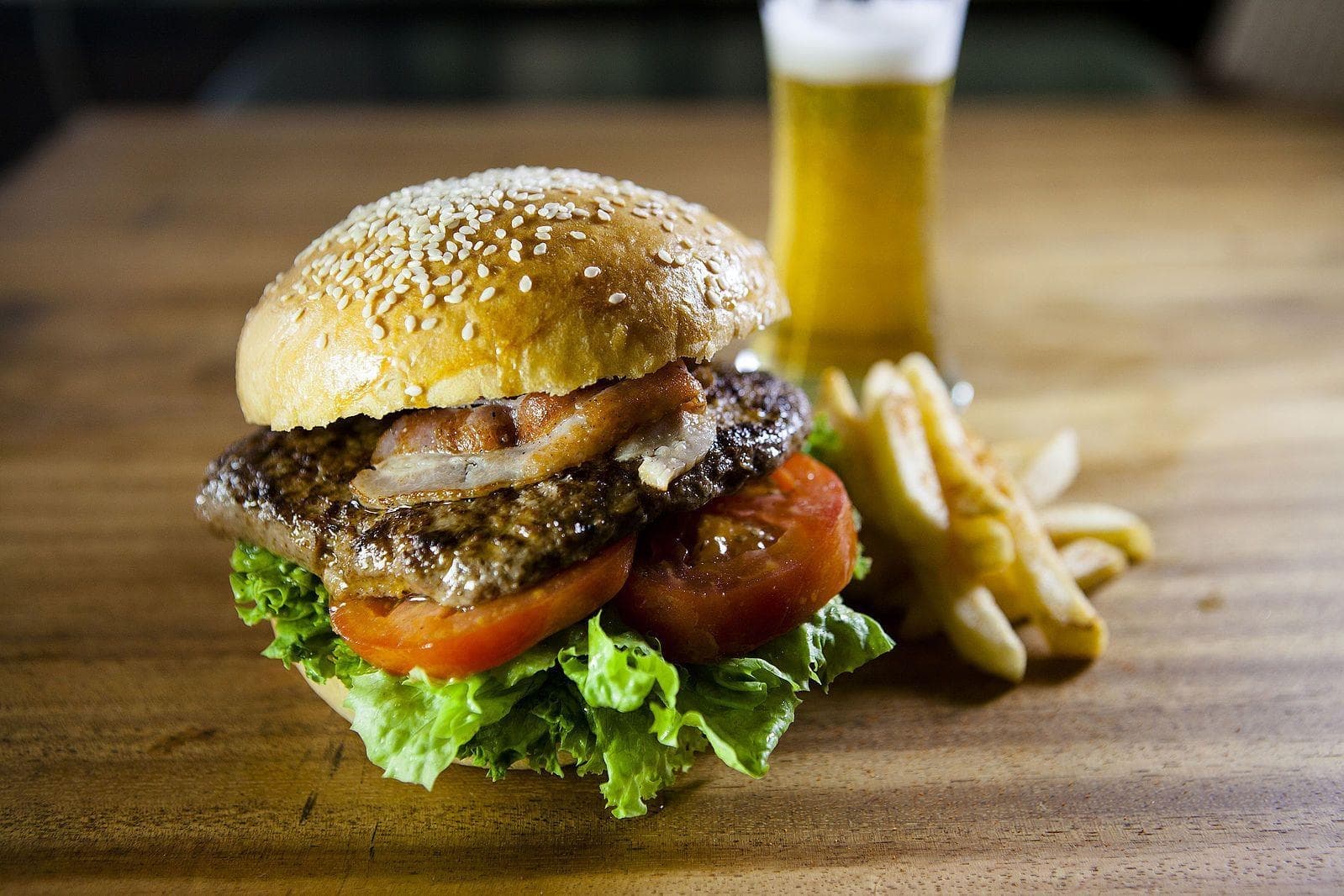
    One Texas Town Claims To Be The Birthplace Of The American Hamburger

    For years, the small town of Athens has claimed to be the hometown of the ultimate icon of American cuisine: the hamburger. The simple yet delicious sandwich got its start in a small lunch counter run by a man called Uncle Fletcher Davis in the late 1800s. He took his new creation to the 1904 World's Fair in St. Louis, and history was made. That's the story, at any rate. Plenty of other cities around the US also claim to be the home of the hamburger. In Athens' favor, there was a Fletcher Davis who made his way to the World's Fair, but as a potter, not a vendor. Nonetheless, his descendants are adamant that "Old Dave" is the true-blue patty patriarch, and Athens has no intention of letting its burger legacy go, especially not to any Yankee claims.

    85% upvoted