Skip to content
maxnews
Rankings

12 Surprising Facts About Emiliano Zapata, Mexico's Reluctant Revolutionary

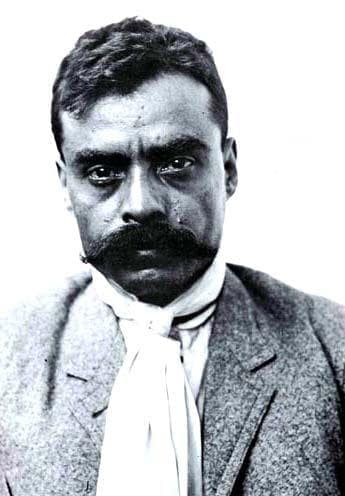
Chances are you've heard the name Emiliano Zapata but don't know that much about him. But the man, a staunch idealist who became a reluctant revolutionary, had a massive impact on Mexican history. He was a freedom fighter who, in no uncertain terms, changed the course of history. So maybe now you're interested in learning some badass Emiliano Zapata stories and surprising Emiliano Zapata facts? Admittedly, "badass" is a relative term for Zapata. He wasn't kicking down doors with a six shooter in each hand, or rolling into town pumping out rounds from his shotgun while smoking a giant Cuban cigar. Rather, Zapata was a compassionate idealist who fought for the rights of the common people. Despite his lasting national importance, Zapata saw himself as little more than a local leader. But also, come on, raising an army and taking the fight to wealthy and oppressive forces is totally badass. Read on to learn all about the life and exploits of this legendary Mexican revolutionary. Amidst the chaos and corruption of early 20th century Mexico, Zapata stuck to a fundamental vision and simple concepts concerning freedom and economic justice. He is a remarkable historical figure, revered Mexican symbol of national pride.

Entries
12
Votes
0
Updated
3 days ago

Tap upor downto vote. Your vote is added to Ranker's counts.

Voting identifies your browser with an anonymous fingerprint, stored only as a salted hash, to count one per visitor. Privacy

Source: Ranker, ranked by its voters.

  1. 1

    His Honest Attempts to Protect His Village's Way of Life Turned Into a Revolution
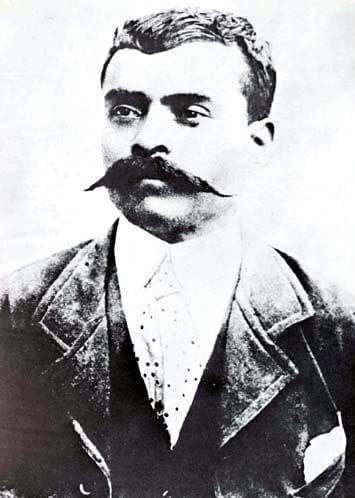
    Emiliano Zapata was born August 8, 1879 in Morelos, a state just south of Mexico City in south-central Mexico. His family lived for several generations in the tiny pueblo of Anenecuilco, where they raised and trained horses. The Zapatas weren't wealthy, but neither were they peons, the indentured peasant farmers who were virtually slaves. Zapata's father died when Emiliano was 17, making him the breadwinner of the family. At age thirty, he was named leader of the town council of his village, and resolved to do something about his townspeople's economic oppression. When his discussions with governmental officials went nowhere, he and 80 fellow townspeople armed themselves and began to take back expropriated property, or land taken from the people. Under the leadership of dictator Porfirio Diaz, large landowners known as Hacendados frequently expropriated land from the peasant community, ignoring laws and property rights. Zapata's peasant army, which grew exponentially as he continued reclaiming stolen land, was one of the many factors prompting Diaz to flee the country, setting off the Mexican Revolution.
    0% upvoted
  2. 2

    His Guerrilla Army Took Land Back from Wealthy Thieves and Redistributed It to the People

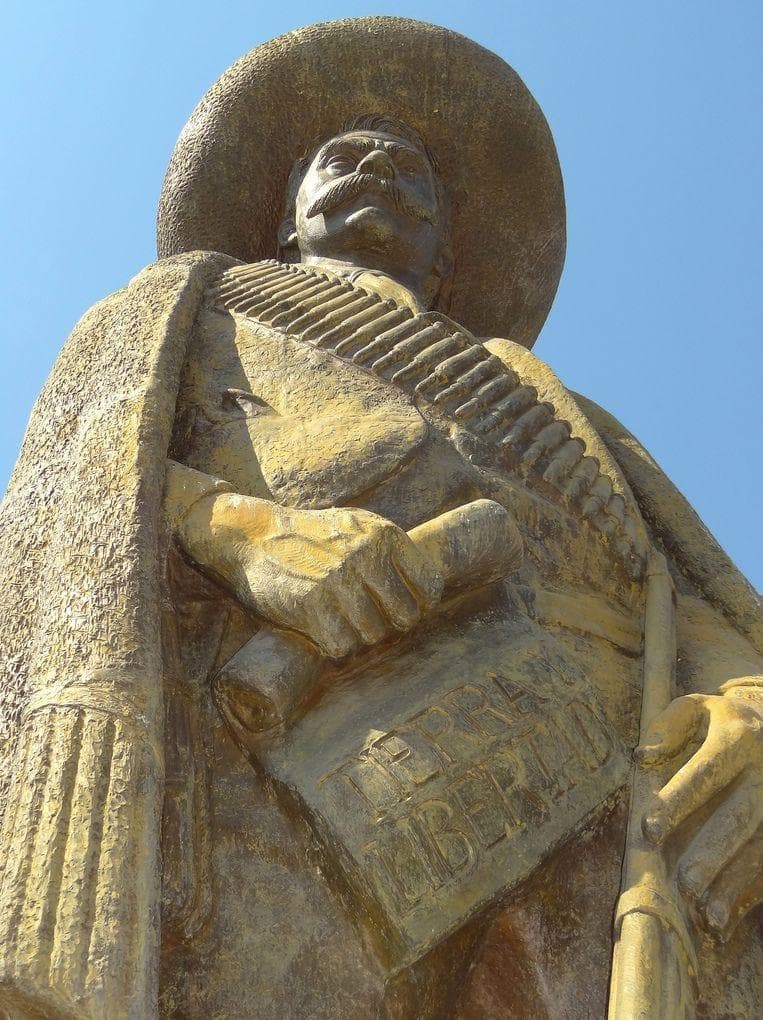
    Land reform was the main component of Zapata's political beliefs, as exemplified by his movement's slogan, Tierra y Libertad (Land and Liberty). His followers were known as Zapatistas, peasants who were determined to redistribute land taken over by wealthy landowners who ran huge tracts known as haciendas. As Zapata himself famously said, "The land belongs to those who work it with their hands." These words have been evoked as recently as the 1990s by Mexican writers and radicals seeking rights for workers and indigenous people throughout the country. The fight for land ownership expanded from Zapata's village to consume all of Mexico; the cause of ownership and guerilla practice of seizing land was one of the main catalysts for the Revolution in 1910.

    0% upvoted
  3. 3

    He Was a Relatively Humble Guy in a Time of Chaotic Political Hubris

    From May of 1911 until May 1920, Mexico had nine presidents, most of whom served for very brief periods. Zapata's lifetime was an era rife with generals raising their own armies, military coups, fleeing dictators, foreign intervention, multiple fronts of sectarian violence, and political chaos. However, unlike most power players of the time, Zapata had no political ambitions. His army was relatively disorganized, and he saw himself as nothing more than a local village leader trying to create a dialogue that might lead to political reform. He was a reluctant national figure in an era of ridiculous political hubris. That said, as you'll learn as you read on, Zapata was also stubborn as a goddamn mule, and refused to budge on land reform.

    0% upvoted
  4. 4

    He's Responsible for One of the Most Famous and Misattributed Quotes Ever

    The quote "I'd rather die on my feet, than live on my knees" has been attributed to several high profile 20th century revolutionaries, including Ernesto "Che" Guevara and Spain's La Pasonaria (Dolores Ibarruri). Aeschylus wrote something sort of similar in Prometheus Bound ("For it would be better to die once and for all than to suffer pain for all one's life.") and French socialist François-Noël Babeuf famously said "Ne vaut-il pas mieux emporter la gloire de n'avoir pas survecu a la servitude?" (roughly: "Would it not be better to take the glory of not having survived a bondage?"), which have similar sentiments to the famous quote, despite the different wording. So where does this quote really come from? Look no further than Emiliano Zapata, who said "Prefiero morir de pie que vivir de rodillas," which translates quite literally to "I prefer to die on my feet than live on my knees." A nice summation on Zapata's views of his revolutionary activity, and staunch refusal to live a life of servitude to wealthy landowners.

    0% upvoted
  5. 5

    His Manifesto on Land Reform Cemented the Zapatista Revolutionary Movement

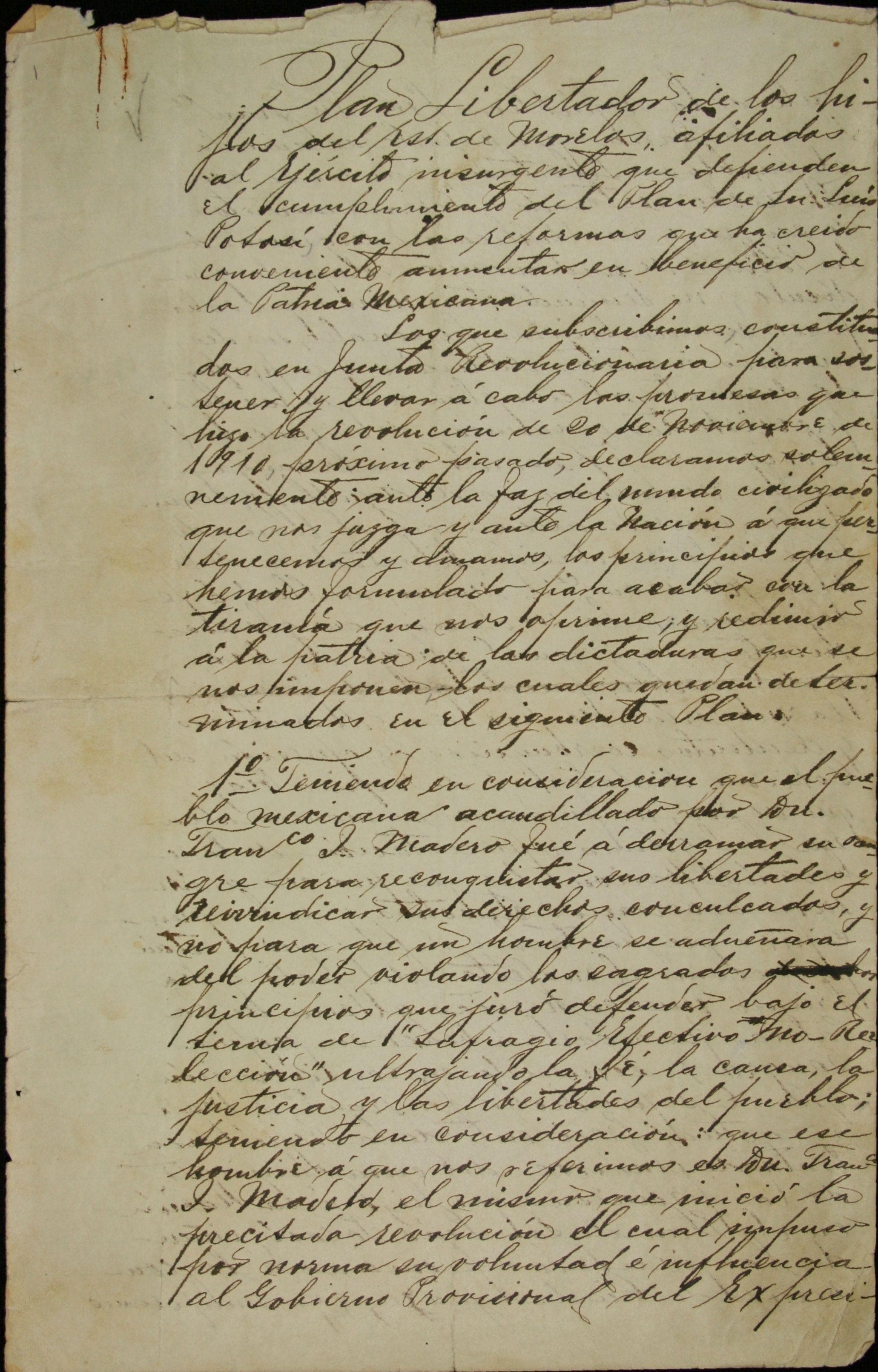
    During the early years of his uprising, Zapata allied himself with Francisco Madero, an opponent of Porfirio Diaz, hoping to push for the enactment of land reform through political channels. Madero didn't follow through on promises, so Zapata broke with him, regrouped in the mountains of southern Mexico, and announced the Plan de Ayala, in 1911. The plan, basically a political platform, called for all stolen land to be returned to the people, and for one third of large haciendas to be nationalized. Those landowners who refused to comply would have all their land seized and nationalized. Zapata intended to impose his plan on Madero by force. However, as fate would have it, Madero was deposed and executed by another strongman, Victoriano Huerta. Huerta was so despised, he united the revolutionary armies of Mexico against him. Previous to the drafting of Plan de Ayala, Zapata had no written mission statement. Thus, the plan served as something of a manifesto, concretely declaring the beliefs at the heart of the Zapatista movement, which continue to affect Mexican politics and social life into the 21st century.

    0% upvoted
  6. 6

    He Was a Bit of Dandy, Because He Believed His Position Called for It

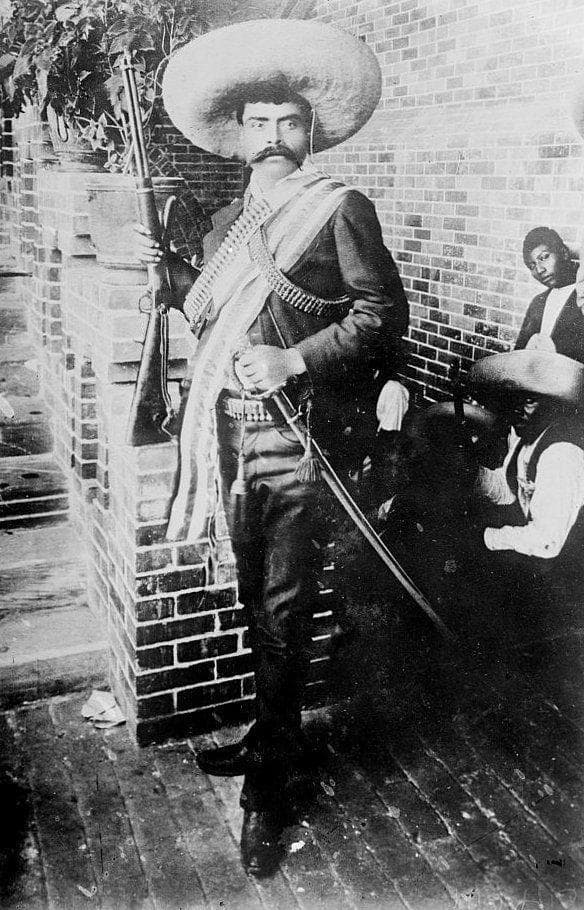
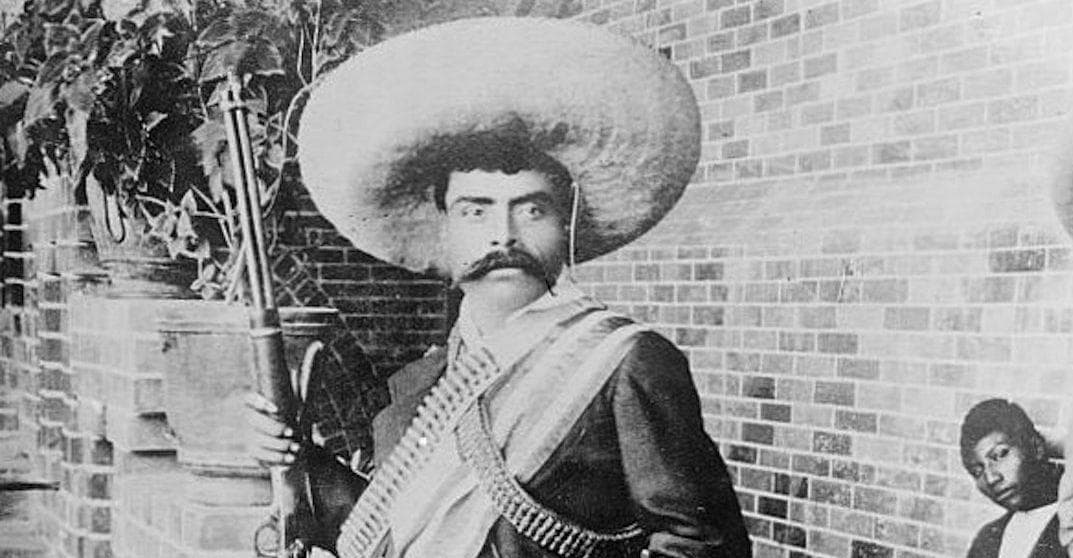
    Zapata dressed like a traditional Mexican charro, or horseman, with tight black pants, silver buttons, a large brimmed circular sombrero, a linen shirt and jacket, a colorful scarf around his neck, polished boots and spurs, and, most importantly of all, a pistol tucked into his belt. He did so, he said, because he wanted to wear his best clothes, like the chief of any village. With a long handlebar mustache, Zapata had the appearance of the quintessential Mexican Revolutionary.

    0% upvoted
  7. 7

    Like Most Mexican Revolutionaries, Zapata Was a Stubborn Bastard

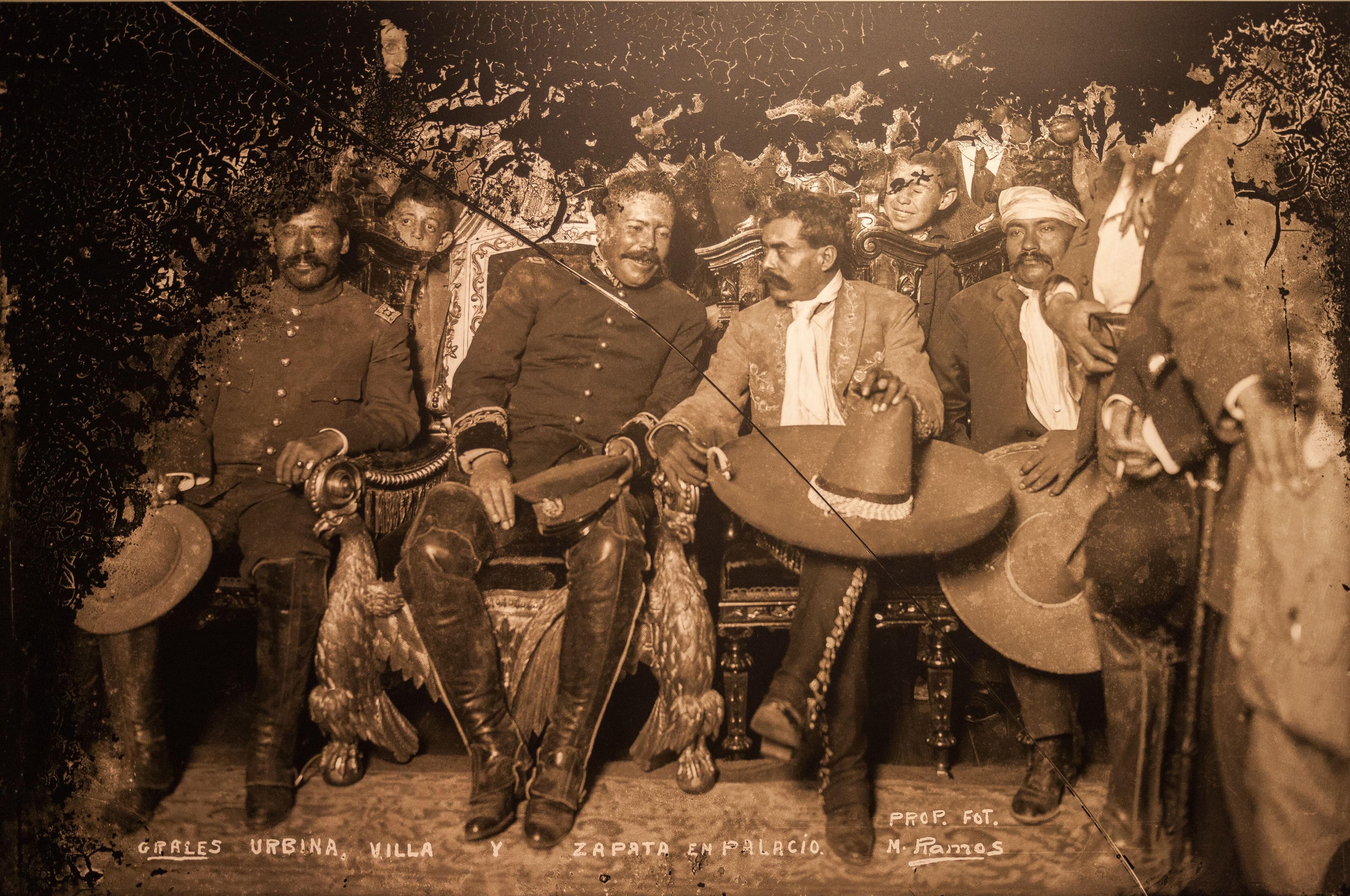
    When Victoriano Huerta, who seized control of Mexico in a counter-revolutionary coup, was defeated and fled in June 1914, the country was in the position to create a new constitution and government. At first, Zapata, Villa, Venustiano Carranza, and others revolutionary leaders worked toegether. However, as Carranza maneuvered his way toward the presidency, and Zapata suspected his Plan de Ayala would become a matter of little importance to the central government, things began to fall apart. Both Zapata and Villa broke away from the new government, which was supported by the United States. Zapata's rationale was his steadfast refusal to accept anything other than the complete implementation of his plan, and his belief that the new government had little concern for agrarian issues. Villa and Zapata were wary of one another, yet suspected they would need one another's support to stand up to Carranza. They met at the Presidential Palace in Mexico City on December 7, 1914, forming tentative agreement to unite that never amounted to anything. In the wake of the agreement, Zapata returned to Morelos, which he had been granted control of after Huerta fled, and focused on implementing land reform. Meanwhile, Villa suffered a devastating defeat at the hands of Carranza at the Battle of Celaya in April 1915, ending his aura of invincibility. The defeat placed pressure on Zapata; with Villa neutralized, Carranza turned attention to Zapata, sending troops into Morelos, attempting to capture or kill Zapata and his rebels.

    0% upvoted
  8. 8

    He Was Assassinated by the Federal Government, Cementing His Folkloric Outlaw Status

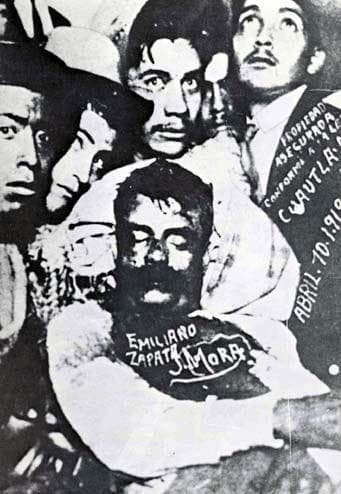
    In 1916, Carranza sent General Pablo Garza to Morelos in an attempt to destroy the Zapatista movement. Supporters of Zapata were to be massacred or shipped out of the state to serve elsewhere as slave labor. Zapata lost control of the state, but the brutality of the occupying Federal troops allowed for a gradual counterattack and a reestablishment of the Zapatistas by the end of 1916. Outside Morelos, the revolution was dissipating, as many grew tired of constant violence, chaos and death. For two years, Zapata survived, fighting the Carrancistas to a stalemate. In early 1919, as a harsh winter and influenza epidemic wiped 25% of the population of Morelos, Zapata's situation grew tenuous. He began to negotiate with a potential Federal turncoat, Colonel Jesus Guajardo, in response to Guajardo's offer to defect with men and weapons. Zapata put Guajardo through an elaborate test to determine whether was sincere, then decided to meet him. Zapata was greeted with a hail of bullets.

    0% upvoted
  9. 9

    Despite Revolutionary Tendencies, Zapata Wasn't a Marxist

    Some associate Zapata with Marxist intellectuals and revolutionaries like Vladimir Lenin or even Che Guevara, though in reality, he was was a farmer and entrepreneur. He took up arms to right the perceived mistreatment of his neighbors and the unfair confiscation of land, not to herald the dawn of a political revolution. Zapata disliked the tyranny of a brutal central government that favored the wealthy over the peasantry; an anarchist, possibly, but Zapata was no Marxist. One famous attributed quote: "One of the happiest days of my life was when I made five or six hundred pesos from a crop of watermelons I raised all on my own." Zapata was, at his heart, a socialist, who believed in fair access for all to the means of production, which he believed would lead to prosperity for the community.

    0% upvoted
  10. 10

    Women Were Heavily Involved in Zapata's Army (Though Weren't Treated Very Well)

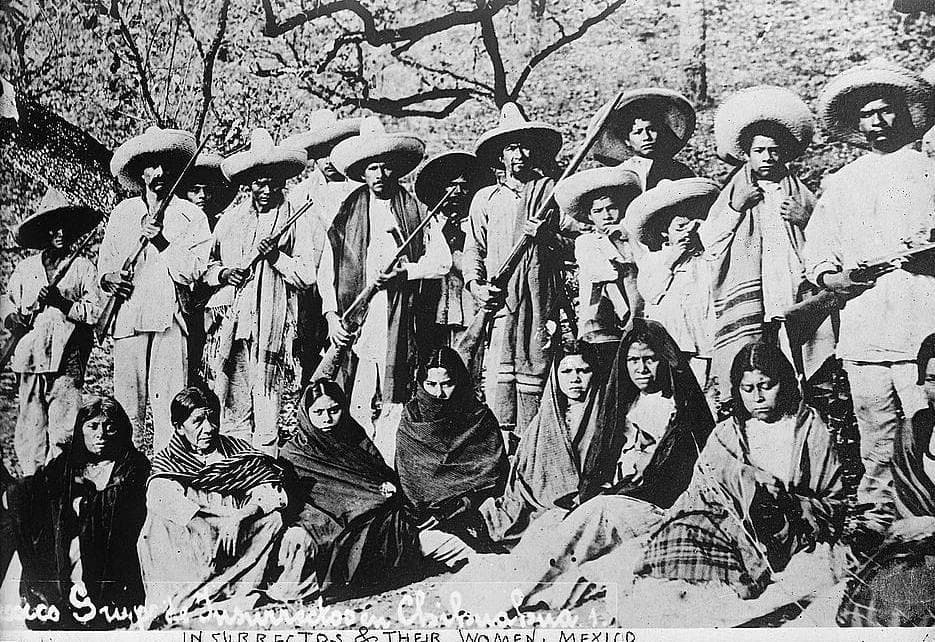
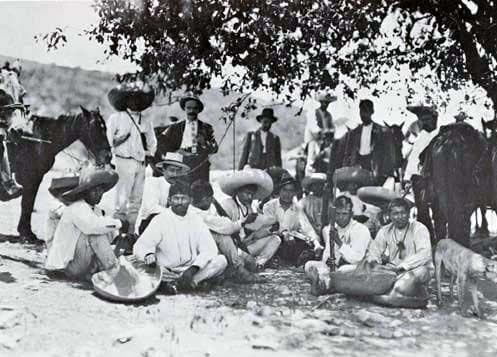
    Known as Soldaderas and/or Adelitas, women served many functions during the Mexican Revolution, ranging from camp followers who provided companionship and domestic help to combatants (although female combatants were rare). Zapatistas were not known for their sensitivity in acquiring female followers. If a village filled with women resisted joining the movement, they used threats and intimidation. Even soldaderas who joined with their husbands led a difficult life. It's said horses were treated better than women in Zapatista camps, because they were worth more.

    0% upvoted