Skip to content
maxnews
Rankings

12 Stories From History People Keep Getting Wrong

Everyone knows that people in the Middle Ages were caked in mud and that Paul Revere shouted, “The British are coming!” on his midnight ride in April 1775. Right? Well, not exactly. It turns out these and other stories are nothing more than historical myths. However, they've become so widely known and accepted as fact that no one thinks twice about whether they are accurate. Where did these tales come from? Sometimes, they're based on simple misunderstandings, fictional retellings of historical events, or embellishment of the facts. Other times, they have nefarious roots in political agendas. Whether accidental or intentional, these stories have one thing in common: People keep retelling them as if they are facts. Which of these historical yarns are the most surprising? That’s for you to decide.

Entries
12
Votes
8.1K
Updated
2 days ago

Tap upor downto vote. Your vote is added to Ranker's counts.

Voting identifies your browser with an anonymous fingerprint, stored only as a salted hash, to count one per visitor. Privacy

Source: Ranker, ranked by its voters.

  1. 1

    Medieval People Weren't Covered In Filth

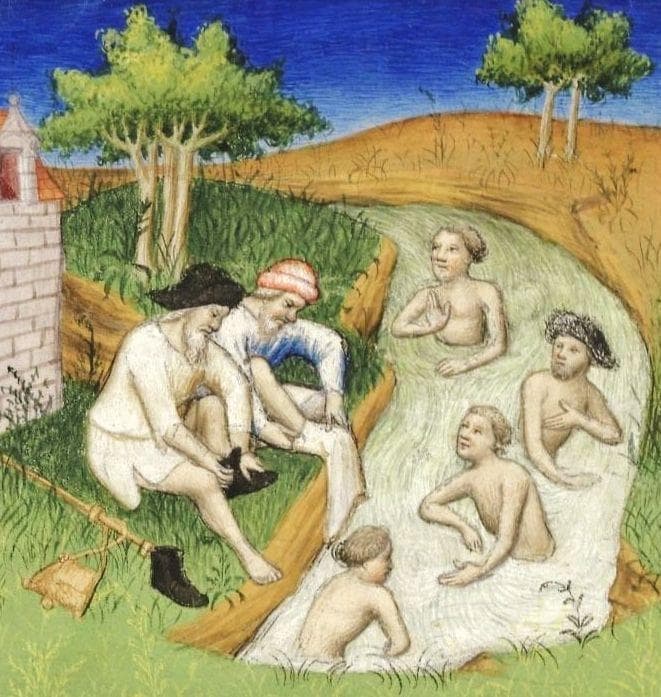
    The term “Middle Ages” likely doesn't conjure up images of clean, well-groomed people. Instead, it typically brings to mind people with filth-smeared faces and fingernails caked with dirt. While it's true that medieval Europeans didn't subscribe to germ theory or have access to antibiotics, they were not as unclean as Hollywood would lead us to believe. People in the Middle Ages practiced basic hygiene. Historian Eleanor Janega put it in these terms: In fact, the Middle Ages subscribed heartily to the adage “cleanliness is next to godliness.” Thinkers of the period considered physical beauty to represent spiritual purity, and they looked at hygiene the same way: If one's body was impure, it would by definition be unattractive and out of harmony. If it had any imperfections, one would best address them through cleansing. Bathing was a common occurrence. Although private baths may have been out of reach for most people, public baths provided a way for urban dwellers to keep clean. Even if people did not take a daily bath, they at least cleaned their face and teeth regularly and washed their hands before meals.

    89% upvoted
  2. 2

    A Lawsuit Over Scalding Coffee At McDonald's Was Anything But Frivolous

    In February 1992 in Albuquerque, NM, a piping hot cup of McDonald's coffee spilled on the legs of 79-year-old Stella Liebeck, who went on to sue McDonald's and win $2.9 million in damages. The case Liebeck v. McDonald's is often regarded as a frivolous lawsuit, one in which consumers go to extreme lengths to squeeze money out of corporations. But that wasn't what it was about at all. For starters, Liebeck suffered significant injuries. This was unsafely hot coffee - served at 190 degrees Fahrenheit - and her resulting third-degree burns sent her to the hospital for eight days. Despite these health issues, she was initially modest in her demands. According to legal scholar Barry Levenson: Stella never really wanted to sue McDonald's, at least at the beginning. Without any lawyers, she wrote to McDonald's and asked only for her out-of-pocket expenses and the lost wages of her daughter who had to stay home with her. Twenty thousand dollars - and an assurance that McDonald's would turn down the temperature of its coffee - would have staved off the lawsuit. McDonald's offered $800. When the case went to trial, the jury sided with Liebeck, awarding her significantly more than her original ask. Unfortunately, damage to her public reputation was already done. McDonald's lawyers orchestrated a disrespectful PR campaign to discredit Liebeck's suit and position it as an example of consumer overreach and greed.

    88% upvoted
  3. 3

    The 'Spanish Flu' Didn't Come From Spain

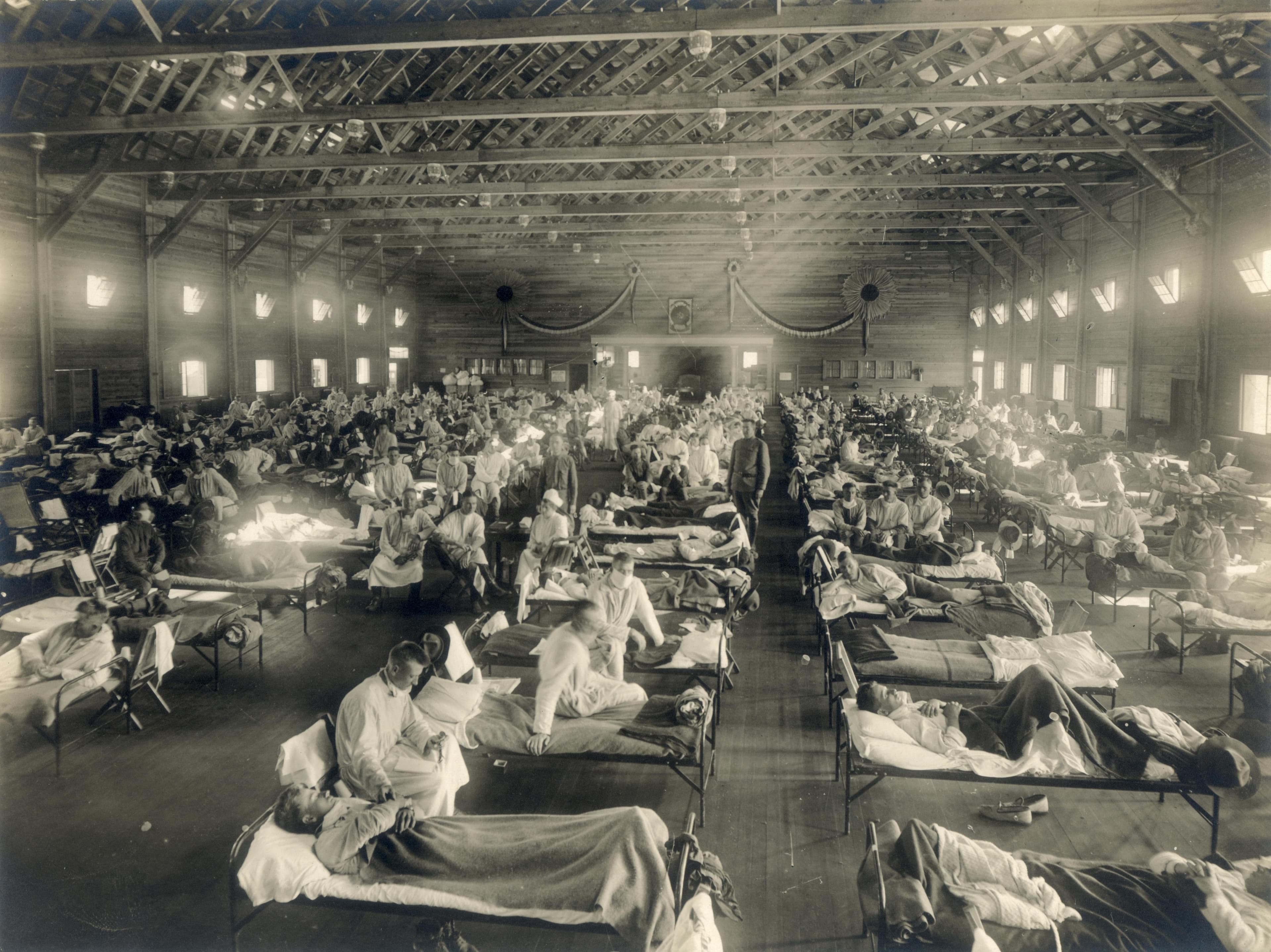
    One of the deadliest pandemics in modern history began in 1918, when a virulent strain of influenza spread across the world, killing more than 50 million people globally. It was commonly referred to as the “Spanish flu." But there was nothing particularly Spanish about this virus. While no one knows for certain where it originated, some speculate it started on American soil. Wherever it began, outbreaks soon took hold during WWI and quickly spread among troops on the Western Front - and, from there, the world. Spain was one of the countries that sat out WWI. As a result, its press was not subject to the same censorship as the nations involved in the conflict. After all, governments at war understandably worried that reports of deadly flu outbreaks could impact morale. Consequently, Spanish newspapers freely reported on the outbreaks, and news of it trickled out from there. The flu became known as “Spanish” only because those were the newspapers reporting on it.

    87% upvoted
  4. 4

    The 'Mayflower' Wasn't Filled With Religious Asylum-Seekers

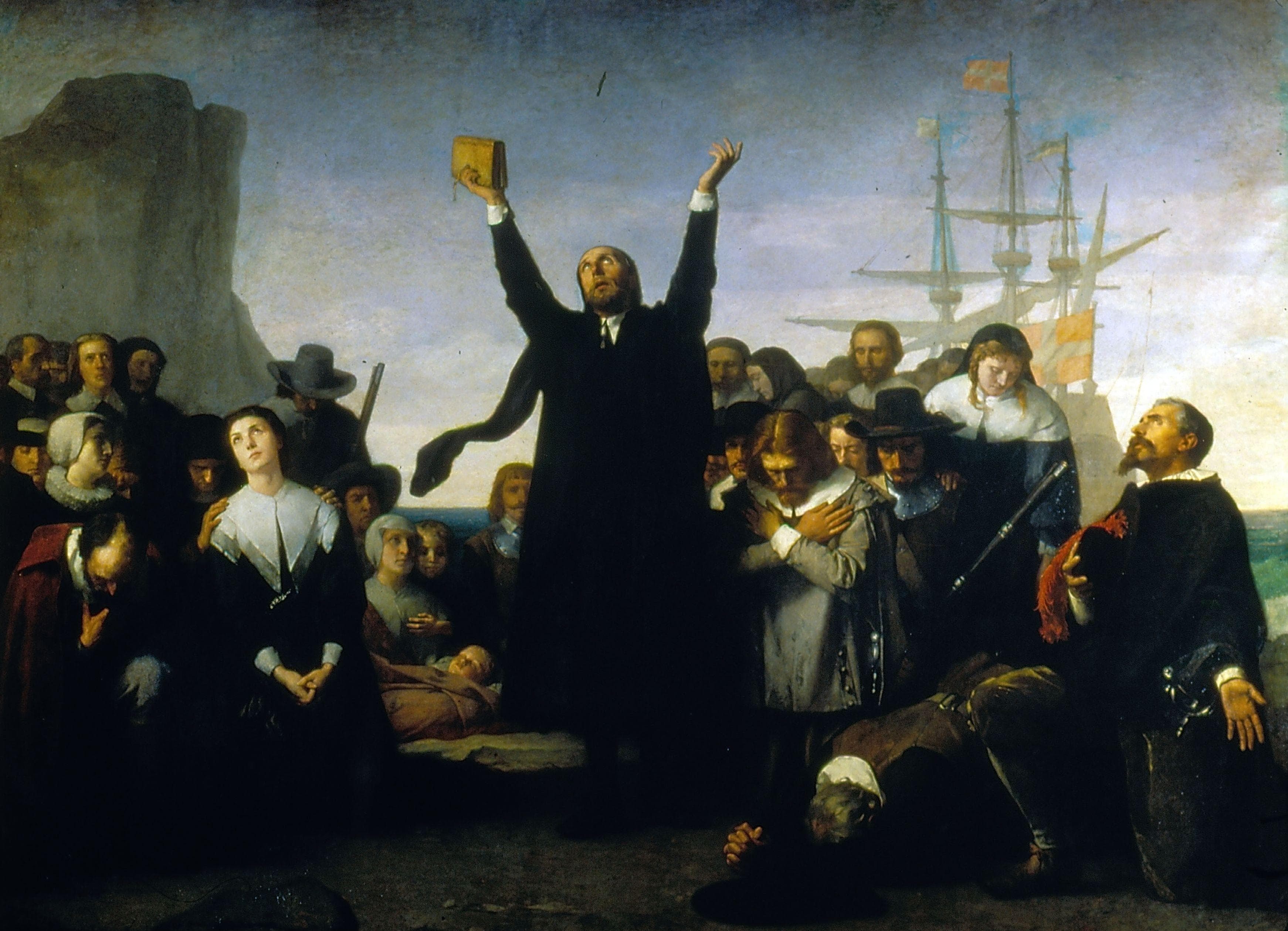
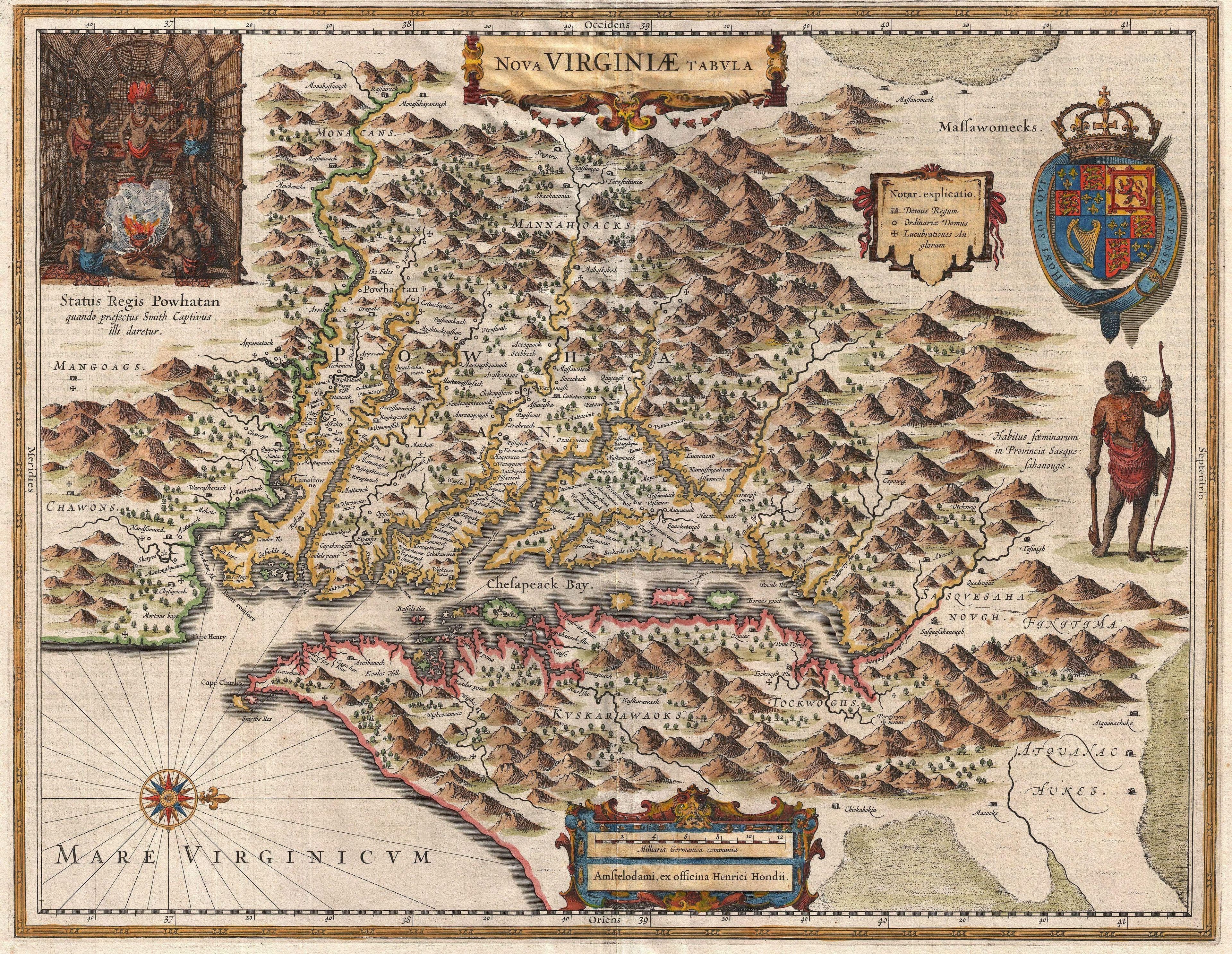
    What elementary school student hasn't heard the story of the Pilgrims, the black-and-white clad English folk who journeyed across the Atlantic on the Mayflower in 1620 in search of religious freedom? According to this telling of history, English Separatists - radical Protestants who wanted to separate from the established Church of England, rather than purify it from within - turned to America as a refuge where they could practice their faith without fear of persecution. It is true that the Pilgrims faced persecution in England. However, they didn't come to the New World specifically for religious freedom. They had already found religious freedom in the Netherlands. What they didn't find there, however, was solid employment and cultural cohesion. That, more than anything else, prompted them to turn their attention to North America. It's also important to note that these religious separatists didn't call themselves Pilgrims; they referred to themselves as “Saints.” They weren't the only ones on the Mayflower, however. Around two-thirds of the people on the ship were what the Saints called “Strangers,” or folks who did not practice their brand of Christianity. Many were skilled workers traveling to North America to help build a new colony. Others were simply crew members of the Mayflower. Ironically, while many of the Pilgrims experienced persecution in England, they did not tolerate religious dissent within their own community and often persecuted those who adopted alternative beliefs.

    86% upvoted
  5. 5

    Corsets Generally Were Not Torturously Tight

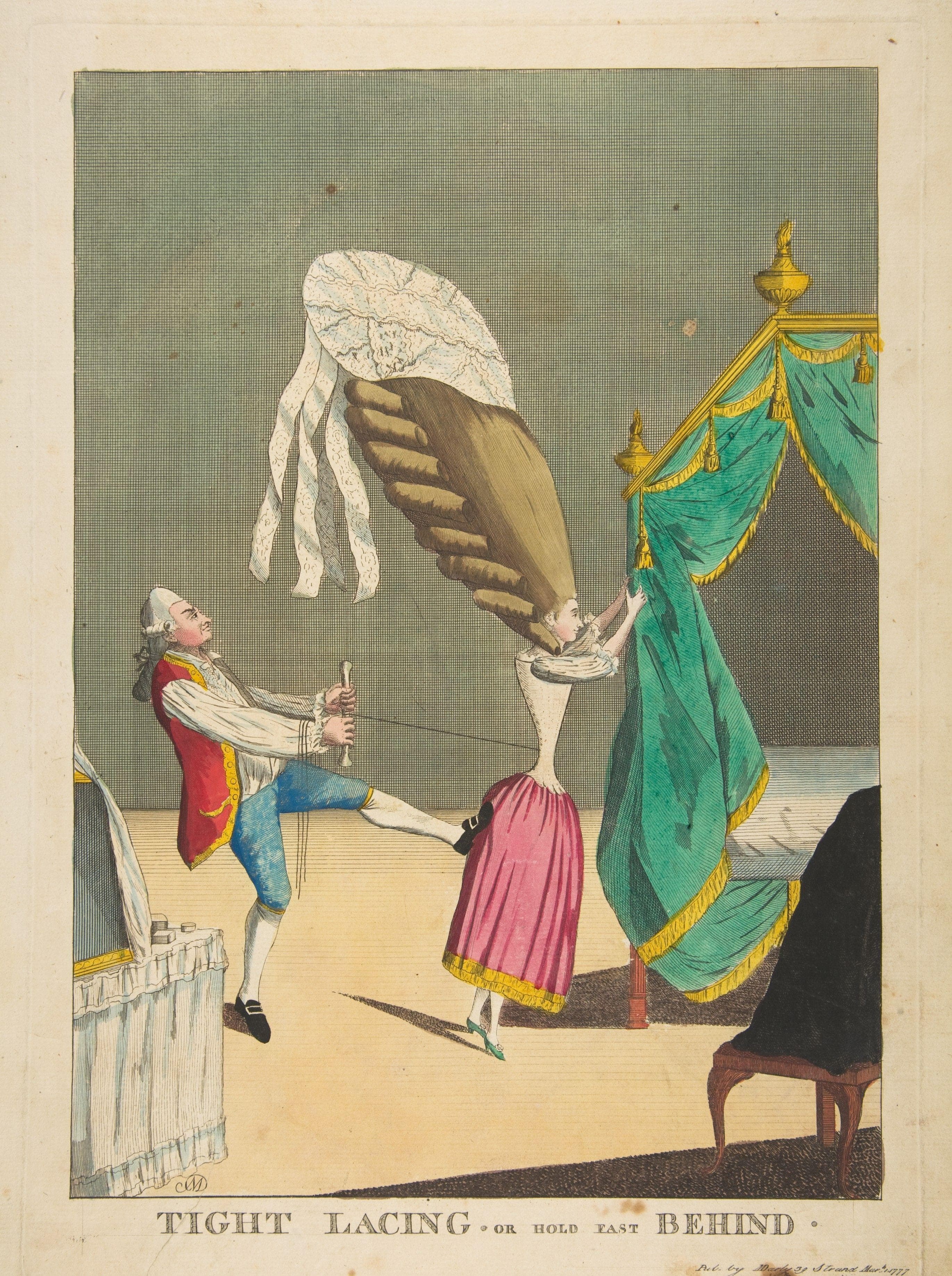
    It's a trope Hollywood loves to repeat: Someone steps into a corset for the first time, and the overly restrictive laces squeeze all the air from their lungs. The wearer can barely move, and might even faint. For centuries, corsets shaped women's figures. Made from materials including whalebone and steel, stays and corsets were fixtures of women's fashion in European society from the 16th to the early 20th centuries. Were these garments torturously tight? The majority of women - even working-class ones who performed physical labor - did not overly tighten their corsets, and could move about their day without fainting or suffering. At the same time, corsets became a flashpoint for medical and political concerns. Physicians did plenty of hand-wringing about the dangers the garb posed to women's health. Over-tightening corsets truly could reshape the rib cage and reduce lung capacity. But this seemed to have been the exception, not the rule. Indeed, some companies manufactured and promoted comfortable corsets. By the end of the 19th century, a new women's movement was gaining traction, and corsets came to represent a woman's limited place in society. Reformers campaigned to end the use of the garments.

    86% upvoted
  6. 6

    Paul Revere Never Shouted, 'The British Are Coming!'

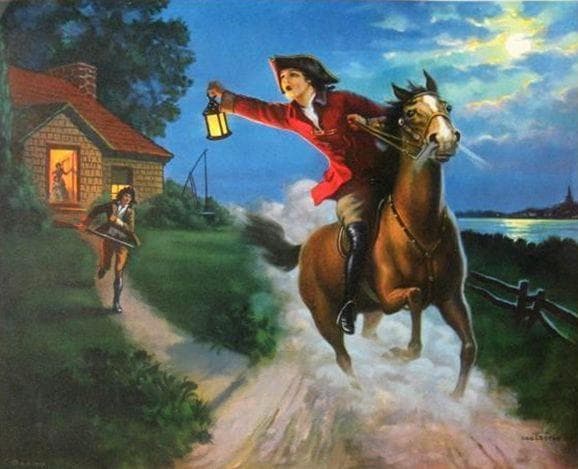
    “The British are coming! The British are coming!” Early American patriot Paul Revere shouted these famous words as he raced from town to town during his midnight ride in April 1775, right? Alas, he did not. Revere's midnight ride really did happen, though. As a revolutionary, he was involved with protest and intelligence networks that sought to challenge British authority in the North American colonies. In April 1775, British regular troops were on the move, and Revere had the job of alerting fellow patriots to their movement. Because his mission was supposed to be under the radar, he did not shout the intelligence, and likely referred to the troops as “regulars.” Moreover, the communities he passed through were technically British, so saying “the British are coming” would not have made sense. The public owes its imagining of Revere's famous ride to 19th-century American poet Henry Wadsworth Longfellow. In 1860, he published the poem “Paul Revere's Ride,” which ensured that the nearly forgotten Boston patriot would always be remembered.

    86% upvoted
  7. 7

    US President William Howard Taft Was Never Trapped In A Tub

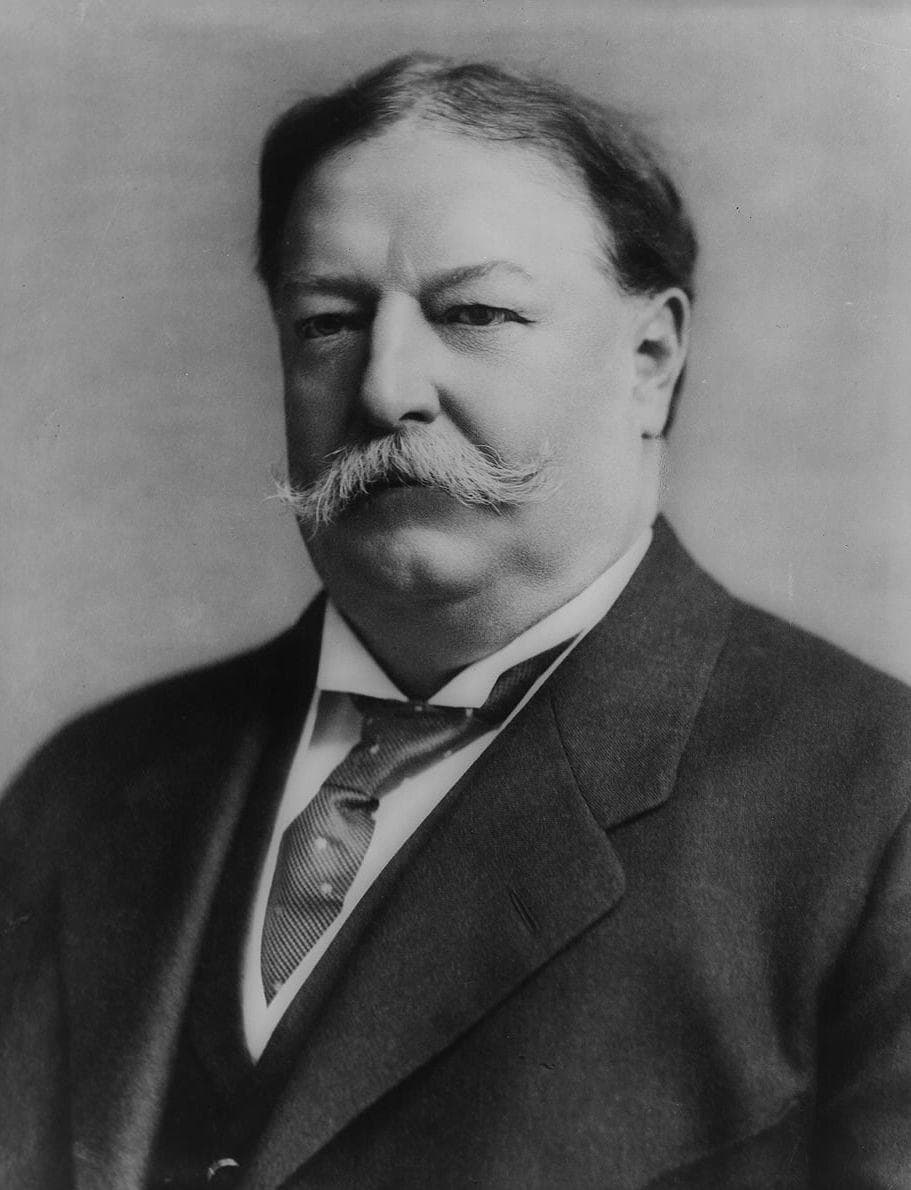
    Of all the many myths about American presidents, among the most ridiculous is that 27th President William Howard Taft was so large that he got stuck in his bathtub. There is no evidence this ever happened. Although he never got stuck in the bath, Taft reportedly enjoyed a good soak and built large bathtubs to accommodate his body - he was 6 feet tall and may have weighed more than 300 pounds during his presidency. He even had a tub that weighed a ton installed on a ship for his personal use.

    86% upvoted
  8. 8

    The Boston Tea Party Occurred Because Colonists Were Angry About A Corporate Tax Break

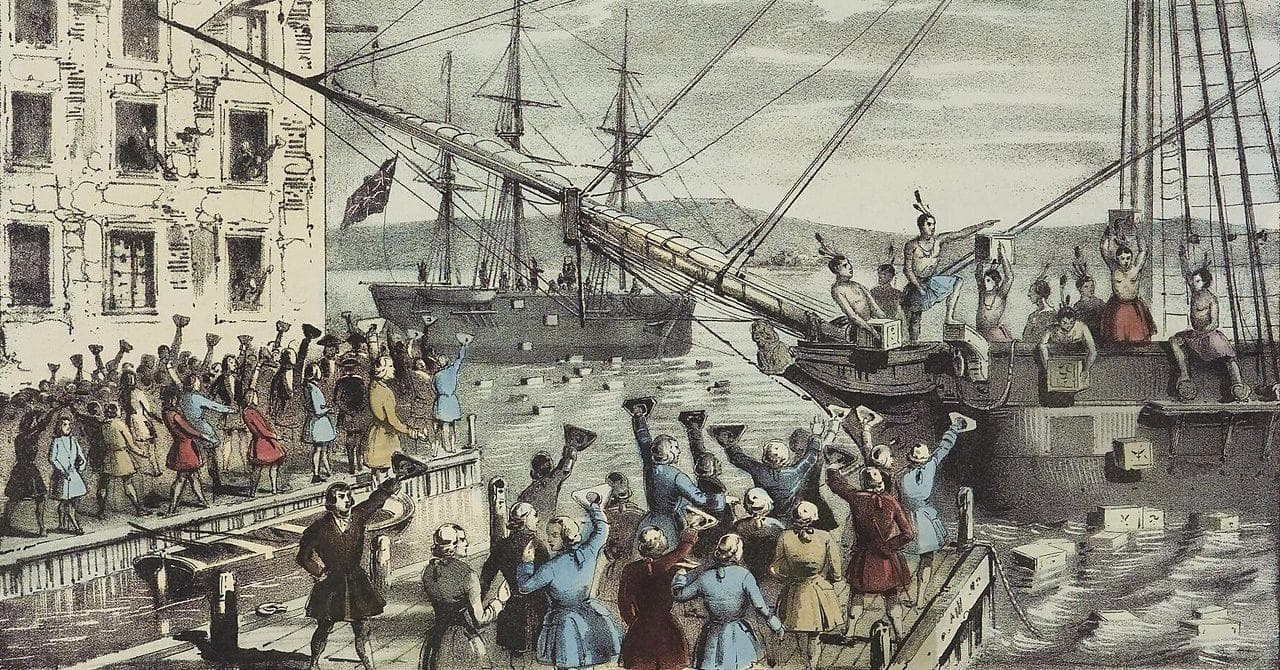
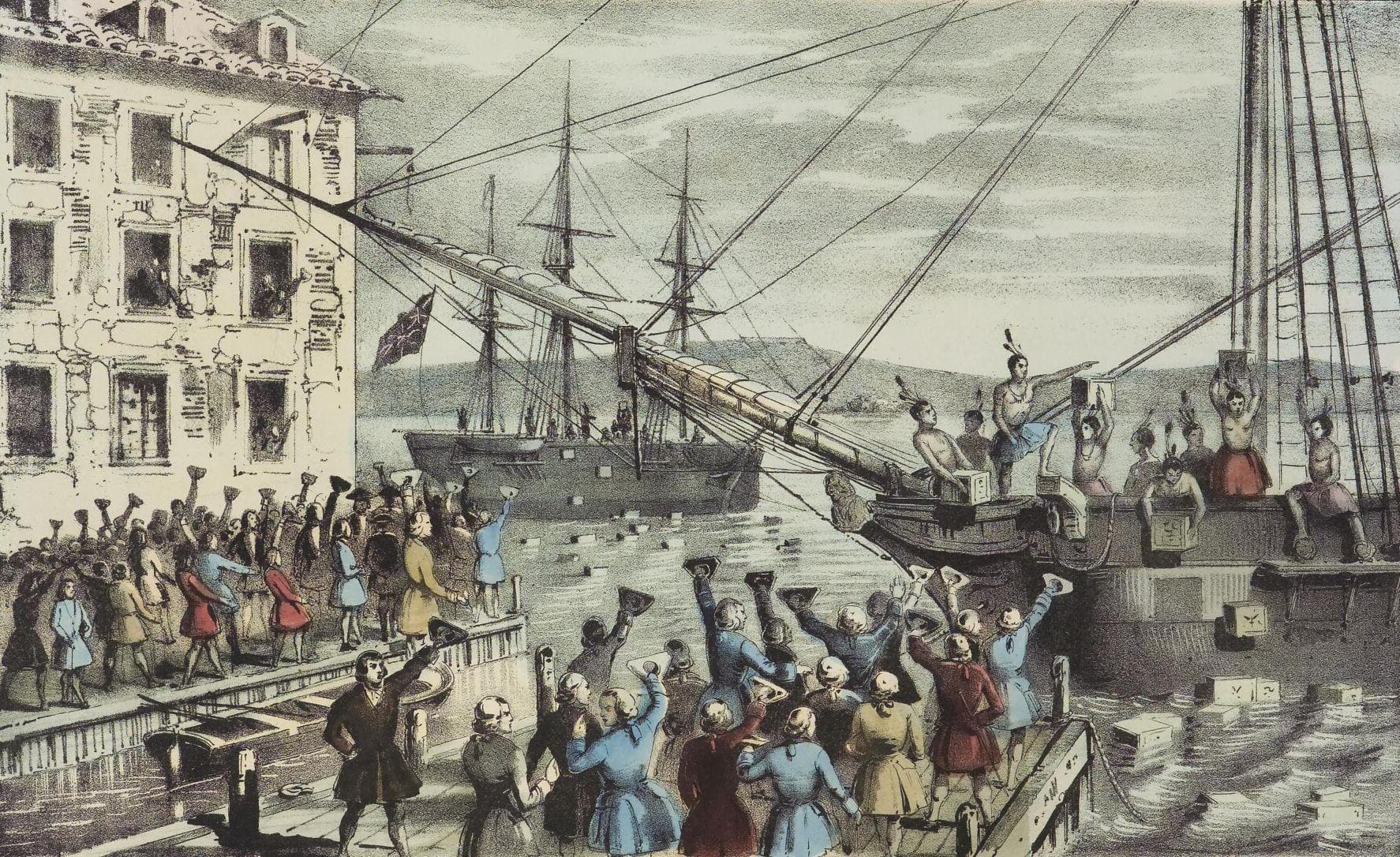
    On December 16, 1773, the Sons of Liberty - a group seeking an end to what they considered unfair taxes and rule by the British in North America - helped organize a protest in which dozens of men rushed into Boston Harbor and dumped 342 tea chests into the frigid waters. Why did those daring Bostonians do it? Contrary to popular belief, they weren't only protesting higher taxes. Several years earlier, Parliament's Townshend Acts taxed tea and provoked the ire of colonists. The taxes led to movements urging merchants not to import British goods. Some even took up smuggling and imported Dutch tea to the colonies. The more immediate cause of the Boston Tea Party was the Tea Act, which essentially gave the East India Company - a giant British corporation - a monopoly on tea in the colonies along with a tax break. This spelled trouble for tea smugglers, as the price of East India Company tea would be more affordable than tea that had been illegally imported. American merchants were livid at what they interpreted as an assault on their business. Why should the East India Company get a monopoly on tea? So, they took matters into their own hands in what became a legendary political act.

    85% upvoted
  9. 9

    Australian Outlaw Ned Kelly's Famous Last Words Weren't What Everyone Thought They Were

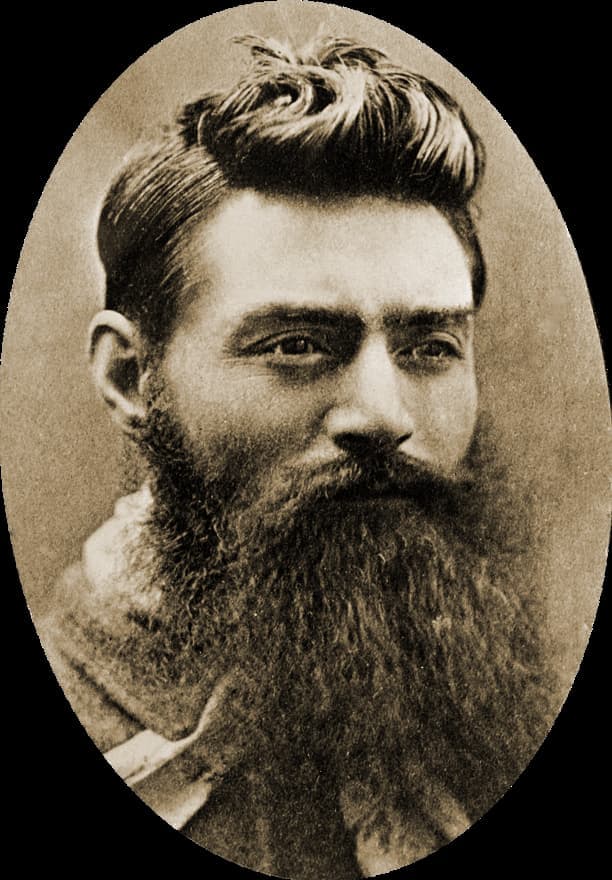
    Bushranger Ned Kelly was an Australian outlaw turned folk hero. After graduating from stealing horses and cattle to robbing banks, he and his gang gained notoriety and soon became some of Australia's most wanted criminals in the late 1870s. Their crime spree sputtered to a spectacular halt in June 1880, when a police shoot-out ended in the gang's arrest. Kelly himself only survived because he donned an iron suit that deflected some of the bullets. He was sentenced to execution in November 1880. According to popular lore, Kelly mounted the gallows and uttered his final, wistful words: “Such is life.” In actuality, those may not have been his last words after all. None of the men physically close to Kelly at the time of his execution recorded hearing him man those words. Moreover, different journalists at the scene reported different things, suggesting they may have filled in the gaps at their own discretion.

    83% upvoted
  10. 10

    North America Wasn't Devoid Of People When European Colonizers Arrived

    It's a common misconception that when Europeans began to colonize North America, they discovered a pristine Eden that very few people inhabited. Because it was relatively empty and unspoiled, so their thinking went, the so-called New World was ripe for the taking. When Christopher Columbus made landfall in 1492 and kickstarted European colonization of the western hemisphere, the Americas had robust and diverse cultural regions inhabited by an estimated 60 million people - a number in the same ballpark as Europe's population in 1500. As historian Charles C. Mann told NPR: From southern Maine down to about the Carolinas, you would have seen pretty much the entire coastline lined with farms, cleared land, interior for many miles and densely populated villages generally rounded with wooden walls. And then in the Southeast, you would have seen these priestly chiefdoms, which were centered on these large mounds, thousands and thousands of them, which still exist. And then as you went further down, you would have come across what is often called the Aztec empire… that had one of the world's largest cities as its capital, Tenutchtitlan [sic], which is now Mexico City. Contact between Europeans and Americans irrevocably changed these worlds. As more European traders, fishermen, and traders of enslaved people trolled the Atlantic seaboard, they introduced illnesses that rapidly spread through Native communities, which had no immunity to them. Entire villages became ghost towns. On the coast alone, plagues killed roughly 90% of the people by the early 17th century. When the so-called Pilgrims arrived in what would become Massachusetts, they came upon the remains of an abandoned Wampanoag village that had once belonged to the Patuxet. There were cornfields around the village, which proved the previous inhabitants had tended to the land and farmed. Still, the colonizers understand that something tragic had happened on the site, as they often stumbled upon human bones and skulls, noting it was “a sad spectakle to behold.” What had happened to the Patuxet? The same thing that happened up and down the coast: disease had wiped everyone out. The English newcomers built their home, initially called Plimoth, on Patuxet land. The land that the Pilgrims encountered wasn't a coincidence - it was the result of more than 100 years of contact that brought devastating diseases to America's shores.

    81% upvoted