Skip to content
maxnews
Music

12 Songs With Historical References We Didn’t Catch Before

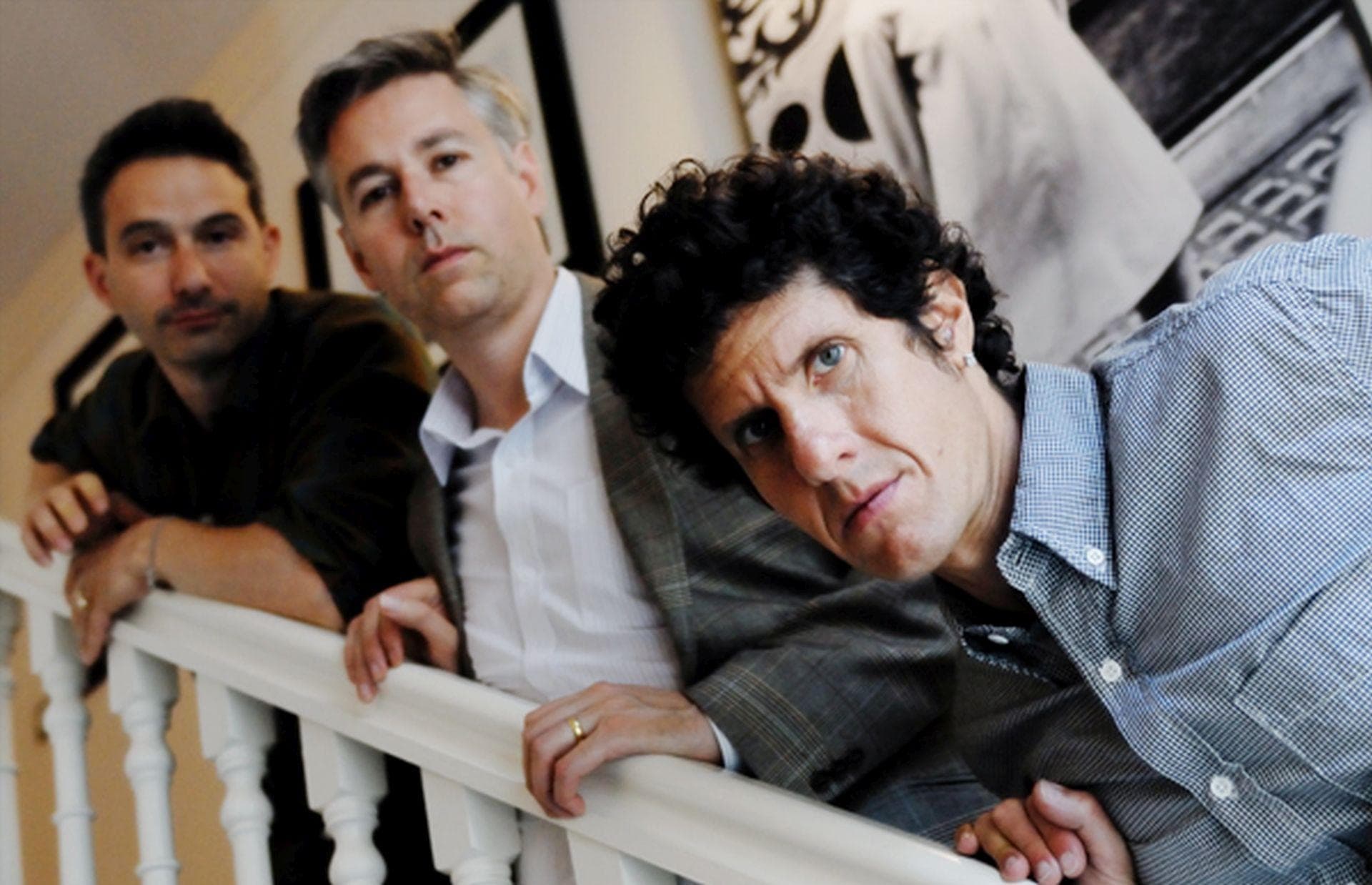
Whether written with the intent to uplift, inspire, comfort, or draw awareness, musical lyrics have the power to conjure deep emotions and a sense of connection among listeners. If written well, even song lyrics in other languages can get stuck in our heads for days at a time. And while we may know every word of our favorite songs, we often don't realize that there are surprisingly unexpected stories behind the lyrics we so easily recognize. Whether it's an upbeat tune or a dramatically somber melody, songwriters often draw on historical references to inspire the themes of the ballads they write. Historical references in songs from The Beatles to The Beastie Boys, here are some of the most notable songs with historical references we didn't catch before.

Entries
12
Votes
2.7K
Updated
yesterday

Tap upor downto vote. Your vote is added to Ranker's counts.

Voting identifies your browser with an anonymous fingerprint, stored only as a salted hash, to count one per visitor. Privacy

Source: Ranker, ranked by its voters.

  1. 1

    'We Didn't Start The Fire' By Billy Joel Holds 119 References As To Why His Generation Wasn't To Blame For The State Of The World
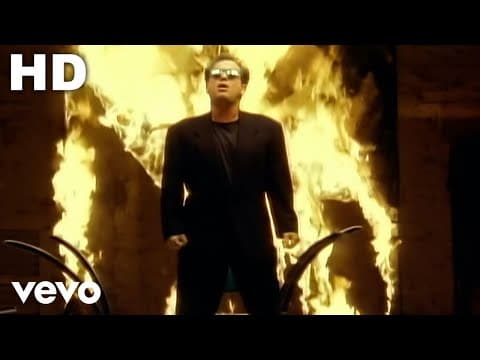
    The Lyrics: Harry Truman, Doris Day, Red China, Johnnie Ray South Pacific, Walter Winchell, Joe DiMaggio Joe McCarthy, Richard Nixon, Studebaker, television North Korea, South Korea, Marilyn Monroe Rosenbergs, H-bomb, Sugar Ray, Panmunjom Brando, "The King and I", and "The Catcher in the Rye" Eisenhower, Vaccine, England's got a new queen Marciano, Liberace, Santayana, goodbye We didn't start the fire It was always burning, since the world's been turning We didn't start the fire No, we didn't light it, but we tried to fight it… Historical Reference In ‘We Didn't Start The Fire’ Explained: In all, there are 119 historical references in Billy Joel's “We Didn't Start the Fire.” While all of the lyrics hold significance, some of the more poignant references include the mentioning of the H-bomb (a weapon of mass destruction more powerful than the atomic bomb that multiple nations stockpiled during the 1980s); the death of Soviet dictator Joseph Stalin and the subsequent inauguration of Georgy Malenkov as prime minister; Little Rock (pointing to the violence that broke out at a previously-designated all-white school after the ruling of Brown v. Board of Education); the American U-2 spy plane shot from the sky over the Soviet Union in 1960; and the Berlin Wall. Throughout the song, the singer also referenced many well-known figures, pop culture icons, and figureheads from the 1950s leading into the 1980s.

    83% upvoted
  2. 2

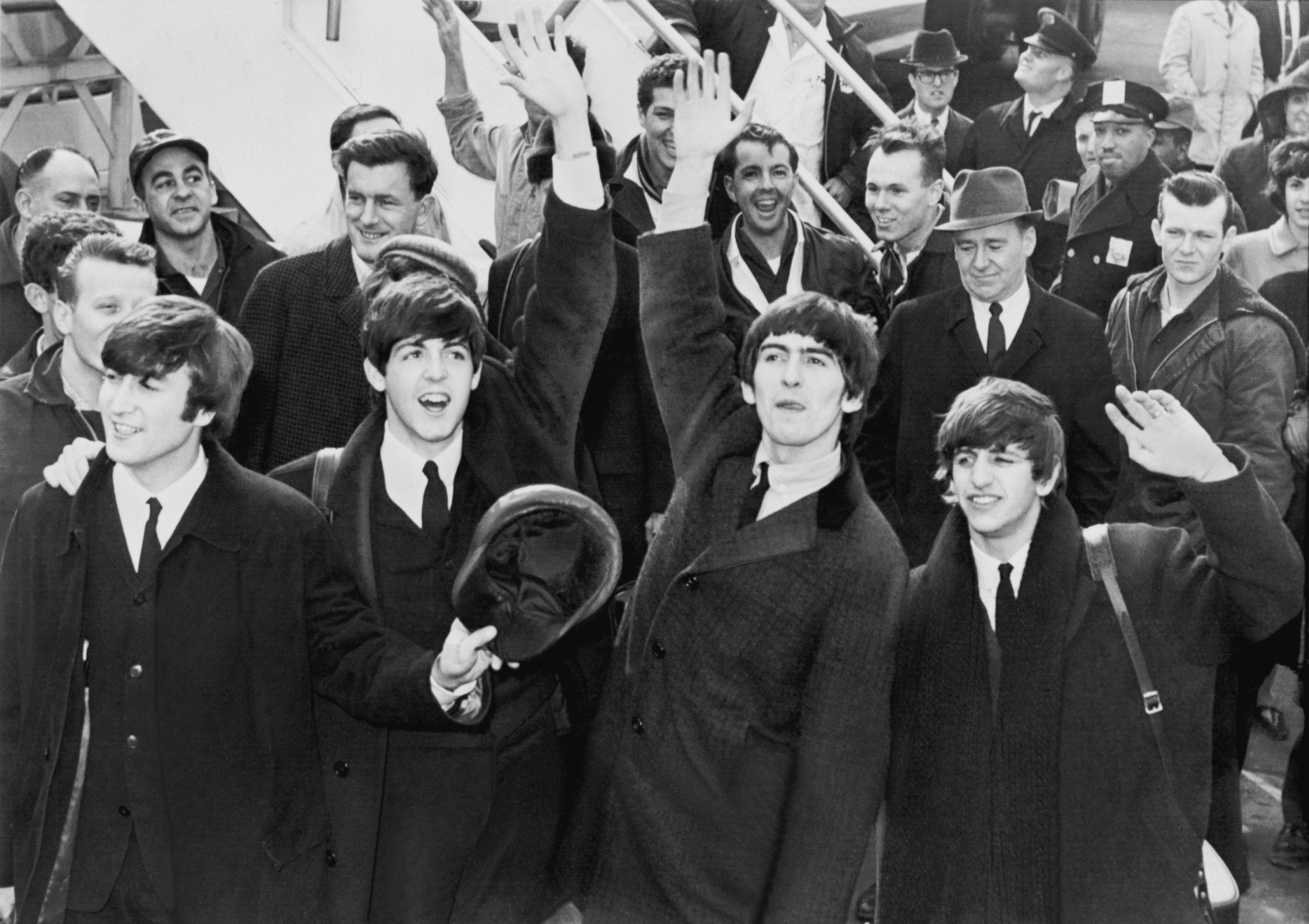
    'She's Leaving Home' By The Beatles Was Based On The Story Of An Actual Runaway

    The Lyrics: Wednesday morning at five o'clock As the day begins Silently closing her bedroom door Leaving the note that she hoped would say more She goes down the stairs to the kitchen Clutching her handkerchief Quietly turning the backdoor key Stepping outside, she is free She... (we gave her most of our lives) Is leaving (sacrificed most of our lives) Home (we gave her everything money could buy) Father snores as his wife gets into her dressing gown Picks up the letter that's lying there Standing alone at the top of the stairs She breaks down and cries to her husband Daddy, our baby's gone. Why would she treat us so thoughtlessly? How could she do this to me? She (we never thought of ourselves) Is leaving (never a thought for ourselves) Home (we struggled hard all our lives to get by) She's leaving home, after living alone, for so many years Historical Reference In ‘She's Leaving Home’ Explained: “She's Leaving Home” was inspired by the news story of a suburban London-based teenager, Melanie Coe, who ran away from home in 1967, despite her parents' insistence that she had everything, including a “wardrobe full of clothes” and an Austin 1100. Sympathizing with the young woman's situation, John Lennon even included lines used by his overly harsh Aunt Mimi in the lyrics. In the 1997 biography Many Years From Now, Paul McCartney revealed: We’d seen a story in the newspaper about a young girl who’d left home and not been found… There were a lot of those at the time, and that was enough to give us a story line. So I started to get the lyrics – she slips out and leaves a note and then the parents wake up – It was rather poignant. Lennon continued: Paul had the basic theme, but all those lines like, “We sacrificed most of our lives, we gave her everything money could buy, never a thought for ourselves…” those were the things Mimi used to say… It was easy to write. Years later, an adult Coe came to find that the song was, indeed, about her. The former runaway recalled: I first heard the song when it came out and I didn’t realize it was about me, but I remember thinking it could have been about me… I found the song to be extremely sad. It obviously struck a chord somewhere. It wasn’t until later, when I was in my twenties, that my mother said, “You know, that song was about you!” She had seen an interview with Paul on television and he said he’d based the song on this newspaper article. She put two and two together.

    83% upvoted
  3. 3

    'The Way It Is' By Bruce Hornsby Is About The Civil Rights Act Of 1964

    The Lyrics: Said hey, little boy, you can't go where the others go 'Cause you don't look like they do Said hey, old man, how can you stand to think that way? Did you really think about it before you made the rules? He said, son That's just the way it is Some things will never change That's just the way it is Ah, but don't you believe them Mm, yeah Well, they passed a law in '64 To give those who ain't got a little more But it only goes so far Because the law don't change another's mind When all it sees at the hiring time Is the line on the color bar, no Historical Reference In ‘The Way It Is’ Explained: In “The Way It Is,” Bruce Hornsby draws awareness to the socially accepted racism against the Black population despite the enactment of the Civil Rights Act of 1964. While laws dictated that everyone, regardless of skin color, was to be treated as an equal, they couldn't change the deeply entrenched societal views overnight. In an interview with Rolling Stone, the artist reflected on the song and its impact it had on pop culture: “The Way It is” was a wonderful accident, a great fluke. A song about racism with two improvised solos is hardly the formula for pop success then or at any time. Everyone thought it should have been a B-side, but then BBC Radio 1 played it and, boom, there it went. The last place it hit was in the United States… I’ve never counted it, but I read that my song has now been recorded 17 times by hip-hop artists. There are some great notable ones. E-40 did a great version. Mase. Snoop Dogg. Obviously, the iconic one is Tupac’s “Changes,” which at least in my book has endured as one of the archetypal protest songs regarding race in America. And my song obviously was on the same subject matter.

    83% upvoted
  4. 4

    Elvis Presley's 'Jailhouse Rock' Name Drops The Purple Gang

    The Lyrics: The warden threw a party in the county jail The prison band was there and they began to wail The band was jumpin' and the joint began to swing You should've heard those knocked out jailbirds sing Let's rock Everybody, let's rock Everybody in the whole cell block Was dancin' to the Jailhouse Rock Spider Murphy played the tenor saxophone Little Joe was blowin' on the slide trombone The drummer boy from Illinois went crash, boom, bang The whole rhythm section was a purple gang Historical Reference In ‘Jailhouse Rock’ Explained: At the same time that Chicago was known for its resident gangster Al Capone, Detroit's infamous criminals included such individuals as Sammie Cohen, the Burnstein Brothers, and the rest of the Purples. “Jailhouse Rock” includes a reference to this Purple Gang, and while the origin of the gang's name remains uncertain, the group of independent criminals were mainly involved in the hijacking of vehicles carrying bootlegged alcohol from Canada into the United States during prohibition. The crime syndicate controlled much of Detroit's underworld throughout the 1920s and were leading instigators in the Cleaners and Dryers War, a battle between the cleaning industry and its worker's union. Because most of Canada's whiskey supply was smuggled via the Detroit River, the gang played an essential role in the illegal liquor stocking industry. Rather than fight the Detroit gang's monopoly over the area, Al Capone employed the group to supply his Old Log Cabin whiskey. Some members also reportedly served as Al Capone's lookouts during the St. Valentine's Day Massacre.

    81% upvoted
  5. 5

    'Abraham, Martin, And John,' Sung By Dion DiMucci, References The Assassination Of American Leaders Who Stood For Equality

    They Lyrics: Anybody here seen my old friend Abraham? Can you tell me where he's gone? He freed lotta people but it seems the good they die young You know I just looked around and he's gone Anybody here seen my old friend John? Can you tell me where he's gone? He freed lotta people but it seems the good they die young I just looked around and he's gone Anybody here seen my old friend Martin? Can you tell me where he's gone? He freed lotta people but it seems the good they die young I just looked around and he's gone Didn't you love the things that they stood for? Didn't they try to find some good for you and me? And we'll be free Some day soon, it's gonna be one day Anybody here seen my old friend Bobby? Can you tell me where he's gone? I thought I saw him walkin' up over the hill With Abraham, Martin, and John Historical Reference In ‘Abraham, Martin, And John’ Explained: Upon hearing the news of Robert Kennedy's assassination in 1968, songwriter Dick Holler penned the mournful tune “Abraham, Martin, and John.” Connecting the efforts of John F. Kennedy and Martin Luther King Jr. to Abraham Lincoln, Holler ended the ballad with lines suggesting that Bobby Kennedy had suffered the same fate and was walking into eternity with those who fought for racial equality and were murdered before him. Holler recalled the fateful night that inspired his writing: I was with my partner, Phil Gernhard. I was his chief writer and associate producer, and we were in NYC actually doing an album with the Royal Guardsmen, their third album. I was in the hotel room sleeping. Gernhard was out partying, as he usually did late at night, and he came in at 2 or 3 in the morning and said, “Wake up! Wake up! They just shot Bobby Kennedy!” We got up and watched TV all night. We canceled the sessions we had coming up because we just didn’t feel like working. We went home to St. Petersburg, Florida. Phil said, “What shall we do?” I said, “Well, we should probably go into the office. There will be a lot of phone calls and stuff.” I went in there and our music group was in the back, and I went back there and wrote “Abraham, Martin and John.” I played him the song. We thought about changing it around, retitling it, but it pretty much stayed the way I wrote it… I wasn’t thinking much. I just turned on the tape recorder, which was always right there by the piano, and started the song.

    79% upvoted
  6. 6

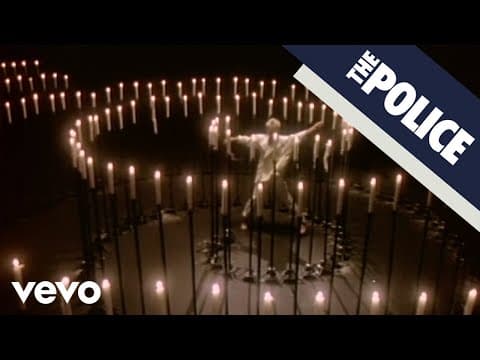
    'Wrapped Around Your Finger' By The Police Shouts Out Monsters From Greek Mythology

    The Lyrics: You consider me the young apprentice Caught between the Scylla and Charibdes Hypnotized by you if I should linger Staring at the ring around your finger I have only come here seeking knowledge Things they would not teach me of in college I can see the destiny you sold turned into a shining band of gold I'll be wrapped around your finger I'll be wrapped around your finger Mephistopheles is not your name I know what you're up to just the same… Historical Reference In ‘Wrapped Around Your Finger’ Explained: Scylla and Charybdis were first referenced in Homer's The Odyssey and were prominent fixtures in Greek mythology. Scylla was a cave-dwelling female monster who ravaged anyone who dared to step near her lair, and Charybdis hid under a fig tree, where she swallowed and regurgitated the waters that separated them, on a nearby opposite shore. Together, the two monsters threatened the Greek mariners who dared to enter their territory and represent the unfortunate circumstance of having to choose between two equally menacing options. Later, this metaphorical “rock and a hard place” would be pinpointed to the Strait of Messina due to the prevalence of rocks and whirlpools in the area.

    77% upvoted
  7. 7

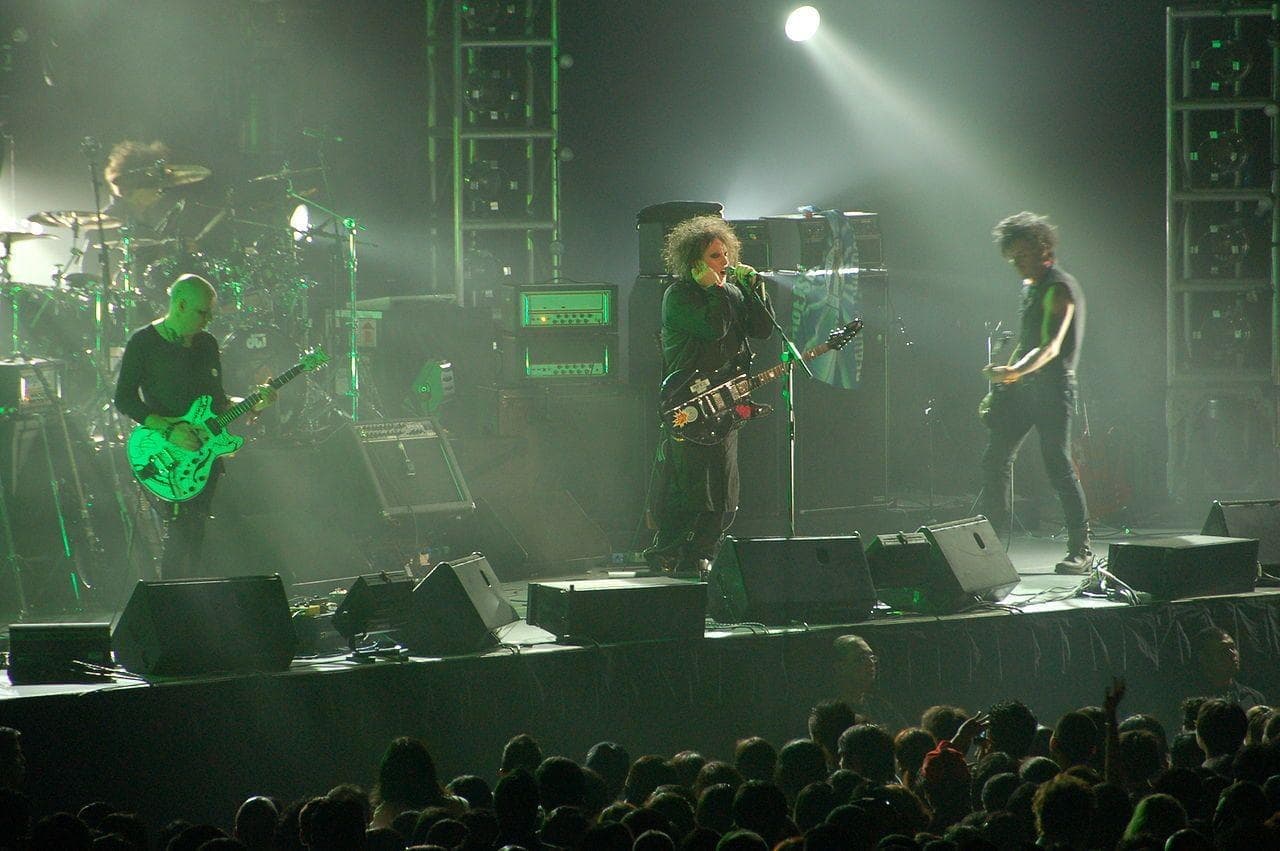
    The Cure's 'Killing An Arab' Is Based On Albert Camus's Novel 'The Stranger'

    The Lyrics: Standing on a beach With a gun in my hand Staring at the sea Staring at the sand Staring down the barrel At the Arab on the ground To see his open mouth But I hear no sound I'm alive I'm dead I'm the stranger Killing an Arab Historical Reference In ‘Killing An Arab’ Explained: Over the years, this Cure song has received its fair share of criticism. On the surface, the lyrics to “Killing an Arab” appear to promote violence and racism. However, Robert Smith has shared that as an avid reader, it was Albert Camus's 1942 novel, The Stranger, that inspired his lyrical prose. In an interview with Rolling Stone, the band's lead singer explained how fans and critics still find the song controversial decades after it was released: I went through a period when I was singing, “Killing another.” There are two periods where I was going to reintroduce it into the set, and both times it’s become a focal point. I’m still getting questions about it. I just wanted to reclaim it. I thought if I can’t do it now with the 40th anniversary of it, that’s it. What am I going to do, pretend I never wrote it? I’ve reached an age where I think if people misunderstand it and don’t bother to try and understand what the song is about, then tough shit, really. I’ve given up explaining. Go read Albert Camus. I mean, go read Albert Camus anyway, because he wrote some great books. It’s been misappropriated, and I thought I should take it back. In modern parlance, I should own that song again. The others will think, “Oh, come on, because it’s going to be a talking point."… I hope I’m not remembered just for that song. But I refuse to be cowed by the pressures not to play it, which are considerable actually. Particularly the moment we stopped playing it in America because, “Here comes another f***ing Gulf War.” And it’s like, “I wonder what they’re going to play.” It’s like idiot DJs dusting it off. It’s like a distraction, when it started happening. I’d be tearing my hair out literally, like, what the f***? How can I counteract this?

    76% upvoted
  8. 8

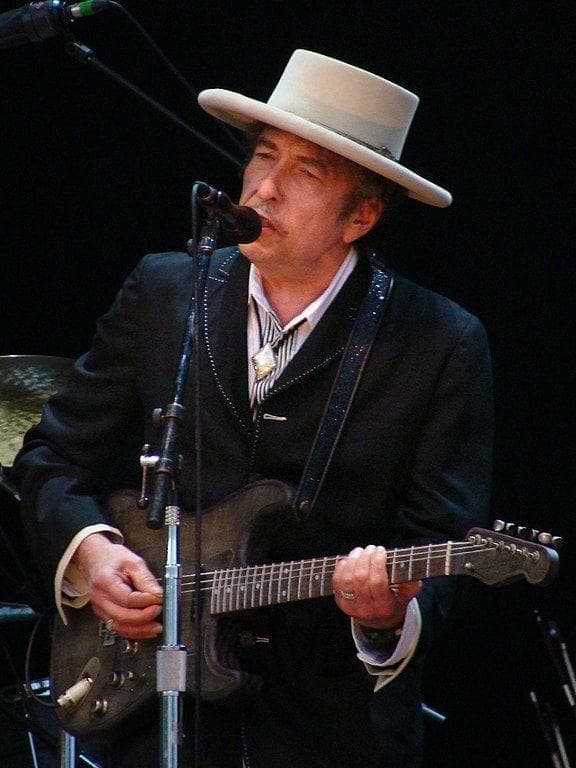
    Bob Dylan's 'Sweetheart Like You' References A Bible Verse

    The Lyrics: You know, news of you has come down the line Even before ya came in the door They say in your father's house, there's many a mansions Each one of them got a fireproof floor Snap out of it baby, people are jealous of you They smile to your face, but behind your back they hiss What's a sweetheart like you doing in a dump like this? Got to be an important person to be in here, honey Got to have done some evil deed Got to have your own harem when you come in the door Got to play your harp until your lips bleed. Historical Reference In ‘Sweetheart Like You’ Explained: The line "They say in your father's house, there's many a mansions" in “Sweetheart Like You” is an almost word-for-word reference to John 14.2, “In my Father's house are many mansions: if it were not so, I would have told you. I go to prepare a place for you.” Born into a Jewish family, Bob Dylan became a Christian in the late 1970s. While he recorded and produced this song after his Christian trilogy of albums were released from 1979-1981, Dylan continued to emphasize biblical themes in his music beyond the albums specifically dedicated to his newly found religion. According to the singer and songwriter, he found Jesus one night in a Tucson hotel room: [I felt] a presence in the room that couldn’t have been anybody but Jesus… Jesus put his hand on me… It was a physical thing. I felt it. I felt it all over me. I felt my whole body tremble. The glory of the Lord knocked me down and picked me up.

    70% upvoted
  9. 9

    In 'The Move,' The Beastie Boys Reference The Short Stature Of Painter Toulouse Lautrec

    The Lyrics: No time like the present to work sh*t out That's what I'm going on and on and on about Not fakin' just makin' beats in the dungeon Keep that sh*t funky cause the odor is pungent No shame in my game just par for the path I try to hone my craft because at hands the task But I find I'm not playing with a full deck I'm up to my neck like Toulouse-Latrec All I want to know is when is checkout time So I could be in heaven with the rhythm rock rhyme And when I'm with my man Shadi rock at the gates We'll be rockin' rhythms over disco breaks Historical Reference In ‘The Move’ Explained: Born to a family of wealthy, yet inbred, members of French society, painter Toulouse-Lautrec suffered from a condition that inhibited his ability to heal. After breaking both of his legs as a teenager, the bones were permanently stunted, causing his torso to grow into an adult form while his legs remained the length of his teenaged state. As a result, the influential Parisian artist stood at only 4'8" tall. The Beastie Boys mentioning “I'm up to my neck like Toulouse Lautrec” in “The Move” references the artist's unfortunate circumstances that led to his short stature.

    71% upvoted
  10. 10

    The Decemberists Wrote A 16-Minute Long, Three Part Epic About An Old Japanese Folk Tale For Their Album, 'The Crane Wife'

    The Lyrics: And all the stars were crashing 'round As I laid eyes on what I'd found It was a white crane It was a helpless thing Upon a red stain With an arrow in its wing and it called and cried... and it called and cried so and it called and cried... and it called and cried so And all the stars were crashing 'round As I laid eyes on what I'd found My crane wife My crane wife My crane wife My crane wife And now I helped her And now I dressed her wounds And now I held her Beneath the rising moon And she stood to fly... And she stood to fly away And she stood to fly... And she stood to fly away Historical Reference In ‘The Crane Wife’ Explained: In the epic, “The Crane Wife,” The Decemberists composed a 16-minute-long, three-part lyrical series that loosely paid homage to an old Japanese folk tale. In addition to retelling the story of Tsuru no Ongaeshi, a crane who takes on the human form of a woman and plucked her own feathers to weave fabrics that support herself and her spouse, songwriter Colin Meloy also included the historically violent themes of the American Civil War, World War II, and the political turmoil of Northern Ireland in other songs on The Crane Wife album.

    71% upvoted