Skip to content
maxnews
Rankings

12 Inventions Sci-Fi Warned Us About - And Then Real Scientists Just Invented Them Anyway

Since the beginning of cinema, science fiction movies have been accurately predicting future technologies and scientific breakthroughs. The movie most frequently cited as the first film in the genre, 1902’s A Trip to the Moon, predated the moon landing by 67 years, while Star Wars and Star Trek are rife with future innovations, such as holograms, 3D printing, and tablets. Such technologies are relatively harmless, but in many sci-fi movies, the inventions are more cautionary than inspiring, making it all the more chilling when real scientists ignore the warning signs and invent them anyway. Science fiction often presents dystopian worlds that hint at horrors the future might hold. They imagine alternate scenarios in which governments control their citizens with mind-reading technology, killer robots roam the streets, and neural implants explode inside people’s heads. They present near futures in which climate change has forced scientists to take deadly action or worlds in which individuals confide more in artificial intelligence than in each other. Some of these inventions are so upsetting that they seem almost apocalyptic, and yet, they all exist in some form. From RoboCop to Snowpiercer, these movies warned us about inventions that have become all too real. Vote up the advancements that exist in the real world that movies have proven are a bad idea.

Entries
12
Votes
3.2K
Updated
2 days ago

Tap upor downto vote. Your vote is added to Ranker's counts.

Voting identifies your browser with an anonymous fingerprint, stored only as a salted hash, to count one per visitor. Privacy

Source: Ranker, ranked by its voters.

  1. 1

    Amazon Patented A Wristband That Can Track Employees’ Every Move And Provide 'Haptic Feedback' To Correct Their Behavior
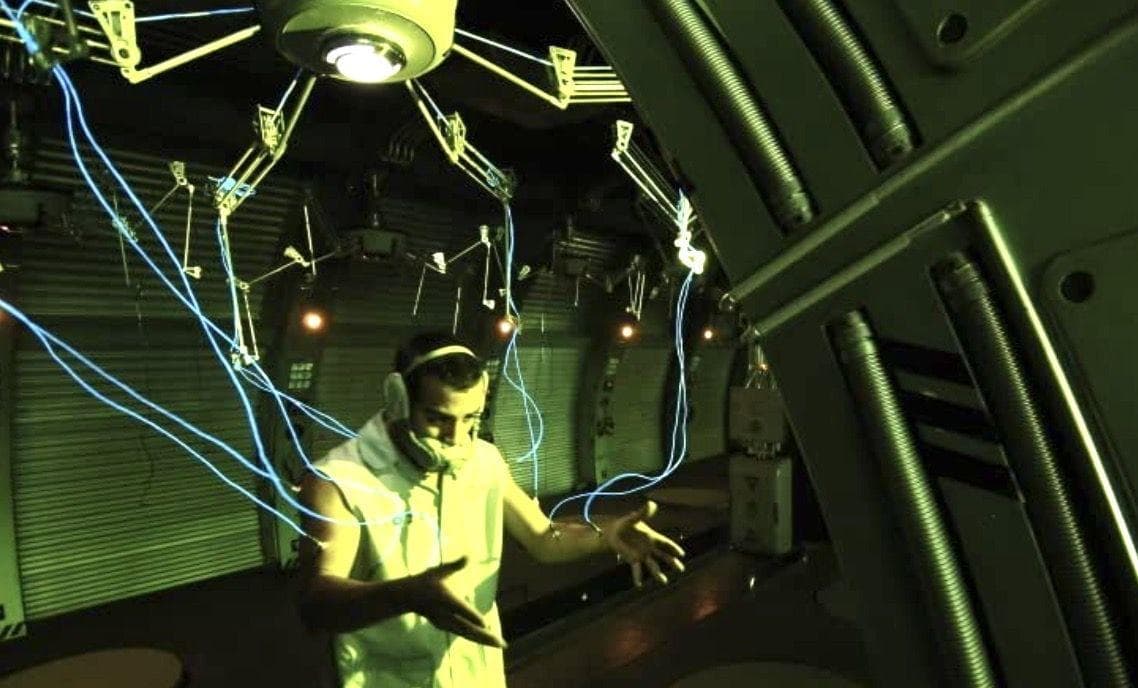
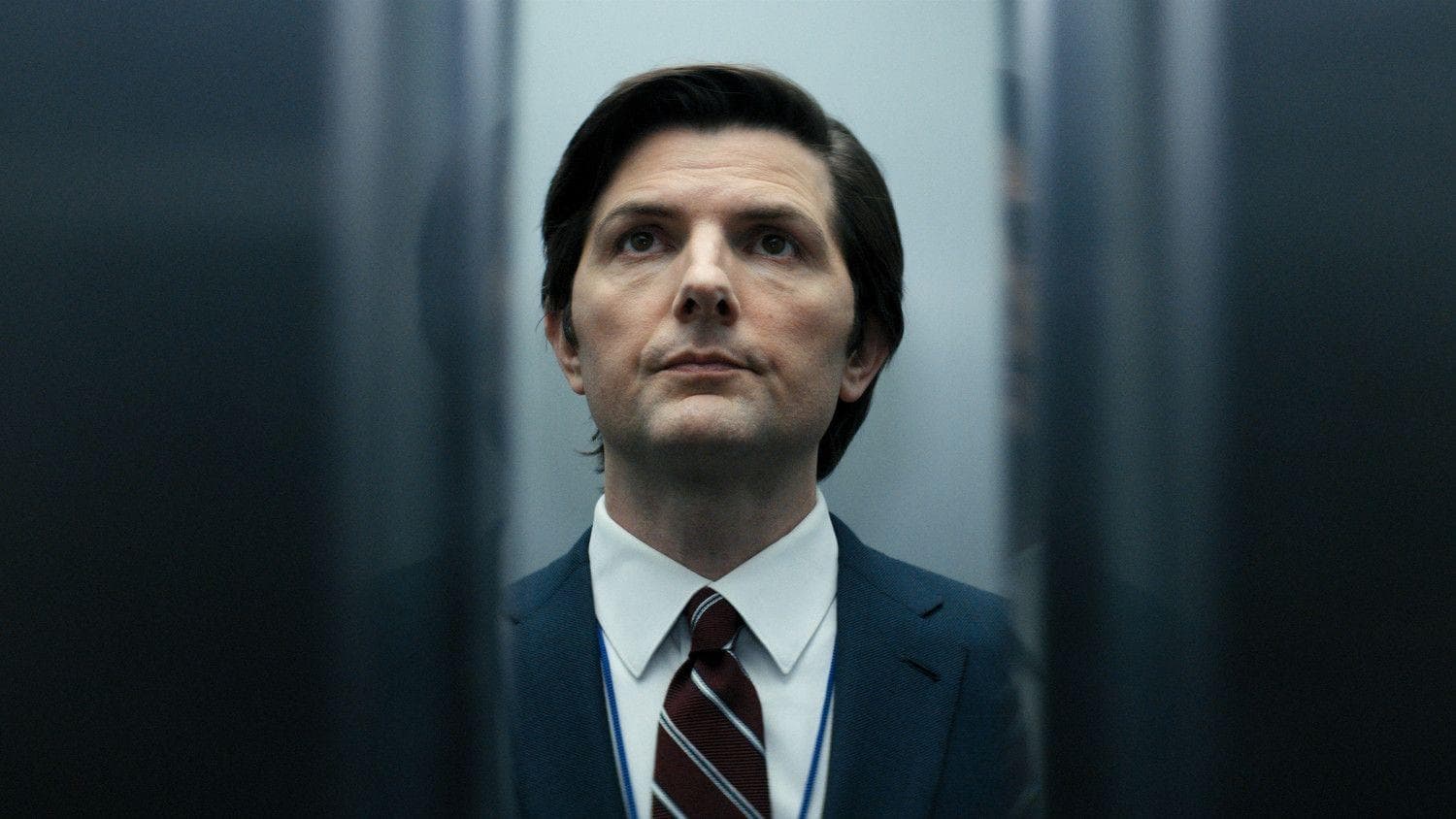
    Since the early days of cinema, filmmakers have explored the convergence of technology and the labor force, imagining dystopias in which human workers are exploited, controlled, and cast aside by machines. In the 1927 classic Metropolis, factory workers are literally eaten alive by the monstrous machine they operate. In 2008’s Sleep Dealer, South American immigrants are kept on the Mexican side of the border and hooked up to a cybernetic network that allows them to control the movements of robots in the US, a technology that exploits their labor while preventing them from crossing into the country. The series Severance depicts employees of a mysterious company whose brains are separated via a surgical implant into distinct consciousnesses - a work self and a home self. The company coerces, abuses, and imprisons the workers, ensuring that they glean every ounce of productivity from them without protest. The labor force in the real world has always transformed alongside technological innovation, but robots replacing workers on an assembly line is nowhere near as ominous as the technology portrayed in science fiction that physically controls the bodies and minds of human workers. You’d think these innovations would be left to dystopian thrillers, but it was only a matter of time before a company decided to try them out. In 2018, Amazon secured two patents for wristbands that would monitor its workers’ movements and correct them via a warning vibration. Employees had already accused the company of inhuman labor conditions, asserting that they were pushed to exhaustion by unrealistic targets. One employee told the New York Times that he and his colleagues were treated like machines, saying, “The robotic technology isn’t up to scratch yet, so until it is, they will use human robots.” Amazon’s workplace surveillance led to a widespread movement among its warehouse workers to unionize. In response, the company reportedly made plans to release an internal chat app that would ban words such as “slave labor,” “union,” “pay raise,” and “plantation.” These inventions may not be eating employees alive like the machine in Metropolis, but they give any cinematic dystopian workplace a run for its money.

    91% upvoted
  2. 2

    Dystopian ‘Social Credit’ Systems Predicted In ‘Demolition Man’ And ‘Black Mirror: Nosedive’ Have More Or Less Become A Reality In China

    Government surveillance and control are staples of science fiction, and one of the most invasive forms is social credit systems. In Demolition Man, Sylvester Stallone’s character wakes up after decades in a cryogenic chamber to find a completely different Los Angeles to the one he’d left. Crime is practically non-existent, people talk to computers, and Taco Bell is a delicacy. But there is also a strictly implemented moral code that bans swearing, meat, contact sports, non-educational toys, and spicy food. People who violate the rules are fined and docked points on their social credit. A more dramatic and chillingly realistic portrayal of a social credit system can be found in the “Nosedive” episode of Black Mirror, in which a person’s social standing and economic status are determined by a ratings system. Each interaction, from purchasing coffee to chatting with an acquaintance, leads to a rating from zero to five stars. People with a high cumulative score get discounts on mortgages and invitations to events, while people with low scores are social outcasts. It’s a dystopian and eerily believable scenario for the near future, but in one part of the world, it already exists. Since 2014, the Chinese government has been rolling out a “social credit system” whereby individuals, companies, and government entities have a rating. In 2022, a draft law was released that would make the system mandatory, with consequences for those whose ratings dip below a certain threshold. The purpose, according to the Chinese government, is to enhance trust within society. People and companies are rated based on their levels of perceived “trustworthiness” in contexts as widespread as business dealings and familial relations. Activities that boost a person’s score include acts of heroism, good financial credit, taking care of elderly relatives, and praising the government online. Activities that lower a person’s score include “insincere” apologies, cheating in online games, not visiting relatives, criticizing the government, and committing traffic violations. Rewards for high scores include free gym memberships and skipping hospital waiting lists, while punishments include bans from airlines, revocation of public services, and public shaming. The public shaming component could consist of publicly located screens that show the faces and ID numbers of low-ranking individuals. The system has received widespread outcry from foreign governments, but given the fact that many people already use ratings to determine which movies to watch, where to have dinner, and which accountant to hire, the condemnation looks increasingly hypocritical.

    89% upvoted
  3. 3

    ‘You Die In The Matrix, You Die For Real’ Was Apparently An Invitation For The Oculus Rift Creator, Who Created A VR Headset That Can (Theoretically) Kill You If You Die In VR

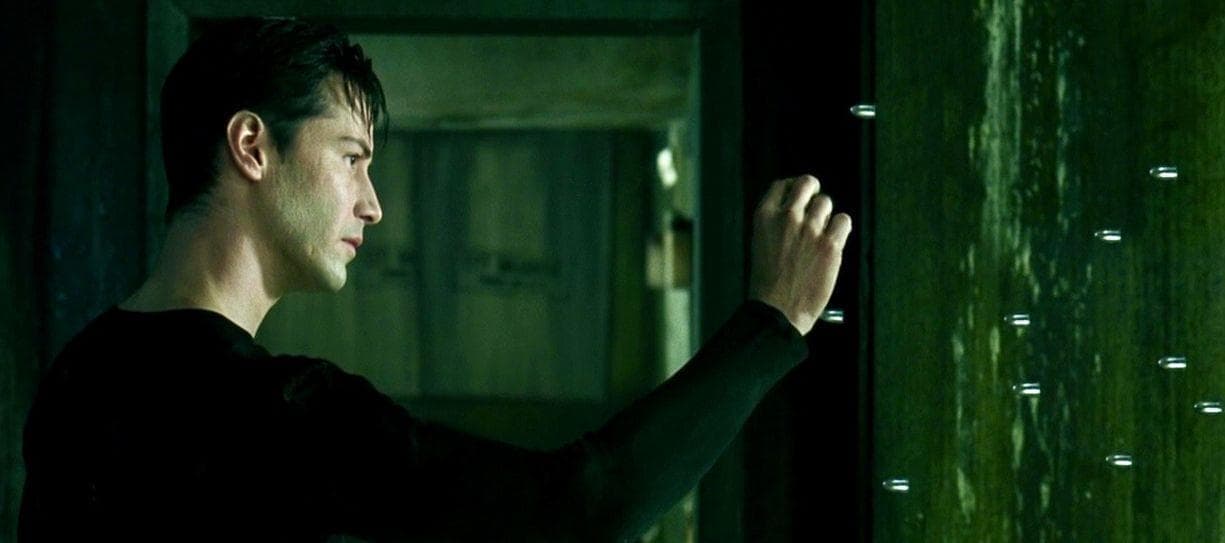
    Tech bros aren’t the most beloved members of society, but the creator of Oculus Rift drew larger-than-usual pushback for his jaw-dropping proposal for the next phase of virtual reality headsets. You might remember that line in The Matrix when Morpheus tells Neo that if a person dies in the Matrix, they die in the real world. It’s a moment where the audience grasps the significance of Neo’s decision to take the red pill, establishes the rules of the world within the film, and raises the stakes of the narrative. It’s a revelatory moment in a thrilling sci-fi action movie, but it’s not exactly aspirational. Most people aren’t flocking to VR in the hopes that it will kill them in real life. But this was precisely the goal of Oculus founder Palmer Luckey, who announced in 2022 that he had created a VR headset that would kill people in the real world if they died in a video game. Based on a fictional headset in the anime series Sword Art Online, Luckey’s so-called NerveGear headset contains an explosive device that would kill the user as soon as they died in a video game. “When an appropriate game-over screen is displayed,” he explained, “the charges fire, instantly destroying the brain of the user.” He said that he has always been fascinated by tying a person’s real life with their in-game avatar because it “instantly raise[s] the stakes to the maximum level and force[s] people to fundamentally rethink how they interact with the virtual world and the players inside it.” He added that “the good news” was that he was halfway to making NerveGear a reality, but “the bad news” was that the only aspect he’d figured out was the lethal explosive device. The invention included an “anti-tampering mechanism” that prevents the user from removing the headset if they want to back out of, you know, having their head blown up. “It is also, as far as I know, the first non-fiction example of a VR device that can actually kill the user,” he said. “It won’t be the last.” Whatever reality he’s living in, Palmer does not seem to have inspired other entrepreneurs with this one.

    91% upvoted
  4. 4

    Law Enforcement Can Use Advanced Algorithms To Ramp Up ‘Predictive Policing’ Similar To ‘Pre-Crime’ From ‘Minority Report’ (Without The Psychics)

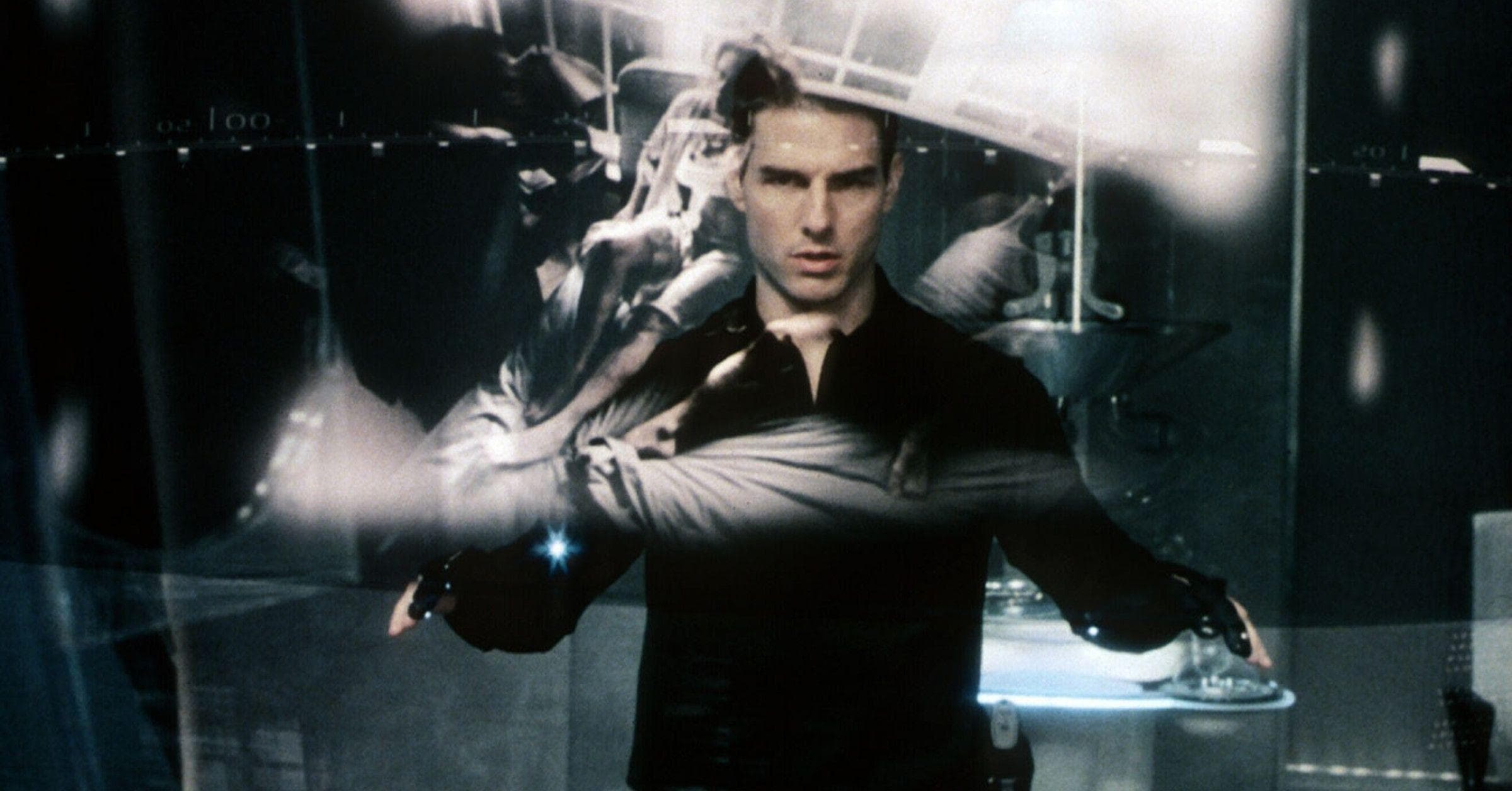
    Steven Spielberg’s 2002 sci-fi thriller Minority Report revolves around a futuristic arm of law enforcement called Pre-Crime, in which mediums - known as “precogs” - predict and therefore prevent future crimes. Tom Cruise stars as John Anderton, the commanding officer of the program who begins to have doubts about its accuracy when he is accused of a future murder. Even though the city has rid itself of crime through the precogs’ clairvoyance, the movie raises questions not only about free will, but also about the people who run the technology. In the world of Minority Report, the leaders of the Pre-Crime program hide discrepancies (also known as minority reports) in the precogs’ predictions, but also bury their own murderous crimes and frame their enemies. In the real world, where criminals are said to be innocent until proven guilty, predicting crime would seem relegated to dystopian fiction, but it exists, and it’s only becoming more popular among authorities. In 2022, researchers from the University of Chicago claimed to have developed an algorithm that accurately predicted crimes 90 percent of the time. Their model forecasts areas where crime might occur rather than who might be perpetrating them, but it still raises red flags for some researchers. Predictive policing algorithms are based on police data which is shaped by police activity, and police activity skews disproportionately toward minority and low-income communities. A pre-crime program in Los Angeles was scrapped in 2019 for this reason. In Florida, however, pre-crime programs are in full swing, with law enforcement maintaining lists of people who they decide are likely to commit a crime. Some of their predictions are based on previous arrests, but others are based on children’s grades, histories of abuse, and school attendance records. "Someone should tell the Tampa police that Minority Report was a *dystopian* society,” a reporter quipped on Twitter, “Not, like a prescriptive idea of how we should actually fight crime.”

    88% upvoted
  5. 5

    Solar Engineering Is Being Developed To Spray Aerosol Injections Into The Atmosphere To Block Sunlight And Slow Climate Change, Which Is Exactly How ‘Snowpiercer’ Starts

    Snowpiercer is centered around the premise that scientists’ attempts to cool the sun and curb climate change inadvertently caused another ice age. Set on a train barreling through an icy tundra, the movie follows the handful of people who escaped the frozen planet and now circumnavigate the globe. They have reverted to a medieval hierarchy in which the lower classes live in squalor and the upper classes live in luxury. Children are enslaved, the poorest members of the train are regularly culled, and there are no solutions for getting off the train and starting a new life. It’s a terrifying portrait of a well-intentioned scientific “solution” gone wrong, and yet, scientists are working rapidly to replicate the exact same experiment that caused near-extinction in the movie, believing it might be the only way to solve the climate crisis. Faced with the imminent and dire consequences of a rapidly warming planet, scientists are exploring the possibility of blocking the sun with airborne chemicals such as sulfur, aluminum, and diamond dust, to bring the global temperature back to manageable levels. Stratospheric aerosol injection (also called “solar geoengineering” and “solar-radiation management”) is being seriously studied by multiple organizations, and scientists insist it is only a matter of time before it's implemented. Creating another ice age isn’t at the top of their critics’ list of concerns, but they do warn of other consequences. Dimming the sun could make it harder for plants to grow, and cause frigid temperatures in places that are already cold. Flooding could increase in some areas, while other areas could experience aggravated droughts. The result, scientists say, could be nothing less than nuclear annihilation if one country is on the losing side of another country’s decision to launch a solar geoengineering program. These all-too-real considerations are more complex than the world-killing ice age in Snowpiercer, but no less dire.

    87% upvoted
  6. 6

    Brain/Neural Implants In Movies Are Always Used To Track, Control, Or Kill The User - And Now They're Real

    Whenever there’s a brain implant in a movie, you can be fairly certain that something terrible is going to happen. Whether it’s the consciousness-splicing implants in Severance or the chips in Johnny Mnemonic that turn humans into disposable data couriers, these devices are usually used by corporate or government overlords to dehumanize and exploit people. The Belko Experiment and Brandon Cronenberg’s Possessor take the idea to extremes, presenting neural implants that are used to kill their hosts. In Belko, the implants are explosive devices that a company uses to exterminate its workers; in Possessor, the implants are a way for an assassin to infiltrate her victims’ brains and drive them to commit murder before killing themselves. Even when implants are ostensibly used as medical breakthroughs in movies, there is always a catch. In Upgrade, for example, an implant that makes the paralyzed protagonist able-bodied and superhumanly powerful turns out to be a corrupted technology with a mind of its own that is trying to become human. Based on sci-fi movies, at least, science should probably steer clear of neural implants, but researchers are already putting these devices into people’s brains and claiming that they represent a medical breakthrough. In mid-2022, 34 people had neural implants in their brains to counteract blindness, deafness, and loss of mental or physical function. The technology operates by translating neural signals into movement, and the possibilities are, well, mind-bending. One company is developing implants that would send information straight to a person’s visual cortex, bypassing the need for functioning eyes. Although the technology is currently being used for medical purposes, there are plenty of ethical concerns. Elon Musk, for example, is working on an implant through his company Neuralink that would give humans “digital superintelligence.” Acknowledging the dangers involved in merging the human brain with AI, he explained that he wanted to create a neural device that would “be vastly more intelligent than the cortex but still co-exist peacefully and in a benign manner with the cortex and limbic system.” Anyone who’s seen a single sci-fi movie will be hearing alarm bells right about now, and scientists are right there with them. In 2019, researchers from Imperial College London predicted that, by 2040, neural implants will be a common treatment for paralysis, Alzheimer’s disease, and depression, but warned that the consequences could be severe, including the ability of governments and companies to access people’s thoughts and emotions.

    88% upvoted
  7. 7

    Decades After ‘RoboCop,’ Real Cities Decided To Arm Robot Cops With Lethal Weapons

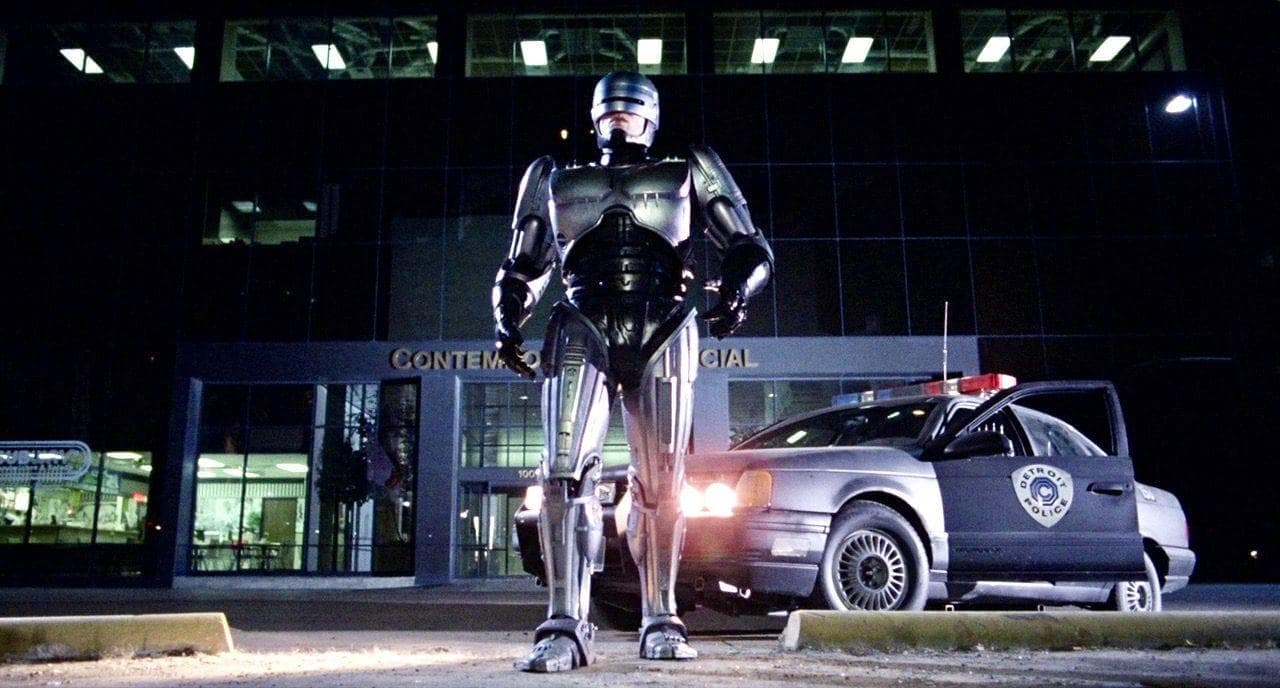
    Paul Verhoeven’s 1987 sci-fi classic RoboCop imagines a near-future in which a private corporation called Omni Consumer Products takes over the police force in Detroit and creates cyborg officers. The first iteration of their robots murders a member of the company. The second iteration is more successful. Created from the body of Alex Murphy (Peter Weller), a murdered cop, RoboCop is lethal and loyal, efficiently dispensing with criminals and adhering to his bosses’ orders. When he learns that he used to be a human cop, however, he starts asking questions and discovers that Omni is responsible for Murphy’s murder. When he tries to apprehend the executive responsible, he finds that his programming prevents him from arresting a member of the corporation, even when that person is a criminal. You don’t need a dystopian movie to tell you that cyborg cops are a bad idea, especially when they’re given the power to use deadly force. This was not, however, a deterrent for the city of Dallas, which dispatched a robot in 2016 to kill a sniper who had murdered several police officers. US law enforcement has used robots to save people from burning buildings and dismantle bombs for years, but this was the first known instance of a robot being configured to use deadly force. In 2022, San Francisco was poised to introduce its own fleet of lethal cyborgs but backed out at the last minute after a public outcry. One of the signs wielded by protesters read, “We all saw that movie… No Killer Robots.” The backlash wasn’t about the possibility of robot malfunctions or the inherent lack of humanity of AI, but about the fallibility of the people who invent and deploy the technology, specifically the police’s history of killing Black and Hispanic people at disproportionately high rates. RoboCop provides a similar illustration of the risks, in which the company behind the cyborg is the villain, not the cyborg itself. The initiative may have failed in San Francisco, but militaries across the world continue to develop killer robot technology at breakneck speed.

    86% upvoted
  8. 8

    The Genetic Engineering Prophesied In ‘Gattaca’ Has Become A Practical Reality

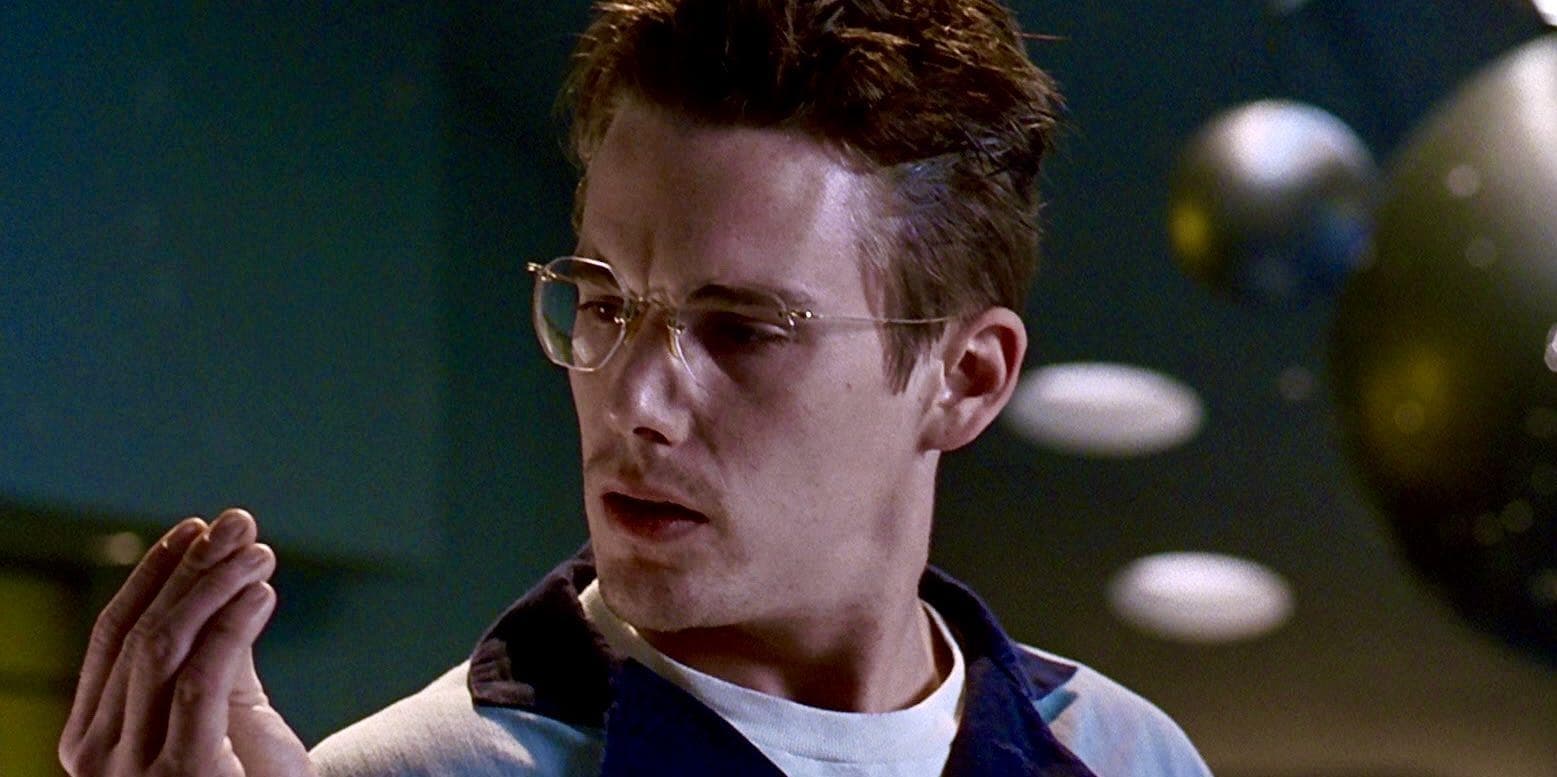
    Some science fiction movies only get credit with age. When Gattaca was released in 1997, it was a box office bomb, amassing only $12 million at the box office despite positive reviews. In the ensuing years, however, its profile has continued to rise, and it’s now a bona fide classic of the genre due in no small part to its prescience surrounding genetic engineering. In the movie, society is divided into “valids” (people who have pre-selected genes), and “invalids” (people who were born naturally, often from families who couldn’t afford genetic selection). Valids are the ruling class, with guaranteed lucrative jobs, physical perfection, and respect. Invalids languish in low-paying jobs, variable health, and discrimination. Ethan Hawke plays an enterprising invalid who tries to buck the system, but the premise of the movie is clear: genetic engineering has dangerous implications for social mobility and free will. Tampering with human DNA raises an unending number of existential and logistical questions, but scientists have a habit of pushing the boundaries in their fields, and genetic engineering is no different. “Designer babies” have been an inevitability since the identification of the double helix in the 1950s. By the 1980s, the groundbreaking gene-editing tool known as CRISPR was invented, and in 2017, it was used to remove disease-causing genes in embryos. Although IVF clinics have allowed prospective parents to select their preferred embryos for years, CRISPR allows scientists not only to remove unwanted genes, but also add desired ones. Most scientists are wary of these possibilities, and the process is illegal in many countries. In 2018, a scientist in China was sentenced to three years in prison for genetically editing embryos that were implanted into two women and resulted in three genetically engineered children. Although scientists insist that the technology is not precise enough to create designer babies yet - and point to the fact that Ethan Hawke’s character in Gattaca is proof that genetics alone do not determine a person’s destiny - the case of the scientist in China demonstrates that some researchers are willing to push the boundaries despite the risks, and that the near future may look more like Gattaca than anyone is prepared for.

    84% upvoted
  9. 9

    Researchers Have Discovered How To Micro-Target Specific Memories And Erase Them So That You Can (Potentially) ‘Eternal Sunshine’ Yourself

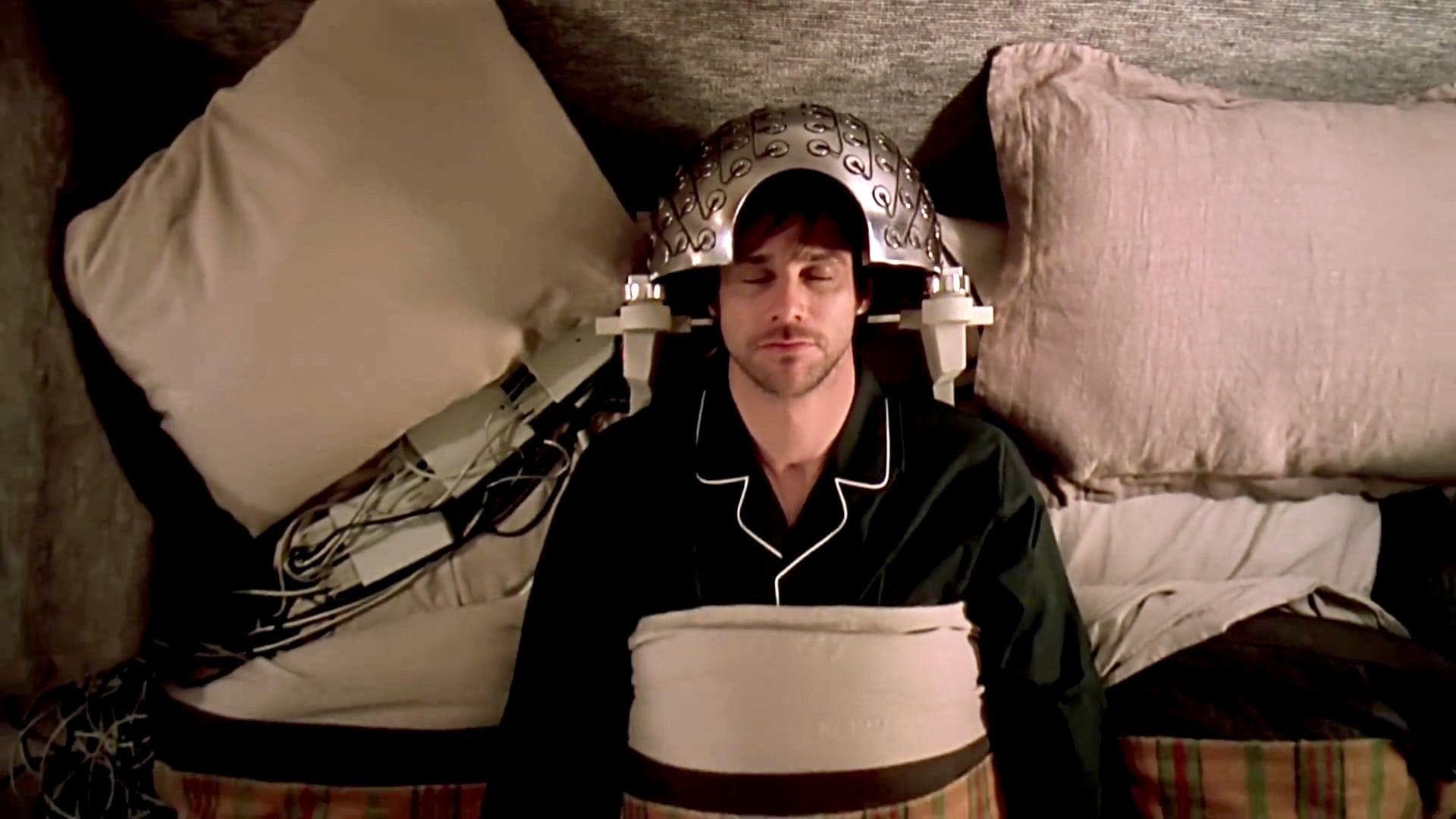
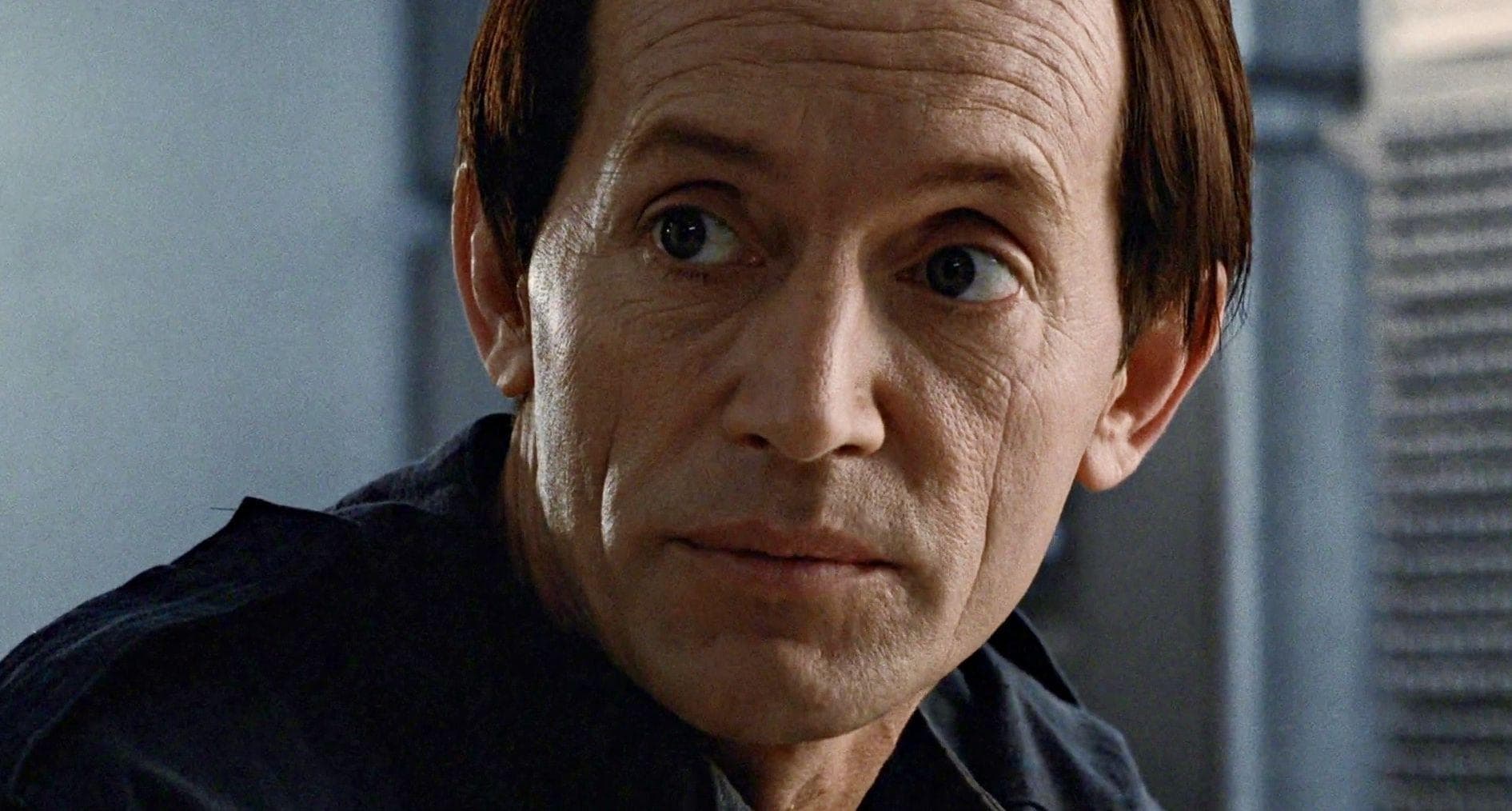
    Eternal Sunshine of the Spotless Mind offers a pretty bleak outlook on memory-erasing technology. Jim Carrey and Kate Winslet star as Joel and Clementine, a couple whose volatile relationship leaves them so bitter that they decide to undergo procedures to erase their memories of each other. Joel regrets his decision halfway through and tries to protect his memories through his subconscious mind, while Clementine is preyed upon by one of the technicians from Lacuna Inc. who performed her procedure and uses his intimate knowledge of her memories to romantically manipulate her. Through it all, the couple retains flashes of emotional recollection even as their conscious memories have been excised. Aside from the rampant ethical questions raised, the movie tests the desirability of selective memory erasure by demonstrating that even when a person goes through an intensely painful experience, they may not actually want to forget it happened. It’s an understated exploration of how memory shapes identity and ensures autonomy, and is therefore a cautionary tale about the technology it portrays. And yet, a similar procedure is now a reality and is touted as a game-changing therapy by some doctors. In studies on mice, scientists proved that they could find the precise brain cells where a certain traumatic memory was stored (in this case, the memory of an electric shock rather than a breakup) and target them to decrease the activity in that part of the brain. The effect essentially turned the memory off. The scientists asserted that this held profound implications for treating PTSD, but even if the technology was precise, the ethical and existential fallout could be significant. Dr. Crystal L'Hôte, an associate professor of philosophy at Saint Michael’s College, said that medications are already being used to dampen negative emotions triggered by certain memories, but argued that erasing the memories altogether was a dangerous path. Not only would it raise questions about truth and identity, but would also impair people in the long run. "If you erase the memories,” she points out, “you’re not going to grow and learn from your mistakes and you’re likely to repeat the same mistakes that you’ve made before.” Joel and Clementine would likely be destined for the same fate at the end of the movie when they meet again, but a flicker of hope remains due only to the fact that they retain just enough residue of their past to (hopefully?) avoid the same pitfalls.

    83% upvoted
  10. 10

    The CIA And The Tech Industry Are Working To Resurrect Extinct Species Using Advanced Genetic Sequencing, Decades After ‘Jurassic Park’

    If there’s one takeaway from Jurassic Park, it’s that dinosaurs are really, really scary. It may seem fun to have a park full of prehistoric creatures, but as soon as the security system fails, your chance of survival is approximately zero percent. The message of the movie is so clear that the 2015 reboot of the series, Jurassic World, had an uphill battle justifying its own existence. Surely the new owners of Isla Nublar would have learned from the previous owner’s mistakes and stayed well away from cloning dinosaurs. But apparently, the greed of the fictional theme park owners knows no bounds, and they are destined to repeat the catastrophic mistakes of their predecessors. “These people,” Omar Sy’s character mutters. “They never learn.” Neither do real-life scientists, it turns out. In 2020, researchers discovered cells and nuclei of dinosaurs in prehistoric fossils, and possibly traces of DNA. Such a revelation could pave the way to the de-extinction of the species. While this may seem far-fetched, there is already a tech startup vowing to bring back woolly mammoths and Tasmanian tigers through genetic engineering, and it has received financial backing from the likes of billionaire Peter Thiel, self-help guru Tony Robbins, the CIA, and 2000s it-girl Paris Hilton. Scientists criticize the de-extinction of such species for diverting precious funding away from animals that are currently endangered, but the project barreled ahead. Dinosaur cloning may not be much further off, according to DNA expert Hendrik Poinar, whose father was part of the inspiration behind Jurassic Park. “I never used to think it would be possible to get genomes,” he admits. “But we now get genomes. I never thought we could actually reconstruct parts of those genomes, but we’ve done that, too. Will we ever find a dinosaur that has viable DNA? I’ve learned to never say never.” Poinar is blunt about his opinions on the matter, pointing out that modern science has no understanding of how ancient species operate. Citing the fact that nearly 99 percent of species have gone extinct, he says, “We should leave them in the past.”

    74% upvoted