Skip to content
maxnews
Rankings

12 Historical Lasts That Made Us Say 'Really?'

History is full of firsts, lasts, and everything in between. From the last survivors of historical events to the overall run of a particular historical phenomenon, "lasts" in history tell us a lot about shifting perspectives and practices. There are numerous historical last happenings we'll never know. Sometimes, the final time an event takes place, the individuals involved don't even know it's the "last." At other times, the end of an era, so to speak, signals a welcome change, and looking ahead is much more appealing than focusing on the past. Numerous historical lasts have been recorded. They mark the passage of time in a way that can reshape how you view history. From long-lasting trends to short-lived practices, take a look at these historical lasts and vote up the ones that surprise you the most.

Entries
12
Votes
4.3K
Updated
2 days ago

Tap upor downto vote. Your vote is added to Ranker's counts.

Voting identifies your browser with an anonymous fingerprint, stored only as a salted hash, to count one per visitor. Privacy

Source: Ranker, ranked by its voters.

  1. 1

    Last Citizen Of The Soviet Union, 1992

    The fall of the Soviet Union jettisoned millions of individuals into a new existence as new countries formed and citizenships of various kinds came to fruition. The collapse of the Soviet Union slowly took place during the late 1980s and into the early 1990s, with the official dissolution of the USSR on December 25, 1991. Sergei Krikalev became the Soviet Union's so-called "last citizen" because he was in space when the government fell. Krikalev was a cosmonaut and, until March 1992, didn't have a country to bring him home. A 33-year-old at the time, he had been aboard the Mir space station for about four months when the Soviet Union fell. He expected to complete his five-month journey in January 1992. He was asked to stay in orbit by mission control - twice - because as Krikalev later recalled, "the country is in such difficulty, the chance to save money must be (the) top priority." Krikalev worried about his health as his time in space grew longer and longer, ultimately spanning 311 days (a world record). It was only after Germany paid for a replacement aboard Mir that Krikalev reentered Earth's atmosphere, "pale as flour and sweat, like a lump of wet dough," according to reports. He landed on March 25, 1992, in what had become Kazakhstan, while the town in which he lived had been renamed from Leningrad to St. Petersburg. Krikalev soon became the newest resident of the independent state of Russia.
    94% upvoted
  2. 2

    Last New Landmass Formed On Earth, 2015

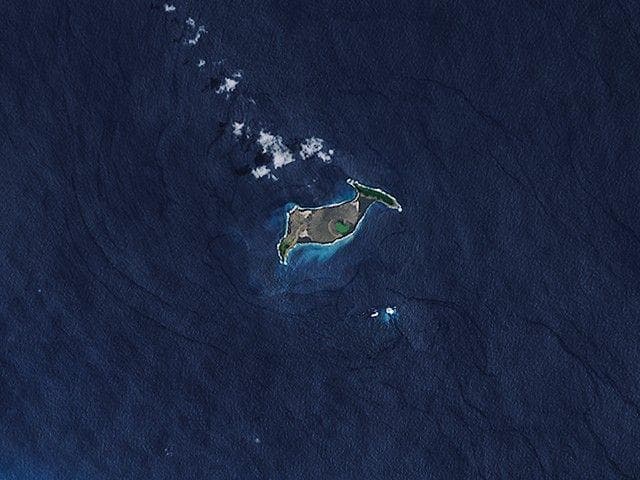
    Tectonic plates shift constantly and, with volcanic eruptions and earthquakes, the Earth changes shape. When underwater volcanoes began erupting in the vicinity of the Tonga Islands in December 2014, it led to the creation of a new landmass - essentially forming the Earth's newest island by the end of January 2015. Known as Hunga Tonga-Hunga Ha'apai (for the two small islands its creation linked), the island is unique for its longevity. Sometimes, new islands develop temporarily (like Shelly Island off the coast of North Carolina in 2017), but changing tides cause them to disappear. Hunga Tonga-Hunga Ha'apai, on the other hand, has endured and is home to a growing number of plants. Animals from nearby islands have also begun to call it home, although the volcanic activity of late 2021 and early 2022 sent ash and smoke into the air, causing damage to all walks of life in the region. Tsunamis similarly "wiped out" large swaths of land, destroying homes, villages, and communities along the way.

    92% upvoted
  3. 3

    Last Member Of An Indigenous Tribe In Brazil, 2022

    The "Man of the Hole" lived in isolation and resisted contact for decades after the rest of his tribe was massacred. His death is renewing calls for Indigenous rights and land protections — in Brazil and beyond. https://t.co/GMk9tgJUxo — NPR (@NPR) August 30, 2022 By definition, there are an unknown number of uncontacted indigenous tribes exist in the Amazon rainforests, but in August 2022, the last member of one of those tribes died. The man, known as the "Man of the Hole,” had been observed over the years, digging holes across the territory he called home. His death marks the first time the disappearance of an indigenous tribe in the Amazon has officially been documented. FUNAI, the National Indian Foundation of Brazil, first spotted the Man of the Hole in 1996. The rest of his tribe is believed to have been killed during the 1970s as ranchers seized land throughout the region. The organization, tasked by the Brazilian government with protecting indigenous groups within its borders, watched the man from afar to ensure his safety. While patrolling the area he inhabited on August 23, 2022, authorities found the body of the Man of the Hole in a hammock outside his hut. He appeared to be about 60 years of age, there were no signs of violence, and he likely had died about 40 to 50 days earlier. Marcelo dos Santos, an expert on indigenous groups, commented that the feathers found on the Man of the Hole's body may have indicated “he was waiting for death.” The death of the Man of the Hole means that the language and traditions have died with him. The only remnants of the Man of the Hole and his people are the “adornments and utensils he used” which “were similar to those of Indigenous groups of the whole region.” His hole-digging distinguished him from the other groups, but their significance remains unknown. Santos posited they were used for hunting and may have “had a mystical meaning.” In addition to the cultural losses brought on by the Man of the Hole's death, Fiona Watson, director of Survival International, noted: For me, he was this symbol of resistance and resilience: to be able to survive on his own, not speak to anybody and avoid all contact maybe out of grief or determination. The Man of the Hole's death renewed calls for protecting indigenous groups and the lands they inhabit.

    95% upvoted
  4. 4

    Last Known Use Of War Elephants, 1987

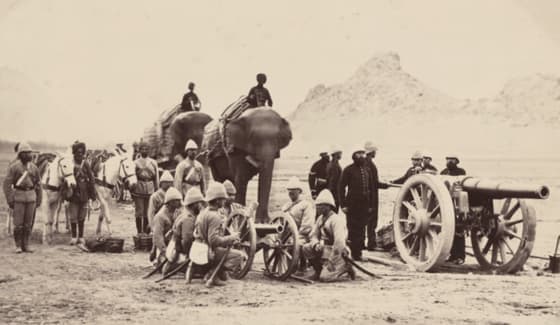
    The use of war elephants in antiquity is well documented, especially their decisive inclusion in Hannibal's efforts against the Romans during the Second Punic War (218-201 BCE). Hannibal had nearly 40 elephants as he traversed the Alps, using them to evoke fear on the battlefield. Elephants have also served as pack animals and engineering tools of sorts, ideal for their strength and size. In South and Southeast Asia, elephants are still engaged for military purposes. The US Special Forces listed elephants as pack animals as recently as 2004, while there are reports that elephants were still used by the Kachin Independence Army in Myanmar during the early 21st century. The last known use of war elephants dates to 1987, however. Elephants allegedly were used by Iranian forces to move heavy weaponry in the Iraqi city of Kirkuk.

    93% upvoted
  5. 5

    Last Town In The US To Get Dial Telephones, 1978

    Commercial rotary telephones were introduced in 1919, intended to let users dial for themselves to connect with others on the other end of the line. Previously, calls were transferred by operators at manual switchboards. The move to dial telephones across the US was gradual, with some remote areas holding out against the change. It wasn't until 1978 that Santa Catalina Island in California replaced 19 wooden switchboards and 16 full-time switchboard operators with dial telephones. While Santa Catalina Island was the final place to make the change, it wasn't until the early 1990s that the last switchboards were eliminated in Kerman, CA, where the telephone company replaced the final manual switchboards with computers in April 1991.

    92% upvoted
  6. 6

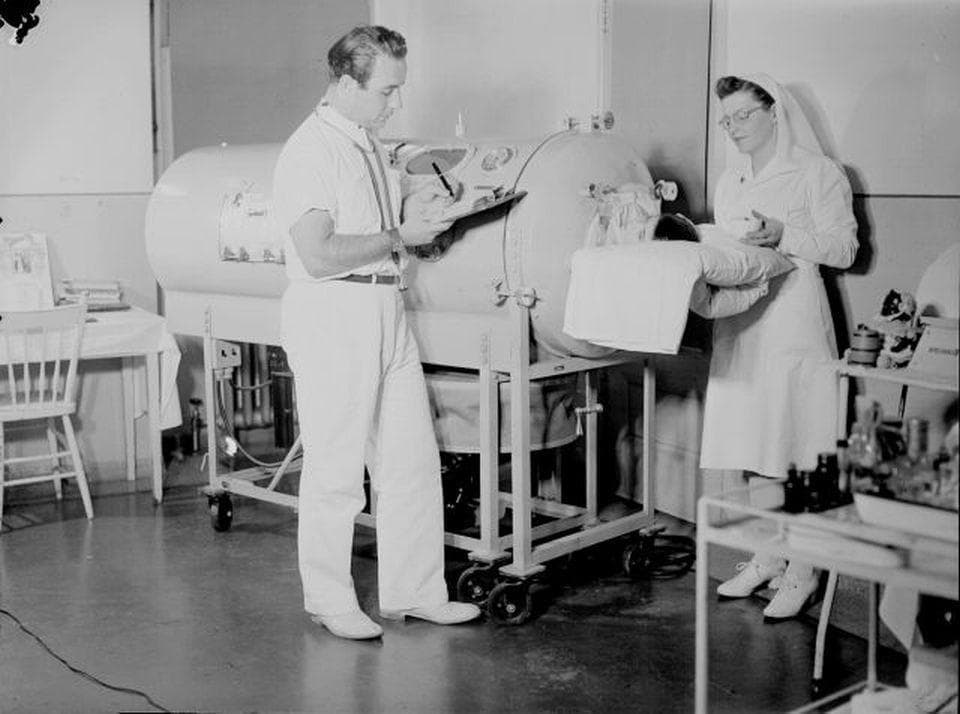
    Last Manufacture Of Iron Lungs, 1992

    Iron lungs helped individuals suffering from polio breathe, but with the development of the polio vaccine, became increasingly unnecessary. Dr. Jonas Salk announced the vaccine for poliomyelitis in 1953, it went through clinical trials the following year and was widely distributed in the US in 1955. Efforts to eradicate polio globally continue. The World Health Organization has declared five out of its six regions free from wild strains of the virus, but there are still individuals suffering from polio, including people requiring iron lungs. Manufacture of the machines declined significantly during the 1960s and 1970s, with fewer than 40 in the US in 2004. The last time iron lungs were manufactured, however, came in the early 1990s. In 1992, Spencer-DHB in the UK was tasked with manufacturing five portable iron lungs for the Lane Fox Respiratory Service clinic in London.

    91% upvoted
  7. 7

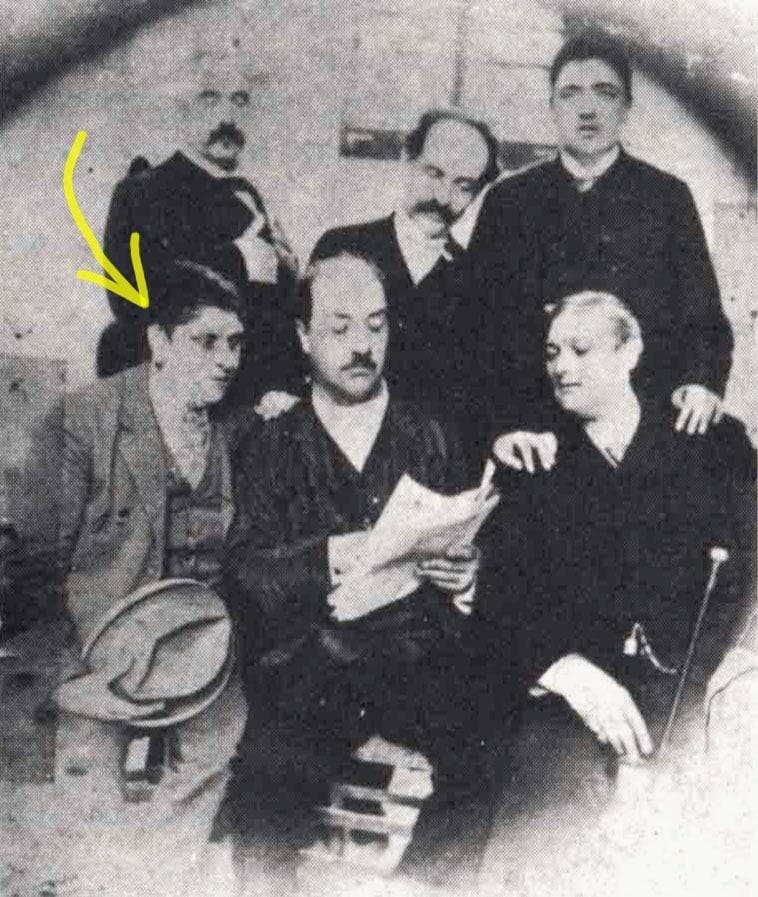
    Last Castrato Singer Passed Away, 1922

    During the 16th century, creating a group of singers who could achieve desired operatic limits resulted in the phenomena of the "castrati." They were young men who, as the term implies, were castrated to keep their voices from maturing. Prominent in Italy, castrati performed throughout Europe, but the practice of castrating would-be opera singers declined by the late 18th century. In the Vatican, a castrato was employed to perform at the Sistine Chapel until 1903. One of the last castrati, Alessandro Moreschi, achieved fame for his performances at the Sistine Chapel and for his recordings. He retired from singing in 1912 and died in 1922, the last of his craft.

    90% upvoted
  8. 8

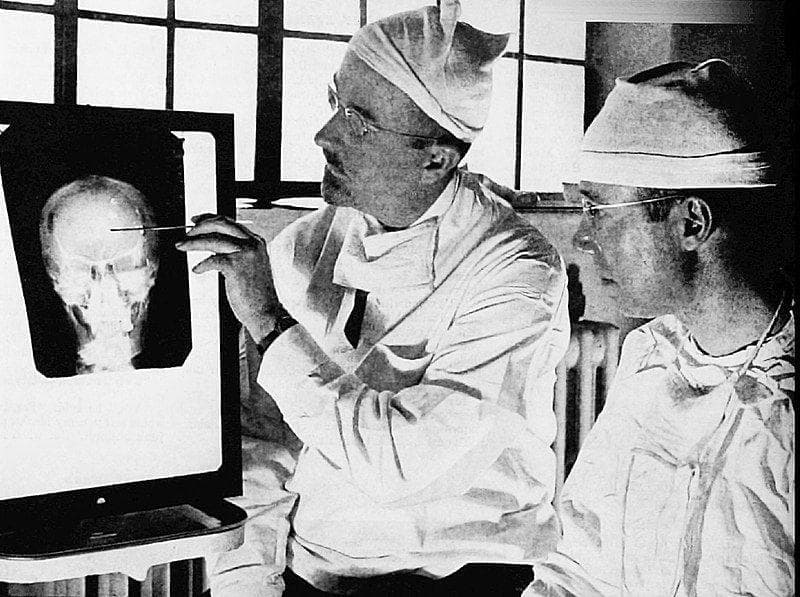
    Last Ice-Pick Lobotomy, 1967

    During the 1930s, a Portuguese doctor named Antonio Egas Moniz performed a "leucotomy" - a lobotomy-like operation during which he drilled through a patient's skull to work on the brain. Around the same time, Walter Freeman carried out the first "lobotomy" in the US, "cutting certain nerves in the brain...[to] eliminate excess emotion and stabilize a personality." Unlike Moniz, Freeman used a frontal approach, better known as an "ice-pick lobotomy." By inserting a sharp instrument through a patient's eye socket and into their brain, he could move it around to accomplish his goal. Freeman performed lobotomies on about 2,500 adults and children, once lobotomizing a 12-year-old boy. It's difficult to know exactly how many ice-pick lobotomies were performed nationwide, but Freeman's practice came to an end in 1967. His long-time patient Helen Mortensen died of a brain hemorrhage after receiving her third lobotomy in February of that year. Internationally, lobotomies were outlawed in Germany, Japan, and Russia during the 1950s. In the US, they remain a last resort, but the frontal technique has been abandoned.

    88% upvoted
  9. 9

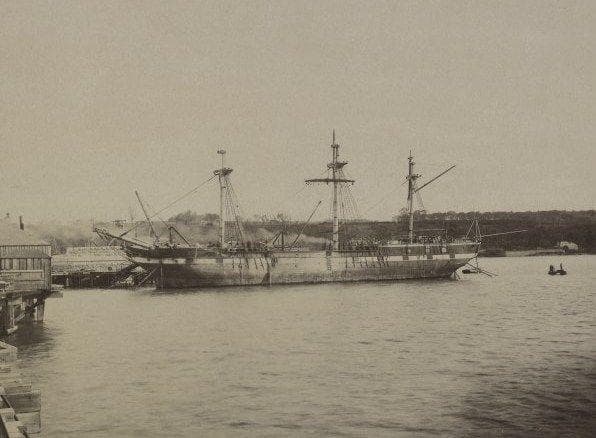
    Last Prisoner Ship Arrived In Australia, 1868

    Britain began sending convicts to Australia in 1787, a practice that lasted eight decades. The initial ships arrived in New South Wales in 1788 with the first of some 160,000-170,000 convicts bound for the penal colony. The journey to Australia from England lasted as many as eight months, was plagued by poor conditions and bad weather, and resulted in a significant number of deaths. Once convicts arrived in Australia, they endured hardships of a different sort - forced to work long hours with little food or knowledge (and understanding) of their surroundings. The last of the convict ships dropped anchor at Freemantle in Western Australia on January 9, 1868. The Hougoumont had set sail from England in October 1867 with 280 prisoners but had only 279 when it arrived. While Samuel Speed wasn't aboard the Hougoumont, he was the last reported surviving convict sent to Australia. Speed was sentenced to seven years in Australia for arson in 1863, arrived in 1866, and was released in 1869. Speed passed away at the age of 99 in 1938.

    88% upvoted
  10. 10

    The End Of The House Of Medici, 1737

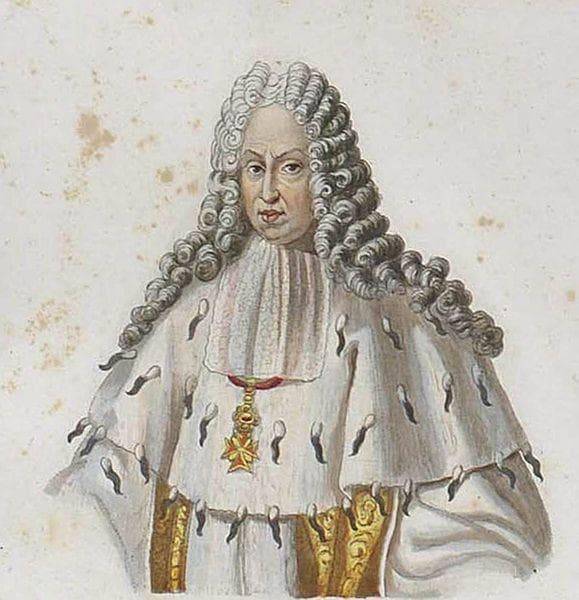
    The last Medici heir, Gian Gastone de' Medici, passed in 1737, ending the family's centuries-long dynasty. The House of Medici had dominated politics and commerce in Florence starting in the 13th century, put four men into the papal seat, and patronized countless artists during the Renaissance. Gastone was the son of Cosimo III de' Medici, the Grand Duke of Tuscany, a position he later held from 1723 to 1737. Gastone's sister, Anna Maria Luisa de' Medici, lived until 1743. Just like her brother, Anna Maria Luisia had no children. Her passing officially marked the death of the last Medici descendant.

    86% upvoted