Skip to content
maxnews
People

12 Historical Figures Ranked By Roommate Potential

If you've ever been on the lookout for a new roommate, you know how hard it is to find someone who fits what you're looking for. People bring with them all kinds of stuff - physical possessions and personality quirks alike. A new roommate might have some clothes you want to wear or add cool gadgets to the kitchen, but they could just as easily be accompanied by a problematic pet or some really obnoxious friends. There's just no way to know. When we got to thinking about this conundrum, we wondered which figures in history would be OK to live with. Leaders, celebrities, members of royal families, inventors - they'd all have much to offer in a living situation. But would the pros cancel out some of the cons? Luckily, we broke it down so you could decide for yourself. Happy roommate hunting!

Entries
12
Votes
2.4K
Updated
yesterday

Tap upor downto vote. Your vote is added to Ranker's counts.

Voting identifies your browser with an anonymous fingerprint, stored only as a salted hash, to count one per visitor. Privacy

Source: Ranker, ranked by its voters.

  1. 1

    Abraham Lincoln's Height Would Come In Handy, But You'd Have To Watch Out For The Wily Wrestler
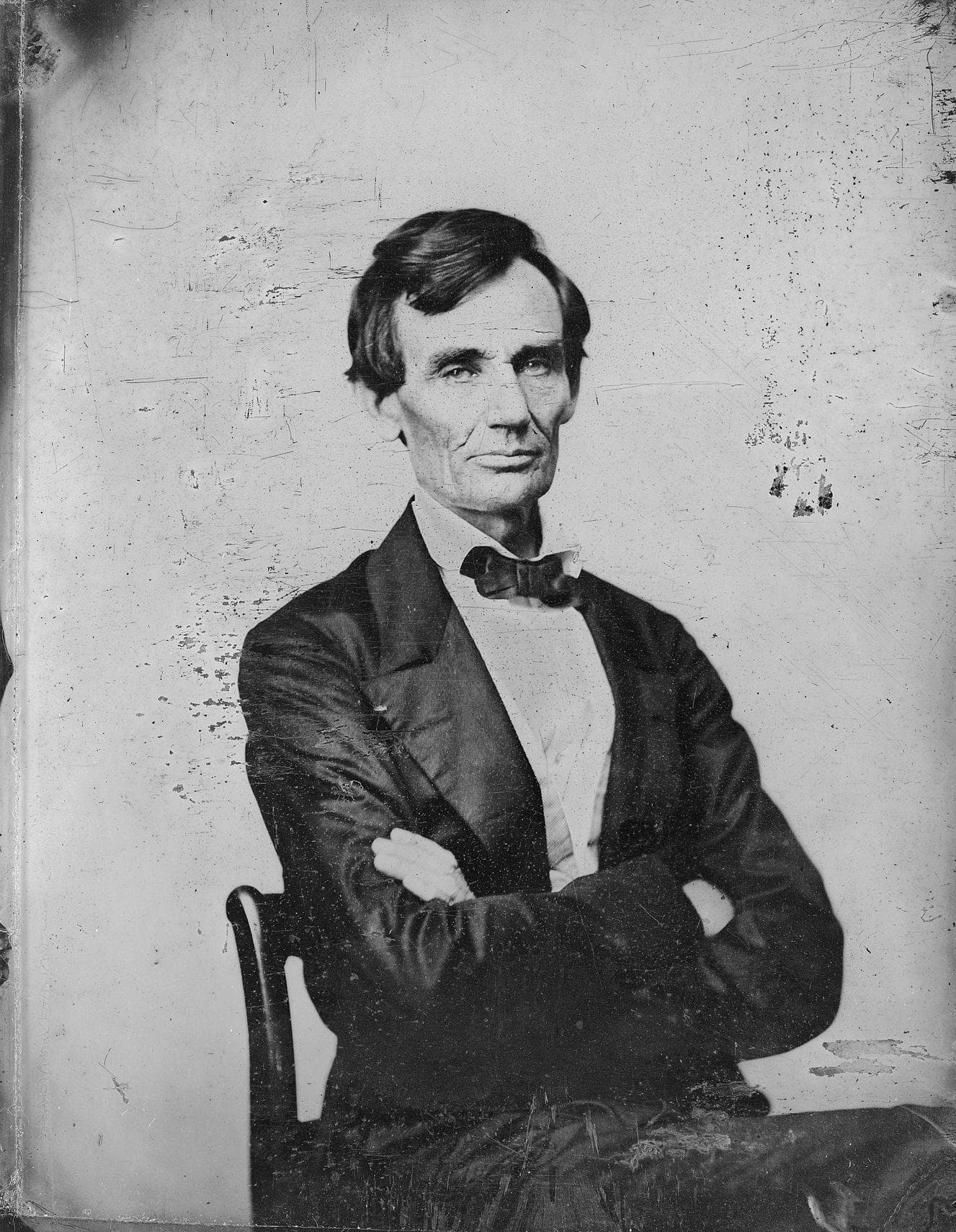
    Pros: Could reach anything on a high shelf. Cons: Might try to pin you down in an impromptu wrestling match. Context: Abraham Lincoln holds the distinction of being the tallest US President. At 6 feet, 4 inches, he looked even taller when he wore his characteristic top hat, adding to his distinguished demeanor. Having someone with height at the ready would be useful for getting things off high shelves and the like, but Lincoln as a roommate could potentially be full of surprises. He was a practical joker, especially in his youth. In 1828, for example, Lincoln arranged for the grooms in a double wedding - Reuben Grigsby, Jr. and his brother, Charles - to be taken to the wrong wedding beds as an act of retaliation for being excluded from the event. On another occasion, he delivered a biting speech to Congress mocking Lewis Cass's attempts to paint himself as a military hero to earn the Democratic nomination for president. Alongside his enjoyment of a prank, Lincoln also had great strength. He was a talented wrestler, only losing once in 12 matches, and was honored by the National Wrestling Hall of Fame in 1992. Add that all together and you've got a roommate who'd jump out and pin you whenever he got the chance.
    70% upvoted
  2. 2

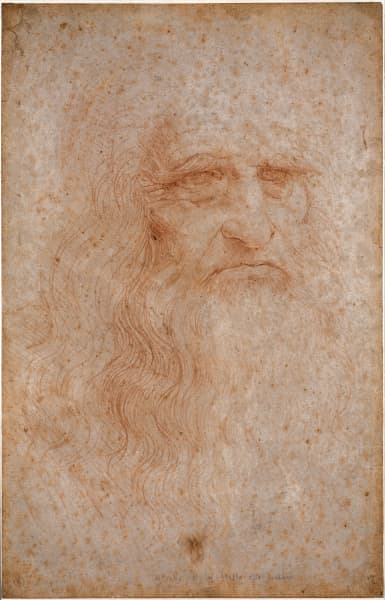
    Leonardo Da Vinci Could Probably Fix Anything, But Your Apartment Would Be A Mess

    Pros: Inventor, artist, tinkerer, and overall "Renaissance Man," he'd be handy to have around. Cons: He dabbled in a little bit of everything, so the potential for clutter is very, very high - cadavers included. Context: The extent of Leonardo da Vinci's contributions to science, art, engineering, and architecture attest to his astounding talent. The 15th- and 16th-century polymath designed military machines, dissected cadavers to explore human anatomy, and painted two of the most famous works of art in the world: the Mona Lisa and The Last Supper. What he accomplished with his mind and hands, however, didn't indicate he was one to clean up after himself. At least one observer, author Germaine Greer, finds da Vinci to be "sloppy" in his art and likely "easily distracted from his work." Da Vinci's spontaneity and absent-mindedness accompanied inexhaustible energy to learn, something that resulted in him dissecting approximately 30 cadavers during his life. Da Vinci did his dissections with "no refrigeration... sometimes doing it in the dark of night. It's a messy, and smelly business," according to NOVA producer Doug Hamilton. While da Vinci's drawings didn't convey any of that, it's possible he took some of his work home with him at night.

    67% upvoted
  3. 3

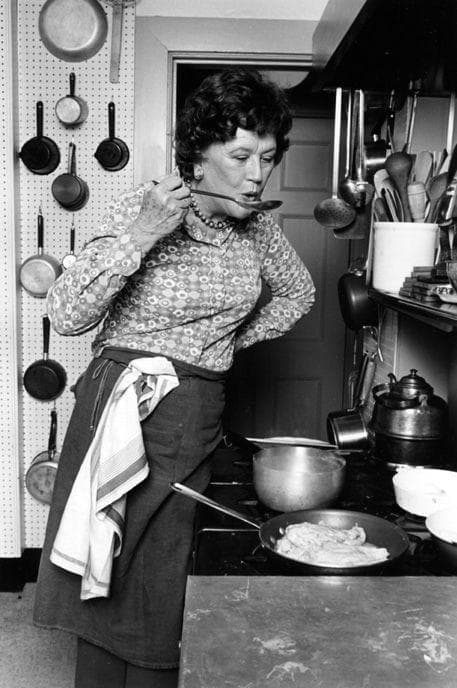
    Julia Child Could Cook Fantastic Feasts, But Her Voice Wasn't For Everyone

    Pros: Child's culinary talents would make for outstanding breakfasts, lunches, and dinners. Cons: Getting used to her voice might be tough. Context: Julia Child began cooking French cuisine while in Paris with her husband Paul in 1948. She trained with master chef Max Bugnard before forming a school with two of her cooking school classmates, Simone Beck and Louisette Bertholle. Beck, Bertholle, and Child introduced millions of people worldwide to French cooking with their cookbook, Mastering the Art of French Cooking in 1961. From there, Child wrote numerous other books, hosted a cooking show on public television, and became a culinary icon of sorts. Some naysayers thought Child was "revolting" due to her lack of hygiene and gracefulness in the kitchen as well as some of the ingredients she used. Her voice was high-pitched, described as "hooting" by her family, and mocked by observers. According to Child's biographer, Bob Spitz, "Julia herself never thought she had a funny voice. She didn’t understand the parodies." It ultimately became part of her brand, called everything from "the unself-conscious chortling of an extremely happy bird" and "waffley" to "arresting" and "distracting" along the way.

    65% upvoted
  4. 4

    Nikola Tesla Would Bring Electricity And Pigeons With Him

    Pros: Lots of perks - like electricity. Cons: Pigeons would be your roommates, too. Context: Nikola Tesla, an ethnic Serb born in what is now Croatia, was a ground-breaking inventor and scientist in the field of electric power. After working at Thomas Edison's facility in New York during the mid-1880s, Tesla researched alternating current and quickly received more than 30 patents for the inventions that resulted from his work. Alongside AC dynamos (akin to batteries) and motors, he also patented his Tesla coil, essential to wireless technologies still used today. During his career, Tesla feuded with Edison, lost funding numerous times, and saw his work disappear in a devastating fire. Toward the end of his life, he gave much of his attention to pigeons, even bringing them into his home to take care of them. According to Tesla: I have been feeding pigeons, thousands of them for years. But there was one, a beautiful bird, pure white with light grey tips on its wings; that one was different. It was female. I had only to wish and call her and she would come flying to me. I loved that pigeon as a man loves a woman, and she loved me. As long as I had her, there was purpose in my life.

    63% upvoted
  5. 5

    Thanks To Imperialism, Queen Victoria Would Have Worldwide Access To The Best Vacation Destinations

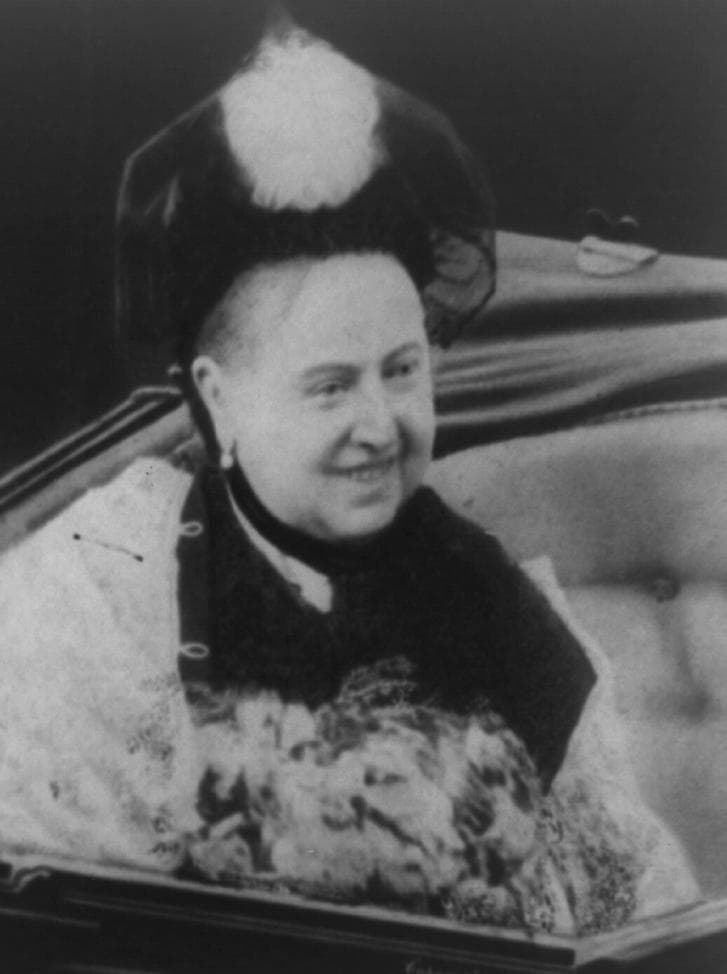
    Pros: Spring break with Queen Victoria would be a trip to almost anywhere. Cons: Vacation spot access was only possible thanks to imperialism. Context: Queen Victoria ruled the United Kingdom and the British Empire for more than 60 years, steadfast in her imperialist policies. The rise of the British Empire under her authority led to its eventual peak during the early 20th century. When she was crowned in 1838, Queen Victoria ruled over what historian Lawrence James called "a rag bag collection of territories overseas." Through her long reign, Queen Victoria became Empress of India in 1877 and oversaw the "Scramble for Africa" at the end of the 1870s and '80s. Although she may not have agreed with all of the methods of imperialism used by her subjects (Cecil Rhodes, for example) the monarch supported them nonetheless. As a result, Queen Victoria ruled land around the world and could literally find someplace to call her own on nearly every continent. Slow travel times aside, if you were her roommate and headed off for a vacation together, you'd definitely travel in style to wherever you wanted to go - no questions asked.

    60% upvoted
  6. 6

    Marie Antoinette's Fashion Sense Would Make Borrowing Clothes An Adventure

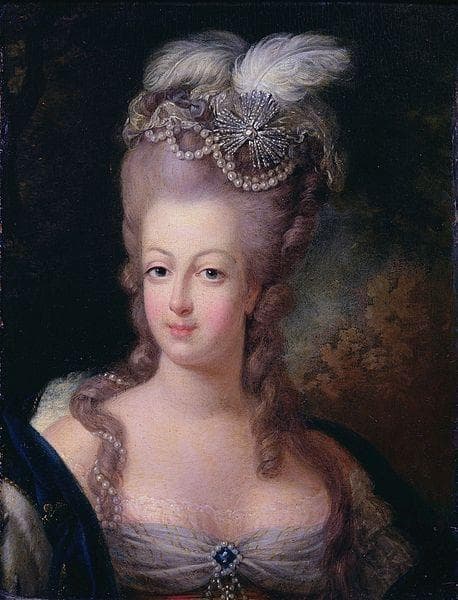
    Pros: Raiding her closet would be a blast. Cons: As long as you like puce. Context: The connection between Marie Antoinette and fashion was as strong during her life in 18th-century France as it is with her enduring historical legacy. Antoinette wore the most elaborate dresses, extravagant headwear, and, according to some modern observers, used fashion as a way of defining and distinguishing herself at the royal court. As she wore clothing that demonstrated changing fashion trends throughout Europe, she became fixated on "the color of a flea" - puce. The brownish-purple-and-red color reportedly got its name because it looked like the blood one might see after receiving a flea bite. According to French socialite Henriette Louise de Waldner de Freundstein, Baronne d'Oberkirch: Every lady at court wore a puce-colored gown, old puce, young puce... the new color did not soil easily and was therefore less expensive than lighter tints, the fashion of puce gowns was adopted by the [Parisian] bourgeoisie.

    59% upvoted
  7. 7

    Frank Sinatra Would Croon, But Might Have Mobsters Over From Time To Time

    Pros: Songs, class, and style would ooze out of Sinatra - and rub off a little. Cons: Regular visits from members of the Mafia. Context: Considered one of the best-known entertainers of the 20th century, Frank Sinatra was nicknamed "The Voice" due to his prolific music and movie career. The Rat Pack member not only transcended genres - mixing elements of jazz, rock, swing, and pop into his music - but reportedly made friends across various walks of life, too. During the 1960s, Sinatra was suspected of having Mafia ties, most notably with Chicago mob boss Sam Giancana. Sinatra was allegedly to be the middleman between Giancana and John F. Kennedy, but was also connected to mafiosos in Detroit and Philadelphia. The FBI surveilled Sinatra, although the singer wasn't subtle about spending time with known gangsters. FBI agent Sam Ruffino recalled: [Sinatra] didn't make any apologies for it. Those were his friends. The fact that they were known hoodlums and murderers didn't matter to him. He didn't care, he was going to hang around with who he wanted to hang around with.

    58% upvoted
  8. 8

    Henri De Toulouse-Lautrec Would Decorate When He Wasn't Hanging Out With Prostitutes

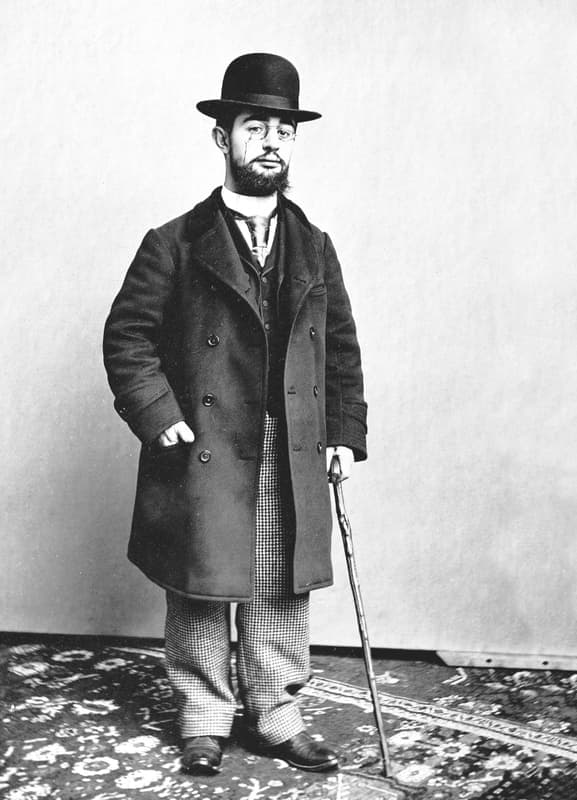
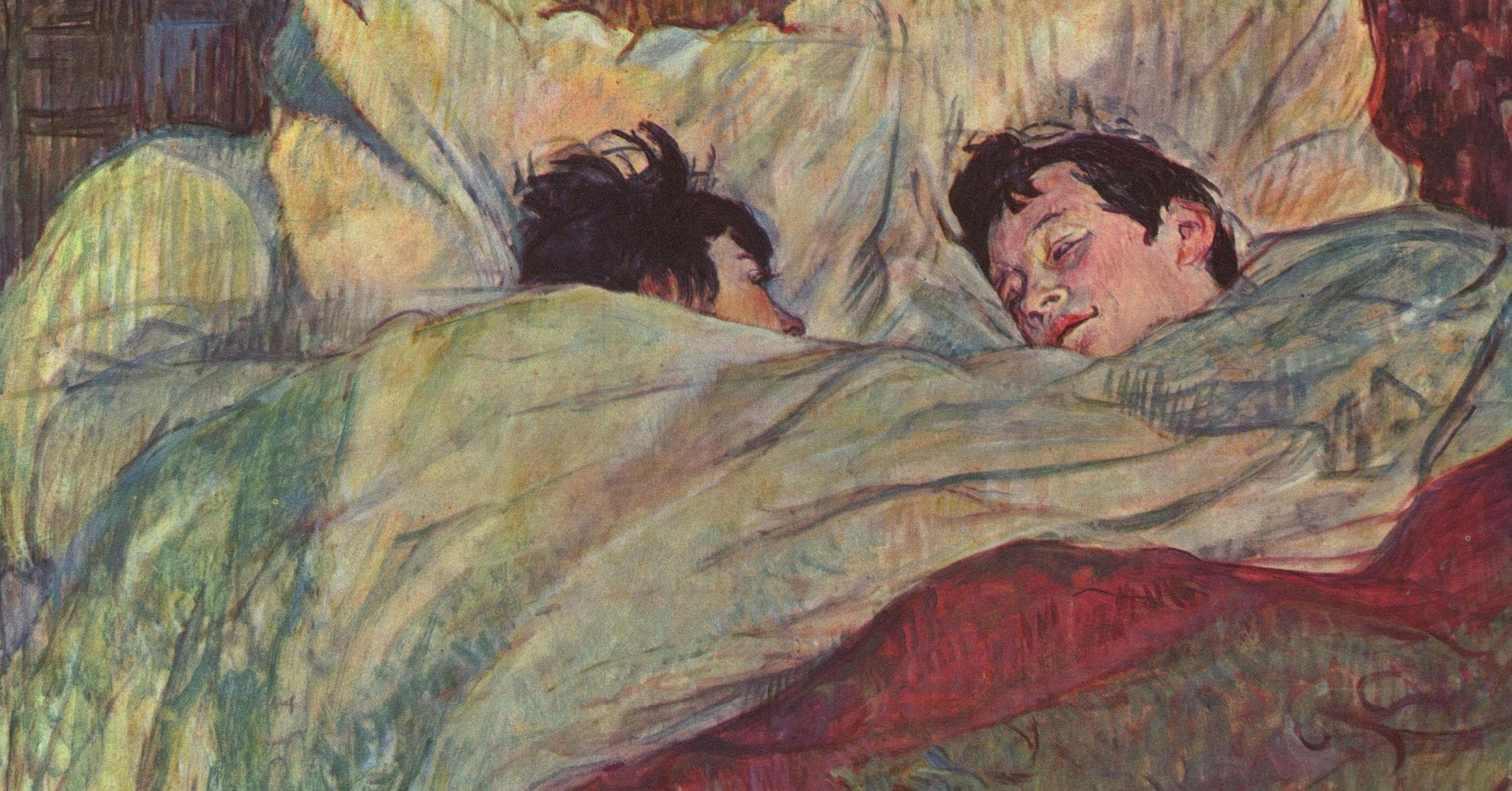
    Pros: The decor would be outstanding. Cons: His drinking and obsession with prostitutes. Context: Painter, caricaturist, and illustrator Henri de Toulouse-Lautrec was contemporaries with fellow Post-Impressionist artists like Vincent van Gogh and Georges Seurat. He's well known for depicting the theater and provocative Parisian lifestyle of the late-19th century in his work, much of which reflected his own experiences. After an accident as a child, Toulouse-Lautrec's legs stopped growing and he never reached a height of more than 5 feet; this may have been due in part to the bone disorder pycnodysostosis. The Frenchman made up for his short stature with his artistic talent and acerbic personality - and soothed himself with alcohol. Toulouse-Lautrec spent much of his time at the Moulin Rouge and at various brothels in Paris, where he found comfort in the company of prostitutes. Many of the women ended up being the subjects of his art. Outgoing and engrossed in Parisian nightlife, Toulouse-Lautrec became, according to New York Museum of Modern Art curator Sarah Suzuki, entrenched in Montmartre’s debauched lifestyle... his days and nights were soaked in alcohol (including the hallucinogenic wormwood-based absinthe), which he used as both a physical and a psychological analgesic.

    43% upvoted
  9. 9

    Diogenes Of Sinope Would Have Few Possessions, But Might Behave Like An Animal

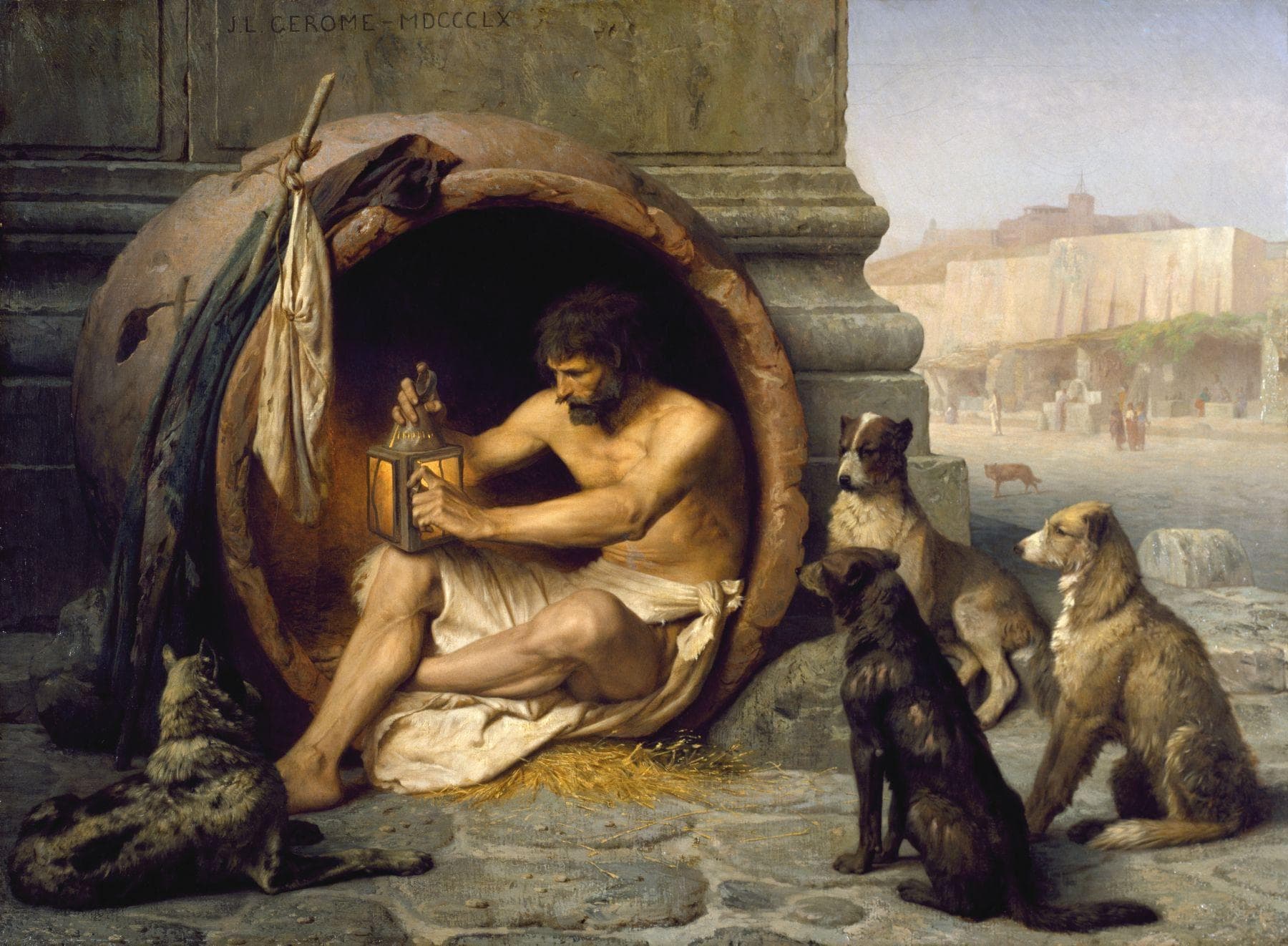
    Pros: Ultra minimalist with very little clutter. Cons: Argumentative, obnoxious, chronic masturbator. Context: Diogenes of Sinope was a Greek philosopher known for cynicism, poverty, and his famous lantern. It's said he would walk up to people in Athens and put a lantern in their faces, claiming he was looking for an honest man. During his life, the 4th-century thinker criticized Socrates and Plato, lived an ascetic lifestyle, and generally rejected social norms across the spectrum. He lived in a barrel (also called a jar), slept where he wanted, begged for food, and reportedly behaved much like a dog. In one encounter with Alexander of Macedonia, he purportedly identified himself as one. As part of his aversion to what was deemed normal behavior, the disagreeable Diogenes was also said to have masturbated in public. When confronted about it on one occasion, he allegedly responded that he "wished it were as easy to relieve hunger by rubbing an empty stomach."

    22% upvoted
  10. 10

    Joseph Stalin's Ideas About 'Sharing' Would Making Living Together Interesting

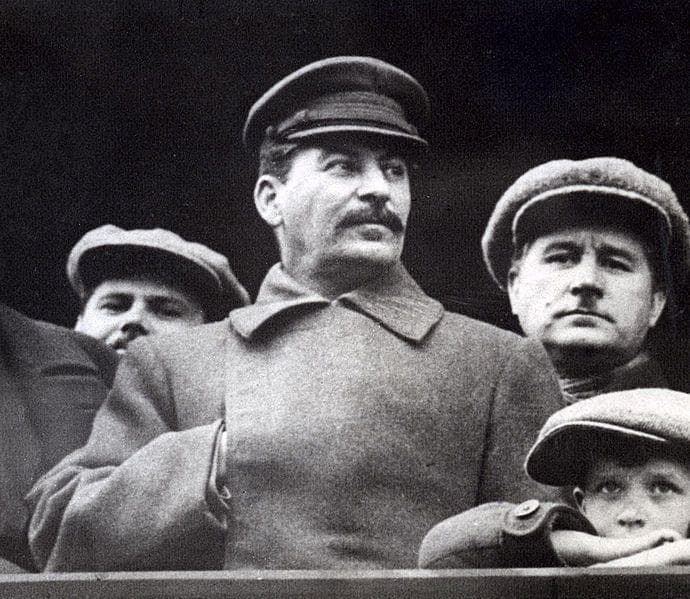
    Pros: He would share everything with you. Cons: He'd also expect you to share everything with him - or else. Context: As Joseph Stalin took control of the Communist Party and the government of the Soviet Union during the 1920s, he introduced what was, in many ways, forced sharing. Under his "Five Year Plans," the Soviet Union underwent massive industrialization and collectivization, with all production geared toward the benefit of the state. As part of collectivization, small farms transitioned into massive agricultural settlements. Peasants lost their lands but were still expected to work and share the outputs from the collective farms called kolkhoz. Backlash, riots, and resistance to Stalin's plans sent millions of people to the gulags or simply resulted in their demise. In the end, agricultural collectivization failed, famines ensued, social order in the Soviet Union weakened, and millions of people perished.

    20% upvoted