Skip to content
maxnews
People

12 Historical Figures, Ranked By How Insufferable Their Small Talk Must Have Been

History is full of interesting figures - kings, queens, intellectuals, revolutionaries, and everything in between. Men like Martin Luther had a massive role in changing the religious landscape of Europe during the 16th century, while Isaac Newton literally wrote the book on physics. But have you ever wondered what it would be like to have a casual conversation with some of history's biggest names? Or if small talk and chitchat are even possible? We did - and played through some scenarios to find out. Hypothetical, yes, but imagining what it would have been like to talk to some of the most significant figures in history is fun. To be clear, each one of the figures below made contributions to their communities, their environments, and history as a whole. That said, would you really want to talk to them? Or would you give those conversations a hard pass?

Entries
12
Votes
5.1K
Updated
yesterday

Tap upor downto vote. Your vote is added to Ranker's counts.

Voting identifies your browser with an anonymous fingerprint, stored only as a salted hash, to count one per visitor. Privacy

Source: Ranker, ranked by its voters.

  1. 1

    Henry VIII Of England Would Probably Get Mad About Something And Walk Away
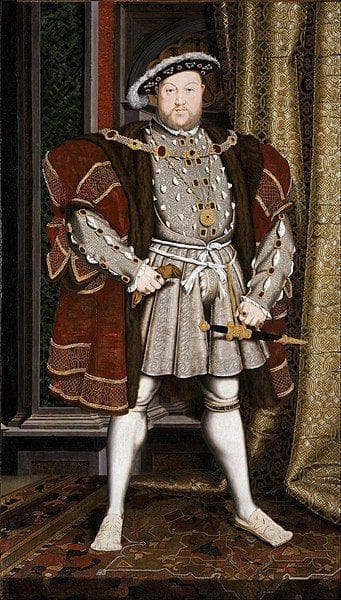
    Scenario: You're at the court of King Henry VIII and come face-to-face with the monarch. Context And Personality: The fact that King Henry VIII of England had six wives is well known, as is his determination to get what he wanted from the church. As King Henry navigated the tumultuous political and religious waters of 16th-century Europe, he bounced around a lot. He desperately fought to end his first marriage, and he split from the Catholic Church to do it. Henry's second marriage ended in the beheading of his wife, Anne Boleyn, amid accusations of adultery and threats on his life. Henry's fourth wife, Anne of Cleves, wasn't attractive enough for him so he divorced her, while his fifth wife, Catherine Howard, was also beheaded for betraying her king. If Henry didn't like what he was faced with, he was not afraid to simply get rid of it. There are theories about why Henry VIII became increasingly disagreeable later in his life. A jousting accident in 1544 left him unable to take part in sports. He definitely suffered a leg injury in the accident and may have experienced head trauma, as well. Leg ulcers caused Henry great pain and some of the medications used may have introduced lead into his system - impacting his brain function and bringing on behavioral issues. Outcome: Smile and nod... just smile and nod.
    87% upvoted
  2. 2

    Martin Luther Was Relentlessly Critical

    Scenario: You run into Martin Luther walking through the streets of Wittenberg. Context And Personality: German monk, theologian, and outspoken critic of what he perceived to be abuse within the Roman Catholic Church, Martin Luther didn't let up no matter the circumstances. After famously nailing his 95 Theses to the chapel door in Wittenberg, Luther's relentless nature showed no signs of easing up. Excommunication, a summons to the Diet of Worms, and even being outlawed didn't stop him. His persistence paid off in the end, although numerous revolts erupted as a result of the religious split that reshaped Christianity. In his final days, he shifted his criticism to Jews and groups of non-Catholic Christians. Perhaps author Eric Metaxas said it best when he described Luther as "cranky and sick," but that wouldn't have made talking to him any more pleasant. Outcome: He criticizes everything in sight - you, the weather, the buildings, anyone else in the vicinity.

    83% upvoted
  3. 3

    You'd Want To Stand Back From Elizabeth I Of England

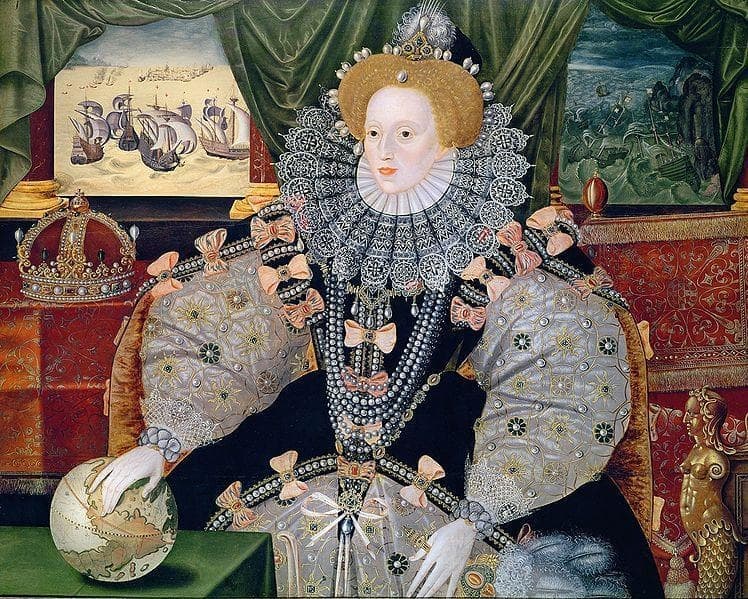
    Scenario: Queen Elizabeth I whispers to you about her latest suitor. Context And Personality: There was no paucity of men who tried to woo Queen Elizabeth I during the 17th century. Dukes and earls from England and France were among the top contenders for her hand in marriage, with King Philip II of Spain and King Eric XIV of Sweden among those who vied for the queen. In the end, Elizabeth declared she was "already bound unto a husband which is the Kingdom of England." Navigating the ups and downs of her romantic and diplomatic affairs may have been a bit exhausting, but the queen also, reportedly, had horrid breath. Despite using "tooth cloths," toothpicks, and various herbal mouthwashes, her bad teeth - the result of a love for sweet foods - decayed as she aged and eventually turned black. Outcome: Holding your breath helps you get through it, but you may black out for a bit.

    82% upvoted
  4. 4

    Grigori Rasputin Would Refuse To Go Away

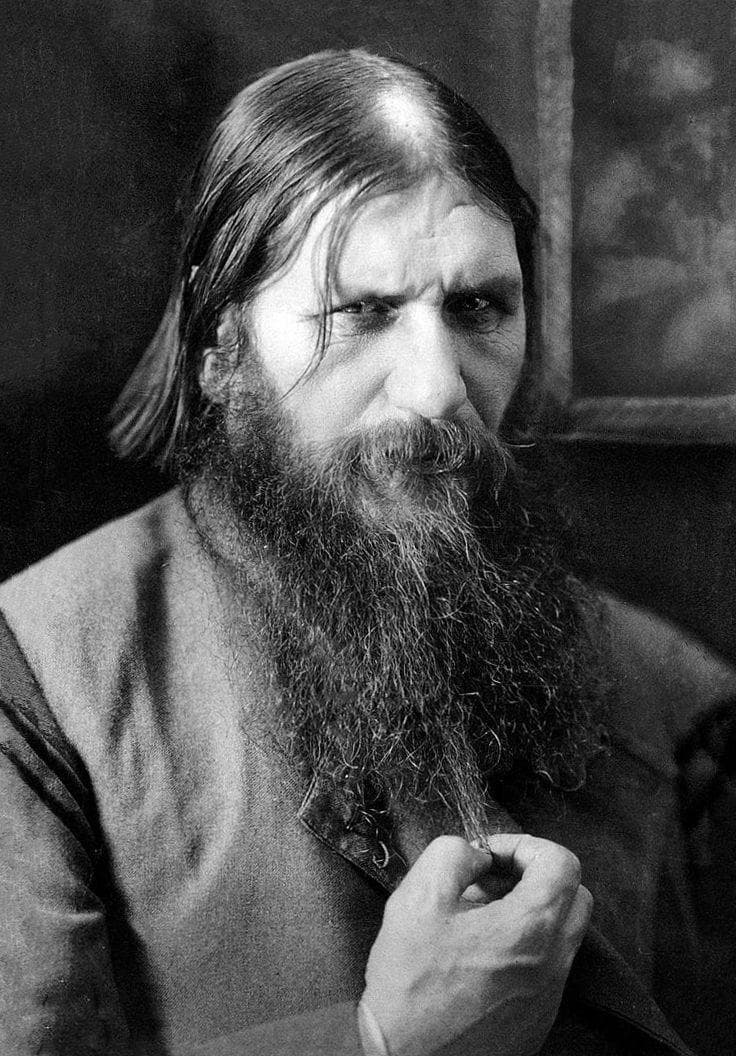
    Scenario: You and Rasputin sit down for a meal. Context And Personality: Mystic and advisor to Russian royalty, Grigori Rasputin was said to possess supernatural abilities, legendarily "curing" Prince Alexei of his hemophilia. Presenting himself as a monk at court, Rasputin reportedly engaged in excessive drinking and affairs with women in less formal settings. There were rumors about an affair with Czarina Alexandra alongside cries of corruption brought on by Rasputin's influence on the royal family. Rasputin was killed in 1916. According to lore, his demise came with great effort from his killers. Rasputin was given food and wine that was laced with cyanide, shot, and beaten, but was still alive when his body was thrown into the Neva River in St. Petersburg. Outcome: The "mad monk" was manipulative and mysterious in life, and persistent even in death, so ending a conversation with him takes effort.

    78% upvoted
  5. 5

    Isaac Newton Was A Big Jerk

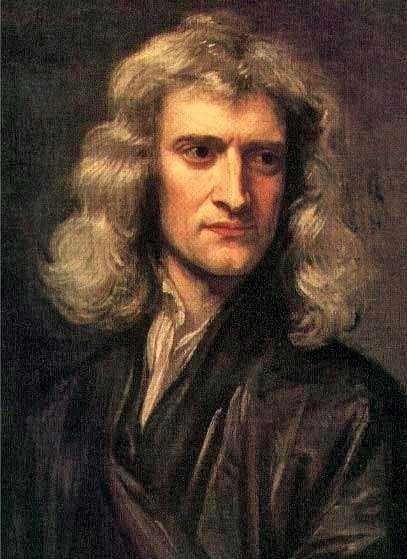
    Scenario: You hit up the library and spot Isaac Newton on the other side of the stacks. Context And Personality: In his book about Isaac Newton, astronomer and science writer Florian Freistetter admitted, "I worship Newton more than almost any other scientist of the past." He went on to explain: He was such a jerk... an eccentric, an egoist, a troublemaker and a mystery-monger, who tolerated no criticism; was uncompromising, vengeful and conniving, but was also the greatest genius ever to have lived. By all accounts, this is how most people perceived Newton. One of Newton's contemporaries, William Whiston, described him as having "the most fearful, cautious, and suspicious temper that I ever knew." Newton was a revolutionary in science and math but didn't handle criticism well. He regularly insulted his colleagues and ruined the reputation of rival mathematician Gottfried Wilhelm Leibniz by accusing him of plagiarizing calculus. Outcome: You don't say much, mostly single-word phrases so you don't upset him.

    77% upvoted
  6. 6

    Cato The Elder Would Go On And On About Destroying Carthage

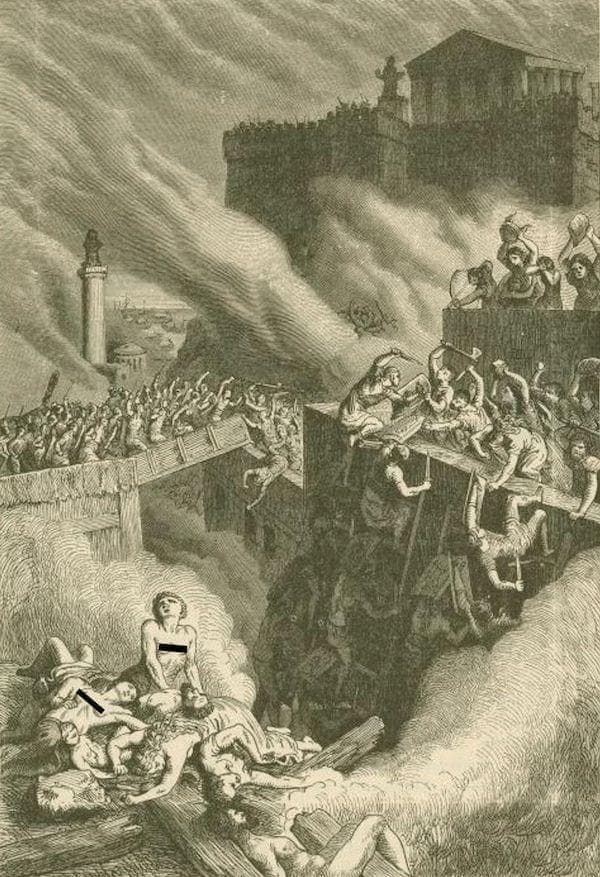
    Scenario: You and Cato, just chatting before the Roman Senate gets underway. Context And Personality: Marcus Porcius Cato, better known as Cato the Elder, was a Roman soldier and orator during the third and second centuries BCE. With Rome toward the end of what was more than a century of war with Carthage, Cato took it upon himself to remind anyone who would listen that the city-state needed to be eliminated. In The Parallel Lives, Plutarch describes Cato's demeanor at the Roman Senate: He was... savage, namely, in adding to his vote on any question whatsoever these words: "In my opinion, Carthage must be destroyed." Outcome: We get it - you don't like Carthage.

    78% upvoted
  7. 7

    Napoleon Bonaparte Would Constantly Try To One-Up You

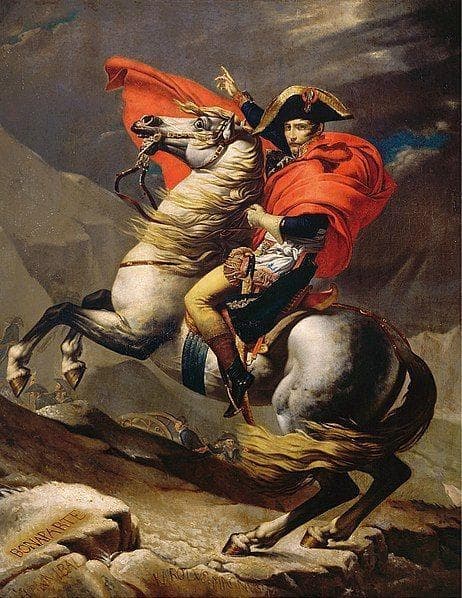
    Scenario: The dinner party conversation turns to military experiences and you try to chime in with your accomplishments. Context And Personality: There's the possibility that, after a conversation with Napoleon Bonaparte was over, he'd craft a subversive way to come back and start another one. Even before that, talking to Bonaparte would have been a lot to take. Bonaparte's military accomplishments during the late 18th century helped set the stage for him to rise to political power in France. By the early years of the 19th century, he'd declared himself emperor and set his sights on taking over the whole of Europe. Napoleon was never satisfied and feared showing weakness. By the time he was exiled on St. Helena, he'd made himself consul for life, Emperor of the French, Protector of the Confederation of the Rhine, and King of Italy, among other titles and awards. Outcome: Your efforts to impress Napoleon fail and you leave the conversation demoralized.

    75% upvoted
  8. 8

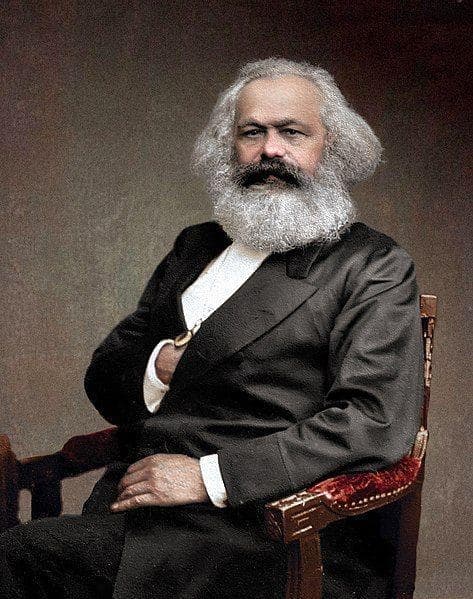
    Karl Marx Would Be Looking For A Fight

    Scenario: All of a sudden, Karl Marx is standing in front of you, yelling about the evils of capitalism. Context And Personality: Both rebellious and intelligent, Karl Marx was not afraid to speak his mind. After publishing The Communist Manifesto in 1848, Marx was dismissed from Belgium. He took refuge in France but was similarly deported. After arriving in London, Marx continued his criticism of capitalism and the concept of political economy. At its core, Marx's ideology emphasized class struggle, its role in history, and its relationship with social revolution. Outcome: You leave the conversation all riled up and you're not even sure why.

    74% upvoted
  9. 9

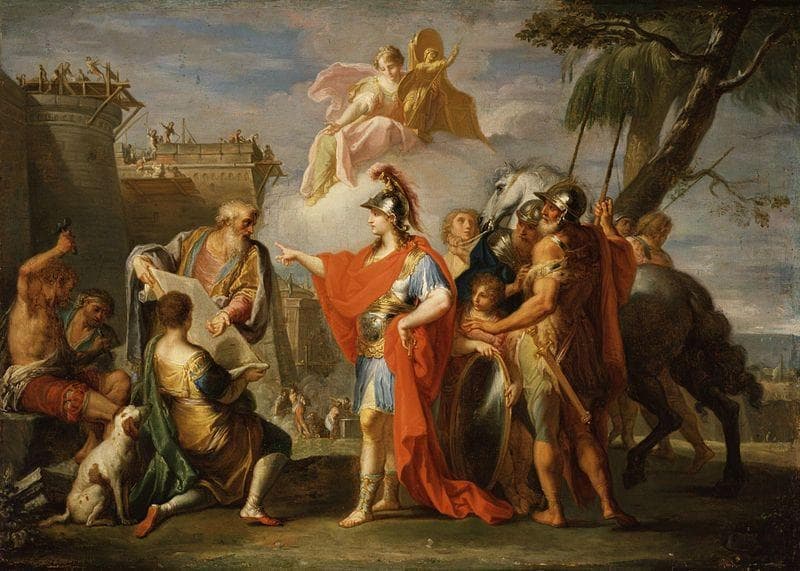
    Alexander The Great Was All About Himself

    Scenario: You, Alexander, and a bunch of his men are enjoying a feast. Context And Personality: The foundations for Alexander the Great's accomplishments were established by his father, Philip II of Macedon. As a young boy, Alexander was educated by Aristotle and received military training at Philip's side, assuming control of the Macedonian empire after the demise of Philip in 336 BCE. Alexander made great territorial gains as the leader of the Macedonian military, going as far east as the Hydaspes River in India. At that point, his men refused to go further and, on their way back to the Mediterranean, Alexander drank too much and died. Alexander was, without a doubt, a good talker. Writer Susan Abernethy notes, "He had great charisma and force of personality." However, she also claims: He became reckless, self-indulgent and inconsistent... He had always had a violent temper and been rash, impulsive and stubborn. The drinking made these traits worse. Outcome: You never say a word.

    73% upvoted
  10. 10

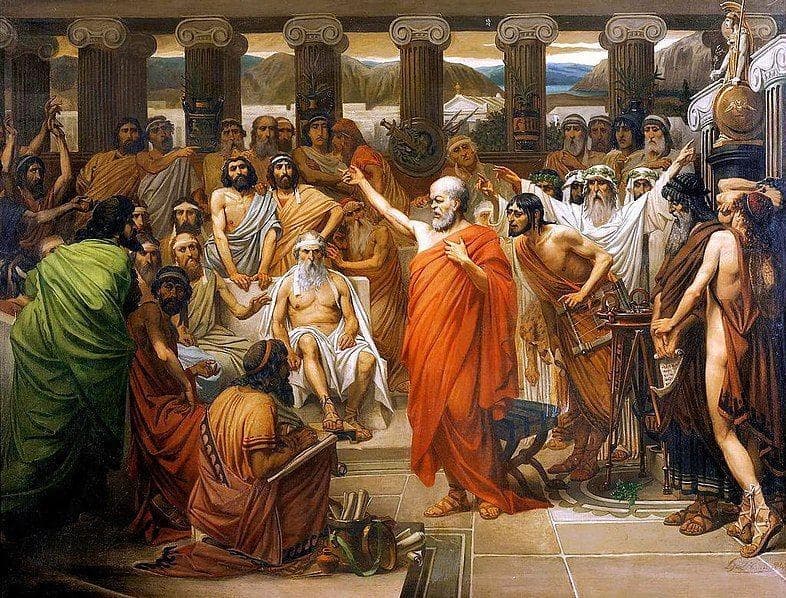
    Socrates Was A Self-Confessed 'Gadfly'

    Scenario: Socrates corners you at the agora in Athens. Context And Personality: A "gadfly" is an insect that bites livestock - but it's also a term used to describe a really annoying person. Socrates was, according to Plato's Apology, a gadfly by choice - sent "upon a great and well-born horse who is rather sluggish because of his great size." The horse in this scenario was the population of Athens, and his nagging made an impact. As a critic of Athenian politics and politicians, Socrates was put on trial for corrupting the youth in the city in 399 BCE. He was also charged with impiety. After defending himself and losing, he was sentenced to death by drinking poison. Outcome: Socrates's name is attached to the Socratic method - the process by which probing questions develop critical-thinking skills. But in a conversation, constant questioning gets old, doesn't it?

    61% upvoted