Skip to content
maxnews
Rankings

12 Facts About Ancient Statues That Are Rock Solid

Every existing ancient statue is an extreme survivor. They've all been ravaged to some degree by time and circumstances ranging from the fall of empires to terrorist attacks to world wars. If they could talk, they'd have some fascinating stories to tell. At least they have us to speak for them, but we can only extract tiny pieces of the experience carved into their stone. Here are a few of the best fragments. (Note: We've used “ancient" to mean any statue 500 years old and older, which is different from historians' view of ancient history as having ended in roughly the 5th century CE.)

Entries
12
Votes
3.1K
Updated
5 days ago

Tap upor downto vote. Your vote is added to Ranker's counts.

Voting identifies your browser with an anonymous fingerprint, stored only as a salted hash, to count one per visitor. Privacy

Source: Ranker, ranked by its voters.

  1. 1

    Michelangelo's 'Moses' Includes A Detail That Reveals The Sculptor's Deep Understanding Of Human Anatomy
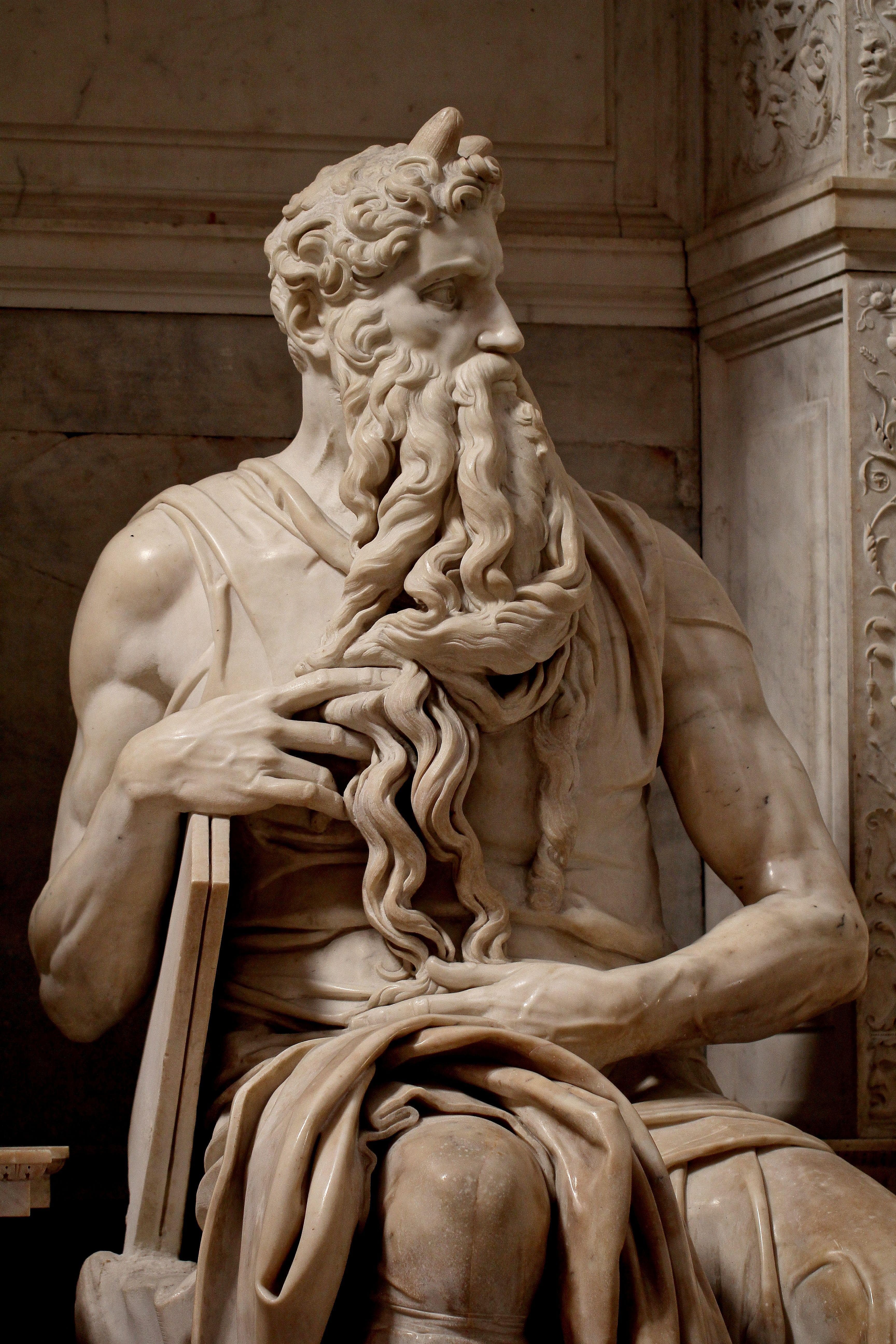
    Michelangelo was so meticulous in his sculpting of Moses that he included a tiny muscle that is usually invisible. The extensor digiti minimi runs from the forearm to the little finger. Thus, it flexes only when the little finger is raised. Sure enough, Michelangelo's Moses has his pinky elevated and therefore his extensor digiti minimi is visible. Digital artist Naren Katakam provided a diagram of this marble musculature and noted that “capturing such intricate details on this sculpture some 500 years ago is utterly insane.”

    98% upvoted
  2. 2

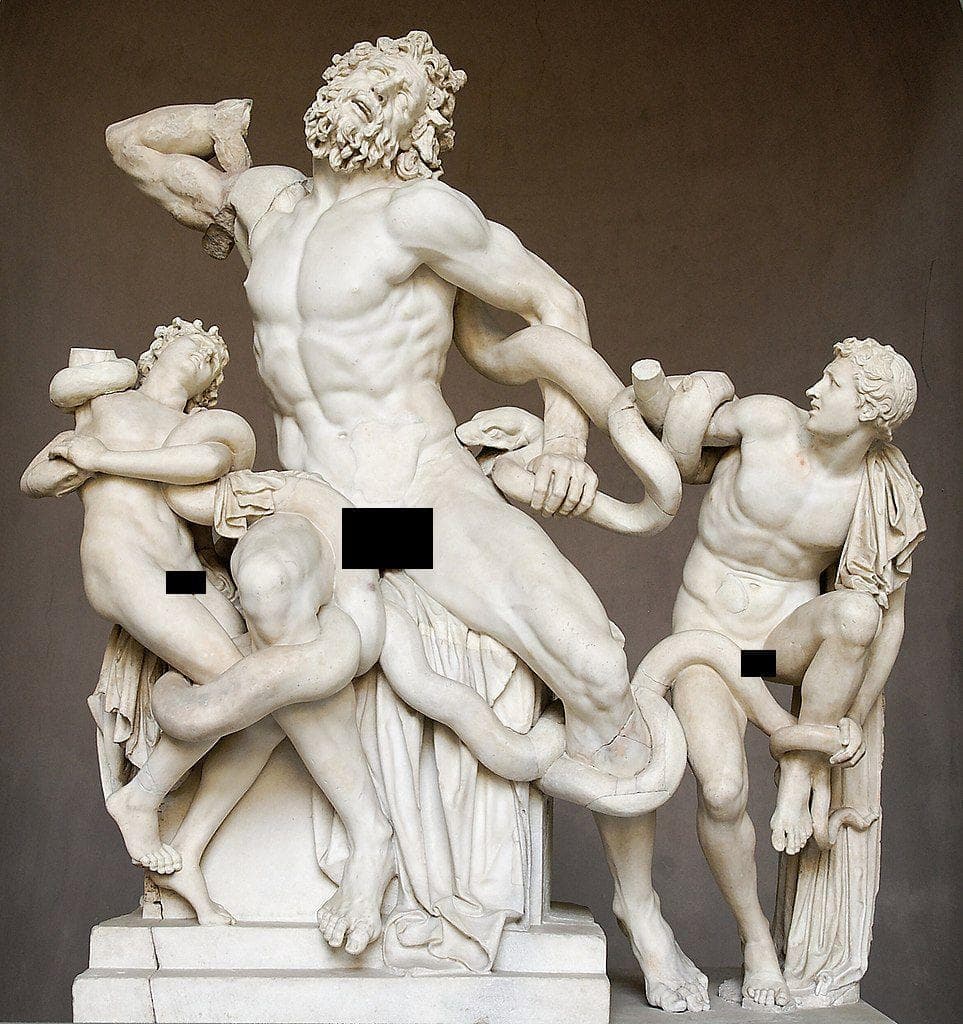
    The Vatican Held A Contest In The 16th Century To Replace The Missing Arm Of Laocoön - And Michelangelo Should Have Won

    When Laocoön and His Sons was discovered in Rome in 1506, it was missing a very important piece. Laocoön, the Greek mythological figure depicted in the statue, had lost one of the arms with which he's battling the sea serpents attacking him and his sons. In around 1510, Vatican architect Donato Bramante held a contest to replace the arm, which was judged by Renaissance art legend Raphael. Another Renaissance legend, Michelangelo, suggested that the arm would have bent backward in anguish. However, a more aesthetically-pleasing outstretched arm, sculpted by Jacopo Sansovino, was the victor. Laocoön's straight arm lasted for centuries until the actual missing arm was found in a stonemason's yard in 1906. It was bent, precisely as Michelangelo had theorized. The statue was reconfigured and a long-belated apology was issued to Michelangelo. (Note: There are conflicting accounts of the Laocoön arm saga. For an alternate version concerning not Michelangelo but his pupil Montorsoli, see the 1867 Archaeological Journal published by the Archaeological Institute of Great Britain and Ireland.)

    97% upvoted
  3. 3

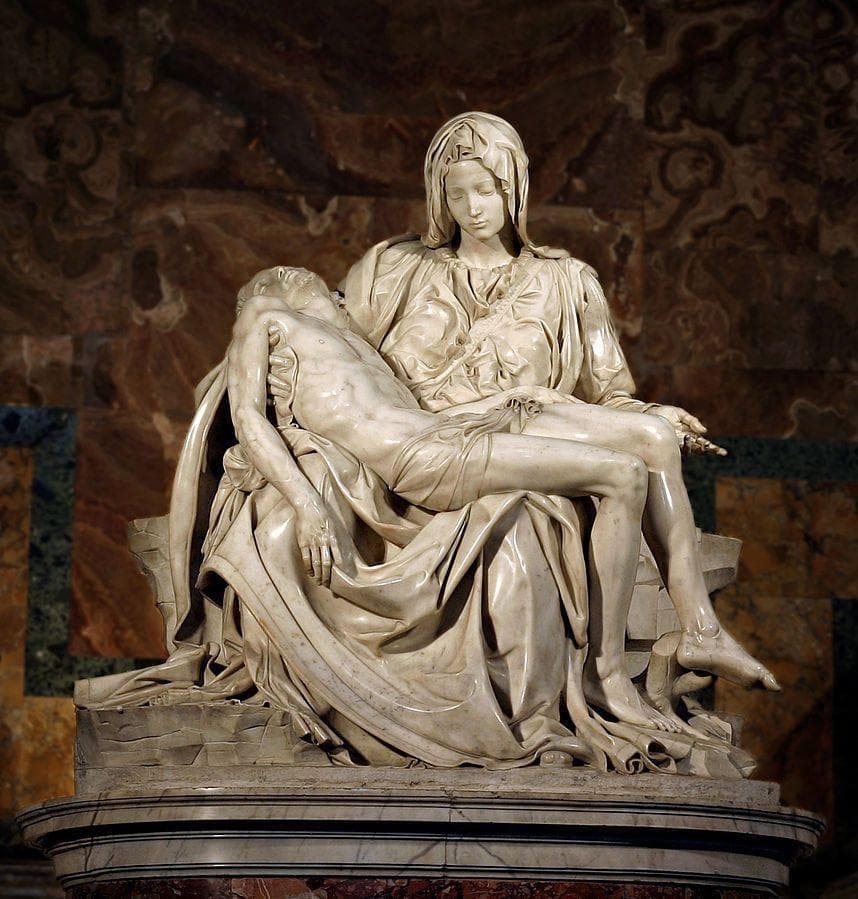
    Michelangelo's 'Pietà' Had Its Nose Broken Off By A Jesus Impersonator

    The Madonna della Pietà, called the Pietà for short, is a 15th-century Michelangelo sculpture depicting Mary holding the dead body of Jesus. On May 21, 1972, a 33-year-old geologist claiming to be Jesus risen from the dead struck the Pietà with a rock hammer 15 times, dismembering his ostensible marble mother. In all, the vandalism resulted in some 100 fragments. Mary lost her left arm, hand, eyelid, and a chunk of her nose. Artists were able to reattach some of her appendages, but her nose had to be reconstructed. Fortunately, the rhinoplasty was a resounding success. “Jesus" wasn't charged for the attack but he was committed to a mental institution for two years.

    97% upvoted
  4. 4

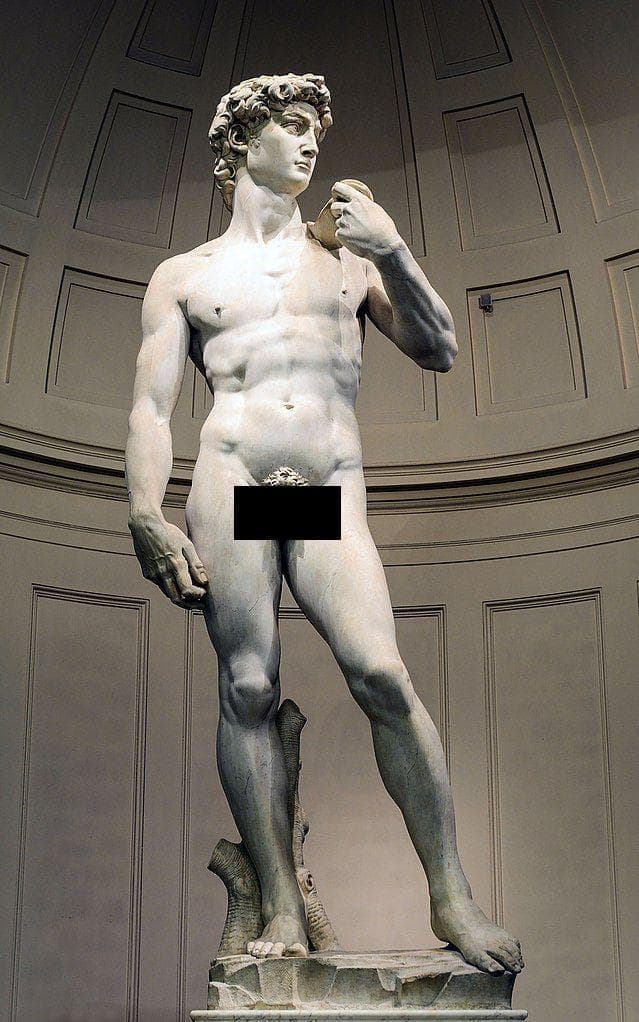
    Michelangelo Sculpted 'David' With Disproportionate Hands And Crossed Eyes - Likely Intentionally

    Arguably the most famous statue in the world, David is riddled with imperfections. The biblical figure has a larger right hand than left, and his left eye deviates considerably from his right. Considering that David's sculptor was an anatomical genius, these “errors” were likely no accident. According to scholars in the Journal of the Royal Society of Medicine, Michelangelo enlarged David's hand to emphasize the Goliath-felling weapon in its clutches (it may also be a nod to one of David's famous descriptors, “manu fortis,” which is Latin for “strong hand"). Additionally, they theorized that David's crossed eyes emerged from Michelangelo's regard for the audience: Michelangelo must have calculated every angle and considered the position of the viewer when carving out the eyes. The left eye accords with the direction of the body’s intended move - David would be throwing the stone toward his left and the eye, naturally, would fixate its gaze in that direction. The right eye, when combined with the rest of the body seen from the right side, accords perfectly with those qualities the commissioners of the work wanted the statue to reflect - power, cunning and intelligence. Because of the statue's great size and the head's elevated position, a viewer is only able to see one eye at a time, making the discrepancy practically unnoticeable. Researchers speculate that this, too, was by design.

    96% upvoted
  5. 5

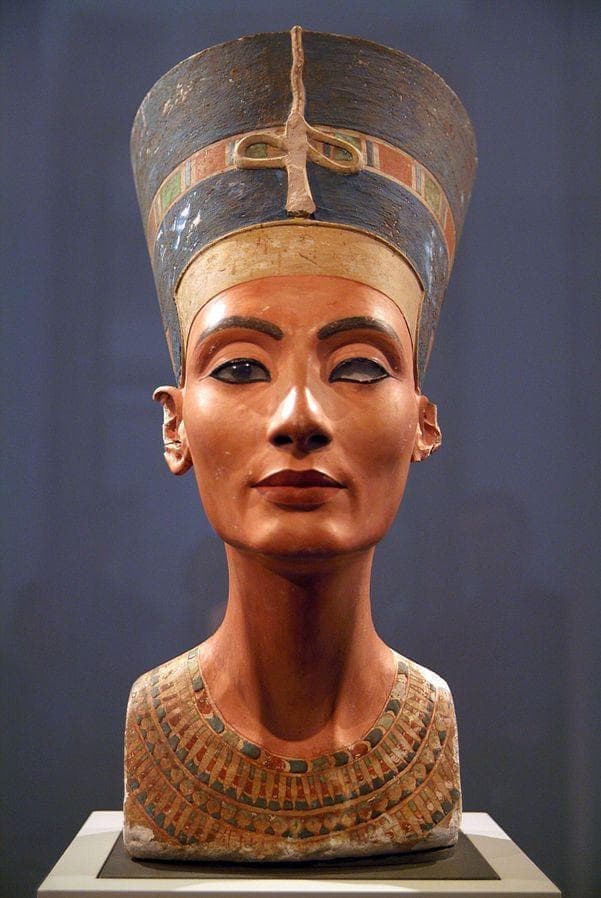
    What Happened To Nefertiti's Left Eye Remains An Archaeological Mystery

    The Nefertiti bust is a sculpture of the titular Egyptian monarch who reigned over 3,000 years ago. The bust, which is thought to have been sculpted in 1345 BCE, wasn't discovered until 1912 when the workshop of the sculptor Thutmose was excavated. It had been preserved to such an exceptional degree that even the vibrant paint remained. The only serious defect is a missing left eye - which may not actually be a defect. As the right eye is made of quartz, excavators assumed that the left had fallen out while the ancient shop went to ruin. But when an exhaustive search of the debris came up empty, speculation abounded that the real Nefertiti had lost her left eye. This was refuted by other Nefertiti depictions containing both peepers. Another explanation is that the bust was a teaching tool for students to sculpt their own irises. A simpler theory is that Thutmose didn't have time to finish.

    96% upvoted
  6. 6

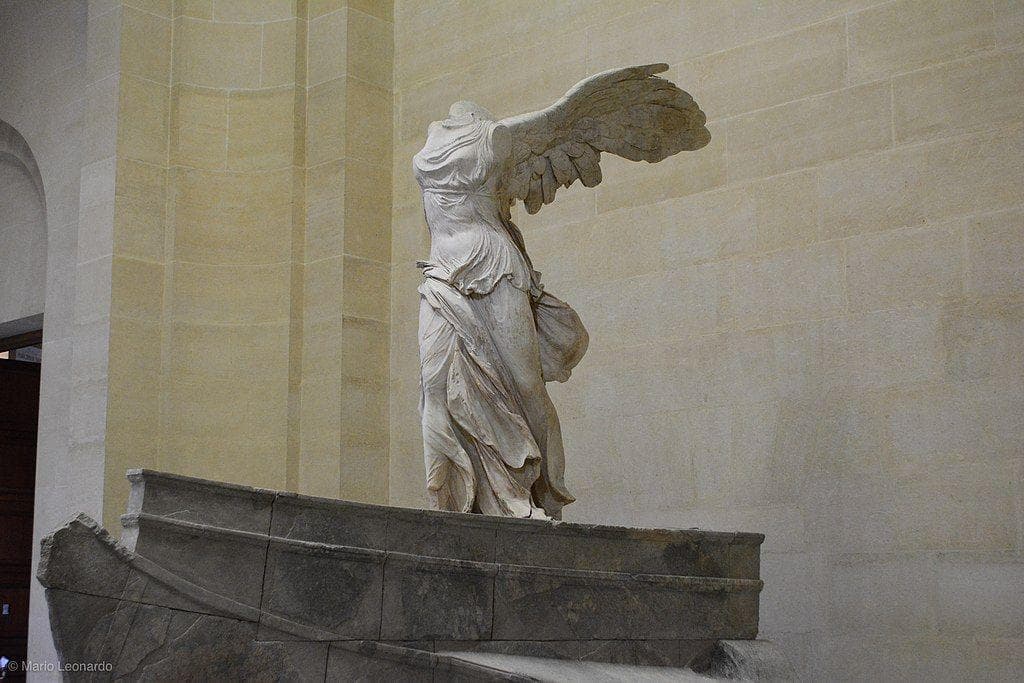
    The 'Winged Victory of Samothrace' Is Missing Its Arms And Head, But Part Of Its Right Hand Has Been Found

    The Winged Victory of Samothrace is an ancient Greek sculpture of the goddess Niké, which was discovered in pieces in 1863. Subsequent expeditions unearthed even more fragments and enabled the statue's restoration. Its bust, base, and wings were connected, but its head, feet, and arms are missing to this day. However, in 1875, an Austrian team excavated one of its thumbs and part of a ring finger. Then, in 1950, French archeologist Jean Charbonneaux found its palm and the rest of the ring finger. The incomplete Winged Victory of Samothrace stands in the Louvre near its encased, incomplete hand.

    96% upvoted
  7. 7

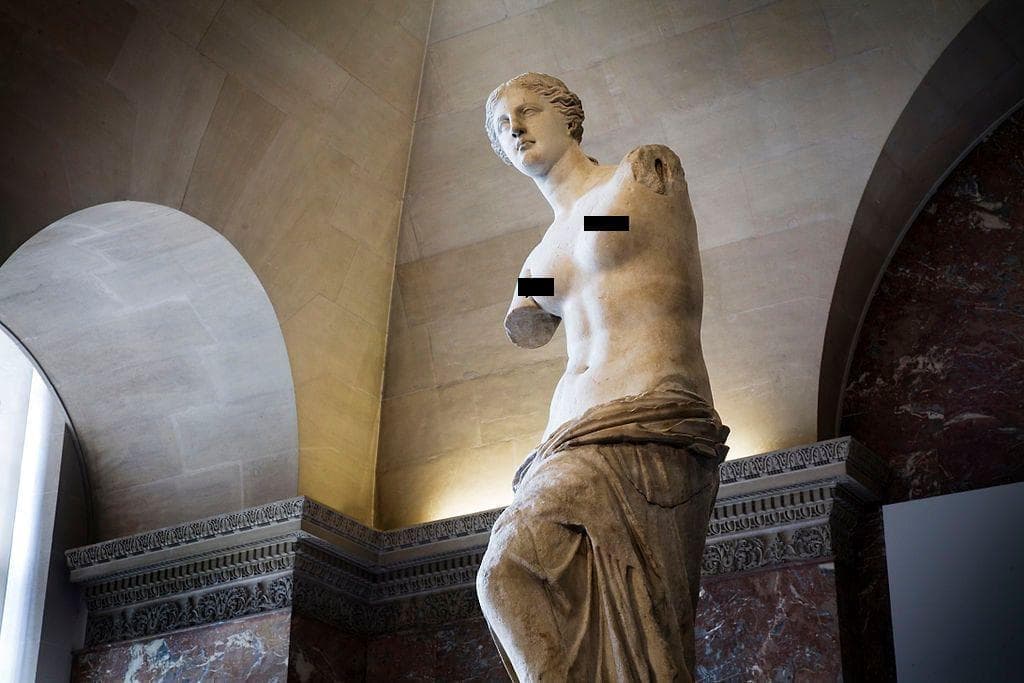
    'Venus de Milo' May Not Actually Be A Statue Of Venus

    Venus de Milo is hard to understand because its female subject lacks arms. Those arms could have been doing any number of things before they were mysteriously destroyed sometime during her multi-millennia existence. A dominant theory is that she once held an apple, leading experts to identify her as Aphrodite (Venus to the Romans), the Greek goddess of love. Conversely, her arms may have been extended in the act of spinning thread. Alternate theories state that she held a trident, making her not Aphrodite but Amphitrite, goddess of the sea, or a shield, suggesting that she's actually Niké, the goddess of victory.

    95% upvoted
  8. 8

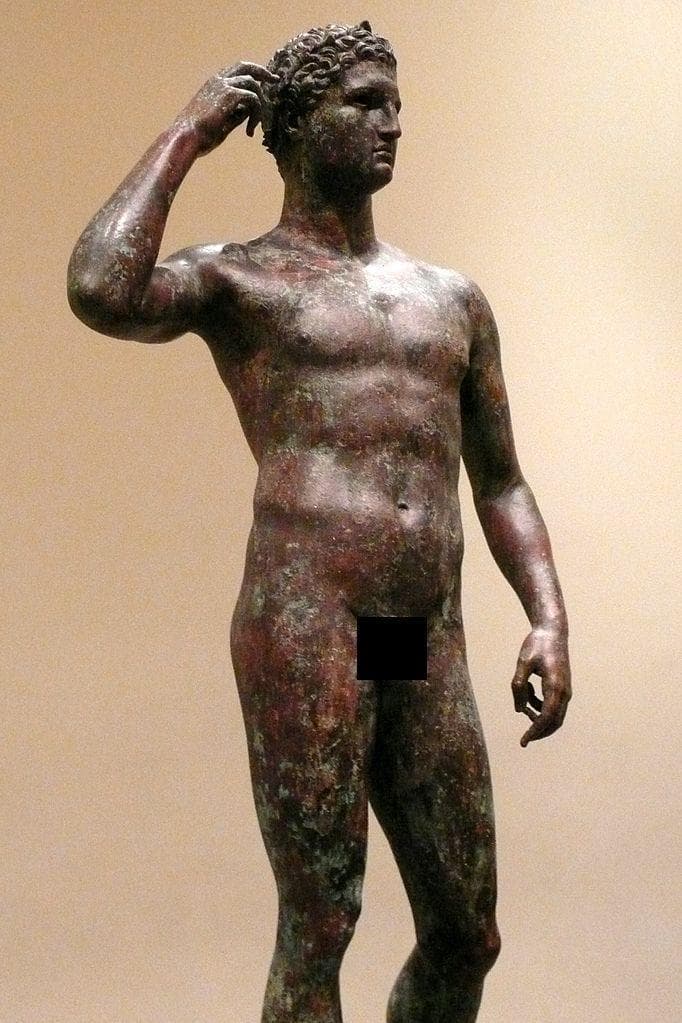
    Greek Statues' Small Penises Are Due To Ancient Beauty Standards

    You may have noticed that the men depicted in ancient Greek statues aren't typically well-endowed. There's a reason for that - and it's the inverse of modern sensibilities. “Most evidence points to the fact that small penises were considered better than big ones,” wrote art historian Ellen Oredsson, citing Kenneth Dover's book Greek Homosexuality. “Small penises were more culturally valued [because] large penises were associated with very specific characteristics: foolishness, lust, and ugliness.” There are ancient Greek statues with large members, but they're “associated with foolish, lustful men, or the animal-like satyrs," continued Oredsson. “The ideal Greek man was rational, intellectual and authoritative. He may still have had a lot of sex, but this was unrelated to his penis size, and his small penis allowed him to remain coolly logical.” Oredsson also noted that the statues' small penises are flaccid, so they're not that much smaller than the average softy.

    94% upvoted
  9. 9

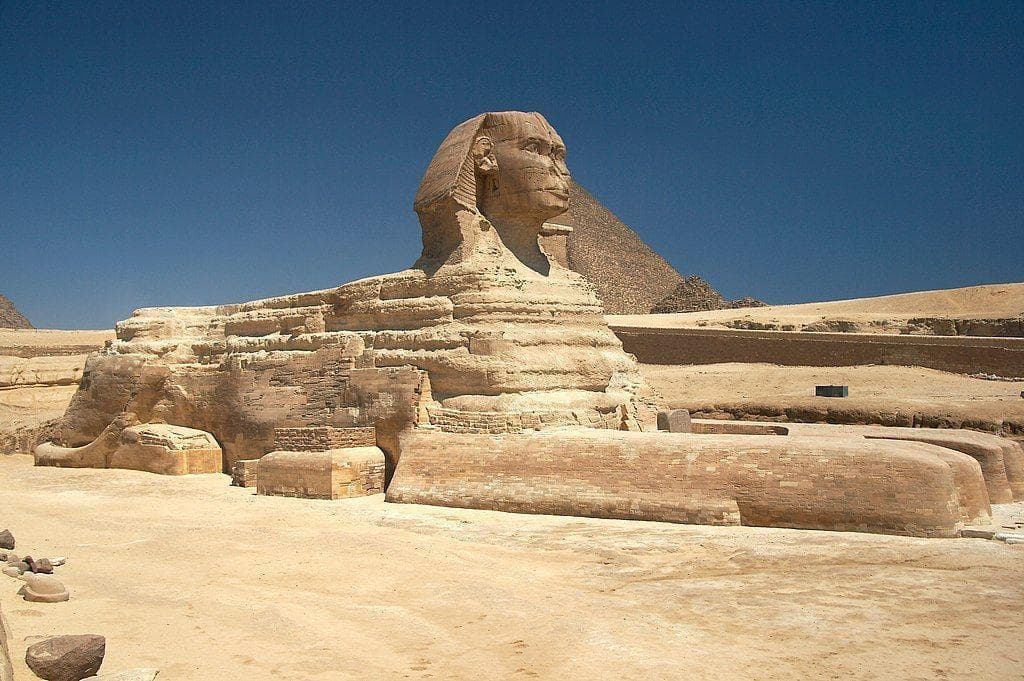
    The Word 'Sphinx' Wasn't Coined Until Some 2,000 Years After The Great Sphinx Of Giza Was Sculpted

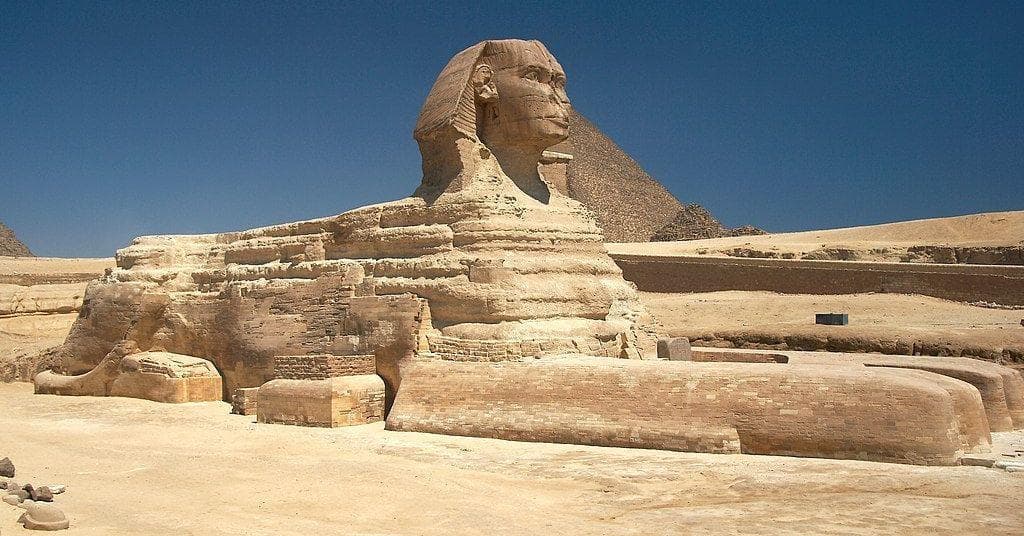
    The legendary Egyptian sculpture of a reclining lion with a human face was not always called the Sphinx. In fact, “sphinx” is a relatively modern name for the beast, appearing 2,000 years into its 4,500-year history. That's when Greeks settled in the region and called the statue Σφίγξ, which means “to squeeze,” ostensibly because lions squeeze (strangle) their prey. Σφίγξ became “sphinx" and has endured for millennia. The Sphinx's original name is not known, but one of its earliest Egyptian names was “Hor-em-akhet,” which references the sun god Horus.

    94% upvoted
  10. 10

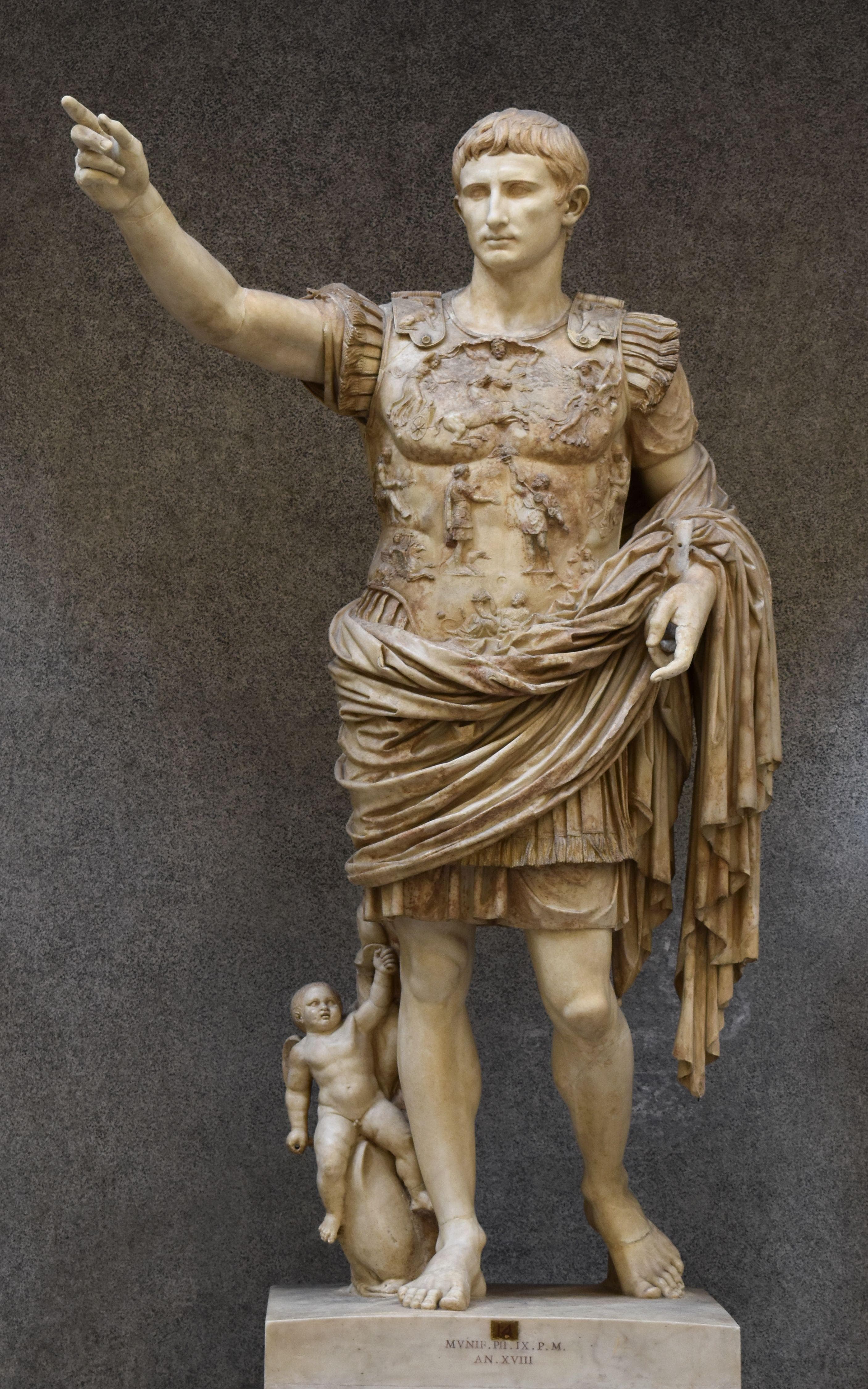
    'Augustus of Prima Porta' Was Originally Painted Red And Blue

    Augustus of Prima Porta is an ancient statue of Augustus, the first emperor of the Roman Empire, unearthed in 1863 in Prima Porta, Rome. Like many Roman sculptures, Augustus is made of marble. Also like many Roman sculptures, that marble was once painted. Luckily, not all the coloring had faded over the millennia, allowing us to approximate how the statue originally looked. Traces of organic red pigment were found on Augustus's cloak and blue pigment was discovered on his tunic. From these and other colors, numerous polychromatic recreations of Augustus have been made. However, some have been criticized for being too garish. Even though we know some of the statue's colors, we don't know how thickly and crudely they were applied.

    94% upvoted