Skip to content
maxnews
People

11 Times People Disregarded Orders And Changed History

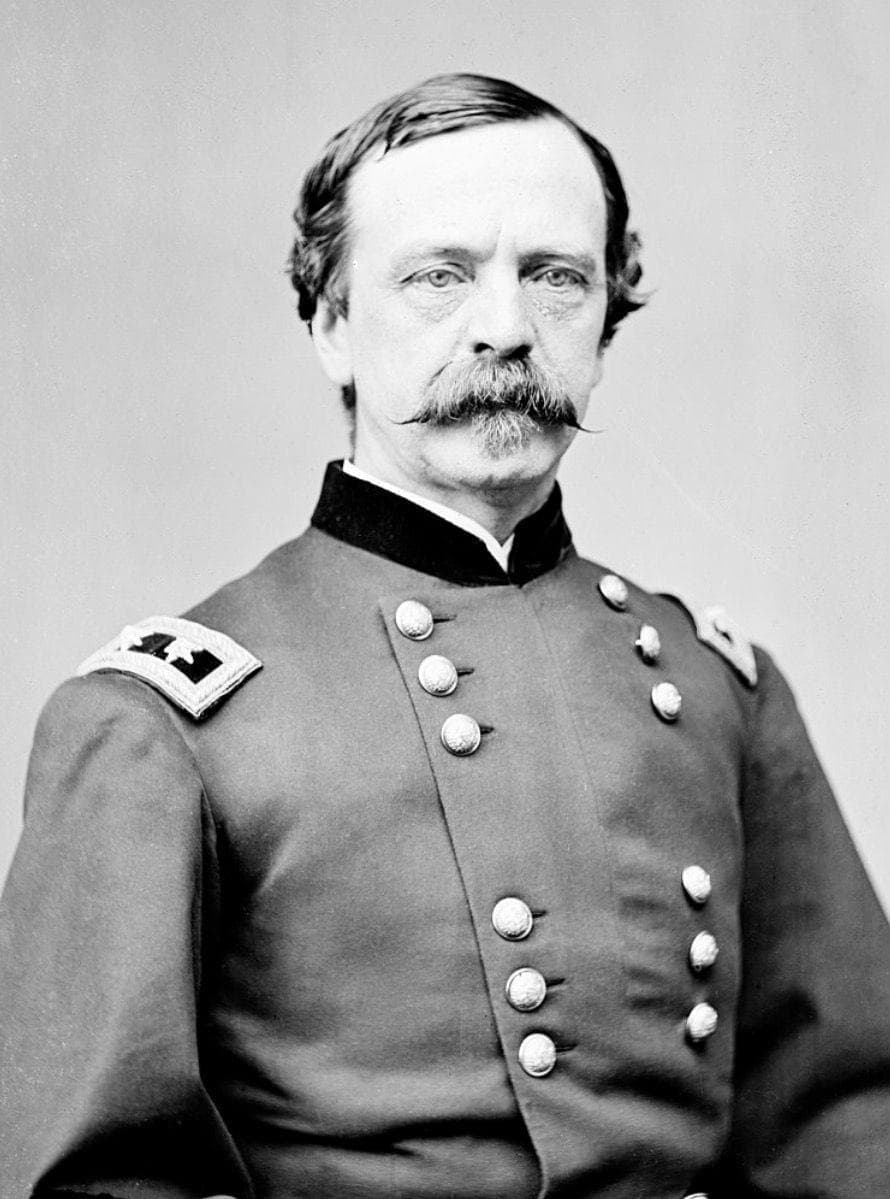
The chain of command and obeying orders are two concepts that are essential to military success. But military history is still full of people who disobeyed orders. Armies are made up of individuals, and regardless of the time period or culture, there are always people who buck the system. The reasons soldiers have disobeyed are as varied as the world's militaries themselves. Many have refused commands that they personally found objectionable, like Col. Raoul Berube, the WWI commander who refused to fire on his troops for their perceived cowardice. With others, like Union General Daniel Sickles in the Civil War, their reasons had more to do with their own glory. And sometimes, soldiers have disobeyed because their orders were too cautious, as Australian Lt. Thomas Derrick did during the Battle of Sattelberg in 1943. Here are some times people disregarded orders - and changed history along the way.

Entries
11
Votes
93.3K
Updated
yesterday

Tap upor downto vote. Your vote is added to Ranker's counts.

Voting identifies your browser with an anonymous fingerprint, stored only as a salted hash, to count one per visitor. Privacy

Source: Ranker, ranked by its voters.

  1. 1

    Stanislav Petrov Chose To Disregard A Missile Warning, Possibly Averting WWIII
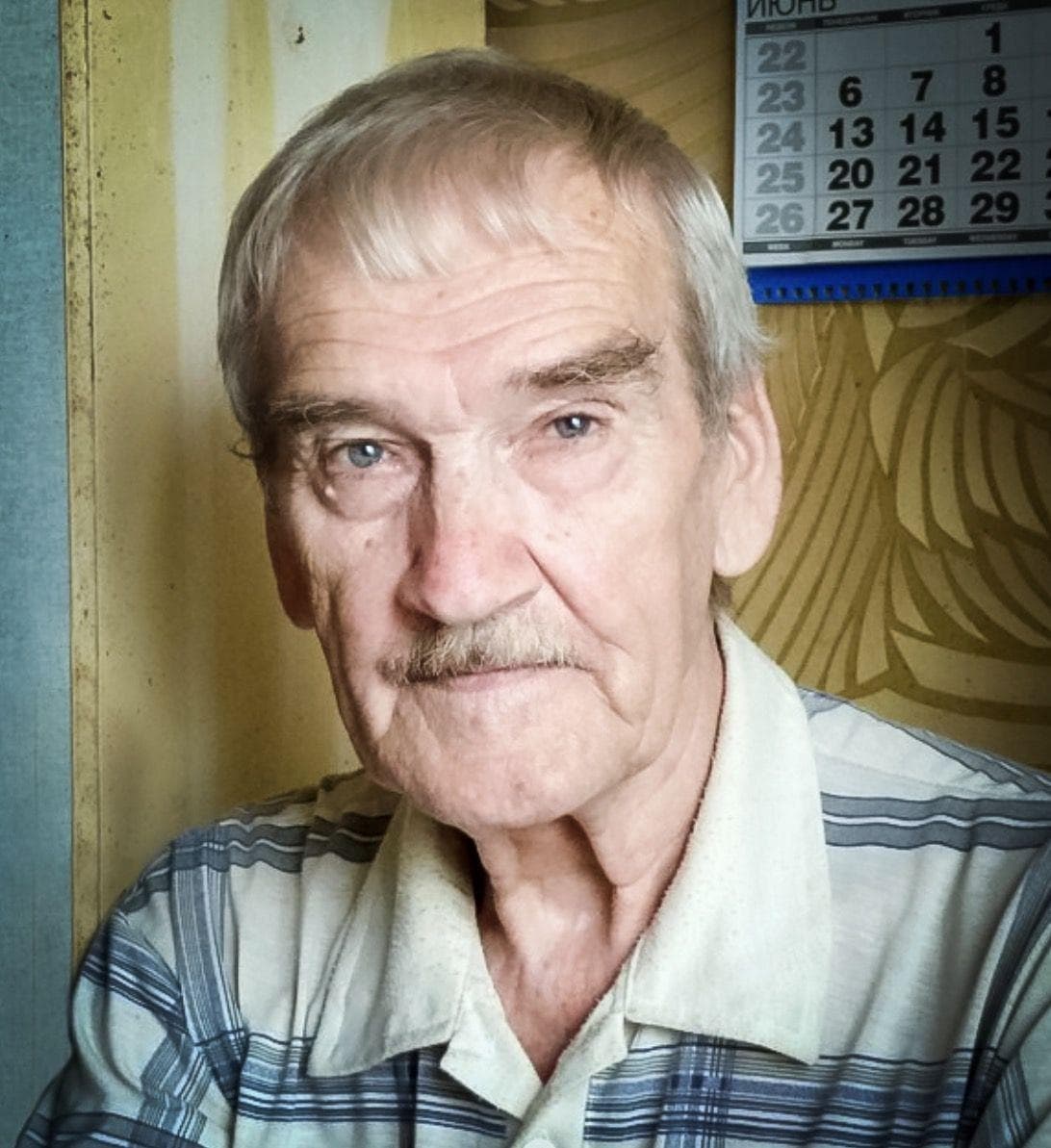
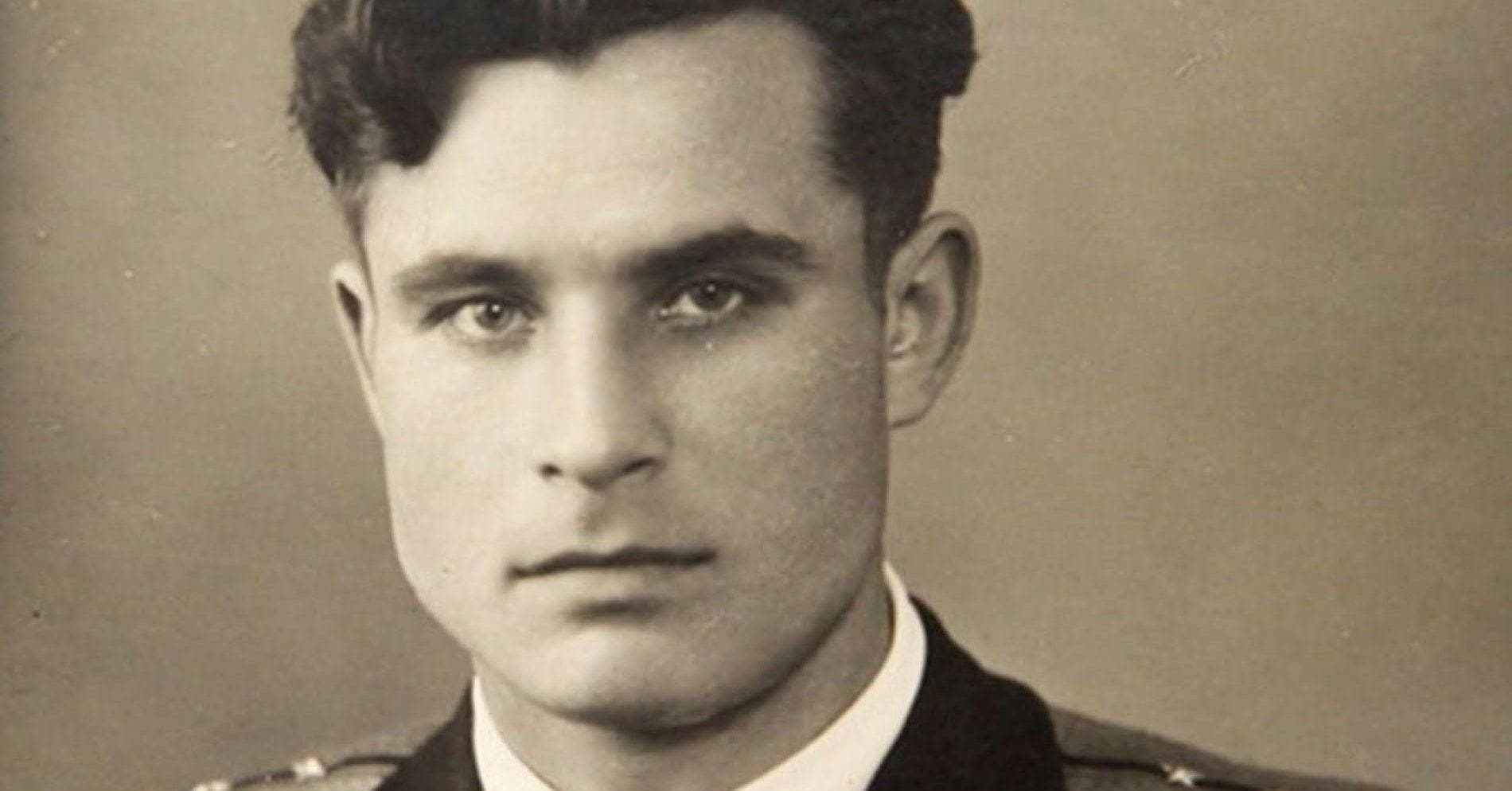
    More than two decades after submarine officer Vasili Arkhipov avoided nuclear war during the Cuban Missile Crisis, another Soviet officer, Lt. Colonel Stanislav Petrov, again made the decision not to launch an attack that could have triggered a nuclear exchange. On September 26, 1983, Petrov was stationed at the Serpukhov-15 bunker near Moscow, part of the Soviet Air Defense Forces. That day, the early warning system detected what appeared to be an incoming American Intercontinental Ballistic Missile. Petrov and his staff ultimately decided that it was a false alarm, and a later investigation bore this out: the system was triggered by the sun reflecting off clouds. By refusing to launch an attack, Petrov potentially averted hundreds of millions - if not billions - of deaths. In 2004, in recognition of his achievement, Petrov was given the World Citizen Award by the San Francisco-based Association of World Citizens, along with a $1,000 prize. “I didn't believe I had done something extraordinary. I was simply doing my job and I did it well,” Petrov commented at the time. In 2013 he received the Dresden Peace Prize as “The Man Who Saved The World.”
    98% upvoted
  2. 2

    Soviet Sub Officer Vasili Arkhipov Kept The Cuban Missile Crisis From Escalating

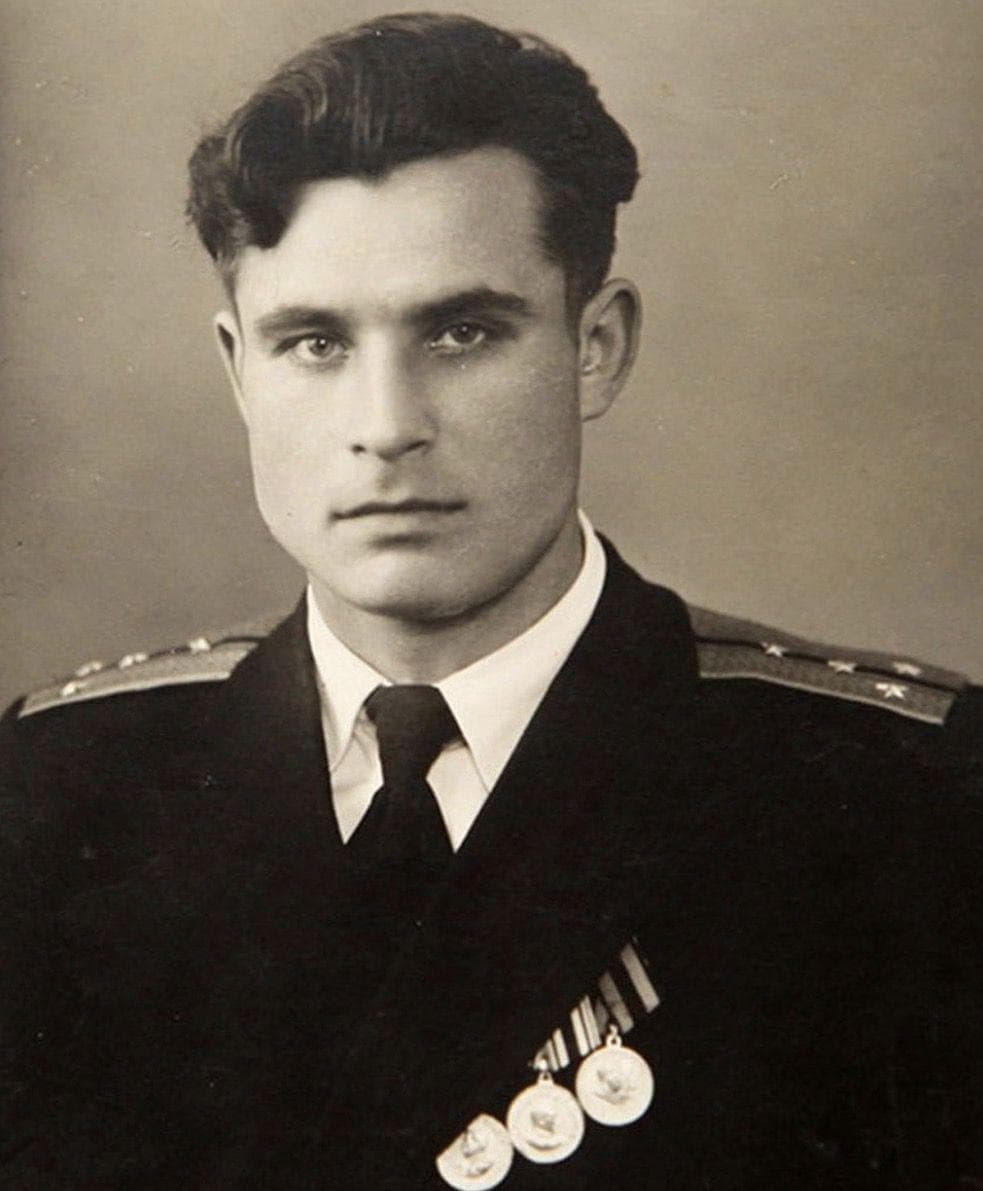
    During 13 days in October 1962 known as the Cuban Missile Crisis, the United States and the Soviet Union barely avoided a nuclear war that would have devastated the planet. But even though negotiations between President John F. Kennedy and Premier Nikita Khruschev were ultimately successful, the war still almost happened because of a confused Soviet submarine captain. Along with three others, the Soviet submarine B-59 was stationed in the Caribbean. It was equipped with a nuclear missile with nearly the same destructive power as the bomb dropped on Hiroshima. The submarine fleet had orders to attack American forces if provoked, without needing approval from Moscow. When the American navy discovered the submarines and began dropping depth charges nearby, the commander of B-59, Valentin Savitski, thought that the war had begun and ordered the missile to launch. However, the fleet's commander, Vasili Alexandrovich Arkhipov, was also on board. Arkhipov felt that the Americans were only trying to get the submarine to surface and that it wasn't in danger. Arkhipov talked Savitski down and averted nuclear war.

    98% upvoted
  3. 3

    Lt. David Teich Sent Four Tanks To Help Another Unit, Defying Orders To Withdraw

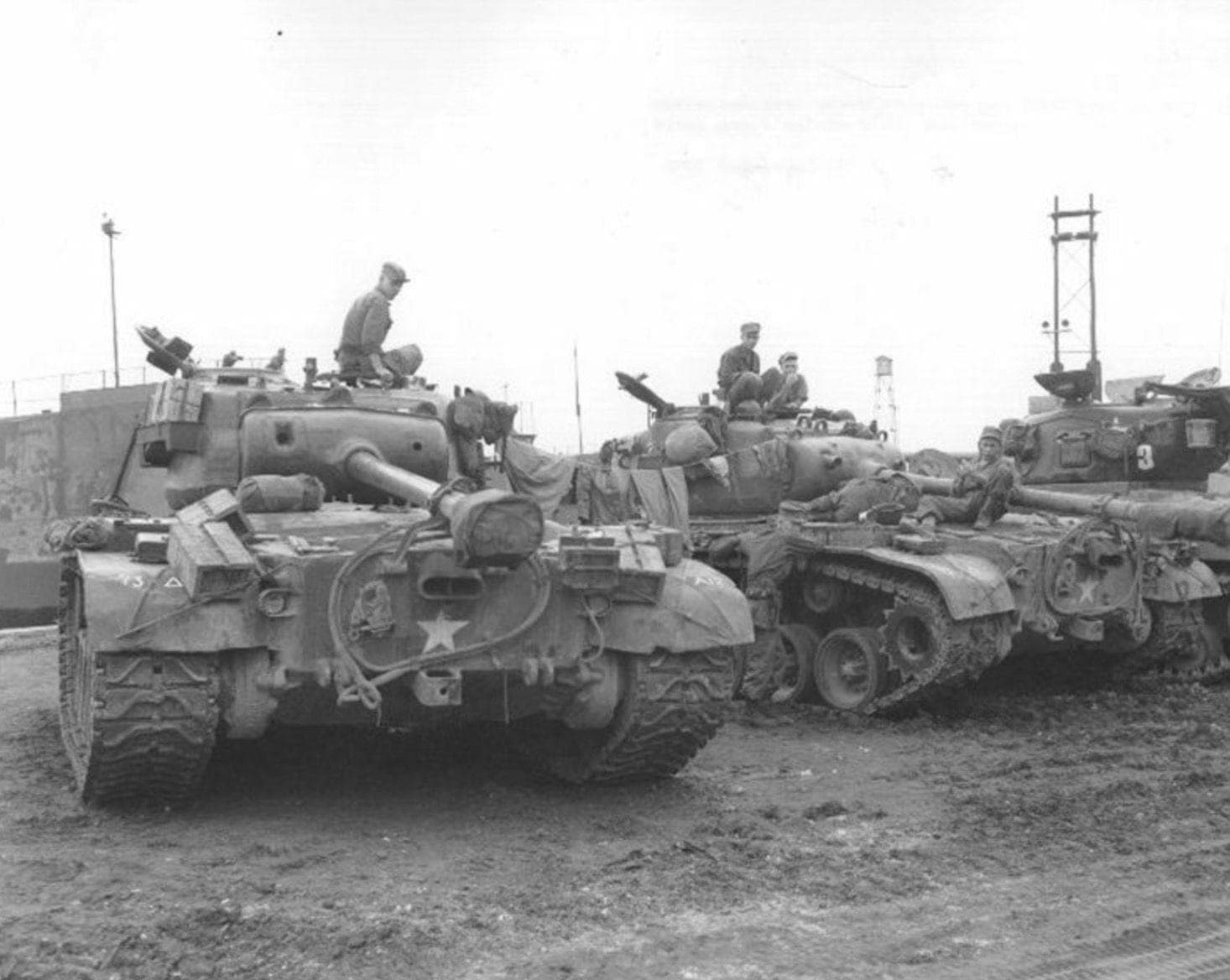
    On April 22, 1951, the Chinese Army launched the Spring Offensive against American forces during the Korean War, sending 300,000 troops to attack American lines. Two days later, as American forces were being overwhelmed, a unit from the 8th Ranger Company was caught behind the advance. Its commander, E.C. Rivera, radioed for help, but the remaining American forces decided to retreat. Rivera and his 65 men would have been doomed if not for Lieutenant Dave Teich. Disobeying his captain, Teich sent four tanks to Rivera's position on Hill 628 and retrieved the stranded Rangers.

    97% upvoted
  4. 4

    Cpl. Desmond Doss Refused To Carry A Weapon But Became A Hero In Combat

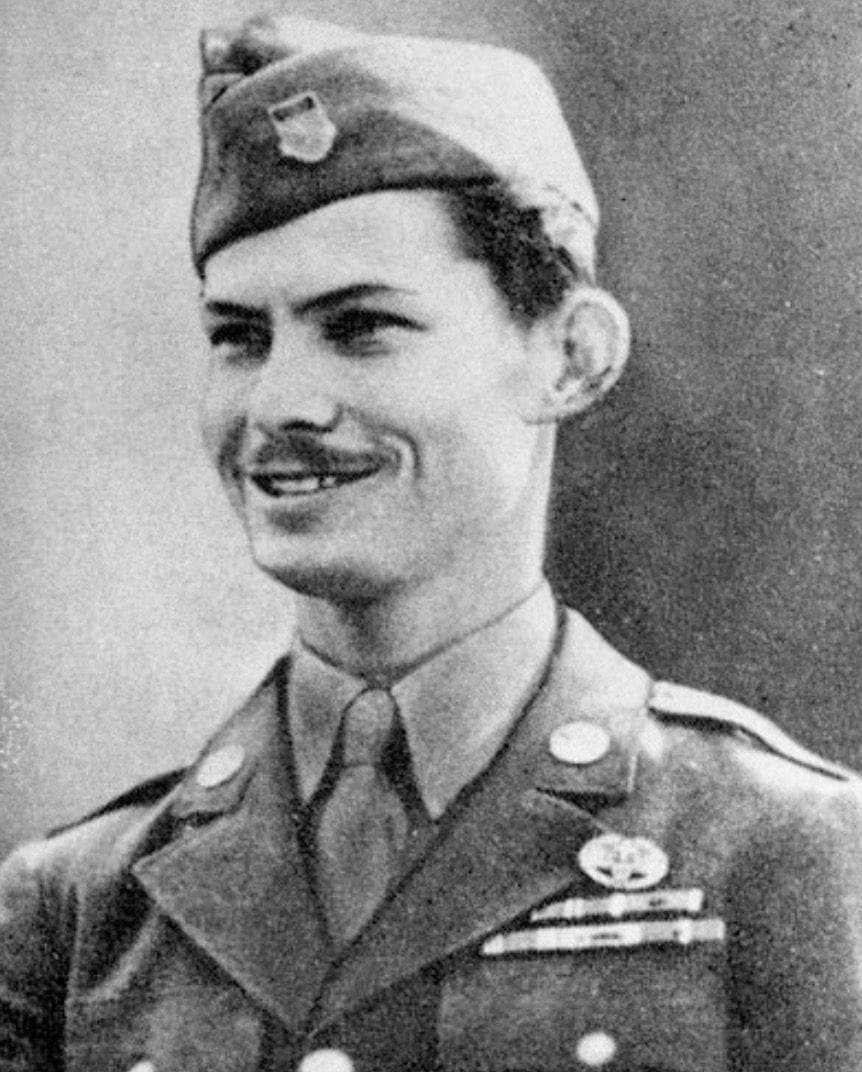
    Technically, Desmond Doss didn't break any rules when he registered as a conscientious objector for the US military during WWII - he was one of more than 72,000 individuals who joined the service as conscientious objectors. When the Japanese bombed Pearl Harbor, Doss was given the option for a draft deferment but chose to join up as an objector because he wanted to serve the country. Because he refused to take a life on religious grounds, he became a combat medic for the 77th Infantry and refused to carry a gun. This and his exemption from training on Saturdays were the sources of intense criticism towards Doss from his fellow soldiers. However, when Doss was sent to combat, he earned the respect of his squadmates. He earned a Bronze Star for his heroism on Leyte, but he's best known for saving the lives of about 75 wounded soldiers under heavy gunfire at the Battle of Okinawa. Doss received the Medal of Honor for this, becoming the first and only conscientious objector in WWII to receive the honor.

    97% upvoted
  5. 5

    Aussie Lt. ‘Diver’ Derrick Said ‘Bugger The CO’ And Captured A Japanese Position

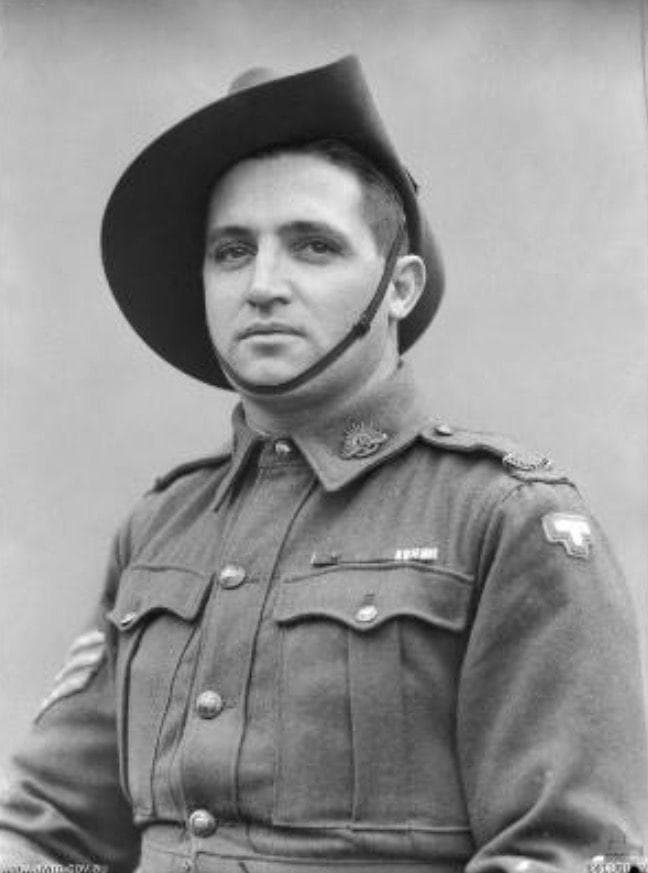
    The 2/48th Battalion of the Australian 9th Infantry division was Australia's most decorated unit that served in WWII, and Lt. Thomas "Diver" Derrick was one of the battalion's most decorated and beloved soldiers. Derrick's best-known accomplishment came during the Battle of Sattelberg in New Guinea in November 1943. The 2/48th participated in the fight, but after a week of fighting their progress stalled and Derrick's commanding officer ordered a retreat. Derrick was quoted as saying, "Bugger the CO, just give me 20 minutes and we'll have this place." Derrick advanced on multiple Japanese machine gun positions, uphill through the jungle, while under covering fire from his squadmates. And he did it by himself. Altogether, Derrick cleared out 10 enemy positions, helping his unit accomplish their objective and receiving the Victoria Cross for his efforts. Unfortunately, Derrick perished late in the war, suffering grievous injuries at the Battle of Tarakan in May 1945 and succumbing the next day.

    96% upvoted
  6. 6

    General Dietrich Von Choltitz Declined To Burn Paris As His Troops Evacuated The City

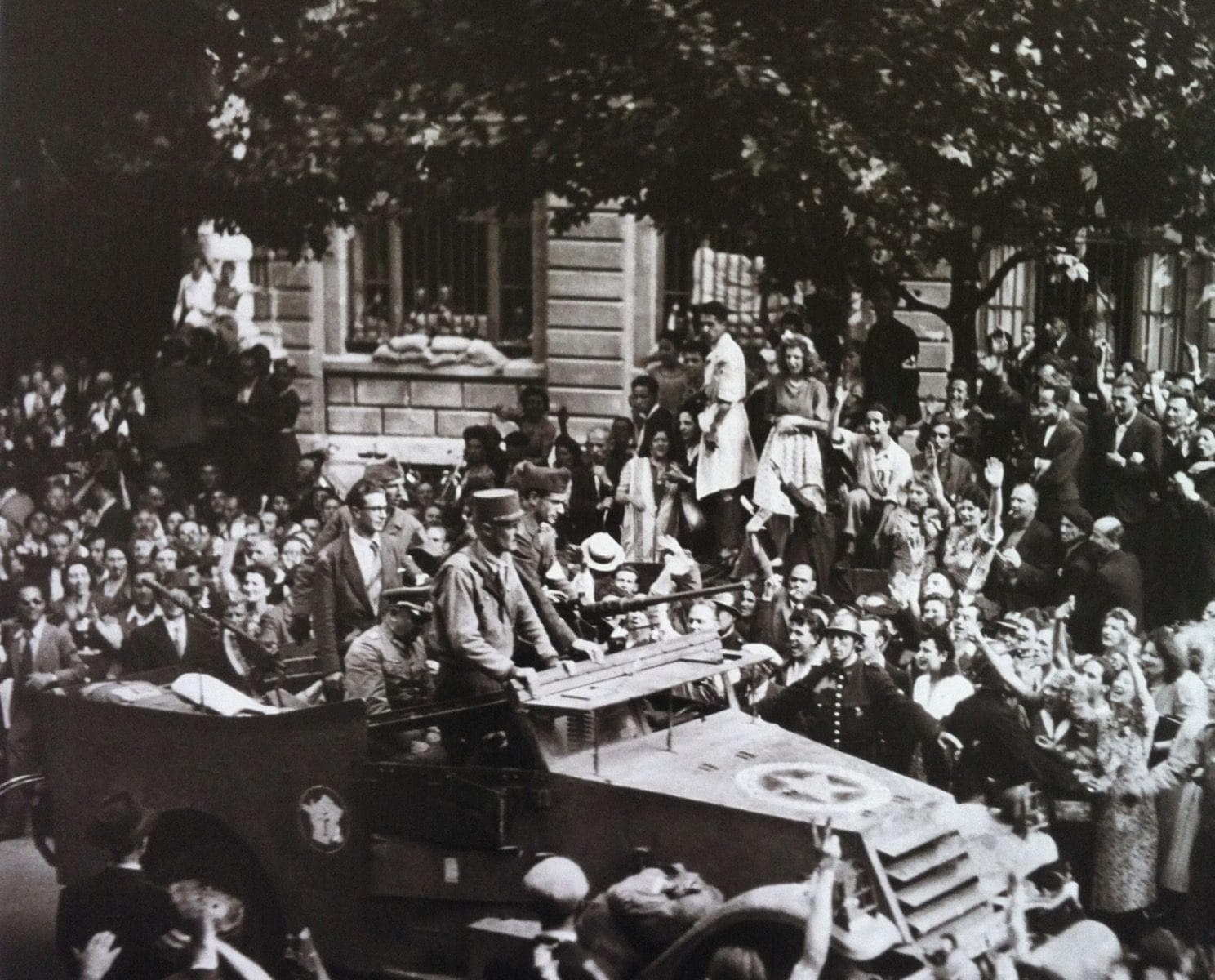
    When the Allied forces successfully invaded northern France on D-Day on June 6th, 1944, and then pushed to take Paris in August, Hitler ordered local forces to burn down most of the city to keep it from falling into enemy hands. This included destroying bridges, important war-related facilities, and even Paris's iconic buildings like Notre Dame Cathedral and the Arc de Triomphe. The commander of the First German Army, General Dietrich von Choltitz, refused to comply. In his 1951 memoirs, von Choltitz claimed that he felt the orders had no military value and that Hitler was mentally unwell. However, some French observers have argued that Choltitz merely lacked the troops to carry out the orders and that he later attempted to reframe the situation to salvage his reputation.

    95% upvoted
  7. 7

    As WWII Ended, Albert Speer Refused To Destroy Germany’s Civilian Infrastructure

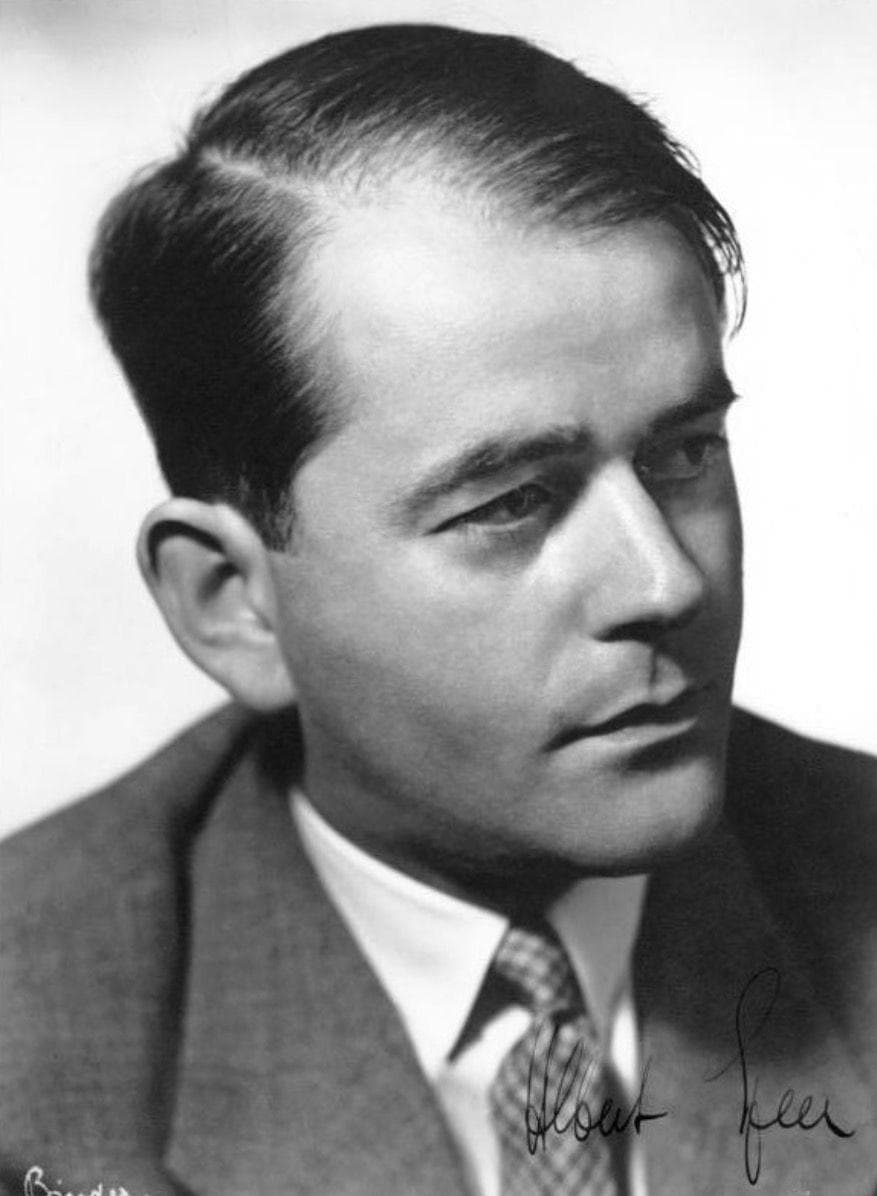
    In March 1945, the Allies captured the final bridge on the Rhine River that allowed access into Germany. At this point, Hitler issued a command even more extreme than his 1944 order to destroy Paris: the "Demolitions on Reich Territory" order, which is popularly known as the Nero Decree. This would have wiped out all of Germany's industry and infrastructure to keep it from falling under Allied control. The German leader was apparently unconcerned about any impact such an order would have on his country's vulnerable civilian population. The task fell to Germany's armaments minister - and Hitler's friend - Albert Speer. Speer felt that the order would have a ruinous effect on the German people. Like Von Choltitz, who had declined to burn Paris, Speer also suspected his boss was mentally unstable. Speer ultimately issued the orders but also issued encrypted alternate orders to delay the destruction. In the end, the Nero Decree wasn't carried out. After the war, Speer, one of the highest-ranking members of German leadership to survive the war, attempted to promote himself as someone who stood up to Hitler. While history does credit him with refusing to follow the Nero Decree, it's also worth noting that Speer, an architect, wanted to preserve many buildings he'd designed.

    93% upvoted
  8. 8

    WWI Artillery Commander Raoul Berube Refused A General’s Order To Fire On His Own Men

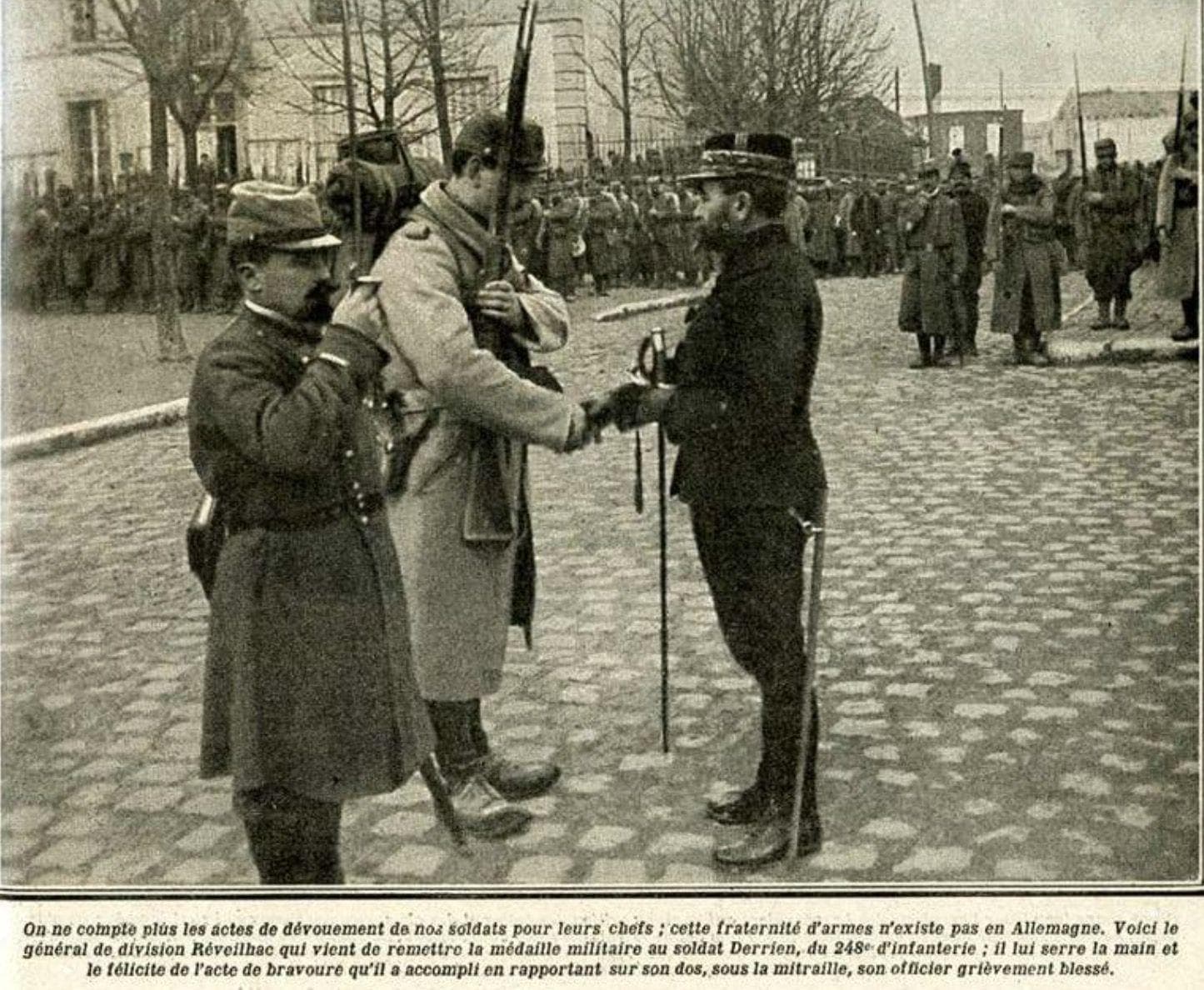
    WWI was responsible for many technological innovations, and one of the most important was the widespread use of the machine gun. With their superior rate of fire, machine guns allowed armies to target large numbers of enemy soldiers from a distance. Machine guns (in concert with improvements in artillery) required armies to change tactics, moving away from massed bayonet charges and towards trench warfare. But this change was gradual. In the early stages of the conflict, commanders routinely ordered charges against machine guns. On March 7, 1915, the French 336th Infantry Regiment was ordered to attack entrenched German machine gun positions. The attacks went on for two days, and when the divisional commander, General Geraud Reveilhac, ordered another charge, the 21st company refused. Furious, Reveilhac ordered his artillery commander, Colonel Berube, to fire on his own troops. Berube also refused. Days later, when four corporals were unable to cross 150 yards of No Man's Land to cut barbed wire and turned back, Reveilhac ordered them to be executed. The incident was later fictionalized in the Stanley Kubrick film Paths of Glory. Reveilhac remained in command of the regiment until February 1916, when he was ordered to take a three-month leave of absence. After the fighting ended, he received the Grand Officer of the Legion of Honor and retired with honors.

    91% upvoted
  9. 9

    When Augustus Died, Roman Soldiers On The Rhine Mutinied, Causing An Imperial Crisis

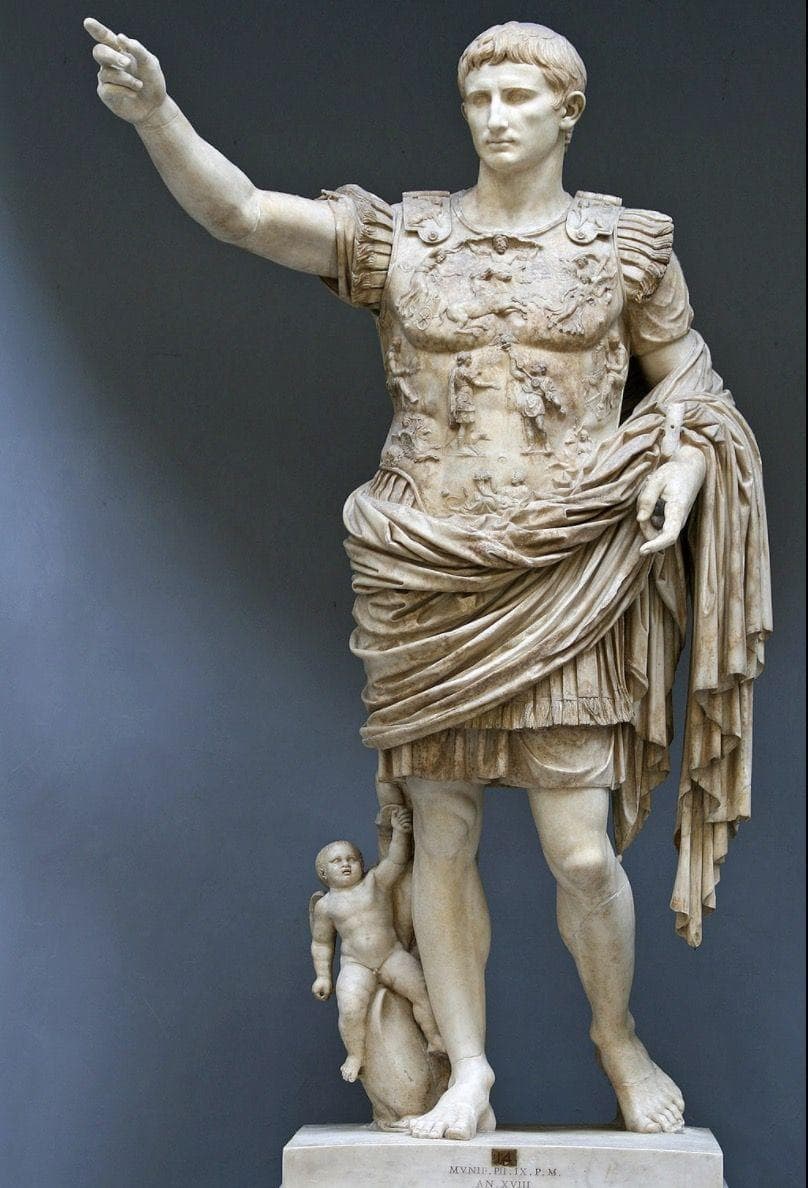
    All forms of mutiny are acts of disobeying orders, but the Rhine Mutiny of 14 CE is one of the most well-remembered because it threatened the stability of the entire Roman Empire. At the end of the reign of Emperor Augustus, who ruled from 27 BCE to 14 CE, the Roman military had devoted much of its power to suppressing a revolt in Illyricum (the northwestern Balkans) in 6-9 CE. This redeployment helped precipitate the notorious destruction of three vulnerable legions at Teutoburg Forest in Germany. To replenish its losses, the Roman military recalled veterans and drafted freed slaves. By 14 CE, the Pannonian Legions were populated by soldiers who were either conscripted past the term of their original service or weren't ordinarily soldiers in the first place. Bottom line, most didn't want to be there and felt their rights were ignored. But as dissatisfied as the soldiers were, they were also at least loyal to Augustus, who had drafted them and who exerted a near-superhuman authority over the empire he had helped to forge. When Augustus died, legions stationed near the Rhine River mutinied. The revolt started with the Legions V Alaudae and XXI Rapax, where soldiers began murdering their company commanders, and quickly spread to Legions I Germanica and XX Valeria Victrix. The job of stopping the Rhine Mutiny fell to Germanicus, son of the new emperor Tiberius's brother Drusus, and a popular former commander. Germanicus temporarily placated the mutinous soldiers by agreeing to release everyone who had participated in 20 or more campaigns immediately, then paying off their salaries. When Tiberius sent a senate delegation to investigate the mutiny, the legions revolted again. This time, the soldiers threatened Germanicus's pregnant wife Agrippina, a granddaughter of Augustus, and their toddler son, Gaius (known to history by his childhood nickname Caligula). Germanicus responded by shaming them for endangering the lives of Augustus's descendants. The mutineers' resolve broke, and their ringleaders were executed. Then, Germanicus led the formerly rebellious soldiers on a successful expedition across the Rhine, which proved their loyalty again.

    82% upvoted
  10. 10

    Indian Soldiers Refused To Use Cartridges Greased With Pork And Beef Fat, Triggering The 1857 Rebellion

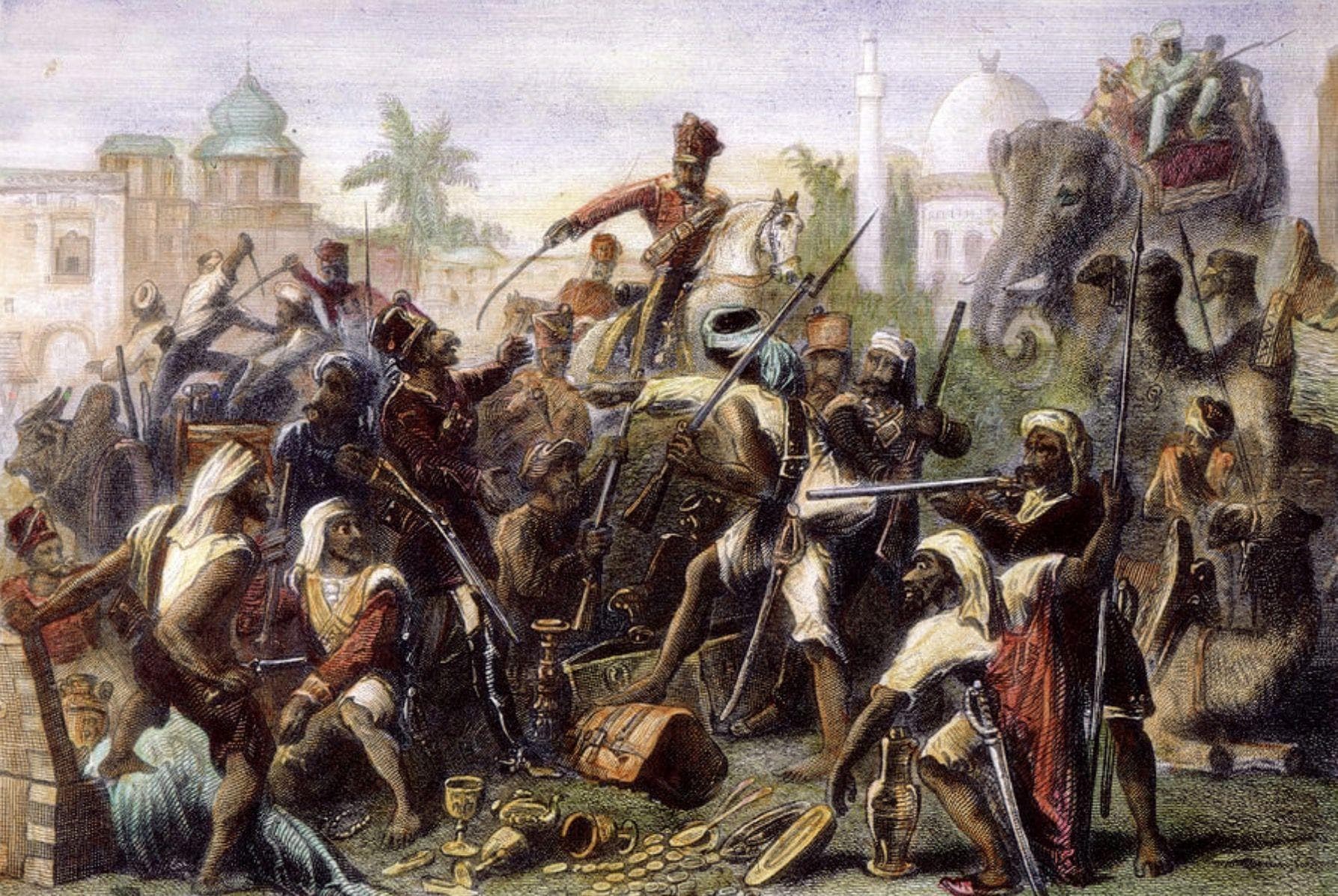
    By 1857, the British East India Company had controlled India with a repressive regime for about a century. In January of that year, tensions had finally reached the point that Indian political leaders were planning a revolt. But the Indian Mutiny didn't officially begin until spring of that year. The event that sparked the mutiny originated with 90 sepoys (Indian infantrymen) serving under the British 3rd Bengal Light Cavalry Regiment. At this time, British Enfield rifles used cartridges that were reportedly greased with a mixture of cow and pig fat. To load their rifles, soldiers were required to tear the paper wrapping off the cartridges with their teeth. The sepoys, a mixture of Hindu and Muslim troops, objected to putting the rumored cow and pig grease in their mouths for religious reasons and refused to use the cartridges. On May 8th, the troops were found guilty of insubordination in a court-martial, and the Indian Mutiny began two days later. The British ultimately defeated the Indian Mutiny (followed by vicious reprisals whose extent is still debated) and took direct control of India, establishing the British Raj that would last until 1947.

    60% upvoted