Skip to content
maxnews
Rankings

11 Great Historical Dynasties We'd Most Want To Be Part Of

The impact left upon history by its most prominent ruling families can far outlast their own bloodline and the legacy of any one member. But which ruling family would be most appealing to belong to? Every great house enjoyed certain perks, but these would be balanced by the great responsibilities and challenges each era posed. From the magnificent monuments of Egypt's Fourth Dynasty to the splendor of the Romanovs, this collection examines the pros and cons of being a part of history's greatest ruling families.

Entries
11
Votes
1.7K
Updated
yesterday

Tap upor downto vote. Your vote is added to Ranker's counts.

Voting identifies your browser with an anonymous fingerprint, stored only as a salted hash, to count one per visitor. Privacy

Source: Ranker, ranked by its voters.

  1. 1

    The Romanovs Ended The 'Time Of Troubles' And Ruled Russia For More Than 300 Years
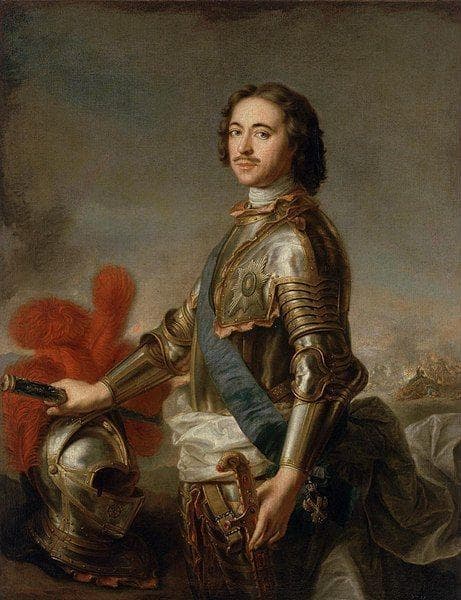
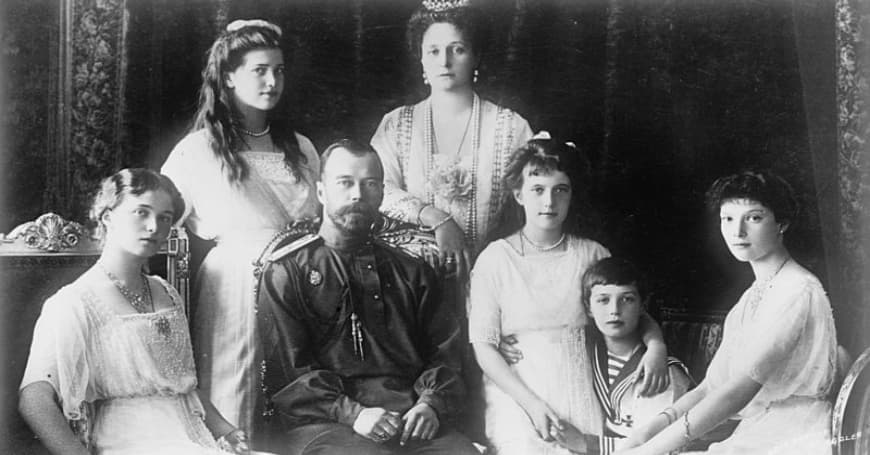
    Years Active: 1613-1917 CE Titles Held: Czar of Russia Notable Members: Michael I, Peter I, Catherine II, Nicholas II Pros: Overseeing a vast empire with a vibrant and distinctive culture Cons: Angry peasants In A Nutshell: The Romanovs brought much-needed peace to a land beset by internal strife in the 17th century. The ascension of Michael I in 1613 ended the 15-year "Time of Troubles," a series of coups, royal pretenders, and conflicts that brought the kingdom to the brink of collapse. Michael's grandson Peter I (pictured) turned Russia into an expansive empire. Peter the Great's reign represented one of the high points of the Romanov dynasty. Peter enjoyed military successes over Sweden and introduced key reforms in politics, education, and the economy. By the time of his passing in 1725, Russia had grown into one of Europe's foremost powers. Late that century, the Russian Empire would be blessed with another formidable leader in the form of the Polish-born Catherine II. Like Peter, she was also known as "the great." Catherine's long reign saw victories over the Ottomans, expansions in territory and trade, and promotion of Russian culture and literature. Russian and Romanov fortunes dipped in the 19th century, and by the reign of Nicholas II, the last Czar, the end was nigh. A disastrous war with Japan almost toppled the regime in 1905. Less than a decade later, entry into World War I spelled doom for the Romanovs. Revolution not only ended the regime but also the lives of the ruling family.
    81% upvoted
  2. 2

    The Tudors Emerged From The Wars Of The Roses To Change England Forever

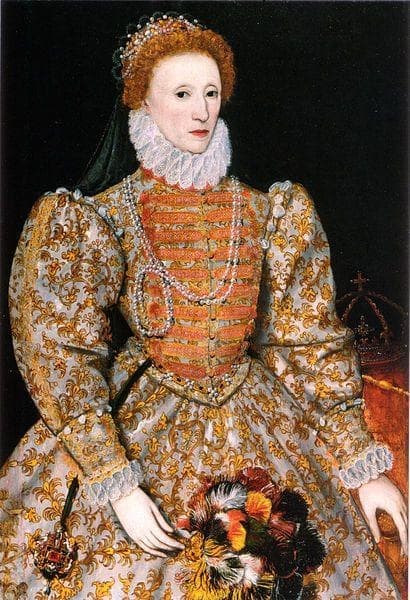
    Years Active: 1485-1603 CE Titles Held: Kingdom of England, Wales, Ireland Notable Members: Mary, Elizabeth I, Henry VIII Pros: Outstanding literature and music, a front-row seat to the English Renaissance Cons: Difficulties in carrying on the bloodline, dysfunctional marriages In A Nutshell: The Tudors might not have had the staying power of some of the other dynasties featured here, but what they lacked in longevity, they made up for with big personalities. Two of England’s most iconic rulers, Henry VIII and Elizabeth I, came from this famous house. With victory in the Wars of the Roses, Henry VII brought more than three decades of civil war to a definitive end. Henry’s second-born, also named Henry, ascended to the throne in 1509 and his 36 years in power would leave a lasting mark upon the kingdom. The first post office was formed in 1512, and the beginnings of the Royal Navy and British naval dominance began during Henry VIII’s reign. But perhaps his most significant legacy was the break from the Catholic Church and the establishment of the Church of England. After Mary Tudor’s brief and difficult rule, Elizabeth I enjoyed a long and prosperous reign as Queen of England. Under Elizabeth, England began to colonize the Americas and greatly expand trade. Closer to home, the English Renaissance was experienced in the form of music and literature rather than art or sculpture. Neither of Henry VIII’s surviving children managed to produce children of their own, and the passing of Elizabeth I saw the extinction of the Tudors in 1603. The family's impact on history far outlasted their bloodline.

    80% upvoted
  3. 3

    The Ming Oversaw One Of China’s Most Prosperous Eras

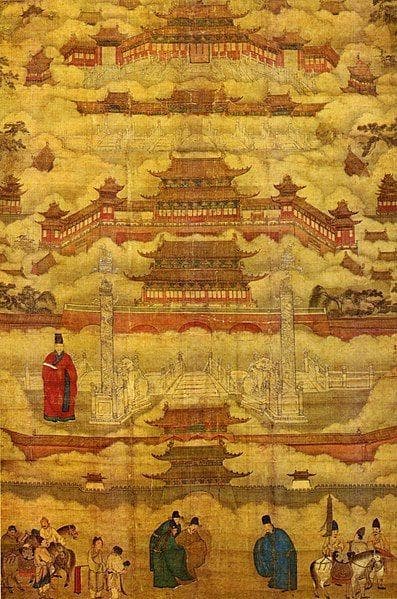
    Years Active: 1368-1644 CE Titles Held: Emperor of China Notable Members: Zhu Yuanzhang (Hongwu Emperor), Zhu Di (Yongle Emperor) Pros: All the books you can read, luxury trade goods, the world's greatest palace Cons: Endless enemies at the borders, internal strife only a flood away In A Nutshell: There's a pretty credible argument to make for early Ming China being the world's foremost power. Although great treasure fleets sailed the world under Zheng He, a eunuch admiral in the service of the third Ming emperor, later emperors soon realized there wasn't a pressing need to go out into the world, as the world was more than happy to come to them. Vast riches and exotic foods flowed into the ports of medieval China. The Ming rulers enjoyed lives of unfathomable luxury in the Forbidden City, a huge complex in Beijing built during the reign of Zhu Di, the Yongle Emperor. The nearly 10,000 rooms of the complex contained priceless art and furniture. Only those with the emperor's permission were permitted to enter the Forbidden City. The Ming's strength wasn't simply in its military or grand architecture, but in the empire's gigantic agricultural and economic base. Under Ming rule, the written word came to the masses, as books were affordable and widely available. The Ming also restored the Great Wall of China to its former glory as a bulwark against raiders at the empire's fringes. Being top dog meant no shortage of enemies, and the empire's gigantic populace was always perilously close to famine. The strain of those pressures, along with a cycle of ill-boded floods of the Yellow River, culminated in the Ming's 17th-century collapse.

    80% upvoted
  4. 4

    The Nerva-Antonine Dynasty Comprised The Five Good Emperors of Rome

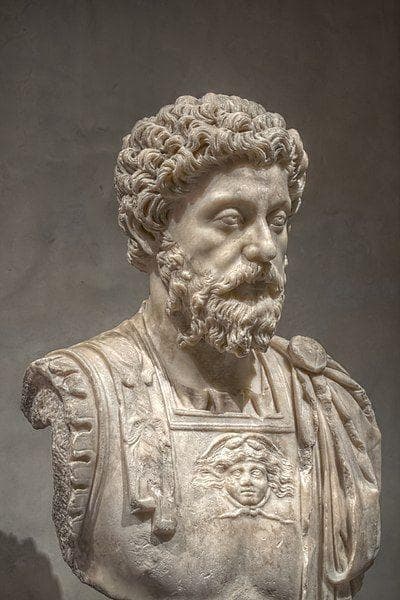
    Years Active: 96-192 CE Titles Held: Emperor of Rome Notable Members: Nerva, Trajan, Hadrian, Antoninus Pius, Marcus Aurelius, Commodus Pros: Being the master of Rome during its peak Cons: Barbarians, watching Commodus ruin it all In A Nutshell: One of the interesting features of this distinguished Roman dynasty is that succession passed by adoption rather than birth due to a lack of male heirs. Commodus was the first natural-born heir of the dynasty to actually become emperor. His chaotic reign interrupted an unusually successful run of Roman emperors. Sometimes referred to as the "five good emperors," the era represented a high point of Roman territorial and economic expansion. Each brought something to the table. Nerva was the voice of reason; Trajan expanded the empire; Hadrian consolidated Trajan's gains; Antonius Pius built up the economy; and Marcus Aurelius was noted for his philosophy. The run of successful Roman rulers came to an ignoble end with the ascension of Commodus and the chaos of his despotic rule. Despite its unfortunate end, the Nerva-Antonine Dynasty remains perhaps the most successful of all Roman dynasties and ushered in an unusually stable period of Roman history.

    79% upvoted
  5. 5

    The Fourth Egyptian Dynasty Built The Pyramids

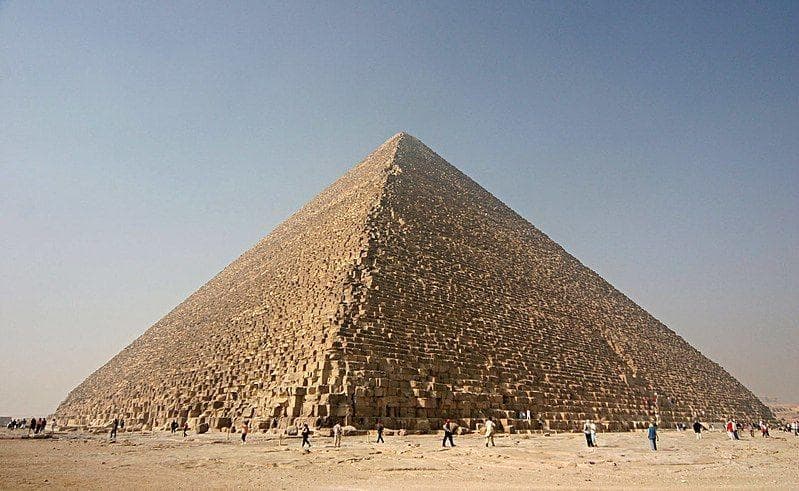
    Years Active: c. 2613 to 2494 BCE Titles Held: Pharaohs of Egypt Notable Members: Khufu, Kafre Pros: You'll leave behind magnificent monuments Cons: An overly close family In A Nutshell: If the Persians and Macedonians are included, ancient Egypt had no fewer than 32 royal dynasties across its extremely long existence. Of these many royal houses, one of the earliest truly stands out: the Fourth Dynasty. Ancient Egyptian history is usually divided into three distinct eras of Old, Middle, and New Kingdoms, which are separated by intermediate periods. The Fourth Dynasty represented the pinnacle of the Old Kingdom. It was an era defined by peace and prosperity, but most remarkably, the Great Pyramid of Giza rose during this time. Evidence of the construction of a harbor during the reign of Khufu also suggests trade with foreign powers. Because they kept it in the family, Egyptian dynasties typically lasted a little more than a century before chronic inbreeding took its toll and a new house rose. The Fourth Dynasty lasted around 120 years, with the final ruler, Shepseskaf, breaking the tradition of pyramid-building with his own unique design.

    78% upvoted
  6. 6

    The Osmans Were The Ruling Family Of A Major World Power For More Than 600 Years

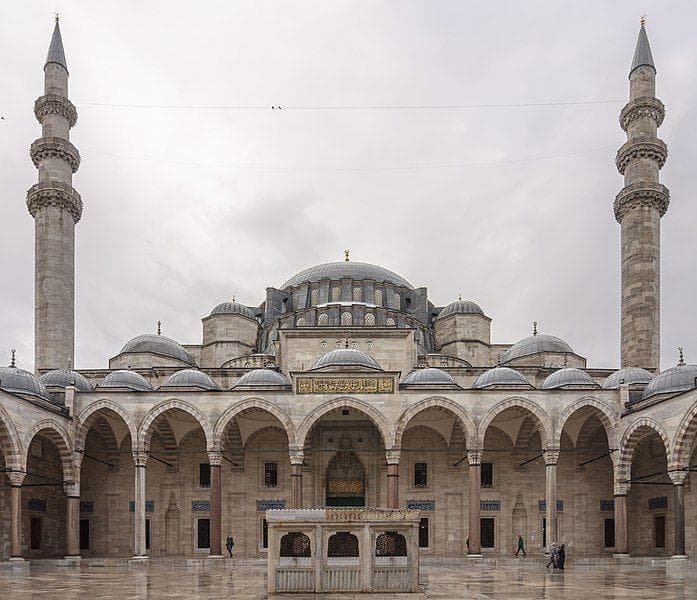
    Years Active: 1299-1922 CE Titles Held: Sultan of the Ottomans Notable Members: Mehmed II, Suleiman the Magnificent Pros: Owning Constantinople, trade, science, and gigantic cannons Cons: Dangerous succession laws, powerful rivals In A Nutshell: The Osmans were the ruling family of the Ottoman Empire, one of history’s most dominant and durable world powers. From a minor principality in Anatolia, the first sultan, Osman I, saw the Ottomans' emergence as the region’s main power within a generation. By the 15th century, the Byzantine capital of Constantinople was the jewel in the Ottoman crown. The Ottoman Empire likely reached its peak under the reign of the appropriately named Suleiman the Magnificent. With the help of some outstanding advisers, he oversaw several successful military campaigns, instituted a modern legal system, and commissioned major construction projects such as Süleymaniye Mosque (pictured). With an elite fighting force, the Janissaries, drawn from conquered peoples, along with gigantic siege cannons, the Ottomans were a force to be reckoned with. With no shortage of powerful foes, military might was a cornerstone of the empire's success. Succession in the early years was a bit of a free-for-all, as any male member of the house could become sultan. It wasn't until the 17th century that a less disruptive form of choosing the next sultan helped end the chaos. The Ottoman fortunes began to fade in the 1800s, and by the dawn of World War I, the Empire had seen better days. Attempts to modernize from within met with limited success, and ultimately the ruling dynasty was toppled in the war's aftermath. The remaining members of the royal house were exiled after the Republic of Turkey was established in 1922. The last surviving heir to the throne, Osman Bayezid, became a librarian in New York and lived to 92, passing in 2017.

    77% upvoted
  7. 7

    The Stuarts United The Crowns Of Scotland And England - For A While

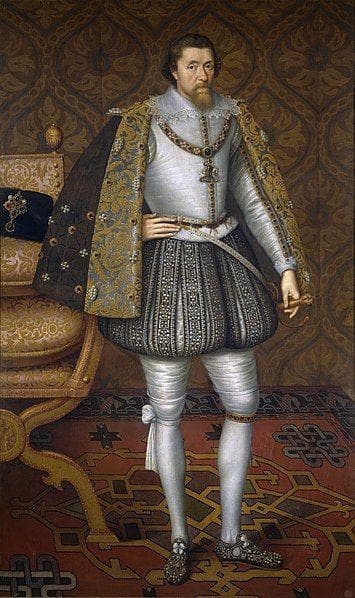
    Years Active: 1371-1714 CE Titles Held: Kingdoms of Scotland, England, and Ireland, later as Great Britain Notable Members: James VI and I, Mary Queen of Scots, Charles II Pros: Mastery of Great Britain during an exciting time of culture, exploration, and trade Cons: Awful luck In A Nutshell: The Stuarts, or Stewarts as they were originally called, ascended to the throne of Scotland when Robert II succeeded his childless uncle David II in 1371. Under Stewart rule, Scotland prospered, but the rulers often suffered, and eight of the first nine monarchs perished early. Robert III never recovered from a horse kick; James I and III were both murdered; James II blew up in a siege; James IV died in battle; and James V had a nervous breakdown. Mary Queen of Scots must have realized a rebrand was in order, as it was during her rule that the family name became Stuart - not that her luck was much better. Although Mary was dispatched by her cousin, Elizabeth I, Mary would get the last laugh from beyond the grave. Her son James (pictured) succeeded Elizabeth to become James VI of Scotland and James I of England. He also had the rare Stuart distinction of passing due to natural causes. The Stuart line of kings came to end with the Glorious Revolution of 1688, when James II and VII (one and the same) was deposed. To add insult to injury, his daughter Mary was married to William of Orange, the man who overthrew him. The last Stuart monarch would be Mary’s daughter Anne. The young woman was pregnant 17 times; only five resulted in live births, and none of her children survived into adulthood.

    73% upvoted
  8. 8

    The Tokugawa Ruled Japan With An Iron Fist For 265 Years

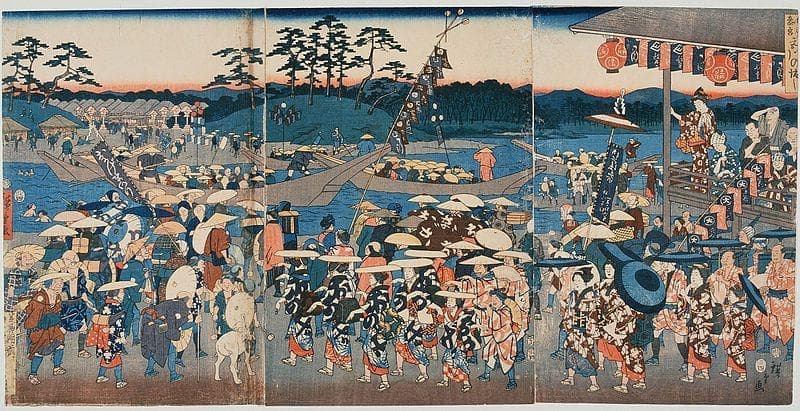
    Years Active: 1603-1868 CE Titles Held: Shogun of Japan Notable Members: Ieyasu, Iemitsu Pros: Ruling during a time of great art, literature, and peace Cons: Those pesky Christians, Americans In A Nutshell: The Tokugawa dynasty rose from the chaos of Japan’s Sengoku period to bring peace to a land torn by a century of conflict. After biding his time for years, Tokugawa Ieyasu seized power after victory in the iconic battle of Sekigahara. After only two years as shogun, Ieyasu stepped aside for his son Hidetada, though he continued to rule from behind the scenes. By securing his son’s succession while he was still alive, Ieyasu laid the dynasty’s foundations. After all the tumult of the 16th century, the Edo period was decidedly tranquil. The third shogun, Tokugawa Iemitsu, imposed strict rules that maintained order. After a rebellion by Christian peasants in 1637-38, the religion was banned and foreign contact was greatly restricted. Only a small trading post off Nagasaki, Dejima, was permitted for foreign trade. A rigid social hierarchy formed with no movement allowed between different groups. Although traditionally considered the lowest class, merchants thrived in Edo Japan, as the long peace led to stability and economic growth. Little money was invested in weapons as the Japanese put aside firearms for traditional swords once more. The period saw the emergence of kabuki theater and Ukiyo-e (woodblock painting). The arrival of American warships in 1853-54 spelled the end of the dynasty. Unable to meet the challenges of the modern world, the Tokugawa were overthrown in 1868 and Japan underwent rapid modernization.

    77% upvoted
  9. 9

    The Habsburgs Had A Wide Collection Of Crowns But A Narrow Family Tree

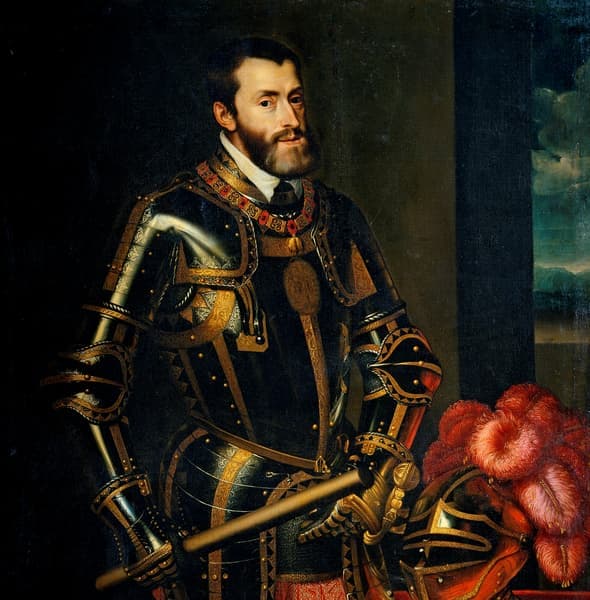
    Years Active: c. 1020-1918 Titles Held: Holy Roman Emperor; Kingdoms of Austria, Bohemia, England, Hungary, Spain, Netherlands, Sardinia, Sicily, Naples; various holdings in Germany, France, and Northern Italy; Emperor of Mexico Notable Members: Maximillian I, Charles V, Philip II, Maria Theresa, Franz Ferdinand, Karl I Pros: All the crowns you can handle Cons: An unfortunate jawline, the Ottomans In A Nutshell: The Habsburg name comes from an 11th-century castle in Switzerland. From this fortress, Habsburg influence grew steadily across Europe in the Middle Ages. The house had a stranglehold on the title of Holy Roman Emperor for 300 years. At the height of their power, the Habsburgs ruled Austria, Bohemia, Naples, the Netherlands, Sardinia, and Sicily, as well as expansive overseas territories and part of the Spanish empire. One Habsburger was a king of England while another briefly ruled Mexico in the mid-19th century. Charles V (pictured) had the key Habsburg traits - many royal titles and a prominent chin. To prevent their numerous titles from falling into the hands of rival houses through marriage, the Habsburgs increasingly kept their weddings in-house from the 16th century onward. Intermarriage led to inbreeding, and members of the house were prone to having the Habsburg jaw, a prominent jutting jawline stemming from so much shared ancestry. By the 18th century, the house’s dominant position had slipped, but the Habsburgs still maintained a powerful presence in central Europe that wasn’t fully eroded until the 20th century. There are still surviving members of the Habsburg line in public life in Austria.

    68% upvoted
  10. 10

    The Joseon Dynasty Ruled Korea For Five Centuries

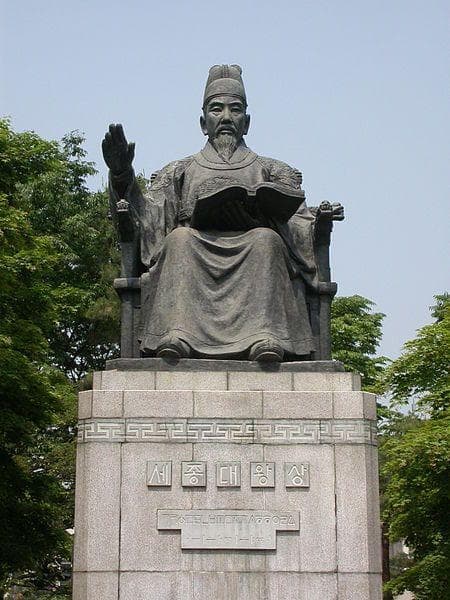
    Years Active: 1392-1897 CE Titles Held: Kingdom of Korea Notable Members: Taejo, Taejong, Sejong the Great Pros: Vibrant culture, language, science, and turtle ships Cons: Being in the middle of China and Japan In A Nutshell: Not every historical dynasty measures its success in terms of conquests and territorial expansion. The Joseon Dynasty ruled the Korean peninsula for more than five centuries and left a cultural legacy that endures to the present day, even surviving Japanese efforts to stamp out Korean language and culture in the early 20th century. After overthrowing the Goryeo in the 14th century, dynasty founder Yi Seong-Hye became the first king of Joseon, ruling at Taejo of Joseon from 1392-98. He established Hanyang (now Seoul) as the kingdom’s new capital and constructed Gyeongbokgung Palace to serve as the dynasty’s new residence. After some succession squabbles, the third king, Taejo, stabilized the kingdom by establishing an efficient administration that allowed his son Sejong to succeed as king. Sejong’s rule represented one of the high points of the Joseon dynasty; it was an era defined by cultural and scientific prosperity. The most noteworthy legacy of Sejong’s rule is one still keenly felt today - the promotion of the written word to ordinary Koreans. Sejong advanced Hangul, a new, intuitive form of writing that required little time or skill to master. This key innovation introduced literacy to the masses, and while some elites scoffed at the so-called “vulgar script,” it brought literature to the common people and is still in use today. After successfully defeating a Japanese invasion at the tail end of the 16th century, thanks to a string of naval victories, Joseon Korea entered a peaceful and prosperous era. Great strides took place in education and cultural developments. Many staples of modern Korean culture stem from this period, but it was also a time of diplomatic isolation. The term often applied to North Korea today, “the hermit kingdom,” was also used to describe 19th-century Korea. Unfortunately, being caught between the two competing powers of China and Japan meant that something eventually had to give. Japan’s victory over China in the First Sino-Japanese War brought the kingdom under Japanese dominion and spelled the end of Joseon Korea.

    76% upvoted