Skip to content
maxnews
Rankings

11 Facts About US History That Sound So Absurd, We Triple-Checked To Make Sure They're True

The history of the US spans fewer than 250 years, but no matter what we know, there's always more of it out there. Some of the facts we learned in history class, while others come from our own curiosity-driven investigations. Either way, many things about the US are pretty clear, well-known, and generally accepted as true. But then there are happenings from American history that sound so incredible that they just can't be real. They don't even make you do a double-take: they require a full-on triple-take. Surprising, absurd, and bizarre, these facts require a little extra digging to ensure they're accurate. We learned some new US history facts that we can't believe we'd never heard before. A president serving wieners to royalty and a congressman promoting "lake cow bacon" are just the tip of the iceberg when it comes to historical American facts that made us do a triple-take.

Entries
11
Votes
25.5K
Updated
2 days ago

Tap upor downto vote. Your vote is added to Ranker's counts.

Voting identifies your browser with an anonymous fingerprint, stored only as a salted hash, to count one per visitor. Privacy

Source: Ranker, ranked by its voters.

  1. 1

    Congress Once Considered Legalizing Hippo Ranching
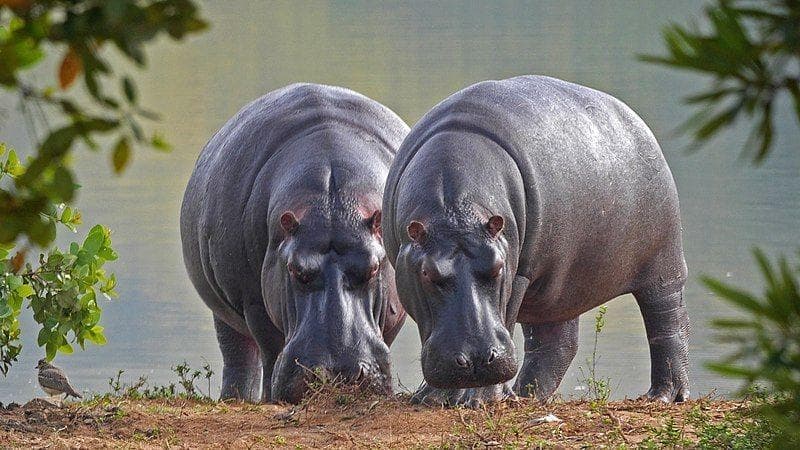
    As a plan devised to tackle two problems - ridding the land of unwanted flora and providing meat - US Congressman Robert "Cousin Bob" Broussard and frontiersman Frederick Russell Burnham hoped to introduce hippopotamus ranching to Louisiana. In 1910, Broussard introduced the so-called "hippo bill" to the Louisiana legislature, requesting $250,000 to import new animals - including hippos - into the US. Supporters of the bill touted hippopotamus meat, or "lake cow bacon," as delicious, while the benefits of bringing mammals to Louisiana from various parts of the world could "relieve the meat famine, and in the best way." The Congressional Committee on Agriculture held hearings on the issue, during which time Dr. W.N. Irwin noted that hippo tasted like a combination of pork and beef. Potential problems included the difficulty of importing the large animals as well as convincing consumers that eating hippo meat was appealing. In the end, the bill failed, no herds of hippopotamuses (or any other exotic animals) came to the US, and hippo meat never made it onto the plates of hungry Americans.
    89% upvoted
  2. 2

    The Golden Gate Bridge Temporarily Flattened When A Large Crowd Stood On It

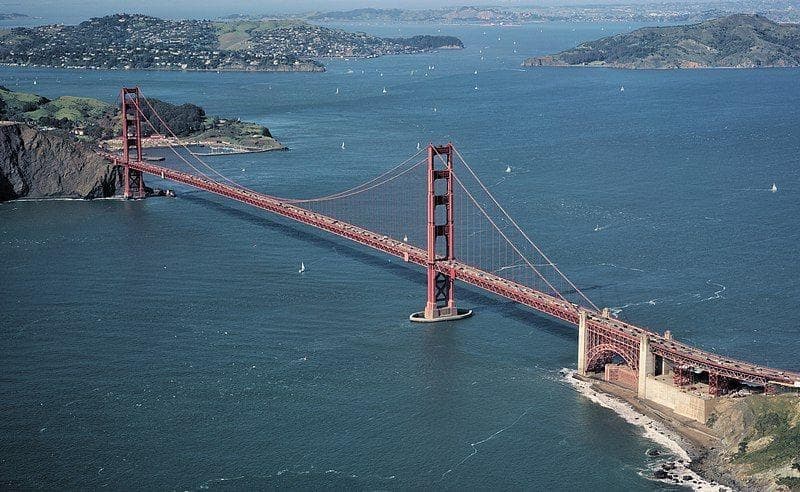
    The official estimate of people who gathered at one time on San Francisco's Golden Gate Bridge during its 50th anniversary celebration on May 24, 1987 is approximately 300,000. Authorities estimate as many as 800,000 individuals may have stepped onto the bridge throughout the day as celebrants rode bikes, walked, and even pogo-sticked on the structure. The large crowds made for an "extremely unpleasant" experience, as participant Winston Montgomery recalled: While trapped shoulder to shoulder in the mob, unable to move for more than two hours, I remember discussing with my wife the real possibility that we were about to participate in one of the 20th century's landmark disasters. A disaster was averted, but the bridge itself lost some of its bend under the weight of the masses. Again, Montgomery described it: The Golden Gate Bridge, all 419,000 tons of it, groaned and swayed like an old wooden plank thrown across a ditch... Frightened and seasick people vomited on their shoes... There were cheers as some people started to hurl bicycles over the railing... A stroller tumbled down and sank beneath the waves 220 feet below. The bridge temporarily sagged an estimated seven feet that day. Engineers later assured the public that the structure was designed to do so, and there was no threat that it would have collapsed.

    86% upvoted
  3. 3

    John Glenn's Wingman In Korea Was Ted Williams

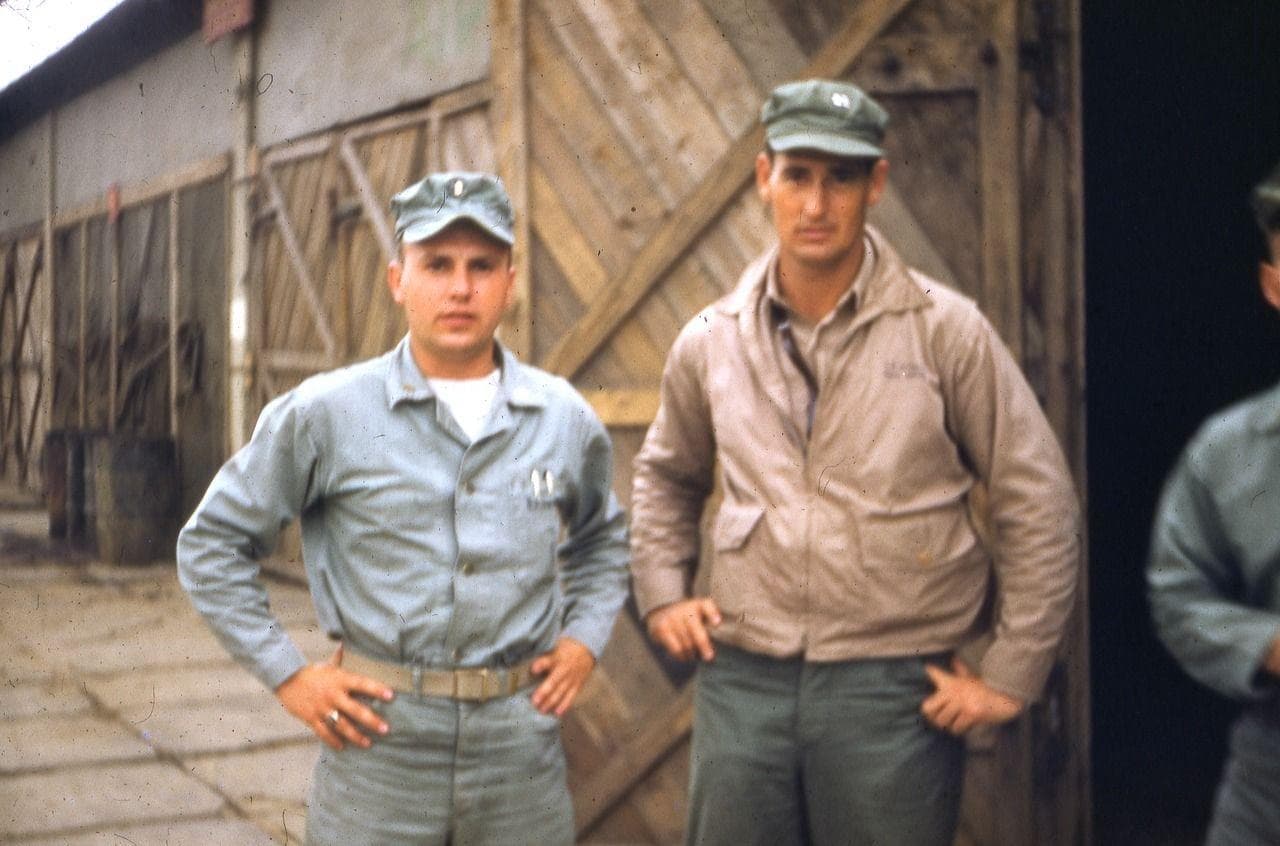
    When future astronaut and US Senator John Glenn served during the Korean War, it was as a pilot for both the US Marine Corps and the US Air Force. He flew roughly 150 missions in two years, several of which were also flown by Ted Williams, who left Major League Baseball to serve in Korea and was assigned to the same squadron as Glenn in 1952. Williams flew nearly 40 missions, about half of them as Glenn's wingman. Glenn and Williams became friends, and both men went on to praise each other. In his memoir, Glenn recalled when Williams was hit during a mission: He was streaming smoke and fire from around the engine... his radio was out... the landing gear wouldn't come down either. He bellied it in at 150 miles an hour or more, slid up the runway for two thousand feet, came to a stop, jumped out of the cockpit and off the wing, and ran... He was a fine pilot and I liked to fly with him. Of Williams, Glenn also said, "Much as I appreciate baseball, Ted to me will always be a Marine fighter pilot." When asked about serving alongside Glenn, Williams said: John Glenn? Oh... could he fly an airplane... Absolutely fearless. The best I ever saw. It was an honor to fly with him.

    87% upvoted
  4. 4

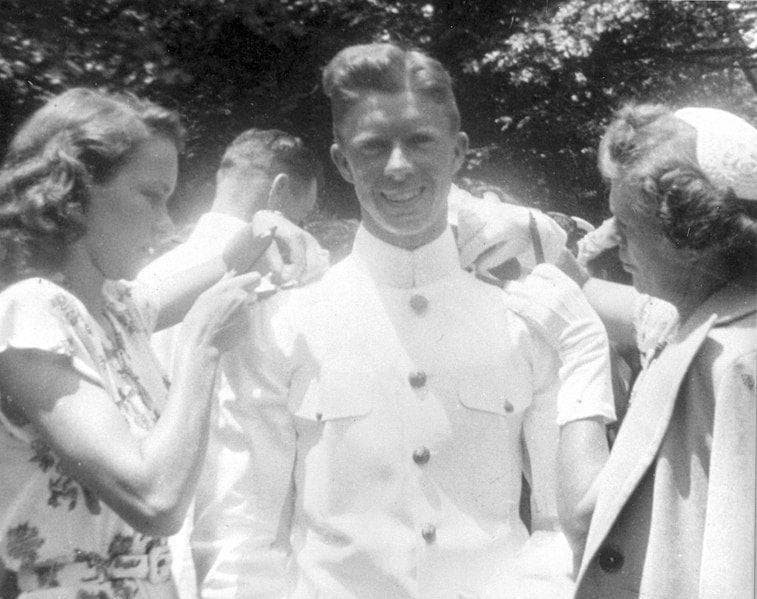
    Jimmy Carter Repeatedly Ran Into A Nuclear Reactor In 1952

    While serving in the US Navy, future US President Jimmy Carter worked on building the nuclear propulsion system for the Sea Wolf submarine. Stationed in New York state, Carter's experience and proximity to the partial meltdown of the nuclear reactor in Chalk River, Ontario, Canada, made him a candidate to respond to the emergency. In December 1952, Carter took a 23-person crew to Chalk River, where they worked to clean up nuclear material. He had full access to the facility and went into the reactor - which he described as "extremely radioactive" - several times at 90-second intervals: We would dash in there as quickly as we could and take off as many bolts as we could.... Each time our men managed to remove a bolt or fitting from the core. Carter and his team successfully cleaned up the material, but despite being "fairly well instructed," they were exposed to "probably a thousand times more radiation than they would now. It was in the early stages and they didn't know." Carter also noted that for about six months after the incident, "for about six months after that I had radioactivity in my urine."

    86% upvoted
  5. 5

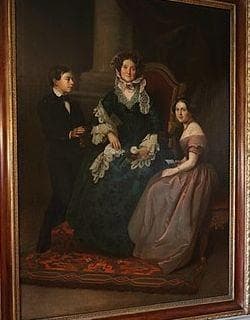
    Aaron Burr's Second Wife Hired Alexander Hamilton, Jr. As Her Divorce Attorney

    Aaron Burr married his first wife, Theodosia Prevost, during the early 1780s, and they remained married until her passing in 1794. The couple had one daughter, also named Theodosia, who perished in a shipwreck in 1812. In 1833, Burr remarried; his bride was Eliza Jumel, a wealthy socialite who'd met Burr years earlier. She described him as: The perfection of manhood personified... In a word, he was a combined model of Mars and Apollo. His eye was of the deepest black, and sparkled with an incomprehensible brilliancy when he smiled; but if enraged, its power was absolutely terrific... I do not believe a female capable of the gentle emotions of love ever looked upon him without loving him. By the time they married, however, Burr was 77 years old and in dire financial straits. The union only lasted four months, and when Jumel decided to divorce Burr, she chose Alexander Hamilton, Jr. as her attorney. Decades earlier, the younger Hamilton lost his father during a duel with Burr. Perhaps still bitter about Burr's role in his father's demise and in the adultery scandal that had upended his family as well, Hamilton accused Burr of adultery and financial mismanagement. Both were true (or at least were alleged by Jumel), and divorce proceedings lasted for three years. The end of the marriage between Burr and Jumel was finalized on September 14, 1836 - the same day Burr died.

    87% upvoted
  6. 6

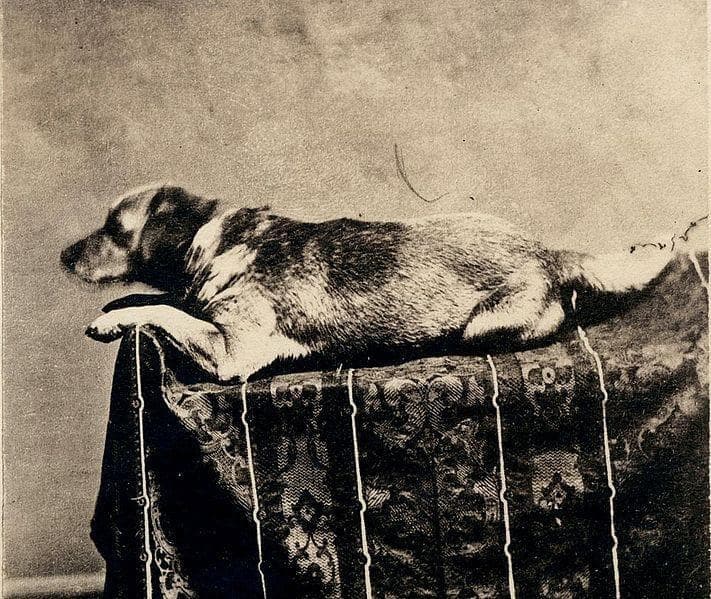
    Abraham Lincoln's Dog Was Assassinated, Too

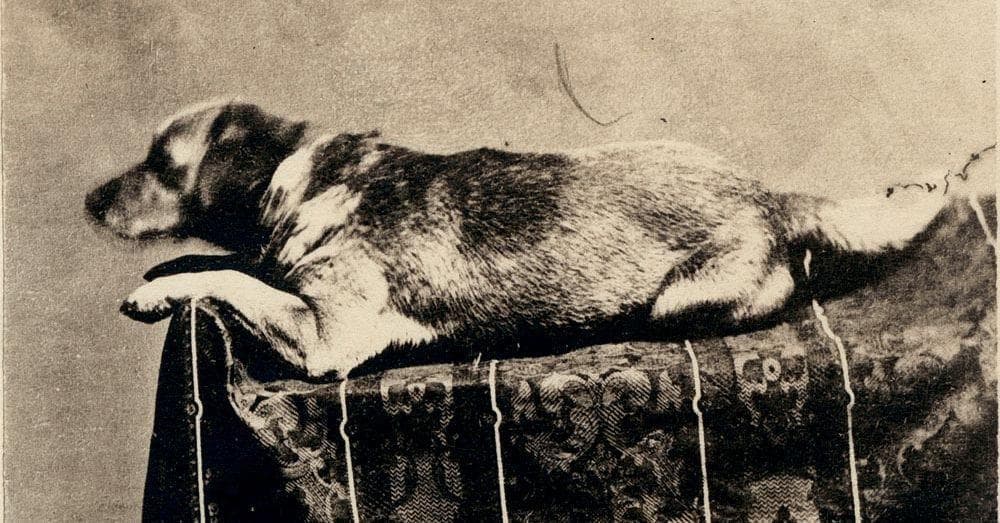
    The name "Fido" for a dog may have been popularized by Abraham Lincoln, but the President's canine by that name met a tragic fate similar to that of his owner. With a moniker that means "fidelity" in Latin, Fido was a yellow-haired mutt the Lincoln family took in about 1855. Fido was a companion to Lincoln in Springfield, IL, but remained in the Midwest when the Lincoln family went to Washington, DC. Carpenter John Eddy Roll watched Fido during that time, and according to a letter he sent Lincoln in 1862, the dog was "doing well." The faithful canine attended Lincoln's April 1865 funeral in Springfield and spent the rest of his days there. His life was cut short at some point in 1866: One day the dog, in a playful manner, put his dirty paws upon a drunken man sitting on the street curbing [who] in his drunken rage, thrust a knife into the body of poor old Fido... So Fido, just a poor yellow dog, met the same fate as his illustrious master - assassination. The drunken man was Charlie Planck, and in the immediate aftermath of the event, Fido went behind a nearby church, where the Rolls found him. They carried him home, buried him, and covered his grave with flowers.

    86% upvoted
  7. 7

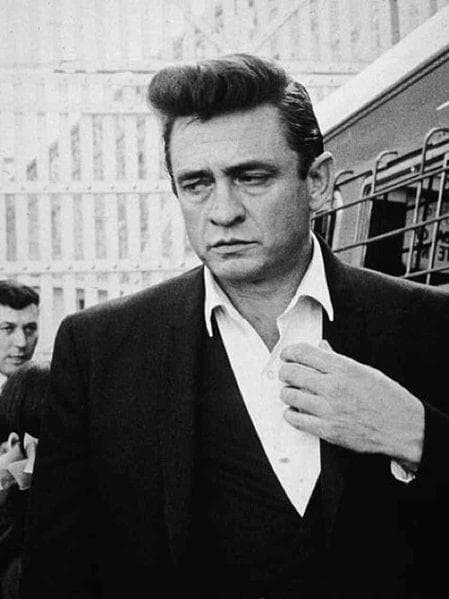
    Johnny Cash Was One Of The First Americans To Know When Joseph Stalin Died

    Before Johnny Cash made his mark on the country music scene, the "Man in Black" served in the US Air Force as a radio intercept officer. After his training in Texas, the Air Force sent him to Landsberg, West Germany, where he monitored Soviet radio traffic. Cash's work in Germany was top secret, and in March 1953, he intercepted and transcribed word of Joseph Stalin's passing. In his autobiography, Cash wrote: I was the ace. I was who they called when the hardest jobs came up. I copied the first news of Stalin's death. I located the signal when the first Soviet jet bomber made its first flight from Moscow to Smolensk; we all knew what to listen for, but I was the one who heard it.... This made him among the first Americans - if not the first - to know about the demise of the Soviet leader.

    86% upvoted
  8. 8

    The Only Civilian Deaths In The Continental US From WWII Occurred In Oregon

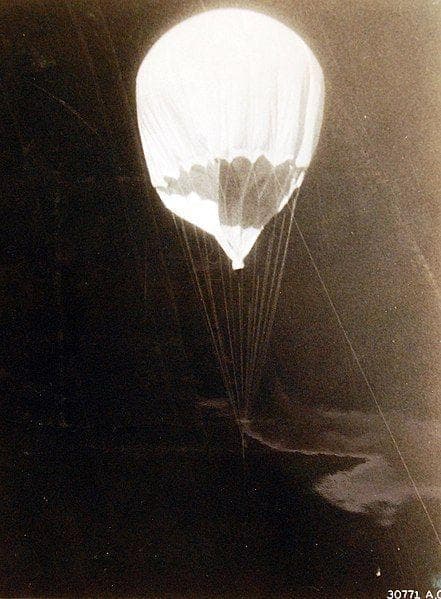
    The bomb that fell out of the skies above Lakeview, OR, was attached to a balloon. When Elsye (or Elsie) Mitchell and five children found the object in the woods while picnicking on May 5, 1945, they inadvertently detonated it, and all lost their lives. Elsye's husband, Reverend Archie Mitchell, was in the car and watched it happen. He later described how he "hurriedly called a warning to them, but it was too late. Just then there was a big explosion. I ran up - and they were all lying there dead." The children ranged in age from 11 to 14; Elsye was 31. The bomb had been launched at some point in 1944 or early 1945, one of thousands sent from Japan. At the time, news of the event was censored by the US government. The passings of Elsye, Eddie Engen, Jay Gifford, Sherman Shoemaker, Dick Patzke, and Joan “Sis” Patzke were the only known civilian deaths in the continental US during WWII.

    86% upvoted
  9. 9

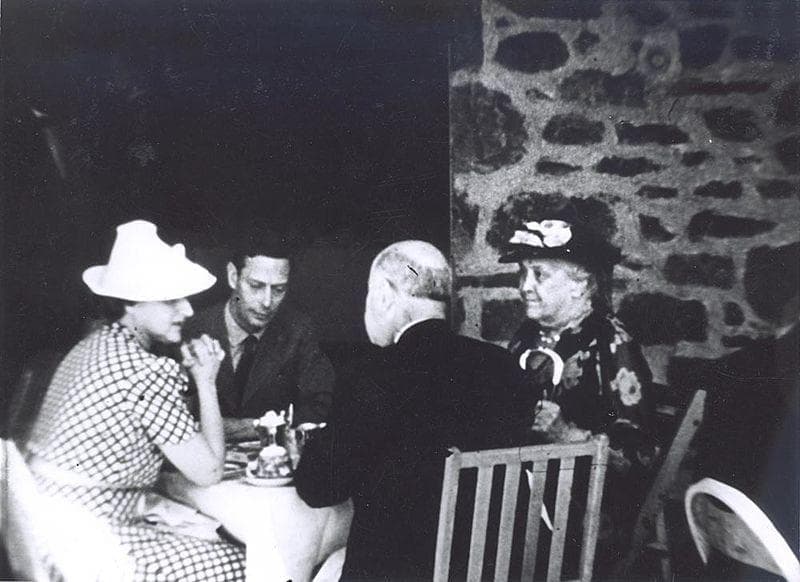
    Franklin D. Roosevelt Served The King Of England Hot Dogs

    When the King and Queen of England arrived in the US in 1938, they were treated to four days in New York and Washington, DC. President Franklin D. Roosevelt had a detailed itinerary for the royals, one that included a picnic at his home in Hyde Park, NY. The picnic took place on June 11, a day that was characterized by informalities. After spending time at the pool, King George VI and Queen Elizabeth met friends, neighbors, and members of Roosevelt's staff. The menu for the event included hot dogs, ham, turkey, salad, rolls, strawberry shortcake, beer, and an assortment of other beverages. According to The New York Times, George VI said it was the first time he'd eaten hot dogs, and he enjoyed them so much that he "came back for more hot dog sandwiches... [and] drank beer with them."

    85% upvoted
  10. 10

    Sojourner Truth's First Language Was Dutch

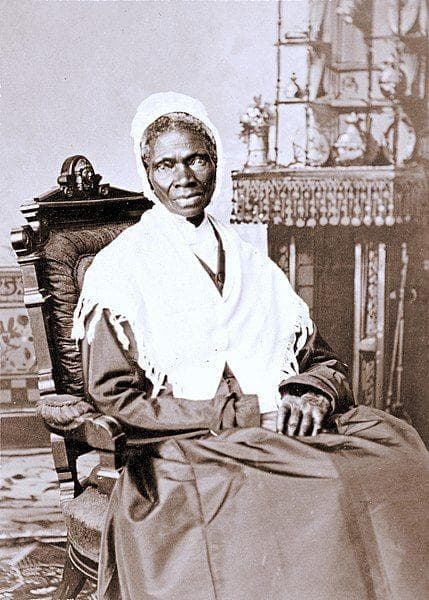
    Born into servitude in eastern New York around 1797, Sojourner Truth's given name was Isabella Baumfree. As a young girl growing up in the former Dutch colony, she spoke only Dutch for the first nine years of her life. Sold when she was 10 years old in exchange for some sheep and $100, Truth changed owners two more times before she turned 13. When she found herself in the home of John and Elizabeth Dumont, Truth learned to speak English, but always did so with a Dutch accent. In 1826, John Dumont promised her freedom, but after he reneged, she ran away with her infant daughter. She converted to Christianity, worked in several households in New York, and successfully sued Dumont for custody of her son, Peter, before becoming a preacher in 1843. It was at that point she adopted the moniker Sojourner Truth.

    85% upvoted