Skip to content
maxnews
Rankings

10 Things You Didn't Know About Fullmetal Alchemist

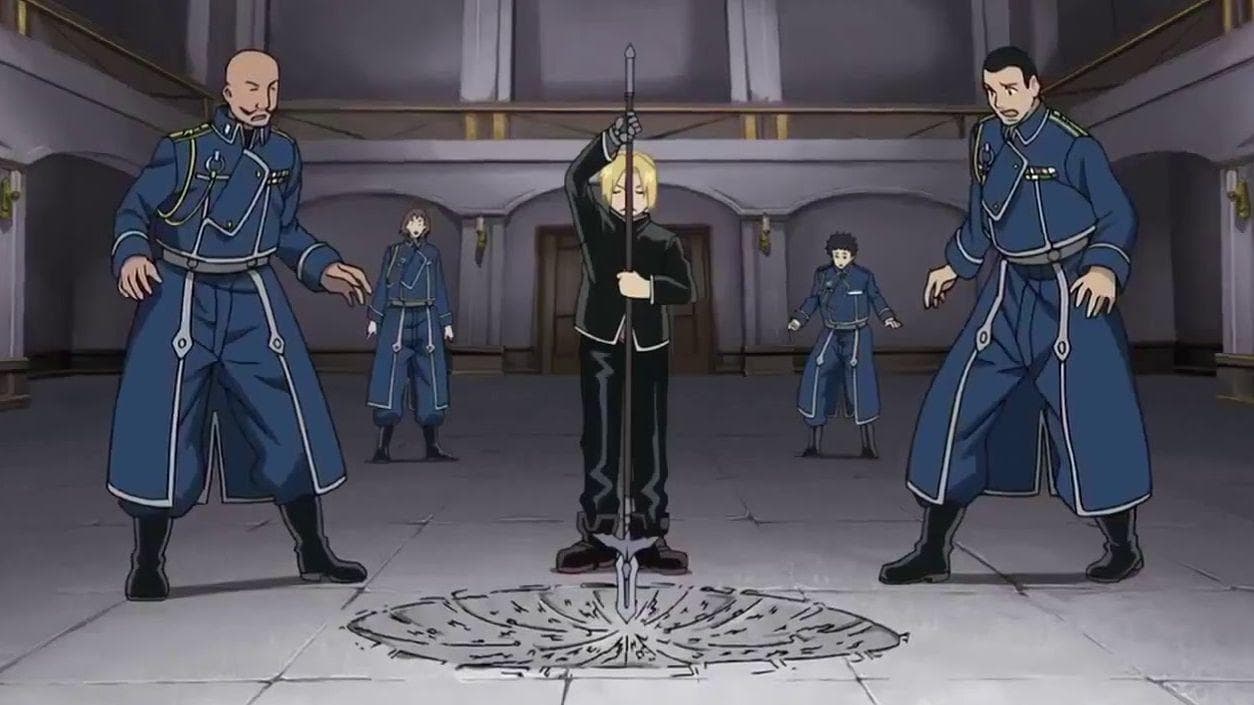
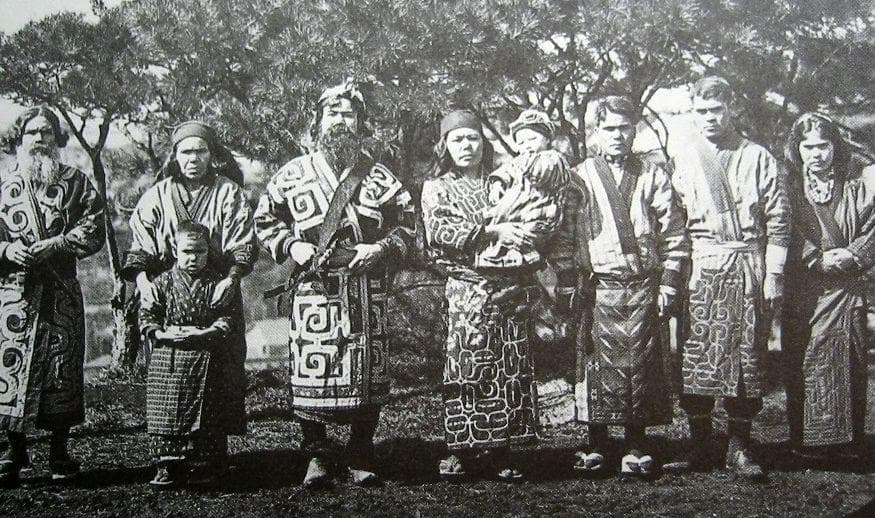
Fullmetal Alchemist is one of the most popular manga and anime in history. Most anime fans know the show's basic premise: the Elric brothers' quest to return their bodies to normal after a botched attempt to bring their mother back from the dead using alchemy. But there are plenty of behind the scenes Fullmetal Alchemist facts you may not know anything about. Even if you've seen both FMA 2003 and Brotherhood, you might not realize the Ishvalans – a fictional ethic group who experienced persecution at the hands of Amestrian soldiers – are actually based on the real Ainu people, an indigenous group native to Hokkaido. Other things you didn't know about Fullmetal Alchemist could include the fact the creator of the original manga, Hiromu Arakawa, got the concept of equivalent exchange not from principles of alchemy, but from what her parents told her about working hard on their dairy farm. Just like the main storyline, the behind the scenes of this show is full of secrets.

Entries
10
Votes
1.9K
Updated
yesterday

Tap upor downto vote. Your vote is added to Ranker's counts.

Voting identifies your browser with an anonymous fingerprint, stored only as a salted hash, to count one per visitor. Privacy

Source: Ranker, ranked by its voters.

  1. 1

    The Original Manga Has A Memorial Section
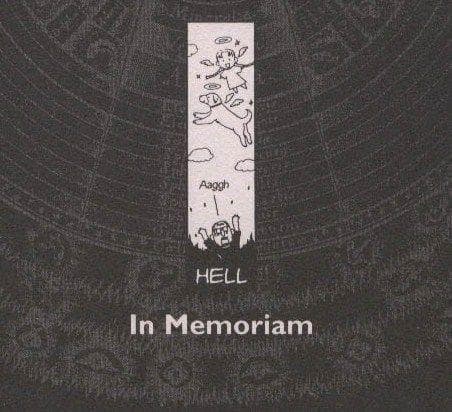
    Death occurs so often in Fullmetal Alchemist; it can be easy to ignore individual demises that don't involve major characters in favor of moving on with the plot. The show creator Hiromu Arakawa refuses to allow readers to forget, though. After each manga volume, there's a memoriam section for deceased characters' names and likenesses. The memorial panel has only been left blank six times, proving how rare it is for characters to exit the story unscathed. Before the final volume, Arakawa wrote, "Spoiler prevention in effect for the final volume" instead of listing out deaths. The memoriam section shows the creator's respect for her characters and likely her respect for human life.

    92% upvoted
  2. 2

    Hiromu Arakawa Interviewed Real WWII Veterans

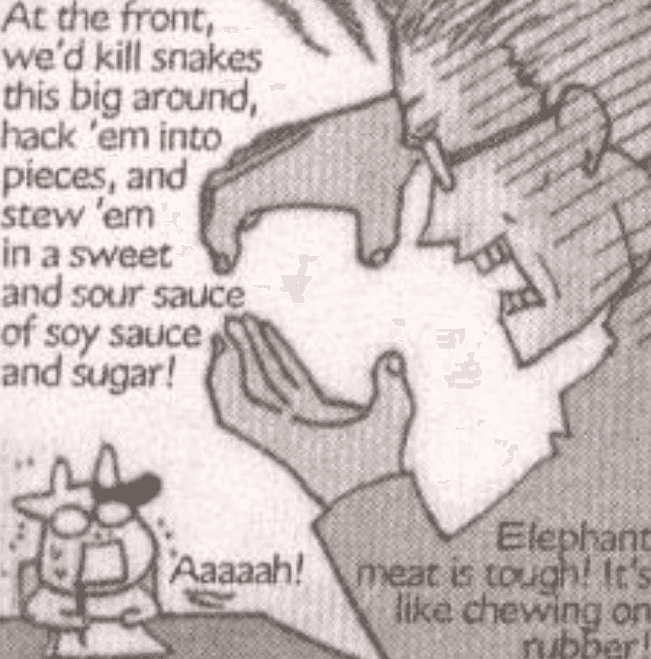
    Fullmetal Alchemist creator Hiromu Arakawa planned to write extensively about characters going through the pain of war, so she wanted to make sure she got all the facts right. To achieve this, Arakawa interviewed WW2 veterans to learn about their experiences as soldiers. As a result of Arakawa's interviews, several characters in the show exhibit symptoms of PTSD. Though her interviews were sometimes harrowing, they were also occasionally funny. In volume 15 of the manga, Arakawa drew an illustration of herself asking one of the veterans about his eating habits.

    91% upvoted
  3. 3

    The Show Creator's Parents Influenced Certain Concepts

    Hiromu Arakawa got many of the ideas about alchemy and the other philosophical constructs that crop up in Fullmetal Alchemist from both Eastern and Western sources. However, one of the series' central constructs, the law of equivalent exchange, came from a far more personal source: her parents. Arakawa grew up on a dairy farm in Hokkaido, and if you didn't work, you didn't eat. She shared: If you are lazy, you will only suffer hardships at the end. Our ancestors were the pioneers who came over to Hokkaido, their stories were passed down by word, but they lived in perfect accordance to the principle of equivalent trade. This probably means Edward Elric would actually make a great farmer.

    91% upvoted
  4. 4

    The Franchise Has A Recurring Background Character

    If you're not a major Fullmetal Alchemist buff, the name Mobuo Mobuta might not mean anything to you. If you're a devout fan, though, you know Mobuo is a recurring background character who appears throughout both the manga and the anime. His name, which is Japanese for minor character, was revealed in the Perfect Profiles data book. He has no personality or role, but he pops up whenever a random background character is needed.

    92% upvoted
  5. 5

    The English Voice Actors Created A Fan Video

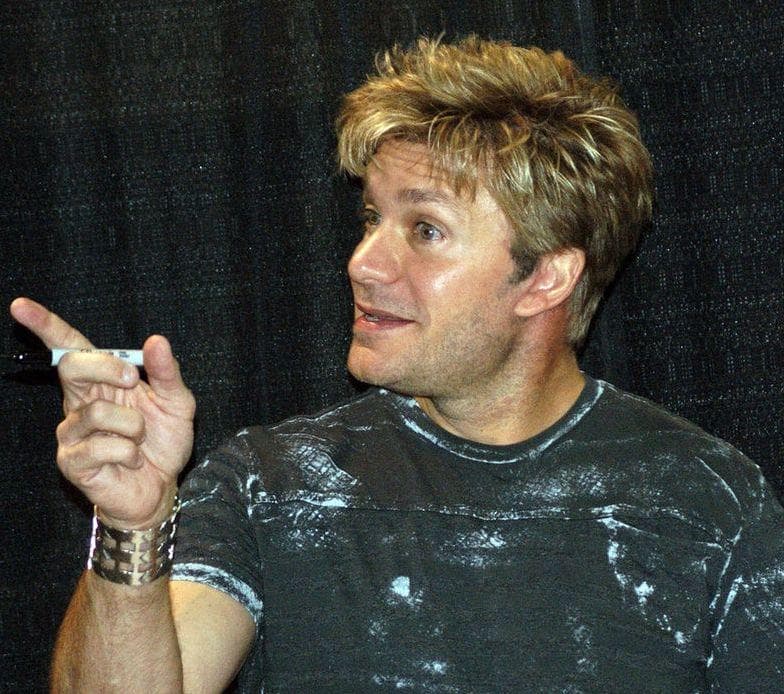
    It's not just the fans who love Fullmetal Alchemist enough to make fan works. The people involved in the show's production honor the show too. The English voice actors created a short fan video called Fullmetal Fantasy, in which everyone cosplays as their respective characters. According to Vic Mignogna, who funded the film with his own money, Hiromu Arakawa expressed her approval. The video has been featured multiple times at anime conventions, but can no longer be shown due to copyright issues.

    91% upvoted
  6. 6

    The Show Creator Bought Military Prop Guns For Artistic Reference

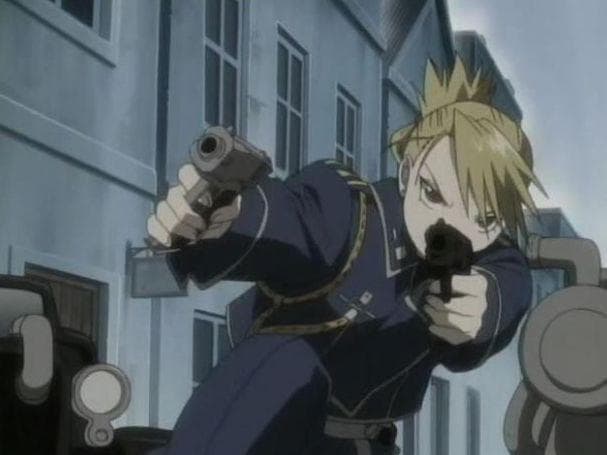
    It's clear Hiromu Arakawa cares deeply about representing the culture and history she draws from to create the Fullmetal Alchemist world. However, Arakawa also cares about accuracy in less abstract areas. In order to correctly draw the weapons in her anime, she actually bought replica prop guns for reference. Her characters use guns appropriate for their time and station. Riza Hawkeye uses two FN Model 1910s and a Karabiner 98K—a WWII German sniper rifle. Arakawa kept the prop guns in her office while drawing the manga.

    92% upvoted
  7. 7

    The Ishvalan Conflict Is Based On Historical Events

    The Ishvalans, a fictional, Fullmetal Alchemist indigenous group who are persecuted in the worst way possible, aren't completely imaginary. Their story is actually based on the real history of the Ainu people, the aboriginal people of Hokkaido who were horrifically displaced by some Japanese. Show creator Hiromu Arakawa grew up on the Hokkaido island and knew about her home's sordid colonial history. Some of Arakawa's ancestors were responsible for the displacement; some of her family members were displaced. The tension in her personal history prompted her to spread awareness about the topic with her manga. In an interview, Arakawa said, "I think the truly serious problems in this world are when people don’t make any effort to learn about these everyday situations, when they turn away from them or view them from only a single perspective." This opinion may explain why Arakawa explores the issues in Fullmetal Alchemist from multiple perspectives. She depicts the Amestrian soldiers not as bloodthirsty, but as soldiers who do their jobs and regret their actions. Meanwhile, the Ishvalans are not just helpless people or brainless savages. They are a group of humans, legitimately affronted about the injustices they suffer because of the Amesterians.

    87% upvoted
  8. 8

    Many Of The Characters' Names Reference Military Vehicles

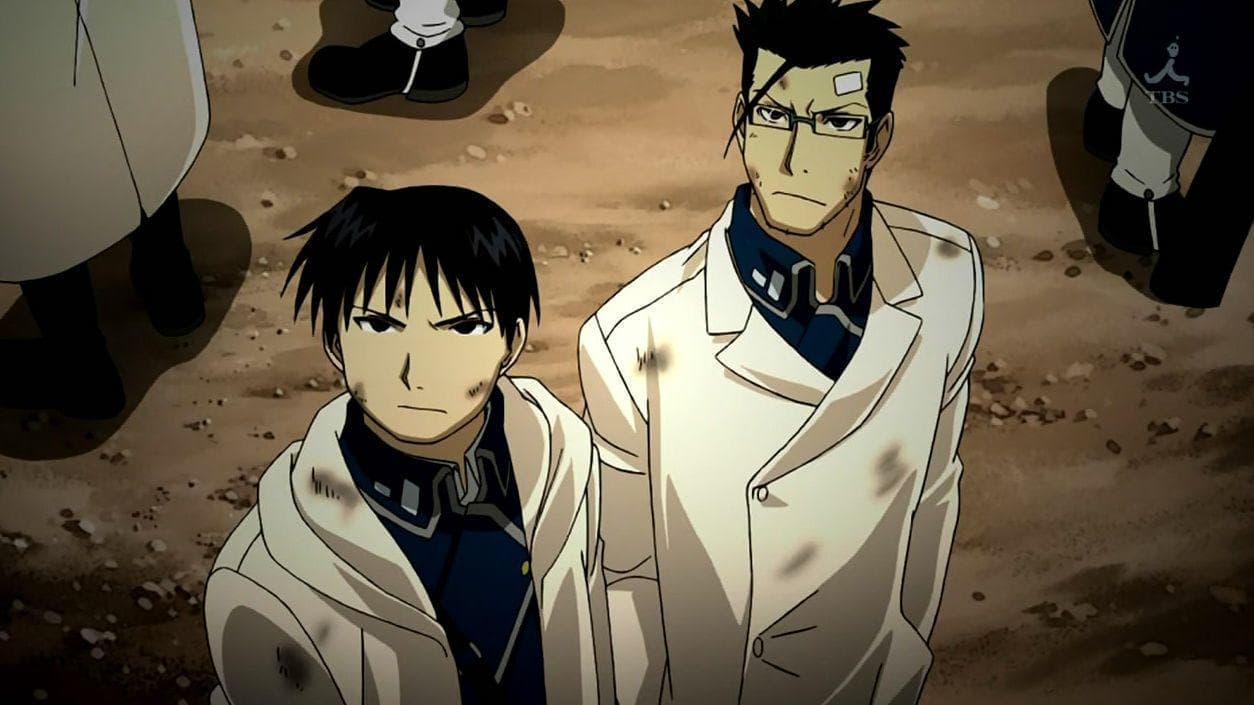
    Nearly every character in the Fullmetal Alchemist Amestrian military has a name that references a military vehicle. Some of the monikers refer to WW2 era vehicles, while others refer to modern day means of transportation. Mustang, Hughes, Bradley, Hawkeye, and Hayate (Riza's dog) are all characters included in this theme.

    86% upvoted
  9. 9

    Hiromu Arakawa Is Actually A Pen Name

    Hiromu Arakawa has been largely disinterested in revealing her personal life to readers. Her actual given name is Hiromi, but she worried people wouldn't take her seriously as a shonen manga writer if they knew she was a woman. Accordingly, she chose a similar, masculine name: Hiromu. Arakawa even noted: It is often said that women are better to talk about emotions, to write dialogues that hit the nail on the head, and men know how to create stories with twists and turns. As for me, I think it’s difficult today to make a distinction between genres. Some men are really able to imagine sensitive and complex characters, while some women are able to create sometimes violent action scenes. Nowadays, each writer has their own specialty. It doesn’t matter if they’re a man or a woman.

    82% upvoted
  10. 10

    The Manga Features Fun Extra Content

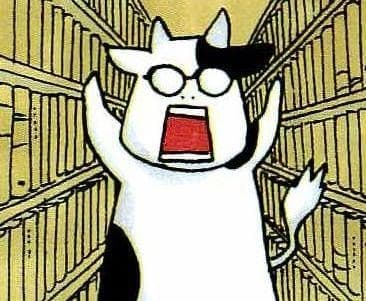
    Fullmetal Alchemist deals with some seriously heavy content, and the show is not always alleviated by humor. In the manga, while sustaining a mood is important, it's nice to have breaks from the tension, and 4-Koma comics offer that respite. These comics approach the series's subject matter in a lighthearted way, telling jokes, reenacting scenes, and clearing the air. In fact, some of the popular panels were animated and called 4-Koma Theater. The manga also includes the "Cow Shed Diaries," where the author Hiromu Arakawa represents herself as a cow with glasses, writing about the creative and editorial processes and answering reader questions.

    81% upvoted