Skip to content
maxnews
Rankings

10 Reasons Why Anime Doesn't Translate Well To Live Action

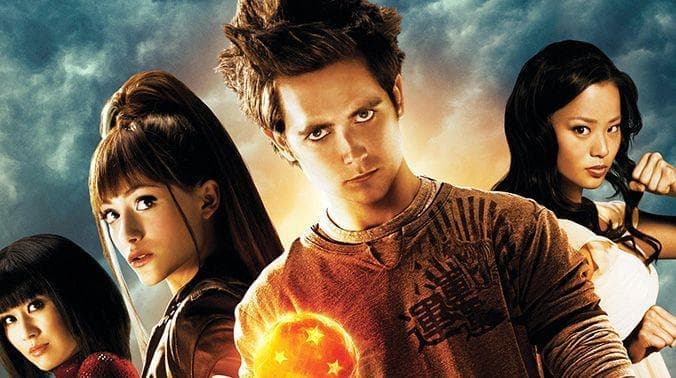
Anime can be so well-developed, entertaining, and thought-provoking, it's no wonder some producers have thought they could use it as inspiration for live-action movie versions. Unfortunately, the things that make anime so alluring don't always translate well to live action; in fact, those movies often don't turn out particularly good. Some of them, like Dragonball Evolution and Netflix's Death Note, are so bad, some fans claim their existence is an insult to the original. Whether it's the writers thinking they don't have to care about the original series to produce something with merit or that the technology to replicate amazing anime fight sequences simply doesn't exist, there are plenty of reasons why anime live-action movies are bad. It's not that it's impossible to make a great live-action anime movie - there are some worth watching. But until the inherent problems with adapting anime into live-action movies are addressed, it might be wise to pass on a live-action version of Pokémon. Vote up the reasons that make you nod vehemently about why translation from anime to live-action films is so tricky.

Entries
10
Votes
3.7K
Updated
2 days ago

Tap upor downto vote. Your vote is added to Ranker's counts.

Voting identifies your browser with an anonymous fingerprint, stored only as a salted hash, to count one per visitor. Privacy

Source: Ranker, ranked by its voters.

  1. 1

    It's Impossible For A Single Movie To Do Justice To A Full Series
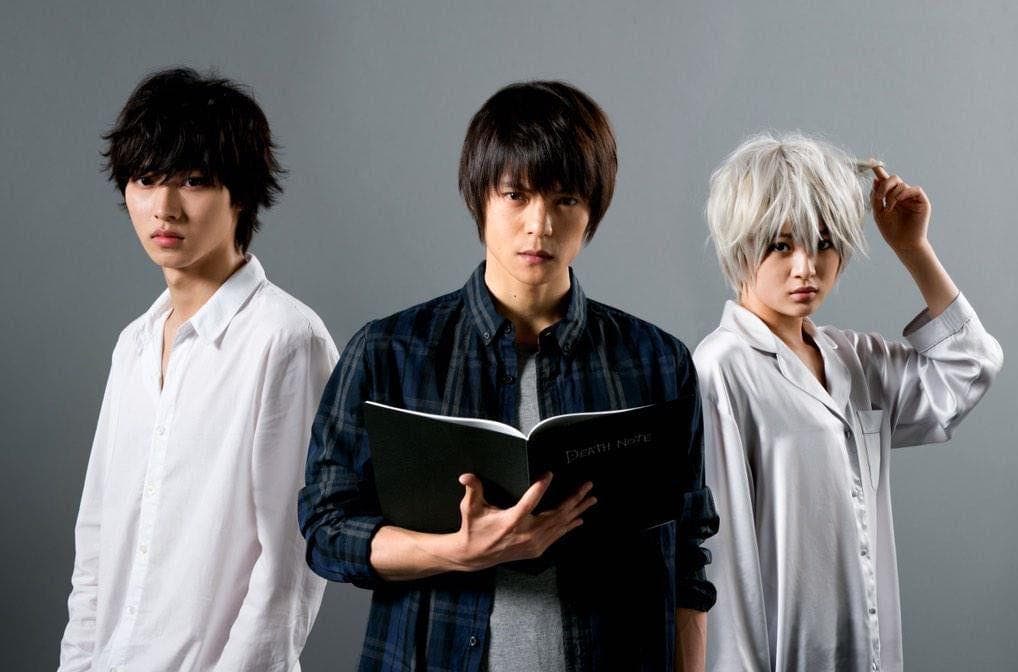
    Even the shortest anime series is often too complicated distill into a single film. In order to fit into the 90 to 120 minutes of typical movies, these adaptations not only have to excise minor characters and subplots, but also remove things that are critical to fully understanding the story. This results in an end product that's just not as interesting as it could have been because it's sacrificed most of the story. This issue could be solved by adapting multiepisode series into multiepisode series. The Death Note drama series is much better than either the Japanese or American Death Note movie, in part because it has the space to tell its complex story.

    93% upvoted
  2. 2

    The Creators Aren't Always Familiar With The Original Series

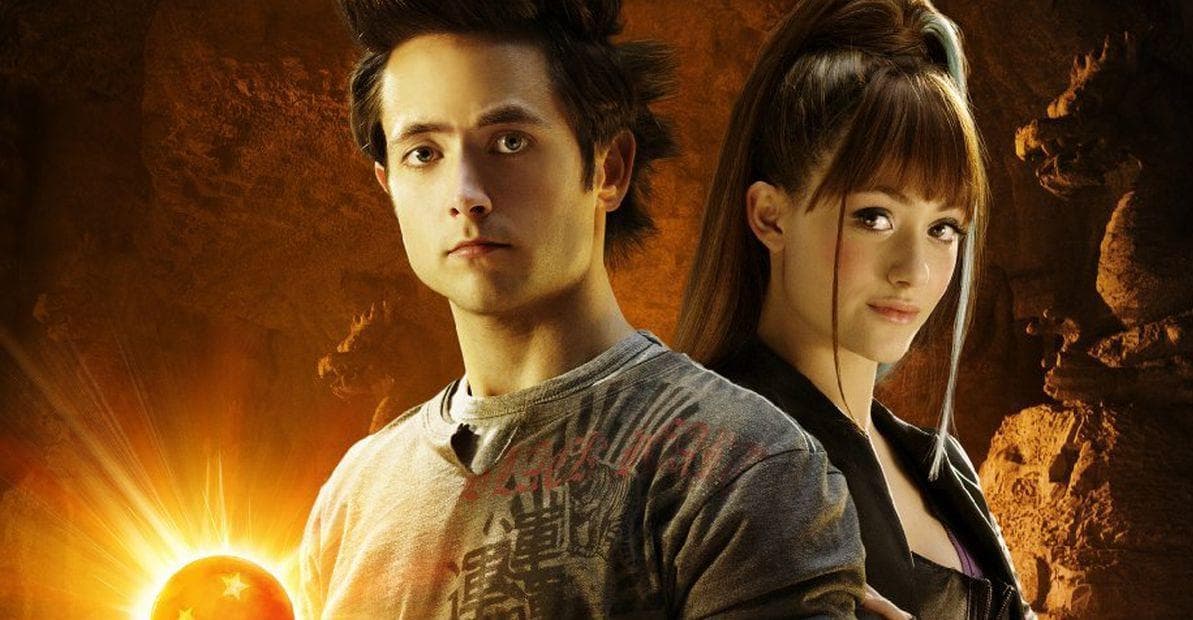
    The producers of a live-action version of an anime would ideally be fans of the original - or at least have a working knowledge of it. Unfortunately, this isn't always the case. Ben Ramsey, the screenwriter behind the publicly belittled Dragonball Evolution, had no particular interest in the Dragon Ball franchise. He said: I went into the project chasing after a big payday, not as a fan of the franchise but as a businessman taking on an assignment. I have learned that when you go into a creative endeavor without passion, you come out with sub-optimal results, and sometimes flat-out garbage. So I'm not blaming anyone for Dragonball but myself. As a fanboy of other series, I know what it's like to have something you love and anticipate be so disappointing. When the people responsible for the remake have no respect for the original, it shows.

    92% upvoted
  3. 3

    There's Too Much World Building Required

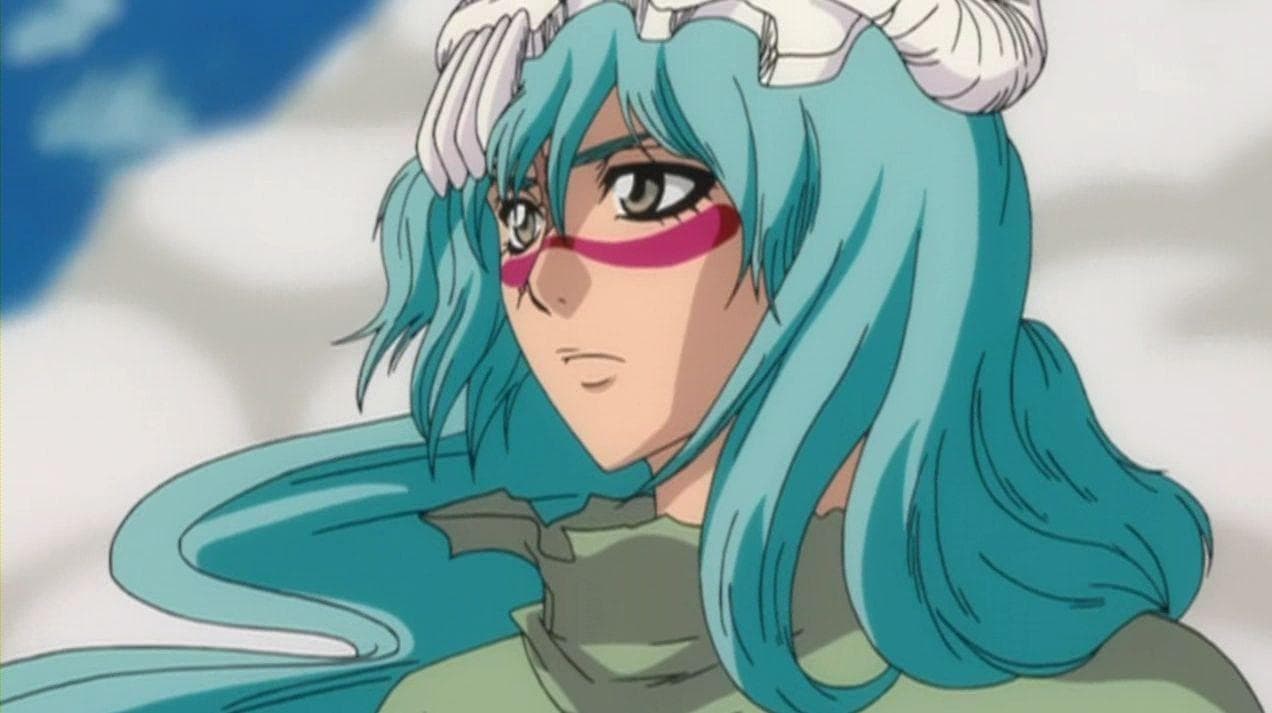
    Not only do movie adaptations have no room for all the characters and plot points making up a typical anime, they also don't have room or time for all the world building and language teaching that sets up the story. For Bleach viewers who already know about bankai, Zanpakutō, Shinigami, Arrancar, and Hollows, this is redundant and boring. For the uninitiated, it's too much exposition crammed into a small space. This especially applies to American versions of live-action anime remakes - these films not only need to world-build for their particular narratives, they also need to make sure viewers understand the cultural context. Most anime, even if it takes place in a fantasy world, includes characters not just eating Japanese food, but also behaving in ways that make sense in Japanese culture, but not so much in a Western context. To translate this, producers must either spend extra time to make sure viewers are up-to-speed, risk confusing viewers, or cut these nuances altogether in the name of Westernization. All of these options have serious drawbacks.

    92% upvoted
  4. 4

    It's Impossible To Translate The Fight Scenes

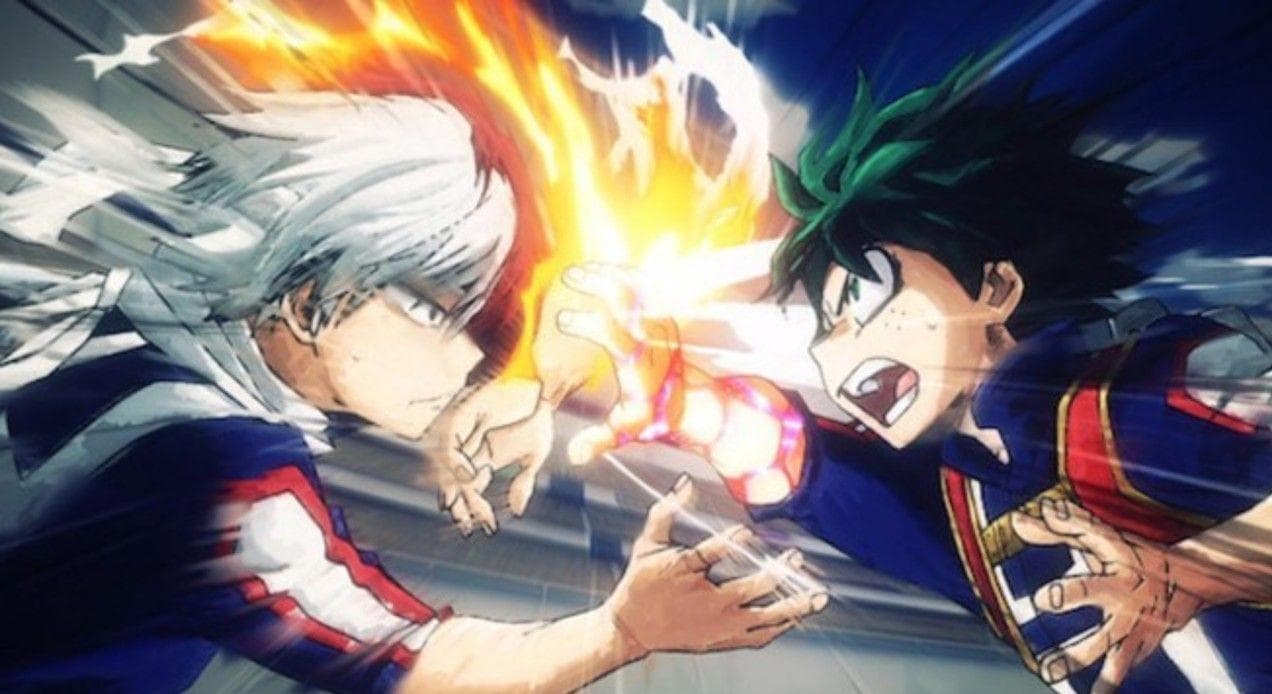
    When anime characters fight, they often do so with magical weaponry and powers that can't be replicated in live-action form. The fight choreography in animation is often spectacular, so translating it to live action would require levels of strength physically impossible for the actors involved. Impressive effects can be accomplished through CGI and other editing techniques, but so far the technology to make incredible fight scenes come to life in a believable way doesn't exist. That's why the battles in live-action anime inspired by shonen series often appear awkward or lackluster.

    85% upvoted
  5. 5

    It's Impossible To Please Everyone

    One of the biggest problems with creating a live-action anime movie is it's impossible to make something that will work for everyone who watches it, in part because it's trying to transform media across vastly different forms. Some people - especially fans of the anime - want a loyal re-creation of the original. These can be awesome, but they're hard to pull off for a variety of reasons. Moreover, some viewers find them redundant and don't see the point in watching a live-action version that barely differs from the anime, and people who aren't familiar with the series will probably ignore a movie that requires outside knowledge to understand. To combat this, some studios opt to put a completely new spin on the series. This alienates fans of the original, even those who aren't adamant about replicating it. Unfortunately, most movie studios don't know which changes will alter the core identity of a series and which ones won't.

    86% upvoted
  6. 6

    The Original Voices Are Lost

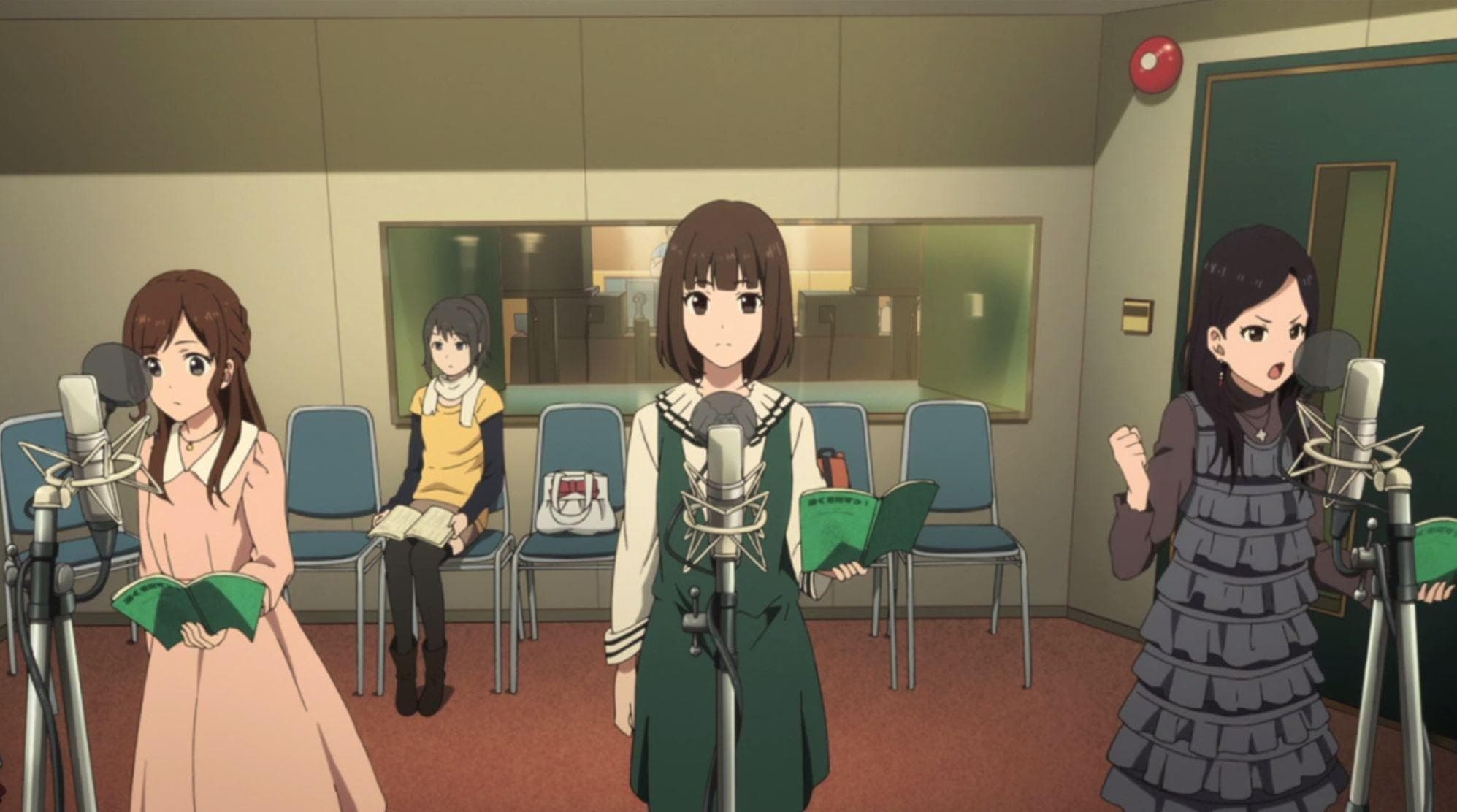
    Whether you're a fan of subbed or dubbed anime, what the character sounds like is a big part of who they are. How actors deliver crucial lines can make the difference between a sympathetic, interesting character or an annoying, shallow one. And while some voice actors are also screen actors, the voices behind the characters we love aren't always the best fit visually. Sure, you could have Mayumi Tanaka or Colleen Clinkenbeard play Luffy in a live-action version of One Piece, but it would be a hard sell. When making a live-action film, the aesthetics and audio go hand in hand, and live-action casting works very differently from planning for animation.

    81% upvoted
  7. 7

    The Audience For These Live-Action Films Based On Anime Is Unclear

    Who exactly is watching live-action anime adaptations? There's a lot of nuance and hyperbole to anime that fans acknowledge adds to the audience's understanding and reception of a story. A movie like this featuring live actors may be too weird and confusing for people unfamiliar with the medium, and these nuances can't be explained or fully articulated in a brief live-action film. For anime fans, live-action movies rarely add anything to their experience - many ignore them entirely, or end up bitterly disappointed by the clumsy handling of a series that means a lot to them. If live-action films fail to satisfy either anime fans or non-anime fans, which audiences are they supposed to be attracting?

    81% upvoted
  8. 8

    Anime's Fantastical Style Is Unsettling In Live-Action Form

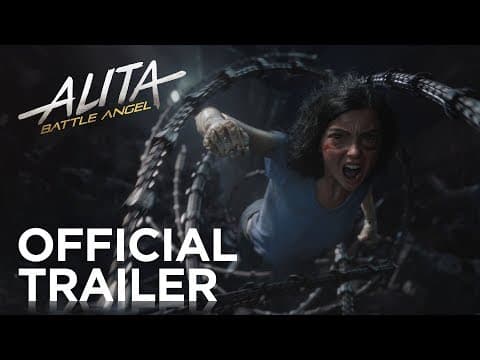
    If you've seen the Alita: Battle Angel trailers, you've also seen the protagonist's unnaturally large eyes. This isn't because the actress has some kind of disorder - it's due entirely to visual effects intended to make her look more like her counterpart in the anime/manga. Anime visuals aren't intended to be realistic - that's part of what makes them so fun and appealing. Live-action films don't have to be wholly realistic in order to work - they can and often do successfully incorporate fantasy - but visual elements, especially those regarding character design, don't translate. As one reviewer pointed out: It doesn't help that they also look nothing alike: Anime character designs are awful. No amount of gel on a white boy would get you Goku's hair, ever. And no amount of real people appearance would look anything even remotely similar. The CGI doesn't help either, and makes it extremely immersion-breaking.

    75% upvoted
  9. 9

    Whitewashing Still Plagues The Western Industry

    America is one of the most racially and ethnically diverse countries on the planet, but you wouldn't know that to look at the nation's live-action versions of anime. White actors routinely play Japanese characters in the name of localization. Nat Wolff and Margaret Qualley play Light Yagami and Misa Amane - renamed Light Turner and Mia Sutton - in the Netflix version of Death Note. Scarlett Johansson plays Major Motoko Kusanagi in the Western adaptation of Ghost in the Shell. Here's why this is a problem: Few Hollywood roles are available to Asian American actors, while white actors rarely encounter career roadblocks because of their race. Casting a white actor as a character who was originally Japanese is not only insulting to Asian American actors, but actively harms their careers. It's also damaging to Asian American viewers, who rarely get to see themselves represented in American media. And it isn't even logical - for example, the Death Note localization took place in Seattle, a city with a large Asian American population. It would make sense demographically for Misa and Light to be Asian American. While not every part of America has such a large Asian population, the nation as a whole is far more diverse than its media implies. American studios could easily start casting Asian actors, but until they get their act together in this department, they should stop remakes altogether before we end up with a white Ichigo Kurosaki named Izzy Coleman.

    69% upvoted
  10. 10

    The Infamous Intros And Outros Of Anime Aren't Typically Replicated In Live-Action Remakes

    There are some anime movies that have interesting music - the Japanese Death Note movie inexplicably uses "Dani California" by the Red Hot Chili Peppers - but live-action versions of anime rarely have the kind of memorable intros and outros typically present in anime. What would Neon Genesis Evangelion be without "Cruel Angel's Thesis"? What would Naruto be without all the amazing songs by Home Made Kazoku, Nico Touches the Walls, and Flow? Songs by real artists that are specially made to underscore the themes of an anime, combined with inventive animation that's like a miniature music video, are part of what makes anime great. Could live-action anime movies create an equivalent? Sure they could - but so far, there is a lack of any memorable equivalent.

    74% upvoted