A Possibly Cannibalized Skull
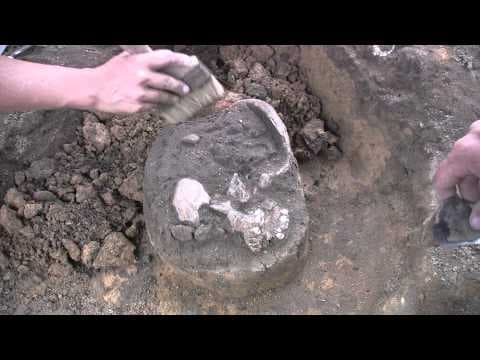
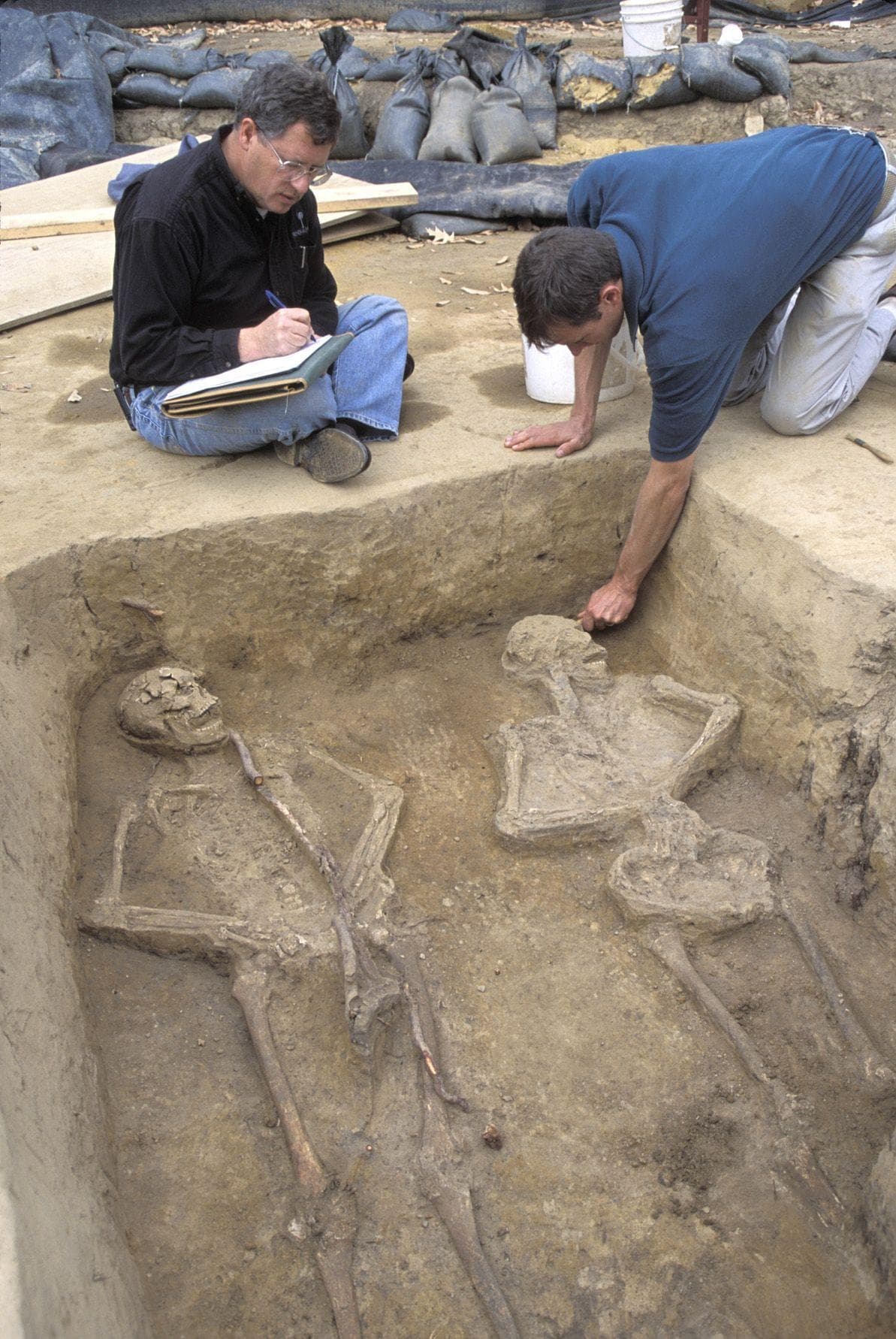
A skull and a severed leg bone were found buried in an early 17th-century kitchen cellar during a 2012 Jamestowne Rediscovery/Preservation Virginia archeological dig. Visible cut marks on the skull and the bone, as if to remove the flesh for consumption, suggest cannibalistic activity. Why would Jamestown's supposedly upright settlers turn to the consumption of human flesh? The discovered bones were determined to come from a terrible time during the very earliest years of the colony. This "Starving Time" decreased the population from around 500 to 60 in less than one year. Some settlers were lost to disease, but most perished from lack of food. Accounts written by survivors and acquaintances reported that the colonists resorted to cannibalism after all other food sources were exhausted. The discovered skull was nicknamed "Jane." Jamestowne archeologists and Smithsonian Institute scientists discovered that the skull and leg bone were from a teenaged female, around 14 years old. They aren't sure whether she was butchered to serve as food or if she perished and was then consumed. An intriguing contemporary account may or may not solve the mystery of Jane. According to letters written to the Virginia Company (the corporation that created the Jamestown colony), the desperate settlers ate any animals they could find, even rats and snakes. They finally resorted to digging up recently buried corpses and eating those. But one man among the colonists might have had a different approach to circumvent the lack of food: he is said to have butchered and "powdered" (salted) his pregnant wife. Some accounts provide the particularly gruesome detail of how he cut the baby out and threw it into the James River. His stash of "wife meat" was eventually revealed - only her head was missing. Could this ill-fated woman be Jane? Historians will likely never know for certain.