Pulisic and Co. offer USMNT's next generation a vital advantage
Pulisic, McKennie and Adams were thrown into a rebuild. Now, they can give Cavan Sullivan and the USMNT's next generation the guidance and patience they lacked.
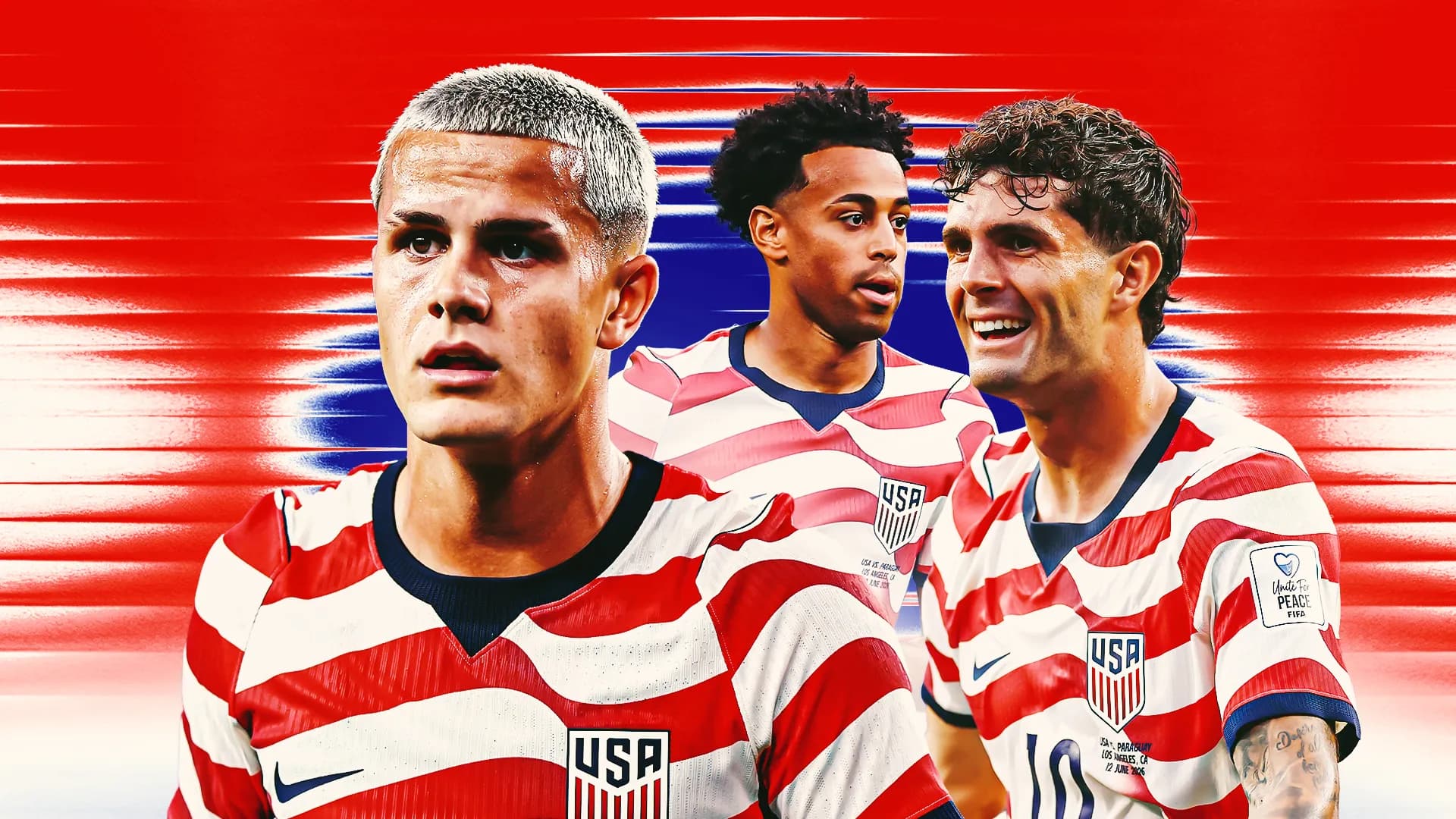
The players now known as the U.S. Men's National Team's Golden Generation didn't arrive with open arms. They arrived to scorched earth. After the failure to qualify for the 2018 World Cup, the USMNT effectively hit reset for the 2022 cycle. Christian Pulisic, Weston McKennie and Tyler Adams were among the young stars handed the baton and told to run as far as they could, even if they tripped.
Many of those players are still around and, even in a post-2026 World Cup landscape, they're still crucial. Pulisic remains the face of the team. Adams is the group's captain. McKennie, Antonee Robinson and Sergino Dest are crucial pieces, as is Gio Reyna, who, at the tender age of 23, is now a veteran player. Others have been picked up along the way, names like Malik Tillman and Folarin Balogun, but the core of that group has remained for nearly a decade.
Meanwhile, a new core is arriving, too. During the team's first post-World Cup camp, Mauricio Pochettino called in 13 debutants, including eight teenagers. Cavan Sullivan, Mathis Albert and Julian Hall became household names as well as history-makers. And, for these upcoming November games, many of those young stars are back. In addition to all of the senior names above, Pochettino's latest squad includes eight of those 13 that played for the first time last month.
With the returns of Pulisic, McKennie and Balogun to the fold, this camp, even more than last one, is a meeting of generations. Pochettino is excited to see it
"The most important [thing] is the combination and to see the chemistry between them," the coach said. "For Christian and Mathis [Albert], this is the first time that they are going to be together, or McKennie with Cavan [Sullivan]. I think the combinations are something we need to see during the camp. From Monday, we are going to start to see the chemistry on the field, but off the field is very important, too."
So what does it all mean? Big picture, it means that the next generation will have it easier than the current one, largely because they'll have those role models to lean on in a way that their predecessors didn't.
The 2018 challenges
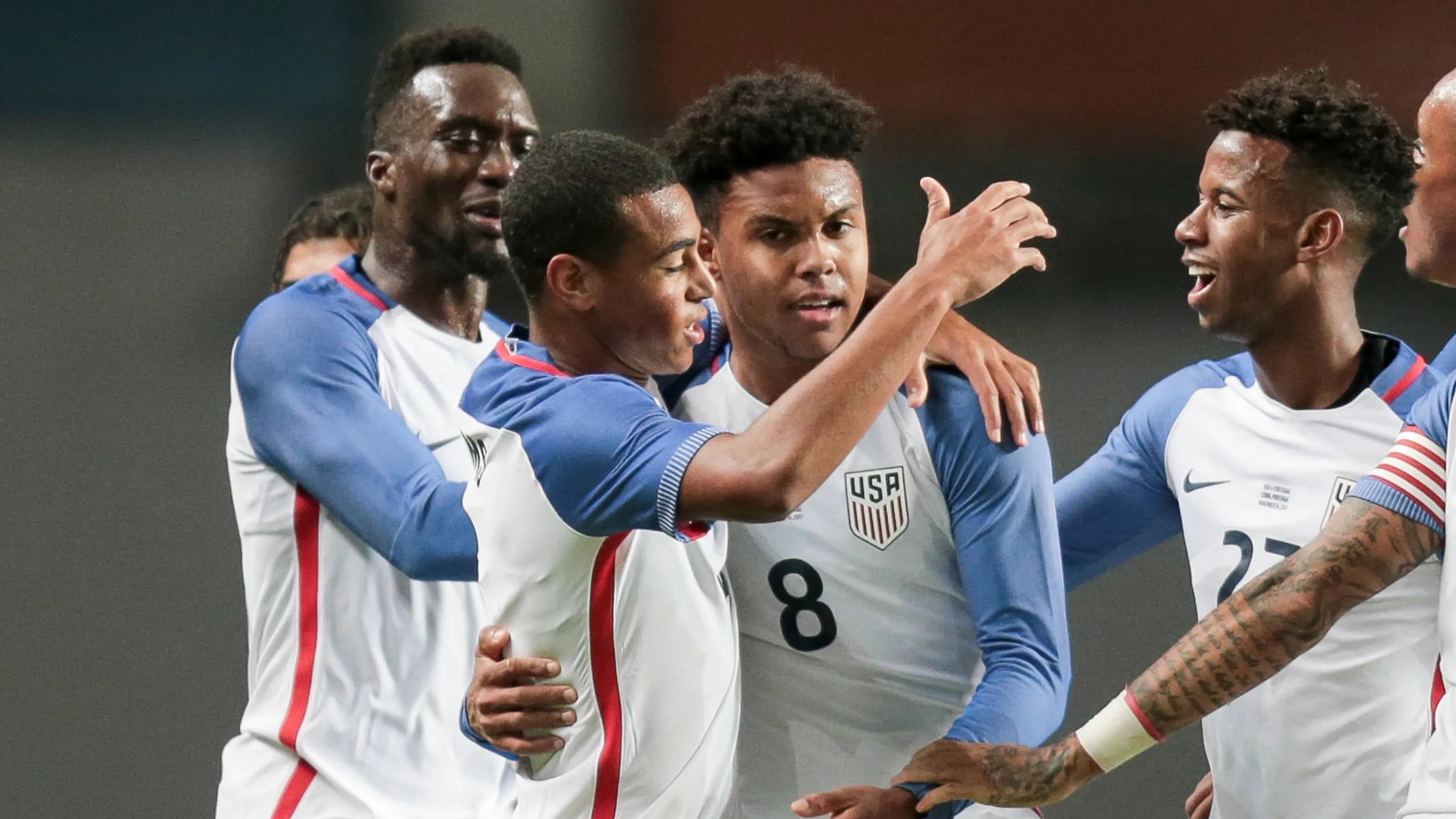
The game that helped launch the Golden Generation came in November 2017: a 1-1 draw with Portugal. It featured the debuts of Weston McKennie and Tyler Adams. The former scored. Of the players who appeared that night, just six made the 2022 World Cup squad: Adams, McKennie, DeAndre Yedlin, Kellyn Acosta, Cameron Carter-Vickers and Ethan Horvath. Just three, Yedlin, John Brooks and Alejandro Bedoya, had played at the 2014 World Cup.
"Getting called into that camp after we didn't qualify for the World Cup, I think it was a wake-up call for both of us," Adams told GOAL in 2024. "They relied on both of us to come in and try and change the narrative of what U.S. Soccer is. I think we both look at that as a big moment. We were roommates in that camp, and we just enjoyed that time so much because we both felt like 'Yeah, we deserve to be here', but we just kind of laughed at each other like, 'I can't believe they're leaning on us right now to change everything'.
"Now, we look back, and we were those guys. It's changed a lot."
As McKennie and Adams began their international journeys, they did so largely without the presence of the previous generation's big names. By the time the likes of Jozy Altidore, Clint Dempsey, Michael Bradley and Tim Howard either stepped away or were left off the national team, Adams had played precisely zero games with them. McKennie, meanwhile, played 11 games with that foursome, eight of which came with Bradley throughout 2019.
There were reasons why. After missing out on the 2018 World Cup, U.S. Soccer decided to turn the page. The goal was to empower the youth to make their own path and make their own mistakes. As a result, the program moved on from the previous generation largely all at once. In the years since, it's been debated heavily how that impacted the generation that followed them.
"It was a bit strange," Adams recalled. "When I came through, it was Michael Bradley and Jozy for one camp maybe that I was in with them, and then, after that, it was like 'It's your guys' time'. You just have to take it in stride and adapt to that, become a leader and understand what it requires to qualify for a World Cup and how difficult it is to go through the process."
He added: "It was off the cusp of obviously not qualifying for a World Cup, and it was like 'You guys basically need to play right now and need to perform right now so that we can qualify for the next World Cup'."
They, of course, did that and made it to the knockout rounds of the 2022 World Cup. That group then reached the same Round of 16, too, before falling to Belgium this past summer. Soon, World Cup qualifying will begin again ahead of the 2030 tournament, and the "Golden Generation" will head into it with their arms alongside a bunch of kids that are trying to break through in a different way than they did eight years ago.
A new generation arrives
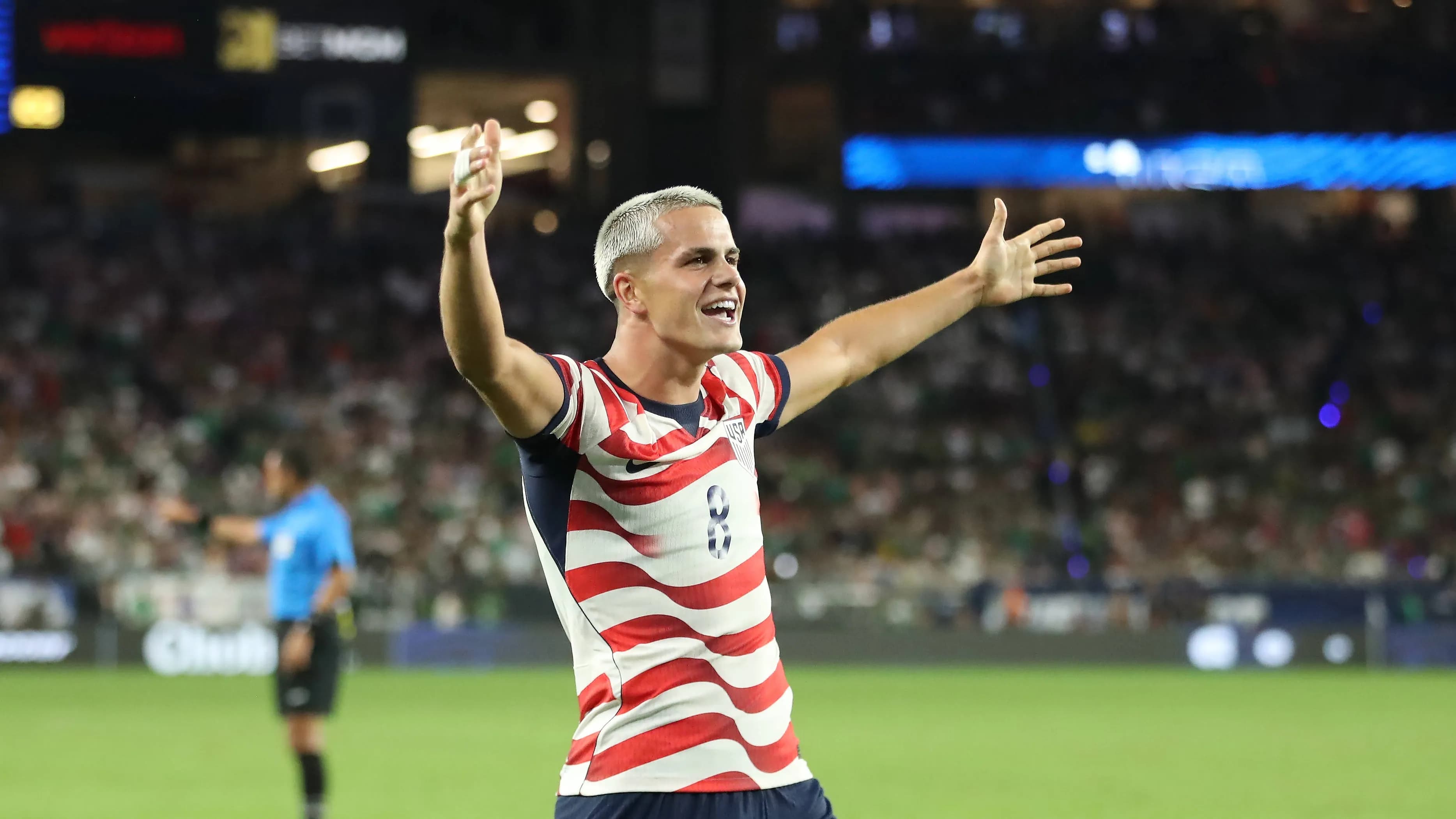
During the last camp, Albert set the record for the youngest USMNT goalscorer with a goal against Chile. His time atop the leaderboard lasted just days before Sullivan took it over with his finish against Mexico. The record itself isn't important, but what it represents is. It shows that the next generation is young, talented and, in many ways, ready to compete at this level.
Those two both scored last camp. So, too, did Julian Hall, who led the camp with three goals in three appearances. Justin Ellis, meanwhile, got two goals of his own, too. And it's not just the attackers that are returning to the USMNT fold, as Adri Mehmeti, Neil Pierre and goalkeeper Diego Kochen are back in the mix, too. Combine that with the arrivals of 21-year-old newcomers Santiago Castaneda and Reed Baker-Whiting, and there are plenty of new faces in this camp, many of whom could star at the Olympics in 2028 and perhaps even the World Cup in 2030.
Of the 25 players in the squad, 12, so nearly half, have less than 10 caps. 10 are under the age of 23. Just as crucially, though, there are 12 players with at least 20 caps in the team, 13 who have played at a World Cup and six who have played at two. It is, to put it lightly, a mix of new and familiar. There is no scorched earth this time, but rather something more gradual.
So how does that work? It requires cooperation, leadership, and role models.
Old leading the new
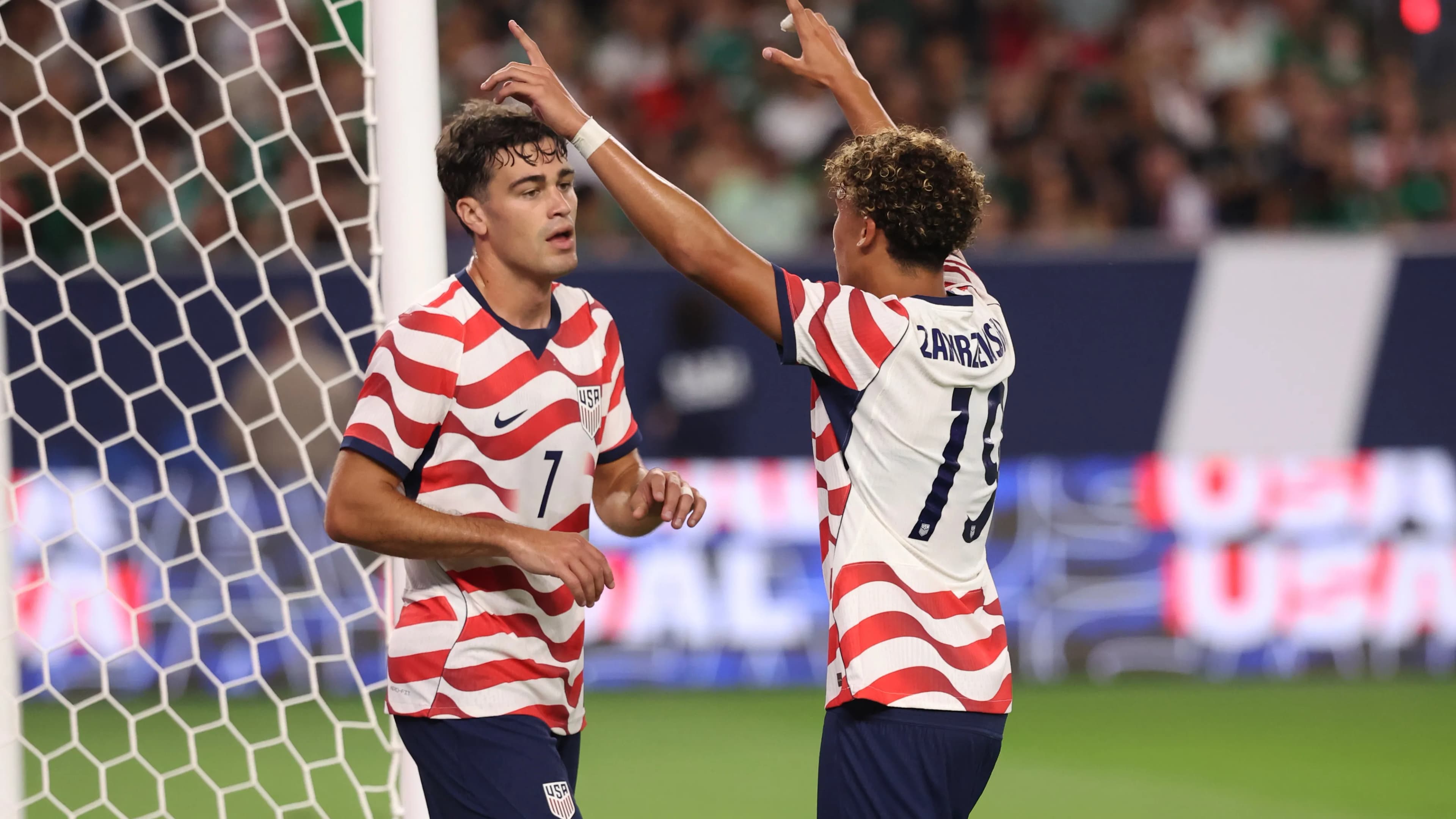
Throughout the last camp, Reyna was frequently cited as a crucial leader. With two World Cups to his name, he has the experience that makes a difference. He also has the respect. Ellis said before the camp that Reyna was a player he grew up watching, which, ultimately, gave the Strasbourg midfielder something to laugh at.
Yet, the night before Ellis' first USMNT goal, it was Reyna that sat down with him at the USMNT hotel and told him it was coming, and that he was going to assist it, too.
"There are obviously a lot of new faces," Reyna said ", and it's just showing them what we're about, how we train, how we react on and off the pitch. We just try to help them, enjoy the time together, and hopefully help them develop."
Many members of the 2022 and 2026 World Cup teams will understand the importance of that, largely because they didn't get quite enough of it themselves. They were thrown into the fire and immediately put under pressure. Now, they know their role is to take that pressure off of a talented, but still green, generation of rising stars.
"When I came into the national team, there was a really big gap," Adams recalled. "It was all us young guys, 17-18, and then it was like 33-34, guys that were obviously phasing out in the national team. Now we have that middle ground of 26- 27-year-olds with a lot of national team experience already playing in multiple World Cups, having a bunch of caps under our belt, and still having probably the best parts of our careers. We have this younger generation coming through that we can help support."
What this looks like
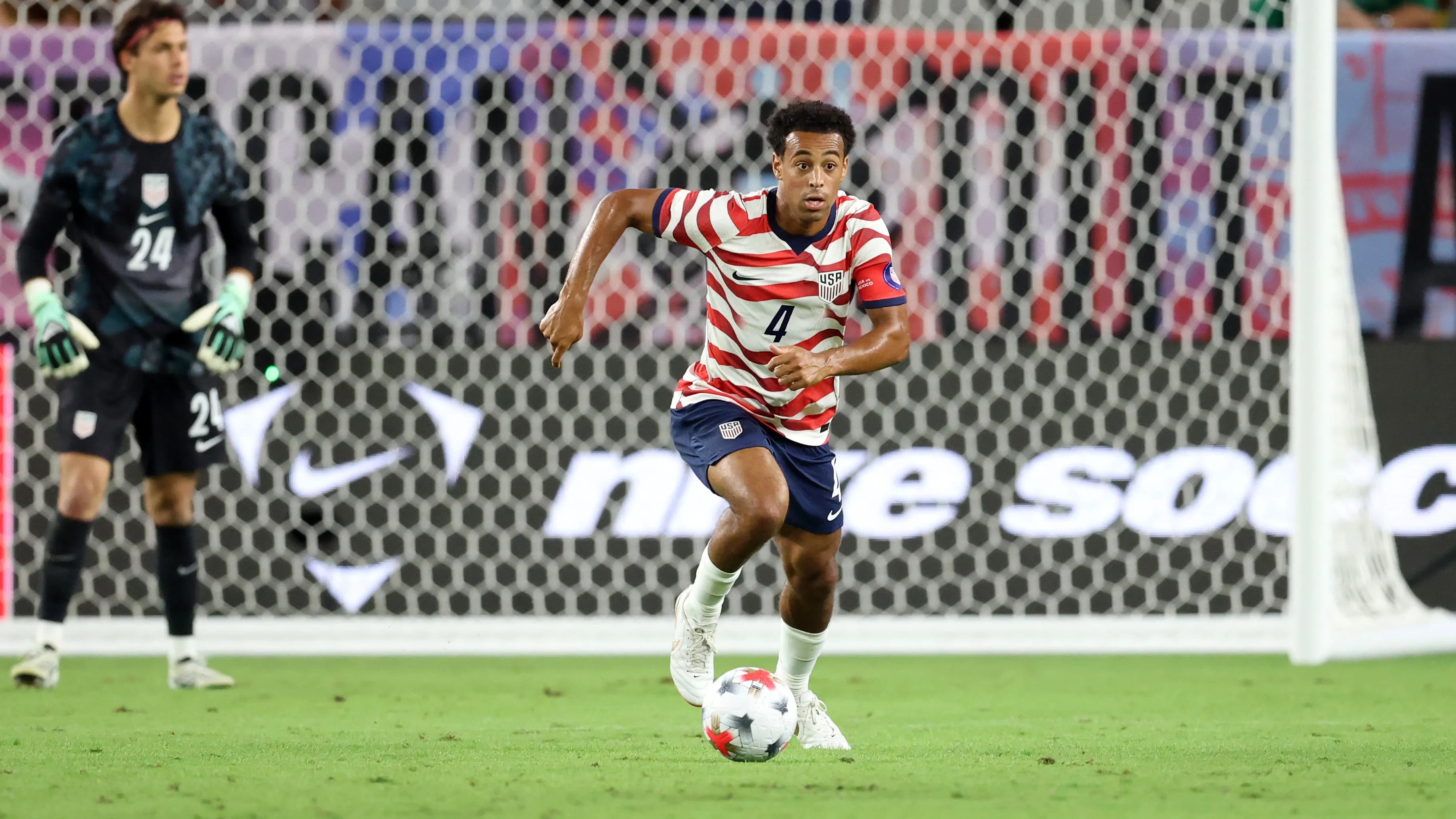
The keyword that Adams stresses is patience. There's room for it now, thankfully. As good as players like Sullivan, Albert and Co. are, they don't need to be great yet. They don't need to lead and don't yet need to achieve. For now, they can learn and adapt. Anything more they offer, at this point in their careers and in this World Cup cycle, is a bonus.
That said, they aren't being coddled, either. It's up to Adams and his longtime teammates to set a tone. It's up to them to show the next group what it means to represent the USMNT and what is expected of them as players and as teammates.
"I think we can be very patient with these guys and give them opportunities like we are now because they're playing well with their clubs," Adams said. "They've earned it, but also understand that they can't take it for granted, and they obviously need to perform."
The key difference is they don't need to perform right now. The 2022 and 2026 generations are eager to lead, but not eager to hand over their spots. Competition will be friendly, but fierce. Through it a generational shift will occur gradually.
It will be the first time that's happened with the USMNT in a long, long time. The 2002 group evolved from 1994. Several of them held on right up until 2014. 2018 was a step too far and, suddenly, they were gone. There was no passing of the torch and no life lessons to impart to the new guys.
What 2030 looks like remains to be seen, but it's safe to say it will look different from 2022 or 2026. If this camp says anything, it's that generations are meant to be mixed and, when that happens, it benefits all involved.
"I think they're in a great position in that they can go through the process properly and really just lean on guidance and go through and get their own experiences," Adams said. "They have opportunities like the Olympics as well, along that way, and other competitions to really grow them for the next World Cup. I think it's a little bit different, but I think they're just going to be able to go through the process properly."
Source: goal.comRead the original
Topics & tags
- #Analysis
- #CONCACAF Nations League



Comments (0)
No comments yet. Be the first.