Nigeria make history: Morocco send a strong message ahead of the 2030 World Cup
What's the story?
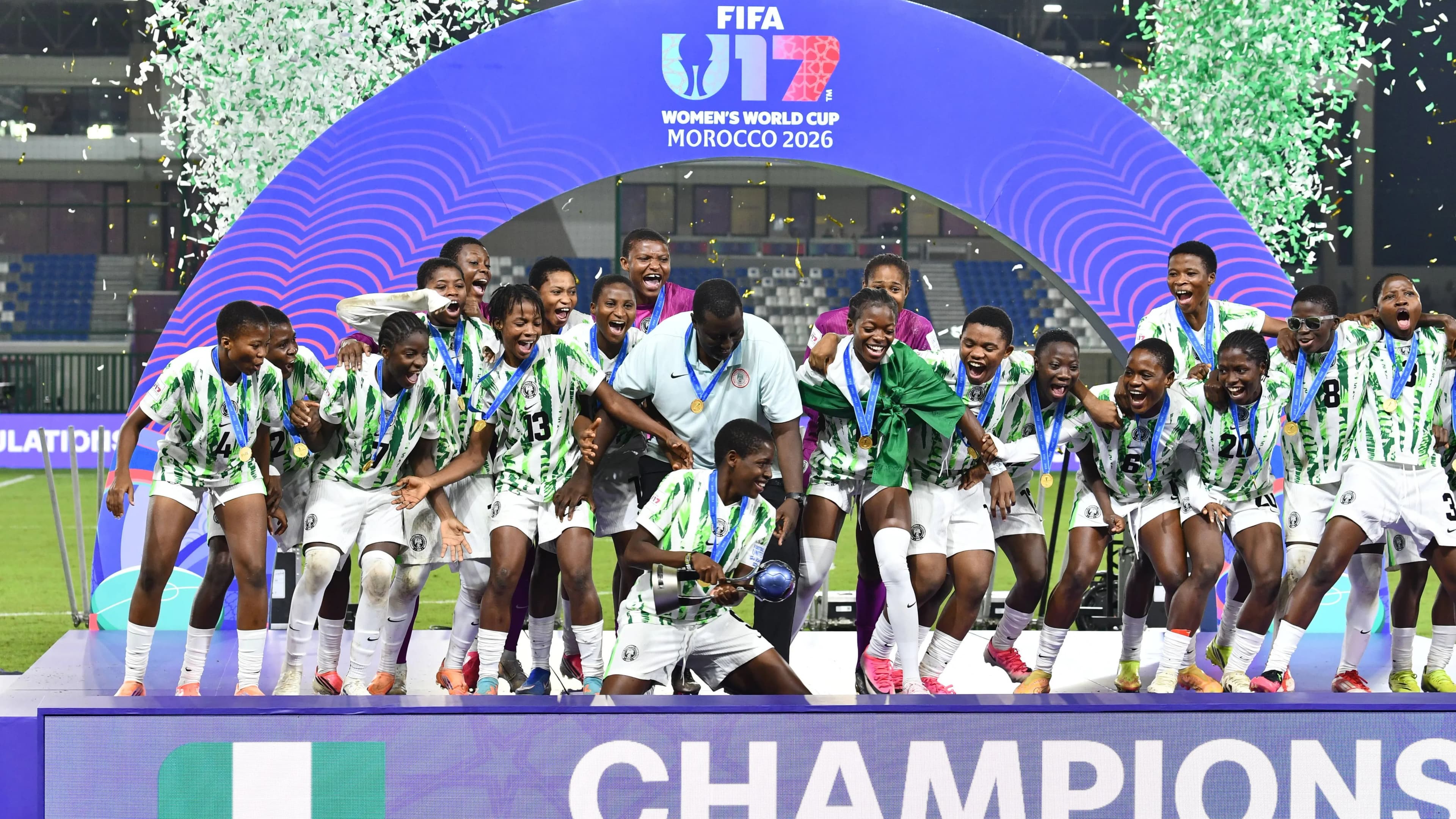
Morocco continued testing its organisational capabilities and sporting and logistical infrastructure by hosting the Women's Under-17 World Cup. The tournament concluded in the capital Rabat with Nigeria crowned champions for the first time in their history, after a 2-1 victory over Japan. It marked a new stage in the kingdom's preparations to host the 2030 World Cup in partnership with Spain and Portugal.
Spanish newspaper "Sport" reported that the tournament's importance went beyond the sporting competition, offering Morocco an additional opportunity to test its facilities, organisational mechanisms, delegation management and logistical operations as part of the plan to prepare for football's showpiece in 2030. The kingdom has secured the right to organise five consecutive editions of the tournament from 2025 to 2029.
Saturday's final in Rabat saw the Nigerians prevail through goals from Owu Bashiru in the 39th minute and Oluwabobi Omogbeeko in the 47th. Fuki Ito pulled one back for Japan in the 80th minute, but her side could not force an equaliser.
Omogbeeko, scorer of the second goal, won the best player award. Nigeria made history as the first African team to be crowned Women's World Cup champions at any level.
Twenty-four countries took part in the tournament, which featured 52 matches. It gave Morocco a fresh organisational experience as the first African country to host the Women's Under-17 World Cup, part of FIFA's plan to stage the event annually in the kingdom until 2029.
The Mohammed VI complex at the heart of the organisational experience
Morocco built its model around concentrating matches, facilities and services at the Mohammed VI Football Complex near Rabat. The site includes training pitches, accommodation, medical services and areas dedicated to team preparation, which helped cut down the movement of national teams and ease the management of the tournament's logistics.
The final had been scheduled for the Prince Moulay Hassan Stadium. On 28 October, FIFA announced its transfer to the Mohammed VI Complex, keeping the closing stage of the competition in a single location.
That approach reflects Morocco's push to make the most of its sporting facilities in hosting international tournaments. By providing integrated venues that combine accommodation, training, medical and organisational services, the kingdom strengthens its capacity to receive national teams and sporting delegations.
Infrastructure investments support the 2030 ambitions
Moroccan preparations rest on investments that began years before the kingdom earned the honour of hosting the 2030 World Cup. The Mohammed VI Football Complex, which opened in December 2019, leads these projects. It extends over nearly 29 hectares and cost around 90 million dollars to build.
A network of stadiums, training centres, hotels, and medical and academic facilities underpins the Moroccan sporting system, part of a strategy aimed at developing football and boosting the country's capacity to host teams, clubs and international tournaments.
These investments coincide with a surge in results for the Moroccan national teams. The first team reached the semi-finals of the 2022 World Cup in Qatar, becoming the first African side to achieve the feat, while the youth team were crowned Under-20 World Cup champions in 2025.
Five consecutive editions in preparation for the biggest test
Hosting five consecutive editions of the Women's Under-17 World Cup from 2025 to 2029 carries an importance that goes beyond staging an annual tournament. It hands the kingdom a repeated opportunity to assess its capabilities and improve procedures for accommodation, transport, security, receiving delegations, coordinating facilities and managing matches.
Gianni Infantino, the president of FIFA, has praised Morocco's capabilities in organising major sporting events on several occasions. He also congratulated Nigeria on their historic triumph and expressed his appreciation for the host country after the final.
The 2030 World Cup represents a far greater challenge, given the scale of the crowds, teams and stadiums, along with the complexities of movement between the three host countries. Yet Morocco keeps using international tournaments, especially age-group competitions, to gain experience and test the readiness of its facilities and operational mechanisms.
Nigeria's title triumph was not the only standout moment at the close of the tournament. Morocco also came away with fresh organisational gains, bolstering its efforts to prepare its infrastructure and refine its expertise before hosting the 2030 World Cup.
Source: goal.comRead the original
Topics & tags
- #Nigeria U17
- #Morocco
- #Nigeria
- #Morocco



Comments (0)
No comments yet. Be the first.